The best evidence for how Japan’s first great capital actually worked was thrown into a ditch. Clerks in eighth-century Nara wrote on slips of wood, and when a slip had done its job they shaved the ink off with a knife and wrote on it again, or snapped it and threw it away. Thirteen centuries later the shavings and the snapped slips are coming out of the mud by the hundred thousand, and they tell you things no chronicle bothered to record: that a prince had ice delivered in summer, that his household fed rice to its dogs, and that ten strings of dried abalone were sent to him under a title he was not, strictly, entitled to.
The prince was Nagaya, the most powerful man in the country for most of the 720s, and in the second month of 729 he hanged himself with his wife and sons while soldiers surrounded his house. Eight years later the four brothers who had driven him to it were dead of smallpox within five months of each other, and the emperor who had let it happen spent the next decade moving his capital around the countryside and pouring the treasury into a bronze Buddha fifteen metres tall. That is the Nara period in miniature: a government of astonishing paperwork, run by people who were frightened of ghosts.
In This Article
- A grid on the hills: Heijō-kyō in 710
- Government by paperwork: the ritsuryō state
- Reading the rubbish: the mokkan
- Writing the gods down: Kojiki, Nihon shoki and the Man’yōshū
- Prince Nagaya and the four brothers
- Pea sores: the epidemic of 735 to 737
- Hirotsugu’s rebellion and the emperor who would not sit still
- A vow, a land law and a very large Buddha
- Kōmyō’s gift: the Shōsōin and the Silk Road
- Envoys, monks and a blind teacher
- The empress and the monk
- Kanmu leaves: Nagaoka in 784 and Heian in 794
- Where to see the Nara period today
- The Heijō Palace site
- The Shōsōin exhibition at the Nara National Museum
- The Shōsōin repository
- Tōshōdai-ji
- Kuni, Shigaraki and Nagaoka
A grid on the hills: Heijō-kyō in 710
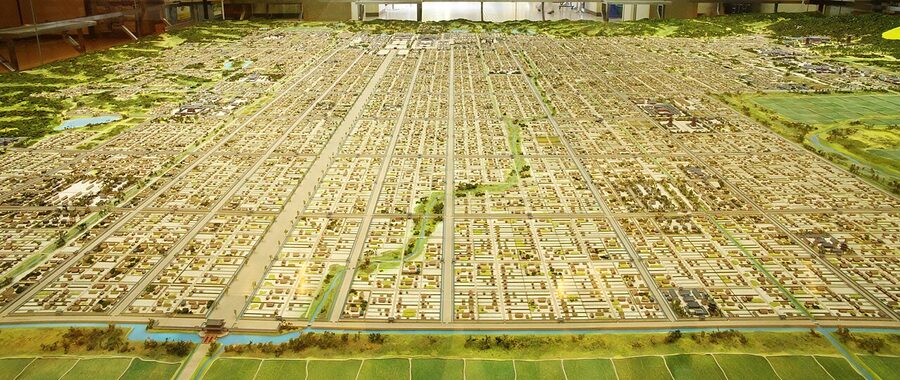
The court moved to Heijō-kyō on the 10th day of the third month of 710, under Empress Genmei, and the man behind the move was Fujiwara no Fuhito, her chief minister. The old capital at Fujiwara-kyō, in the south of the Nara basin, was only sixteen years old, but it had been laid out from a Chinese classic rather than from any real Chinese city, its palace sat in a low spot that collected the town’s drainage, and by most accounts it stank. Envoys back from China in 704 had seen Chang’an, the Tang capital, and the new city copied it.
The site had another advantage the chronicles do not trumpet. The country around Fujiwara-kyō was full of the home estates of the old great families, the Soga, Abe, Kose and Ōtomo among them, while the hills around Heijō held almost nobody of consequence: a fresh start with fewer old men in the room.
The numbers are still impressive. The city ran about 4.3 kilometres east to west and about 4.7 north to south, with a block of extra wards bulging out on the east side. Its spine, the Suzaku Ōji, ran some 3.8 kilometres from the palace gate to the city gate and was about 74 metres wide, which is wider than most modern motorways.
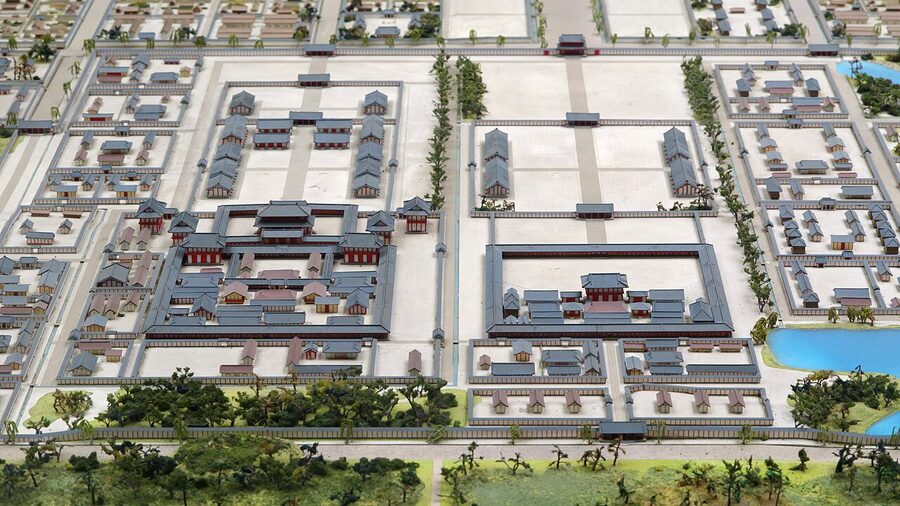
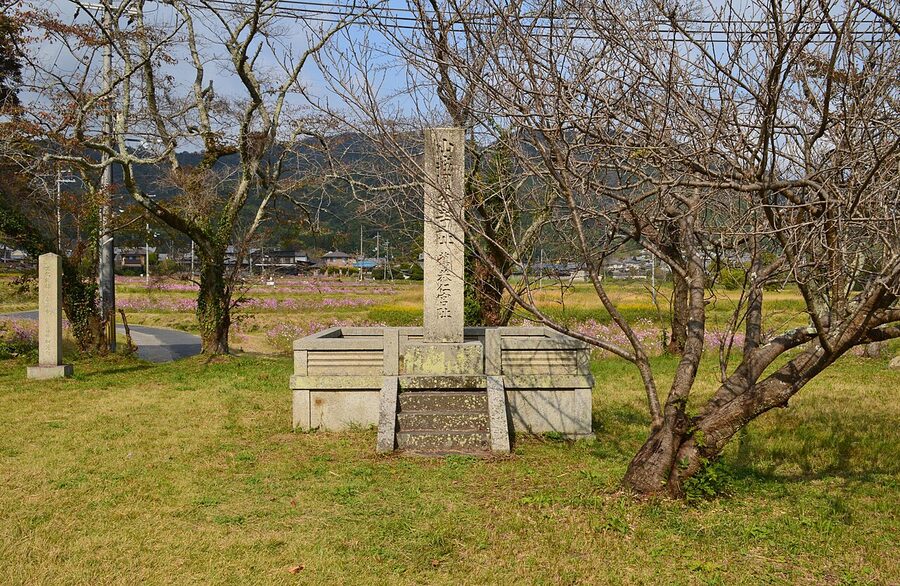
Inside the grid, land was handed out by rank. The greatest men held whole blocks of the city, while the clerks below them lived on a sixteenth or a thirty-second of one. Fuhito’s mansion stood on prime ground just east of the palace, where the nunnery of Hokke-ji is now, and Prince Nagaya’s took four blocks off the palace’s south-east corner, which matters later.
How many people lived here is a fair argument. For much of the 20th century the standard figure was 200,000, an estimate made by the historian Sawada Goichi before the war, and English-language accounts still repeat it. Most Japanese scholars now put the city at 50,000 to 100,000, out of a national population of perhaps six million, with something like 10,000 people working in or for the government offices.
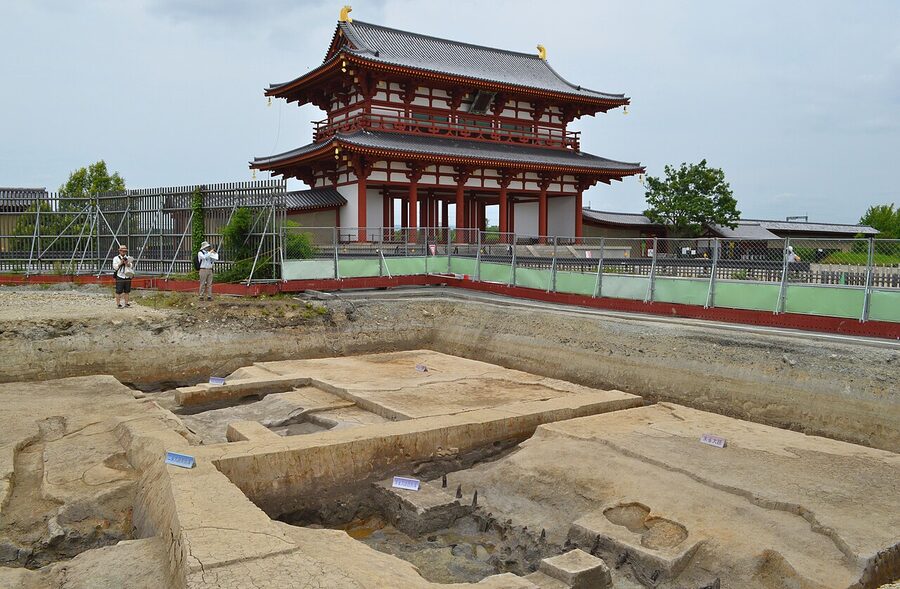
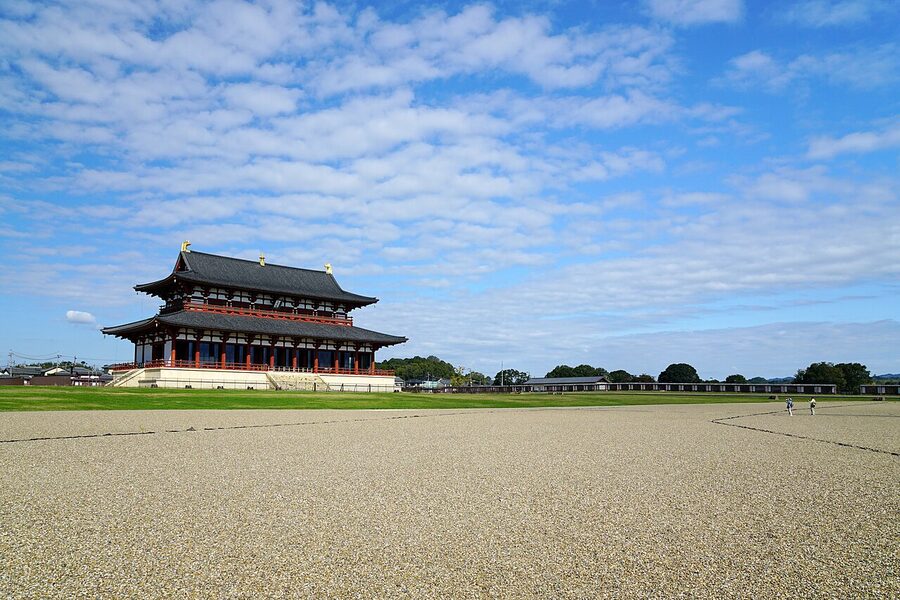
The palace itself, Heijō-kyū, filled roughly a square kilometre at the top of the grid, with a projecting wing to the east, enclosed by an earthen wall about five metres high and pierced by twelve gates named after the clans who had once guarded them. Inside were the emperor’s residence, two great audience halls used at different times, ministry compounds and a pleasure garden. Excavation began in earnest in 1959, and about forty per cent of it has been dug so far.
Government by paperwork: the ritsuryō state
What the new city housed was a machine called the ritsuryō state, government under written criminal codes (ritsu) and administrative codes (ryō) modelled on Tang China. The Taihō Code of 701 set it running. Fuhito’s revision, the Yōrō Code, was finished around 718 but not put into force until 757, by his grandson, which tells you how long Japanese administrative reform has always taken.
On paper it was beautifully tidy. The country was divided into some sixty provinces, each into districts and villages, and every household went into a register drawn up every six years. Every male from the age of six was allotted a rice field of two tan, about a quarter of a hectare, and each woman two-thirds of that, and the field went back to the state when the holder died.
Then came the taxes, and this is where the system bit. The rice tax, so, was light, around three per cent of the harvest. The others were not: chō was cloth, silk, salt, iron or local produce sent to the capital, yō was ten days’ labour in the capital a year or more cloth in lieu, and on top of that came up to sixty days of local labour for the provincial governor. Roughly one adult man in three or four could be called up for the army, and the unlucky went to Kyushu for three years as sakimori, frontier guards, feeding themselves when they got there.
The cruellest detail is the transport. Taxpayers carried their own goods to Nara and paid their own food on the road, and the court’s own records admit that men died of hunger on the way home.
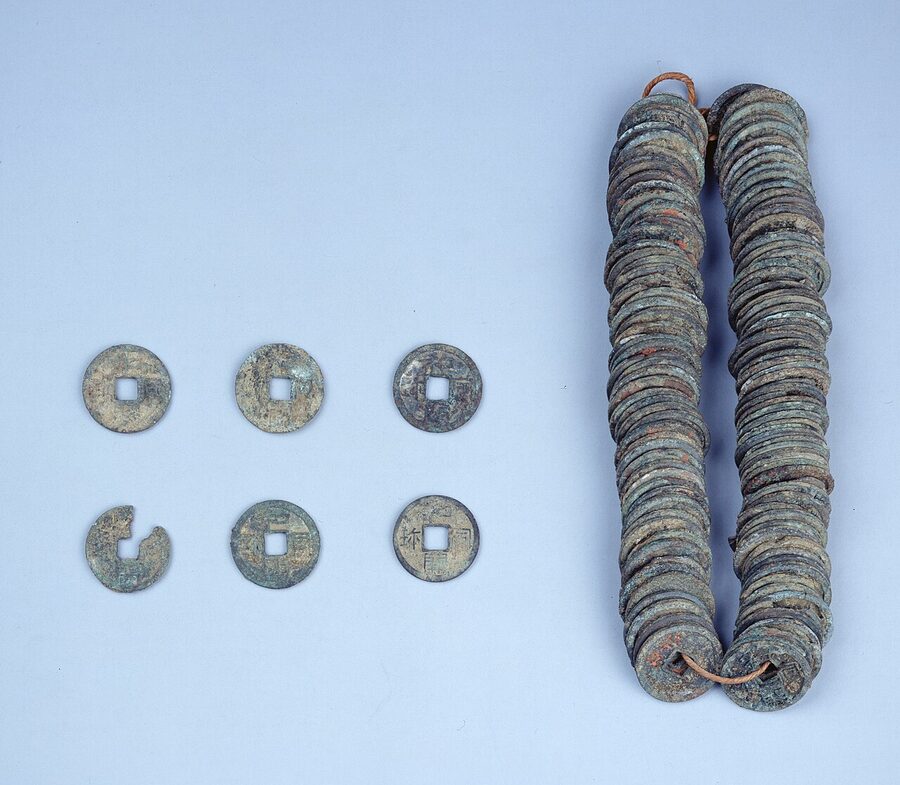
The court also wanted a money economy, and its methods were not subtle. The Wadō kaichin coin appeared in 708, and in 711 a decree promised promotion in rank to anyone who saved up a set number of coins and handed them in. Predictably, the people who had coins kept them, and the law was finally scrapped in 800.
Rank was the real currency. There were thirty grades, and the line that mattered fell at the fifth: men of the fifth rank and above were nobility, their sons starting several rungs up, while a clerk who began at the bottom could serve for forty years and never reach it. One modern estimate converts the top minister’s income to about ¥600 million a year and the lowest official’s to about ¥2 million, which is a guess, not a pay slip, but the ratio is about right.
The state reached into wardrobes as well. In the second month of 719 the court ordered everybody in the country to fasten their robes left side over right, the Tang way, and that is still how a kimono is worn by the living; only the dead are dressed the other way round.
Reading the rubbish: the mokkan
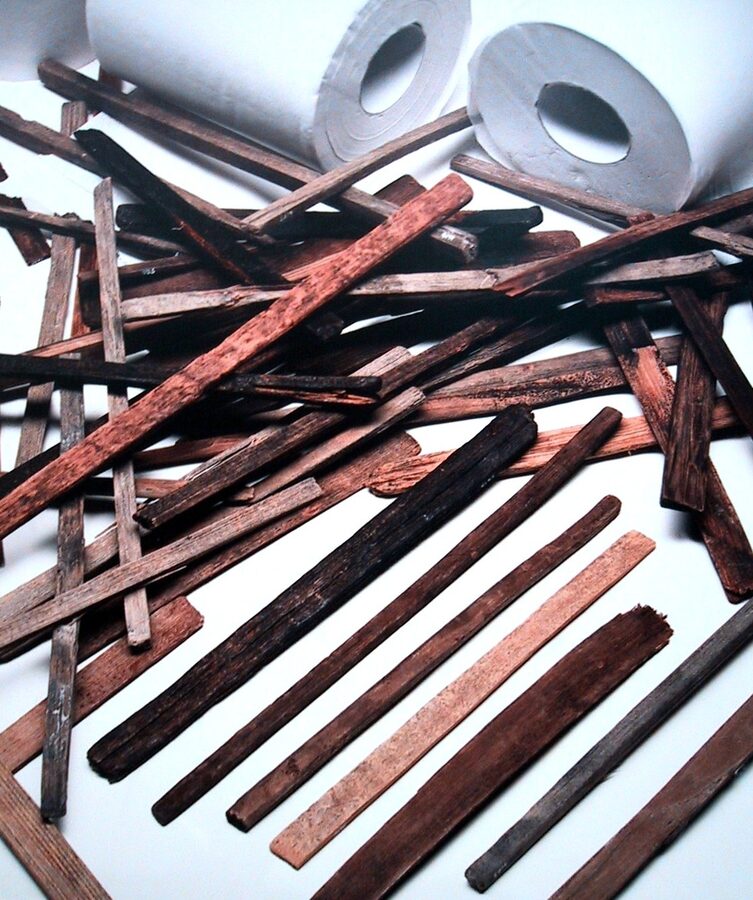
Almost everything above comes from the codes and the chronicles, which tell you what the government meant to happen. The wooden tablets called mokkan (木簡) tell you what did. The first batch, about forty of them, came out of a rubbish pit in the palace in January 1961, and they changed the study of the period more than any document found since.
A typical mokkan is twenty to thirty centimetres long and three wide. The commonest are luggage tags tied to tax goods, giving the province, district and village, the taxpayer’s name, the item and the quantity, so that a sack of salt from the Wakasa coast arrives in the archaeological record with its sender’s name attached. Others are memos between offices, requisitions, attendance records, and writing practice: the same character over and over, or lines of Chinese poetry copied badly.
More than half of what comes out of the ground is shavings. Paper was dear and wood was not, so a clerk’s kit was brush, ink stone and a small knife, and a used tablet was planed clean and reused until it was too thin to bother with. It also made forgery as easy as shaving off a line, which the codes worried about.
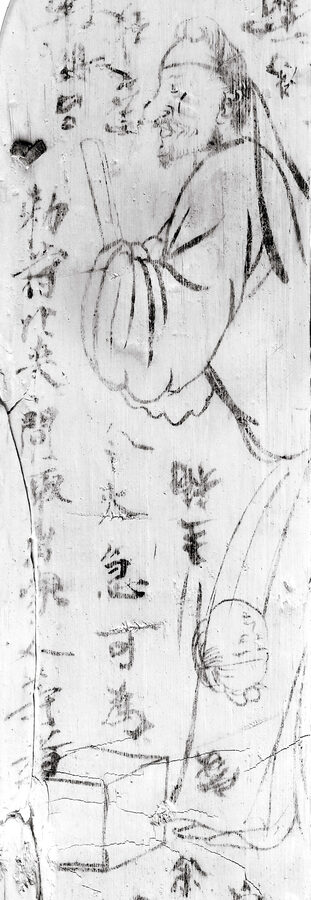
The great haul came in 1988, on a site at Nijō Ōji where a department store was about to be built. Inside the old ward south-east of the palace the diggers found a mansion with tens of thousands of tablets in its ditches, and one of them, a tag for ten strings of abalone, was addressed to the household of “Nagaya Shinnō”, although shinnō, imperial prince, was a title for an emperor’s sons and brothers and Nagaya was only a grandson. Together with the neighbouring Nijō Ōji ditch the two finds produced more than 100,000 tablets, as many as had been found in the whole country up to then.
They brought Nagaya’s household back to life in sharp detail. It ran its own ice house and ate ice in summer; its household administration was big enough to have departments of its own; and it issued rice to feed dogs, which has started one of the more entertaining arguments in Japanese archaeology. One specialist proposed the dogs were being fattened for guests’ dinners; two others answered, citing an Edo-period manual on falconry, that hunting dogs were kept on rice so they would not develop a taste for the game.
Despite protests from historians, most of the mansion was destroyed when the store went up. Nationally, though, the count keeps rising: several hundred thousand tablets have now been dug up across Japan, and in 2017 the 3,184 tablets from the palace itself were designated a National Treasure. The Nara palace site has been nicknamed the “underground Shōsōin” ever since.
Writing the gods down: Kojiki, Nihon shoki and the Man’yōshū
The Nara court did not only count rice. Within ten years of the move it produced the two books that are still the backbone of everything said about early Japan, and both should be read like a company history commissioned by the board.
The Kojiki (古事記, “Record of Ancient Matters”) was presented to Empress Genmei on the 28th day of the first month of 712. Its preface says Emperor Tenmu, thirty years earlier, had a palace attendant named Hieda no Are memorise the genealogies and old tales, and that Ō no Yasumaro wrote down what Are recited. Its three books run from the creation of the islands through the age of the gods to the reign of Empress Suiko in the early 7th century.
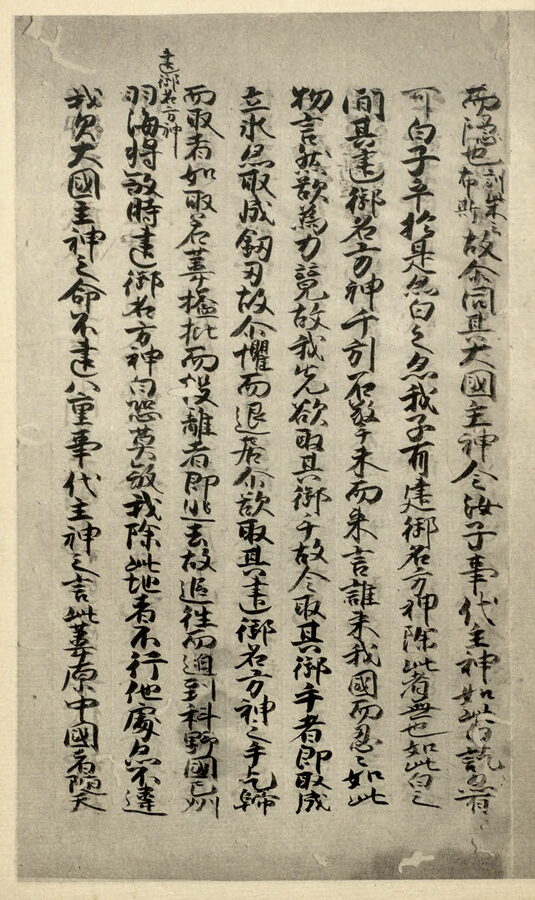
This is the book that gives you Amaterasu hiding in her cave, the descent of her grandson to rule the islands, and the mirror, jewel and sword now known as the three sacred treasures. It was written to show that one family had ruled since the gods handed over the job, and it does that very well. It is also funny, earthy and much stranger than the official history that followed it.
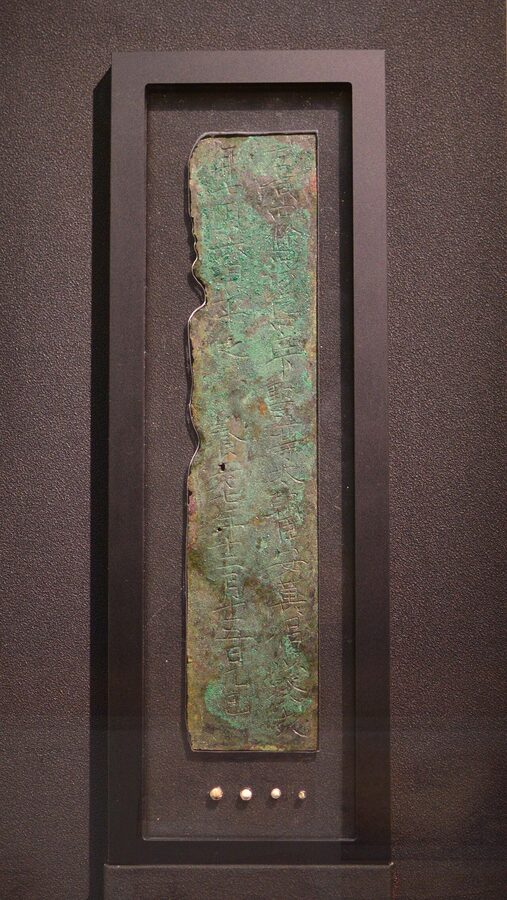
For a long time some scholars doubted that Ō no Yasumaro existed at all, and that the preface was a later forgery. Then, in January 1979, a man working his tea field on a hillside east of Nara turned up a grave with a small bronze plate in it. The inscription gave Yasumaro’s rank, his address in the fourth ward of the capital’s left side, and his date of death, the 6th day of the seventh month of 723.
The Nihon shoki (日本書紀, “Chronicles of Japan”) followed in the fifth month of 720, under Prince Toneri: thirty books in classical Chinese, plus a genealogy now lost. It was the official history, written for readers of Chinese and far more careful than the Kojiki. Where its compilers had rival versions of a myth they printed them one after another under the heading “one book says”, which is either scholarly caution or a committee unable to agree.
It is also where much of the earlier history on this site comes from, filtered through eighth-century politics. It is the main written source for Ise, for Prince Shōtoku and for the Soga, and it quotes a Chinese chronicle about a queen of Wa who looks very like Himiko, slotting her quietly into the reign of the legendary Empress Jingū. Of the people archaeologists call Jōmon and Yayoi it knows nothing, and great keyhole tombs like Hashihaka appear only as the graves of gods and emperors.
Its official sequel, the Shoku nihongi, finished in 797 and covering 697 to 791, is the source for most of what follows, compiled under Kanmu by men who knew how things had turned out.
In 713 the court also ordered every province to send in a report on its products, its soil, the origins of its place names and its old stories. These fudoki were gazetteers for the tax office as much as anything, and only one survives complete, Izumo’s of 733. Parts of four others survive, Harima, Hitachi, Bungo and Hizen, along with quotations from the rest in later books.
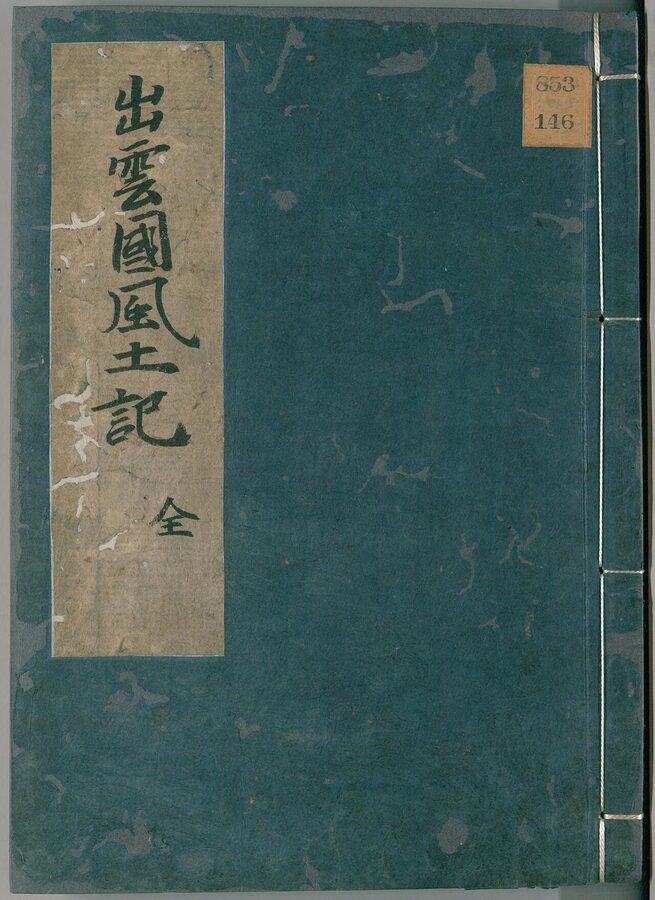
The fragments of the lost ones hold surprises. A passage quoted from the Yamashiro fudoki explains the name of the shrine now called Fushimi Inari: a rich man of the Hata clan used a rice cake for archery practice, the cake turned into a white bird and flew to the mountain, and rice grew where it landed, so the place was called ina-nari, “rice grows”. Shrine tradition dates the founding to 711.
Then there is the Man’yōshū (万葉集), the first great anthology of Japanese poetry, about 4,500 poems in twenty books. It was put together in stages, with the courtier-poet Ōtomo no Yakamochi as the most likely last editor, and its latest dated poem is his, written on the 1st day of the first month of 759. Because kana had not yet been invented, it is written in Chinese characters used for their sound, a system later called man’yōgana, and reading some of it is still a puzzle.
What makes it the best book of the period is who is in it: emperors and princes, but also soldiers leaving for the Kyushu frontier and the wives they left. Yamanoue no Okura’s “Dialogue on Poverty” has a poor man and a poorer one comparing notes on cold, hunger and the village headman at the door with a whip. Nobody else in the eighth century wrote the ritsuryō state from underneath.
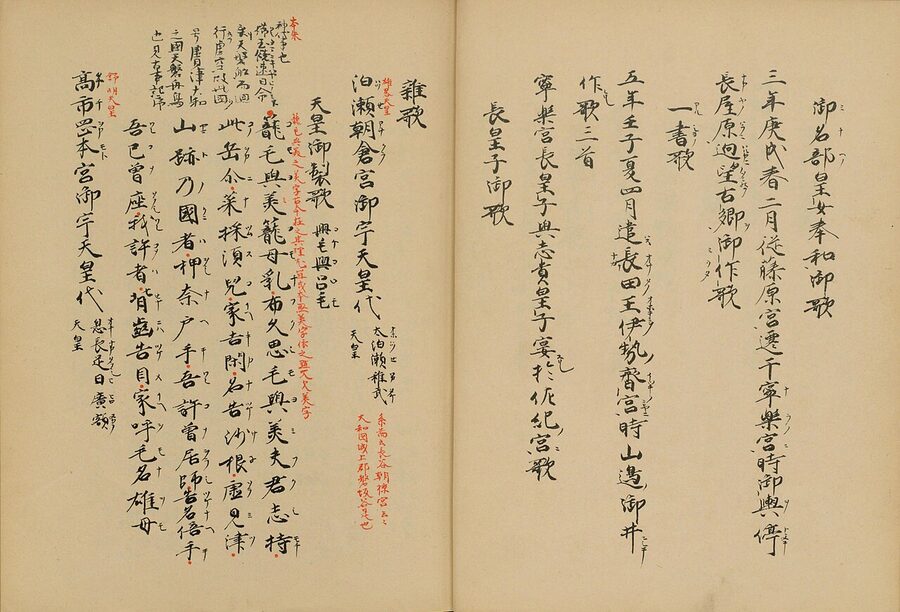
Its flowers tell you about taste, too. Plum, a fashionable Chinese import, appears in roughly 120 poems and cherry in about forty. The era name Reiwa, chosen in 2019, was lifted from the preface to a set of plum-blossom poems written at a party in Dazaifu in 730, the first era name taken from a Japanese book rather than a Chinese one.
Prince Nagaya and the four brothers
Fuhito died in 720, and for nine years the government was run by Prince Nagaya, grandson of Emperor Tenmu, son-in-law of Fuhito and husband of a princess who was the sister of one empress and the daughter of another. He was capable, strict and very well connected. That last point was the problem.
In 724 Fuhito’s grandson took the throne as Emperor Shōmu, aged twenty-three. His mother was a Fujiwara, which made him the first emperor in generations whose mother was not of royal blood, and his chief consort, Kōmyōshi, was another of Fuhito’s daughters. When she bore him a son in 727 the baby was made crown prince within a month of his birth, the youngest in history, and when the child died before his first birthday Fuhito’s four sons had a crisis on their hands.
The four were Muchimaro, Fusasaki, Umakai and Maro, and from them descend the four houses of the Fujiwara: Southern, Northern, Ceremonial and Capital. Their plan was to have their sister made empress, which no woman outside the royal family had been in living memory; when it happened, the court had to reach back to a legendary empress of the 4th century for a precedent. Nagaya, a stickler for the codes and a man with royal sons of his own, was the obvious obstacle.
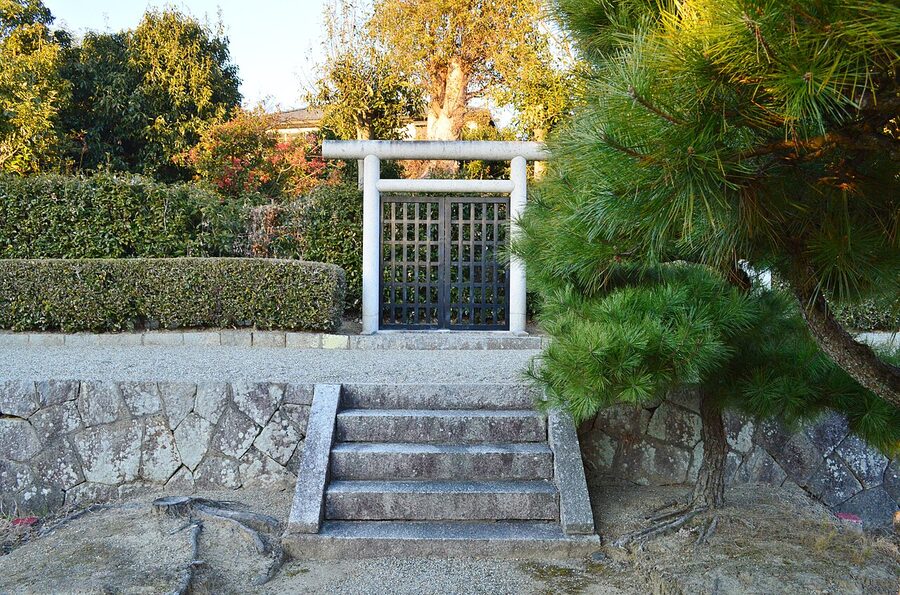
In the second month of 729 two minor officials reported that Nagaya “secretly studies the left-hand way and wishes to overturn the state”, which meant black magic, probably the charge that he had cursed the dead baby. That night the three barrier gates on the roads out of the capital region were shut, and Umakai led the guards to surround the mansion at Nijō Ōji. The next day Nagaya, his wife Princess Kibi and their four sons killed themselves.
Six months later Kōmyōshi was made empress, and the two informers were promoted. In 738 a junior officer who had served Nagaya was playing go with one of them, the talk turned to the old case, and he drew his sword and killed him.
The Shoku nihongi tells that story using the legal term for a false accusation: by then the court accepted in writing that Nagaya had been framed. Some historians, Kōchi Shōsuke among them, put the motive on Shōmu himself, a half-Fujiwara emperor nervous of a cousin with better royal blood.
Pea sores: the epidemic of 735 to 737
The disease came in through Kyushu in 735. A history written at the end of the Heian period blames a fisherman who caught it from a foreign ship; modern historians tend to blame Japan’s own envoys returning from the Korean kingdom of Silla, and one has argued that Japan gave it to Silla rather than the other way round. By the eighth month the court had cancelled that year’s cloth tax for the whole of Kyushu.
The Shoku nihongi calls it “pea sores”, endōsō, a Chinese name for smallpox, and that is the usual identification. It eased, then returned. An embassy that left for Silla in 736 carried it with them; one member died on Iki, the ambassador died on Tsushima on the way home early in 737, and the survivors brought it to the capital in the spring.
What happened next is recorded with a bureaucrat’s calm. By the sixth month of 737 so many officials in the capital were sick that the government stopped working. Between the fourth and the eighth months all four Fujiwara brothers died, and of the men on the Council of State only three junior members survived, so the government was handed to Tachibana no Moroe, Empress Kōmyō’s half-brother, more or less because he was still alive.
On the 26th day of the sixth month of 737 the Council of State sent the provinces a seven-point directive on treatment, and it survives. It describes fever like malaria, a rash breaking out after three to six days, burning thirst and then diarrhoea, and it orders that the sick not be laid on the bare ground and not be given cold water, however much they beg for it. They are to be fed rice gruel, kept warm with cloth around the belly, and forced to eat even when they refuse.
The after-care is where the document turns into a list a grandmother could have written. For twenty days after recovery, no fresh fish, raw meat, fruit or raw vegetables, no bathing, no sex and no walking about in wind and rain; after that, fish is fine if it is well grilled, but not mackerel or horse mackerel, even dried, and not sweetfish. Break the rules and the illness will come back, and then, the directive says, not even the legendary doctors of ancient China will be able to help you.
Oddly, the directive calls the disease “red rash sores”, and its symptoms have led some historians to argue for measles, or even typhus; most still say smallpox. The American historian William Wayne Farris estimated that 25 to 35 per cent of the population died, a million or more, though others think that too high.
People at the time had their own explanation, and it pointed at Nijō Ōji: the prince who had died innocent was collecting his debts. Fear of the vengeful dead would shape Japanese politics for more than a century.
Hirotsugu’s rebellion and the emperor who would not sit still
With the four brothers dead, the court was run by Moroe, who leaned on two men just back from nearly twenty years in China: the scholar Kibi no Makibi and the monk Genbō. Umakai’s eldest son, Fujiwara no Hirotsugu, could not stand either of them, and in 738 he was posted to Dazaifu, the government headquarters in Kyushu, which he took, correctly, as exile.
On the 29th day of the eighth month of 740 he sent the emperor a memorial blaming the bad years on Makibi and Genbō and demanding their removal, and in the same breath raised the soldiers of Kyushu. The court treated it as rebellion, appointed Ōno no Azumabito general and called up 17,000 men from five circuits of provinces. Hirotsugu’s forces were stronger on paper; his trouble was that his own officers kept changing sides.
The decisive moment came at the Itabitsu River, in what is now Kitakyushu, and the Shoku nihongi tells it almost as theatre. The imperial envoys called Hirotsugu’s name ten times until he rode out, dismounted, bowed and said he was no rebel, only asking for two bad ministers to go. Asked why, in that case, he had brought an army, he had no answer and rode away, and his Hayato soldiers started swimming across the river to surrender.
He fled by boat for Silla. Near Jeju the wind turned against him, and he stood up and announced that he was a loyal servant whom the gods would never abandon, and threw his official post-station bell into the sea as an offering. The wind blew him back to the Gotō Islands, where he was caught on the 23rd day of the tenth month and beheaded about a week later.
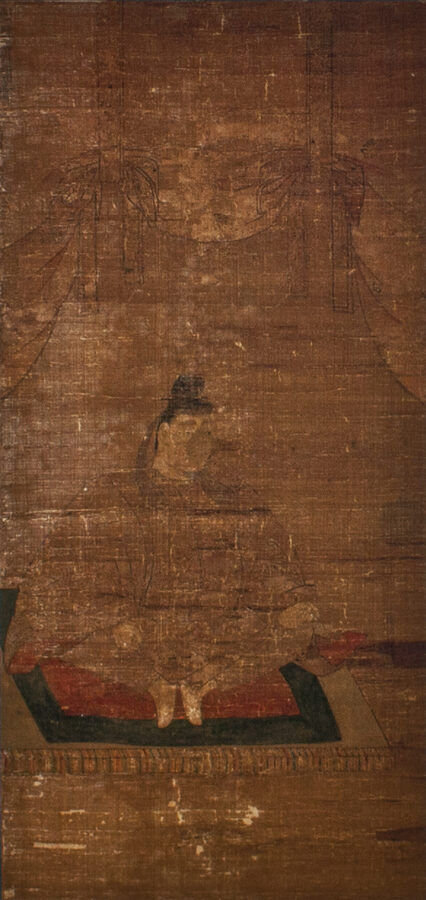
Before the news of victory could reach the capital, Shōmu had gone. In the tenth month of 740 he set off east on a progress through Iga, Ise, Mino and Ōmi, and instead of returning he ordered a new capital at Kuni, in the hills north of Nara. Over the next five years the court was at Kuni, then at Naniwa on the coast at what is now Osaka, then at Shigaraki in the mountains of Ōmi, before it came home to Heijō in 745.
The traditional reading is that Shōmu panicked. More recent work argues the progress was planned before the rebellion and only delayed until it was under control, which makes the wandering a policy rather than a flight. Either way, the officials moved, and the provinces paid.
A vow, a land law and a very large Buddha
Shōmu’s answer to plague, famine and rebellion was Buddhism on a national scale. Disasters were heaven’s verdict on the ruler, and he took it personally: in 741 he ordered every province to build an official monastery and nunnery, the kokubunji, each with a seven-storey pagoda and a copy of the Golden Light Sutra, which promised protection to rulers who honoured it.
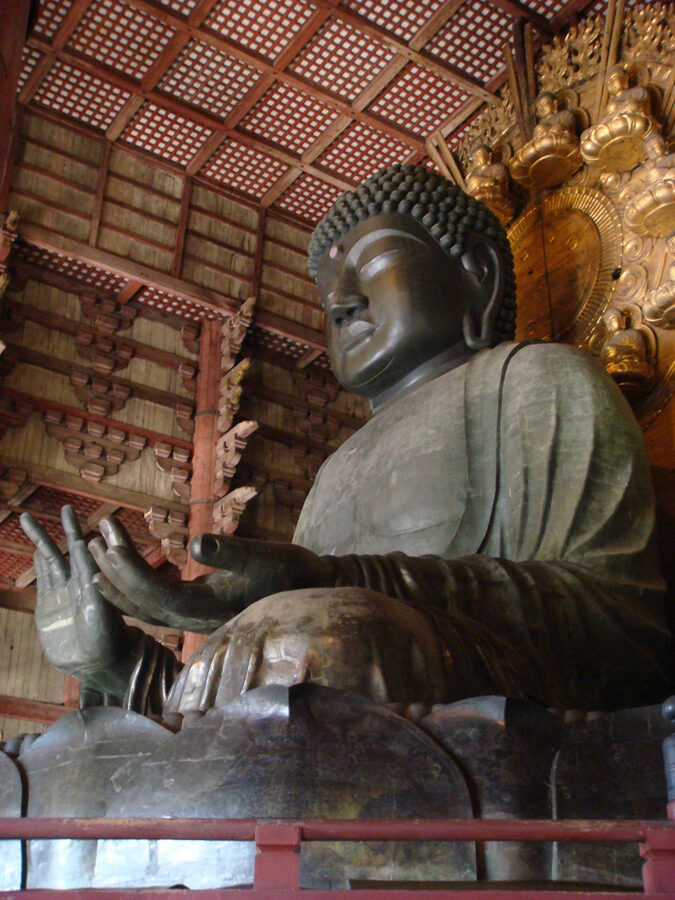
Then, on the 15th day of the tenth month of 743, at Shigaraki, he vowed to build a Buddha of Vairocana in gilt bronze, and asked every subject to help with “a branch of grass or a handful of earth”. The work began there and stalled under forest fires and earthquakes; when the court returned to Heijō the project came too, and the monk Gyōki, a popular preacher the government had once tried to ban, was brought in to raise labour and money.
The casting, the eye-opening of 752 and the hall belong to the story of Tōdai-ji, and I will leave them there. One fact belongs here: the cost nearly broke the state, and what saved it was luck. In 749 gold was found in Mutsu, in the far north-east, the first ever mined in Japan, just as the statue needed gilding, and Shōmu was so pleased he changed the era name, then changed it again.
The Great Buddha vow came in the same year as a land law that mattered more. The population was growing and there were not enough fields to hand out, and in 722 the court announced a plan to open up a million chō of new paddy, well over a million hectares, a number never close to being met.
In 723 came the Three Generations Law: open new land with a new pond or ditch and you could keep it for three generations, or for life if you used existing irrigation. Farmers let the land go back to scrub as the deadline approached, and after the epidemic emptied whole villages the law worked even less.
So on the 27th day of the fifth month of 743 the court allowed newly opened land to be held privately for ever, with the governor’s approval, within three years, and up to a cap set by rank, from 10 chō for commoners to 500 for a prince of the first rank. Many historians read it as a recovery measure after the plague.
In practice the people with labour and capital to clear land were the court nobility, the big temples and the provincial families who did their paperwork, and the first private estates, shōen, start here. Dōkyō, of whom more shortly, banned new private clearing in 765; the ban was reversed in 772. The allotment system then took two centuries to die, and the estates it left paid for the Heian court and, in the end, for the warriors who replaced it.
Kōmyō’s gift: the Shōsōin and the Silk Road
Shōmu died in the fifth month of 756. On the 21st day of the sixth month, the forty-ninth day after his death, Empress Dowager Kōmyō gave the Great Buddha about 650 of his belongings and sixty kinds of medicine, with an inventory in her own words saying that the sight of them made her grief too much to bear. She made further gifts over the next two years, and everything went into the log-built storehouse behind the temple, the Shōsōin.
The collection now runs to about 9,000 items: musical instruments, game boards and pieces, mirrors, screens, glass, textiles, weapons, medicines, documents and the furniture of a court, including the oldest surviving forerunners of tatami, the rush-covered mats the emperor slept on. Every opening of the repository needed the emperor’s own seal, and the system worked well enough that most of it is in better condition than things a few centuries old.
The Shōsōin is often called the eastern end of the Silk Road, which is fair if you read the fine print. A few pieces did travel the whole way, among them a cut-glass bowl made in Sasanian Persia, and the materials include lapis lazuli from Afghanistan. But most of the collection was made in Japan, by Nara craftsmen copying Tang designs that were themselves borrowed from Persia and Central Asia.
To my mind that is the better story: the court did not merely buy the world’s luxuries, it trained people to make them, and crafts that later look most Japanese, lacquer and metal inlay among them, were learned here.
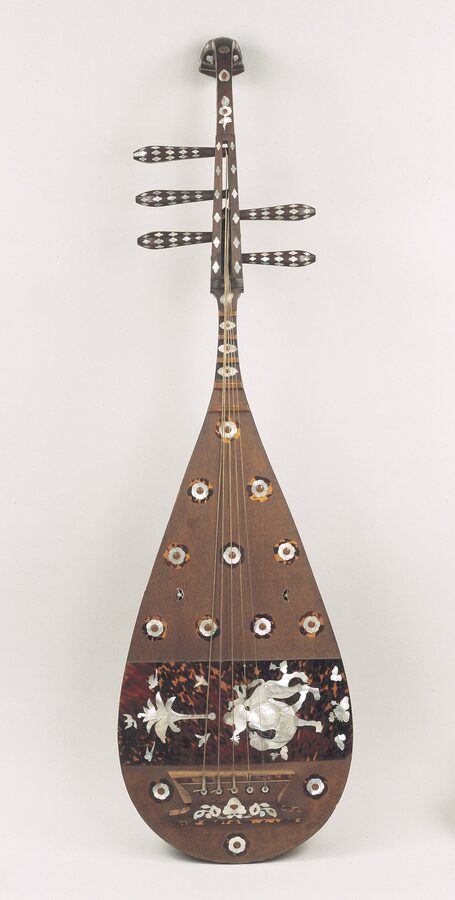
Not every visitor behaved. The imperial seal kept most people out, but it did not stop the powerful from asking. Fujiwara no Michinaga had the repository opened to look at the treasures in 1019, and retired emperors followed his lead.
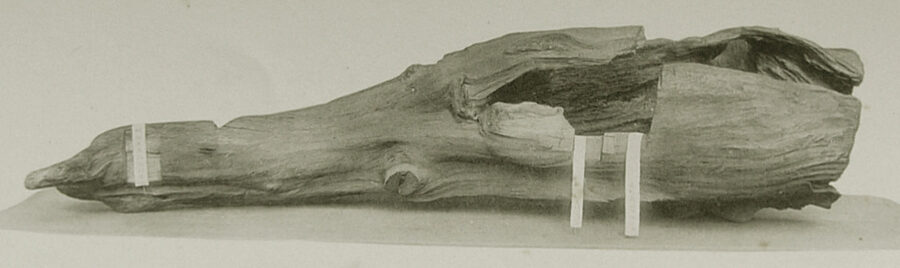
The most abused object is a log of aloeswood incense 156 centimetres long called Ranjatai, a name whose characters hide those for Tōdai-ji. Paper tags mark where pieces were cut off for the shōgun Ashikaga Yoshimasa and, in 1574, for Oda Nobunaga, who had it brought to his castle to take his slice.
Envoys, monks and a blind teacher
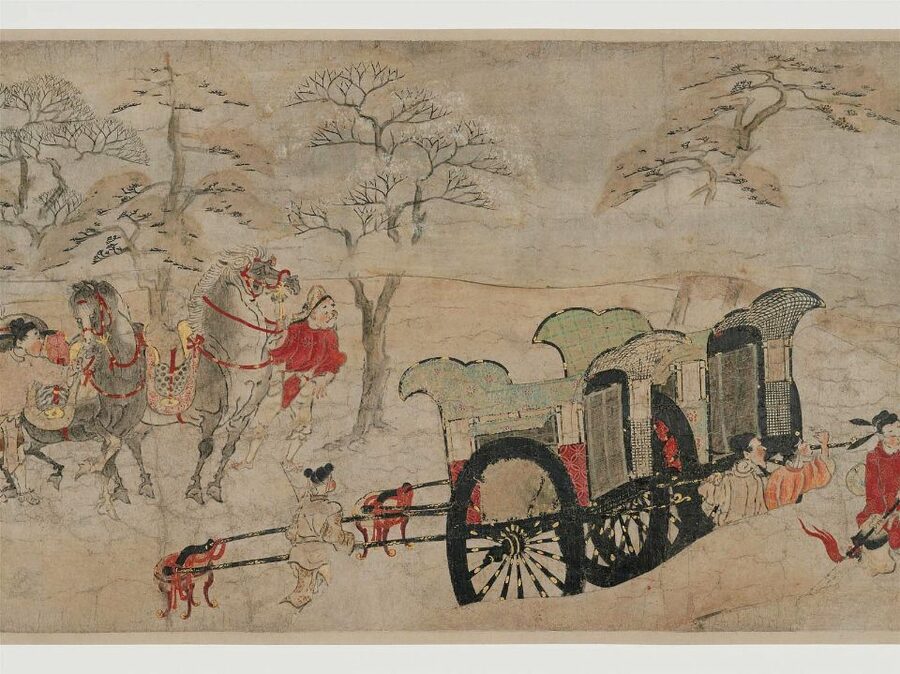
Most of what the court knew about the wider world came back on four ships at a time. Embassies to Tang China, the kentōshi, sailed about once every twenty years with five or six hundred people, students and monks among them, and a fair chance that one ship would not make it. Japan also traded missions with Silla, often in a bad temper, and with Balhae in Manchuria, whose envoys brought tiger and bear skins.
Some never came back. Abe no Nakamaro, who sailed in 717, passed the Chinese civil examinations, befriended the poet Li Bai and died in Chang’an. His shipmate Kibi no Makibi came home after seventeen years with books on astronomy, music and law, and rose to Minister of the Right.
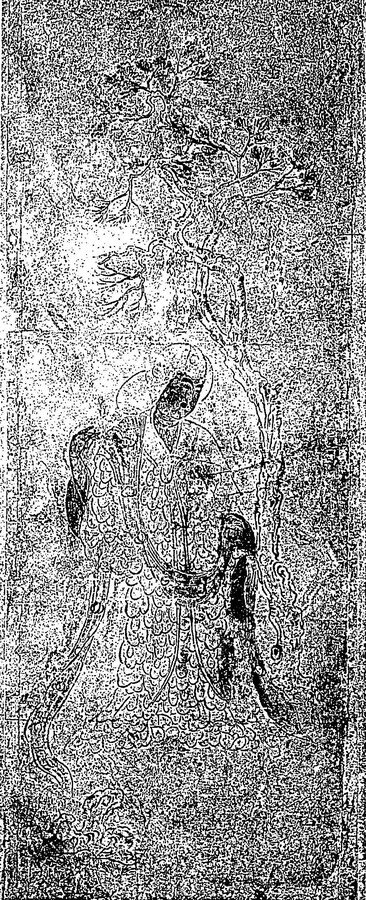
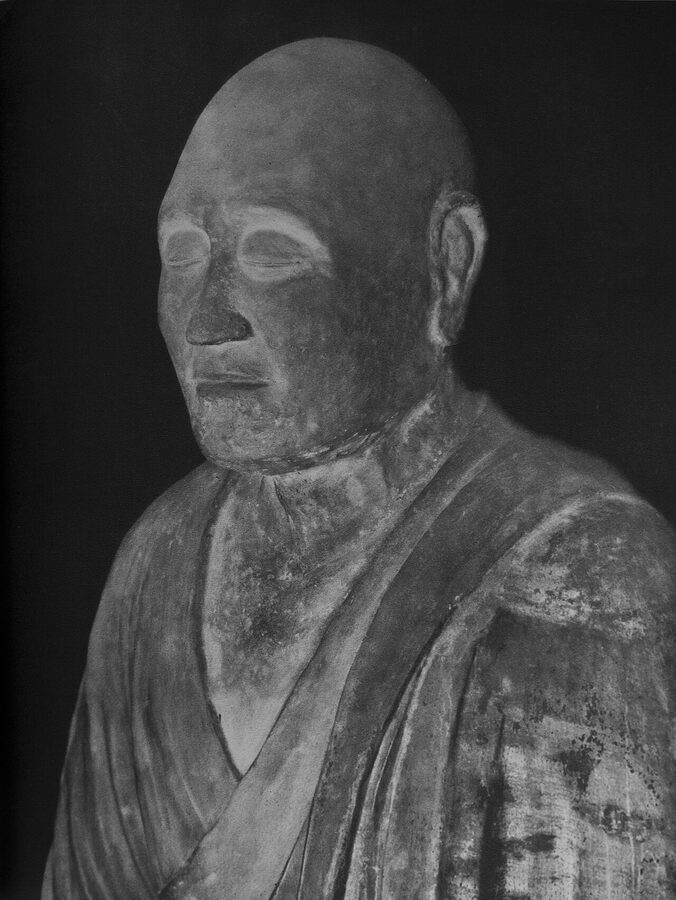
The most famous arrival went the other way. In 742 two Japanese monks asked the Chinese teacher Ganjin (Jianzhen) to come and ordain monks properly, since Japan had more men shaving their heads than qualified teachers to ordain them. By the traditional account he tried five times in eleven years, was wrecked or stopped every time, and lost his sight along the way.
He landed in Satsuma in the twelfth month of 753, on a returning embassy ship, and the next year ordained the retired Shōmu, Kōmyō and the empress in front of the Great Buddha. In 759 he founded Tōshōdai-ji on the site of a prince’s mansion, and he died there in 763.
The empress and the monk
Shōmu’s heir was his daughter by Kōmyō, Princess Abe, who in 738 had been made crown prince, the only woman ever given that title. She took the throne in 749 as Empress Kōken, unmarried and without children, which meant that from the day of her accession everybody at court was counting the cousins.
Her government was run by Fujiwara no Nakamaro, Muchimaro’s son and Kōmyō’s favourite nephew. He enforced his grandfather’s Yōrō Code, crushed a plot by Moroe’s son in 757, and in 758 persuaded Kōken to abdicate in favour of Prince Ōi, a young man living in Nakamaro’s house, who became Emperor Junnin.
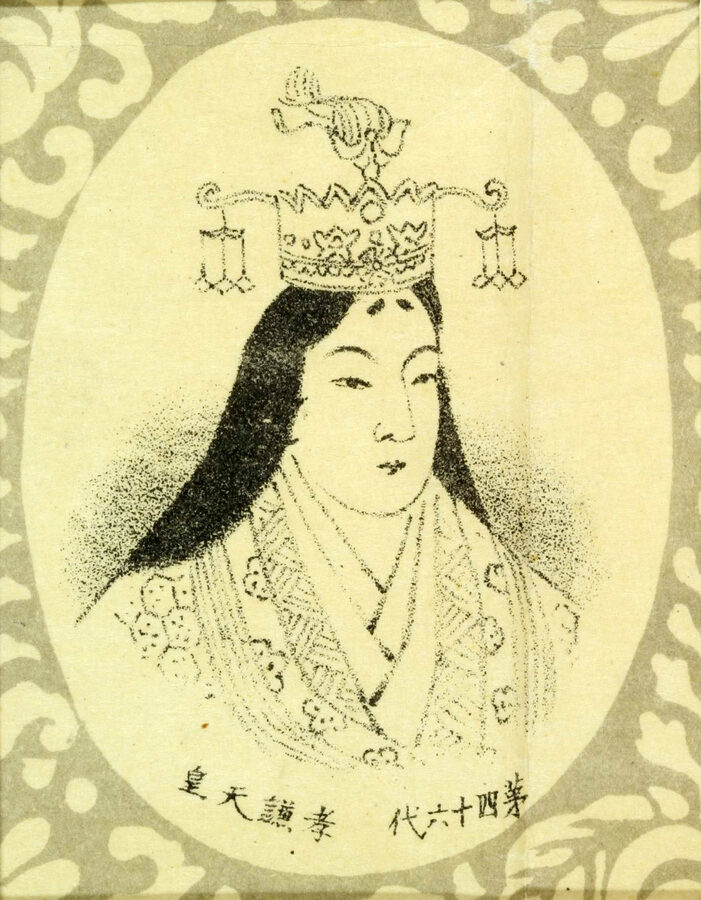
When Kōmyō died in 760 the balance at court fell apart, over a monk. In 761, while the court was staying at Hora in Ōmi during rebuilding at Heijō, the retired empress fell ill and was nursed by Dōkyō, a monk from a minor branch of the Yuge family of Kawachi, known for meditation and for chanting spells in Sanskrit.
She recovered and he became indispensable. When Junnin objected, Kōken announced in 762 that she would decide the great matters of state herself. In 764 Nakamaro raised troops, lost the race to the Ōmi provincial headquarters and was killed by Lake Biwa with his family; Junnin was deposed and sent to Awaji, and Kōken took the throne again as Empress Shōtoku.
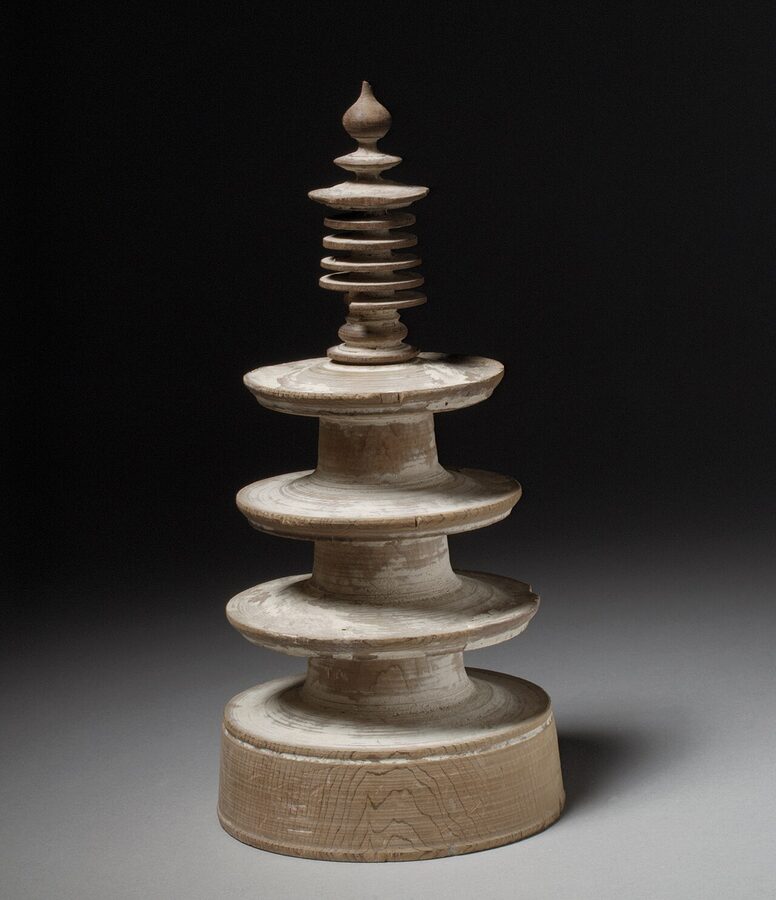
Dōkyō rose faster than anyone in Japanese history. He became Chancellor-Monk in 765, and in 766, after a Buddha relic appeared miraculously in a temple statue, the empress named him hōō, “Dharma King”, with an allowance equal to her own. The relic was exposed in 768 as a fraud, which harmed nobody except the monk who had found it.
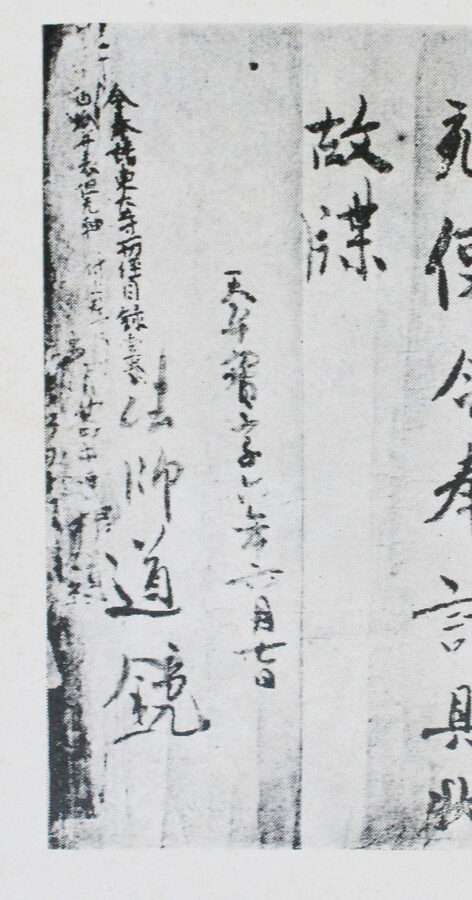
Then, in 769, came the oracle. Suge no Asomaro, the official in charge of shrine affairs at Dazaifu, reported that the god of Usa Hachiman in Kyushu had declared that the realm would know peace if Dōkyō were made emperor. The empress sent a young officer, Wake no Kiyomaro, to Usa to hear the god for herself.
According to the Shoku nihongi, Kiyomaro came back with a different answer: since the country began, lord and subject have been fixed, the succession must go to the imperial line, and the lawless man should be swept away. The furious empress renamed him Wakebe no Kitanamaro, roughly “Wake the Filthy”, and exiled him to Ōsumi in southern Kyushu; his sister Hiromushi, a nun, was defrocked and banished too.
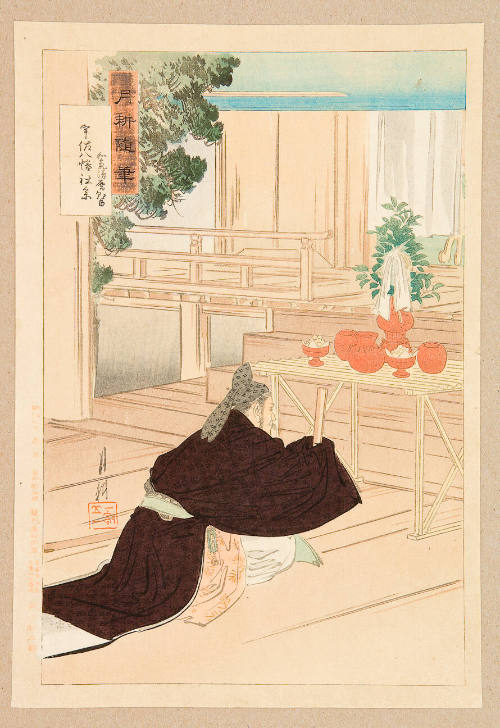
Historians have been picking at that story for a century. Asomaro, supposedly behind a plot to crown a commoner, was merely posted to govern a small island, which is mild for treason. Kita Sadakichi thought the affair was engineered against Dōkyō by Fujiwara no Momokawa; Nakanishi Yasuhiro argues the chronicle’s compilers wrote up the link to the throne, since the empress’s own edict never says what the oracle was about.
Others, like Wakai Toshiaki, think the empress never meant to make Dōkyō emperor, but to build a Buddhist state where a Dharma King held power while the throne stayed in her family. I find that more convincing than a love-struck empress handing over the country. Either way, nobody was named heir.
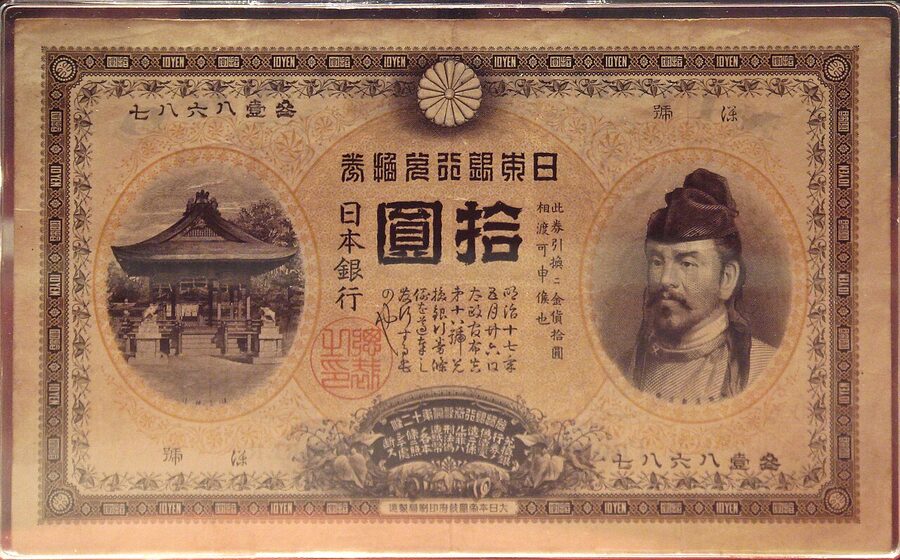
Shōtoku died on the 4th day of the eighth month of 770. Within three weeks Dōkyō was sent to run the Yakushi-ji temple in Shimotsuke, a long way north of the capital, and he died there in 772 and was buried as a commoner. His brother, who had risen to Grand Counsellor, was exiled to Tosa.
His reputation had a long, lurid afterlife. An early 9th-century Buddhist story collection already repeats gossip that he shared the empress’s pillow, and Edo comic poets turned it into a crude joke about his anatomy. The legal historian Takigawa Masajirō traced the joke to a Chinese scandal, so even the insult was imported.
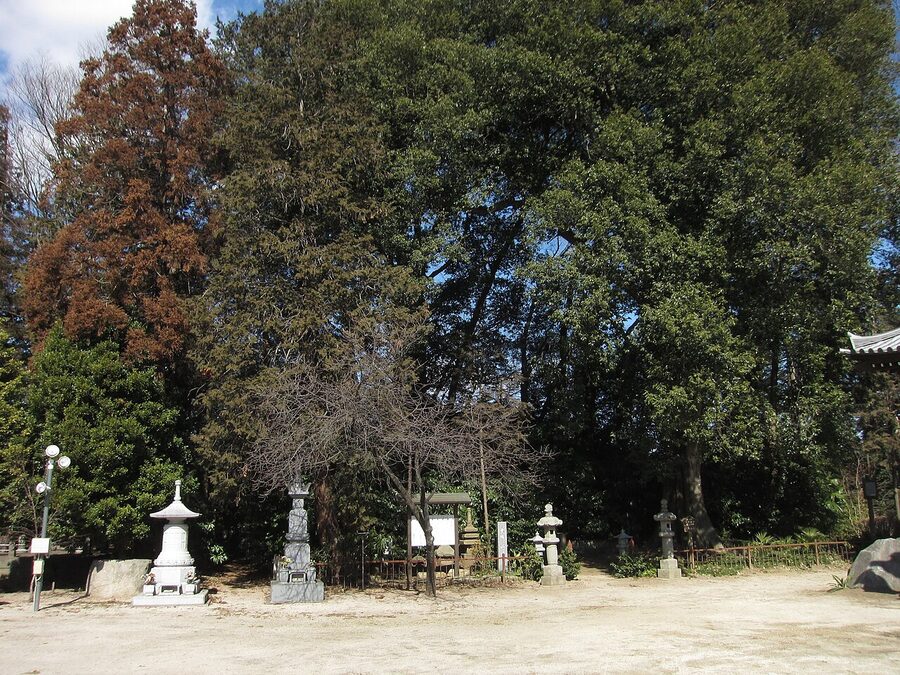
The real consequence was dynastic. No woman ruled again until Empress Meishō in 1629, 859 years later, and clergy were kept out of political office. The throne also left Tenmu’s line, passing to an elderly grandson of his brother Tenji, who became Emperor Kōnin in 770.
Kanmu leaves: Nagaoka in 784 and Heian in 794
Kōnin’s reign began with another purge. In 772 his empress, Princess Inoue, was accused of cursing him and deposed with her son the crown prince; both died on the same day three years later. The new heir was Prince Yamabe, whose mother came from a family descended from immigrants from the Korean kingdom of Baekje.
Yamabe became Emperor Kanmu in 781, and in 784 he left. Nagaoka, in Yamashiro, stood where three rivers met, better for a capital supplied by water; it was also away from Nara’s great temples, rich and deep in politics, and a fresh start for a new branch of the dynasty.
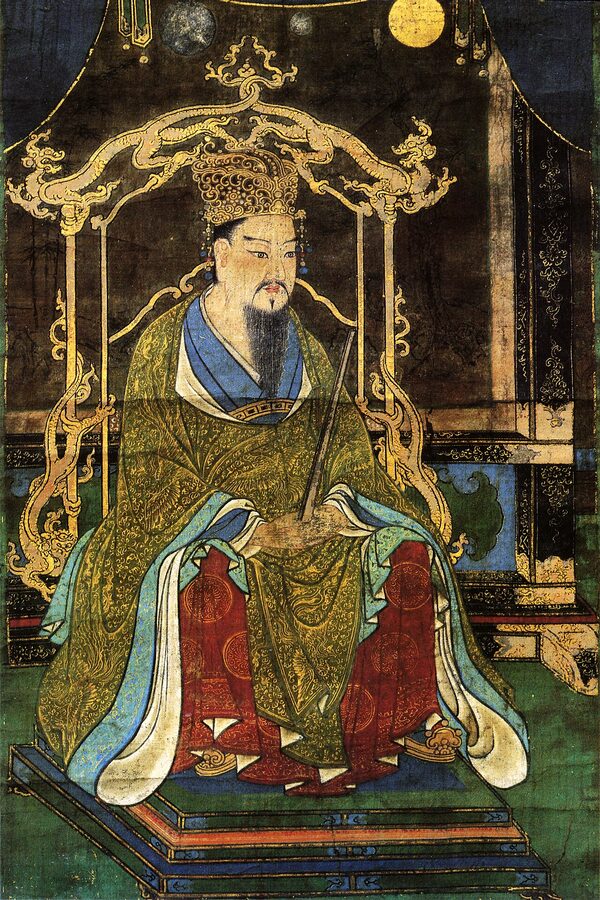
Nagaoka went wrong quickly. In the ninth month of 785 Fujiwara no Tanetsugu, the minister in charge of building it, was shot with arrows at night while inspecting the works and died the next day. The crown prince, Kanmu’s own younger brother Sawara, was accused of involvement, locked up in a temple and banished to Awaji; he refused food and died on the way.
Then the deaths started. Kanmu’s mother died, his empress died, the new crown prince fell ill, epidemics and floods came, and diviners said Sawara’s spirit was angry. In 793 Kanmu announced a second move, and in 794 the court settled at Heian-kyō, about ten kilometres north-east, the city that became Kyoto and the start of the Heian era.
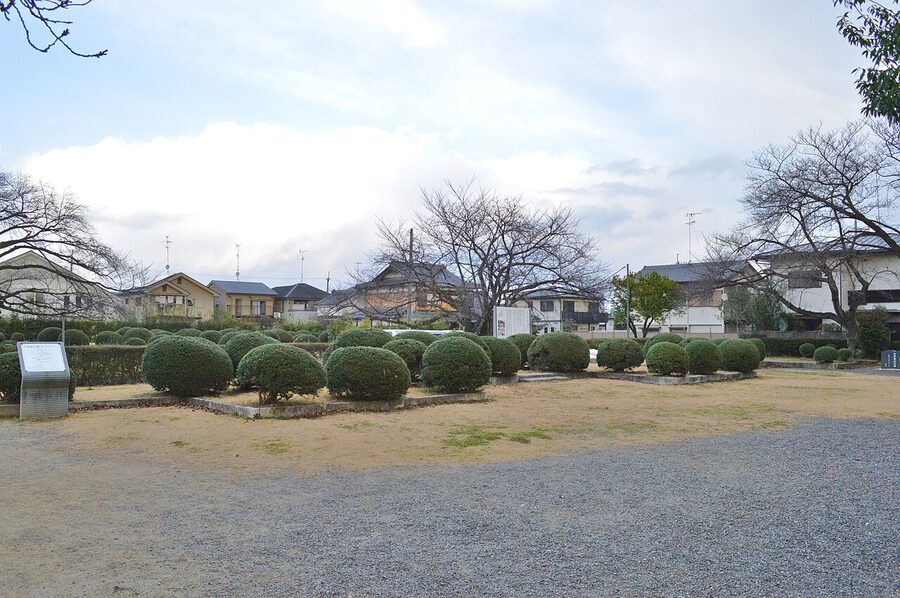
That double ending is why the period’s end date is disputed. Many Japanese reference works end it in 784, when the capital left Heijō, making it seventy-four years long; many English-language books run it to 794. I lean towards 784, but you will see both.
Heijō did not go quietly. In 810 the retired Emperor Heizei tried to move the court back and lost to his brother. By the end of the 9th century the palace was farmland, while the temple quarter in the eastern wards became the town of Nara.
Buddhism changed direction with the capital. Saichō and Kūkai sailed for China in 804 and brought back schools based on mountains well away from the city, though Kūkai was made administrator of Tōdai-ji in 810. Kiyomizu-dera, in the hills of the new city, traces itself to a Nara monk’s hermitage of 778 and to Kanmu’s general Sakanoue no Tamuramaro, who fought the Emishi of the north, a people whose relationship to the later Ainu is still argued over.
Where to see the Nara period today
Almost everything is in Nara city. The palace site is on the west side, the museum, the Shōsōin and the big temples are around Nara Park on the east, and a bus links them in about 25 minutes. For the longer sequence, see Japan through the ages. Prices and hours are as the venues list them in November 2026; check their own sites before you go.
The Heijō Palace site
The palace site is now the Nara Palace Site Historical Park, grass and reconstructions about a kilometre across, and almost all of it is free. The centrepiece is the First Daigokuden, rebuilt in 2010 for the 1,300th anniversary: 44 metres wide, 20 deep and 27 tall, on seismic isolators Shōmu’s carpenters would have envied. It opens 9:00–16:30 (last entry 16:00) and closes on Mondays, or the next weekday after a Monday holiday.
South of it the hall’s courtyard is being rebuilt piece by piece. The Daigokumon gate was finished in 2022 and the East Tower, a two-storey watch-and-banqueting building on the corridor, opened in March 2026; the West Tower is next. Both open 9:00–17:00 (last entry 16:30), and from February 2027 they and the Izanai-kan museum will close on Mondays.
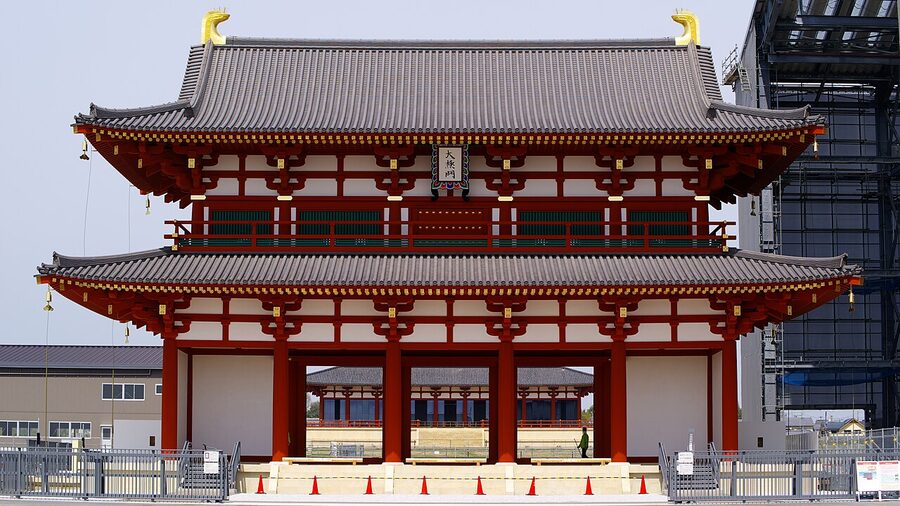
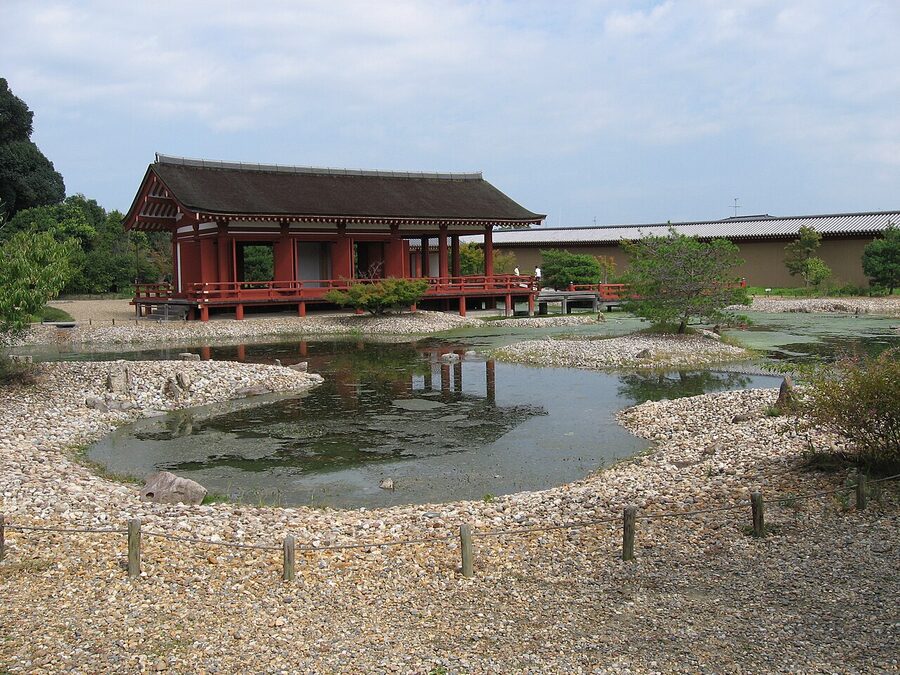
At the southern end the Suzakumon (9:00–16:30) looks down a restored stretch of the avenue, and the Heijōkyū Izanai-kan beside it (9:00–17:00) has models and a good introduction. East are the Excavation Site Exhibition Hall, built over real foundations, and the Tōin garden; at the western edge the Nara Palace Site Museum shows finds from the digs, mokkan among them. These open 9:00–16:30 and close on Mondays.
The first odd thing you notice is the railway. The Kintetsu Nara Line has run straight through the palace, between the Daigokuden and the Suzakumon, since 1914, and a plan to move it is due to start in 2041 and finish in 2060. I am in no hurry: the view of the hall from a passing train is one of the better free sights in Nara.
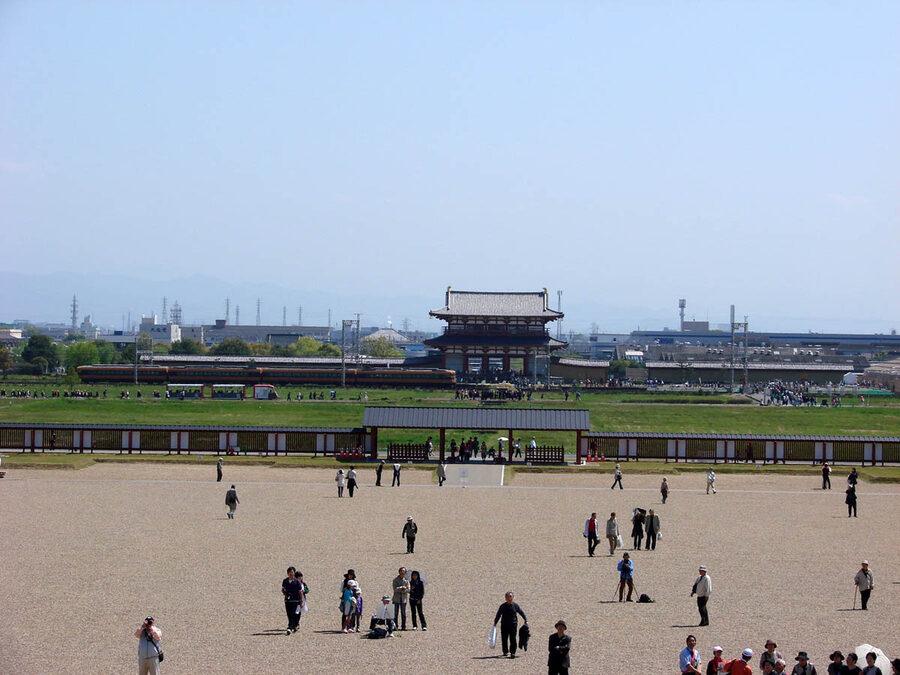
It is big, flat and shadeless, so bring water in summer. The Suzakumon is about 20 minutes’ walk from the south exit of Kintetsu Yamato-Saidaiji Station or from Kintetsu Shin-Ōmiya; Nara Kōtsū buses 160 and 164 reach Suzakumon-hiroba-mae in 6 minutes from Yamato-Saidaiji, 10 from JR Nara and 16 from Kintetsu Nara. Expect crowds on 21 and 22 November 2026, when the Blue Impulse display team flies over, and restrictions around the national tree-planting festival on 6 June 2027.
The Shōsōin exhibition at the Nara National Museum
Every autumn, for about two and a half weeks from late October to early November, the Nara National Museum shows sixty to seventy pieces from the Shōsōin. The 78th exhibition, in 2026, ran from 24 October to 9 November and marked eighty years since the first, and it included the lacquered ewer of Persian shape that has become one of the collection’s signature pieces. The next will be in autumn 2027.
Tickets are timed and booked in advance: in 2026, ¥2,000 for adults, or ¥1,500 for a late slot after 16:00 Monday to Thursday or 17:00 Friday to Sunday, the better deal. Hours during the show are 8:00–18:00, to 20:00 on Fridays, weekends and holidays, and spare tickets are sold on the day for a ¥200 surcharge.
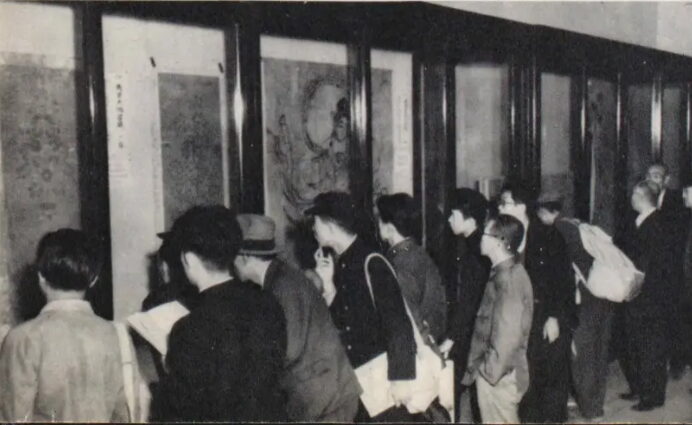
Each piece, once shown, normally rests for ten years before it is shown again, so no two years are alike, and the boxes and wrappers on show are often as interesting as the treasures. They travel the less than one kilometre from the repository in a convoy with police cars front and back, at walking pace.
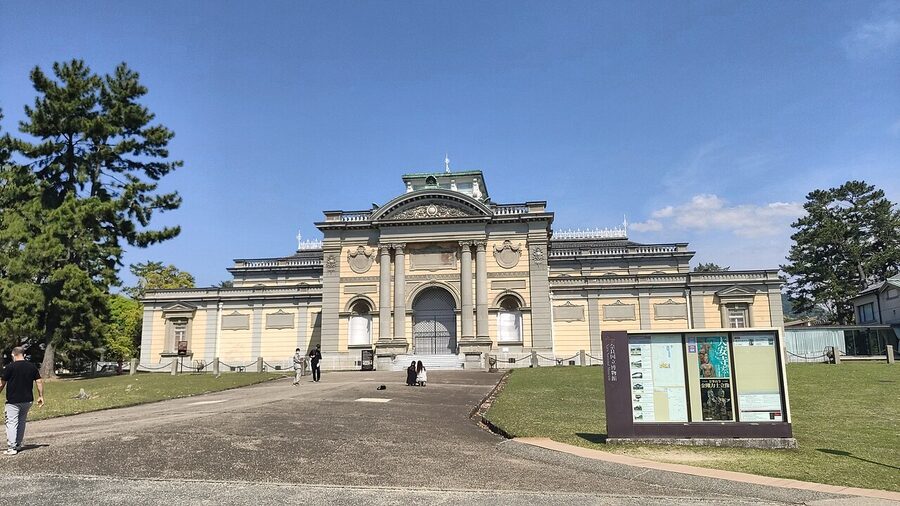
The rest of the year the museum opens 9:30–17:00, closed on Mondays, at ¥700 for adults, though the Buddhist sculpture hall is shut for works from 14 September 2026 until about spring 2028 and the Chinese bronze gallery is free meanwhile. It is a 15-minute walk east of Kintetsu Nara Station along Noborioji.
The Shōsōin repository
You cannot go in, but you can look. The repository stands in its own compound about ten minutes’ walk north-west of Tōdai-ji’s Great Buddha hall, a raised log storehouse 33 metres long. Its outer enclosure is generally open free on weekdays 10:00 to 15:00, and daily during the autumn exhibition; check with the Imperial Household Agency’s Shōsōin Office before a special trip.
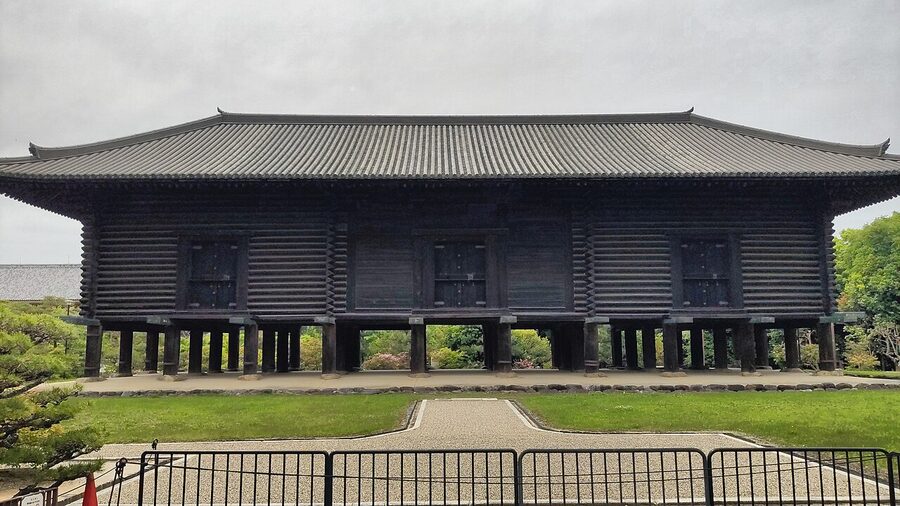
I would give it ten minutes on the way to or from Tōdai-ji. Kōfuku-ji, the Fujiwara clan temple Fuhito moved here in 710, is ten minutes further on.
Tōshōdai-ji
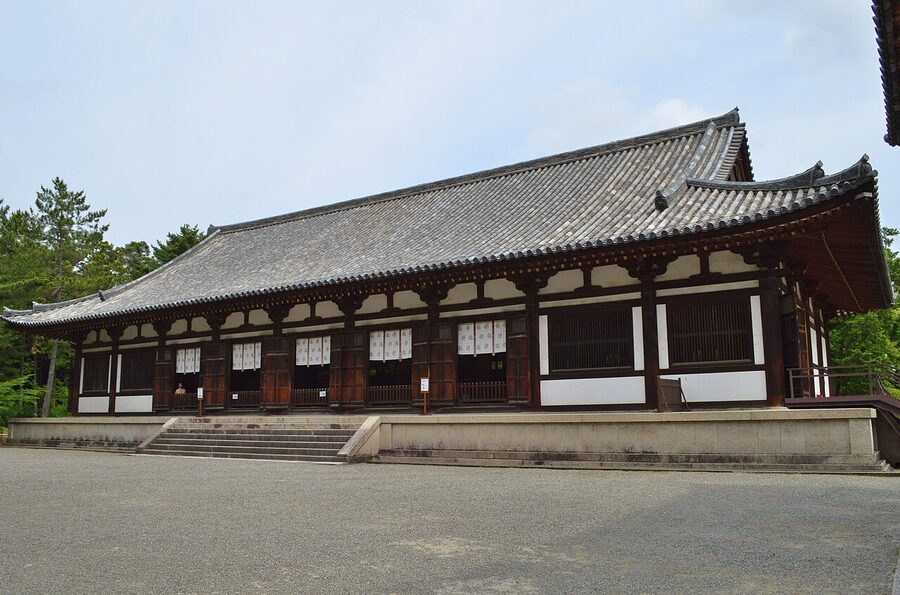
Ganjin’s temple is about ten minutes’ walk north of Nishinokyō Station on the Kintetsu Kashihara Line, with Yakushi-ji just to the south. It opens 8:30–17:00 (last entry 16:30), and admission is ¥1,000. The Golden Hall is the one in the photographs; for this article, the building to see is behind it.
The Lecture Hall was a hall of assembly at the Heijō palace, given to the temple and moved here around its founding. Its roof was altered in the Kamakura period, but it is the only building of the Nara palace still standing. Ganjin’s statue is shown only on 5 to 7 June, for an extra fee; at other times a replica stands in for it.
Kuni, Shigaraki and Nagaoka
For completists only. The Kuni palace site at Kizugawa is farmland with foundation stones, reached by bus or a long walk from JR Kamo Station; the Shigaraki site, near Shigarakigūshi Station on the Shigaraki Kōgen Railway, is a wood with low platforms; the Nagaoka audience hall site is a small free park a few minutes from Hankyū Nishi-Mukō Station. None is worth a trip alone, but standing in them makes the point about how much moving the court did.
The thing I would actually go back for is smaller than any of them. In the Nara Palace Site Museum there is usually a case of mokkan, little planks with a province, a name and a sack of salt, and some of them still have the scrape of a clerk’s knife across them. The Great Buddha is what the Nara state wanted you to remember. Those slips are what it threw away, and they are the reason anyone knows it was run by people at all.