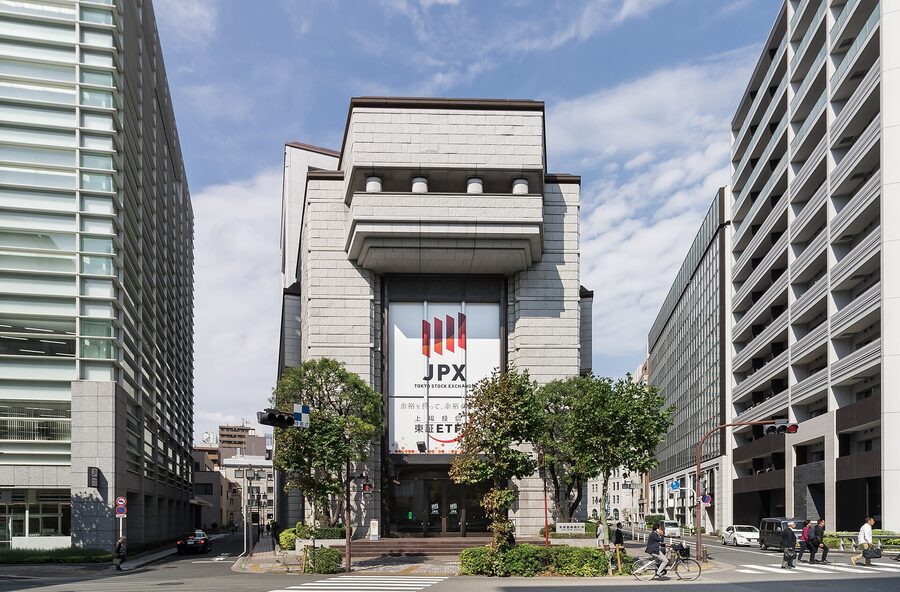
On the last trading day of 1989, the Nikkei 225 closed at 38,915.87. That number then fell, kept falling, and did not reach a new all-time high until February 2024, after the era named for that year had already ended. The era was Heisei, the reign of Emperor Akihito from 7 January 1989 to 30 April 2019, and that single chart line is the cleanest summary anyone has ever drawn of it.
Japan entered the era as the country that was about to buy the world. It exited as something stranger, quieter, more interesting, and more visited.
I came to Japan during the second half of Heisei, and I think the era is misunderstood almost everywhere outside the country. The shorthand is “Lost Decades,” which makes it sound like a long economic afternoon nap. The reality is closer to a thirty-year argument between catastrophe and reinvention, fought out under an emperor who had to teach his country what a constitutional monarch sounds like at a tsunami evacuation centre. If you want to understand why the Japan you visit feels the way it does, you have to understand Heisei.
In This Article
- The 7th of January and the awkward birth of an era
- The Nikkei’s empty throne
- 1995, the year Japan stopped feeling safe
- The decade of phones, banks, and World Cup co-hosts
- Roppongi Hills, the Skytree, and the architectural Heisei
- 11 March 2011
- The cultural exports that ate the world
- The inbound boom that nobody expected
- Akihito, the constitutional emperor
- Reiwa begins, Heisei ends
- How to walk Heisei today
- So what was Heisei, in the end?
The 7th of January and the awkward birth of an era
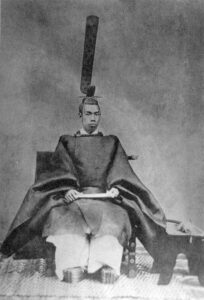
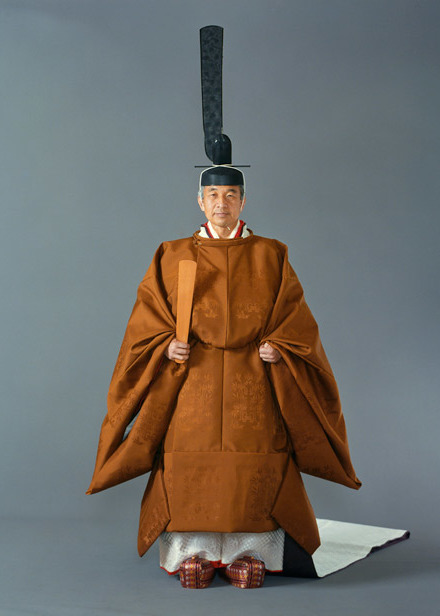
Showa Emperor Hirohito died at 6:33 on the morning of 7 January 1989. The country had been on a months-long death watch known as jishuku, or “self-restraint,” in which weddings were postponed, neon was dimmed, and television stations cancelled comedy. The new era’s name, Heisei (平成), was announced a few hours later by Cabinet Secretary Keizo Obuchi, holding up a single sheet of brushwork in front of the cameras at the Prime Minister’s Residence.
The two characters were chosen from classical Chinese histories and translate as something like “achieving peace” or “peace everywhere.” Compared to the imperial brutality the world had associated with Showa, it was an almost embarrassed gesture. Akihito ascended the same day, and was formally enthroned in November 1990 with the regalia ceremony that always accompanies a new emperor. If you want the deeper story of those regalia, my piece on Japan’s three sacred treasures follows them through every transition since the eighth century.
What the world did not yet know is that the bubble economy that had carried Japan through the 1980s had already started to crack in the background. The Nikkei would peak before the year was out, then start the long slide down. By the time Akihito was formally enthroned in 1990, the index had already shed thousands of points. Heisei began with a funeral, an enthronement, and a market that nobody yet realised had passed its summit.

The Nikkei’s empty throne
You hear “bubble” applied to a lot of things in finance. Heisei’s was the real article. By December 1989 the Imperial Palace’s grounds were, on paper, worth more than all the real estate in California.
Companies were borrowing against the value of their headquarters to buy more headquarters. The Nikkei 225 closed 1989 at 38,915.87 and then started a fall that would last, in real terms, for the entire era.
The trigger was the Bank of Japan, which raised interest rates sharply in late 1989 to cool the speculation. The brakes worked, then they kept working, then they would not stop.
From 1991 to 2003, GDP grew at a meagre 1.14 percent annually. Real wages fell by about 11 percent across the era. The country eventually dropped from being the world’s second-largest economy to the fourth, lapped by both China and Germany.
The phrase “Lost Decade” started out as a 1990s term. By the time Heisei ended, journalists were calling it the Lost Thirty Years and arguing about whether to extend it further. None of this looked like a depression to a casual visitor, which is the strangest part.
Trains kept running on time, restaurants kept opening, the streets kept getting cleaner, and tourists kept arriving in higher numbers. The economy stagnated, but the country quietly polished itself for thirty years.
1995, the year Japan stopped feeling safe
If you ask a Japanese friend over forty when they think Heisei really started, they often skip 1989 entirely and answer “1995.” The reason is that in the space of nine weeks, Japan suffered two events that broke the unspoken contract about public safety, and then it had to decide what to do about each of them. I have never read a satisfying English-language summary of how strange those nine weeks were, so I am going to try.
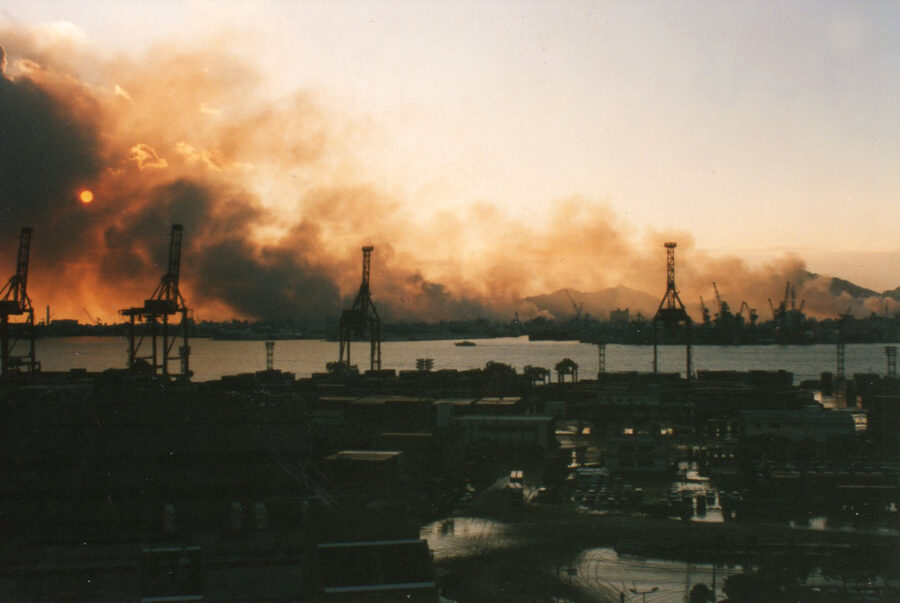
The first event was the Great Hanshin earthquake. At 5:46 on the morning of 17 January 1995, a Mw 6.9 quake hit the Hanshin region. Around 5,000 people died, the great majority in Kobe. About 250,000 were displaced.
The Hanshin Expressway, which everyone had assumed was indestructible, fell sideways for ten elevated spans in three places. The expressway image went around the world; the broken trust took longer to register but mattered more.
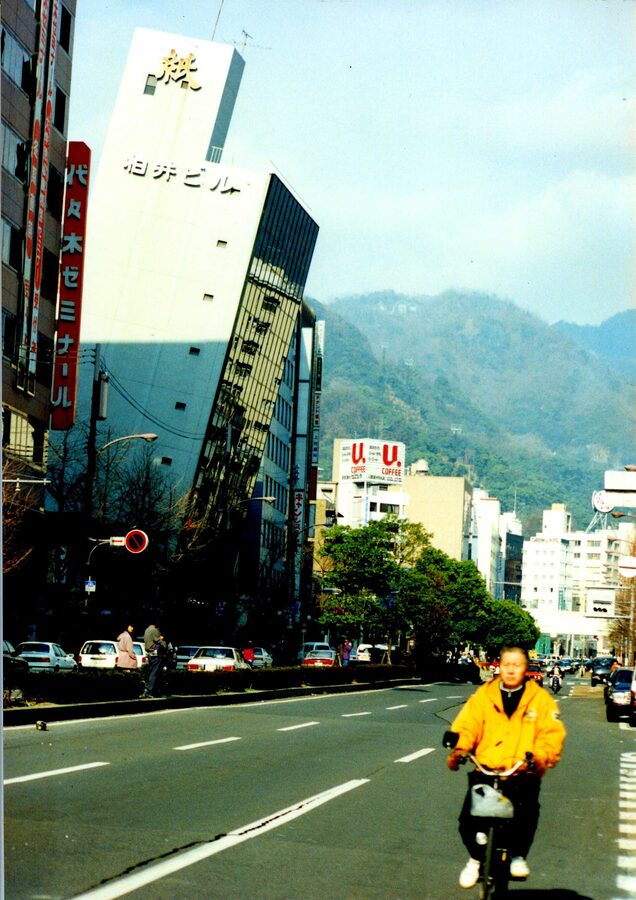
The recovery embarrassed everyone for the right reasons. The official emergency response was slow and bureaucratic, and the volunteer response was so spontaneous that 1995 is now remembered in Japan as the birth year of modern volunteerism. The government later designated 17 January as Disaster Prevention and Volunteerism Day. Manufacturing in greater Kobe reached 98 percent of its pre-quake projected level within fifteen months, an industrial recovery that still gets cited in disaster-management textbooks.
Then, on 20 March 1995, ten members of the doomsday cult Aum Shinrikyō boarded five Tokyo Metro trains during the morning rush hour and pierced bags of liquid sarin with sharpened umbrella tips. The trains targeted were on the Chiyoda, Marunouchi, and Hibiya lines, and they all converged on Kasumigaseki and Nagatacho, the political heart of Tokyo. Fourteen people died from the immediate or delayed effects, and 5,510 patients were treated across 278 hospitals. The largest criminal investigation in Japanese history followed.
Take those two events together, in that order, two months apart, and you get the spiritual centre of Heisei. Until 1995, the official line was that public catastrophe was something that happened to other countries. After 1995, an entire generation grew up assuming the next disaster was already on its way. The novelist Murakami Haruki later wrote two non-fiction books about the sarin attack, and the prevailing tone in both is bewilderment that this had happened at all.
The decade of phones, banks, and World Cup co-hosts
The second half of the 1990s was, in retrospect, the period in which Heisei Japan figured out what the rest of its existence was going to look like. Yamaichi Securities collapsed in November 1997, taking ninety years of trading history with it and triggering Japan’s most serious banking crisis since the war. The Asian financial crisis was rolling through neighbouring economies at the same time, and Japan’s already-weakened banks did not need the second blow.
The political response was a series of reform packages, three nationalised major banks, and a parade of short-tenure prime ministers. From 1989 to 2019, Japan went through 17 prime ministers, including a three-year non-LDP interlude under the Democratic Party of Japan (DPJ) from 2009 to 2012.
The DPJ’s term ended in part because they had been the party in office during the 2011 disaster. Voters did not entirely forgive them. Shinzo Abe returned to the premiership in December 2012 with a programme he called “Abenomics,” which became the dominant policy framework for the rest of the era.
The same year that Yamaichi collapsed, NTT DoCoMo started planning a service called i-mode, which launched in 1999 as the first widely successful mobile internet platform. Half the country had a flip phone with i-mode capability before most Americans had heard of the iPhone. Japan was not declining technologically. It was, as it would do throughout Heisei, building a parallel future just out of view of the rest of the world.
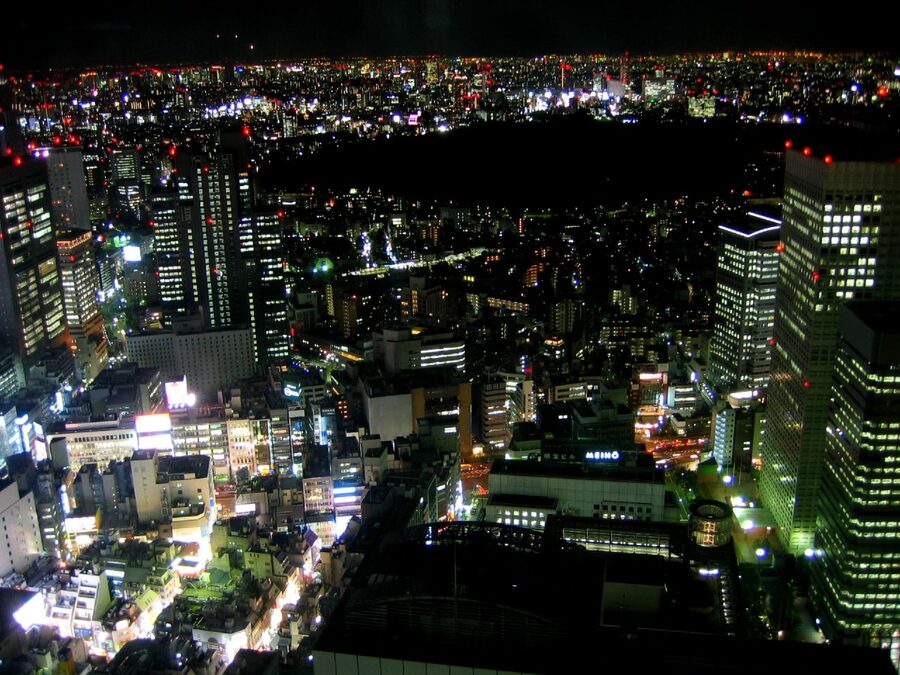
In 2002, Japan and South Korea co-hosted the FIFA World Cup, the first time the tournament had been held in Asia. The event was a logistical milestone for both countries, and it accelerated something the Japanese government had already started thinking about: building an inbound-tourism economy to replace the parts of the export economy that were never coming back. The visit-Japan campaign launched in 2003. The slow climb from a few million inbound visitors per year to thirty million was about to begin.
Demographically, the era was a slow-motion population peak. Japan’s total population peaked in 2008 at about 128.1 million and started shrinking shortly after. Heisei was the first imperial era during which the country had to plan for fewer people next year than this year.
That single statistic does more work than any other when you are trying to explain why so much Heisei policy looks paradoxical: a stagnant economy welcoming record numbers of foreign visitors, while the underlying population quietly contracted in the background.
Roppongi Hills, the Skytree, and the architectural Heisei
Walk around central Tokyo and you can pick out the Heisei buildings if you know what to look for. They are tall, mixed-use, and almost always have a museum or an observation deck buried somewhere in the upper floors. The era’s signature is integrated mega-projects that try to be a neighbourhood, an office, a shopping mall, and a tourist attraction at the same time. The bubble built the foundations; Heisei built the towers.
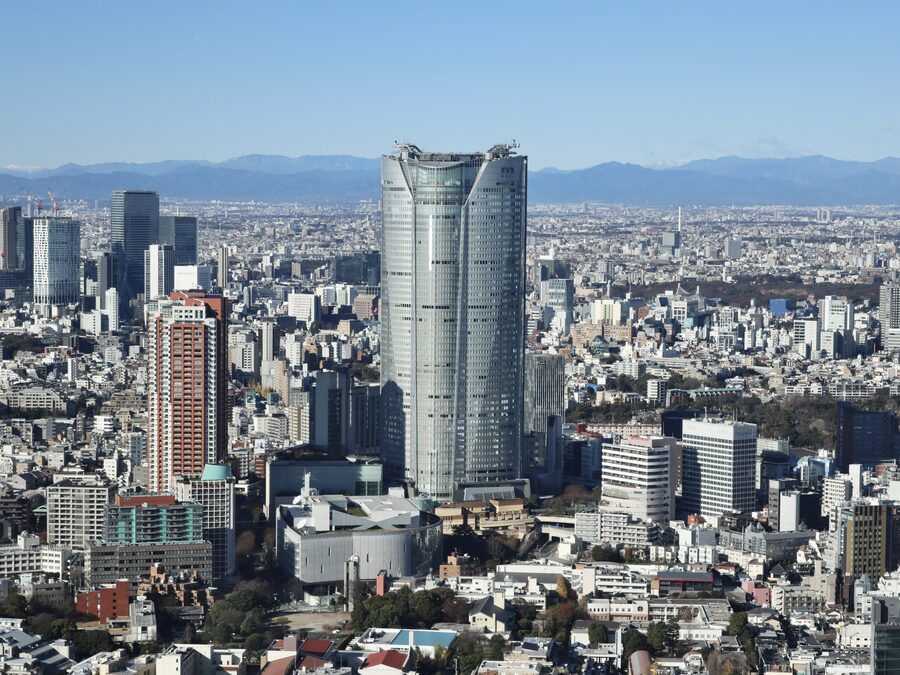
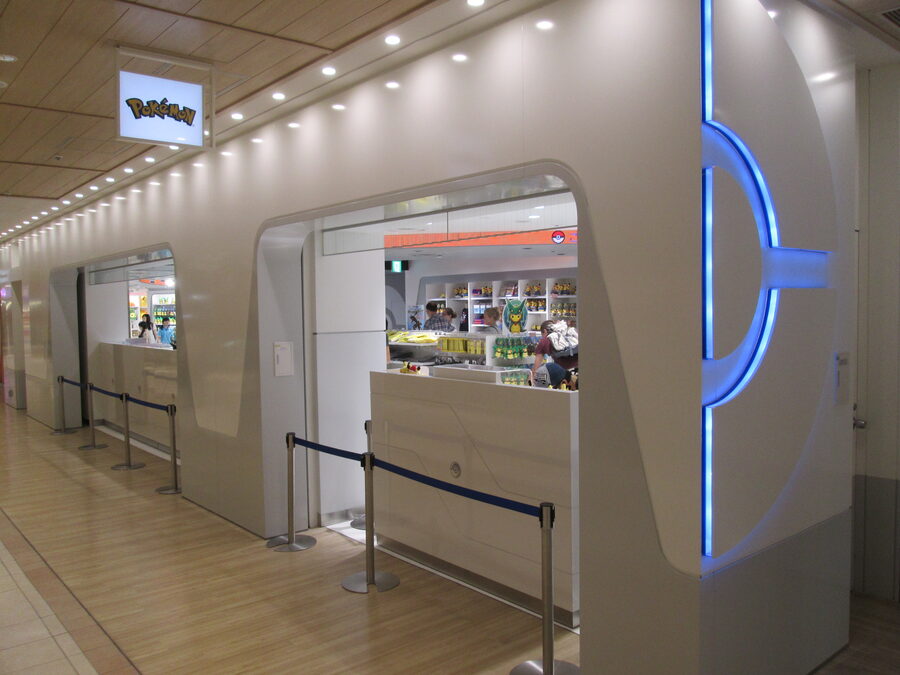
Roppongi Hills is the Heisei project I find most useful as a case study. It opened in April 2003 after Mori Building had spent fourteen years negotiating four hundred-plus separate land parcels into a single site. The complex contains the Mori Art Museum, the Tokyo City View observation deck, residences, offices, theatres, the headquarters of The Pokémon Company, and a deeply confusing pedestrian layout. It is, in a way, the Heisei worldview built in concrete.
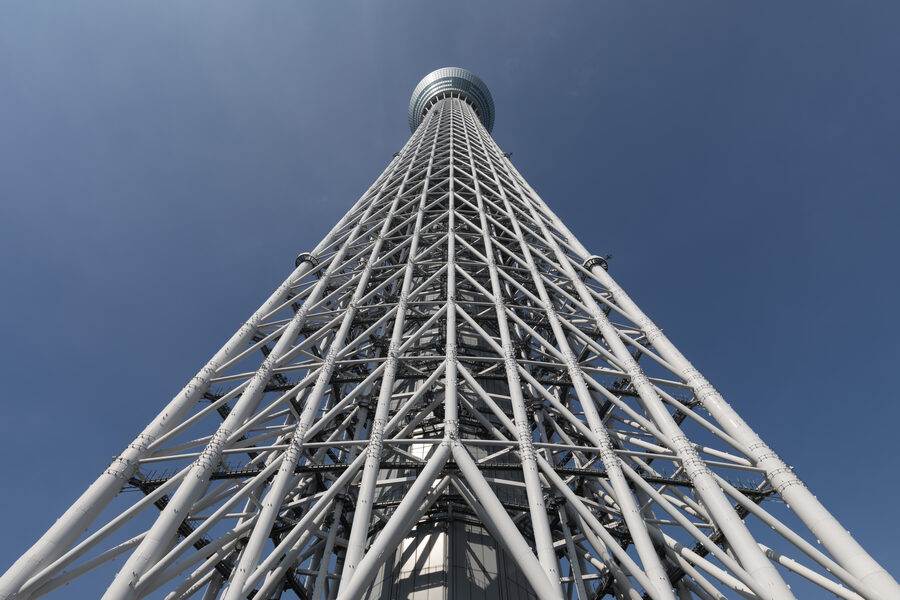
Then there is the Tokyo Skytree, which I think is Heisei’s actual monument. Construction started in July 2008 and ended in February 2012, with the public opening on 22 May 2012. Its 634-metre height was chosen as a numerical pun on Musashi, the historical name for the region (mu = 6, sa = 3, shi = 4).
When I take visitors to the Skytree, I always point out that the tower opened a little over a year after the 2011 disaster. The country built it anyway.
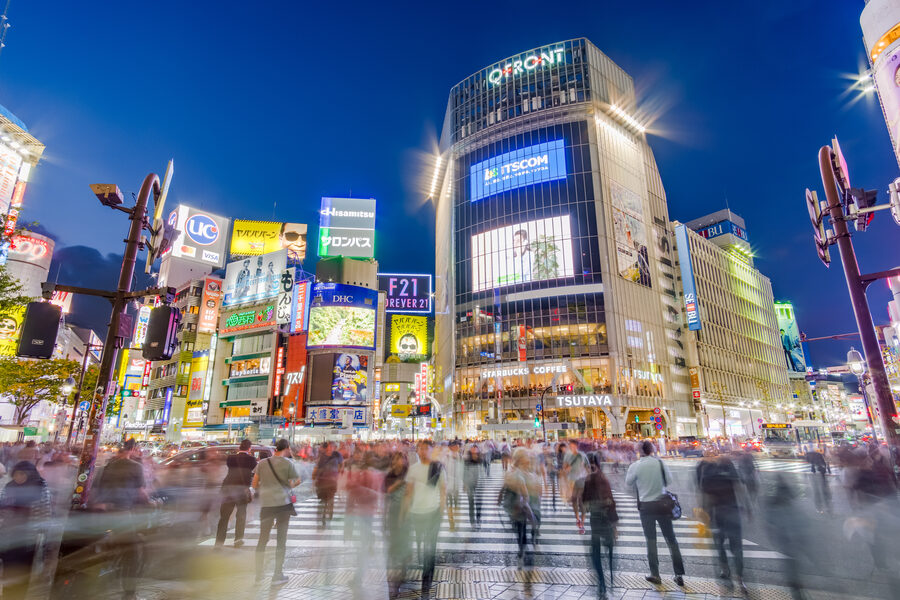
The third Heisei building I keep going back to is Shibuya Sukurama Square, which only opened in November 2019, six months after the era ended, but which represents the wave of Shibuya redevelopment that started in the late 2000s. The whole Shibuya skyline you see from the Scramble Crossing today is essentially a Heisei creation. The Crossing itself was a Heisei-era global symbol before it was a tourist set piece.
11 March 2011
I want to handle this section carefully, because the 2011 Tōhoku triple disaster is still a live wound for hundreds of thousands of people, and it is the single biggest event of the Heisei era by almost any measure. The earthquake struck at 14:46 JST on 11 March 2011 off the coast of Tōhoku and registered Mw 9.0 to 9.1, the most powerful quake in Japan’s recorded history.
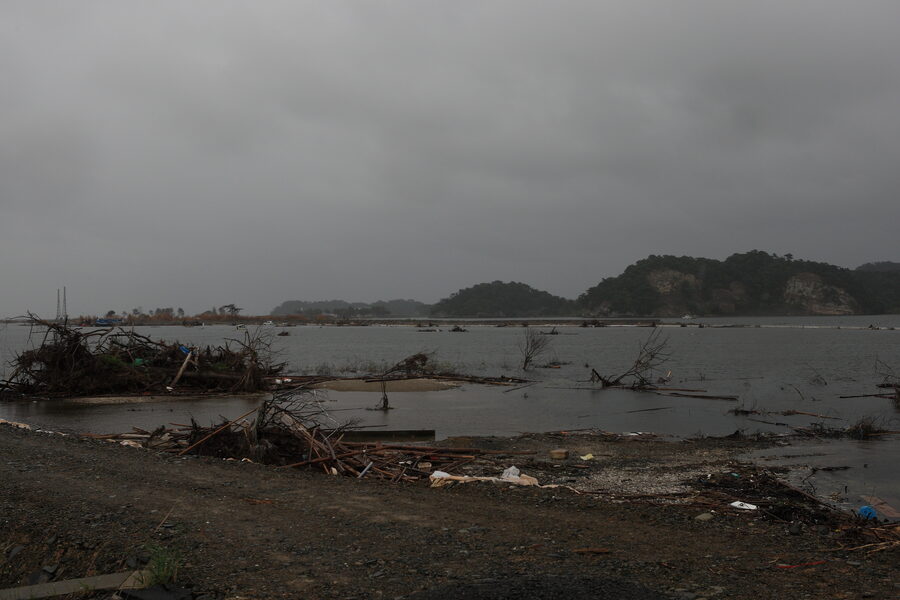
The quake itself caused damage. The tsunami that followed it was what defined the day. Run-up heights reached 38.9 metres at Aneyoshi in Iwate, and an estimated 40.5 metres in parts of Miyako.
The 2021 official figures recorded 19,759 deaths, 6,242 injuries, and 2,553 still missing. As of 2015, 228,863 people were still living away from their homes, either temporarily or permanently. The economic damage exceeded $300 billion, the costliest natural disaster in recorded history.
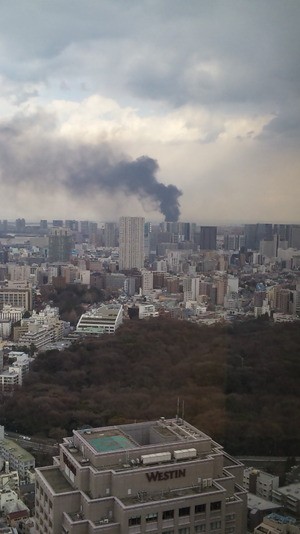
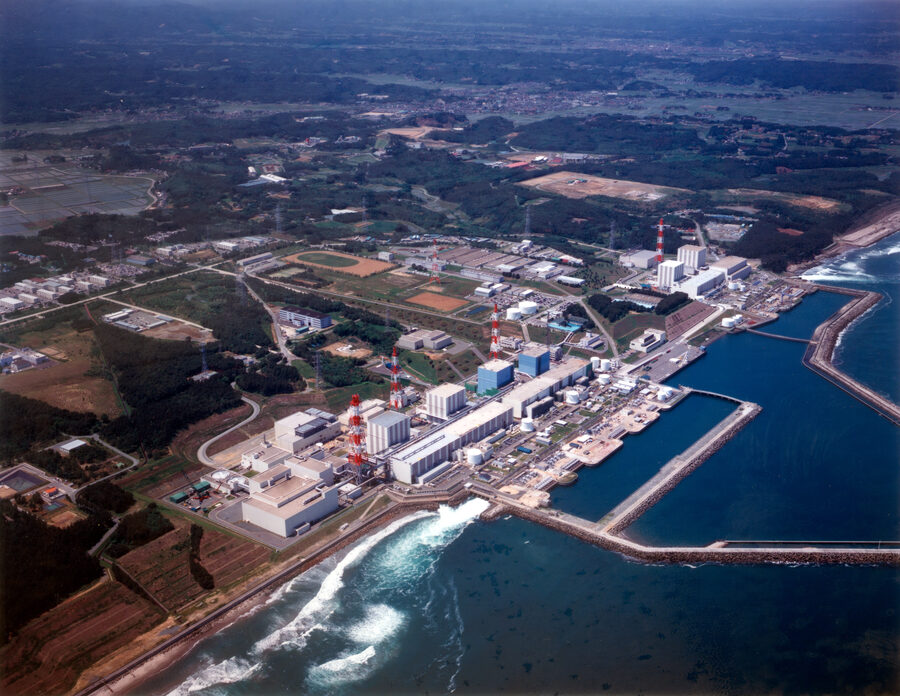
Then came Fukushima. The tsunami flooded the Fukushima Daiichi Nuclear Power Plant, knocked out cooling for three reactors, and triggered a partial meltdown that became the most serious nuclear accident since Chernobyl. Residents within a 20 km radius were evacuated.
The exclusion zone shrank over the following decade but did not fully disappear. Japan’s nuclear-power share of national electricity dropped from about 30 percent before the disaster to almost zero for several years afterwards.
The recovery has been long, expensive, and morally complicated. Towns like Otsuchi and Rikuzentakata have been reconstructed on raised ground that often sits twenty metres above their old layout. Sea walls have been rebuilt at heights that would have looked absurd before 2011.
I have walked the Sanriku coast, and what I find quietly moving is how unflashy the rebuilding is. There are no triumphal arches. There are evacuation arrows painted on every other lamp post.
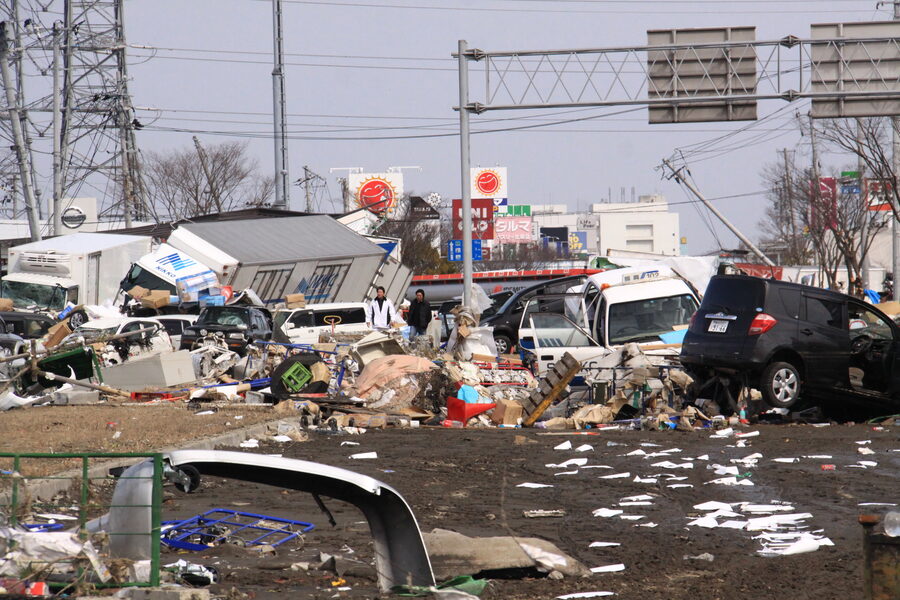
Akihito’s response to the disaster is the part that most foreign accounts of Heisei understate. On 16 March 2011, the emperor delivered a five-minute televised address that was unprecedented in the post-war Constitution and visibly emotional. Then he and Empress Michiko started visiting evacuation centres, kneeling on the floor to speak to displaced residents at eye level.
That posture was deliberate. It was also new. No emperor had ever done it.
The cultural exports that ate the world
If Heisei’s economic story is grim and its disaster story is heavy, its cultural story is the opposite. The era is when Japanese pop culture stopped being a curiosity and became one of the country’s most reliable global businesses. The Japanese government would later coin the phrase “Cool Japan” to describe a soft-power policy built around it, but the export had already happened before any policy document existed.
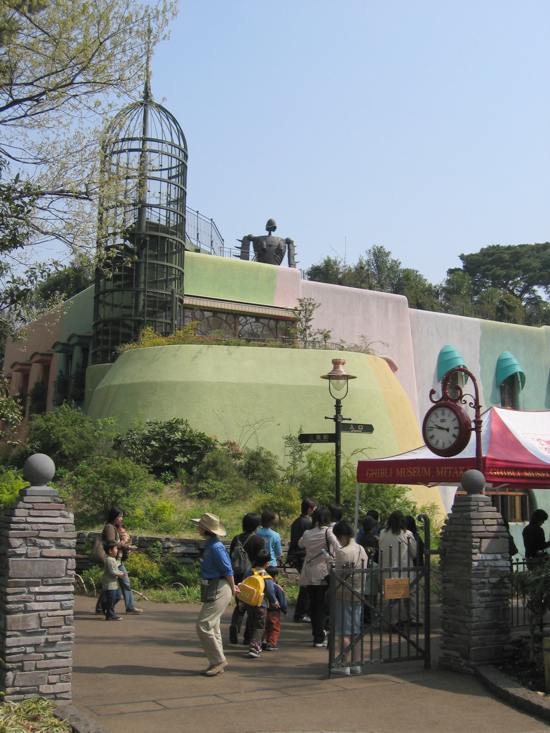
Studio Ghibli is the cleanest example. The studio was founded by Hayao Miyazaki and Isao Takahata in 1985, just before Heisei started, but its global breakthrough was a Heisei phenomenon. Princess Mononoke in 1997 was the highest-grossing Japanese film ever made up to that point. Spirited Away in 2001 went even further, taking ¥31.68 billion at the Japanese box office plus over US$380 million internationally and winning the 2003 Academy Award for Best Animated Feature.
Pokémon launched on 27 February 1996, when Pokémon Red and Green shipped for the Game Boy. Nintendo had modest expectations. The franchise sold a million units in Japan by September, jumped to a manga adaptation, then a trading card game in October 1996, then an anime series in April 1997.
By 2018, Pokémon was the highest-grossing media franchise of all time, with revenues estimated at $90 billion. None of that would have been predictable from the original Game Boy box.
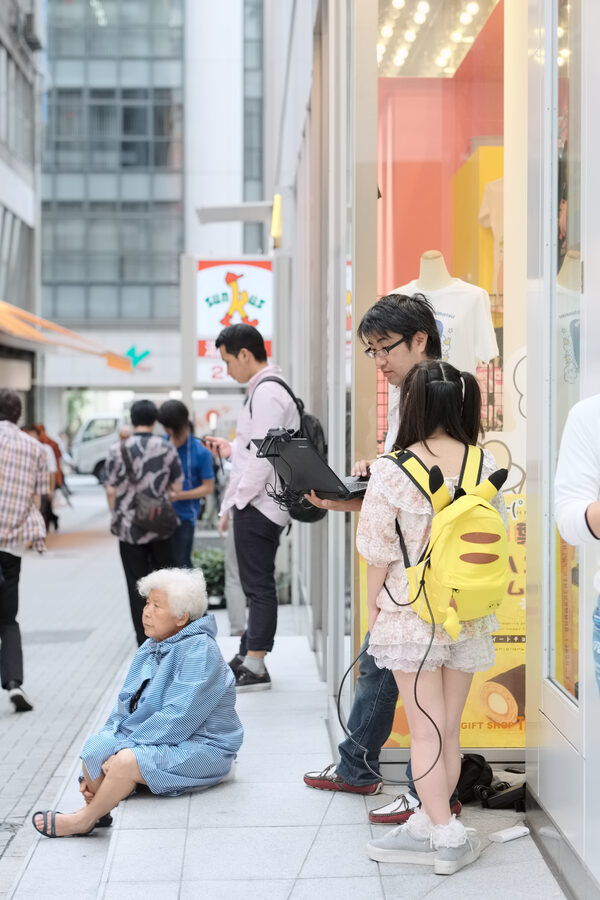
Pokémon GO arrived in 2016 and demonstrated something I had not seen before: a Japanese cultural export coming back to Japan as a foreign product, then pulling actual crowds onto the streets. The summer of 2016 in Tokyo was one of the strangest crowd phenomena I have witnessed.
People stood in city parks at midnight tapping at phone screens. Coverage in the Japanese press was bewildered, then amused, then resigned.
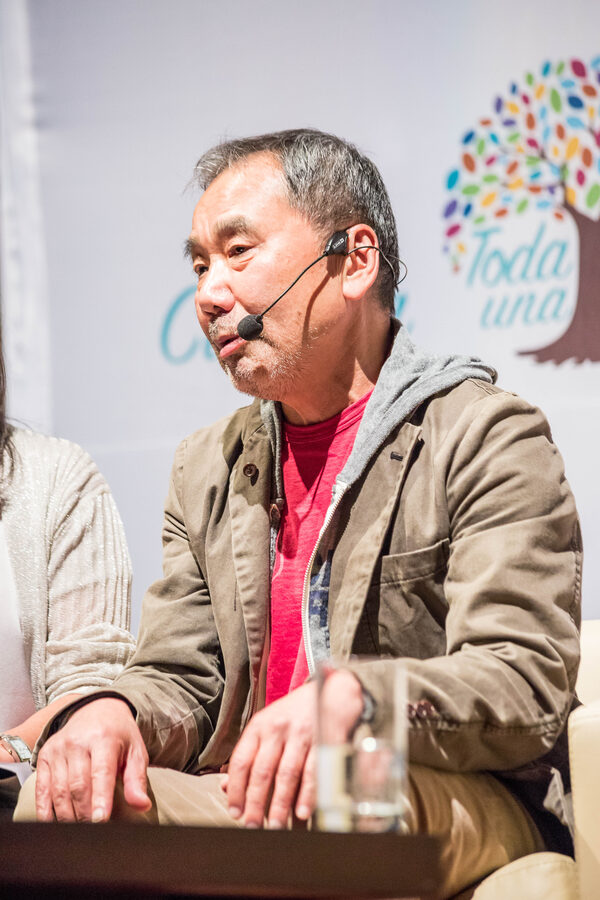
The literary export of Heisei was Murakami Haruki, who became the first Japanese novelist to be a perennial Nobel Prize discussion since Kawabata Yasunari. Norwegian Wood, The Wind-Up Bird Chronicle, Kafka on the Shore, and 1Q84 all landed in English translation during Heisei and reshaped what foreign readers expected from Japanese fiction. Murakami’s two non-fiction books on the Aum subway attack, Underground (1997) and The Place That Was Promised (1998), are also probably the most useful guide to that event in any language.
The Nobel Prize itself is another quiet Heisei tally. Eighteen Japanese nationals won Nobels during the era, mostly in the natural sciences. Yamanaka Shinya took the 2012 medicine Prize for induced pluripotent stem cells.
Akasaki, Amano, and Nakamura shared the 2014 physics Prize for the blue LED. Kazuo Ishiguro, who is British but Nagasaki-born, took the 2017 literature Prize. Heisei was, by the laboratory metric, one of the most productive Japanese eras in modern history, even as the headlines stayed glum.
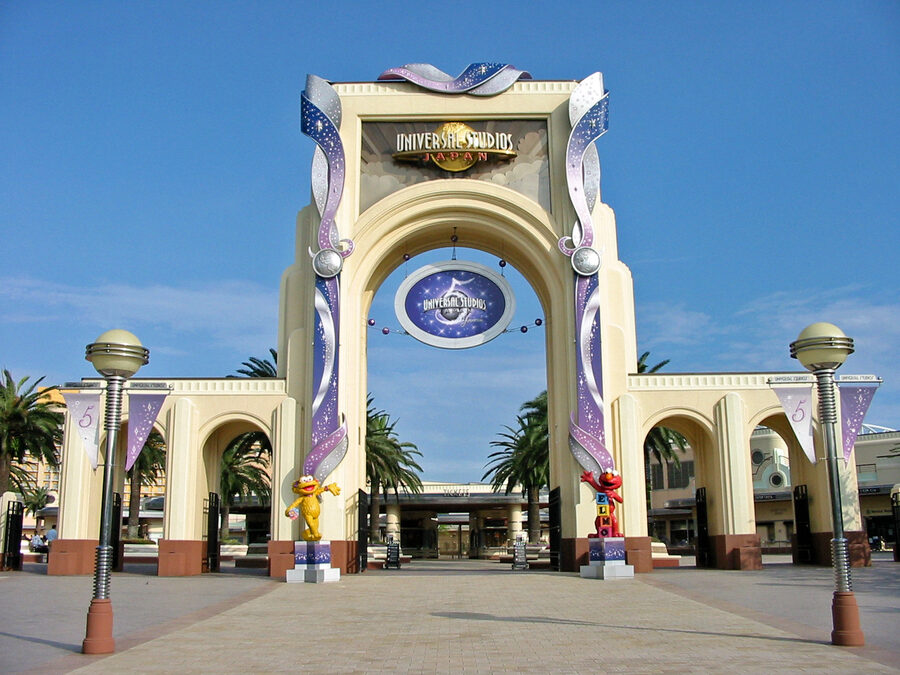
Universal Studios Japan opened in Osaka in March 2001 and gave the country its first Hollywood-scale theme park. Tokyo Disneyland had existed since 1983, but USJ added a second pole and pulled in twelve million visitors a year by the late 2010s.
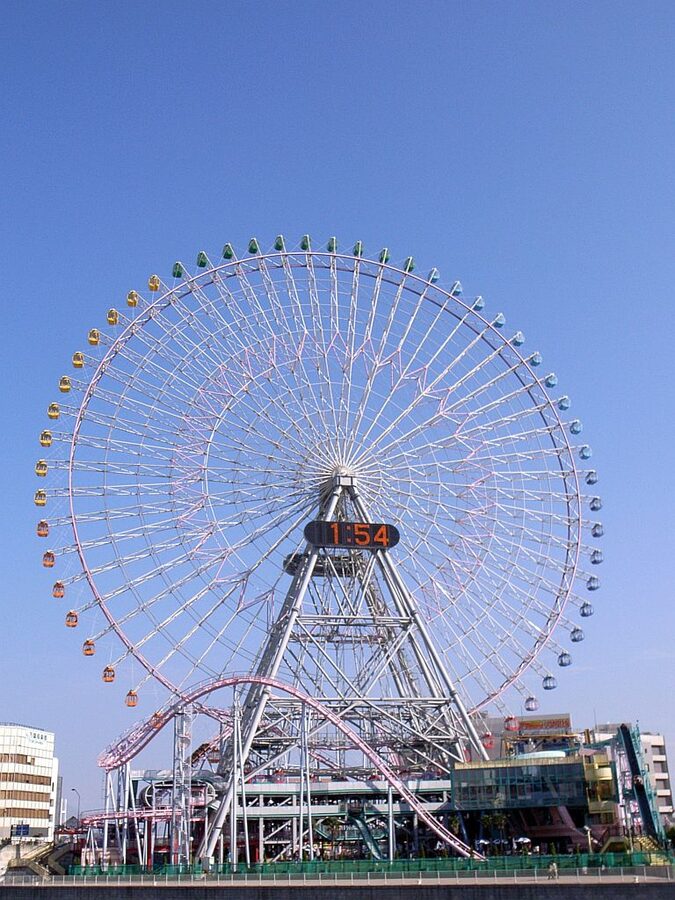
The era’s theme-park boom is also the reason Yokohama’s Cosmoworld and the Sega arcade scene matured in the 1990s. Entertainment districts grew exactly while traditional manufacturing exports flatlined.
The other Heisei pop-culture export I keep underestimating is J-pop. AKB48 was formed in Akihabara in 2005 and pioneered the “idols you can meet” handshake-event business model that quickly spread across Asia. By the late 2010s, K-pop had borrowed the system, scaled it, and overtaken the original. None of that would have happened without the Heisei groundwork.
Manga publishing also went through a quiet revolution. Weekly Shonen Jump’s circulation peaked at 6.53 million copies in 1995 and then declined steadily as readers moved to digital. The serialisations of One Piece (1997 onward), Naruto (1999), Bleach (2001), and Attack on Titan (2009) all started inside Heisei. They became, between them, four of the highest-selling comic franchises in publishing history.
The inbound boom that nobody expected
The least-told Heisei story is also probably the most important one for anyone reading this article. In 2003, Japan welcomed about 5.2 million foreign visitors. By 2019, that number had climbed past 31.8 million, an increase of more than six-fold in sixteen years.
The “Visit Japan” campaign launched in 2003 by the Koizumi government had been treated as a slightly desperate attempt to plug a hole in the export economy. It worked beyond anyone’s planning assumptions.
Several things lined up. The yen weakened during the second Abe administration’s “Abenomics” period (2012 onwards). Visa rules were relaxed for South Korean, Chinese, Thai, and Southeast Asian travellers in waves through the 2010s.
Low-cost carrier routes multiplied. The 2002 World Cup, the 2005 Aichi Expo, and the 2020 Tokyo Olympics-bid run all built up tourism infrastructure. By the time I was living in Sapporo in the late 2010s, my neighbourhood ramen shop had a multilingual menu it had not needed five years earlier.
If you want to put numbers on what changed, look at the way Japanese mass tourism reorganised itself around the foreign visitor. Restaurants went from “no English menu, please leave” in 1999 to “Halal-certified, vegan-friendly, photo-friendly” by 2018. Many traditional sites that had been struggling for decades, including the twelve original castles, the great regional festivals, and the classical gardens, suddenly had a paying audience again.
Many of the castles in particular owe their physical condition to Heisei-era restorations. Himeji’s six-year “Great Heisei Repair” (2009 to 2015) replastered the entire main keep so thoroughly that the castle looked nearly white when scaffolding came down. Kumamoto Castle’s Heisei restoration is still ongoing after the 2016 quake. Aomori’s Nebuta Matsuri tripled in international audience over the era. The Heisei-era visitor revival is one of the few unambiguous economic success stories of the period.
Akihito, the constitutional emperor
I want to spend a section on the man whose name accidentally adorns the era. Akihito was born on 23 December 1933 and was the first imperial son to be tutored by an American (Elizabeth Gray Vining) during the post-war occupation.
He married Michiko Shoda in 1959 in the first imperial wedding to be televised in Japan. About 15 million people watched. Michiko was a commoner, the first ever to enter the imperial family, and the wedding is one of the most-watched live broadcasts in Japanese television history.
Under the post-war Constitution, the emperor’s role is, in the article’s exact phrasing, “entirely representative and ceremonial in nature, without even a nominal role in government.” Akihito treated this as an open prompt rather than a closed instruction. Over thirty years he attended every major disaster site in person, knelt on tatami floors to speak with displaced people, and gave both Japanese and English-language statements that were notable for never quite breaking the constitutional rules but also never being merely formal.
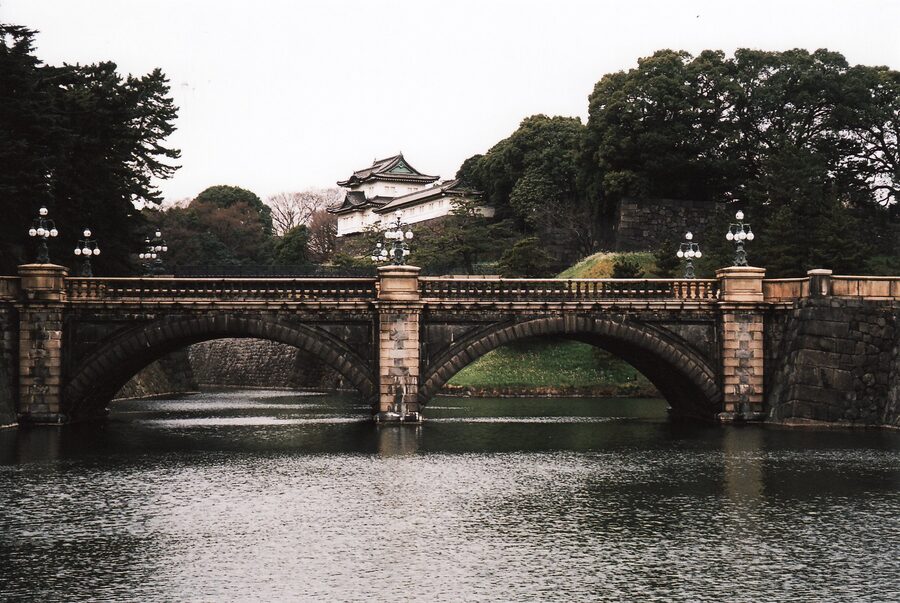
The 2016 video address is the moment that decided his exit. On 8 August 2016, Akihito appeared on national television and gave a ten-minute speech about his “advanced age” and the difficulty of fully discharging his duties. Nobody pretended this was anything but a coded request to abdicate.
Japanese imperial law did not allow for it. The Diet had to pass a one-time special law in June 2017, the first abdication-enabling legislation in two centuries, just for him.
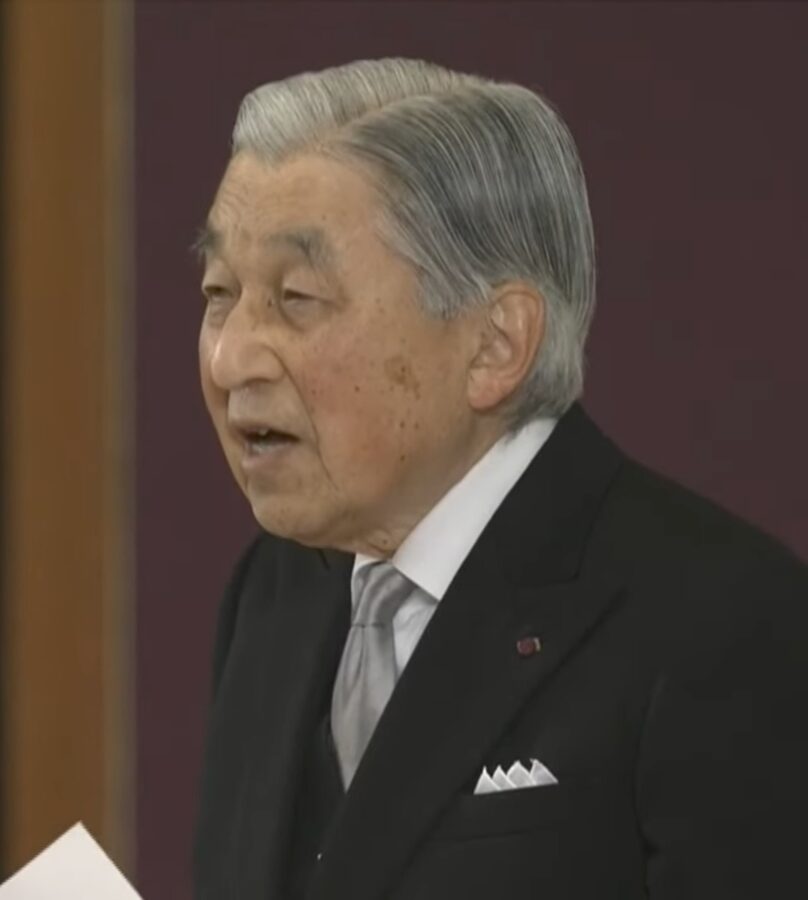
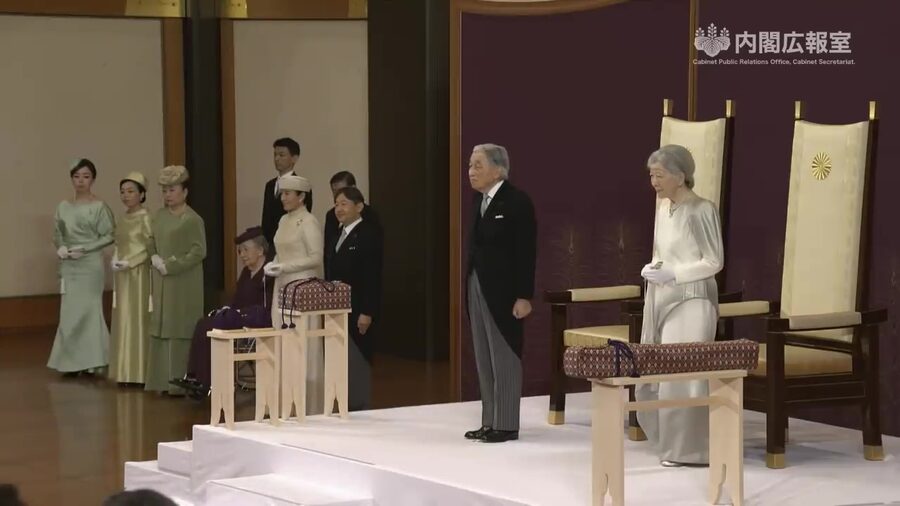
He stepped down on 30 April 2019. The reign ended with Akihito reading a final, brief statement in the Matsu-no-Ma State Hall of the Imperial Palace. He thanked the country, asked the new era to be one of peace, and walked out of the room.
He was 85 years old. Watching that ceremony live, I remember thinking that I had never seen a head of state announce the end of his own job with that kind of careful timing.
Reiwa begins, Heisei ends
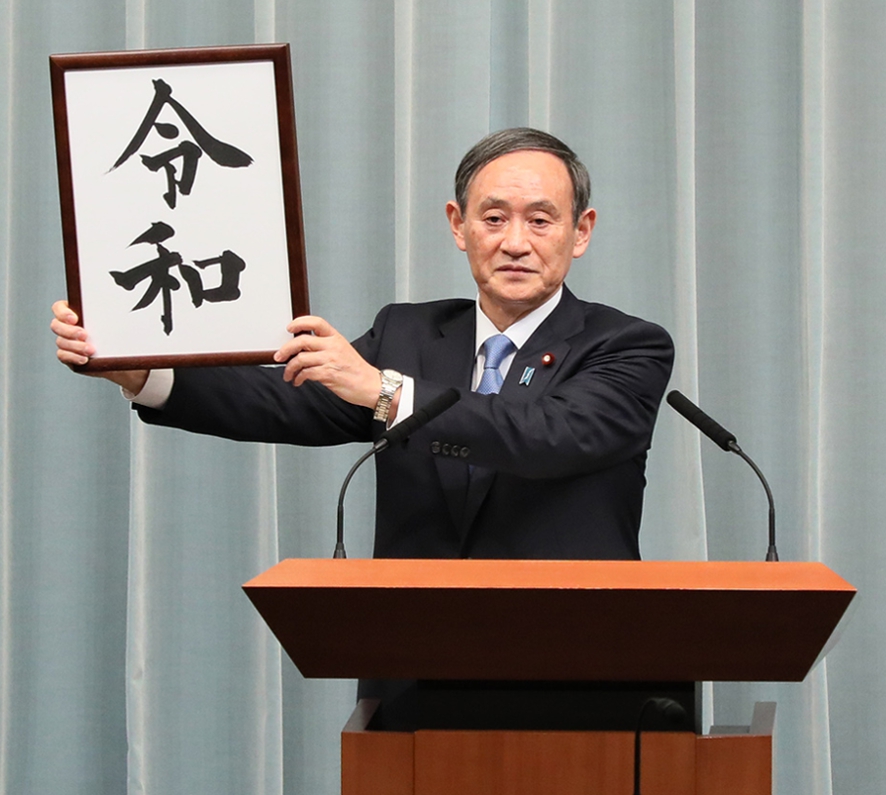
The new era’s name was announced four weeks before the transition. On 1 April 2019, Cabinet Secretary Yoshihide Suga held up a single sheet of paper containing the characters Reiwa (令和), drawn from the eighth-century Manyōshū, in deliberate echo of Obuchi’s 1989 announcement of Heisei. Reiwa is usually translated as “beautiful harmony” or “auspicious peace.” For most people in Japan, it just meant their bank cards were going to need updating.
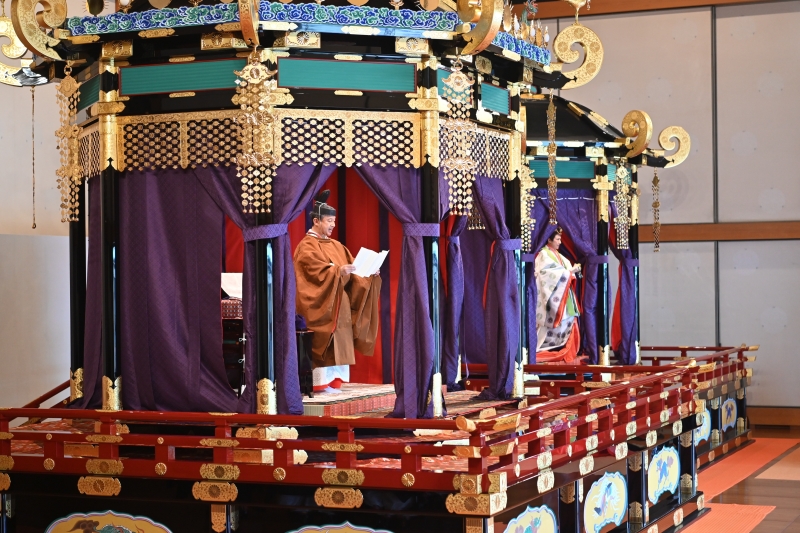
Naruhito ascended to the throne on 1 May 2019 and was formally enthroned in October the same year in the Sokuirei-Seiden-no-gi ceremony at the Imperial Palace. He inherited the same set of regalia his father had inherited thirty years earlier, the same that have been presented at every imperial transition for centuries.
Heisei ended quietly, on schedule, and without anybody dying first. That alone made it one of the most peaceful imperial transitions Japan has ever had. Naruhito’s enthronement drew heads of state from 174 countries, more than any previous Japanese imperial event in history. The Heisei inbound boom worked even on the imperial transition itself.
How to walk Heisei today
If you want to actually visit Heisei (which is the kind of question I always end up asking myself when I write about an era), here is the route I would put together for a first-timer with about a week of travelling time.
Start in Tokyo at Shibuya Crossing, climb to the top of the Tokyo Skytree, then walk through Roppongi Hills with one eye on the dates of every plaque. That is your architectural Heisei lap. The Mori Art Museum at the top of Roppongi Hills frequently runs exhibitions on Heisei-era contemporary Japanese art if you time it right. Then head to Mitaka for the Studio Ghibli Museum if you have managed to book a ticket six weeks in advance.
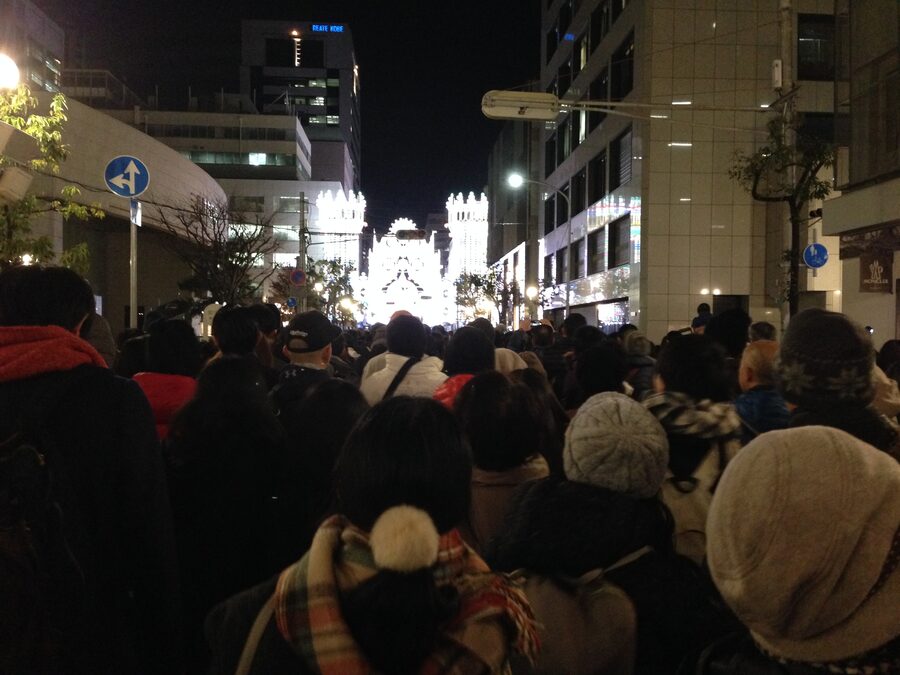
From Tokyo, take the bullet train to Kobe and walk through Sannomiya and Kitano. The 1.17 Earthquake Memorial Museum is small but extraordinary, and it holds the city’s official record of what the morning of 17 January 1995 actually felt like inside individual flats.
Visit in December if you want to see the Luminarie. Otherwise, walk the harbourfront and look for the displayed sections of fault-shifted concrete that were left in place as a reminder.
If you have time, the Sanriku coast in Tōhoku has a network of memorial parks now, and they are worth the journey. The Iwate Tsunami Memorial Museum in Rikuzentakata, the Sendai 3.11 Memorial Community Center, and the smaller fishing-village shrines along the coast are all part of the Heisei record.
The 2011 disaster shaped emergency management worldwide. The places where it happened have spent the last fifteen years figuring out how to remember it without becoming a theme park about grief. I think they have mostly succeeded.
Finally, do not skip the older eras while you are at it. Heisei sits between Showa, the long imperial era of war and post-war recovery, and Reiwa, the era you are currently visiting. If you want the deeper sweep, my pieces on the Showa era, the Taisho era, and the Meiji era walk you back through the previous century and a quarter. The whole modern story makes more sense when you see how Heisei sits inside it.
So what was Heisei, in the end?
I have spent this whole article walking around the question, so I will try to answer it directly. Heisei was the era in which Japan stopped being the country that was about to take over the world and became, instead, the country that visitors actually liked.
The economic numbers were genuinely bad. The disaster years were genuinely tragic. The imperial transitions were genuinely careful. The cultural exports were genuinely huge.
None of those four things contradicts any of the others. The reason Heisei is hard to summarise is that it was all of them at the same time, for thirty years, under the same constitutional monarch who insisted on kneeling on tsunami evacuation centre floors.
By the end you had a country with cleaner trains, more visitors, more anime, more empty office buildings, more memorial parks, and a smaller share of global GDP than at the start. You also had thirty million tourists per year telling each other Japan was their favourite trip.
That paradox is the reason I keep coming back to Heisei when people ask me to explain modern Japan. The era’s bookends are disasters. Its middle is empty banks and full Pokemon Centers.
Its emperor was a man who turned ceremonial constitutional monarchy into an extended thirty-year apology tour for his own dynasty. Walk a Heisei route through the country today, and you will find the country that was actually being built underneath the Lost Decades headline. It is, I think, the Japan that most foreign visitors have ever fallen in love with.
It also, for the record, has nothing to do with castles and shogun. If you want that older Japan, see my castle survey, my festivals piece, and my Sapporo Snow Festival deep dive. Heisei built on all of those without ever pretending to replace them, and that, more than the GDP charts, is what the era will be remembered for.