
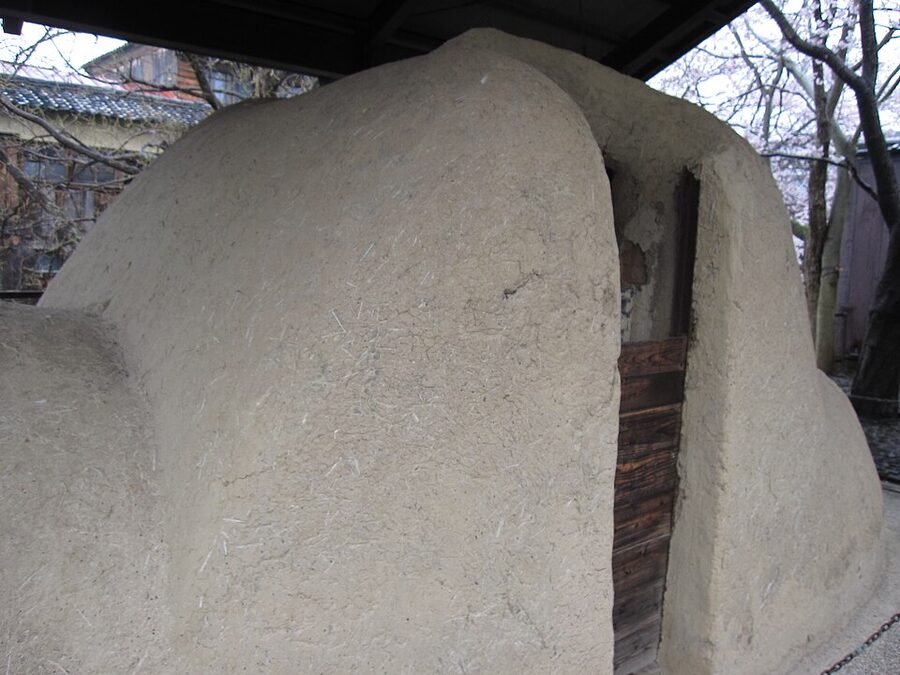
Japan’s Greatest Traditional Crafts: Ten Things Still Being Made by Hand
The angle of a Japanese roof tile has not changed in fourteen centuries. The standard hon-gawara ridge slope built today, […]
Tatami, kawara roof tiles, ranma transoms, candles, sword-smithing and other living Japanese crafts.
The angle of a Japanese roof tile has not changed in fourteen centuries. The standard hon-gawara ridge slope built today, […]
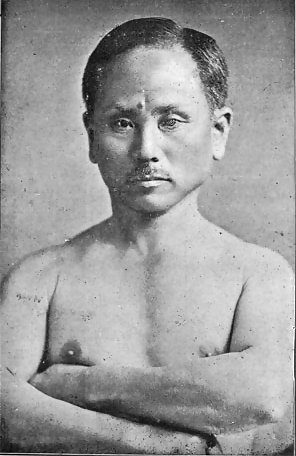
The first time karate appeared in a Japanese magazine the size of Vogue, the story wasn’t a quiet biography. It
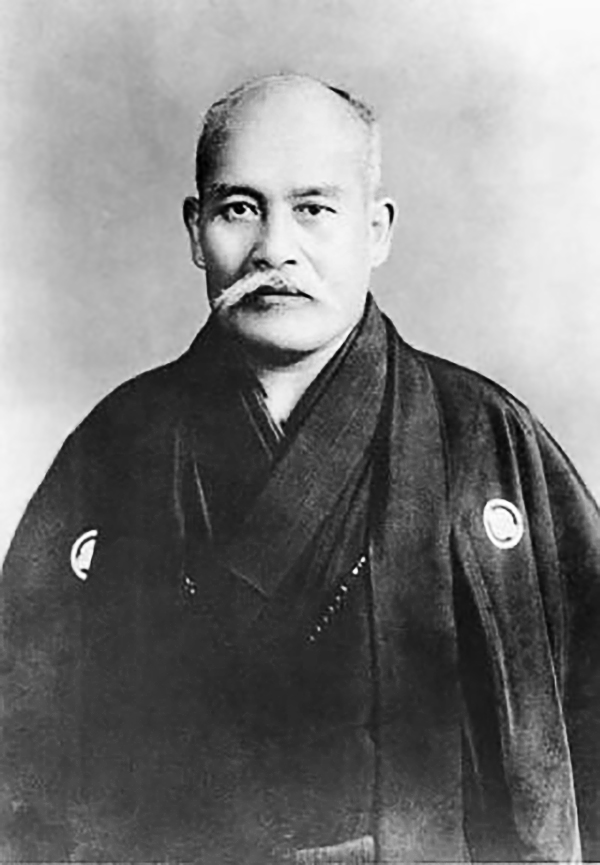
Morihei Ueshiba was officially rejected from the Imperial Japanese Army in 1903 for being half an inch under regulation height.
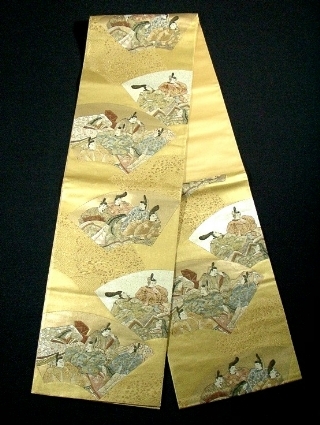
Every kimono on earth begins as one 36cm × 12.5m bolt of cloth cut into eight rectangles. Drape, not tailoring. Yūzen, Nishijin-ori, the formality ladder and how to read a kurotomesode at fifty paces.
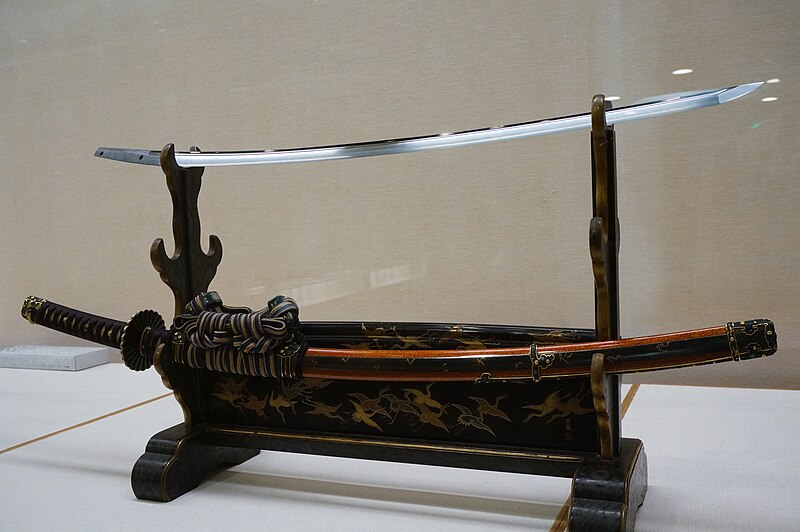
A Japanese tachi and a Japanese katana look, to an untrained eye, like the same sword. They are not. They
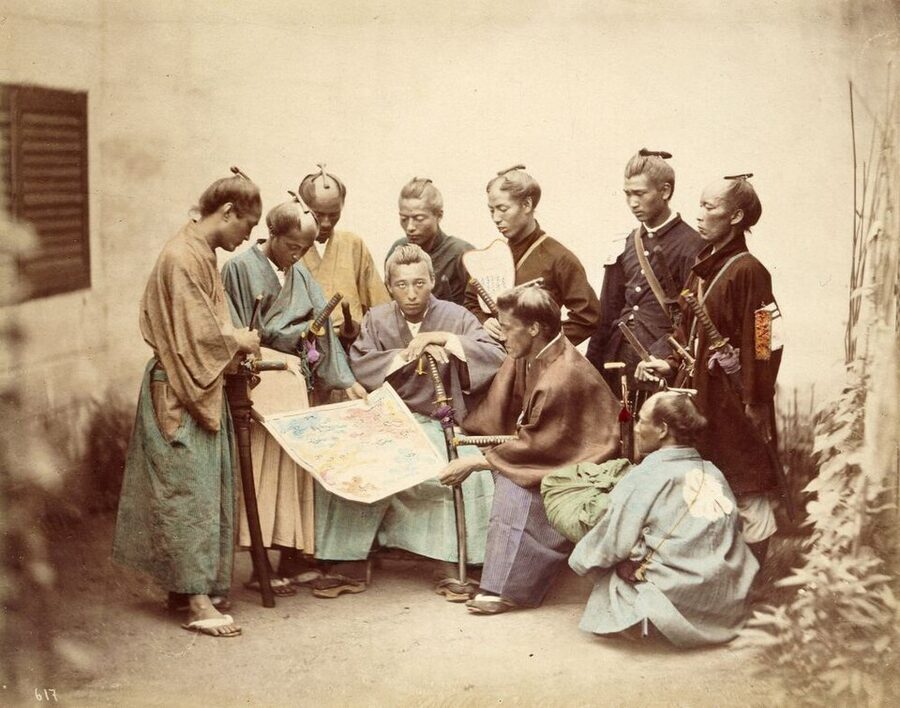
Stand in front of a skilled hakama-wearer and watch their feet. You cannot. A good hakama, cut to its traditional
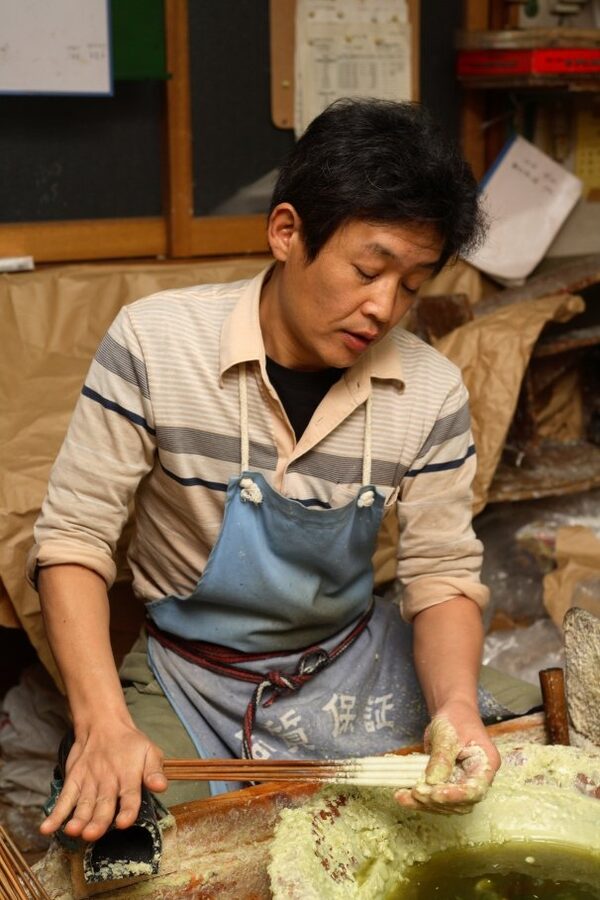
Traditional Japanese candles are not made from paraffin. They are not made from beeswax or palm wax or any other
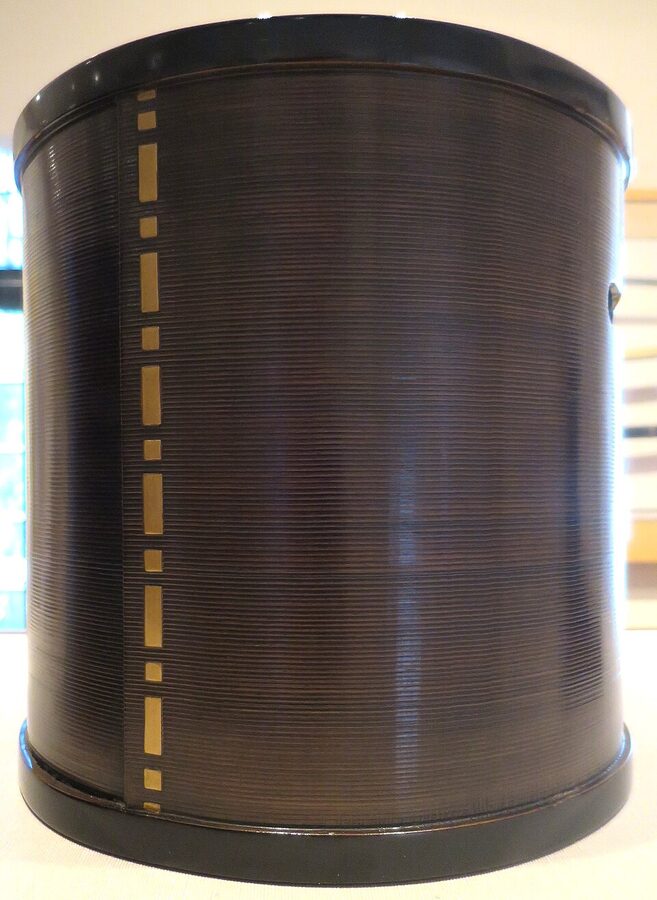
There is a linguistic problem to sort out before anything else. In English-speaking restaurants since about 1964, “hibachi” has meant
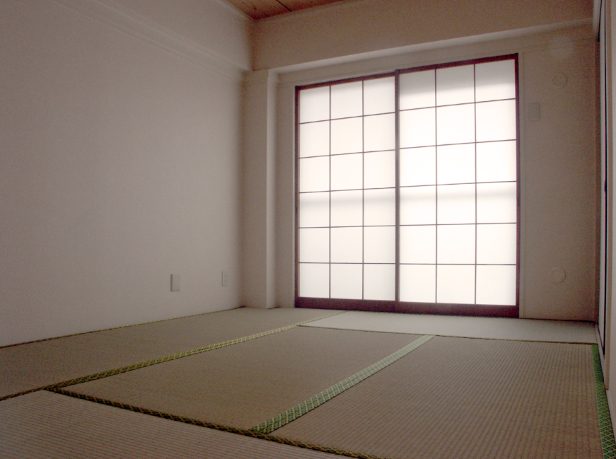
A Japanese real-estate listing in 2026 will tell you the floor area of an apartment in square metres and also
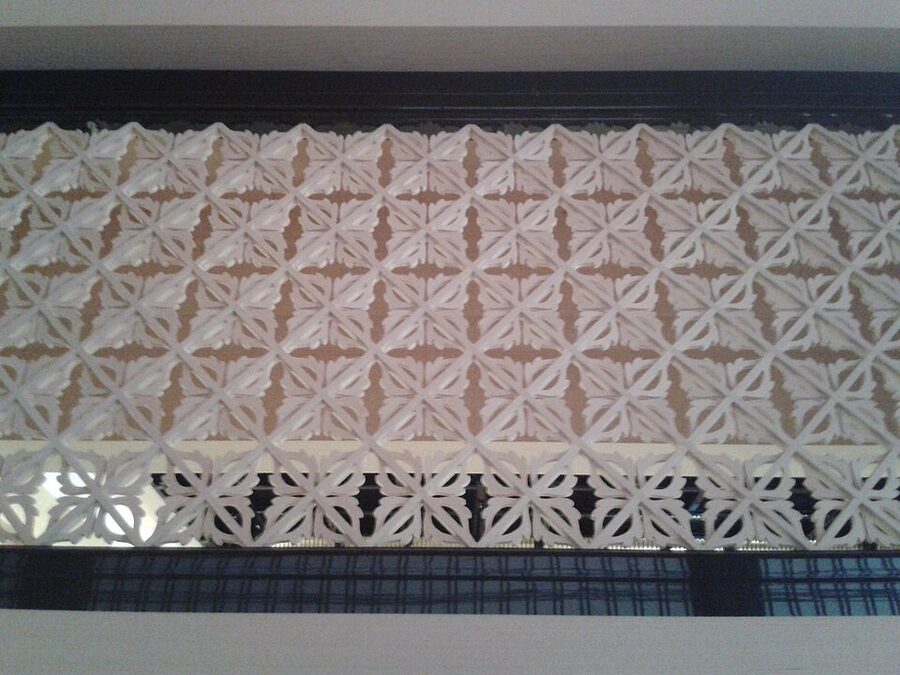
In almost every serious traditional Japanese room — the zashiki reception room of a merchant house, the abbot’s quarters of