
The angle of a Japanese roof tile has not changed in fourteen centuries. The standard hon-gawara ridge slope built today, on a Kyoto temple or a Toyama farmhouse or a Sanshu workshop in Aichi, sits at the same five-degree pitch the Hakuhō-period roofers worked out around the year 600 to drain monsoon rain off a clay surface without lifting the tile in a typhoon. Every other variable in Japanese building has changed. The tile has not. I find that easier to understand than the alternative, which is that nothing else needed to.
I have spent the last eight years on the road in this country looking at things that are still being made by hand. Some of those things made it onto the JETRO list of officially designated traditional crafts (240+ trades, last count). Some of them did not. The ten on this page are the ones I keep coming back to: traditional Japanese crafts that survived the 1960s collapse, the 1990s contraction, and the 2010s heritage-fatigue, and that you can still walk into a workshop in 2026 and watch being made. If you are putting together a wider Japan trip, this guide pairs naturally with my cornerstone on Japan’s greatest festivals and the matching guide on Japanese gardens.
“Traditional” in Japan does not mean preserved-for-tourists, the way the word has come to mean in most other industrial countries. It means still being made this week. The 1975 Traditional Crafts Industry Promotion Act formalised the distinction; a craft qualifies for protection only if there is an active production chain (raw material, workshop, apprenticeship), not just a museum display. That filter is the reason this list reads the way it does. Pick a craft, find a workshop, watch the work. The names below are ten doors you can actually open.
I have organised them in three groups: the architecture-of-the-home crafts (tatami, kawara, ranma, hibachi); the clothing-and-light crafts (warousoku, hakama, kimono); and the weapons-and-disciplines crafts (sword, karate, aikido). Each one has its own dedicated guide on this site that goes deep on technique and history. This page is the overview, the route map you read before you book the trip.
In This Article
- Architecture of the Home: the Crafts that Built the Room
- 1. Tatami: the Mat that Sets Every Other Dimension
- 2. Kawara: the Roof Tile that Has Not Changed Its Angle in 1,400 Years
- 3. Ranma: the Carved Transom that Lets the Air Through
- 4. Hibachi: the Charcoal Brazier that Heated the Country
- Light and Textile: the Crafts You Wear and Burn
- 5. Warousoku: the Candle that Burns from the Inside Out
- 6. Hakama and Kamishimo: the Formal Trousers of the Samurai Class
- 7. Kimono: Eight Rectangles, No Waste, Two Centuries of Refinement
- Weapons and Disciplines: the Crafts that Are Practised, not Owned
- 8. Japanese Swords: the Tachi, the Katana, and the Tatara Furnace
- 9. Karate: Empty Hand, Okinawan Origin, Mainland Reinvention
- 10. Aikido: the Late-Meiji Reinvention out of Daitō-ryū
- Cross-Cutting Threads: How These Crafts Hold Together
- Where to Actually Watch Them Being Made
- My Pick of Three Crafts to Actually Go and Watch
- Closing: the Country that Decided to Keep Making Things
Architecture of the Home: the Crafts that Built the Room
The first four are the crafts that build a traditional Japanese house. Floor (tatami), roof (kawara), interior partition (ranma), and primary heating (hibachi). Each one was a separate guild trade by the late Edo period, and each survived the post-war housing transition in a different way: the tatami industry contracted by 90% but kept the temple market, kawara held its temple-restoration baseline, ranma collapsed everywhere except one mountain town that now does 70% of the national output, and hibachi production ended around 1965 but the surviving objects are everywhere.
1. Tatami: the Mat that Sets Every Other Dimension
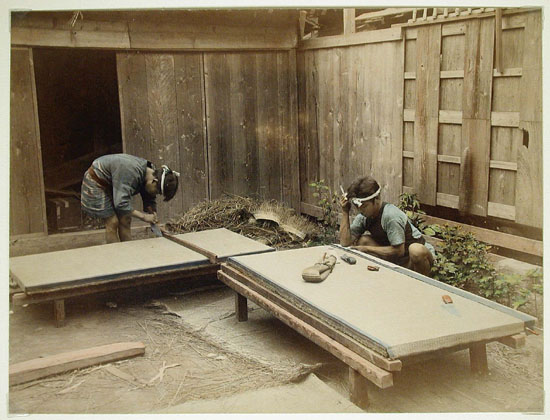
A traditional tatami mat is a three-layer sandwich: rice-straw core, woven igusa rush facing, cloth border. It weighs 25 to 30 kilograms, sits 5 centimetres thick, and lasts 40 to 60 years before the core needs replacing. None of that is the interesting part. The interesting part is that the mat is a unit. A Japanese real-estate listing in 2026 still tells you the floor area of an apartment in tatami count: a “six-mat room” is a 9.7-square-metre reception, an “eight-mat room” is a large living area, and the listing for a Western-style apartment with no actual tatami in it still uses the metric.
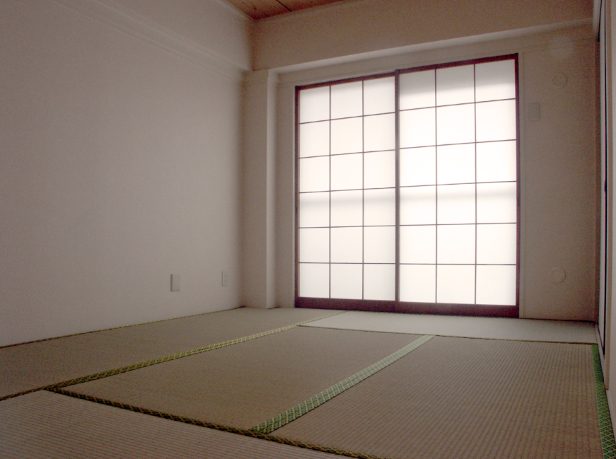
I want to flag the regional variation because it is a fact that surprises foreign visitors every time. Three traditional sizes have coexisted since the late 16th century. Kyōma in Kansai is 191 cm by 95.5 cm. Chukyōma in Nagoya is 182 cm by 91 cm. Edoma in Tokyo is 176 cm by 88 cm. A merchant who moved from Osaka to Edo in 1700 found that none of his standard furniture fit. The fragmentation is genuinely inconvenient and has survived three centuries because the underlying cultural commitment to the module has survived.
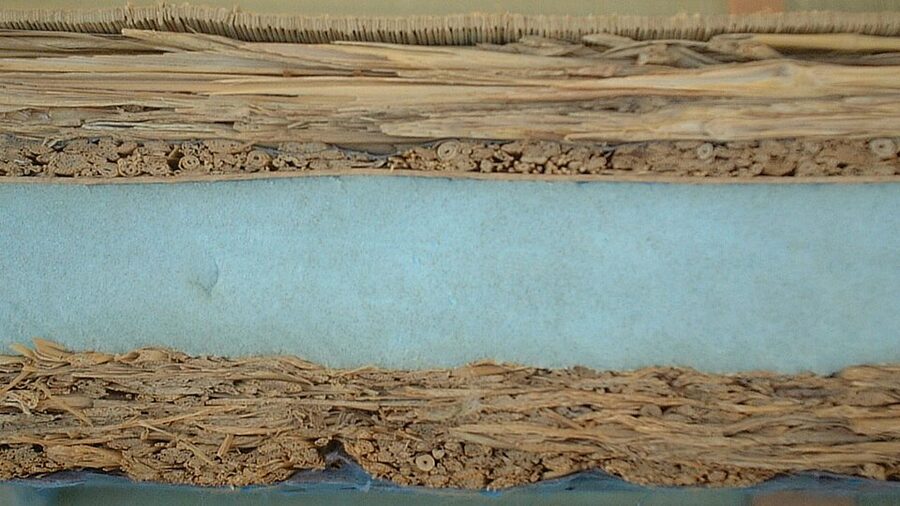
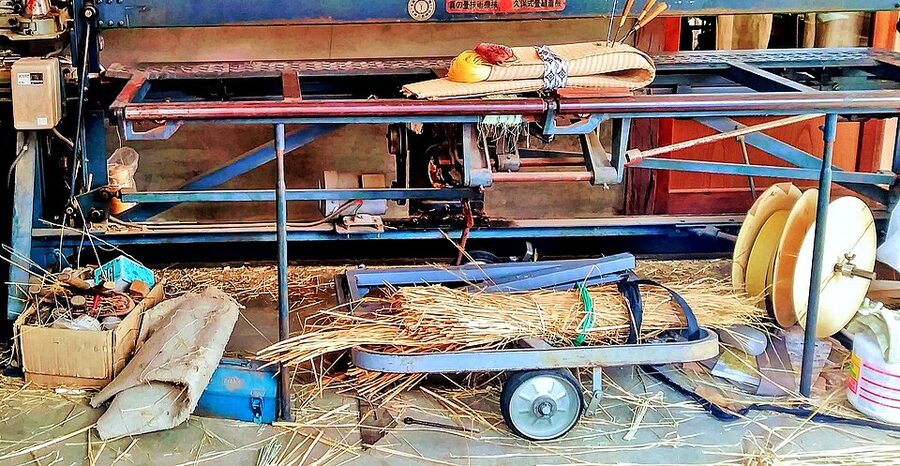
What survived the post-war crash is the artisanal end. In 1970 the industry produced 15 million mats per year and employed 60,000 tatami-shi. By 2020 that was 2 million mats and 7,000 craftsmen, but the temple, shrine, and high-end ryokan market is sticky. The imperial palace replaces several thousand mats per year on a rolling cycle, and the 15,000 active ryokan in Japan keep tatami-replacement crews on permanent retainer. If you sleep on a futon laid out on tatami at a real ryokan two nights running, you understand the architectural logic the module was designed for.
2. Kawara: the Roof Tile that Has Not Changed Its Angle in 1,400 Years
The kawara craft is the oldest still-active building trade in Japan. The first documented kawara workshop was set up at Asuka in the 580s by Korean tile-makers brought across the Tsushima Strait under royal commission. The basic two-piece hon-gawara system (alternating convex-concave courses laid up the roof slope, ridge ornaments at the ridge ends) has been the canonical Japanese roof since the 7th century and is still the working specification for temple-restoration work in 2026. The five-degree slope is the same. The clay body is the same. The firing temperature is the same.
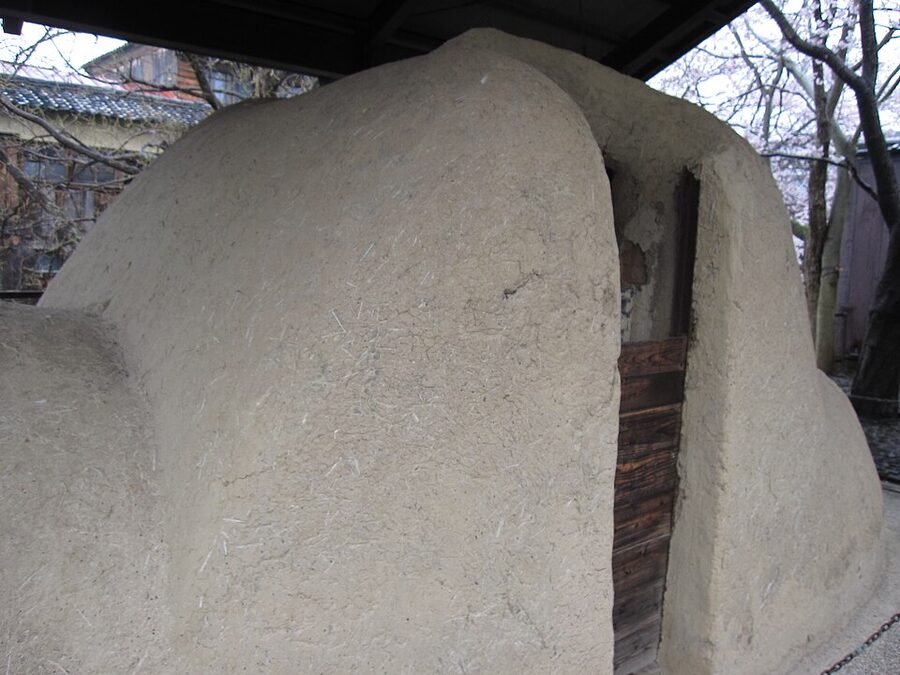
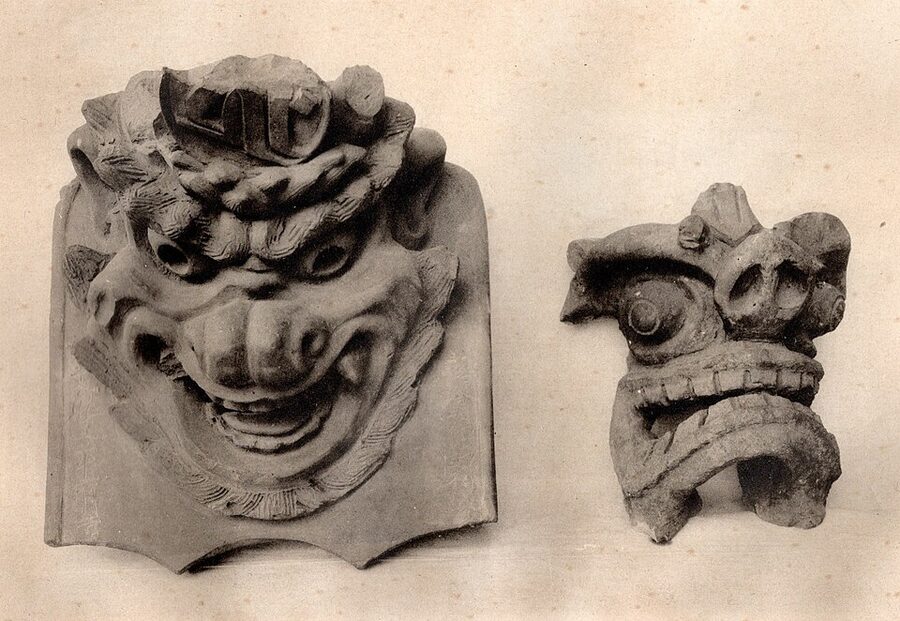
The decorative end of the craft is where the work is hand-sculpted. Onigawara, the demon-face tiles at each ridge-end, are one-off carved pieces signed by individual makers. They are apotropaic in folk belief, set there to scare evil spirits away from the building, and you will find one at every ridge-end of every temple roof in Japan. The signature is incised on the lower back after firing and identifies both workshop and artisan. The Sanshū kiln district in Aichi has been the production centre since the Muromachi period and supplies most of the major reconstruction projects.
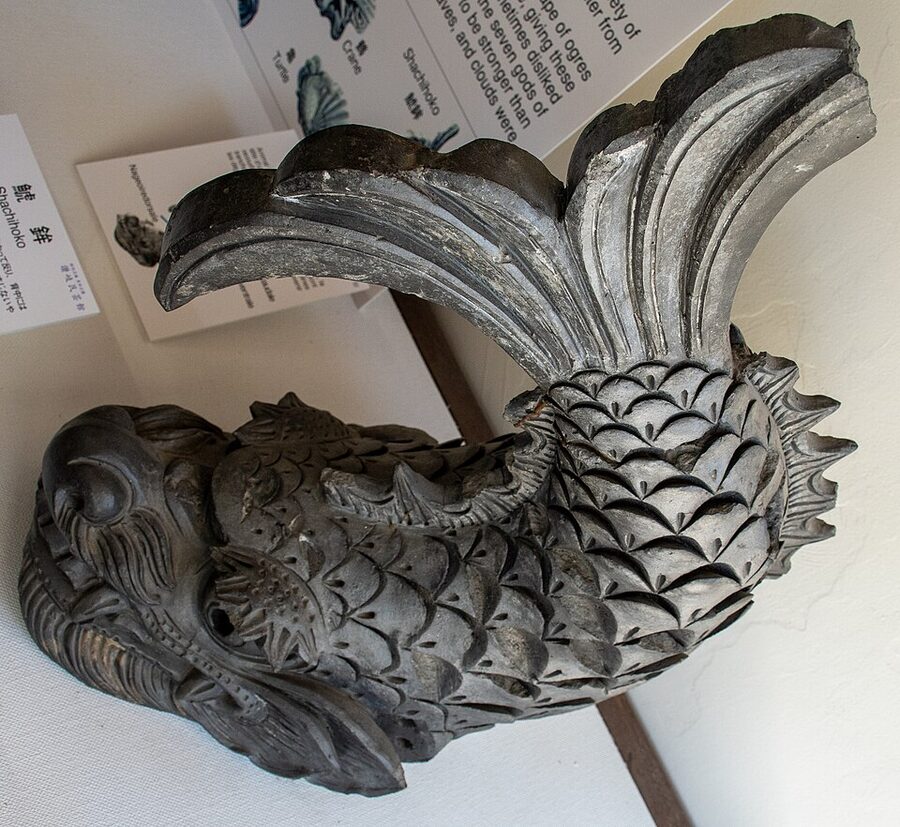
The other ridge ornament worth knowing about is the shachihoko, the tiger-headed fish placed at the main-ridge ends of castles and palaces. The most famous shachihoko in Japan are the gold-leaf-covered pair on the keep of Nagoya Castle, each about 2.7 metres long. They were melted down for war metal in 1945 and recast for the 1959 reconstruction. Smaller domestic-scale shachihoko show up on high-status town houses, especially in Aichi and Gifu. The Ritsurin Garden collection in Takamatsu has a particularly good range.
3. Ranma: the Carved Transom that Lets the Air Through
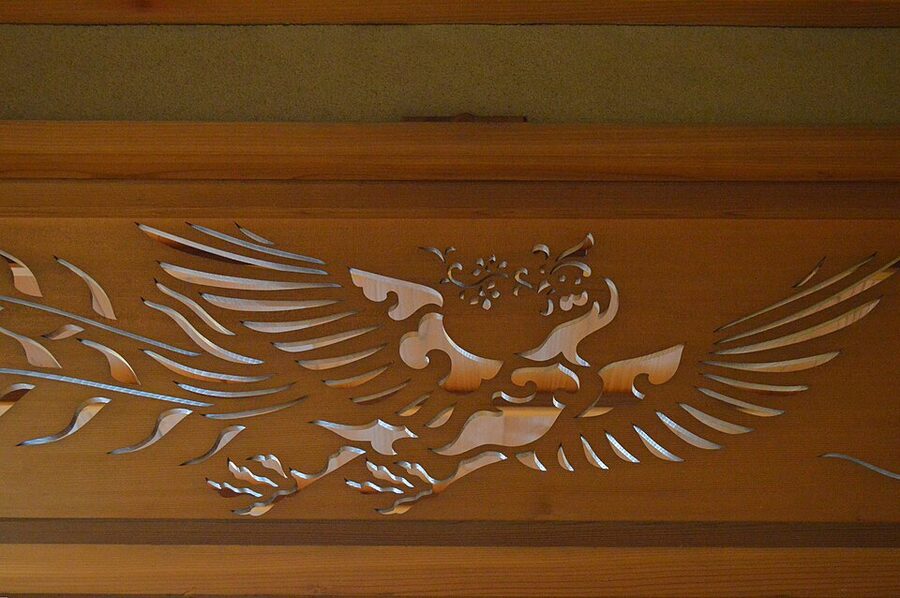
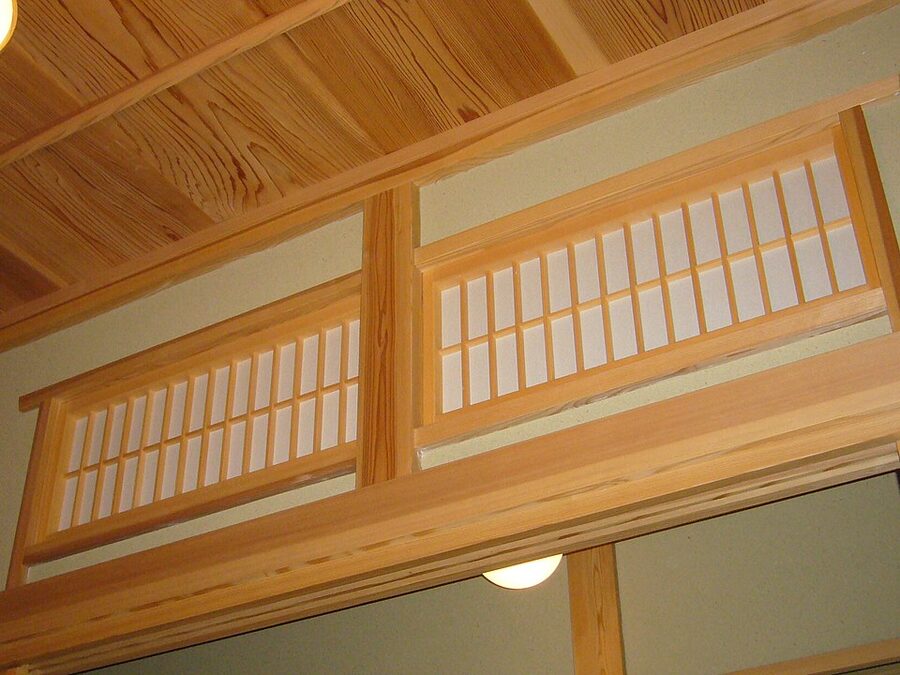
A ranma is the carved wooden panel that fills the 50-centimetre gap above the top rail of fusuma sliding doors and the ceiling beam. Its working purpose is ventilation: in a sealed traditional house, the ranma is the only path for warm air to move from one room to the next without opening the doors. Its decorative purpose is whatever the carver and the patron negotiated. Sukashi-bori (pierced-through openwork carving) is the standard high-end technique; the panel is cut entirely through the wood so that the space behind shows through and the motif reads from both sides of the room.
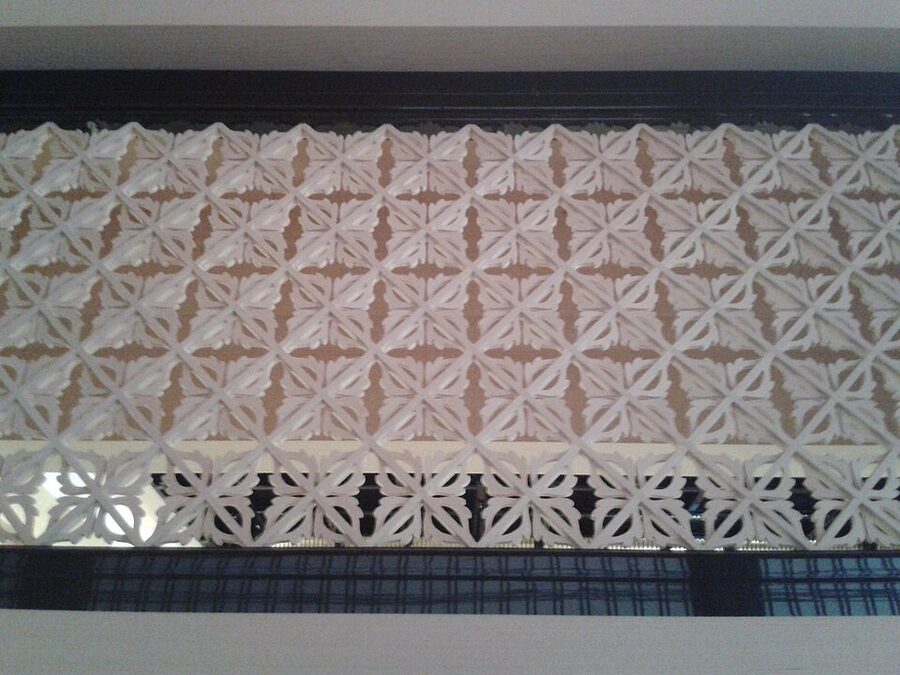
About 230 active ranma carvers still work in Inami, a town of around 8,000 people in Toyama prefecture. That ratio (one in thirty-five residents earning a living from carved-wood transoms) is the highest concentration of a single craft in any Japanese town. Inami took the ranma trade in the 1390s when temple-carpenter Yotsuya Sakon set up a workshop there, and the town has held the national lead since the 1700s. Roughly 70% of all new domestic and commercial ranma work in Japan today comes out of Inami.
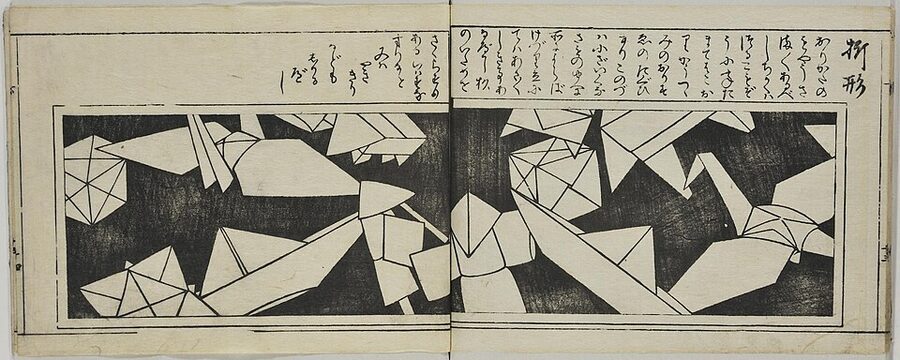
If you have to pick one ranma to look at in person, the Ishitani House in Chizu, Tottori, gives you the best canonical residential example. The architectural position is exactly where it should be: directly above the top rail of the fusuma, filling the gap up to the ceiling beam. The room beyond shows through the openwork. That is the point. Most foreign visitors miss the ranma the first time through a Japanese heritage house because their eyes are at floor level. Look up.
4. Hibachi: the Charcoal Brazier that Heated the Country
The hibachi is the one craft on this list whose production has effectively ended. Between roughly 1600 and 1955, every Japanese house above subsistence had at least one hibachi: a wooden, ceramic, or metal bowl with a charcoal-burning hollow at the centre, providing the room’s primary heat and (in the morning) the cooking ember for tea. The post-war shift to gas and kerosene heating finished the trade by 1960, and there is no working production line for new traditional hibachi today. What survives is the existing object population, which is enormous.
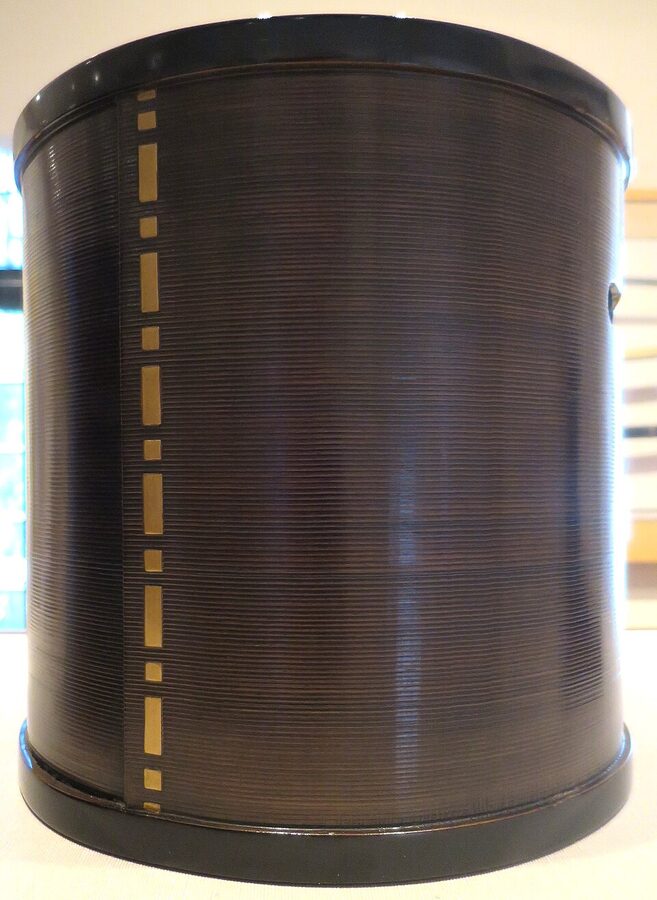
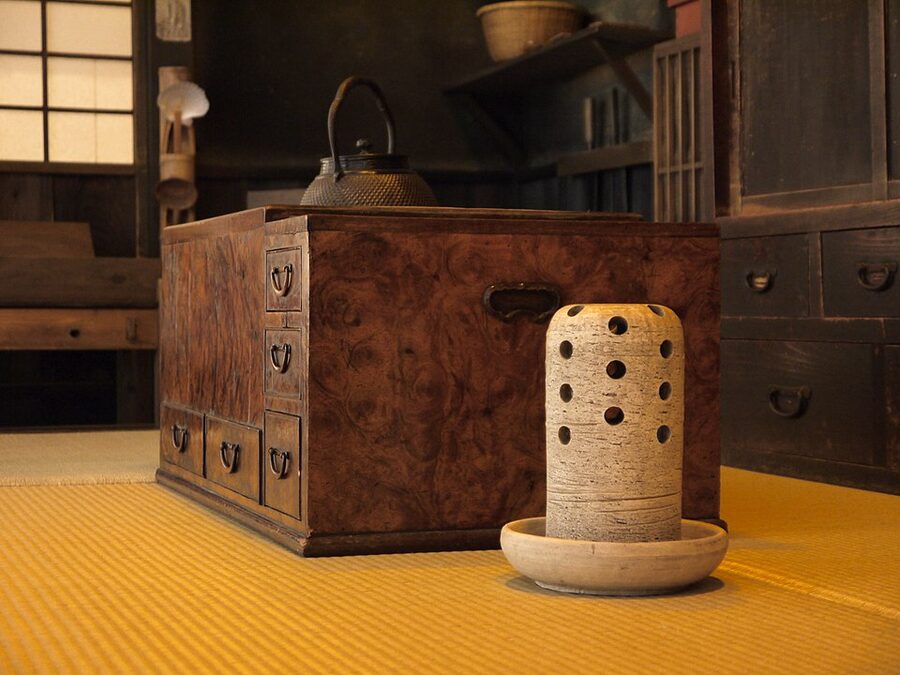
The premium variant is the nagahibachi, the long rectangular wooden form with integrated drawers. This was the merchant-household standard, placed in the main business room at the edge of the owner’s floor cushion. The drawers held tobacco, tea leaves, and the household account book; the fire-pit was the small metal-lined hollow at one end. The nagahibachi is the piece you see in every Edo-period merchant-house museum, and the one that shows up in nearly every period film set in 19th-century Edo.
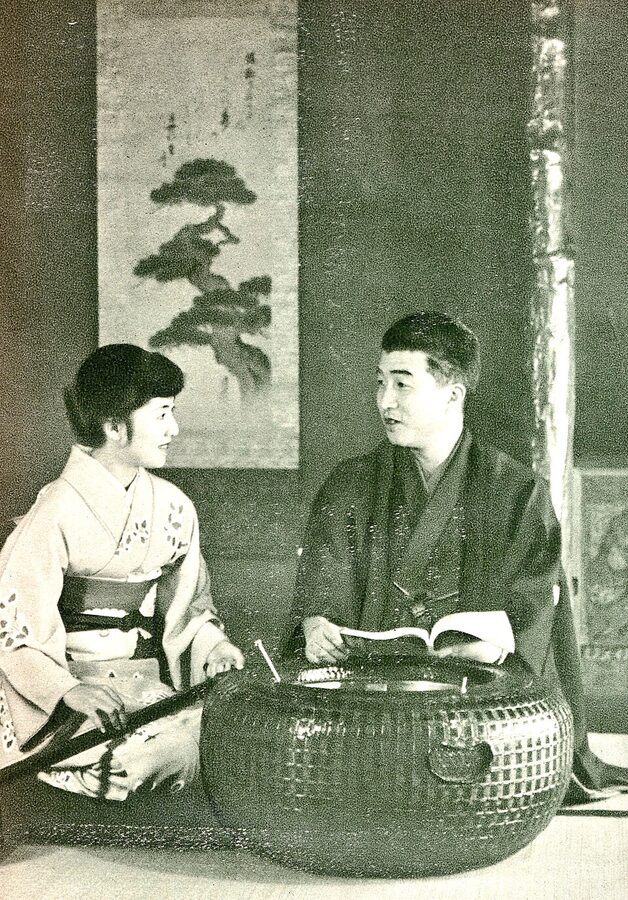
I want to be specific about how universal hibachi was as a heating system, because it is hard for a 21st-century reader to picture. Until about 1955, a Japanese family in a tatami-floored room kept warm in winter by sitting close enough to the bowl to feel the radiant heat from the charcoal, hands and feet within arm’s reach of the rim. Everyone in the room formed a circle around it. The 1953 photograph below is the last decade of that arrangement. By 1965 the same couple would have a small kerosene heater for daily use and the hibachi only for ceremonial reception.
Light and Textile: the Crafts You Wear and Burn
The next three are the personal-end crafts: how you light a room (warousoku), what you wear when you have to look formal (hakama and kamishimo), and the master textile that holds the whole formal-clothing system together (kimono). All three were industrially threatened in the 20th century, all three survived, and all three have specific surviving production centres you can visit.
5. Warousoku: the Candle that Burns from the Inside Out
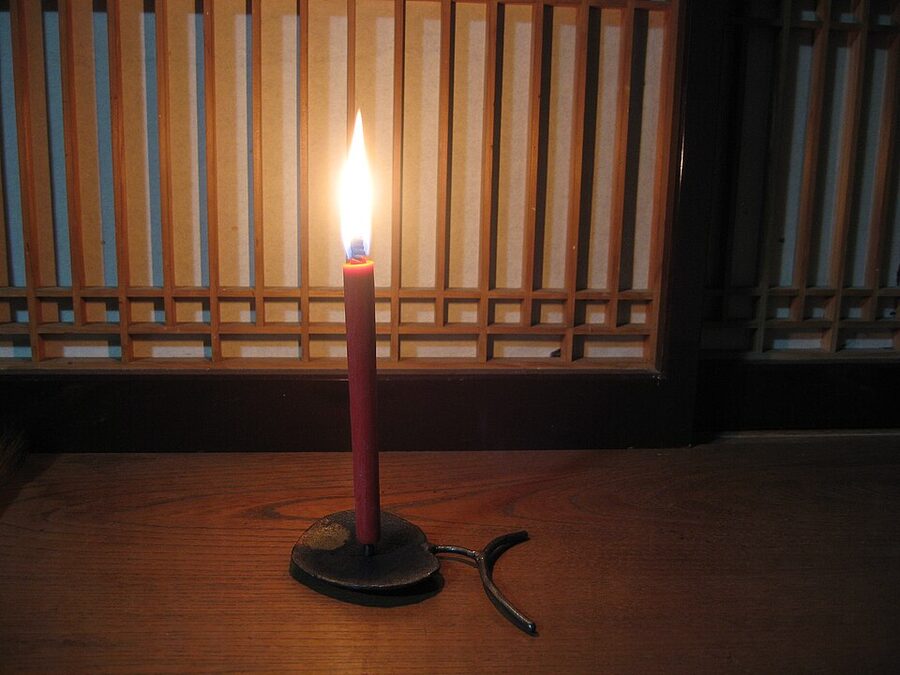
A warousoku is a Japanese vegetable-wax candle, hand-dipped in mokurō wax pressed from the berries of the haze-no-ki sumac tree, around a hand-rolled rush-and-washi wick. It does not contain paraffin. It does not contain beeswax. The wax behaves differently from both: the flame is roughly 50% larger than a paraffin candle of the same diameter, the burn is noticeably stiller (it does not dance in small air currents), and the wick produces almost no smoke. You can sit in a tea-ceremony room with two warousoku lit and read a manuscript by them.
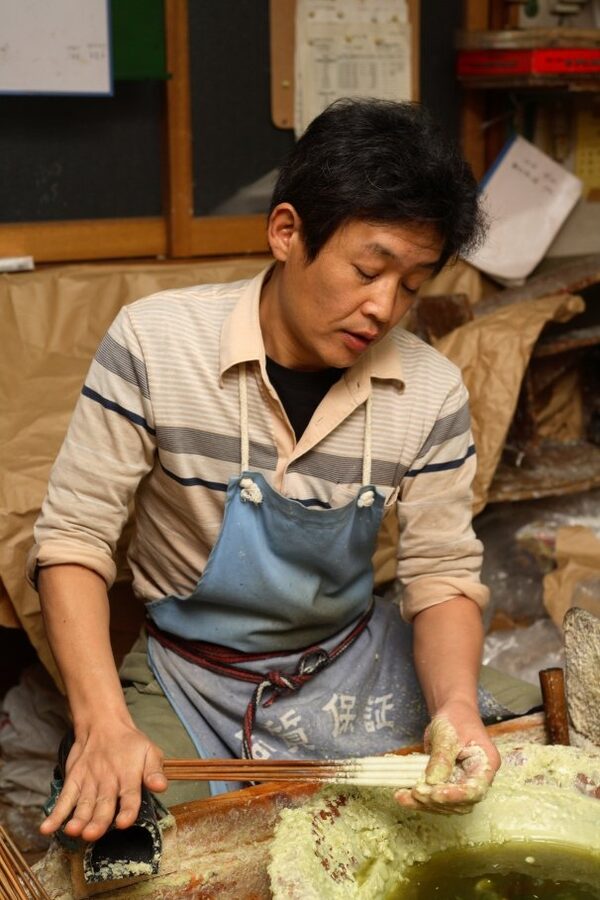
The wick is the part most foreigners do not appreciate. Western candle wicks are a single twist of cotton thread; warousoku wicks are a rush-grass core wrapped with a spiral of washi paper, machine-wound into a hollow tube. The hollow centre is what produces the larger steady flame: it acts as a chimney, drawing oxygen up through the candle from below. Most contemporary warousoku workshops still make their own wicks because the diameter ratio matters and is hard to source from outside.
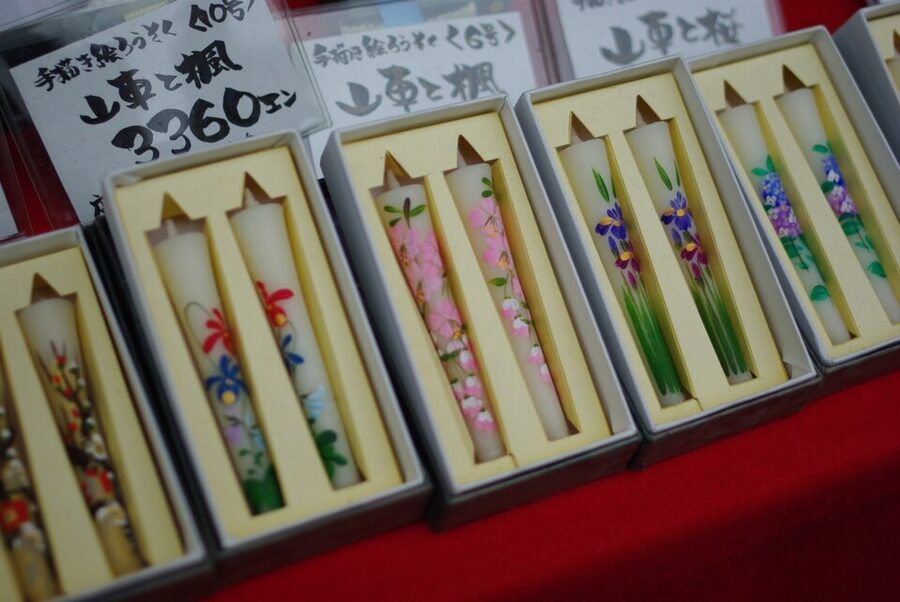
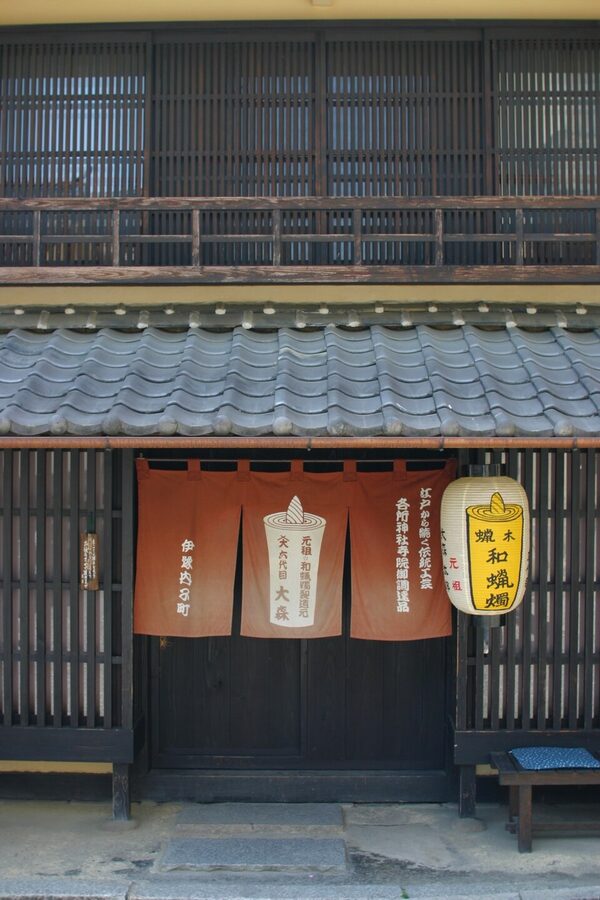
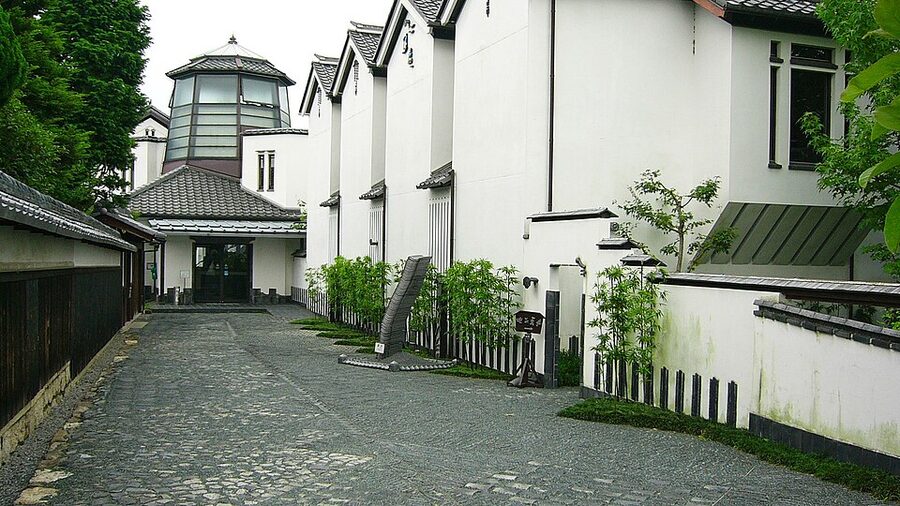
The current warousoku-producing region runs from Echizen in Fukui through Hida-Furukawa and Takayama in Gifu down to Uchiko in Ehime. Uchiko has the most photogenic of the surviving shops: the Ōmori Warousoku-ya has been on the same site for seven generations and the street frontage has not meaningfully changed since 1880. You can watch candles being dipped in the workshop directly behind the retail counter. Total production across all surviving Japanese workshops is now under 50,000 candles per year. That is small. The market it serves (Buddhist temple altar lighting, tea-ceremony settings, the Imperial Household Agency) is small enough to keep it alive.
6. Hakama and Kamishimo: the Formal Trousers of the Samurai Class
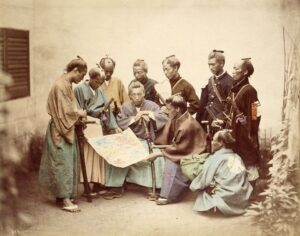
The hakama is a pleated trouser-skirt that closes at the waist and falls to the ankle. The kamishimo is a hakama paired with a sleeveless vest called the kataginu, with exaggerated wing-like shoulders projecting clear of the collarbone. Together they were the formal court dress of the samurai class throughout the Edo period. A man in full kamishimo looks two hand-widths broader than he actually is. That is the design intent. It is Edo-period body armour for status rather than for combat.
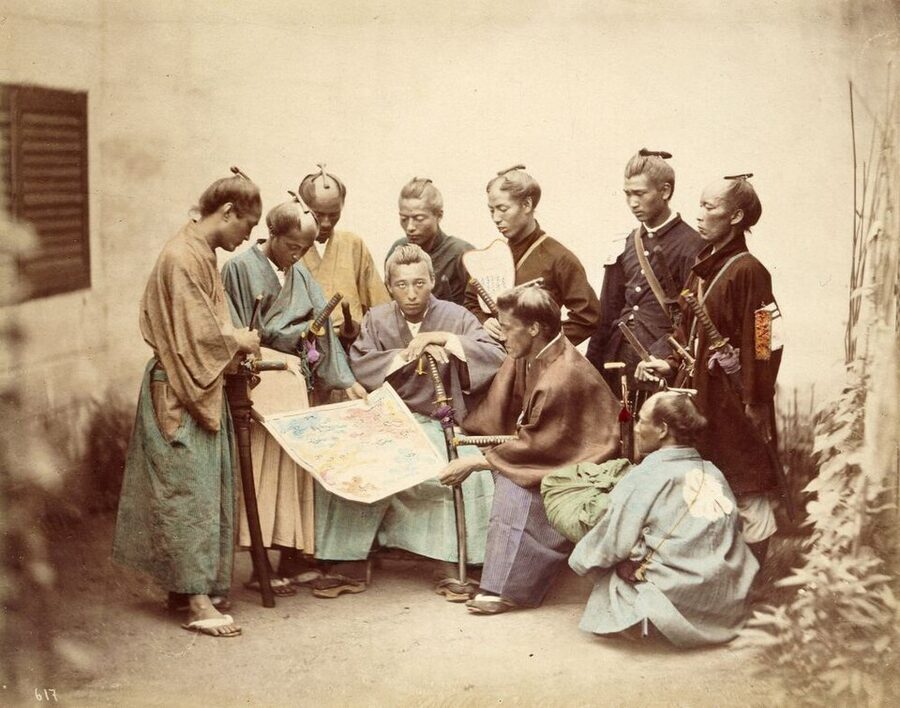
The kamishimo silhouette became obsolete with the abolition of the samurai class in 1871. Its modern descendant is the montsuki-haori-hakama ensemble: black crested kimono, full-sleeved haori jacket replacing the kataginu, hakama in classic sendaihira stripe. This is what Japanese men wear to weddings, to the imperial New Year audience, and (looking back at how the Tokugawa nobility moved between Edo and the provinces) to any state occasion calling for traditional formal. Tokugawa Ieyasu wore the kamishimo at his 1603 shogunal investiture, and his retainer Honda Tadakatsu wore it at every formal Edo Castle audience after Sekigahara. The hakama silhouette has not meaningfully changed in 250 years.
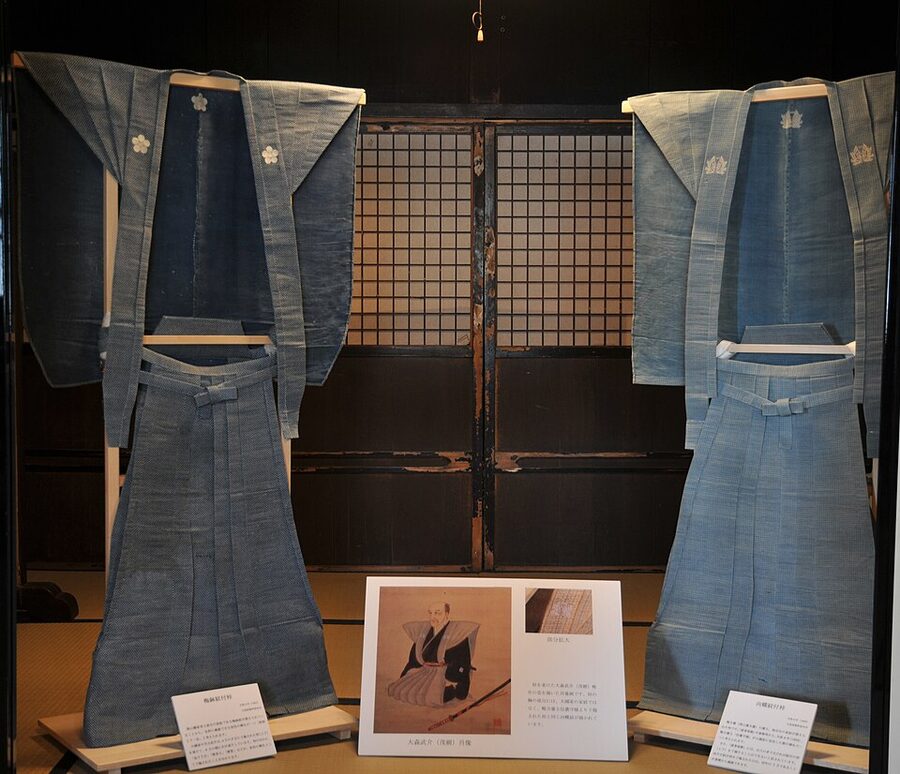
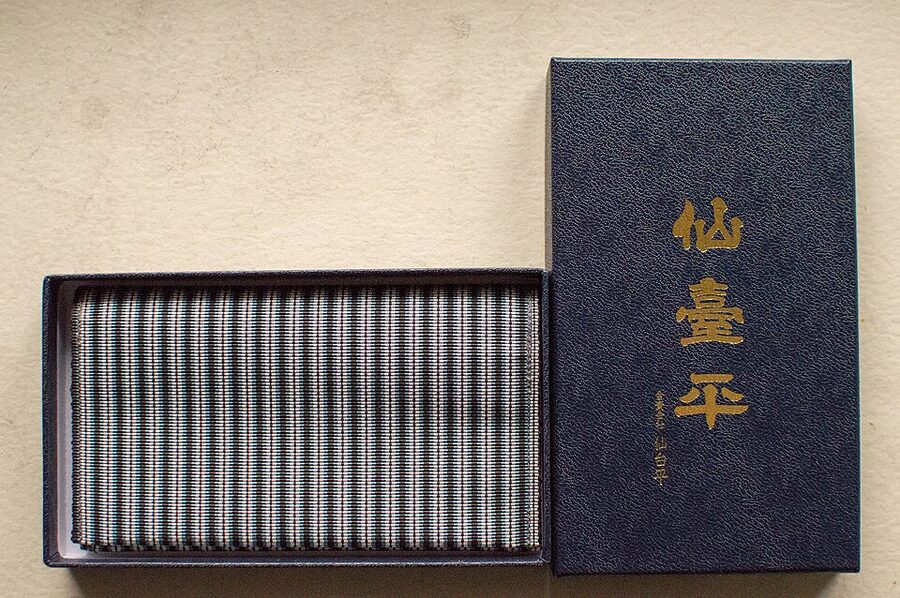
The cloth itself is the part with a surviving production chain worth flagging. Sendaihira is the top-grade hakama cloth, a striped silk with a deep almost-metallic sheen produced by weaving the weft wet and beating it down twice before the silk dries. The last remaining sendaihira producer in Japan is Gōshi Gaisha Sendaihira in Taihaku ward, Sendai. They supply the Imperial Household Agency. If you commission a top-tier wedding hakama in Tokyo today, the cloth is woven by the same family that wove it for the Meiji-era court.
7. Kimono: Eight Rectangles, No Waste, Two Centuries of Refinement
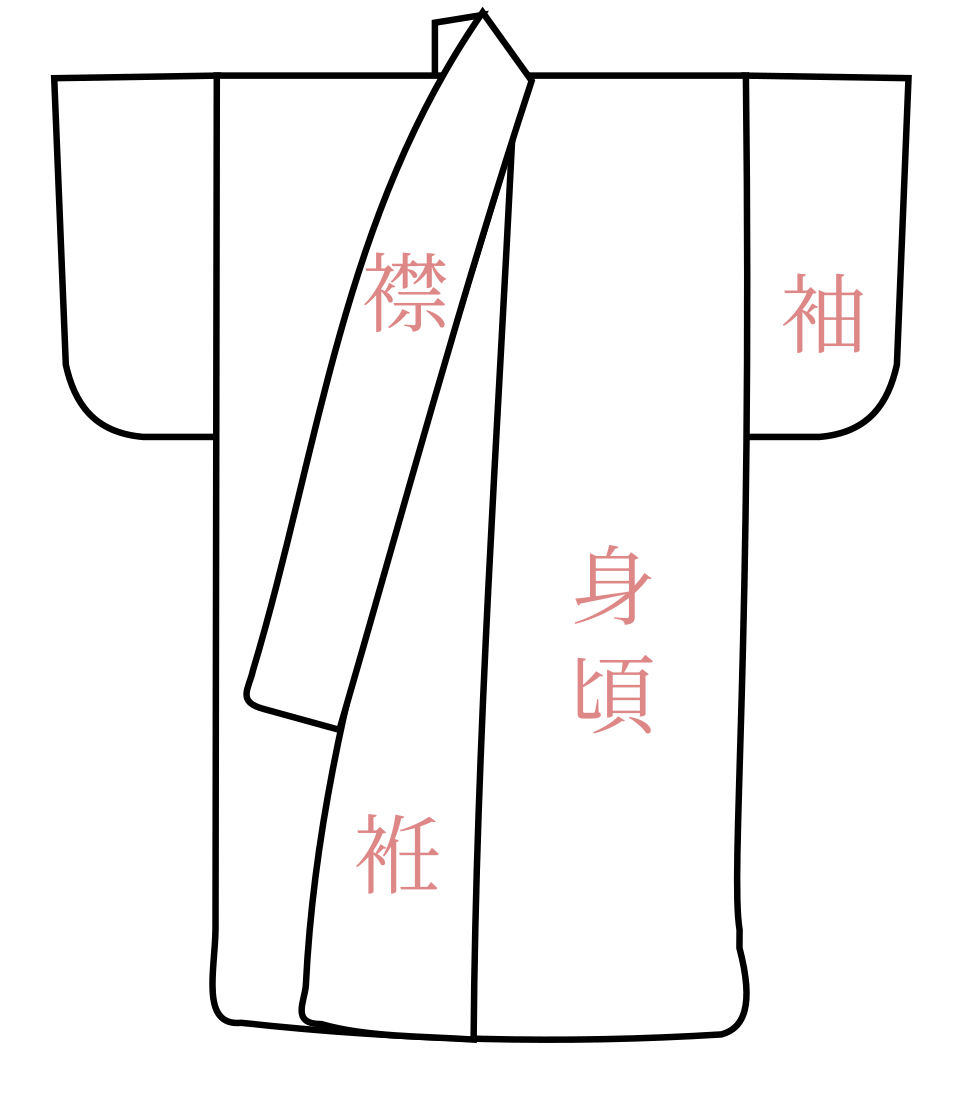
The kimono is built from eight rectangular pieces cut from a single bolt of cloth. The bolt (tanmono) is 36 centimetres wide and roughly 12.5 metres long; the eight pieces are body panels, sleeves, collar, and the front overlap. There is no waste. Every cut is a straight line. When a Japanese dressmaker apprentices, the first skill they learn is not sewing but shidate: the plan for where to mark the cutting lines so the pattern matches across the finished seams. The craft is a packing problem first and a sewing job second.
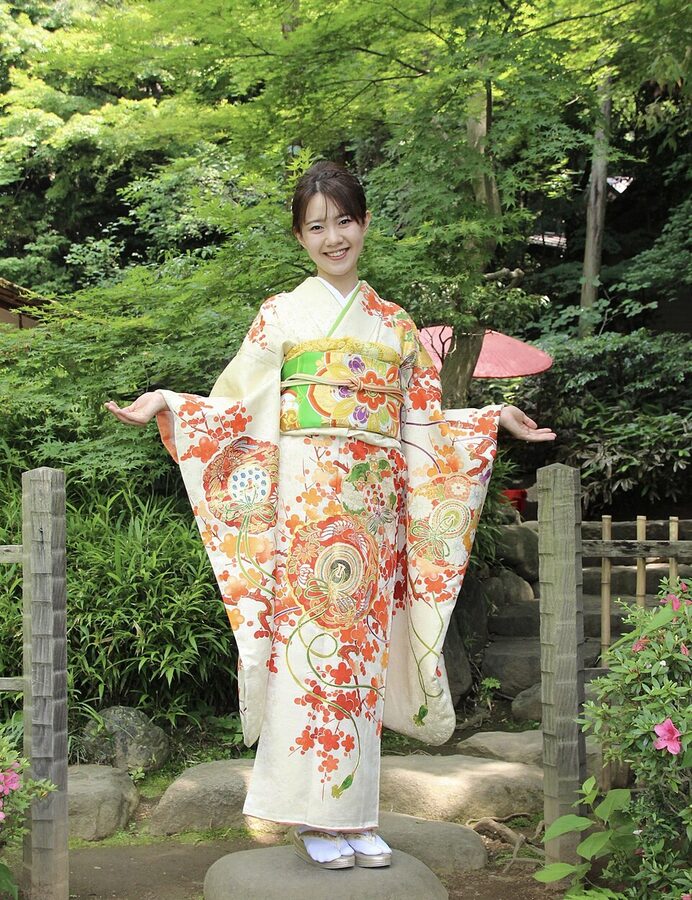
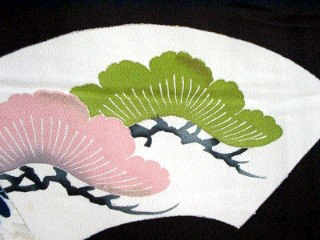
The formality system is rigid and worth knowing if you are going to attend any Japanese ceremonial event. Top tier for married women is the kurotomesode: solid black ground above the waist, painted-and-embroidered eba pattern along the hem only, five small circular mon crests at collar, chest, and sleeves. Anything with fewer than five mon is not kurotomesode. Top tier for unmarried women is the furisode: long-hanging swinging sleeves, worn at the seijinshiki coming-of-age ceremony every Japanese twenty-year-old attends in January.
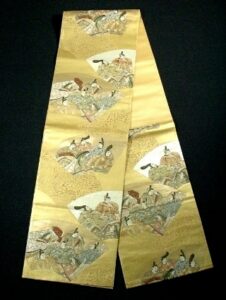
The single most labour-intensive textile process in the kimono economy is yūzen dyeing in Kyoto. The artisan pipes rice-paste resist onto white silk in hair-thin lines, fills each enclosed shape by brush in a different colour, then washes the paste out in the Kamo or Horikawa canal. Six months of apprenticeship before the hand can follow the eye. The Nishijin weaving district in northwest Kyoto is the parallel centre for the cloth itself: a skilled Nishijin weaver produces about 30 centimetres of finished cloth per day, and the gold-thread obi for top-tier kurotomesode is made from gold-leaf-wrapped silk produced by a small number of Kyoto specialists who also supply the Imperial Household.
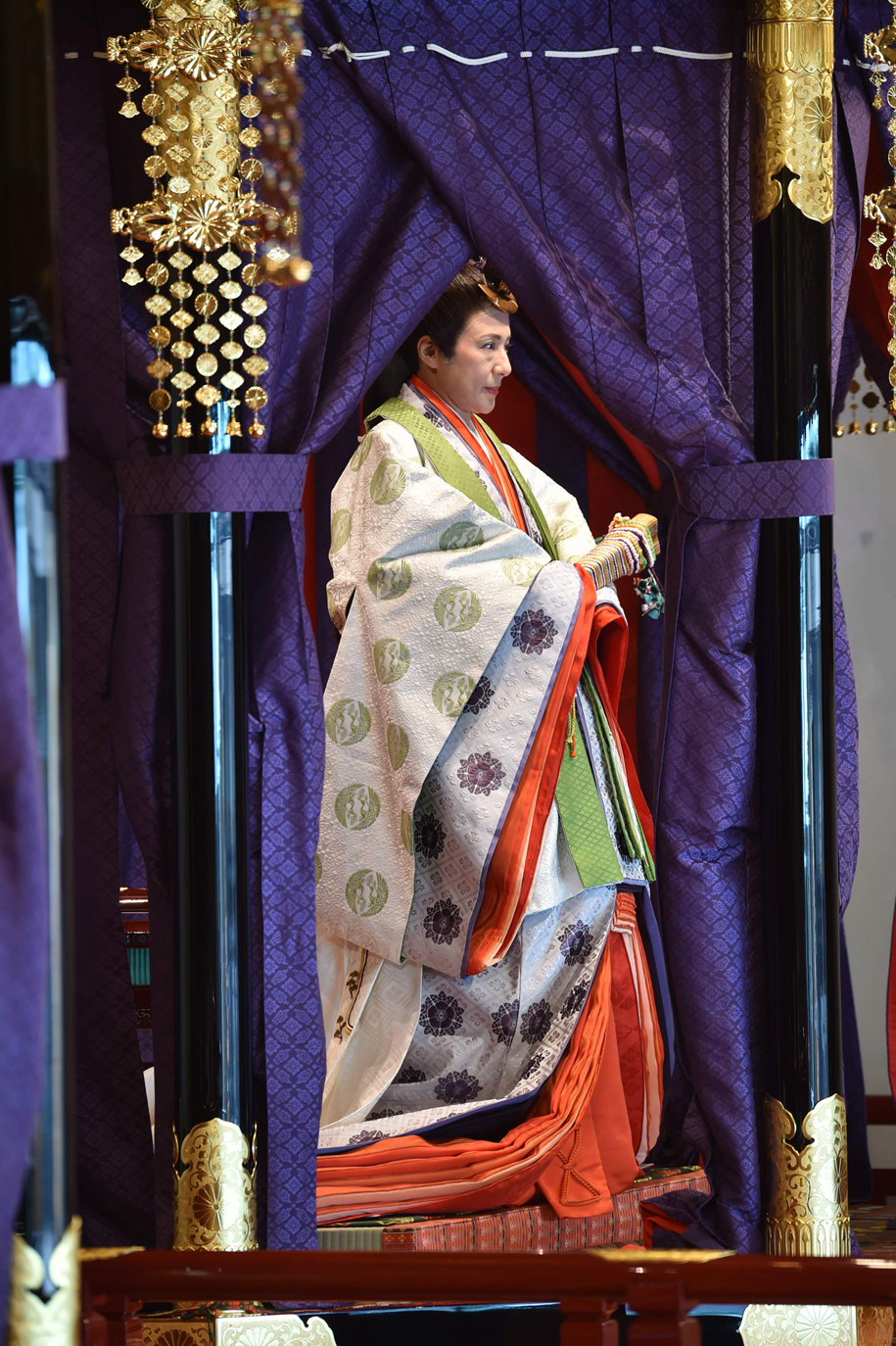
The other thing worth flagging is that the empress of Japan still wears jūnihitoe, the twelve-layered Heian ceremonial kimono, at the most senior state events. Empress Masako wore the full jūnihitoe at the 2019 Sokui no Rei enthronement. The cuff layers visible at her wrist are the kasane no irome colour-gradient, and the order of those colours follows a seasonal code that was fully documented by the year 1000. The same colour grammar shows up in Heian-derived tea-ceremony wear and in the silk choices that Sen no Rikyū wrote about in the late 16th century. It is the last garment in the world still made to literal Heian specifications.
Weapons and Disciplines: the Crafts that Are Practised, not Owned
The last group is different in kind. A sword is an object. Karate and aikido are not, but they are crafts in every meaningful sense: they have lineages, masters, working schools, certified ranks, and (in the case of swordsmithing) a Living National Treasure designation system identical to that of the textile and ceramic crafts. I am putting them together because they share the post-Meiji history: each was reinvented for the modern era between roughly 1880 and 1940, each was almost lost in the post-war suppression, and each survives now in a form whose purity from the pre-modern original is genuinely contested.
8. Japanese Swords: the Tachi, the Katana, and the Tatara Furnace
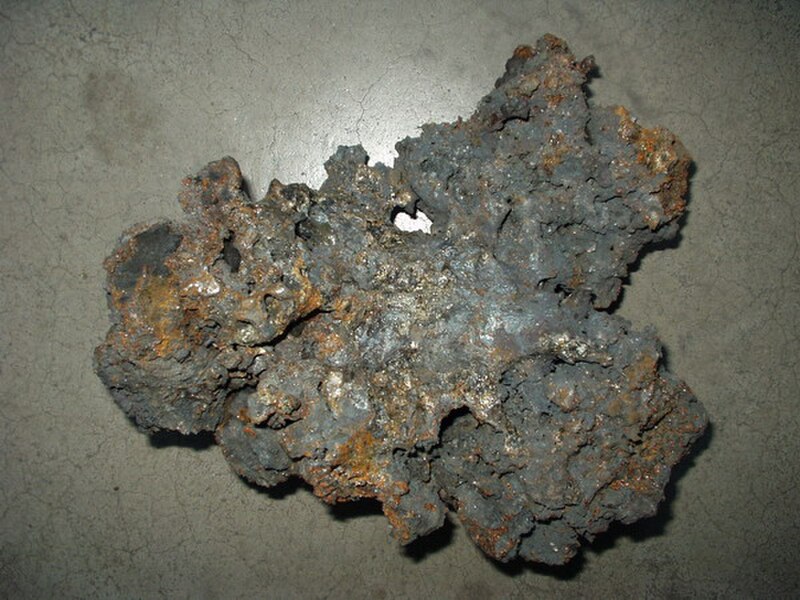
A traditionally made Japanese sword starts as tamahagane, a heterogeneous high-carbon steel produced in a tatara furnace from iron sand and pine charcoal over a 70-hour smelt. The smith breaks the resulting bloom into pieces, sorts the pieces by carbon content using the visual grain of the fracture, and forge-welds the higher-carbon pieces into the cutting edge while the lower-carbon pieces become the spine. The whole process is done by eye and ear. There is no analytical test. The decisions a smith makes between material and intent are the craft.
The shape change between tachi and katana is the part of sword history most people get wrong. Both are curved single-edged blades of roughly the same length. The tachi (older, 12th to 14th century) has a bigger more sweeping curve, designed for a man on horseback who needed the extra arc to reach down to a footsoldier. The katana (later, Muromachi onward) has a shallower curve and is worn edge-up rather than edge-down. The shift tracks the change in warfare from Muromachi-era mounted-versus-mounted combat to ground-based footsoldier engagements.
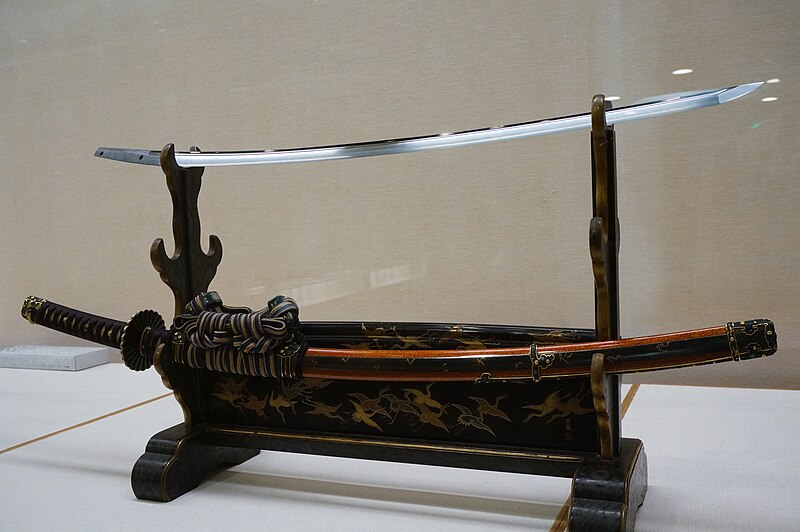
The single feature on a Japanese sword that you can read without training is the hamon, the wavy temper line that runs along the cutting edge. The hamon is the boundary between the hardened edge (below) and the softer spine (above). It is made visible by polishing because the crystalline structures on either side reflect light differently. Schools and individual smiths cultivated signature hamon patterns. Miyamoto Musashi wrote about reading them in his Edo-period combat treatise, and the Meiji-era sword classifiers drew directly on his categories. Once your eye is in, you can recognise a Masamune at sight.
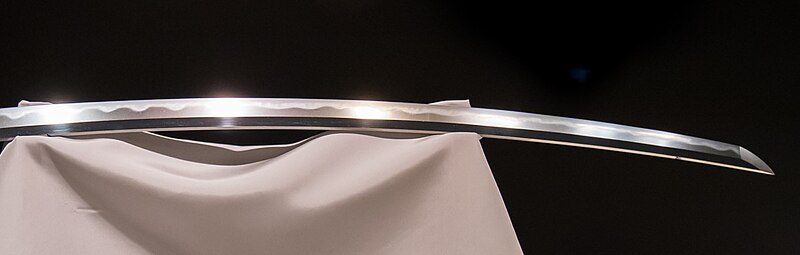
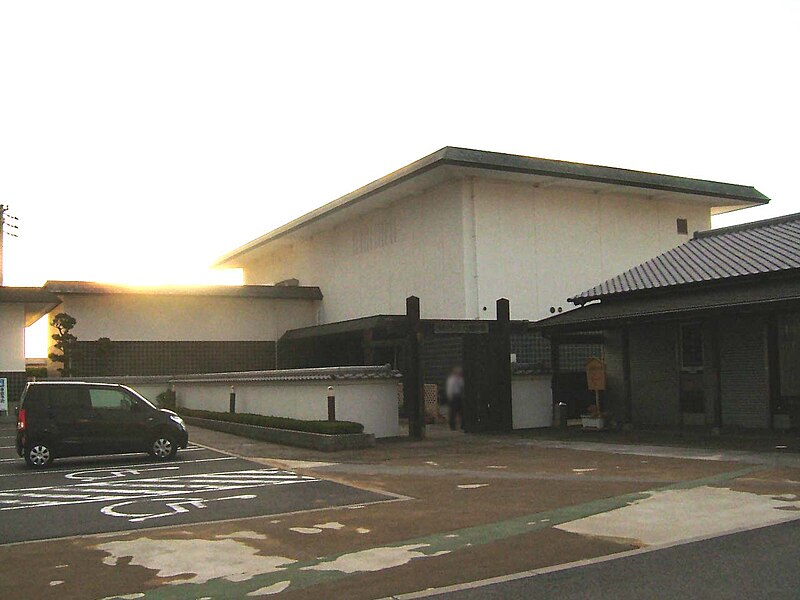
If you are going to see swords in person, the Bizen Osafune Japanese Sword Museum in Setouchi is the one place in Japan with a working forge, polishing workshop, and saya-making workshop all open to the public, in the actual valley where the Osafune-school smiths worked from the 13th to the 16th century. Sunday-morning forging demonstrations are the closest you will get to watching a pre-modern Japanese sword be made outside of a Shimane tatara run.
9. Karate: Empty Hand, Okinawan Origin, Mainland Reinvention
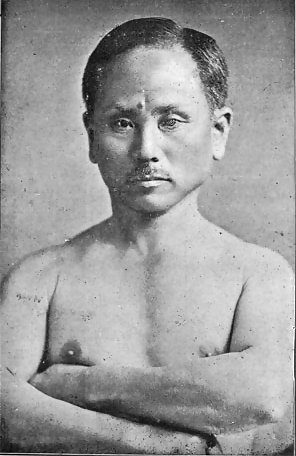
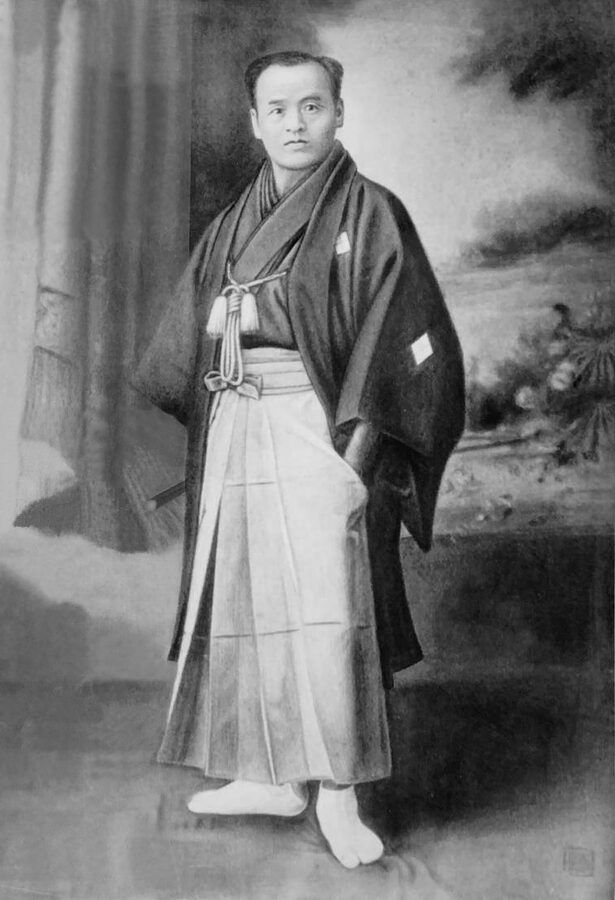
Karate is younger than people think. Its name in the modern empty-hand kanji (空手) was first written down by Hanashiro Chōmō in August 1905, in a teaching document at a Shuri school. Before that the same techniques had been called te, then tōde (唐手, “Tang hand”, referring to the Chinese influence on Okinawan martial practice). The art’s introduction to mainland Japan was 1922, when Funakoshi Gichin demonstrated it at a Tokyo physical-education conference and Kanō Jigorō (the founder of judo) asked him to stay and teach.
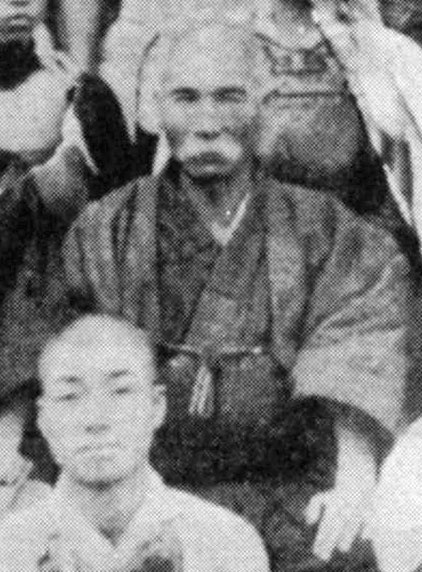
The art’s geographic origin is Okinawa, specifically the Shuri-Naha-Tomari triangle. Three regional sub-styles emerged: Shuri-te (the courtly form practised at the royal palace), Naha-te (the port form influenced by recurrent Fuzhou exchanges), and Tomari-te (the small fishing-village form). Higaonna Kanryō spent more than a decade in Fuzhou studying with the master Ryū Ryū Ko before returning to Naha in 1881; what he taught his students became the Naha-te lineage that produced Goju-ryu. Itosu Ankō, the Shuri-te master, persuaded Okinawan officials in 1905 to put karate into the public-school PE curriculum, and that single decision is the reason the art left the islands.
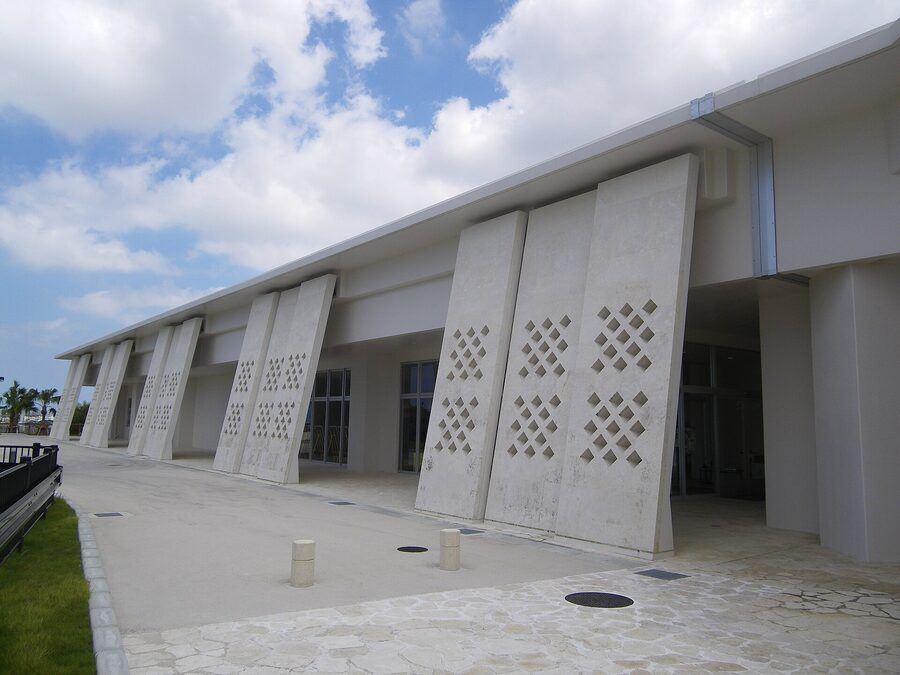
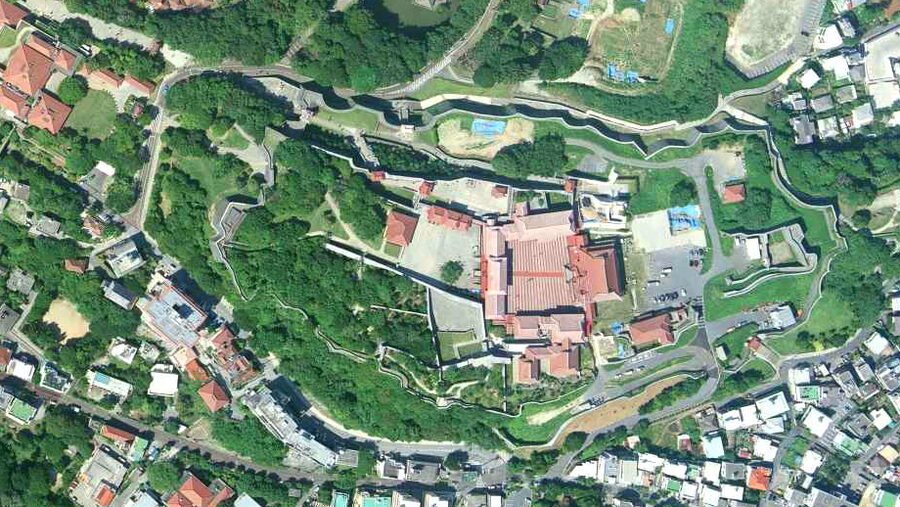
If you go to Okinawa for karate (and you should), the Okinawa Karate Kaikan in Tomigusuku is the institutional centre. It opened in 2017 specifically as the prefecture’s response to mainland karate’s Olympic chase: the Kaikan is restrained on purpose, more regional museum than sports complex, and the all-day workshops in the main hall are how a serious Okinawan dojo runs. The other essential stop is Shuri Castle in Naha. The 2019 fire took the Seiden main hall and the reconstruction is following Edo-era plans for completion in autumn 2026.
10. Aikido: the Late-Meiji Reinvention out of Daitō-ryū
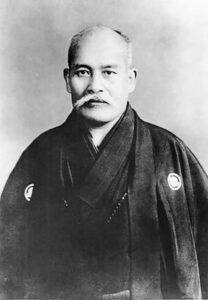
Aikido is the youngest of the ten crafts on this page. The name was formally adopted in 1942, when wartime authorities forced every Japanese martial school into a single umbrella organisation and asked Ueshiba Morihei’s people to pick a label. Before that the same body of techniques had been called Daitō-ryū aiki-jūjutsu, then Ueshiba-ryū, then aiki budō, drifting through three or four working titles in twenty years. Most of the people who train aikido worldwide today are training in an art that existed under its current name for less than three decades while its founder was still alive.
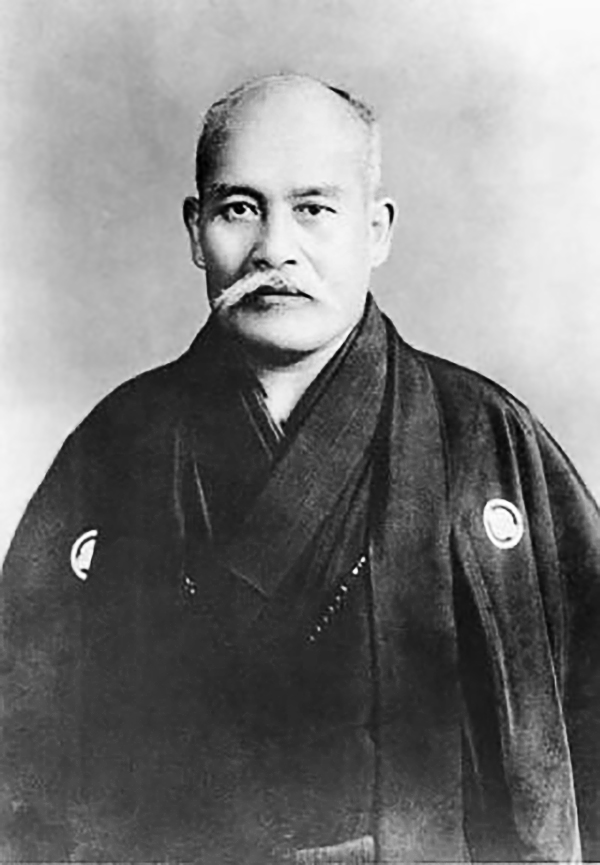
Ueshiba was born in 1883 in Nishinotani, a village now part of Tanabe city on the Pacific side of Wakayama. He met the Daitō-ryū teacher Takeda Sōkaku at the Hisada inn in March 1915, received his Daitō-ryū teaching license in 1922, and broke from the parent style in the early 1930s. The break was both technical (he stripped out most of Daitō-ryū’s hard atemi striking) and spiritual (he absorbed the Ōmoto-kyō religious influence of Deguchi Onisaburō). The post-1942 art is recognisable as a late-Meiji reinvention, not a multi-century lineage.
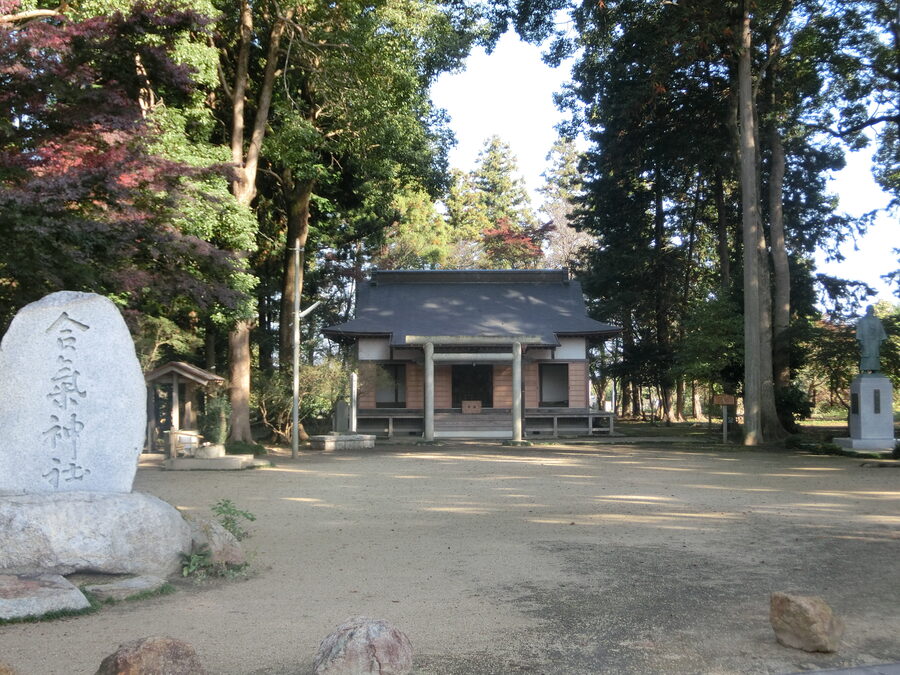
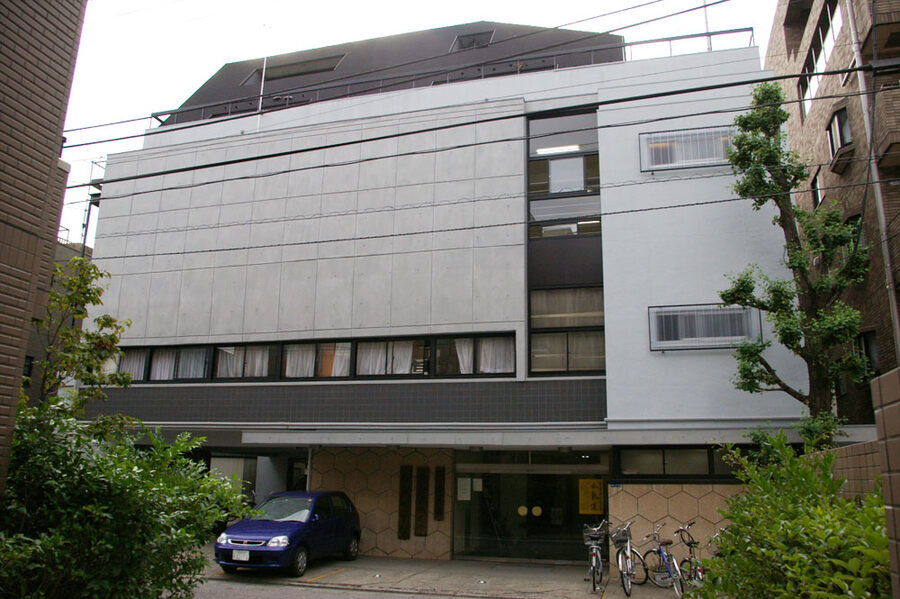
The two essential aikido pilgrimage sites are Iwama in Ibaraki and the Aikikai Hombu in Shinjuku, Tokyo. Ueshiba moved from Tokyo to Iwama in 1942 (escaping wartime rationing) and built the Aiki Jinja shrine there, consecrated to forty-three deities he selected personally. Iwama is where Saitō Morihiro, the technical custodian of Ueshiba’s late-period work, kept the shrine and the dojo until his own death in 2002. The Hombu in Shinjuku is the institutional centre and what Tanabe-born Ueshiba’s grandson Moriteru still oversees today.
Cross-Cutting Threads: How These Crafts Hold Together
Looking at the ten side by side, four threads run through all of them. The first is the Hida-no-takumi tradition: a Nara-period law required Hida-province carpenters to be sent to the capital as part of the provincial tax obligation. Hida-no-takumi worked on the Tōdai-ji and Yakushi-ji rebuildings, then on the medieval temple network, and the lineage of master carpentry that emerged from that arrangement still feeds Inami’s ranma trade and Takayama’s yatai-construction craft. When you look at a Hida-Furukawa warousoku shop, you are looking at the daughter craft of a centuries-old timber-and-tool culture in the same Gifu valley.
The second thread is the “still being made” rule. Every craft on this page passes the test: there is at least one workshop you can walk into in 2026 and watch the work. Tatami at the Kyoto Tatami Museum or any Yatsushiro paddy. Kawara at the Sanshu kiln district in Aichi. Ranma at any Inami workshop. Hibachi (the exception) only as preserved objects, but ubiquitous in heritage houses. Warousoku at Ōmori in Uchiko or Mishimaya in Hida-Furukawa. Hakama cloth at Gōshi Gaisha Sendaihira. Kimono yūzen and Nishijin-ori in Kyoto. Sword forging at Bizen Osafune. Karate at Okinawa Karate Kaikan. Aikido at Iwama or Hombu.
The third thread is the Living National Treasure (Ningen Kokuhō, 人間国宝) designation system. Established in 1955, it formalises the idea that some craft skills are individual, not institutional, and that the government should preserve them by paying the master directly. Eight sword smiths have held the designation since 1955. Two warousoku makers have. Several yūzen masters, several Nishijin weavers. The designation comes with an annual stipend and an obligation to take and train apprentices. It is a deliberate intervention against the post-war crisis I will describe next.
The fourth thread is the post-war crisis itself. Between roughly 1955 and 1975, every craft on this page collapsed in production volume. Tatami fell from 60,000 craftsmen to 7,000. Hibachi production effectively ended. Kawara lost most of its residential market and survived only on temple work. Ranma collapsed everywhere except Inami. Warousoku fell from a national craft to a handful of regional shops. Hakama cloth shrank to one Sendai producer. The 1975 Traditional Crafts Industry Promotion Act was the legislative response: a designation system, a tax-relief scheme, and an apprenticeship subsidy. Without it, this list would be shorter.
One detail about the 1975 Act that does not get enough attention is the apprenticeship clause. The legislation does not just designate trades, it also pays a stipend to certified masters who take on documented apprentices, on a per-apprentice basis, for a minimum of three years per trainee. The economic logic is direct: the state buys the master’s time at the going rate, the master commits to the slow, intensive teaching the trade actually requires, and the apprentice gets paid enough to live in the workshop town. Without the stipend, the math does not work. A young Inami carver cannot afford to commit five years to learning sukashi-bori at minimum wage; with the stipend, she can. The sword smiths, the warousoku makers, the Nishijin weavers, and the kawara-shi all depend on this clause in different ratios. It is the single piece of policy keeping the apprenticeship pipeline alive.
The fifth thread, which I have not numbered separately because it overlaps with the others, is the temple-restoration economy. Most foreign visitors do not realise how much of the surviving craft economy depends on Buddhist temple maintenance. The Hōryū-ji five-storey pagoda is rebuilt on a 200-year cycle; the Tōdai-ji Daibutsuden gets a major roof restoration roughly every 70 years; Ise Jingū is rebuilt entirely every 20 years on a fresh adjacent site, the most extreme version of the cycle. Each of those projects employs kawara-shi, tatami-shi, ranma carvers, sword polishers, and silk weavers in known proportions. The work is steady, predictable, and well-funded by the temple endowments. If you trace the income of any high-end Inami workshop or Sanshu kiln, a third or more comes off temple-restoration contracts that get tendered years in advance.
Where to Actually Watch Them Being Made
If you want to plan a craft-focused trip to Japan rather than a general one, here is how I would map the country regionally. The geographies have settled. Nine of the ten crafts have a single dominant production centre, and six of those centres are easy day-trips or two-day stops from a major Shinkansen station. I have spent enough time in each to know which workshops actually let you in and which keep the door politely closed.
Inami in Toyama for ranma. The town is small (8,000 people, 230 carvers, one main street with ten or twelve workshops open to walk-in visitors). The Inami Wood Carving Museum runs short demonstrations on weekend mornings and the larger workshops along the main shopping street will let you watch a half-hour of cutting if you ask politely. Allow a full day from Tokyo, easier as a side-trip from Kanazawa or Toyama city.
Aichi for kawara, specifically the Sanshu (Mikawa) kiln district around Takahama. The Sanshu Onigawara Mikoshi Festival in October is the obvious anchor; outside that week, the Takahama Kawara Museum is open year-round and the surrounding streets have demonstration kilns you can visit by appointment. Kumamoto for tatami: the Yatsushiro plain produces 95% of all igusa rush in Japan, and the Yatsushiro Traditional Crafts Centre runs 90-minute weekly tours of an active igusa paddy and workshop combination.
Bizen-Osafune in Okayama for swords. The Bizen Osafune Japanese Sword Museum has the working forge and the only Sunday-morning forging demonstration in the country. Echizen in Fukui or Hida-Furukawa in Gifu for warousoku, with Uchiko in Ehime as the most photogenic single shop. Kyoto Nishijin for kimono textile work, with the Yokohama Silk Museum as a second option for visitors based around Tokyo. Kanazawa for the wider tea-ceremony-related craft cluster (lacquer, gold-leaf, and so on, which I have not covered here but which the city’s Kenroku-en garden network makes easy to access).
Okinawa for karate, anchored on the Okinawa Karate Kaikan in Tomigusuku and Shuri Castle in Naha. Iwama in Ibaraki for the historical aikido pilgrimage (Aiki Jinja shrine plus the original dojo) and Tanabe in Wakayama for the founder-birthplace context. The Aikikai Hombu in Tokyo is the institutional centre but you cannot walk in casually; you need to email ahead and most casual visitors get redirected to the on-mat morning class as observers.
My Pick of Three Crafts to Actually Go and Watch
If you can only do three of these in person, I would not pick the obvious three. The popular advice is sword forging, kimono weaving, and karate, and that combination is fine but it is not the one I would book. Here is what I would actually do, in order of importance.
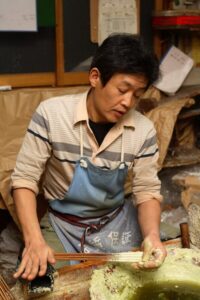
First: ranma carving in Inami. Not because it is the most famous on the list (it is not, by a long way) but because it is the one craft where you can see the entire production chain in a single town in a single afternoon. You can watch a master select a paulownia plank, sketch a sukashi-bori motif on it, rough out the carving with a chisel, and finish it with knife-cuts. The entire arc from raw timber to finished panel happens in workshops you can walk between in fifteen minutes. No other craft on this list is geographically that compressed.
Second: warousoku dipping at Ōmori in Uchiko. The standard sword and kimono recommendations both involve massive, multi-stage processes that you only see one slice of in a public demonstration. Warousoku dipping is the opposite. The whole craft fits in a single afternoon: you watch the wick being mounted on the wooden stave, the heated mokurō being applied dip by dip, the candle being trimmed and the wick clipped. Forty to sixty dips, four to six hours, finished candle. The full arc of one product in one room. You leave with a candle. It teaches you what watching a sword being forged cannot.
Third (and the contrarian pick): a night at a serious ryokan with tatami floors. Not a workshop visit, not a demonstration. The actual living architecture of one of the crafts on this list, used the way it was designed to be used. After two days the room teaches you how the module works: the futon is laid out at night, taken away in the morning, and the same six-mat space functions as both bedroom and reception room without changing anything. You cannot understand tatami as a craft until you have slept on it for two consecutive nights. The mat is the object; the module is the idea; the night is the lesson.
Closing: the Country that Decided to Keep Making Things
I started this piece with the kawara roof tile angle that has not changed in 1,400 years. I want to end with the matching observation about the other end of the timeline. The 1975 Traditional Crafts Industry Promotion Act was a deliberate political decision about which crafts the country was prepared to subsidise into the 21st century. The list of designated trades has grown from about 50 in 1975 to over 240 today. Some of those are fragile and may not survive the next two decades. Most are stable. A few (Inami ranma, Sanshu kawara, Kyoto yūzen) are arguably stronger now than at any point since the Meiji transition.
You can read the post-war Japanese craft survival as a sentimentality story (the country preserves traditions out of nostalgia) or as an industrial-policy story (the country protects working production chains because that is what governments do when the market fails). I think the truer reading is both. The state pays the Living National Treasure stipend; the temples buy the artisanal tatami; the ryokan industry keeps the regional workshops solvent; the Inami parents keep apprenticing their children to the master carvers because the work is a paying job. None of those is sentimental. All of them are choices.
What I find most interesting about the ten crafts on this page is how recognisable each one would be to a 1620 craftsman from the same trade. A 17th-century kawara-shi would understand a 2026 Sanshu kiln workshop without any explanation. A 17th-century tatami-shi would recognise the work being done at Yatsushiro in 2024. The hakama cloth out of Sendai is woven by descendants of the same family. The hand-dipping cycle at Ōmori in Uchiko is the cycle Mokuami’s brother Eiichi used in 1830. That kind of continuity is unusual at this scale. Most countries do not have it. Japan does, by a sequence of deliberate decisions, and the kawara angle is the same five degrees because nobody yet has had a reason to change it.
If you are coming to Japan and want one craft to anchor a trip, pick whichever of the ten matches what you actually care about. If you care about architecture, pick tatami plus kawara plus ranma and book a Hida-Furukawa-to-Kanazawa swing. If you care about textiles, pick kimono plus hakama and base yourself in Kyoto for ten days. If you care about the body, pick swords plus karate plus aikido and route yourself Bizen Osafune to Okinawa to Iwama. The country will give you back whatever you bring it. That is the rule. The kawara angle is the proof.
One last note for anyone planning the trip in 2026 or 2027 specifically. The Shuri Castle reconstruction is scheduled for autumn 2026 completion, which means the karate pilgrimage is back on its full route by next year. The Bizen Osafune sword museum is running its expanded Sunday demonstration schedule through summer 2026 to celebrate the 30th anniversary of the museum’s founding. The Inami carvers’ association has confirmed two new master-led workshops opening to walk-in visitors this year, both in the upper part of the main shopping street. The Yatsushiro paddy tours run weekly from late July through October. None of these timing windows are wide. If you have been delaying the trip, this is the year to book it.
I will also say that the experience of watching a craft being made is genuinely different from looking at the finished object in a museum. A finished kurotomesode in a Kyoto National Museum vitrine is an artefact. A yūzen artisan piping rice-paste resist onto white silk in front of you, on a Tuesday morning in a Kyoto workshop, is a craft. The two activities feel different in the chest. I have spent enough hours in both kinds of room to know which one teaches more. The museum is faster, the workshop is slower, and the workshop is the one that stays with you.

.jpg)
.JPG)
.jpg)
.jpg)


.jpg)


.png)


