The first time karate appeared in a Japanese magazine the size of Vogue, the story wasn’t a quiet biography. It was a 1925 illustration in King, Japan’s million-circulation monthly. The picture showed an Okinawan named Motobu Choki dropping a foreign boxer with one strike at a Kyoto exhibition. That single page sold karate to mainland Japan in a way decades of careful argument never could.
And yet, when I look at karate’s actual story, that fight is barely a footnote. The art is older than Japan’s claim to it. It came from a kingdom that traded with Ming China, lost a war to a southern Japanese clan in 1609, and got annexed by Tokyo in 1879. Then it lost its name twice and got it back in a different shape. By the time you watched a black belt break a board on TV in the 1970s, you were looking at the great-grandchild of something the Ryukyuans called te, “hand,” six centuries earlier.
I want to walk through that lineage without flinching. The myths are loud, the truths are stubborner, and the visiting list at the end is real.
In This Article
- Before karate, there was te
- The 1609 invasion and the weapons-ban myth
- From te to tode to karate
- The Naha-te line: Higaonna and Miyagi
- Funakoshi Gichin walks into Tokyo
- The Motobu Choki interlude
- The 1933 recognition and the empty-hand renaming
- The Shoto pen name and the rise of Shotokan
- The four major styles, briefly
- What’s actually inside a karate session
- The Niju Kun and the philosophy
- Post-war export: the GI dojos and the global wave
- Karate at the Olympics and what came next
- Where to actually go: Naha, Tokyo, and a few honest pilgrimages
- Where karate sits among Japan’s traditional crafts
- A brief reading list before you book a flight
- A last word about myths
Before karate, there was te
The Ryukyu Kingdom was unified in 1429 by King Sho Hashi, who took out the rival principalities of Hokuzan and Nanzan after he had already inherited Chuzan. Before that the islands were a patchwork. After unification, Naha became a port and Shuri became the capital, and from those two places the kingdom ran one of the busier trade lanes in East Asia.
Ryukyuan ships moved between Ming China, Joseon Korea, Siam, Malacca, Java, and Vietnam. China granted the kingdom formal tributary status in 1372, which meant Ryukyuan envoys carried tribute to Beijing and came home with title patents, silk, ceramics, and access to Chinese cities. The kingdom was small. The traffic was not.
You can’t separate karate from that traffic. The fighting techniques that became karate were developed by the pechin, the Ryukyuan warrior-administrator class, on a small set of islands with constant Chinese contact. Whatever indigenous Okinawan combat existed (the locals called it simply te) absorbed Chinese influence wave by wave, generation by generation.
One traditional origin story credits the “Thirty-six Families from Min,” a group of Chinese settlers said to have arrived in Kume village near Naha in 1392 to staff diplomatic and trade roles. Whether that founding date is exact or rounded, Chinese craft, language, and (presumably) quan fa took root in Kume from that point onward. The Okinawan combat tradition isn’t a copy of any one Chinese system. It’s a long, uneven conversation across the East China Sea.
If you want to imagine the world this art grew out of, picture a Ryukyuan envoy in 1500 stepping off a junk in Fuzhou, doing the rounds for six months, watching dock fights and temple festivals, and bringing whatever he learned home to a few cousins. Multiply by two centuries.
The 1609 invasion and the weapons-ban myth
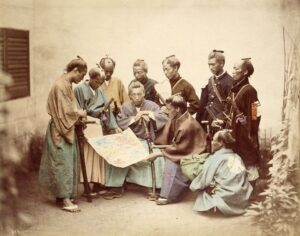
Now the Japanese arrive. In 1609 the Shimazu clan of Satsuma in southern Kyushu sent a fleet south. The expedition was nominally led by Shimazu Iehisa (Tadatsune), son of the more famous Shimazu Yoshihiro, who himself was still alive but elderly. The Ryukyuan defense collapsed quickly. King Sho Nei was captured and taken to Edo, where Tokugawa Ieyasu received him.
From 1609 forward, Ryukyu was a vassal. It still paid tribute to China and pretended to be independent for Beijing’s benefit, but Satsuma collected taxes, ran the books, and approved the king. This dual position lasted until 1879, when the Meiji government abolished the kingdom outright and renamed it Okinawa Prefecture.
You will hear, repeatedly, that Satsuma “banned weapons” in Ryukyu after 1609 and that this is what created karate. It’s a clean story. It’s also wrong, or at least heavily oversold.
The first weapons restriction in Ryukyu actually predates Satsuma. King Sho Shin in 1509 ordered nobility to deposit weapons in royal armories, a centralization measure aimed at keeping his own aristocracy from arming itself, not at preparing the islands for Japanese invasion a century later. After 1609, Satsuma did issue notices restricting the carrying (not necessarily the possession) of certain weapons, and the regulations were uneven across decades.
What modern Okinawan historians like Hokama Tetsuhiro and others have argued is that the “Satsuma banned all weapons and so karate was born from peasant farmers using farm tools” story conflates a legitimate political constraint with a folk myth. The real history is messier. The pechin warrior class kept training. They had access to weapons. The bo, the sai, the tonfa, and the nunchaku stayed in serious circulation as kobudo. Karate didn’t replace them. It walked alongside them.
The real consequence of 1609 wasn’t a sudden weapons vacuum. It was that Okinawan warrior identity got squeezed between Chinese tributary etiquette on one side and Japanese colonial accounting on the other, and the local response was to develop a hand-to-hand body of knowledge that was distinctly theirs.
From te to tode to karate
The name evolution alone tells you most of the story. By the 18th century there were two strands of practice on Okinawa. One was te (手), “hand,” meaning the older indigenous tradition. The other was tode or tudi (唐手), which uses the kanji 唐, “Tang,” referring to China and signaling Chinese-influenced techniques. The pronunciation tode reads in the Okinawan and Chinese-style register; the same characters could later be read karate in the Japanese register.
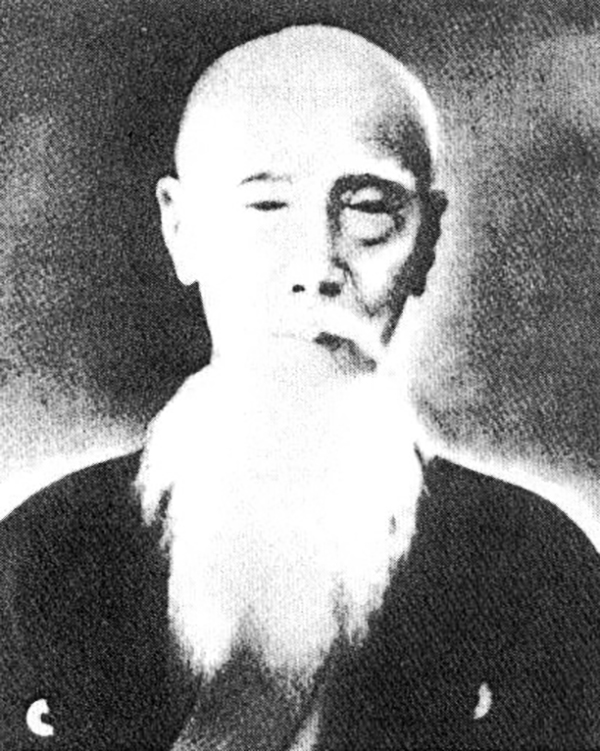
Kanga Sakugawa, born in 1786 and active well into the 19th century, is the figure most often cited as the bridge. He studied under a Chinese instructor in Qing China, returned with refined methods, and trained students who would in turn teach the men who shaped modern karate. By his nickname alone, Tode Sakugawa, you can see the Chinese flavor written into the name.
Through the 19th century, three regional flavors crystallized: Shuri-te (around the royal capital), Naha-te (around the port), and Tomari-te (around the smaller harbor of Tomari). Shuri-te emphasized speed and long stances. Naha-te emphasized rooted breathing and short-range power. Tomari-te sat between them. These regional flavors are the parents of the four major modern styles.
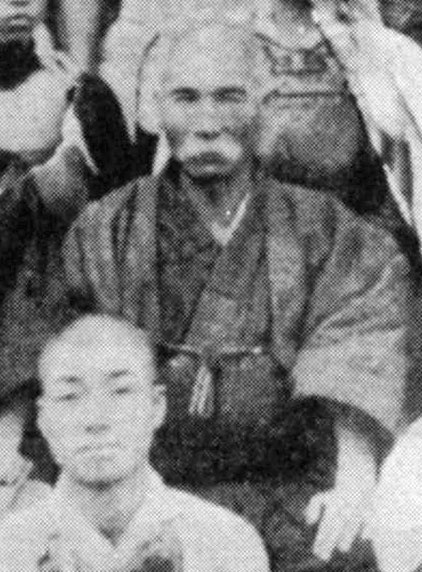
The 1879 annexation should have killed the art. The kingdom dissolved. The pechin class lost its stipends and most of its work. Karate teaching went underground for a generation. What saved it was a single decision in 1905 by Itosu Anko (1831 to 1915), a Shuri-te master and former secretary to the Ryukyuan king. Itosu got karate accepted into the curriculum of Okinawa Prefectural Daiichi Junior High School and the Men’s Normal School in Shuri.
To make it school-safe, Itosu created the Pinan kata sequence (called Heian after Funakoshi Japanized them), simplified for adolescent bodies and for instructors who weren’t lifelong practitioners. He also wrote a famous 1908 letter, the Tode Jukun, ten precepts arguing that karate built physical discipline, moral character, and good citizens. That letter is the single most important sales document in karate’s history.
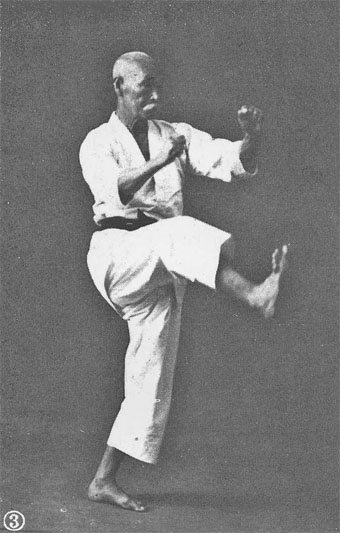
The same year, 1905, another Itosu student named Hanashiro Chomo wrote the kanji 空手 (“empty hand”) in a teaching manuscript instead of the traditional 唐手 (“Chinese hand”). Same pronunciation in Japanese, completely different meaning. That switch was a quiet revolution. Within thirty years it would be official.
The Naha-te line: Higaonna and Miyagi
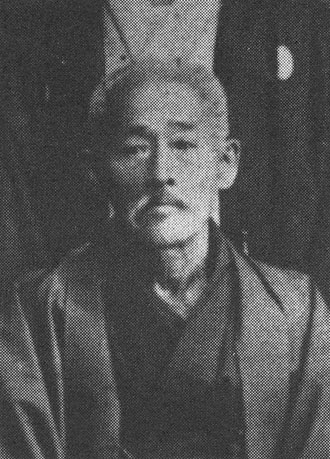
While Itosu was systematizing the Shuri-te branch, the Naha-te branch had its own giant. Higaonna Kanryo (1853 to 1915) traveled to Fuzhou in his twenties, spent over a decade studying with a Chinese master remembered as Ryu Ryu Ko, and returned to Naha in 1881. The art he taught back home stressed the Sanchin kata, deep breathing under tension, and short-range power generation.
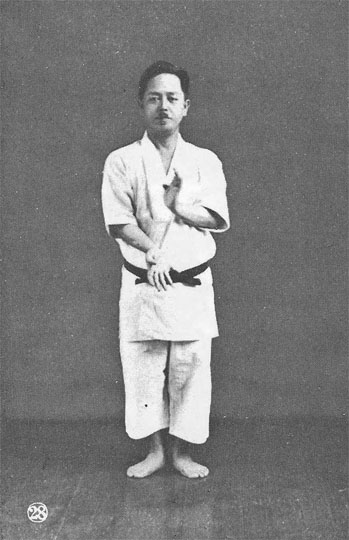
Higaonna’s most consequential student was Miyagi Chojun (1888 to 1953), born in Naha to a wealthy importing family. Miyagi trained with Higaonna for fifteen years, traveled to China himself in the 1910s and 1920s to verify and supplement his teacher’s work, and around 1930 named his evolved style Goju-ryu, “hard-soft school.” The name comes from a line in the Bubishi, a Chinese martial arts text that Miyagi treated as scripture: ho wa goju o nomu, “the way of breathing is hardness and softness.”
Goju-ryu got formal recognition from the Dai Nippon Butokukai in 1933, the same year karate as a whole was admitted as a Japanese martial art. The style’s identity rests on Sanchin (the foundational tension and breath kata) and Tensho (its softer counterpart), with the heavier kata Suparinpei and Seipai held as advanced material. If you watch a Goju-ryu black belt today, you’ll see the rooted, grounded posture and the audible breath that come straight out of Higaonna’s Fuzhou years.
Funakoshi Gichin walks into Tokyo
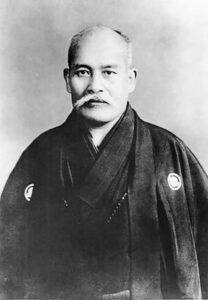
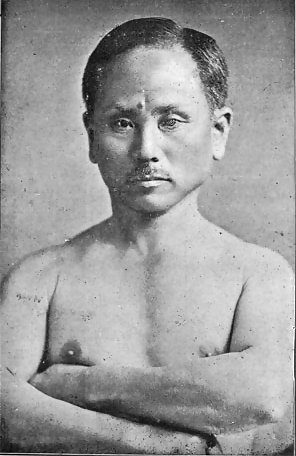
Now back to Itosu’s Shuri-te line. The man Itosu most influenced who would change everything was Funakoshi Gichin, born November 10, 1868 in Yamakawa, Shuri. Funakoshi came from a samurai-class family that had served the Ryukyu court. As a boy he was sickly, and his father sent him to train with Asato Anko, who handed him on to Itosu Anko.
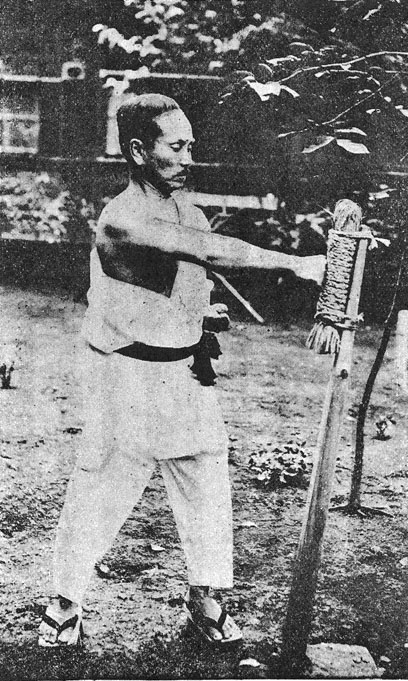
Funakoshi was a schoolteacher by profession. He taught grade-school classes, ran his karate sessions on the side, and kept refining what he had been taught. In 1917 he gave a public demonstration at the Butokuden in Kyoto. In 1921, the Crown Prince Hirohito (the future Showa Emperor) stopped at Okinawa during a tour, and Funakoshi led the karate exhibition arranged for him. That royal exposure mattered.
The decisive trip came in May 1922. The Japanese Ministry of Education was running a national physical-education exhibition in Tokyo. Funakoshi, now fifty-three, was sent to represent Okinawa. His demonstration was so well-received that Kano Jigoro, the founder of judo and the most powerful martial-arts statesman in the country, invited him to perform at the Kodokan that June.
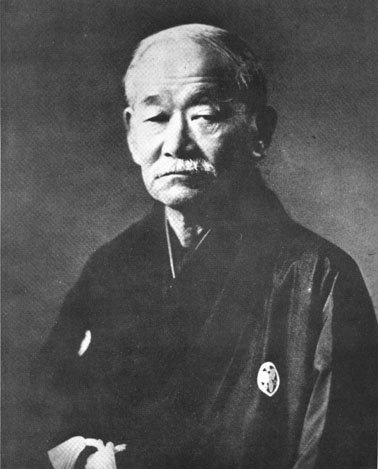
You cannot overstate what Kano did for karate by hosting that demonstration. Funakoshi later wrote that he stayed in Tokyo because Kano insisted, and that Kano helped arrange his early teaching opportunities at Tokyo universities. The two men were friends. They were also methodically reshaping their respective arts in parallel: Kano had already given judo a colored-belt rank system, a white uniform, and a school-friendly curriculum, and Funakoshi proceeded to do the same for karate.
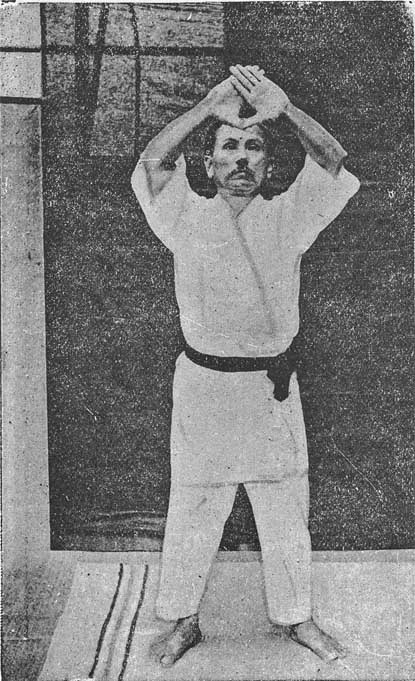
Funakoshi never went home. He moved his family from Okinawa to Tokyo, lived for years in a single dormitory room, taught at Keio University and Takushoku University, and slowly built a following among university students. His 1922 book Ryukyu Kenpo Karate was the first karate text published on the mainland in Japanese.
The Motobu Choki interlude
Funakoshi’s careful diplomatic build was nearly outshone by an actual fight. Motobu Choki (1870 to 1944) was an Okinawan noble’s third son, a famously rough character who had spent his youth getting into the bare-knuckle street matches called kakedameshi in Naha’s pleasure quarters. By 1922 he was in his fifties and living in Osaka.
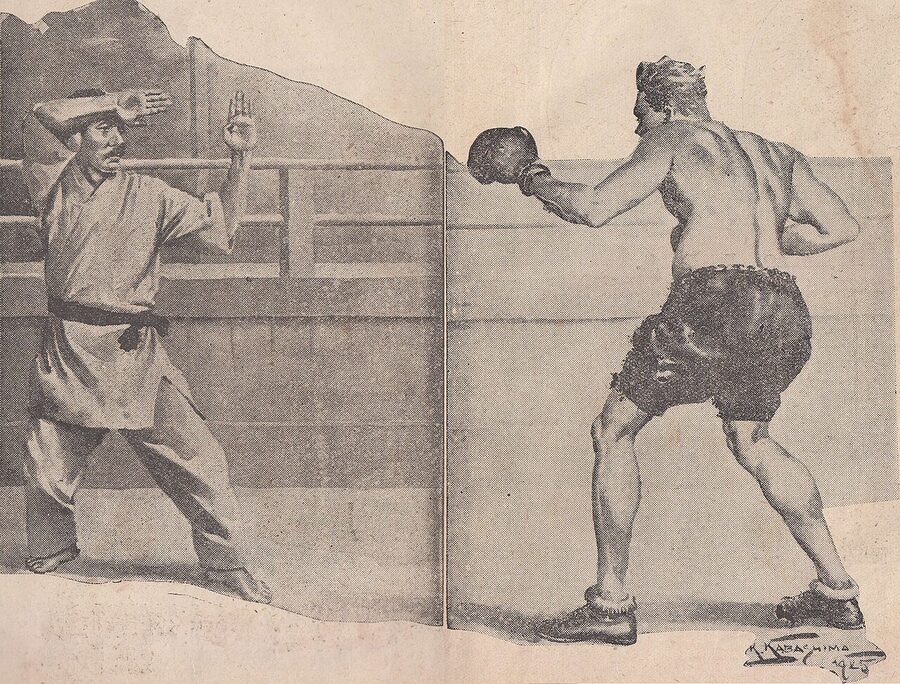
That November, in Kyoto, a touring boxing-versus-judo exhibition went badly for the judo side. Motobu volunteered to fight the foreign boxer. He knocked the man out with what he later identified as tate tsuki, a vertical-fist punch to the temple. The fight was unremarkable in execution and seismic in marketing terms.
In September 1925, King magazine ran a full-page illustration of the bout. King was Japan’s largest mass-market monthly. Suddenly every dojo on the home islands was getting calls about karate, and Motobu, almost illiterate but a devastating fighter, opened his own school in Osaka. Funakoshi resented the publicity, and the two men’s relationship was cold for the rest of their lives, but the era’s growth was largely Motobu’s accidental gift.
The 1933 recognition and the empty-hand renaming
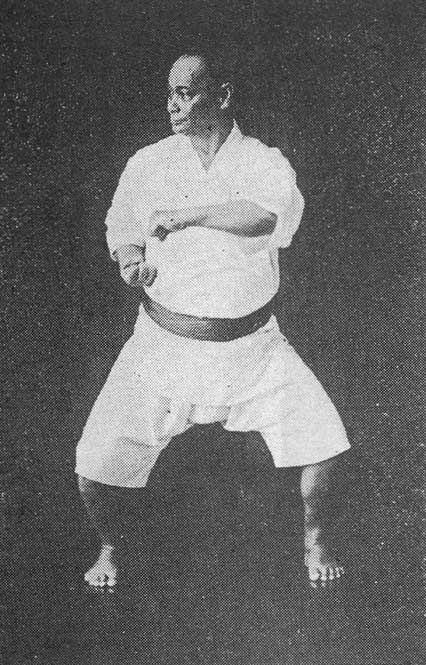
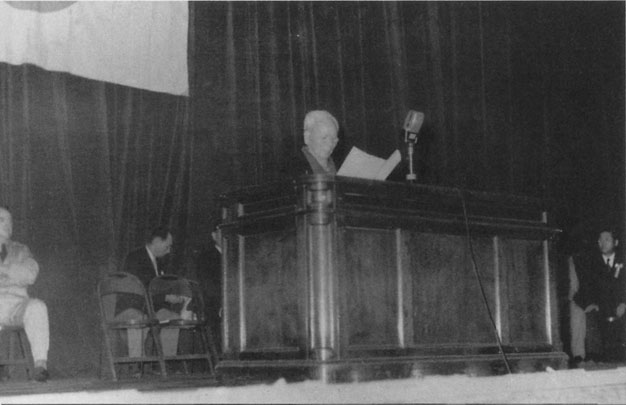
In 1933, the Dai Nippon Butokukai, the imperial martial-arts oversight body, formally accepted karate as a Japanese martial art. The recognition came initially under the jujutsu category, with examinations administered by jujutsu masters who knew nothing about karate, but it was recognition. From that year forward, karate could be taught officially, ranked officially, and demonstrated at imperial events.
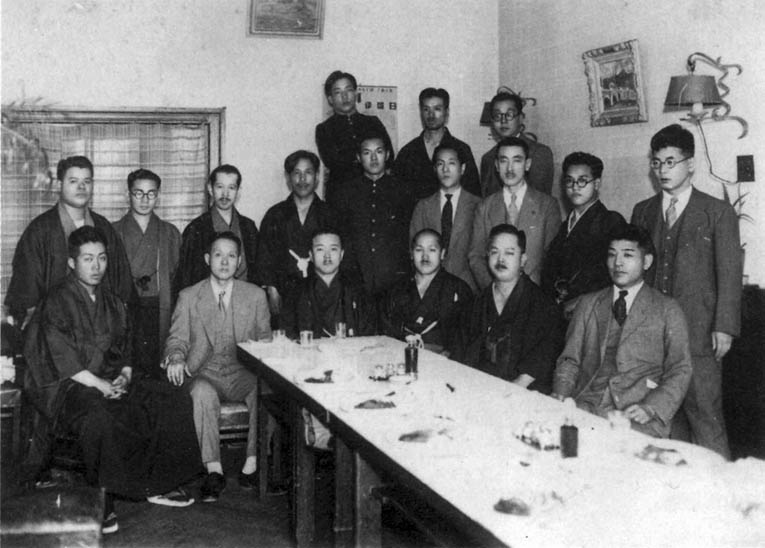
Recognition came at a price. The Butokukai was a nationalist body, and “Chinese hand” (唐手) was politically awkward. On October 25, 1936, a meeting of senior Okinawan masters in Naha (Hanashiro Chomo, Kyan Chotoku, Motobu Choyu, Miyagi Chojun, Mabuni Kenwa, Yabu Kentsu, and others) formally voted to adopt the homophone 空手 (“empty hand”) as the standard kanji. Same pronunciation, new meaning, no political problem.
Funakoshi had already been writing the word with the empty-hand kanji for years, partly under the influence of Hanashiro’s 1905 manuscript and partly to align karate with Buddhist concepts. He liked to quote the Heart Sutra: “Form is emptiness, emptiness is form itself.” After 1936 his preferred reading became national policy.
Around the same time the suffix do (道) attached itself, by analogy with judo and kendo. Karate-do, “the way of the empty hand,” was born as a phrase in the late 1920s and was standard by the 1940s. The shift from jutsu (“technique”) to do (“way”) signaled the same thing it had signaled for judo: this art is also a moral education, and you should treat it that way.
The Shoto pen name and the rise of Shotokan
Funakoshi wrote poetry. In Chinese-style verse he signed himself Shoto, 松濤, “waving pines,” after the sound of wind through the pine trees on Mount Tora near his home in Shuri. In 1936, his Tokyo students built him a proper dojo in the Zoshigaya district and put a sign over the entrance: 松濤館, Shoto-kan, “the hall of waving pines.”
Funakoshi disliked style names. He wanted karate to be karate, not Funakoshi-style versus someone-else-style. His students named the building anyway, and after his death the name attached itself to his lineage. Shotokan as a school is largely the work of his son Funakoshi Gigo (Yoshitaka, 1906 to 1945), who introduced or codified the deeper stances, longer techniques, and the mawashi geri roundhouse kick.
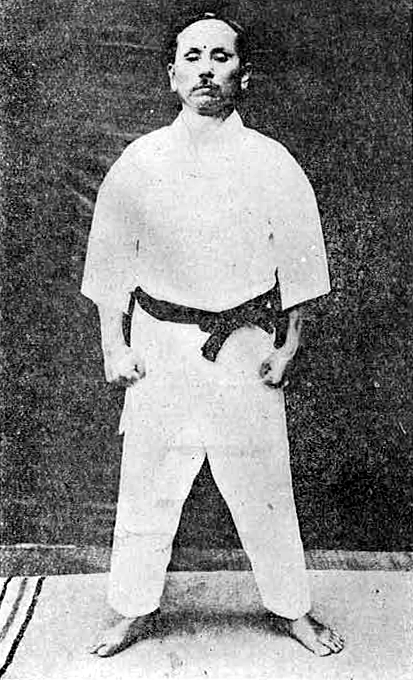
The Tokyo dojo burned in a 1945 air raid. Funakoshi was seventy-six. His son Gigo died of tuberculosis the same year. After the war his surviving students rebuilt around him, and in 1949 they founded the Japan Karate Association (JKA, 日本空手協会) with Funakoshi as honorary head. He died on April 26, 1957, of colon cancer, having outlived his teachers, his son, and his original dojo.
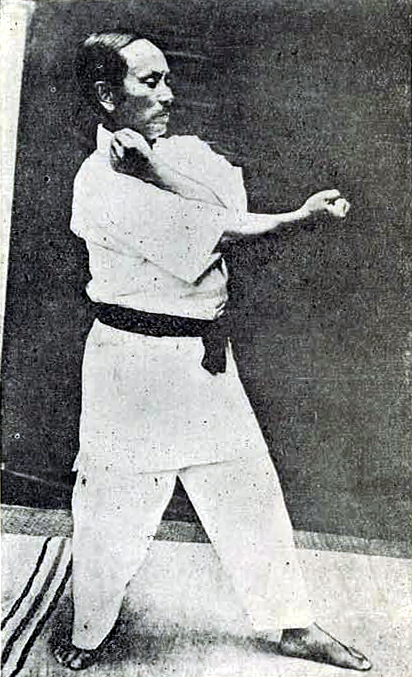
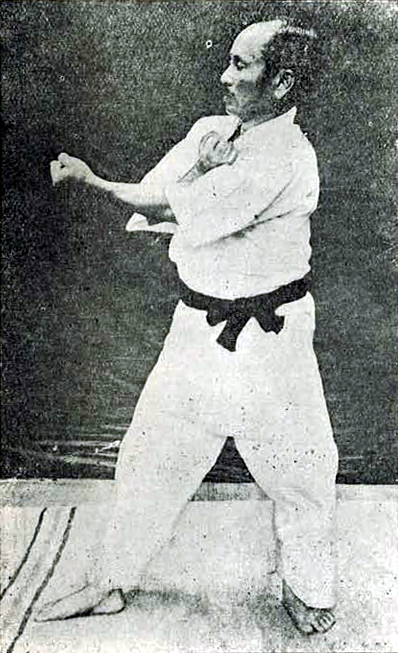
The JKA, under Nakayama Masatoshi (1913 to 1987), turned Shotokan into the most exported martial art on earth. Nakayama systematized the curriculum into the form most foreign students still learn today: kihon (basics), kata (forms), and kumite (sparring), with the Heian-Tekki-Bassai-Empi-Kanku sequence drilled in that order.
The four major styles, briefly
By the 1950s, four schools were recognized as the major karate styles, and that grouping survives today inside the Japan Karatedo Federation. Walking through them in order of formal founding gives you the shape of mainland karate.
Shotokan (Funakoshi, codified 1936 with the Shotokan dojo). Origin Shuri-te. Long forward stances, deep zenkutsu dachi, linear power, hip rotation as the engine. Heian, Tekki, Bassai, Kanku, Empi, Hangetsu, Jion, and the difficult Unsu and Gankaku as core kata. Largest worldwide footprint. The art most beginners encounter.
Goju-ryu (Miyagi, named around 1930). Origin Naha-te. Short stances, audible breath, circular blocks transitioning into close-range strikes. Sanchin and Tensho as the breath kata; Saifa, Seipai, Kururunfa, and Suparinpei as classical forms. The international Goju-ryu world is still split between the IOGKF (Higaonna Morio’s lineage) and other federations, but the technical core is consistent.
Wado-ryu (Otsuka Hironori, 1934). Origin: a deliberate fusion of Shindo Yoshin-ryu jujutsu (Otsuka had a fifth-dan menkyo kaiden in it before he met Funakoshi) and Funakoshi’s karate. Wado emphasizes tai sabaki, body-shifting evasion, and includes throws, joint locks, and live tachi-uke partner forms that the other three styles deemphasized. The name means “way of harmony.”
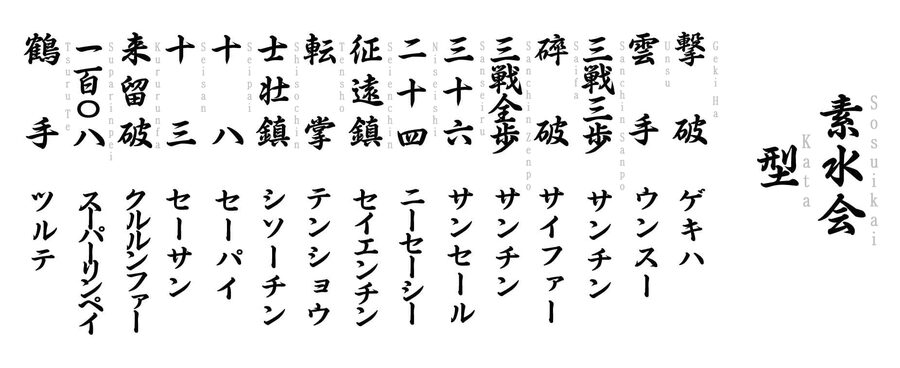
Shito-ryu (Mabuni Kenwa, 1934). Origin: explicit synthesis of Shuri-te (via Itosu) and Naha-te (via Higaonna). The name encodes the lineage in kanji. Shito-ryu has the largest kata catalogue of the four styles (over forty official forms) and is still strongest in the Osaka and Kansai regions where Mabuni settled.
Beyond these four, you’ll meet Kyokushin (Oyama Masutatsu, 1957), the full-contact knockdown style that broke from Shotokan and emphasizes hard sparring; Shorin-ryu (the surviving Okinawan Shuri-te lineage); Uechi-ryu (the half-Chinese half-Okinawan style brought back from Fujian by Uechi Kanbun in 1948); and Isshin-ryu, which a US Marine named Tatsuo Shimabuku synthesized for American servicemen in 1956.
What’s actually inside a karate session
Strip away the lineage politics and a karate session anywhere in the world looks similar. The instructor calls seiza, the class kneels, the senior student leads mokuso (silent meditation), and the class bows. The training proper has three legs.
Kihon, “basics,” is the longest leg. You stand in lines, you punch and block and kick on counts, you advance and retreat in stance, and you do it for years. The point is not the strike itself; the point is the body alignment that produces the strike. A correct gyaku tsuki (reverse punch) involves the foot driving the floor, the hip rotating, the back rounding, the shoulder dropping, and the fist arriving at the target half a beat before the breath. Decompose any of those and the punch is air.
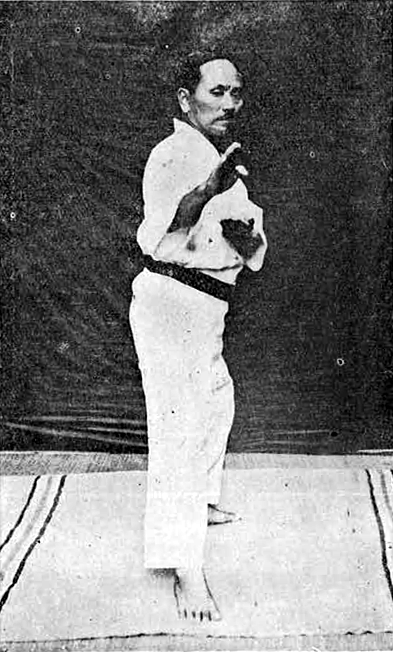
Kata, “form,” is the carrier of the curriculum. Each style has anywhere from a dozen to forty official kata, and each kata is a sequence of stances, blocks, and strikes performed against imagined opponents from multiple directions. The function of kata is debated: some traditions argue it teaches optimal body mechanics in compressed form, others argue it preserves classical fighting applications in code. Both are true at different ranks.
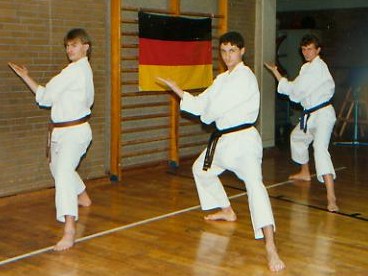
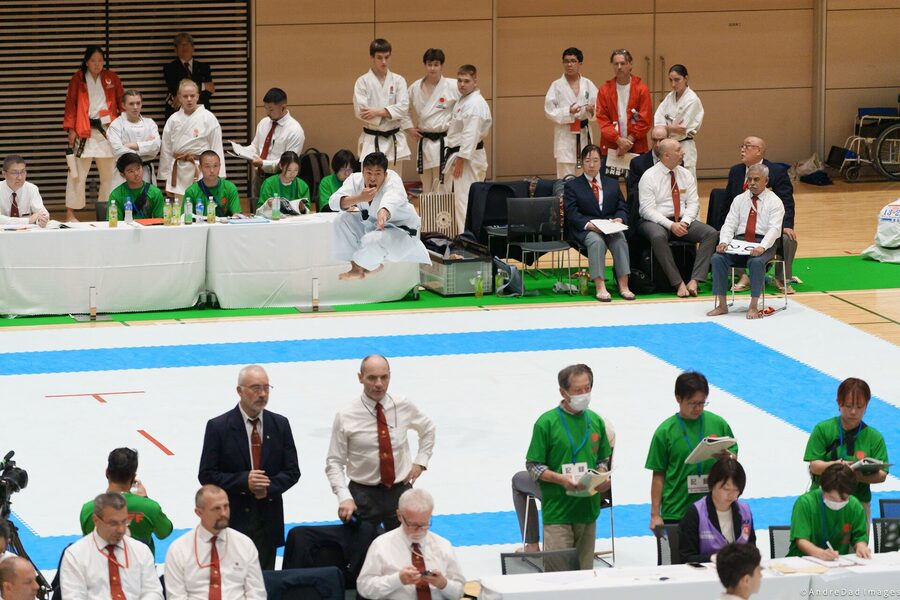
Kumite, “encounter,” is sparring. There’s a graded ladder: gohon kumite (five-step prearranged), sanbon kumite (three-step), ippon kumite (one-step), and jiyu kumite (free sparring). Modern competition kumite under the World Karate Federation is point-stop sparring with strict scoring rules, gloved and shin-padded. Kyokushin and other knockdown schools instead use full-contact bare-knuckle kumite to the body with limited head contact.
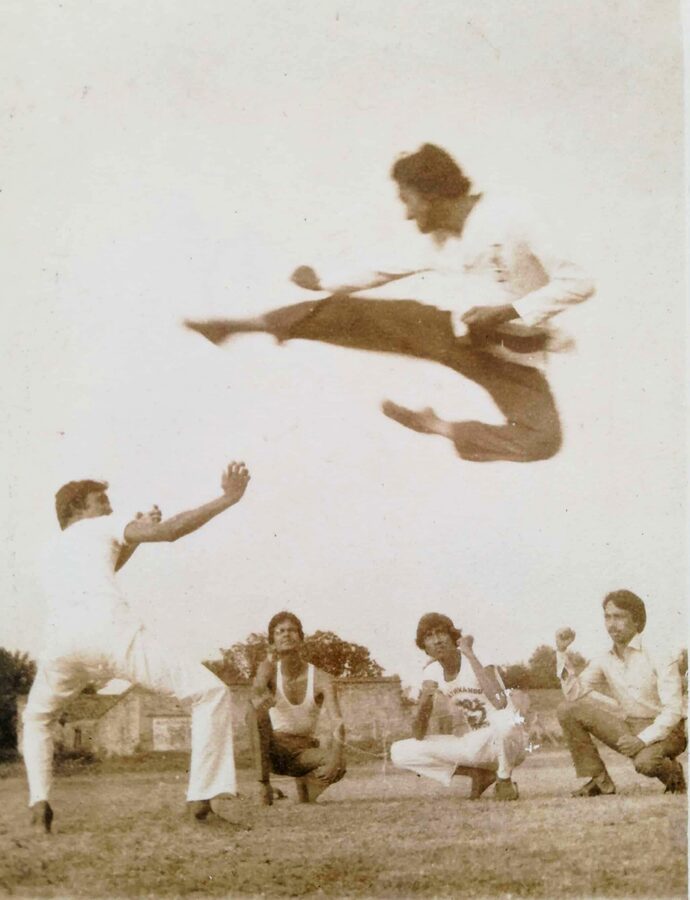
Then there’s makiwara conditioning. The makiwara is a wrapped wooden striking post planted in the ground; you punch it daily, slowly raising the count, until your knuckles thicken into something that doesn’t break easily. Funakoshi’s twenty precepts, the Niju Kun, mention it explicitly. Most Western practitioners skip it. Most Okinawan practitioners do not.
The Niju Kun and the philosophy
Funakoshi published twenty principles, the Niju Kun, that he expected serious students to memorize. The first one is the famous trap: karate ni sente nashi, “there is no first attack in karate.” It looks like a pacifist slogan and isn’t. It means karate is not initiated; the practitioner does not start fights. If a fight starts, finish it.
Other Niju Kun lines work the same way. Karate wa gi no tasuke, “karate is an aid to justice.” Mazu jiko o shire, shikoshite ta o shire, “first know yourself, then know others.” Gijutsu yori shinjutsu, “spirit before technique.” Read in isolation they sound like calligraphy-shop posters. Trained for ten years they sound like obvious truths.
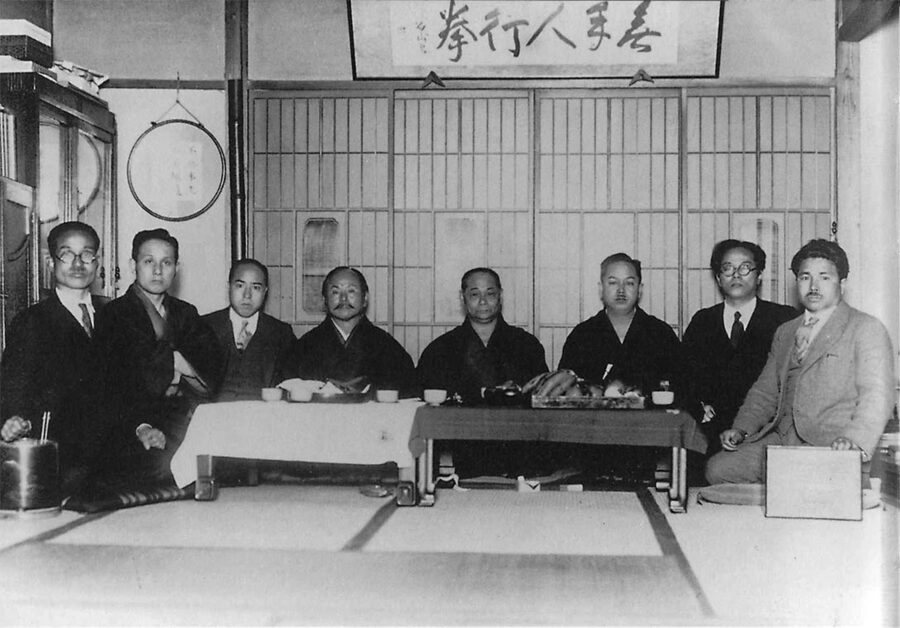
The bigger philosophical claim Funakoshi made is that karate is karate-do, a way. He drew the same line judo had drawn: a martial art trains the body, a martial way trains the person. The same logic operates in the tea ceremony, where you don’t learn to make tea so much as you learn what attention costs. Karate is not unique here; it’s another disciplined do with a sport veneer over a much older spiritual core.
This is also why karate sat comfortably in the same Japanese curriculum as the sword arts: kendo, iaido, kyudo, and karate share the dojo etiquette, the bowing, the rank system, and the demand that practice be part of a life rather than a hobby. The traditional hakama doesn’t appear in karate (the white gi is more Spartan), but the cultural ecosystem is the same.
Post-war export: the GI dojos and the global wave
Karate was a small, mainland-Japanese discipline before 1945. By 1965 it was global, and the reason was the United States military. After the war Okinawa was a US-administered territory until 1972. American servicemen stationed in Okinawa took karate classes. Quite a few brought black belts home.
Robert Trias, an Arizona pugilist, opened what is generally considered the first US karate dojo (Shuri-ryu) in Phoenix in 1946. Tsutomu Ohshima founded the first university karate club at Caltech in 1957 and turned it into Shotokan Karate of America in 1959. Hidetaka Nishiyama, sent by the JKA in 1961, built the International Traditional Karate Federation. By 1965 the West Coast had a half-dozen serious dojos and the East Coast was catching up.
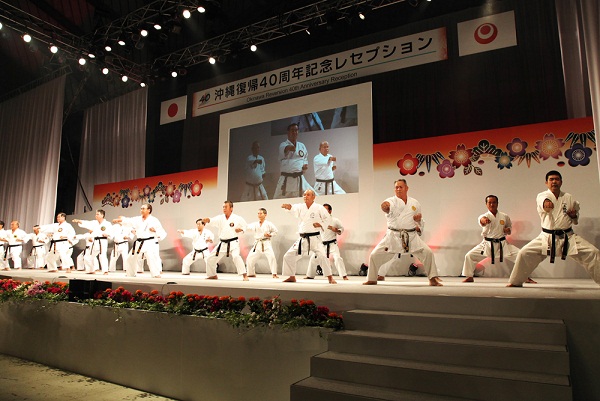
The 1970s did the rest. Bruce Lee was technically Wing Chun and Jeet Kune Do, not karate, but Western audiences couldn’t tell, and the kung-fu movie boom flooded American television with the word karate meaning “any Asian striking art.” Chuck Norris, who had trained in Tang Soo Do (a Korean derivative of Shotokan), kept the visual association going on screen for decades.
By the 1980s the World Union of Karate-do Organizations claimed thirty million practitioners. By the 2010s the World Karate Federation claimed a hundred million. These numbers are inflated, of course; the more honest count is that karate is one of the three or four largest organized sports on earth by participant count. Football, judo, tennis, karate.
Karate at the Olympics and what came next
Karate’s century-long lobbying campaign for Olympic inclusion finally succeeded in August 2016, when the IOC approved the discipline for the 2020 Tokyo Games. The 2020 Games were of course held in 2021 because of the pandemic, and karate appeared on the program for one cycle only.
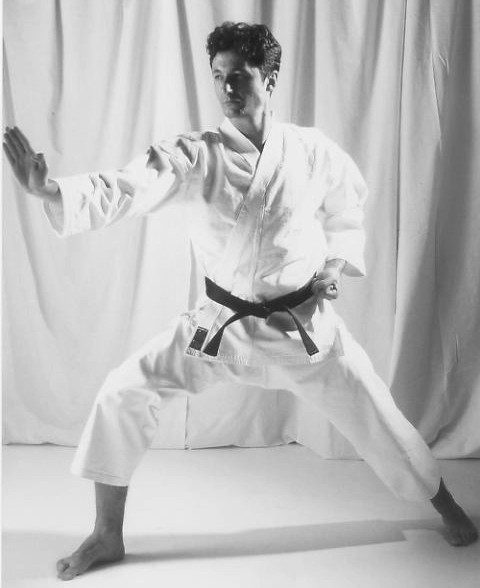
Eighty competitors fought across kumite (60) and kata (20). Spain’s Sandra Sanchez took the women’s kata gold; Egypt’s Feryal Abdelaziz took the women’s +61kg kumite. The Tokyo gold medal in men’s kumite +75kg famously went to Iran’s Sajjad Ganjzadeh after a head-strike disqualification of the Saudi finalist, the kind of point-stop scoring controversy that has plagued WKF kumite at every level for years.
The IOC declined to include karate at Paris 2024. Karate remains on the discussion list for Los Angeles 2028, with the WKF lobbying steadily, but the political reality is that there are too many similar martial arts (judo, taekwondo, wrestling, boxing) competing for the same shelf space. The 2020 medal cycle may end up being a one-time event.
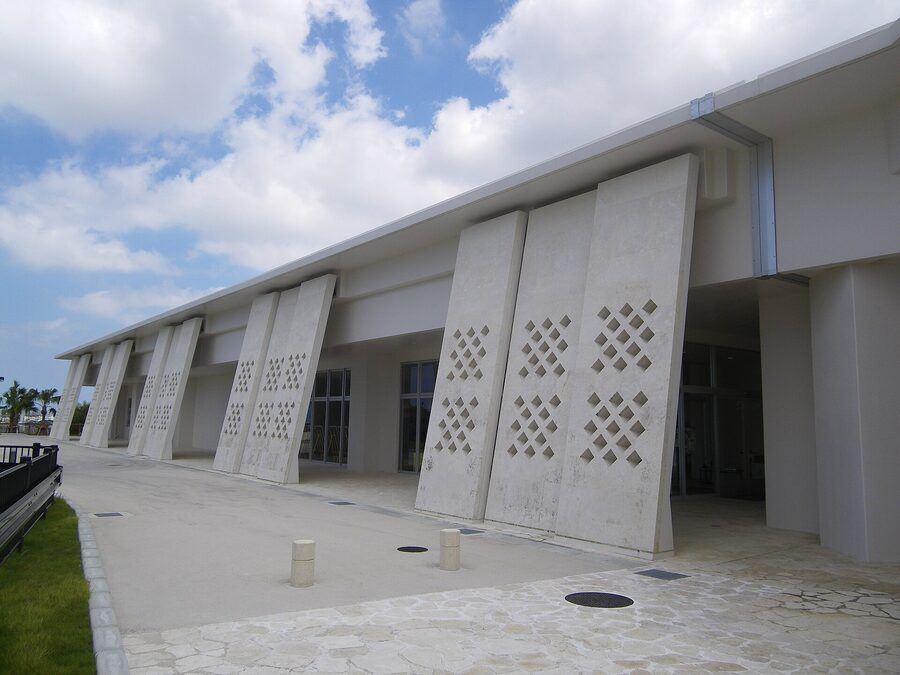
Whatever happens with Los Angeles, the actual cultural homeland of the art is wide-awake about its identity. Okinawa Prefecture opened the Okinawa Karate Kaikan in March 2017 in the city of Tomigusuku, just south of Naha. It’s a multi-building complex with a main training hall, a museum exhibiting weapons and historic photographs, and a residence wing for visiting researchers.
Where to actually go: Naha, Tokyo, and a few honest pilgrimages
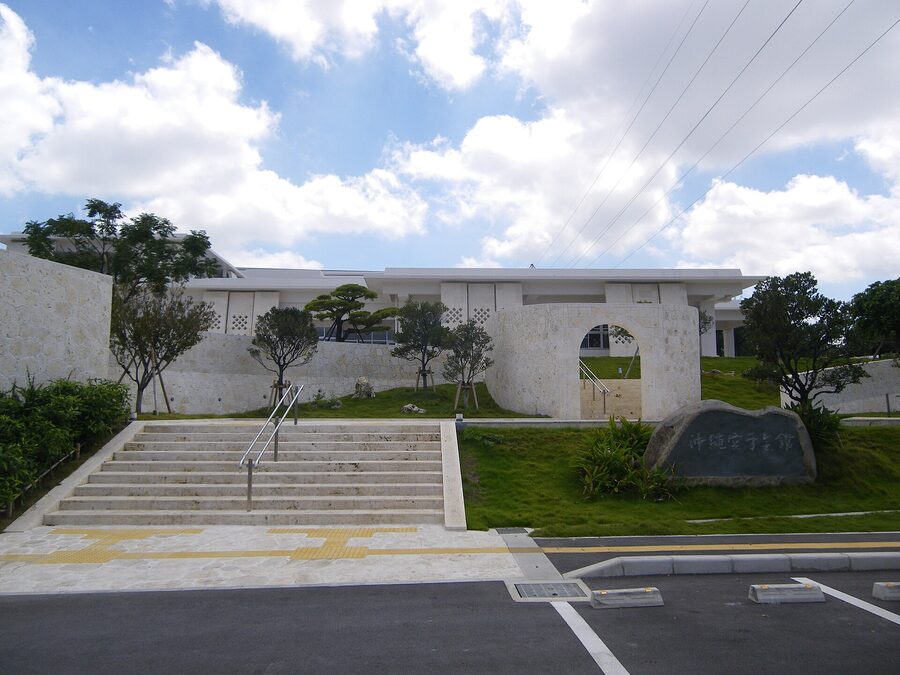
If you want to actually walk the karate map, here is the honest itinerary I’d give a friend, in order of priority.
1. The Okinawa Karate Kaikan, Tomigusuku, Okinawa. 854-1 Toyomi, Tomigusuku-shi. Open daily except Tuesdays. The exhibition hall has historical photographs of the masters, period weapons, kata diagrams, and an entire wall on the post-war revival. The bookshop sells texts you can’t find anywhere else. The dojo opens for daily public sessions and for booked instructor seminars; non-residents can join with reasonable advance notice.
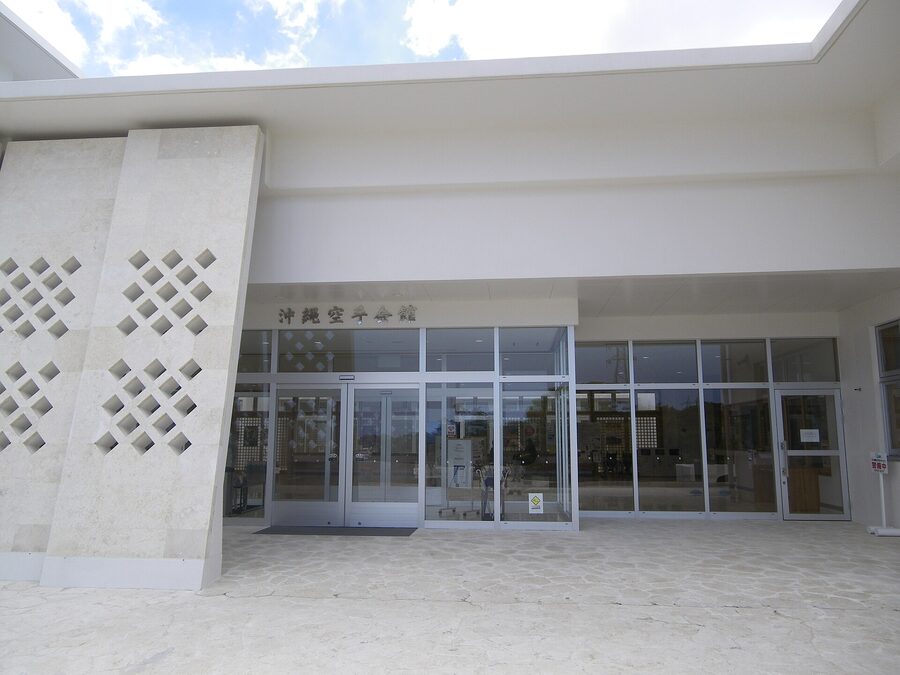
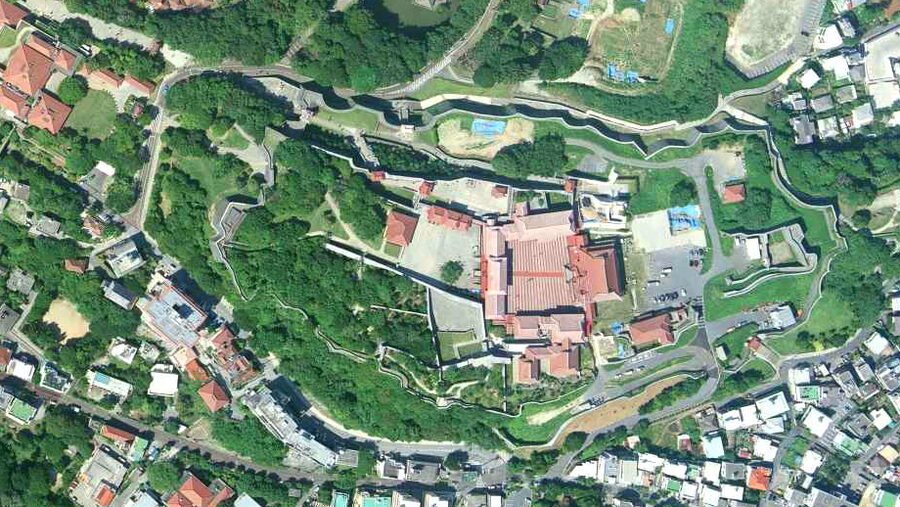
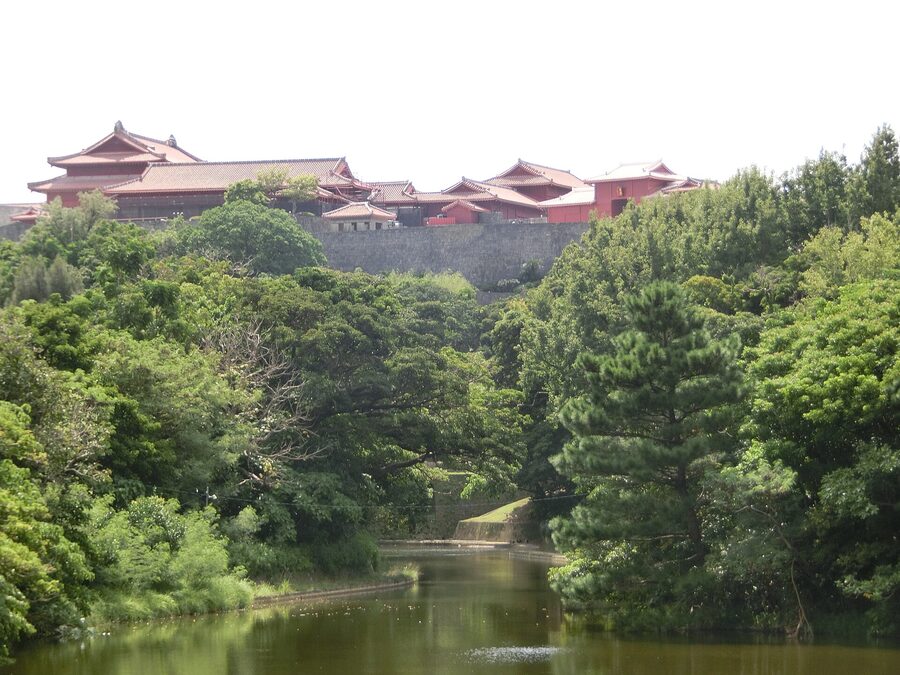
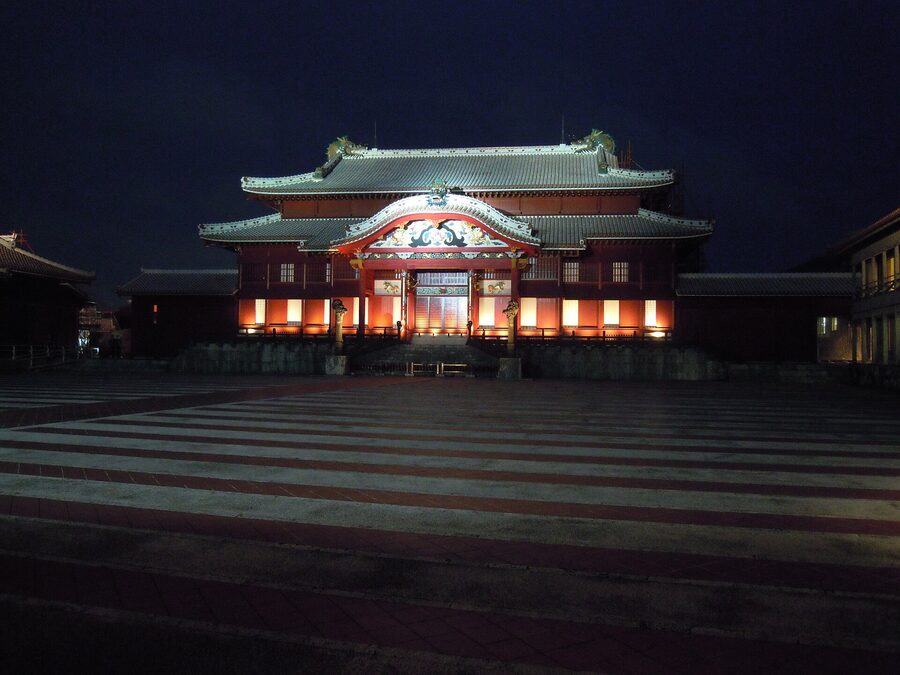
2. Shuri Castle, Naha. The royal capital of the Ryukyu Kingdom from 1429 to 1879, where pechin warriors trained inside the citadel walls. The main hall burned in October 2019 (a tragedy on the level of Notre-Dame) and is being reconstructed; reopening is staged through 2026. The grounds, the Ryutan Pond, and the various subsidiary halls are open. The pilgrimage works even with the main keep behind scaffolding.
3. The JKA Honbu, Tokyo. 2-23-15 Koraku, Bunkyo-ku. The Japan Karate Association’s headquarters in central Tokyo, three minutes from Korakuen Station. They run the Instructor Course (the elite professional training that has produced most of Shotokan’s world ambassadors), and they hold demonstration classes for visiting practitioners. Polite advance contact is essential; they’re a serious institution, not a tourist dojo.
4. Funakoshi memorial, Engaku-ji, Kamakura. Funakoshi’s grave is in the Engaku-ji temple complex in Kamakura, an easy day trip from Tokyo. The grave stone is inscribed karate ni sente nashi, the first of his Niju Kun. Bring incense, bow once, and don’t talk loudly; this is a working Zen temple and other visitors are there for tea, not selfies.
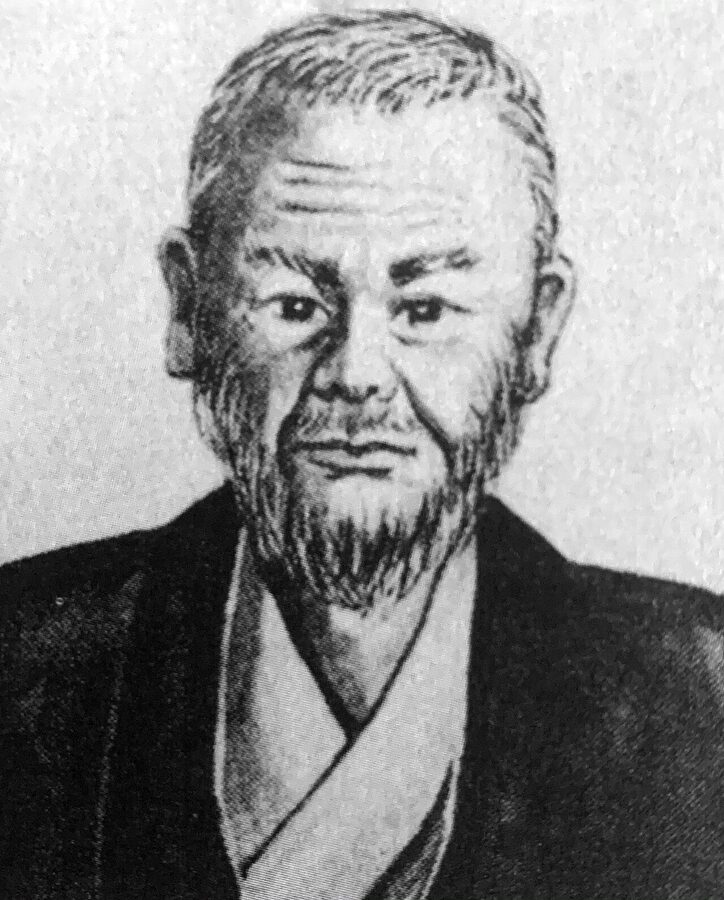
5. The Itosu memorial stone, Naha. Set in Asato village park near Itosu’s birthplace and former teaching ground, the small stele commemorates the man who put karate into Okinawan schools. Pair it with a walk through Tomari neighborhood, where Tomari-te developed; the harbor is unrecognizable but the street grid mostly survives.
6. Higaonna’s Naha-te grounds. Higaonna Morio, the senior Goju-ryu master and grand-nephew-disciple of Miyagi Chojun, runs the IOGKF Honbu in Naha. The dojo is small. They take international students. If you have a Goju-ryu rank from anywhere, contact in advance and you can train.
Where karate sits among Japan’s traditional crafts
Calling karate a “craft” rather than a sport feels strange in English. In Japanese it isn’t strange at all. Karate-do sits beside the way of tea, the way of flowers, the way of the brush, and the way of the sword as a shu-ha-ri tradition: you imitate (shu), you adapt (ha), you transcend (ri). Every craft I cover on this site uses the same three-stage curriculum, whether it’s a Naha kata or a Kyoto teabowl or a Bizen vase.
The political context matters too. The samurai class of mainland Japan that produced the Tokugawa-era warrior bureaucracy ran on a parallel idea, that the warrior is also a moral and aesthetic actor. The Edo-period sankin-kotai system moved daimyo households between Edo and their provinces and exposed the entire warrior class to Edo’s cultural production. By the time karate showed up in Tokyo in 1922, the cultural slot for “martial discipline as personal cultivation” was already 250 years old.
That’s why Funakoshi succeeded. He didn’t have to argue that karate was art; he had to argue it was the same kind of art Japan already understood. Kano Jigoro’s introduction made the case visually. The Niju Kun made the case in writing. The 1933 Butokukai recognition made it official. By 1957 it was unquestioned.
A brief reading list before you book a flight
Funakoshi himself wrote the foundational texts. Karate-Do Kyohan (1935, English translation by Tsutomu Ohshima) is the master volume; Karate-Do: My Way of Life (1956) is the autobiography. Both are still in print. Read them in that order.
Beyond Funakoshi, Patrick McCarthy’s Bubishi: The Classic Manual of Combat (1995) translates the Chinese-Okinawan text Miyagi Chojun considered the bible of karate. Mark Bishop’s Okinawan Karate (1989, revised 1999) is the best English-language survey of the major Okinawan styles and their teachers. Donn Draeger’s older Classical Bujutsu series sets karate in the wider Japanese martial-arts ecosystem.
If you read Japanese, look for the works of Hokama Tetsuhiro, the Okinawan historian-curator who has written most carefully about the 1609 myth and the actual continuity of Okinawan martial transmission. His Okinawa Karate Museum in Tomigusuku predated the Karate Kaikan and is still open by appointment.
A last word about myths
You will read claims that karate is 1,500 years old, that Bodhidharma invented it at the Shaolin Temple, that the nunchaku was invented by an Okinawan farmer who tied two rice flails together, and that any traditional master could kill three opponents with one strike. Most of these stories are 20th-century inventions, often by Western pulp writers, sometimes by Japanese mid-century enthusiasts, occasionally by Okinawans who liked the romance.
What’s actually verifiable is enough. A small kingdom at the edge of two empires developed a hand-to-hand body of knowledge over four centuries, half-secretly. A schoolteacher from that kingdom carried it to Tokyo at age 53. A judo founder cleared the way. A magazine fight made it famous. A nationalist arts council recognized it. A war exiled it abroad. A century later it’s everywhere.
You can train it next month if you want. The dojos in Naha, Tokyo, Osaka, and Tomigusuku are real, the masters are real, the makiwara is still in the back of the room, and the bow at the end of class is the same bow Funakoshi did in 1924. Whatever myths you bring with you, the floor will sort them out.
If you want to see how the same logic plays out in a different traditional discipline, the article on Japan’s greatest gardens covers another case where centuries of small refinements compound into something the country can’t really explain to outsiders without slowing down. And if Okinawa is on your itinerary, the historical context around Shimazu Yoshihiro and the Satsuma campaigns will fill in the political backdrop that made karate’s quiet evolution necessary in the first place.