In the autumn of 1567 the Hōjō of Sagami imposed a salt embargo on the Takeda of Kai. Kai is a mountain province. It has no coast. It depended on salt being carried overland from the Pacific ports, and when the Hōjō cut the route, it was the kind of slow civilian siege a mountain domain does not easily survive. The Takeda were the arch-rivals of Uesugi Kenshin — the two of them had by that point fought five pitched battles over the Kawanakajima plain, one of which had been the closest the Sengoku period ever came to a field battle of mutual annihilation. Kenshin heard that the Hōjō were starving the Takeda of salt. His response is the line every Japanese schoolchild still learns: I fight with bow and sword, not with rice and salt. He opened the Sea-of-Japan ports on his side of the country and sent his own Echigo salt-convoys over the mountains to his enemy.
Takeda Shingen, when the salt arrived, is said to have told his staff that he had gained in Kenshin something better than an ally. He had gained an opponent who refused to win the wrong way. This is the moment, more than any of the five battles, where the legend of Kenshin as Gunshin (軍神), the God of War, really anchors itself. The fighting is important. The salt is what makes the fighting mean something.
In This Article
- Echigo and the Boy Sent to the Temple
- Heir to the Uesugi
- Takeda Shingen and the Five Battles of Kawanakajima
- The Bishamonten Campaigns
- Tedorigawa and the Death in the Toilet
- The Otate no Ran and the Move to Yonezawa
- Where to walk Kenshin’s Echigo and Yonezawa today
- 1. Kasugayama Castle ruins — Jōetsu, Niigata
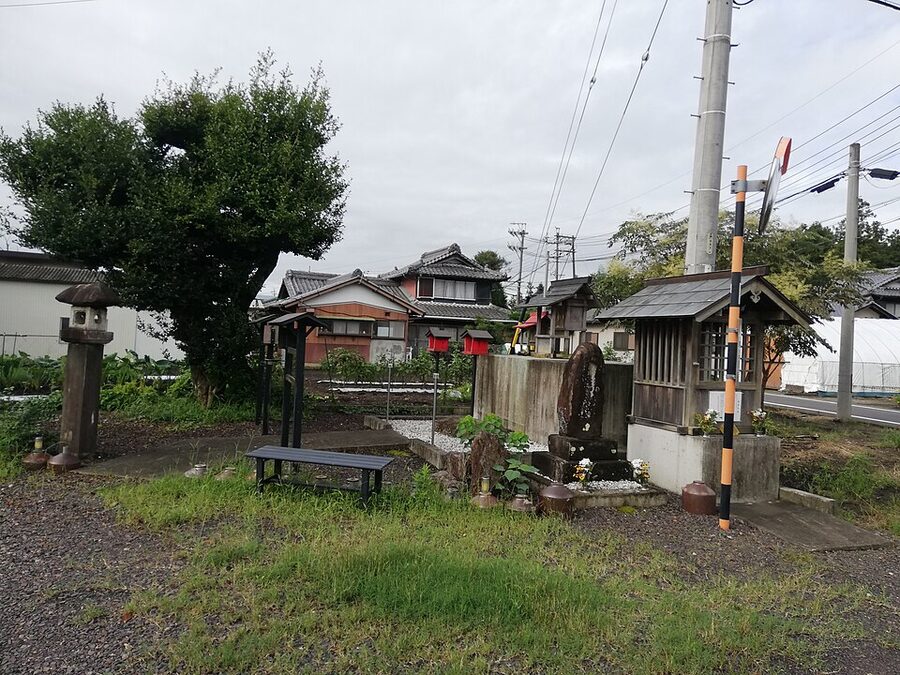
- 2. Rinsen-ji temple and Kenshin’s grave — Jōetsu, Niigata
- 3. Hachimanbara Historic Park and Kawanakajima — Nagano city
- 4. Uesugi Shrine and Yonezawa Castle grounds — Yonezawa, Yamagata
- 5. Uesugi Kenshin mausoleum and Keishō-den — Yonezawa
- The Salt, Four Hundred and Sixty Years Later
Echigo and the Boy Sent to the Temple
Kenshin was not born Kenshin. He was born Nagao Kagetora (長尾景虎) on 18 February 1530 at Kasugayama Castle in Echigo Province, the fourth son of the provincial deputy Nagao Tamekage. The Nagao were senior retainers of the Yamanouchi-Uesugi, one of the two branches of the sprawling Uesugi house that had governed eastern and north-central Japan under the Muromachi shogunate and was now visibly breaking down. Echigo is modern Niigata, the long stretch of Sea-of-Japan coast that catches the full winter snow off Siberia, and in 1530 it was a province that had not been firmly held by any single family for about a generation.
Tamekage was killed in battle in Etchū in December 1536 when Kagetora was six. The eldest Nagao son, Harukage, took the clan headship and promptly failed to hold it. A faction of the northern Echigo kokujin (小国人, provincial landlords) revolted against him; another brother, Kageyasu, was killed in the infighting; and in the middle of all of it the family packed the seven-year-old Kagetora off to Rinsen-ji (林泉寺), a Sōtō Zen monastery at the foot of Kasugayama, essentially for his safety. He was not being groomed for the succession. He was being set aside.
He spent seven years at Rinsen-ji. The head priest, Tenshitsu Kōiku, taught him both the Zen sutras and the more practical side of the monastic curriculum — classical Chinese, the Art of War, the Thirty-Six Stratagems, calligraphy, and the kind of martial-arts training a boy of that rank in that era could expect. This is the phase of Kenshin’s life that the later hagiographers always emphasise, and they are right to. The discipline is real. He never married; he never drank to excess; he fasted on lunar calendar days tied to Bishamonten worship for the rest of his life; he made his command decisions from an austere, almost priestly posture that was not affected and not a pose. If you want to understand why the man who fought thirty-plus engagements still has a reputation for personal probity that no other Sengoku warlord matches, it starts in this monastery garden.
At fourteen his older brother’s rule collapsed to the point that the surviving Nagao retainers came up the hill and asked the boy to come back. Usami Sadamitsu, the senior retainer who had stayed loyal to Tamekage’s memory, argued the case for hours before the young monk agreed. In 1543 Kagetora left Rinsen-ji, put on armour for the first time, and was given joint command of Tochio Castle, a minor outpost in the mountains east of Kasugayama. He was fifteen when he fought his first battle there, defending the castle against rebel kokujin who thought the province was up for the taking. They were wrong. He held.
Heir to the Uesugi
Harukage formally stepped aside in the winter of 1548. Kagetora, aged nineteen, became head of the Nagao and entered Kasugayama Castle as the active ruler of Echigo. He was still only a retainer of the Uesugi house on paper. He spent the next three years subduing the last of the rebellious kokujin, consolidating the tax base, and re-opening the port at Kashiwazaki — the first of a set of trade-policy reforms that would fund his wars for the next three decades and that Japanese economic historians now flag as genuinely unusual for the period.
In 1551 his nominal overlord Uesugi Norimasa, the Yamanouchi-Uesugi family head and Kantō Kanrei (関東管領), the shogun’s formal deputy in the Kantō region, arrived at Kasugayama as a refugee. Hōjō Ujiyasu had driven him out of his ancestral seat at Hirai in Kōzuke. Norimasa was twenty years older than Kagetora and had nothing left except a famous surname. Kagetora agreed to shelter him. The terms of the arrangement were extraordinary: Norimasa would adopt Kagetora as his heir, pass him the Uesugi surname, pass him the Yamanouchi-Uesugi clan headship, and pass him the Kantō Kanrei title. In return Kagetora would use Echigo’s military resources to try to recover the Kantō.
The formal handover ceremony did not happen until 1561, ten years later, but the groundwork was laid in 1551. From that point onward Kenshin was no longer a provincial warlord defending his own inheritance. He was the legal deputy of the shogun’s legal deputy, responsible in theory for the pacification of eastern Japan. The legal theory mattered to him. He was the last Sengoku commander who took the old Muromachi hierarchy seriously, and nearly every campaign he fought for the next twenty-seven years can be read as an attempt to make that hierarchy hold up in the field.
He also took a name change to mark the shift: Nagao Kagetora became Uesugi Masatora (上杉政虎). He would rename himself twice more before he died. Uesugi Terutora when he formally received the Kantō Kanrei title in 1561 from the shogun Ashikaga Yoshiteru (the teru honouring the shogun). Uesugi Kenshin when he took Buddhist ordination in 1570 and adopted the priest-name the world now remembers him by. The name changes read as vanity to a modern ear. In his own time they were public liturgical acts. Each one said: the man who was in charge last year is not the same man who is in charge now.
Takeda Shingen and the Five Battles of Kawanakajima
The rivalry with Takeda Shingen is the thing Kenshin is most famous for, and the particulars of it are stranger than most English summaries make them sound. Shingen, based in Kai Province south of the Japan Alps, spent the 1540s expanding north into Shinano (modern Nagano). By the early 1550s he had taken or destroyed most of the independent Shinano clans — the Ogasawara, the Suwa, the Murakami — and his forward positions were up against the Echigo border. The two Shinano warlords he had driven out, Ogasawara Nagatoki and Murakami Yoshikiyo, showed up at Kasugayama in 1553 asking Kenshin for help. Kenshin agreed.
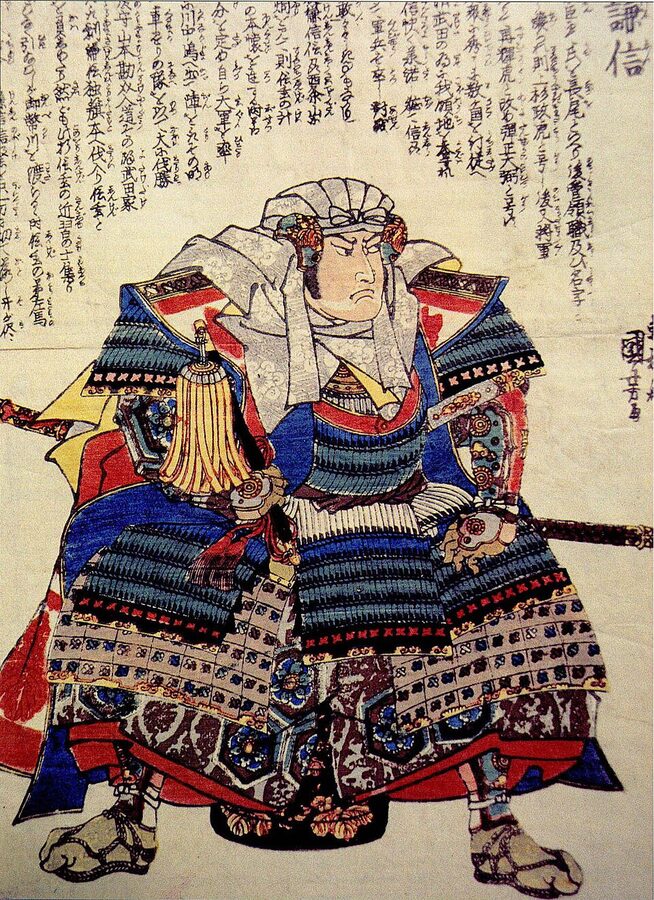
The five engagements at Kawanakajima — the triangular plain at the confluence of the Sai and Chikuma rivers, in what is now the south of Nagano city — ran across eleven years and are conventionally dated 1553, 1555, 1557, 1561, and 1564. The first three were weeks-long standoffs that ended in mutual withdrawal. Neither commander was willing to commit to a decisive field battle with the rivers and broken ground between them. The second engagement, in 1555, had both armies staring across the Sai river at each other for two hundred days before Imagawa Yoshimoto mediated a disengagement. Sengoku warfare, properly done, was often this boring.
The fourth battle, on 10 October 1561 by the old lunar calendar, was not boring. It is the one people mean when they say “the Battle of Kawanakajima” without qualification. Turnbull rates it as the most tactically interesting pitched engagement of the entire Sengoku period, and the casualty figures bear him out: the Uesugi took roughly 62 percent casualties, the Takeda 72 percent, a rate unmatched in any other field battle of the period.
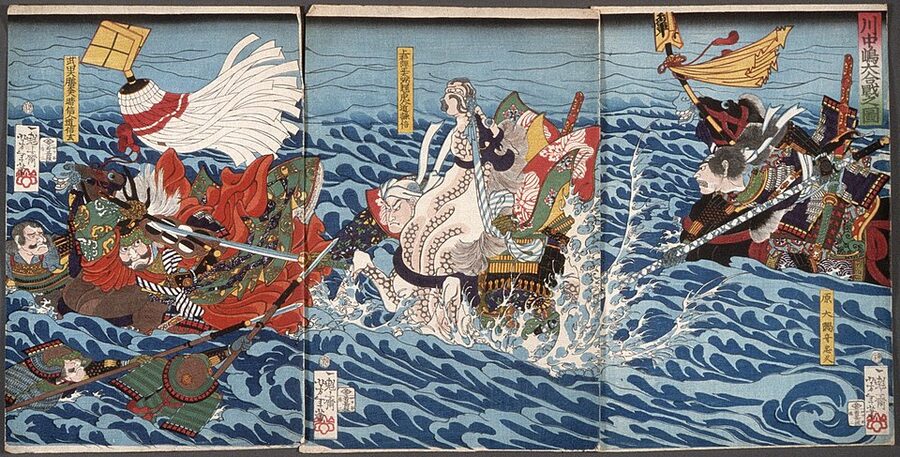
The Takeda plan, designed by the strategist Yamamoto Kansuke, was the classic kitsutsuki (啄木鳥, “woodpecker”) strategy: send a detached force of eight thousand men up Saijoyama at night to drive the Uesugi army down onto the plain, where Shingen would be waiting with the other eight thousand in kakuyoku (鶴翼, “crane’s wing”) formation to envelop them. Kenshin, camped on Saijoyama, somehow read the plan before it executed — whether through scouts or through a straightforward read of the silence from the Takeda lines, sources disagree — and marched his thirteen thousand men off the mountain in the dark, with cloth tied over their horses’ hooves, before the detachment could reach their position.
At dawn on 10 October, when the Takeda detachment arrived on an empty mountaintop and Shingen’s main body was still preparing the envelopment on the plain, the Uesugi were already there in kuruma-gakari (車懸, “wheel”) formation, a rotating wave attack in which fresh units replace exhausted ones at the front line, and hit the Takeda kakuyoku before it had its flanks stabilised. Shingen’s younger brother Takeda Nobushige was killed in the first hour. Yamamoto Kansuke, author of the failed plan, charged alone into the Uesugi line and was killed as well. The Takeda position nearly collapsed.
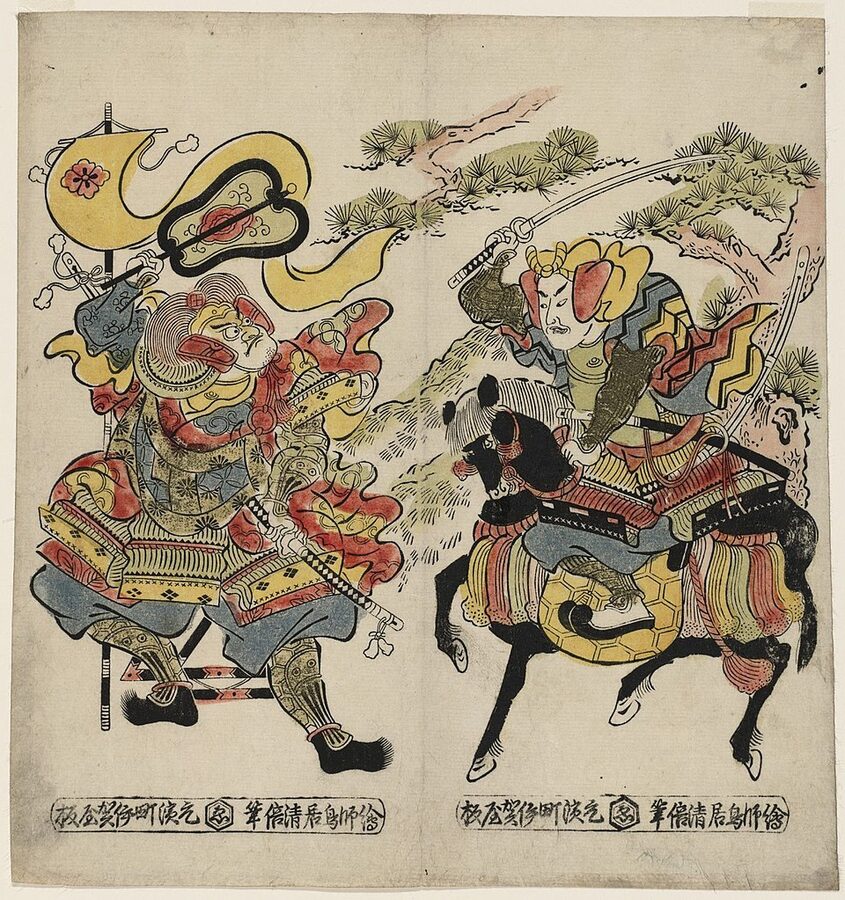
The famous duel, Kenshin on horseback bursting into Shingen’s headquarters tent and striking at him with the sword while Shingen parried with his war-fan, is attested only in Edo-period chronicles written fifty to a hundred years after the fact. It probably did not happen. What almost certainly did happen is that the Takeda detachment on Saijoyama descended in force around midday, fell on the Uesugi rear, and turned the battle from a near-rout into a bloody standoff. Kenshin withdrew in the afternoon in good order. Shingen held the field but had lost a quarter of his command staff. Both sides claimed the victory. Both of them were being generous with themselves.
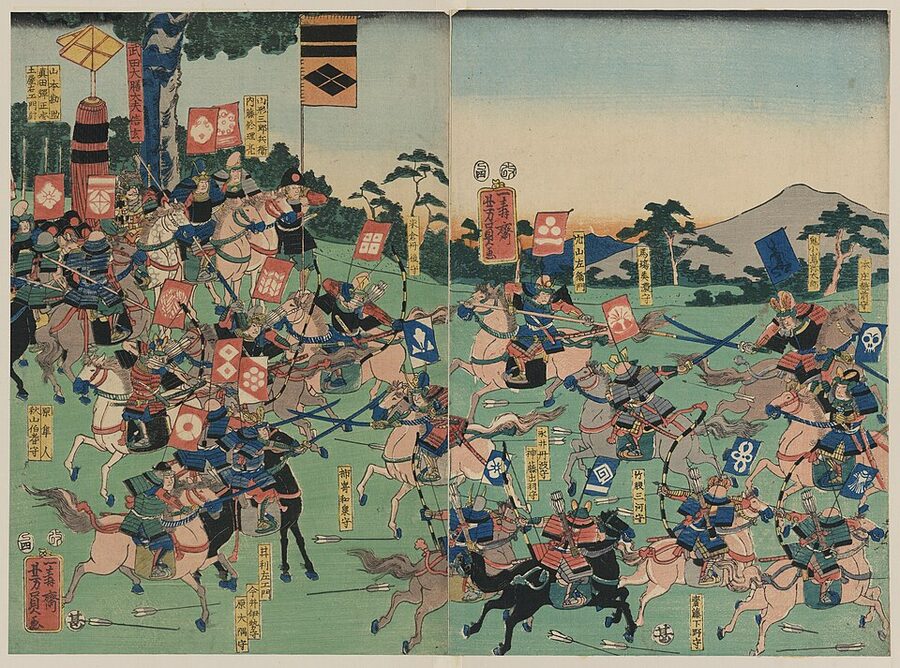
The fifth battle in 1564 was another sixty-day standoff that ended without an engagement. Neither side ever broke the deadlock. Shinano stayed nominally Takeda; Echigo stayed Uesugi; the plain stayed contested. When Shingen died of illness (or possibly an arquebus wound) in 1573, Kenshin wept openly at the news and ordered three days of mourning in Echigo. The chronicles record him saying that he had lost the only opponent who had ever been worthy of the effort. The sentence is probably apocryphal. The three days of mourning are not.
The Bishamonten Campaigns
Throughout the 1550s and 1560s Kenshin was running two other theatres of war alongside Kawanakajima. Neither is as famous and both mattered more. The first was the Kantō campaigns against the Hōjō — the clan whose expulsion of Norimasa in 1551 had given Kenshin his adopted surname and his Kantō Kanrei mandate. Between 1552 and 1569 he mounted seven or eight full-scale campaigns south through the mountain passes into what is now Gunma, Saitama, and the western Kantō plain, several times reaching the outskirts of Odawara itself. The campaigns were expensive, slow, seasonally constrained (he could not campaign in the Kantō across the winter), and strategically inconclusive. Hōjō Ujiyasu was a formidable defensive commander, and the Hōjō castle network was too dense for Kenshin to break without a longer siege train than Echigo’s logistics could sustain.
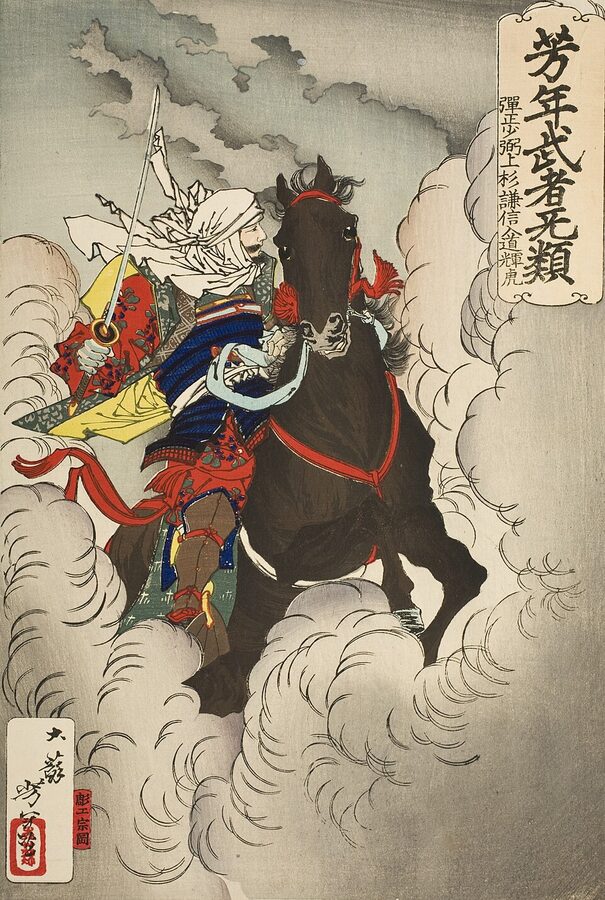
The formal Kantō Kanrei ceremony in 1561 is the most theatrical event of his career. Having spent a decade establishing his claim, he marched south with an army, broke through to the Hōjō heartland, and convened a ceremony at Tsurugaoka Hachimangū in Kamakura — the Minamoto shrine, the old Kamakura shogunate’s public-ritual site — at which he was formally invested with the Kantō Kanrei title and the Yamanouchi-Uesugi clan headship by Norimasa. The ceremony took place in April 1561. It was carefully staged to invoke every piece of Muromachi legal theatre still available. By June he was already back in Echigo planning the next thing. The Kantō campaign network did not hold, the Hōjō reoccupied most of what he had taken within eighteen months, but the ceremony mattered to him in a way that is hard to recover now.
The second theatre was Etchū and Noto — the Hokuriku coast, the long coastal ribbon of what is now Toyama and Ishikawa. Here he had an easier run. The Jinbō and the Shiina, the two major Etchū clans, were both weaker than the Hōjō, and the Ikkō-ikki of the Hongan-ji (the militant Pure Land sect that had killed his father in 1536 and would remain an Uesugi enemy for two generations) were overextended. Between 1560 and 1576 Kenshin systematically absorbed Etchū, took Noto by 1577, and had his forward positions down in Kaga by the last year of his life. The Oda captain who eventually pushed the Uesugi back out of Etchū in the 1580s was Sassa Narimasa; the ground he fought over was ground Kenshin had spent fifteen years taking. The campaign is less famous than Kawanakajima and is strategically much more consequential. It gave the Uesugi a 350-kilometre coastline and control of the Sea-of-Japan shipping lanes that funded the final years of the regime.
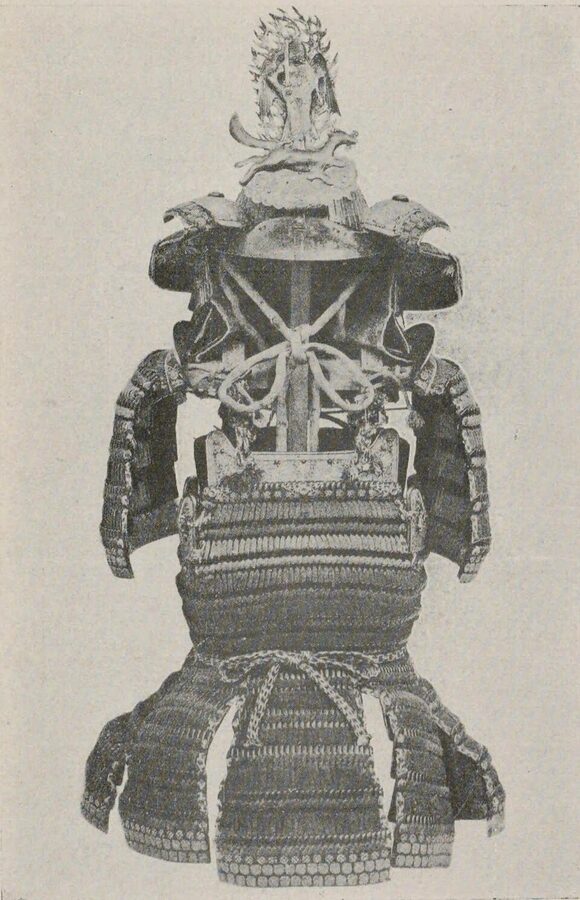
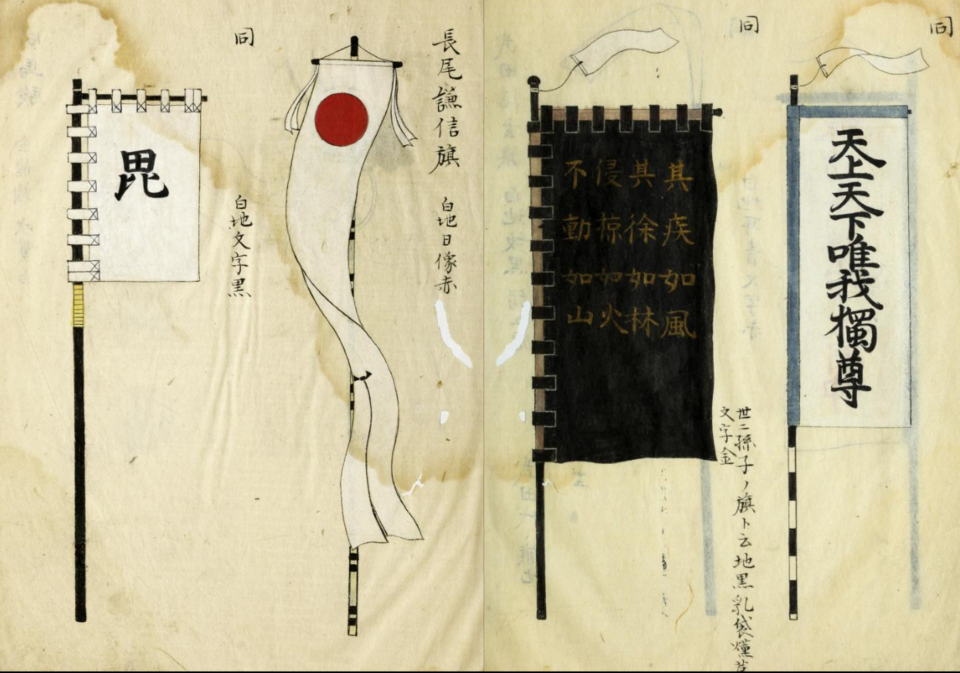
He took Buddhist ordination in 1570, aged forty, and formally became Uesugi Kenshin. The priest-name was chosen with care — ken (謙) for humility, shin (信) for trust — and he adopted it at Rinsen-ji, the same monastery where he had been a novice as a boy. For the last eight years of his life he wore monastic robes under his armour. His troops carried the single 毘 (Bi) banner — the first kanji of Bishamonten (毘沙門天), the Buddhist god of warriors and the northern quarter — in place of a clan crest. Before every battle he performed a formal ceremony of departure at the Bishamonten shrine in Kasugayama: three cups of sake, three shouts of ei and ō, three banners raised, the army crest lowered to the generals in formal respect, and then the ride out. The ritual was not decorative. His men believed he was the avatar of the god on the banner. Some of the contemporary enemy commanders seem to have believed it too.
Tedorigawa and the Death in the Toilet
The last campaign of Kenshin’s life brought him up against Oda Nobunaga. The two had been on formally cordial terms through the 1560s, Kenshin had even publicly praised Nobunaga’s 1568 installation of Ashikaga Yoshiaki as shogun, but the relationship broke apart in 1573 when Nobunaga forced the same shogun into exile. Yoshiaki, from refuge under the Mōri, wrote to Kenshin, to Takeda Katsuyori (Shingen’s son), and to the Hōjō asking for a concerted anti-Nobunaga coalition. Kenshin joined in 1576.
The collision happened at the Tedorigawa, the Tedori river in modern Ishikawa, in September 1577. Kenshin had 30,000 men based at Matsutō Castle; Nobunaga had committed 50,000 under the field command of his two best generals, Shibata Katsuie and Hashiba Hideyoshi (the future Toyotomi Hideyoshi, at that point still a Shibata-line general). The Oda army was larger, better-funded, and had the massed arquebus tactics that had broken Takeda Katsuyori at Nagashino two years before. Kenshin outmanoeuvred them anyway.
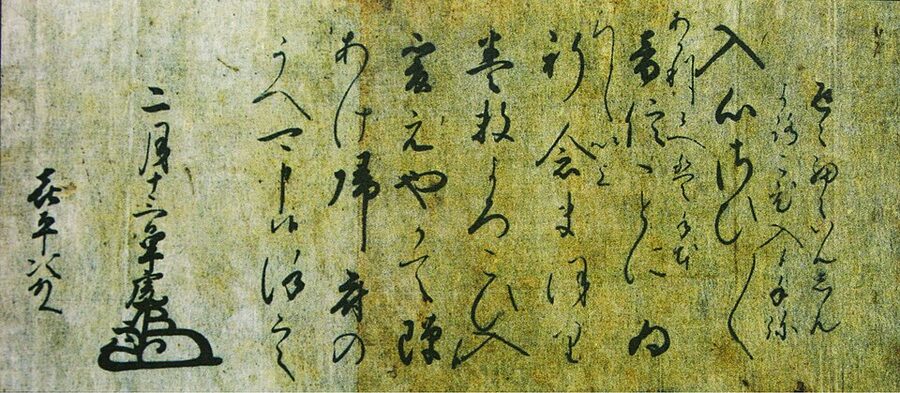
He anticipated that the Oda would try a night river-crossing, held his main body back, and let the Shibata advance guard cross the Tedori in the dark. Then he turned the full Uesugi army on the advance guard while it was still re-forming on the Uesugi bank. Shibata lost a thousand men in the first hour; the retreating column back across the river lost more to the current. Nobunaga, when the reports reached him, ordered the rest of the field army back into Ōmi. Kenshin, inspecting the field the next morning, wrote a short poem to one of his retainers that survives. The translation is rough but the last line is: if this is what Nobunaga’s best can do, the road to Kyoto is shorter than I thought.
He never got to test the thought. He returned to Kasugayama in the winter of 1577 to plan a spring campaign southward with 30,000 men. In March 1578 by the old calendar he was preparing to move when, on the ninth day of the third month, he reported acute chest and abdominal pain and withdrew into his rooms. The contemporary record — the Kenshin Gunki, completed around 1582 — says simply that he collapsed in the toilet on the ninth and never recovered. He died four days later, on 13 April 1578 by the Gregorian calendar, aged forty-eight.
The cause of death is still debated. The most likely diagnosis on the modern evidence is a cerebrovascular event or a ruptured oesophageal lesion; he had complained for months of a chest pain “like an iron ball” that the clan physicians had not been able to explain. The alternative theory, popular in the Edo period and periodically revived, is that an Oda ninja concealed in the cesspool under his latrine stabbed him from below with a short spear. The two are not mutually exclusive — an assassin might have finished off a man who was already dying. But Kenshin seems to have anticipated his own death. His death-poem was composed before the event, not after it:
Forty-nine years of prosperity are one cup of sake;
A life of dreams, dreamed and gone. I know nothing of life or death. Both heaven and hell are left behind me; I stand in the moonlit dawn, free of the clouds of attachment.
The toilet detail is the one every Japanese schoolchild remembers, not because it is undignified but because it fits the Buddhist instinct that enlightenment arrives when you are not ready for it. That Kenshin fell in the toilet is, in a culture that takes the Art of War seriously, the most natural-possible circumstance for the death of the God of War. The chroniclers did not even need to embellish.
The Otate no Ran and the Move to Yonezawa
Kenshin had never married and had no biological children. He had adopted two boys. The older was his nephew Uesugi Kagekatsu (上杉景勝), son of his sister and the retainer Nagao Masakage; the younger was Uesugi Kagetora (上杉景虎, not to be confused with Kenshin’s own birth name), a son of Hōjō Ujiyasu sent to Echigo as part of a 1569 diplomatic marriage that had never quite become a full alliance. Kenshin had not clearly designated either of them as heir. In the absence of a will, the succession was open.
Within weeks of Kenshin’s death the two adopted sons were at war with each other. The conflict, known to history as the Otate no Ran (御館の乱, “the Otate Disturbance”), ran from April 1578 through March 1579 and is one of the uglier succession crises of the Sengoku period. Kagetora had the Hōjō and, initially, the Takeda as outside backers. Kagekatsu had the Echigo bureaucracy, the loyalty of the senior retainers Kenshin had actually trained, and, crucially, the bulk of the gold and silver reserves of Kasugayama, which he seized in the first days of the succession. He used the gold to buy Takeda Katsuyori away from the Hōjō-Kagetora alliance and to fund the siege of Otate, the outlying residence in Echigo where Kagetora had fortified.
Kagetora held out for eight months and then surrendered in March 1579. He committed seppuku at a castle near the Echigo-Shinano border a few days later. Kagekatsu took the Uesugi headship. It was a victory that cost the clan three years of outward offensive power and a quarter of the senior retainer corps. By 1582, when Oda Nobunaga launched his final campaign against the northern clans, the Uesugi were militarily exhausted from the civil war and came close to destruction — saved only by Nobunaga’s assassination at Honnō-ji in June that year, which abruptly removed the pressure from the north.
Kagekatsu subsequently went into the service of Toyotomi Hideyoshi, the post-Honnō-ji victor. Hideyoshi named him one of the Go-Tairō (五大老, the Five Great Elders) in 1598, the five-man regency council that was supposed to govern Japan during the minority of Hideyoshi’s son Hideyori, and moved the Uesugi domain from Echigo to the larger Aizu domain centred on Wakamatsu in 1598 (1.2 million koku, up from Kenshin’s ~900,000). After the Toyotomi system fractured in 1600, Kagekatsu stayed loyal to the Western coalition. The Tokugawa-led Eastern victory at Sekigahara cost the Uesugi everything except their life. Tokugawa Ieyasu reduced their domain from 1.2 million to 300,000 koku and relocated them from Aizu to Yonezawa, a minor castle town in the mountain basin of what is now southern Yamagata. This is where the Uesugi stayed, quietly, for the next 268 years.
Kenshin’s body came with them. His embalmed remains, which had been sealed at Kasugayama in a standing stone reliquary in April 1578, were moved to Aizu in 1598 and then to Yonezawa in 1601. They are still there, in the mausoleum chamber at the north-west corner of what used to be the Yonezawa Castle inner bailey. He is one of the very few Sengoku warlords whose physical remains are traceable through four centuries of clan migration. The chamber is quiet. The smell, faintly, is still of cypress.
Where to walk Kenshin’s Echigo and Yonezawa today
Five sites, split between two prefectures and a detour south into Nagano for the battlefield. You can do Jōetsu in a day, Yonezawa in a day, and Kawanakajima as a stop on the Hokuriku-to-Tokyo route. A long weekend covers all of it.
1. Kasugayama Castle ruins — Jōetsu, Niigata
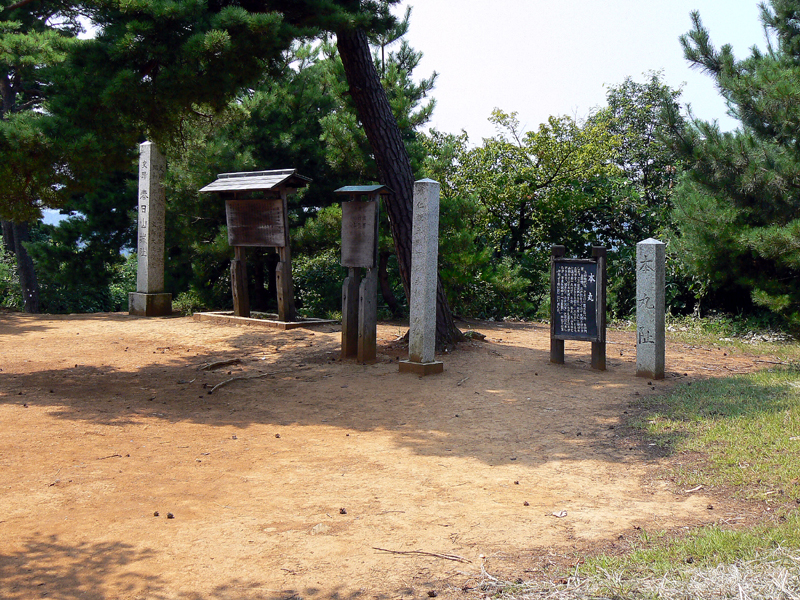
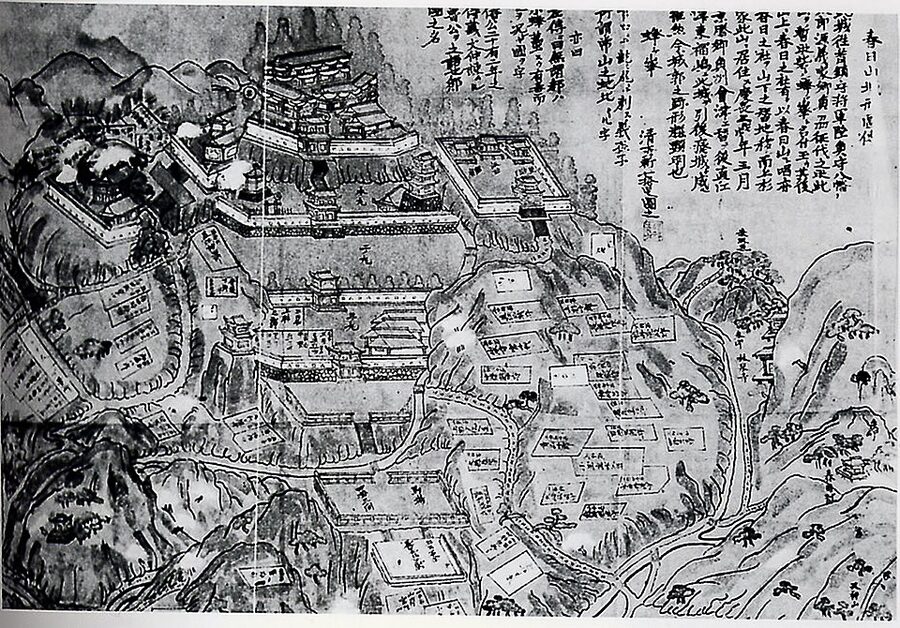
Kasugayama (春日山) is the mountain fortress Kenshin ran the Uesugi clan from. It is a textbook yamajiro — a mountain castle built down the ridges of a natural peak, with defensive earthworks instead of stone walls, and baileys stacked like terraces from the summit to the foot. Nothing of the original timber superstructure survives. Everything above ground was dismantled in the early Edo period after Kagekatsu was moved away. What remains is the ridge itself — the honmaru platform on the summit, the ni-no-maru and san-no-maru descending the ridge, the dry moats cut across the connecting saddles, and a network of walking paths that follow what were once the castle’s internal roads.
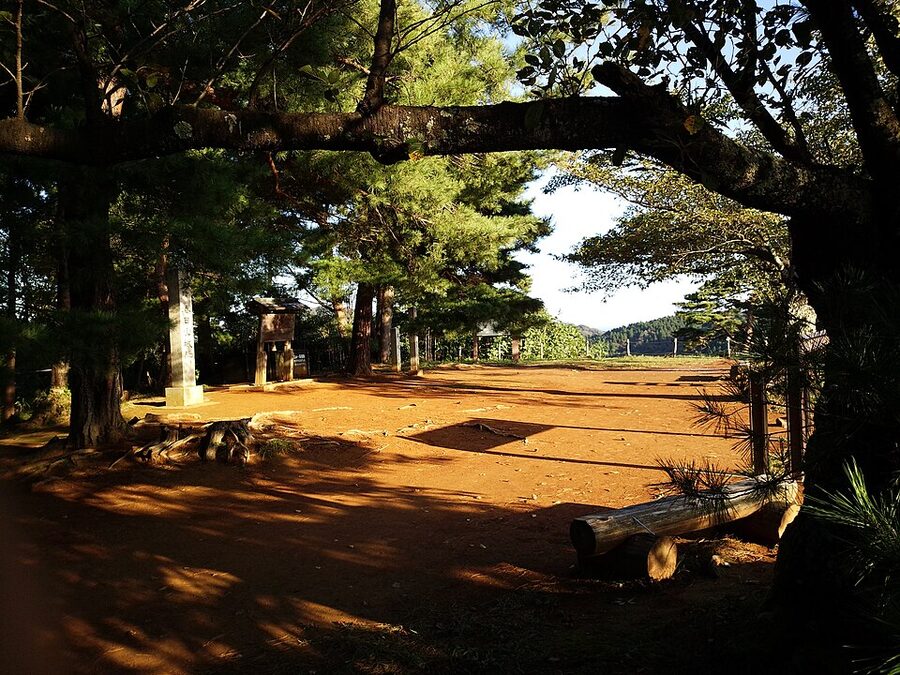
You enter from the base of the mountain, pay the small climbing fee at the information centre, and walk up. The hike to the summit is about forty-five minutes at a moderate pace. In good weather the honmaru has one of the best open views on the Hokuriku coast — the Sea of Japan to the north, the Myōkō mountains to the south, and Sado Island on the horizon when the weather cooperates. If you time your visit for the last weekend of August, the Kenshin-kō Festival (謙信公祭) stages a reenactment of the fourth Kawanakajima battle with a thousand-man parade that marches from the base of Kasugayama down through Jōetsu. It is the Niigata cultural event of the year.
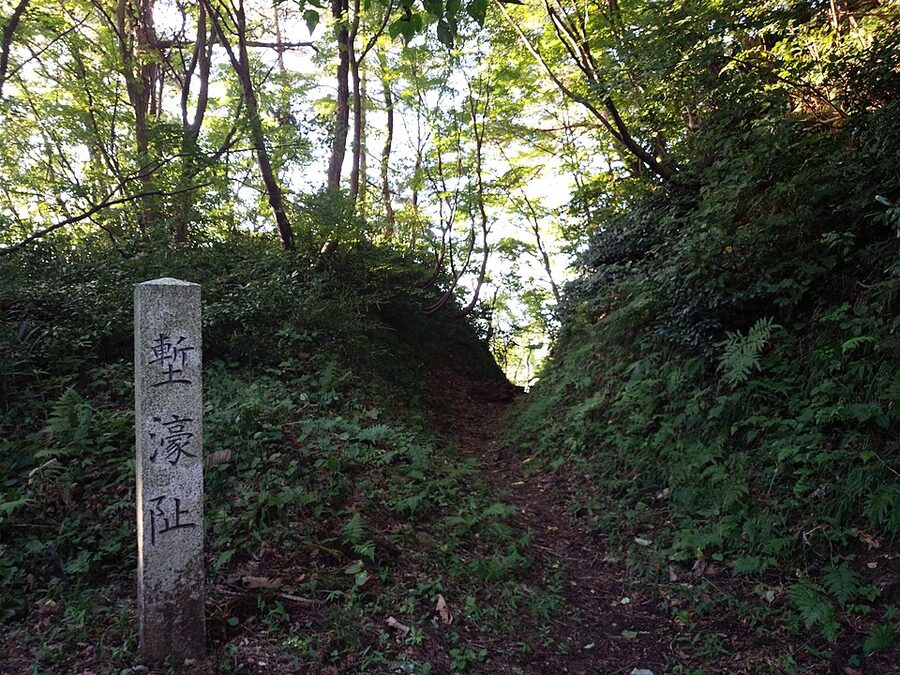
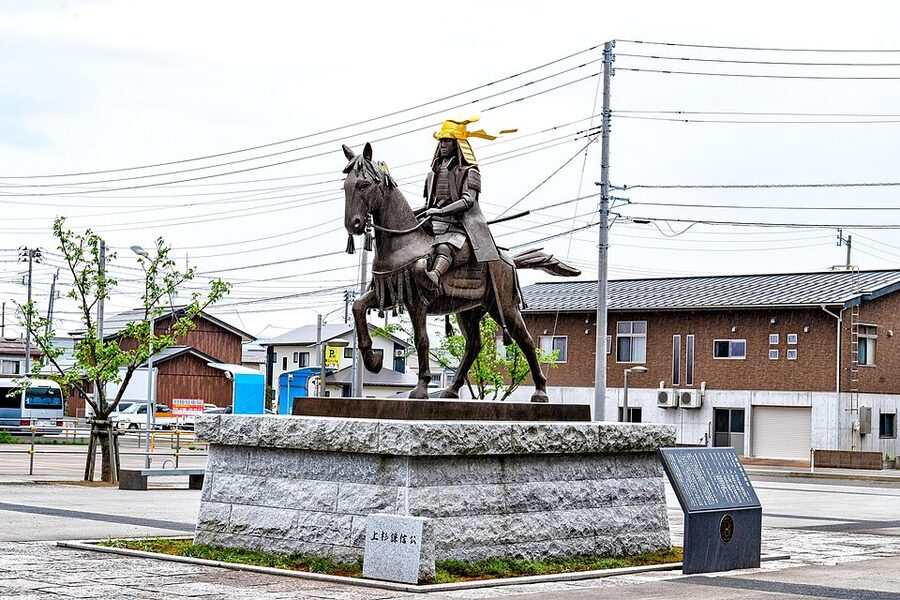
Access is from Takada Station on the Echigo Tokimeki line (about fifteen minutes by bus or taxi from the station to the castle base). From the Hokuriku Shinkansen, get off at Jōetsu-Myōkō and change to a local train; there is a bronze statue of Kenshin in front of Jōetsu-Myōkō Station that will tell you when you are in the right place. Allow four hours for a proper visit including the climb, the summit, and the small museum at the base.
2. Rinsen-ji temple and Kenshin’s grave — Jōetsu, Niigata
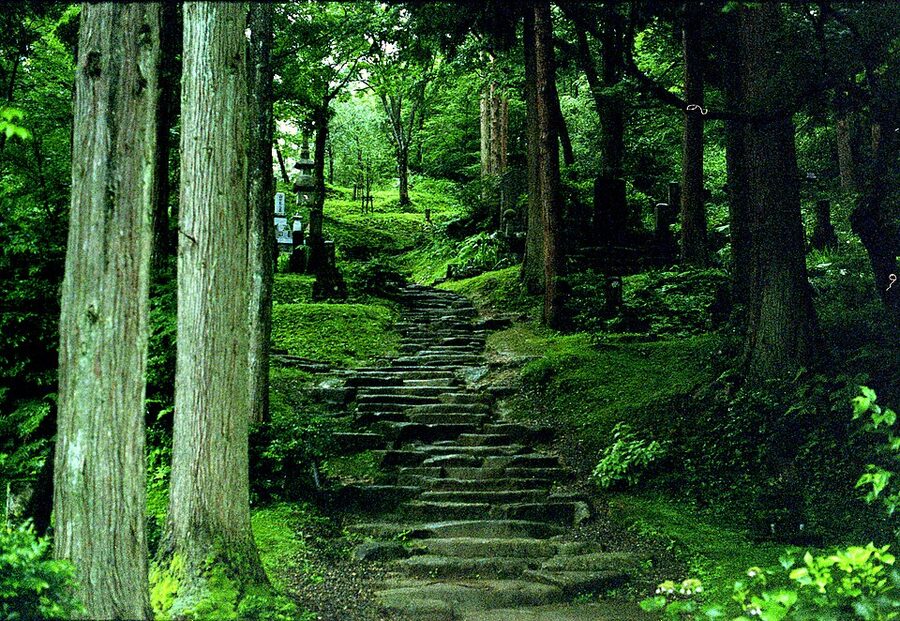
Rinsen-ji is the Sōtō Zen monastery at the foot of Kasugayama where Kenshin spent seven years as a boy and where his memorial stone now stands. It is on the same walking route as the castle ruins — if you come down from the summit on the western path you pass directly through the temple grounds on your way back into town. The main hall is a reconstruction; the side chapel with the Kenshin grave is original 16th-century fabric.
The temple keeps a small museum with a handful of objects associated with Kenshin and the Nagao clan: a battle drum, two banners, one of his letters to Kagekatsu, a set of reading-materials annotated in his hand. Everything is labelled in Japanese only. The abbot, if you ask at the office, will take you through the side chapel and the memorial garden in about twenty minutes. The donation is 300 yen. Allow an hour for the temple as a whole, longer if you want to sit in the garden, which I usually do.
3. Hachimanbara Historic Park and Kawanakajima — Nagano city
The site of the fourth Kawanakajima battle is now a preserved historic park — Hachimanbara Shiseki Kōen (八幡原史跡公園) — in the southern suburbs of Nagano city. The park has a small museum with battle diagrams, a scale model of the field, a bronze of the legendary Kenshin-and-Shingen single combat (Kenshin on horseback, sword raised; Shingen seated, war-fan across his head), and the Yamamoto Kansuke stone marking the approximate spot where Shingen’s strategist was killed.
The ground is almost disappointing. It is flat farmland now, bounded by the Chikuma on the north and the Sai on the south, and it is difficult to imagine the thirty thousand men of the 1561 battle in it until you notice the scale of the park and extrapolate outward. You will need a ground-level imagination. The monument in the centre is the Suwa-myōjin shrine, which was standing on the battle day and which both armies used as a navigational reference point through the fog. The shrine is original fabric. Allow two hours for the park.
Access is by local bus from Nagano Station (direction Kawanakajima-kosen), about twenty-five minutes. If you are coming through on the Hokuriku Shinkansen between Tokyo and Jōetsu you can do the park as a three-hour stopover and still make it home by evening. The battlefield is worth doing in parallel with the Takeda Shingen story; you stand on ground that is the central shared fact of both men’s biographies, and from this end of Nagano it is the closest the Japanese landscape comes to an argument both sides can still hear.
4. Uesugi Shrine and Yonezawa Castle grounds — Yonezawa, Yamagata
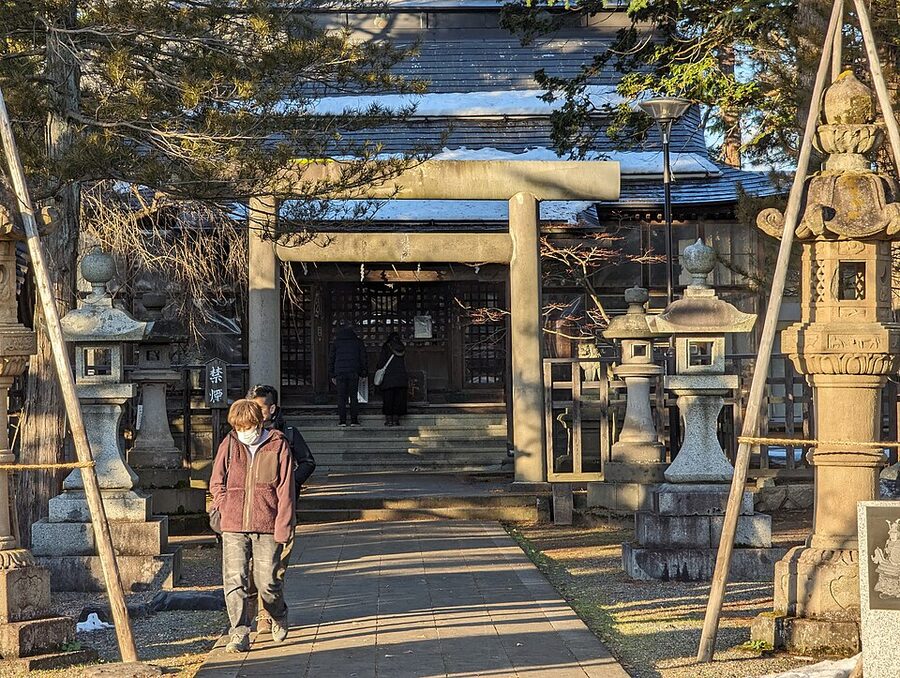
Yonezawa is the small mountain city in southern Yamagata where the Uesugi ended up after their post-Sekigahara domain reduction. It is about two hours north of Tokyo on the Yamagata Shinkansen from Tokyo Station; the shinkansen stops at Yonezawa Station, and the shrine is a ten-minute bus ride or a twenty-five-minute walk from there.
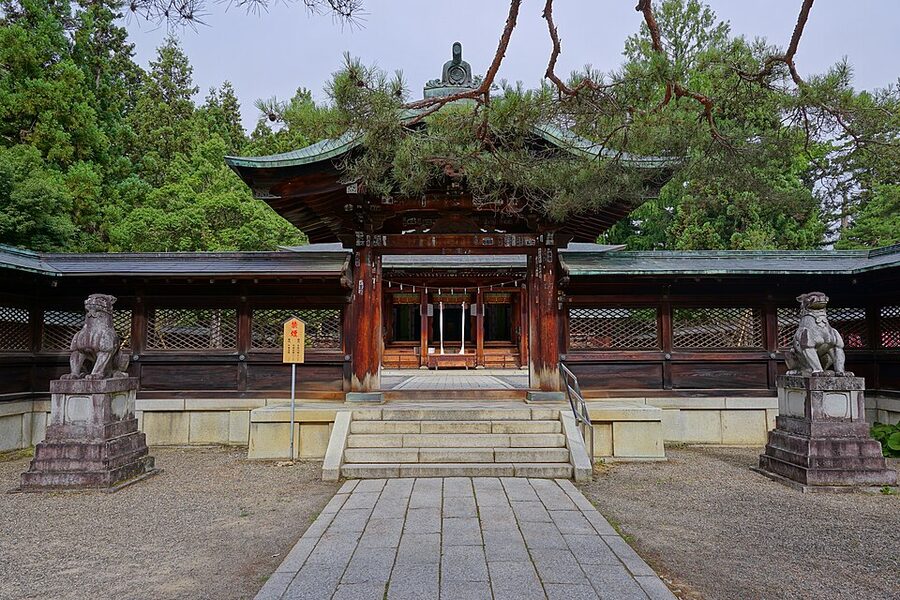
Uesugi Shrine (上杉神社) sits inside the old Yonezawa Castle inner bailey. The castle itself was dismantled in 1873 as part of the Meiji-era demolition of feudal strongholds, but the moat, the inner earthworks, and the bailey ground plan survive. The shrine was founded in 1872 and rebuilt after the 1919 fire. It is one of the very few Meiji-era warlord shrines that is formally dedicated to a Sengoku commander — most of the famous ones (Tōshō-gū for Tokugawa Ieyasu, Toyokuni for Hideyoshi) were Edo-period foundations. The Meiji government rehabilitating Kenshin specifically was an explicit political gesture about the kind of warrior-piety the new regime wanted to endorse.
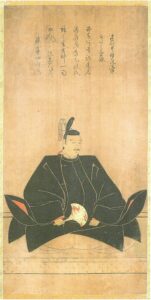
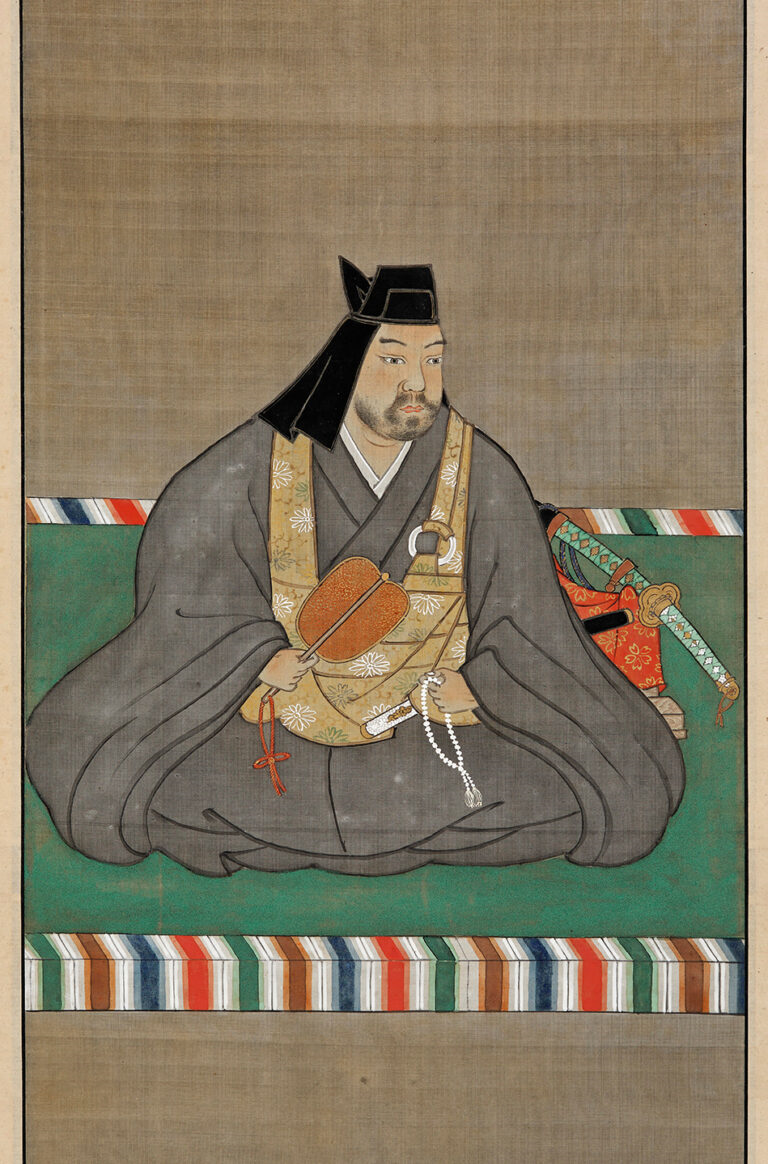
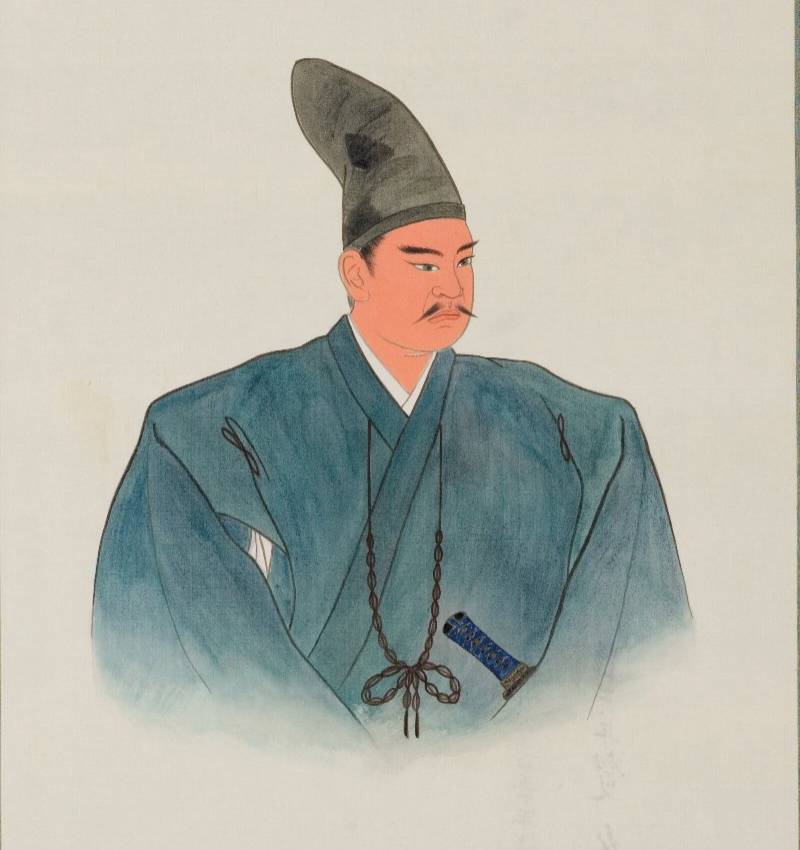
The shrine treasury (hōmotsuden) has the haramaki armour attributed to Kenshin, several sets of his calligraphy, the saddle he used at the fourth Kawanakajima battle (if you believe the attribution; I am agnostic), and a portrait scroll that is the original of the reproductions you will have seen in the Uesugi-related Wikipedia pages. Entry is 700 yen. Allow two hours.
5. Uesugi Kenshin mausoleum and Keishō-den — Yonezawa
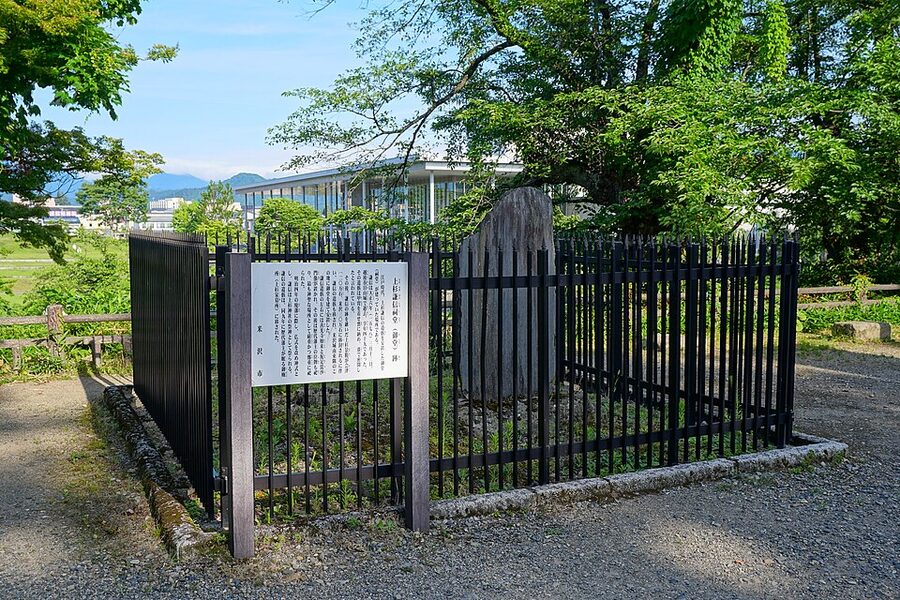
The mausoleum proper is the stone-walled chamber at the north-west corner of the inner bailey, separate from the shrine and entered from a side path. It holds the sealed cypress reliquary in which Kenshin’s embalmed body has been kept since the week after his death. The body was sealed in a seated posture, dressed in full armour, with sword and helmet, at Kasugayama in April 1578. It was moved to Aizu in 1598 and to Yonezawa in 1601 without the seal ever being broken. Whatever is in there is in there the way the Uesugi household of 1578 left it.
The mausoleum building is closed to the general public — you can see the platform and the approach wall, and on the two annual dates (Kenshin’s birthday in February and the anniversary of his death in April) the outer chamber is opened for prayer. The body itself is never shown. The Keishō-den (稽照殿) museum next door compensates by showing a great deal of Uesugi clan material: Kagekatsu’s portrait, Sekigahara-period correspondence between Kagekatsu and the western coalition, a complete set of the Uesugi banners, and the ceremonial armour of Naoe Kanetsugu, Kagekatsu’s chief retainer and the figure who effectively ran the Yonezawa domain through the first Edo generation.
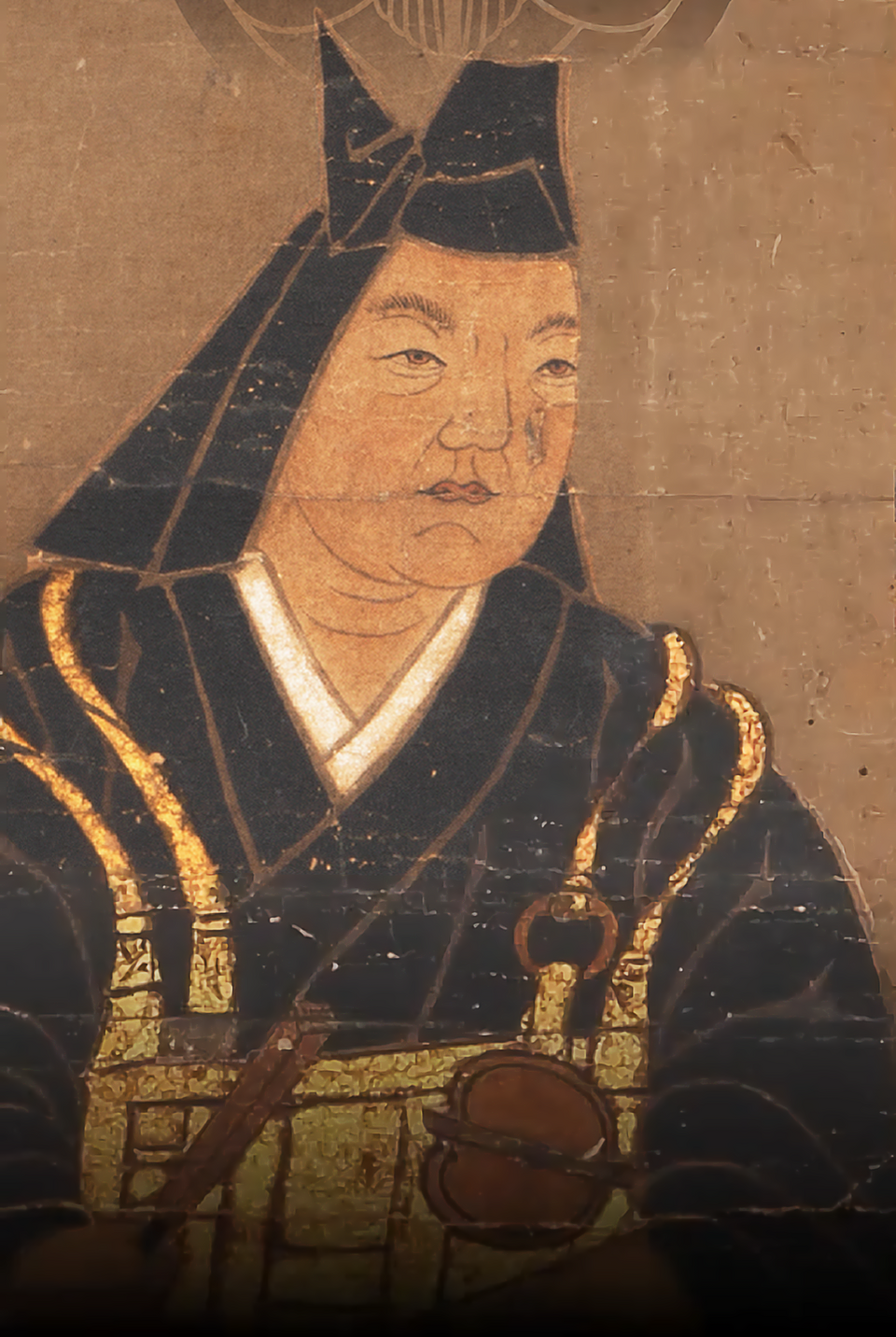
The Keishō-den entry is included in the shrine ticket if you buy the combined pass at the shrine entrance. Budget three hours for the mausoleum path, the museum, and the outer grounds; the grounds are laid out as an Edo-period daimyō garden and will reward slow walking.
The Salt, Four Hundred and Sixty Years Later
There is a formulation the Japanese still use when they want to commend a commercial rival for something: tekini shio wo okuru (敵に塩を送る) — “to send salt to your enemy”. It is not a phrase anyone uses casually. It means that you have extended a specific kind of grace to someone who was actively trying to destroy you, the grace that keeps the contest alive instead of ending it in the wrong way. Japanese business journalists still deploy the phrase in earnest when one company does something for a competitor that the competitor needed. The phrase comes from the autumn of 1567 and the opening of the Echigo salt ports. The man who opened them did not invent the formulation. He made it possible.
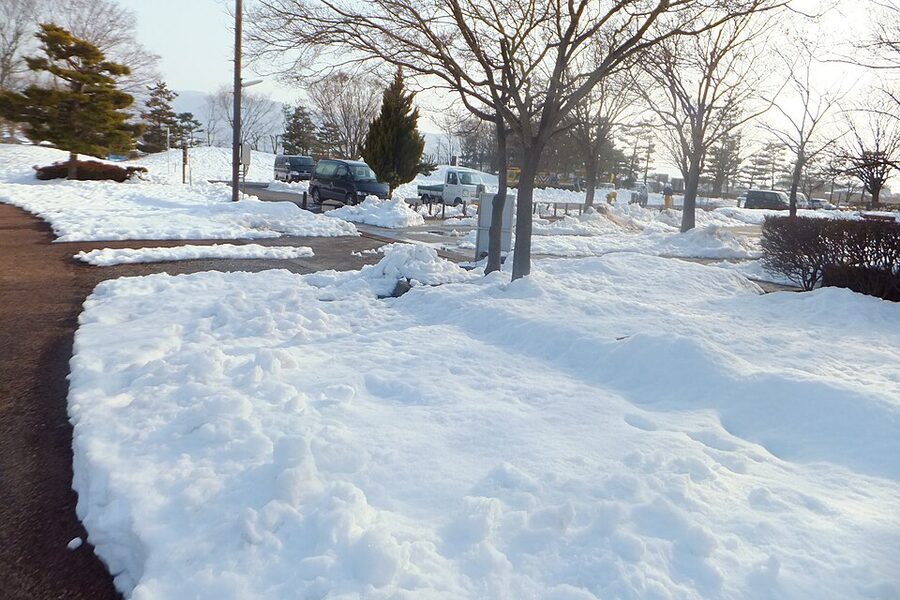
If you make the long drive up to Yonezawa in winter — and it really is a drive, or three hours each way on the shinkansen, and on a bad weather day the mountains around Yonezawa are cut off from the Pacific coast by the kind of snow you would expect in Norway — go to the mausoleum platform first. Walk the garden around it. Then go back to the shrine and look at the haramaki armour in the treasury. Then sit at one of the restaurants on the shrine approach and order the local Yonezawa beef, which is one of the three finest beefs in Japan, and is there because Kenshin’s successors brought Echigo cattle with them in 1601. The nabe is good. The sake is better. The province, four hundred and twenty-five years after the founder was moved into it, has learned to keep him fed.