The last thing Sakamoto Ryōma asked for was chicken. On the evening of 15 November 1867 by the old lunar calendar, nursing a cold in an upstairs room in Kyoto, he announced that he was hungry and sent the bookseller’s boy out into the night to buy shamo, the lean fighting-cock meat that people from Tosa like in a hotpot. The boy came back with the meat at about nine. By then the men who had climbed the stairs had already gone, and Ryōma was dying on the tatami with his forehead cut open.
It was his birthday. He was thirty-three by the Japanese count, thirty-one by Western reckoning. Every year on that date, at his grave on the hill above Higashiyama, Kōchi people living in Kyoto cook a pot of shamo with meat sent from the home village of the friend who died with him, and they put the first ladle of broth on the grave before they serve anybody else.
I like that ritual more than most of what has been built on Ryōma since. He is the best-loved man of the Bakumatsu, the fifteen-year collapse of the Tokugawa order, and much of what people love about him was written decades after his death by novelists who needed a hero. What the record shows is stranger and more useful: a fixer, a talker and a shipping man who carried other people’s messages at exactly the moment the messages mattered.
In This Article
- Samurai swords, merchant money
- Black ships, a painter and a party of loyalists
- The man who came to kill Katsu Kaishū
- A company in a potter’s house
- Six articles in Komatsu’s house
- Two in the morning at the Teradaya
- The Kaientai, the Iroha-maru and a song
- What Ryōma actually wrote
- The second floor of the Ōmiya
- Who did it
- Making a hero
- Where to find Sakamoto Ryōma today
- Kamimachi, Kōchi: the birthplace and the hometown museum
- Katsurahama and the Sakamoto Ryōma Memorial Museum
- Nagasaki: the Kameyama Shachū and Ryōma-dōri
- Fushimi: the Teradaya
- Kawaramachi: the Ōmiya site
- Ryōzen: the grave and the museum
- A pot of shamo
Samurai swords, merchant money
Ryōma was born on the fifteenth day of the eleventh month of Tenpō 6, which works out as 3 January 1836, in Honchō 1-chōme in the castle town below Kōchi Castle. Tosa split its samurai with unusual rigour into upper retainers, the jōshi, and lower ones, and the Sakamoto were firmly in the lower band: gōshi, country samurai. They were also rich. The family was a branch of the Saitaniya (才谷屋), a merchant house that ran a pawnshop, a sake brewery and a kimono business, and in Ryōma’s great-grandfather’s day one of its sons had in effect bought his way into the warrior class.
So the boy grew up with a samurai’s swords and a merchant’s money, in a domain that never let him forget which of the two counted. That double inheritance explains a good deal later on. When Ryōma needed a false name in his last years, he chose Saitani Umetarō, after the shop.
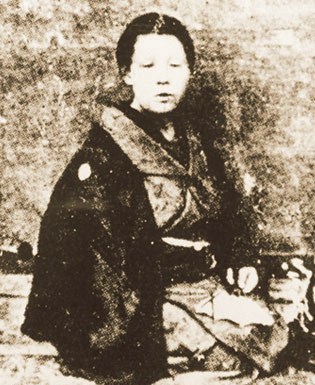
He was not a promising child. Family stories have him crying easily, dropping out of his first school, and wetting the bed until he was twelve. His mother Kō died when he was ten, and he was raised by his sister Otome, three years older, a big woman with a temper and a talent for the naginata who is said to have beaten him at foot-wrestling until the family pulled them apart.
What changed him was the sword. At the Hineno dōjō of the Oguri-ryū in Kōchi he became, in one old pupil’s memory, the boy who would not stop, knocked flat and bouncing up for another bout. In 1853, at seventeen, the domain let him go to Edo at his own expense to train under Chiba Sadakichi, younger brother of the founder of the Hokushin Ittō-ryū.
English-language accounts usually say he took a full licence in the school. The one certificate that survives, dated the first month of 1858, is for its naginata curriculum, not its swordsmanship. Everyone who met him agreed he was strong, and he carried good blades and wrote about them (my guide to Japanese swords explains why that mattered), but like much about Ryōma, the tidy version came later.
Black ships, a painter and a party of loyalists
He reached Edo in the spring of 1853, and on the third day of the sixth month Perry’s black ships anchored off Uraga. Ryōma was called up to guard Tosa’s residence at Shinagawa and wrote home that if it came to war he would bring back a foreigner’s head. That winter he enrolled with the gunnery scholar Sakuma Shōzan, whose classes ended when Sakuma was jailed in 1854 over his pupil Yoshida Shōin’s attempt to stow away on an American ship.
Back in Kōchi, the man who opened his eyes was a painter. Kawada Shōryō had interviewed John Manjirō, the Tosa fisherman shipwrecked as a boy and raised in Massachusetts, and he told Ryōma that the future lay in ships and trade. He also introduced him to Kondō Chōjirō and Nagaoka Kenkichi, who would follow him into both.
Ryōma’s politics were the standard loyalist creed of the late Edo years, sonnō jōi, “revere the emperor, expel the barbarians”. When the great elder Ii Naosuke was cut down outside the Sakurada gate of Edo Castle in 1860, the news ran through Tosa’s lower samurai like a fever. The next year his kinsman Takechi Hanpeita founded the Tosa Loyalist Party, the Tosa Kinnōtō, and Ryōma signed on.
English-language accounts often give the party about two thousand members. Japanese sources count 192 signatures on Takechi’s roll, Ryōma’s the ninth and the first from inside Tosa. Takechi wanted the whole domain to move as one, under its lord, toward the emperor, and Ryōma did not have the patience.
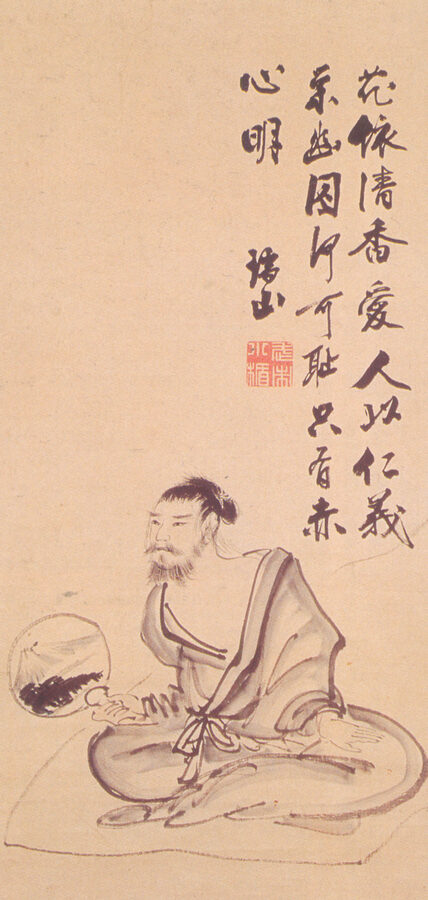
In the tenth month of 1861 he left Kōchi on the pretext of sword training at Marugame, whose walls you can still climb (see Marugame Castle), stopped for a bout at a dōjō in Uwajima, and went on to Chōshū to meet the radical Kusaka Genzui. Then, on the twenty-fourth day of the third month of 1862, he left Tosa for good without permission. This was dappan, which made him a criminal and put his family at risk.
A story has his brother Gonpei hiding his swords and Otome slipping into the storehouse to give him the family’s best blade. Two weeks after he left, the domain’s chief minister Yoshida Tōyō was murdered, almost certainly by men of Takechi’s party, and Ryōma learned that he was among the suspects.
The man who came to kill Katsu Kaishū
The best-known scene in Ryōma’s life is the one in which he goes to kill Katsu Kaishū, the shogunate naval officer who had commanded the Kanrin Maru across the Pacific in 1860 and who argued for a navy and open ports. In the story the young swordsman arrives with murder in mind, Katsu talks to him about the world, and Ryōma is so ashamed that he becomes Katsu’s disciple on the spot.
Katsu told that story himself, in 1890, which is the trouble with it. Ryōma came to him on the ninth day of the twelfth month of 1862 with a letter of introduction from Matsudaira Shungaku, the former lord of Fukui, which is not how assassins usually arrive. Katsu’s diary suggests Ryōma was already his pupil when the swordsman Chiba Jūtarō called later that month, and most Japanese historians now treat the dramatic version as an old man’s improvement.
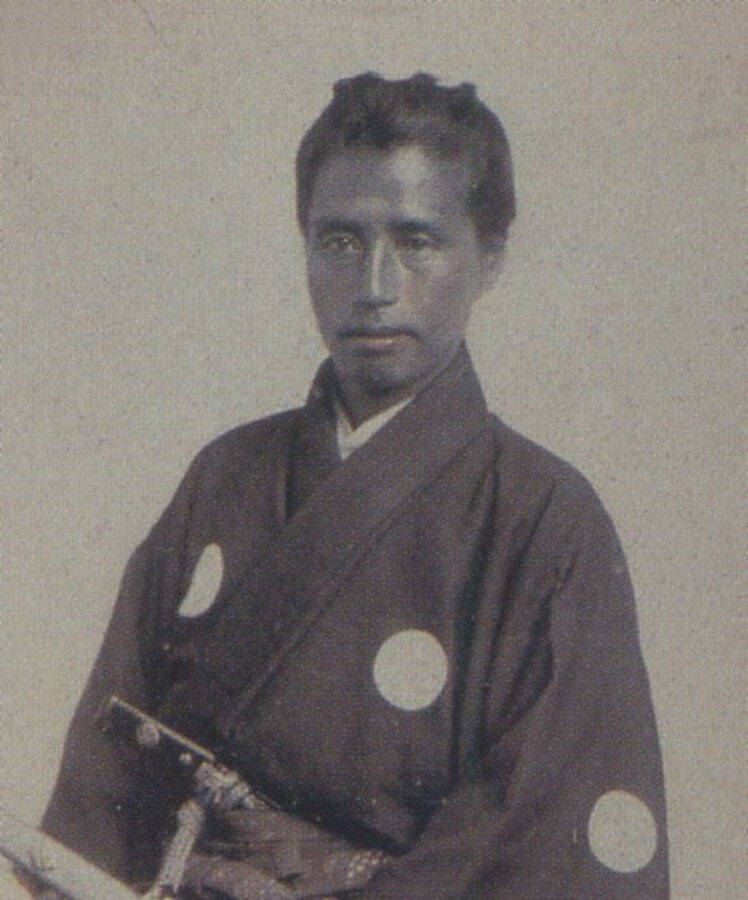
Whatever happened in the doorway, the conversion was real. In the fifth month of 1863 Ryōma wrote to Otome that he was now the favoured disciple of “the great teacher Katsu Rintarō” and was walking about with his nose in the air. The letter ends “ehen, ehen“, the noise of a man clearing his throat to show how important he is, and it is the funniest document of the Restoration.
Katsu got Ryōma pardoned and put him to work on a naval school at Kobe, approved after the young shogun Iemochi took a trip on a steamship in 1863. When the shogunate’s grant proved too small, Ryōma went to Fukui and borrowed a thousand ryō from Shungaku, and in the tenth month he became head of Katsu’s private school.
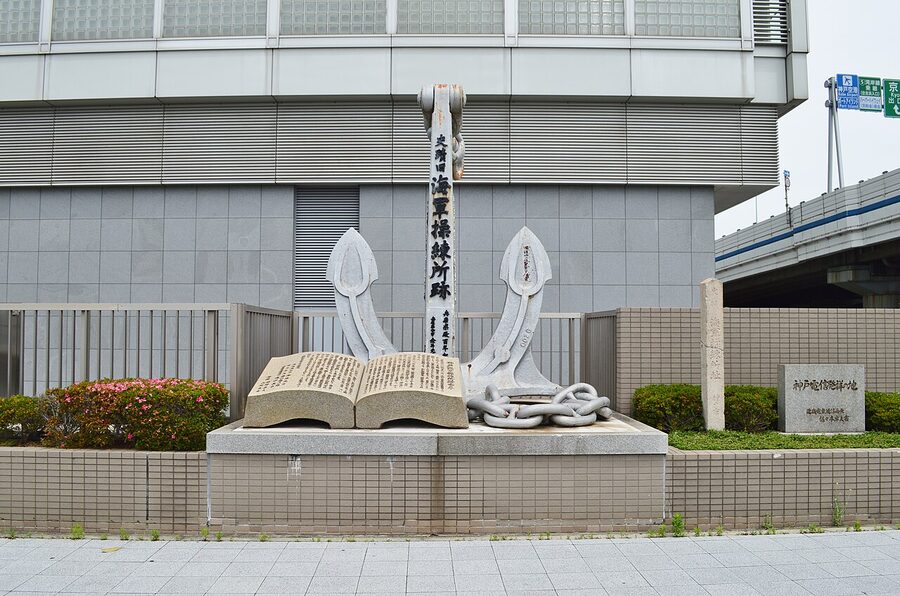
In the summer of 1863 he wrote the line people still quote, that the corrupt officials helping foreign warships should be beaten in a single battle so that Japan could be “washed clean once more”. It was still a loyalist’s sentence. But his instruments were changing from the sword to the ship.
Through Katsu he met Saigō Takamori of Satsuma in 1864, and his verdict has become a Japanese proverb: Saigō was a great temple bell, ringing softly if you strike it softly and loudly if you strike it hard. (My piece on Saigō Takamori follows the bell to its end in 1877.)
Then the school came apart. One of its students died at the Ikedaya inn, where the Shinsengumi broke up a loyalist meeting in 1864, and another joined Chōshū’s failed attack on the palace a month later. Katsu was recalled and dismissed, and before he left he asked Komatsu Tatewaki, a senior elder of Satsuma, to look after his Tosa boys.
A company in a potter’s house
Satsuma wanted the Tosa men because they could sail. In 1865 Komatsu brought a group of them to Nagasaki, where they rented a house on the slope at Kameyama, on the site of a kiln that had stopped making Kameyama ware that same year. They called themselves simply the shachū, “the company”, and history calls them the Kameyama Shachū.
The standard story makes it Japan’s first trading company, a joint-stock venture founded by Ryōma that ran guns and brokered peace. Japanese historians have spent the last fifteen years taking that apart. Ryōma may not even have been in Nagasaki when it formed, and the historian Machida Akihiro describes the early company as a band of Tosa runaways sailing Satsuma’s ships on Satsuma’s orders.
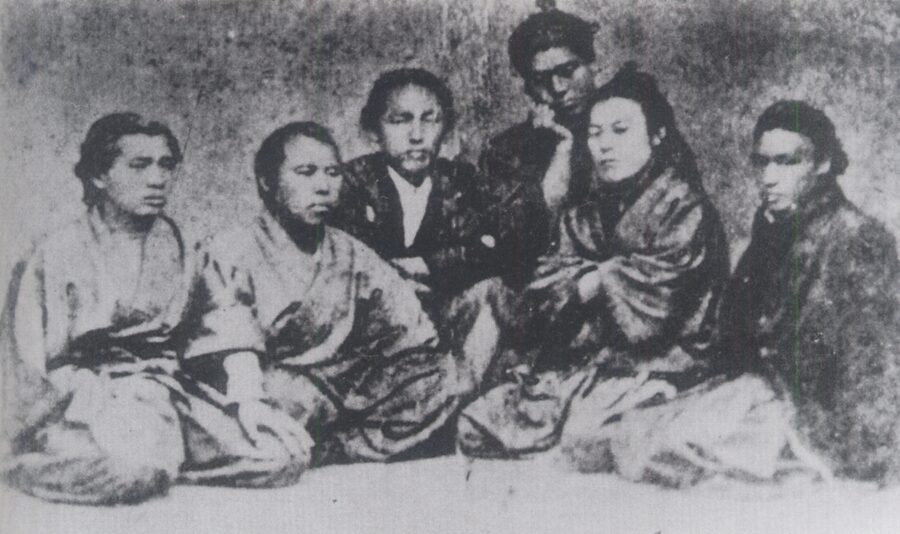
It mattered anyway, because Satsuma and Chōshū hated each other. Satsuma had helped throw Chōshū out of Kyoto in 1863 and beat it at the palace gates in 1864, and some Chōshū men wrote “Satsuma traitors, Aizu villains” on the soles of their clogs to tread on all day.
The shogunate had banned foreign merchants from selling arms to Chōshū. Satsuma could buy them, and needed rice. The idea that Satsuma should buy guns in its own name for Chōshū and take rice in return is credited to Ryōma, and in 1865 some 4,300 Minié rifles and 3,000 older Gewehr muskets went from Thomas Glover’s firm in Nagasaki to Chōshū under Satsuma’s name.
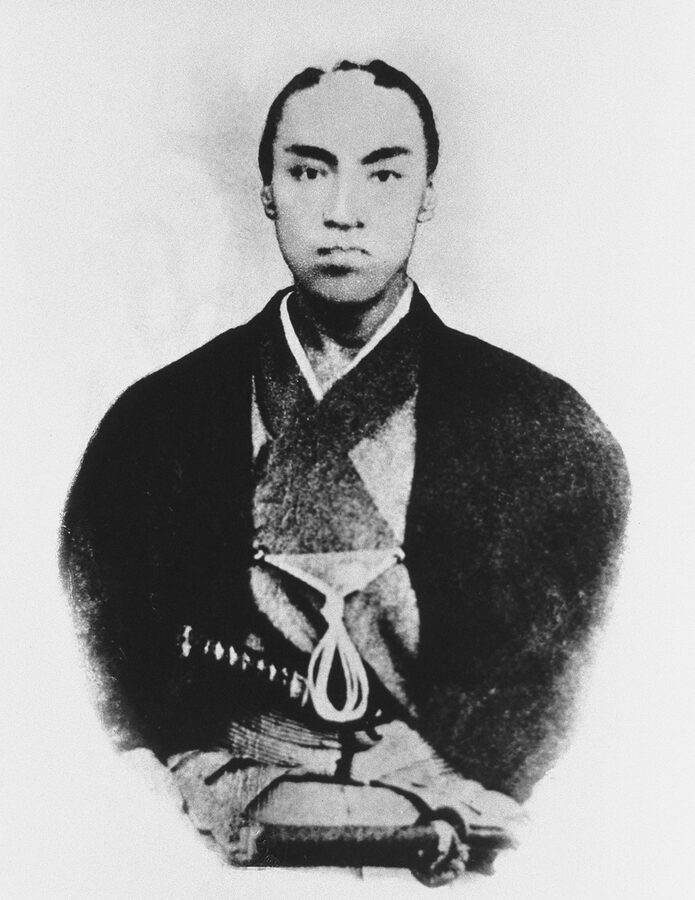
How much the company did is disputed: Chōshū’s Itō Hirobumi later said he bought the guns directly from the foreigners. Kondō Chōjirō bought a British-built steamer, the Union, in Satsuma’s name for Chōshū, then quarrelled with Chōshū over who controlled it. In the first month of 1866 he was found planning to go secretly to Britain to study, and his comrades made him kill himself. Ryōma, away in Kyoto, wrote that Kondō had cleverness but not sincerity.
Six articles in Komatsu’s house
The diplomacy had a farcical start. In the intercalary fifth month of 1865 Ryōma and Nakaoka Shintarō, a fellow Tosa runaway, talked Chōshū’s Katsura Kogorō into meeting Saigō at Shimonoseki. Katsura and Ryōma waited. Saigō never came, having been called away to Kyoto, and Nakaoka turned up alone in a fishing boat, looking, as one account has it, quite dazed.
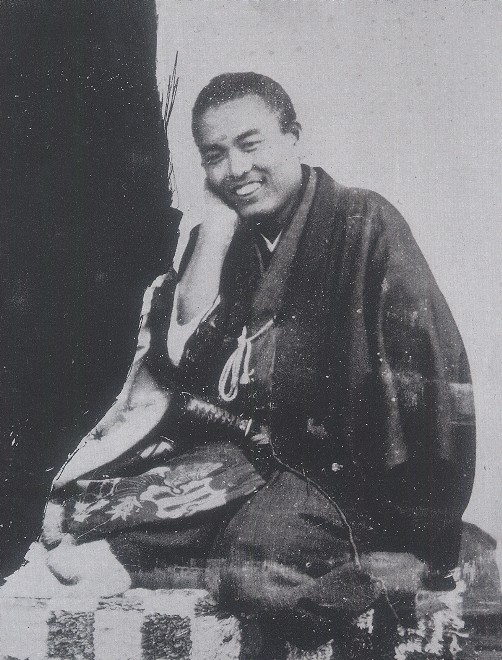
It took until the first month of 1866. From the eighth day Katsura sat with Saigō and Komatsu at Komatsu’s Kyoto residence, and nothing happened, because neither side would be the first to ask. When Ryōma arrived on the twentieth, Katsura told him Chōshū could not bow any lower. Then Satsuma put six articles on the table, and Katsura accepted them.
Japanese accounts settle on the twenty-first or twenty-second day of the month, early March by the Western calendar. The six articles are a mutual-defence promise in all but name: Satsuma would send troops to Kyoto and Osaka if the shogunate attacked Chōshū again, and work at court to clear Chōshū’s name.
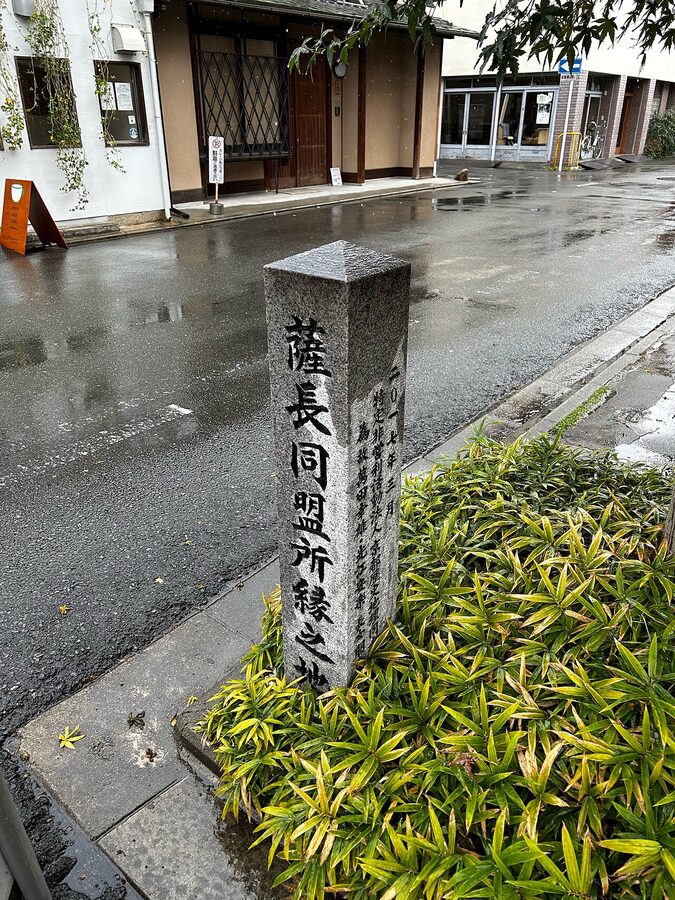
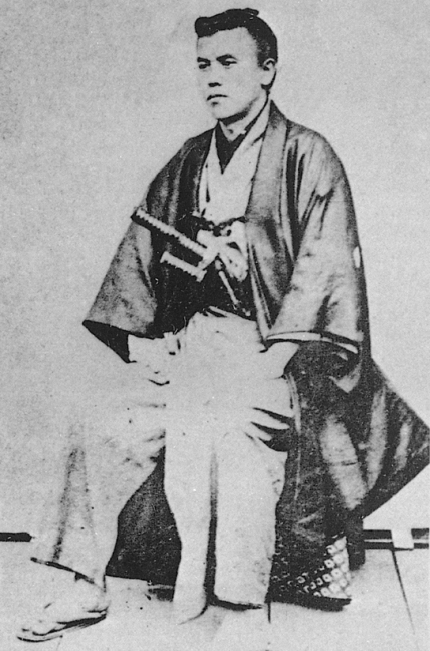
The best evidence of Ryōma’s role came next. Katsura, afraid Satsuma would later deny what had been said, wrote the articles out from memory in a letter to Ryōma and asked him to confirm them. Ryōma wrote on the back, in red ink, that they were exactly what had been discussed in front of Komatsu, Saigō, Katsura and himself, with “not a hair’s difference”. The letter survives in the archives of the Imperial Household Agency.
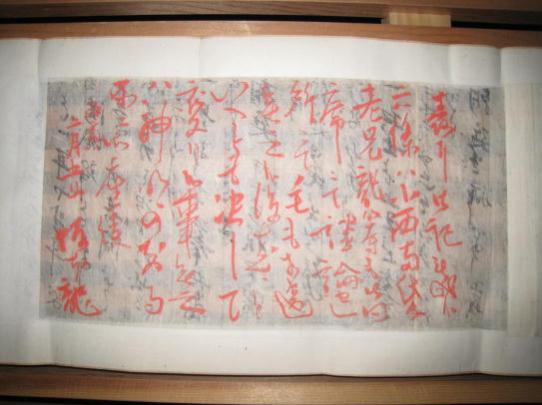
So Ryōma was in the room, and both sides trusted him. Whether he made the deal is another matter: the historian Aoyama Tadamasa and others argue that he acted on Satsuma’s instructions and that Komatsu and Saigō did the real work. I think the red ink settles the narrow question and leaves the big one open. He was the man each side used to keep the other straight, which is not the same as being the architect, and is not nothing.
Two in the morning at the Teradaya
Ryōma went back to Fushimi to celebrate, at the Teradaya, a boat inn on the river where the Osaka passenger boats tied up, run by a widow called Otose who mothered him. With him was his bodyguard Miyoshi Shinzō, a spearman from Chōshū’s branch domain of Chōfu. The Fushimi magistrate, told that a masterless man was posing as a Satsuma retainer there, sent about thirty constables.
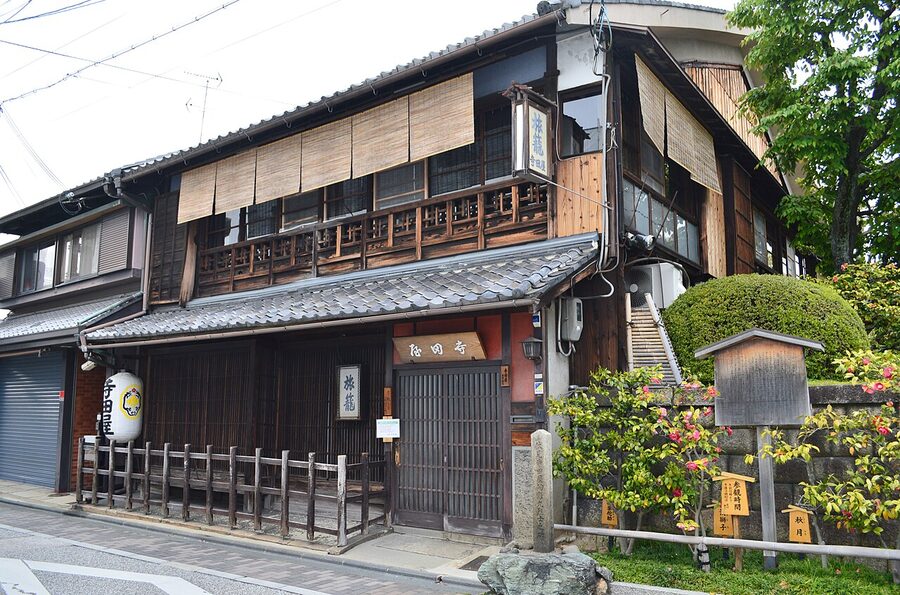
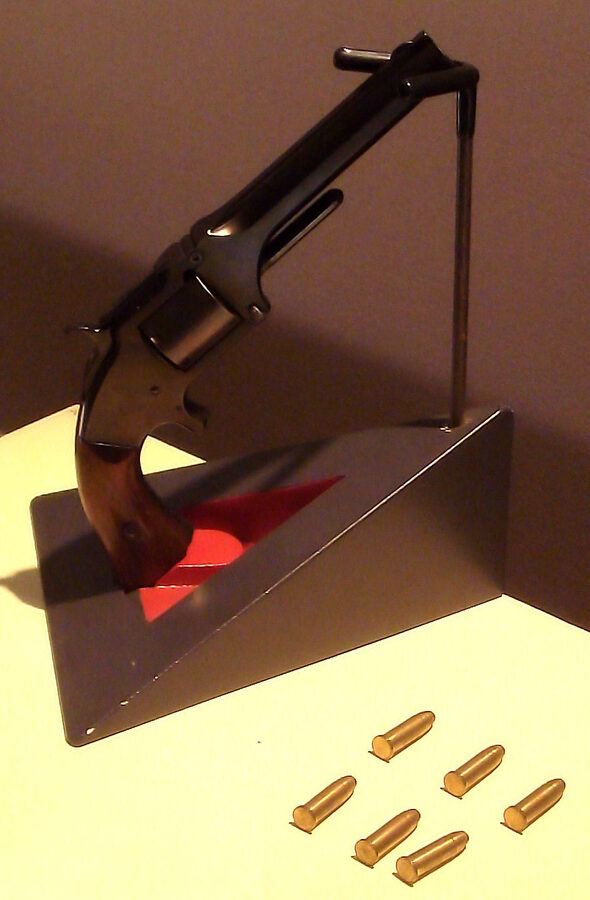
In the small hours after the twenty-third, at about two o’clock, a young woman named Oryō was in the bath downstairs when she saw torches and spears outside. She ran up the back stairs, in little more than a thin robe by Ryōma’s own account, to warn the two men. Ryōma fired a revolver that the Chōshū commander Takasugi Shinsaku had given him, and Miyoshi held the stairs with a spear.
They killed two constables. Ryōma had both thumbs cut by a sword aimed at his gun hand and could not reload, and Oryō shifted a tub of pickles from the back door. They got out through the neighbouring houses, Ryōma hid in a timber yard, and Miyoshi ran to the Satsuma residence, which sent a boat for him.
Older books put the Shinsengumi at the Teradaya, which is wrong; the magistrate’s court title happened to match that of Aizu’s lord. The two dead constables matter more, as you will see.
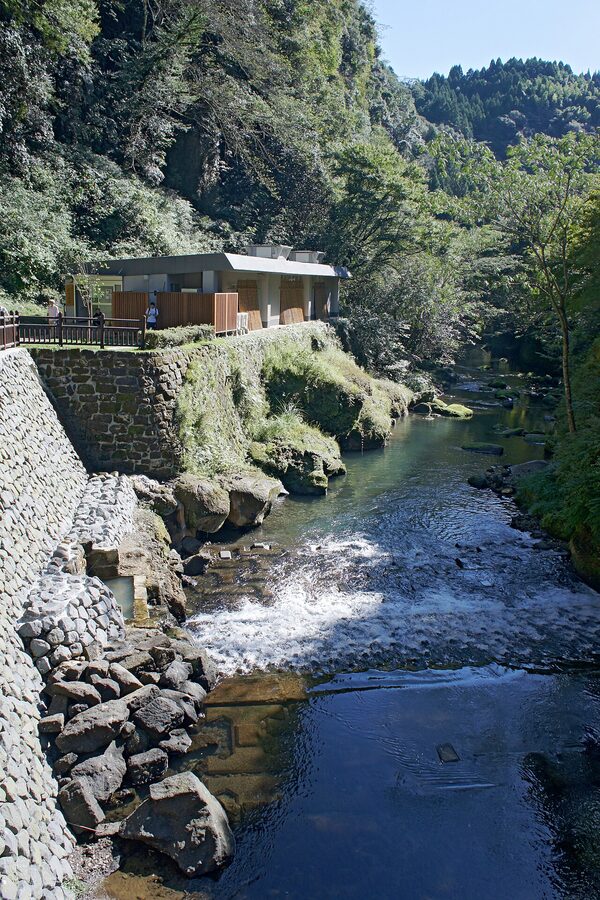
Oryō, the daughter of a Kyoto doctor fallen on hard times, had met Ryōma in 1864, and by her later memory they had married that summer. Saigō sent the injured Ryōma to recover in the hot springs of Kirishima, and she went too. They spent eighty-three days in Satsuma, climbing the mountains and shooting birds with the revolver, and Kagoshima cheerfully claims the trip as the first honeymoon in Japanese history.
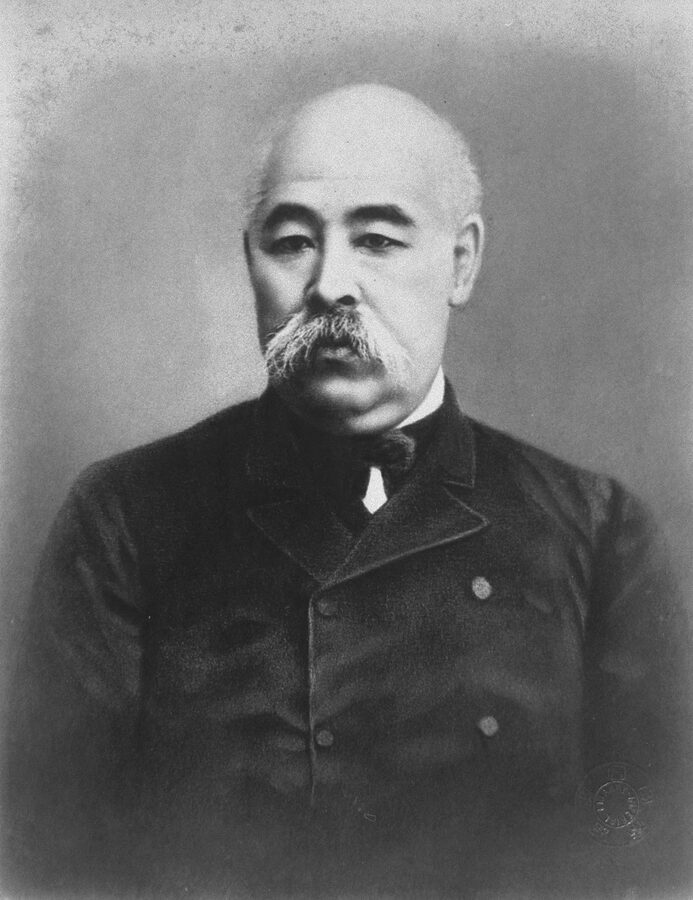
That summer the shogunate sent more than a hundred thousand men against Chōshū, and Ryōma got the only battle of his life, commanding the Union in Takasugi’s crossing to attack Kokura on the seventeenth day of the sixth month. Afterwards he sent his brother a letter with a battle map. “In general,” he wrote, “what people tell you and what really happens are different, but war is something else again.”
The shogun Iemochi fell ill at Osaka Castle and died there in the seventh month, aged twenty, and the campaign was abandoned. Chōshū had won. The alliance Ryōma witnessed had held under fire.
The Kaientai, the Iroha-maru and a song
The company was broke. A sailing ship bought with Satsuma’s help, the Wild Wave, went down in a storm in the fifth month of 1866 with twelve men, and the Union was now Chōshū’s. Ryōma wrote to Miyoshi that he had laid off his sailors but most of them would not leave.
Rescue came from the domain he had fled. Tosa’s minister Gotō Shōjirō, a relative by marriage of the murdered Yoshida Tōyō, was in Nagasaki buying guns, and the two met at the Seifūtei restaurant in the first month of 1867. Gotō pardoned Ryōma, took the company under Tosa’s wing, and in the fourth month it became the Kaientai, the “ocean support corps”.
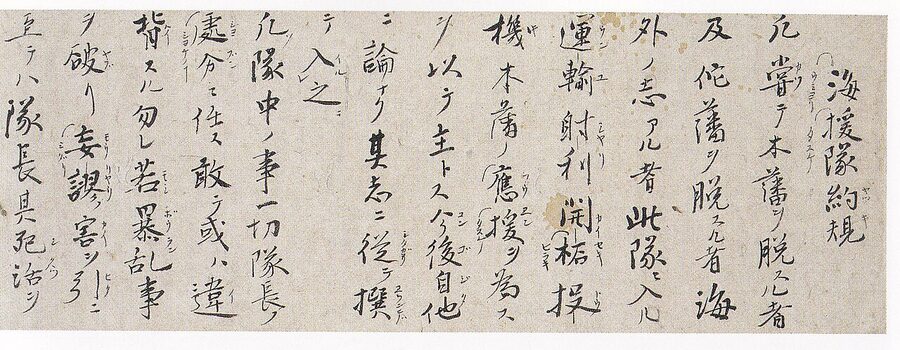
The corps’ rules say it all. Anyone who has left Tosa or another domain, or who is interested in overseas enterprise, may join; its business is transport, profit, speculation, colonisation and helping Tosa; and the captain may punish a breach with death. “Profit” is the word that startles Japanese readers.
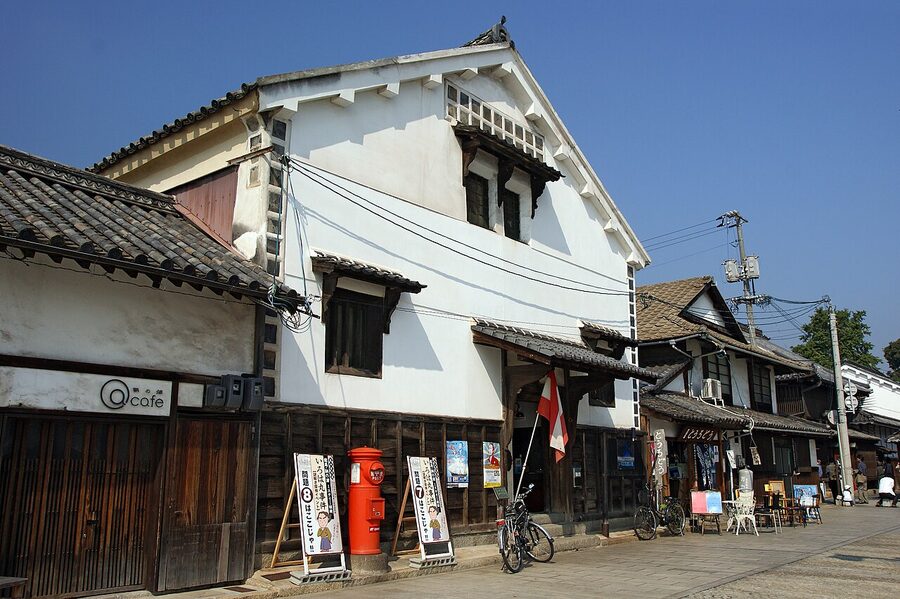
Tosa’s agent in Nagasaki, Iwasaki Yatarō, the future founder of Mitsubishi, noted the Kaientai men coming round for money as a regular nuisance. Then the corps lost its first chartered steamer. On the night of the twenty-third day of the fourth month of 1867 the Iroha-maru was rammed and sunk off Tomo-no-ura in the Inland Sea by the much bigger Meikō-maru of Kii, a senior Tokugawa house.
Ryōma’s handling of the case shows how he worked. He cited the “law of nations”, which he had been reading in translation, blamed Kii’s watchkeeping, and put about a song in Nagasaki’s teahouses saying Kii would pay for the ship not in money but in its province. Kii agreed to pay 83,526 ryō, including four hundred Minié rifles Ryōma said were aboard, later cut to 70,000. The divers who surveyed the wreck have reported no rifles.
His contemporaries describe a man who was easy with women (the Nagasaki teahouse women called him “Sakamoto-san” partly because the rough men behaved when he was there), scruffy in a silk kimono worn open at the chest, and a slow talker who let everyone else speak and then held forth for an hour. His friend Sasaki Takayuki said he would say whatever the moment needed and see no contradiction in it.
Sasaki left one lovely story. Ryōma proposed one night that they import Christianity to make trouble for the shogunate; they argued until late and then realised neither had the faintest idea what Christianity was, and went to bed laughing. (Readers of my pieces on Christianity in Japan and the hidden Christians will know the faith needed no help from Ryōma to make trouble.)
What Ryōma actually wrote
In the sixth month of 1867 Ryōma and Gotō sailed from Nagasaki for Kyoto on the Tosa steamer Yūgao. On board, so the story goes, Ryōma laid out eight points, written down by Nagaoka Kenkichi: return power to the court; two houses of assembly and decision by public debate; able men in government; revised treaties; a code of law; a bigger navy; an imperial guard in the capital; and a fair exchange rate for gold and silver.
This is the Senchū Hassaku, the “eight-point plan aboard ship”, usually presented as the seed of the Charter Oath of 1868 and of Japan’s parliament, and English-language accounts still treat it as a document Ryōma wrote. The trouble is that nobody has ever seen it. There is no original, the surviving texts disagree, and none of the people best placed to know mentioned it.
In 2013 the researcher Chino Fumiya traced how it was built. A biography by Ryōma’s great-nephew in 1896 had Ryōma give Gotō an eleven-point proposal in Kyoto, three points “unknown”; the journalist Sakazaki Shiran made it eight around 1897 and put the two men discussing it on the voyage in 1909. The phrase “Senchū Hassaku” first appears in a lecture of 1916, and the shipboard scene became accepted fact with Hirao Michio’s book of 1929.
What does survive, in Ryōma’s own hand, is a shorter sheet written in the eleventh month of 1867, after power had been handed back: the Shinsei Fukōryō Hassaku, “eight points for a new government”. Two autograph copies exist, one in the National Diet Library and one in a Shimonoseki city museum. Their content overlaps heavily with the legendary eight points, which is the likeliest explanation of where the legend got them.
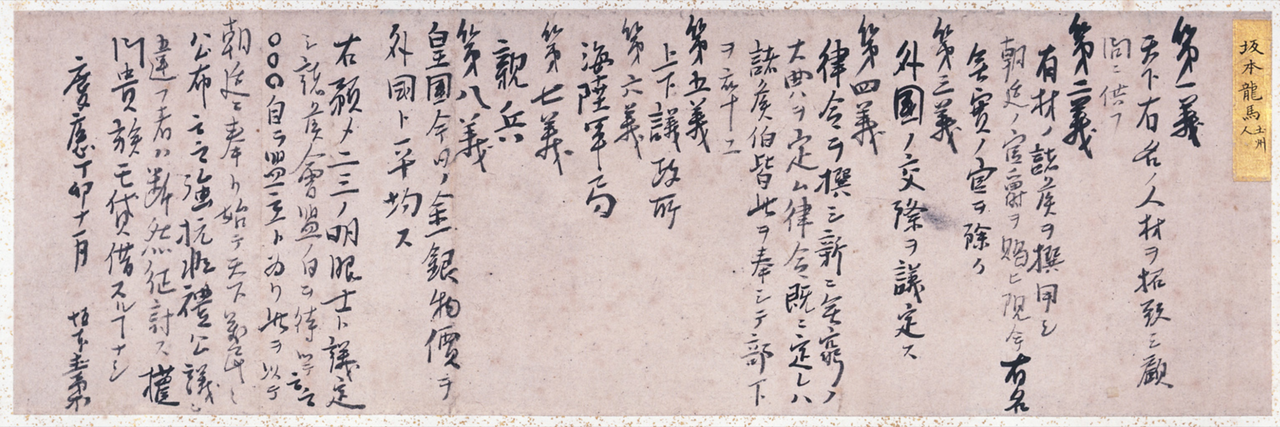
None of this means he had nothing to do with handing power back. The idea of the shogun returning his authority and becoming one great lord among many was not his; the shogunate’s Ōkubo Ichiō had argued it for years. But Chino and Machida both think Ryōma probably pressed it on Gotō, and helped shape the summary of principles Gotō showed Satsuma that summer.
Gotō carried it. Tosa formally petitioned the shogunate on the third day of the tenth month, and on the thirteenth Tokugawa Yoshinobu called the domains’ senior retainers to Nijō Castle. Ryōma wrote to Gotō that if the shogun refused and Gotō did not come out alive, he and the Kaientai would wait for Yoshinobu in the street. “We will meet underground,” he wrote.
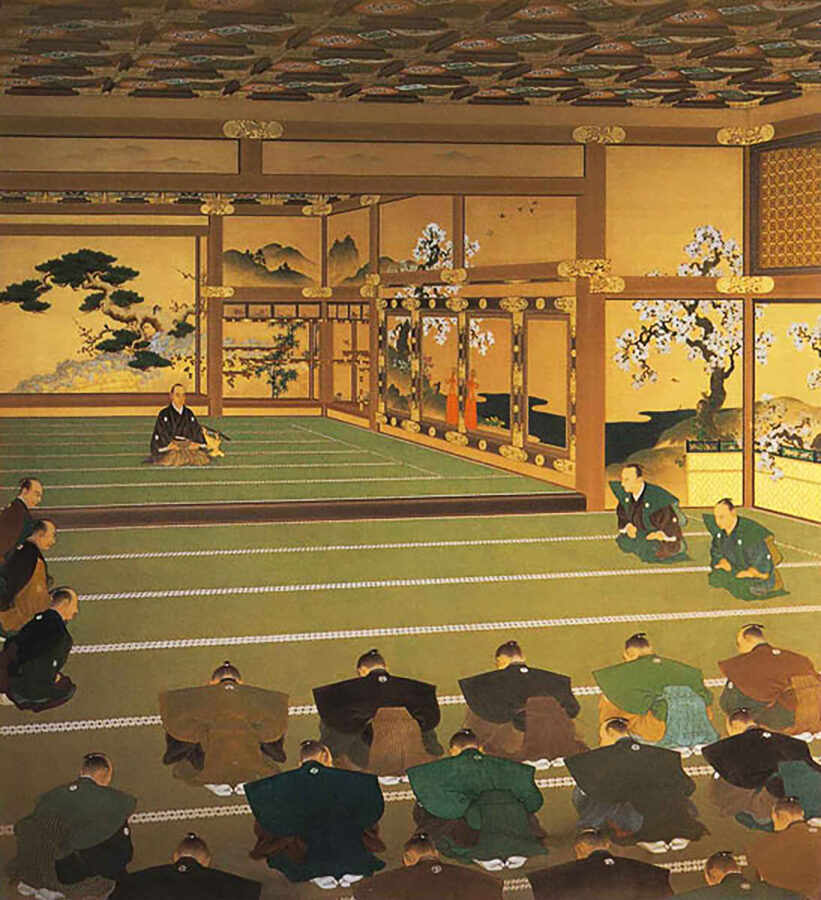
Yoshinobu’s petition was accepted on the fifteenth. Ryōma was no pacifist: he had just run more than a thousand rifles to Tosa, going home for the first time in five and a half years, and he told Nakaoka the allied domains should be ready to strike if the shogunate dragged its feet. He wanted the shogunate gone and was happy for it to go cheaply.
In a famous scene Saigō, reading Ryōma’s list of officials for the new government, asks why Ryōma’s own name is missing, and Ryōma says he would rather run “a Kaientai of the whole world”. The scene first appears in a biography of 1914, and the surviving notes of Ozaki Saburō, who drafted the list with him, include Ryōma as a candidate councillor. Perhaps he said something like it; the modest version is still a later polish.
The second floor of the Ōmiya
By autumn Ryōma was a marked man in Kyoto. He had moved to the Ōmiya (近江屋), the house of Iguchi Shinsuke, a soy-sauce dealer on Kawaramachi-dōri who supplied the Tosa domain, opposite the domain’s residence. English-language accounts often call it the Ōmiya Inn; it was a merchant’s house that let Tosa men stay.
The Satsuma man Yoshii Tomozane begged him to move into the Satsuma residence, and Ryōma said it would be too awkward. He lived at first in a storehouse at the back, with an escape route to the temple behind. On about the twelfth day of the eleventh month he caught a cold, and on the fourteenth moved upstairs in the main house, where it was warmer.
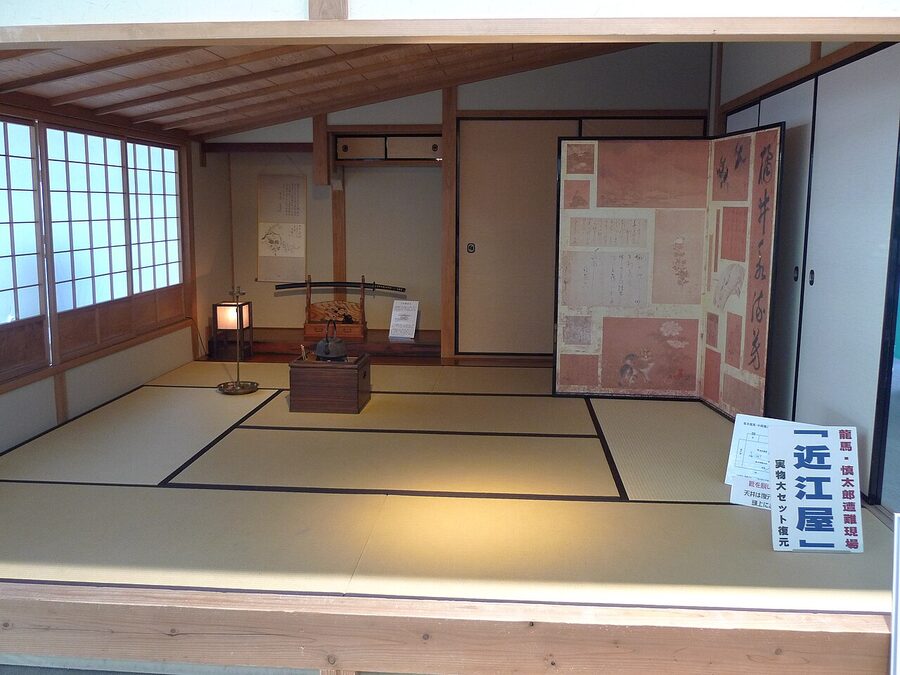
On the fifteenth Nakaoka Shintarō came round in the evening. Minekichi, a bookseller’s son, brought him a letter, and the Tosa man Okamoto Kenzaburō dropped in. Then Ryōma said he was hungry, and Minekichi went with Okamoto to the Torishin poultry shop on Shijō for shamo.
The times vary by account, but sometime between eight and nine o’clock several men came to the door, calling themselves gōshi from Totsukawa, whose men guarded the court. Ryōma’s servant Yamada Tōkichi, by most accounts a former sumo wrestler, took their card and was cut down. Ryōma heard the crash and shouted “Hotaena!“, Tosa dialect for “quit messing about”.
Two men burst into the room. One cut Ryōma across the forehead and another cut Nakaoka on the back of the head. Ryōma turned for the sword in the alcove, was slashed across the back, and got the sword up still in its scabbard; the next blow sheared through scabbard and steel and opened his forehead again. He fell calling “Ishikawa, haven’t you got a sword?”, Ishikawa being Nakaoka’s alias.
The attackers called “That’ll do, that’ll do” and left. Ryōma came to, looked at his sword in the lamplight and said “Zannen, zannen“, somewhere between “what a shame” and “damn”. He crawled to the next room to call for a doctor, said quietly, “Shinta, they’ve got my brain, I’m finished”, and lost consciousness for good.
Nakaoka, his right hand nearly severed, dragged himself across the roof to the house next door. He lived two days, long enough to tell his men what he had seen, and died on the evening of the seventeenth; Tōkichi died on the sixteenth. The three were buried together on the eighteenth.
Who did it
The first suspect was the obvious one. Nakaoka thought the killers must be Shinsengumi, and a scabbard left in the room was identified by men who had broken with Kondō Isami as belonging to Harada Sanosuke. When Kondō surrendered in 1868 the Tosa officer Tani Tateki insisted he be beheaded rather than allowed to die as a samurai, though Tani never listed Ryōma among his crimes.
The Kaientai men blamed Kii, over the Iroha-maru, and on the sixth day of the twelfth month Mutsu Munemitsu and others attacked Kii’s representative Miura Kyūtarō at the Tenmaya inn, where Shinsengumi men were guarding him. Men died on both sides, and nobody has since connected Kii with the killing.
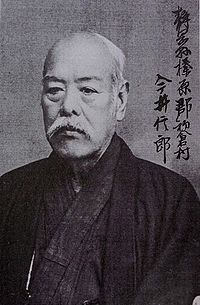
The answer most historians accept came from the Mimawarigumi. Captured after the last shogunate holdouts surrendered at Hakodate in 1869, Imai Nobuo said Sasaki Tadasaburō had led a party of seven to the Ōmiya, four going upstairs and two watching the street, with Imai himself, he said, laying a hand on nobody. The order, he said, came because Ryōma had shot two officers at the Teradaya.
Imai’s names shifted from one telling to the next. But another former member, Watanabe Atsushi, left a family record putting himself and Sasaki at the scene, and Sasaki’s elder brother, an Aizu official, is said to have admitted on his deathbed that “my brother Tadasaburō killed Sakamoto”. The Ryōzen Museum in Kyoto displays a sword that belonged to Katsura Hayanosuke, one of Imai’s men, as the one that killed Ryōma.
Then there are the theories that sell books. The favourite is that Satsuma had him killed, because a peaceful handover leaving Yoshinobu a seat in the new government would have spoiled Saigō and Ōkubo Toshimichi’s plans for war; NHK’s 1974 drama on Katsu Kaishū put Ōkubo behind it, and television has rarely let go. Wilder versions involve British arms dealers and Freemasons.
My own view is boring. Ryōma was a gunman wanted for killing two officers, openly visiting shogunate officials and living opposite the Tosa residence under a thin alias, and the shogunate’s own patrol needed no help to find him. Nakaoka, a hard-liner for war, died in the same room, which sits awkwardly with the Satsuma theory. The Mimawarigumi did it, and the more interesting question is what everyone did with his memory afterwards.
Making a hero
For about fifteen years, almost nothing. Ryōma was given posthumous court rank, and the new state was run by Satsuma and Chōshū men with their own heroes. Oryō drifted, remarried and ended up in a tenement in Yokosuka, where a woman who knew her said that in those days nobody cared about Sakamoto Ryōma.
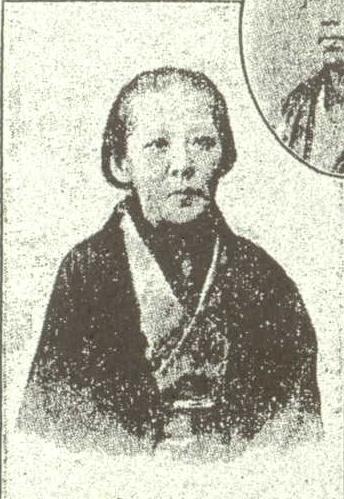
The revival began in Kōchi, in the newspaper of the Freedom and People’s Rights movement, which wanted a Tosa hero who stood for public debate against the Satsuma and Chōshū cliques. In 1883 the Doyō Shimbun serialised Kanketsu Senri no Koma, “the blood-sweating thousand-league horse”, by the activist Sakazaki Shiran, written partly while he was on bail for a speech offence. It made Ryōma a name across Japan, and Oryō said it was full of mistakes.
Sakazaki invented freely, down to a blood oath of the lower samurai in 1861 that never happened, and he went on to write the biographies and lectures that turned the eight points into a document. If you want one person to blame, or thank, for the Ryōma you know, it is Sakazaki Shiran.
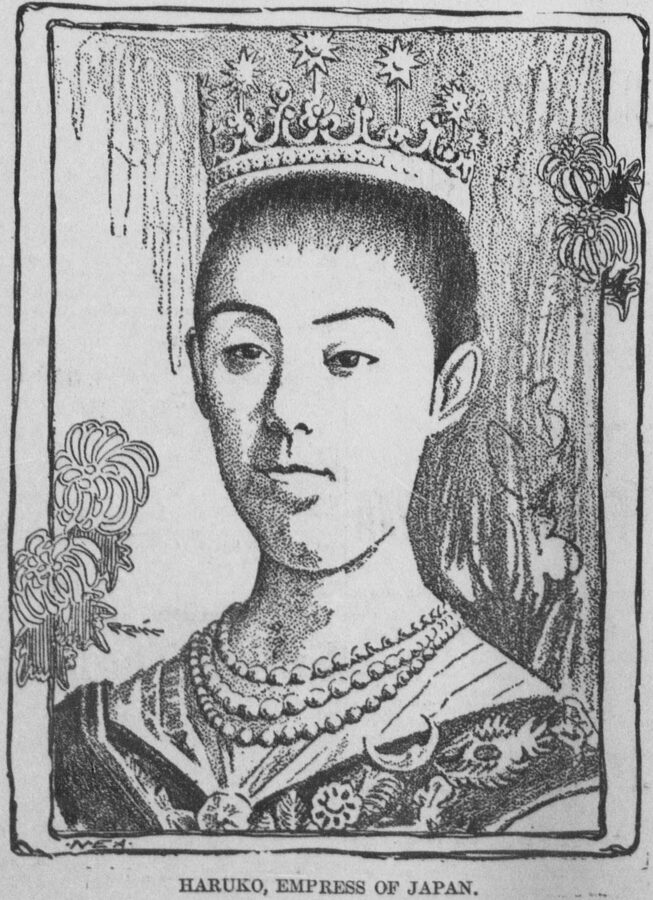
The second push came from the palace. In February 1904, on the eve of the war with Russia, the Empress dreamed at the Hayama villa of a samurai in white who promised to protect the navy. Tanaka said it must be Ryōma, the newspapers ran it, a memorial went up at his grave, and the father of the Japanese navy was born; songs about the dream went into school music books.
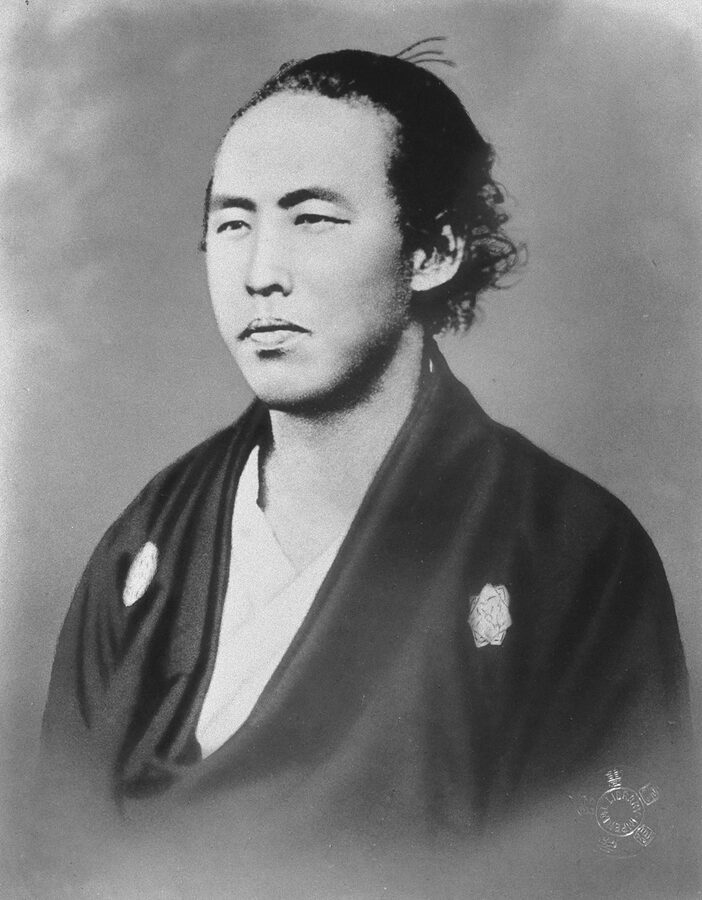
The Taishō era brought scholarship and the Shōwa era statues, and then came the novel. Shiba Ryōtarō’s Ryōma ga Yuku, serialised in the Sankei Shimbun from 1962 to 1966, supplied almost everything the modern reader believes about Ryōma’s character: the free spirit, the boots under the hakama, the man who saw past domains to the nation. Shiba spelled the name with a different character for “dragon”, 竜 rather than 龍, usually read as his way of saying this Ryōma was his own.
It is a terrific read. But the Ryōma who so often tops Japanese polls of the greatest figure in the country’s history is mostly Shiba’s, built on Sakazaki’s, and historians have spent twenty years carefully taking the extra floors off. He does not belong in my field guide to Japan’s greatest samurai, because he was a broker, not a warrior: he fought one battle, at sea, and spent the rest of his time getting people who hated each other into the same room.
That was the rare skill. The Bakumatsu was full of men willing to die for an idea and short of men willing to carry a letter between enemies and vouch for both. Itagaki Taisuke thought that had Ryōma lived to forty he would have become a businessman, a bigger Godai Tomoatsu or Iwasaki Yatarō, and I find that more believable than the statue. For what came out of the collapse, see my pieces on the Meiji Restoration, Emperor Meiji, the Meiji era and, for the long view, Japan through the ages.
Where to find Sakamoto Ryōma today
Ryōma’s Japan has three centres: Kōchi, where he grew up; Nagasaki, where he ran his company; and Kyoto, where he was nearly killed once and then killed. Kōchi has the most to see, Kyoto the most to feel. If you have to pick one, pick Kyoto.
Kamimachi, Kōchi: the birthplace and the hometown museum
The birthplace monument stands on the main road in Kamimachi, the old lower-samurai and merchant district west of the castle, close to the Kamimachi 1-chōme stop on the Tosaden tram’s Ino line from Harimayabashi. It is a stone and a plaque, and you will be done in two minutes.
The Ryōma no Umareta Machi Memorial Museum, a block away at Kamimachi 2-6-33, opened in 2004 in a pair of prize-winning cedar and plaster buildings, three minutes from the same tram stop. It is a small, friendly museum about Ryōma’s family and neighbourhood, with dioramas rather than originals, open daily from 8:00 to 19:00 for ¥370 (high-school students and younger free). Its volunteer guides lead walks of the district if you book ahead.
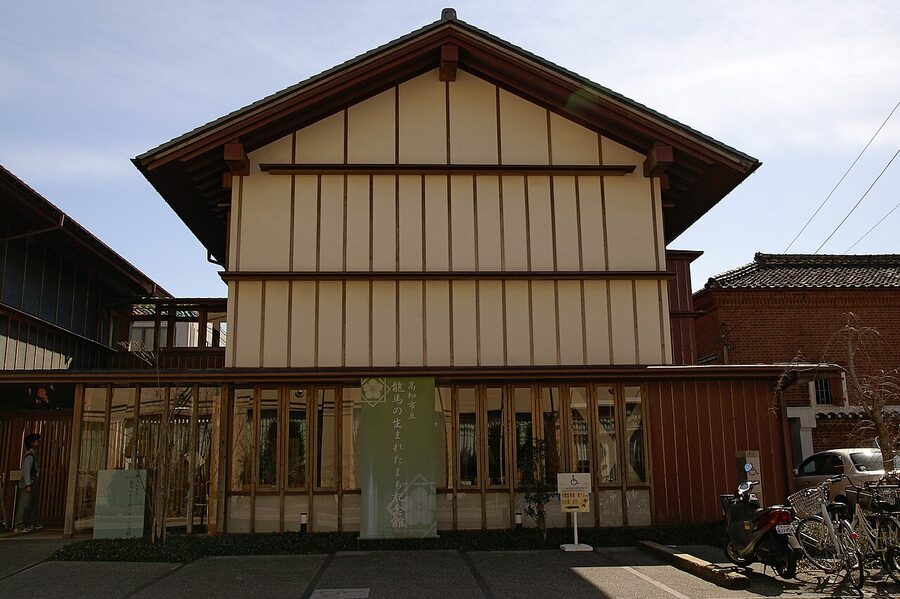
The Sakamoto family grave, where Otome lies, is on the hillside at Yamate-chō to the north. Kōchi Castle, one of the twelve original keeps, is a twenty-minute walk east, with the Sunday street market on Ōtesuji below it. Half a day covers the lot.
Katsurahama and the Sakamoto Ryōma Memorial Museum
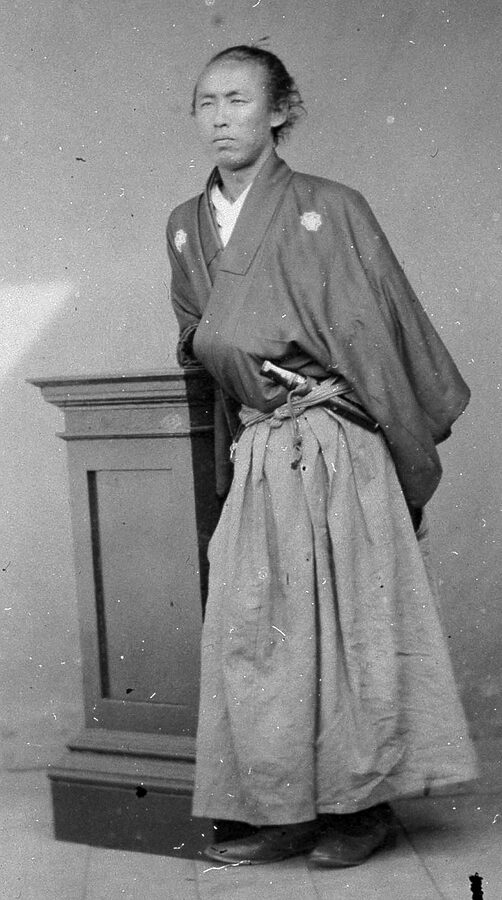
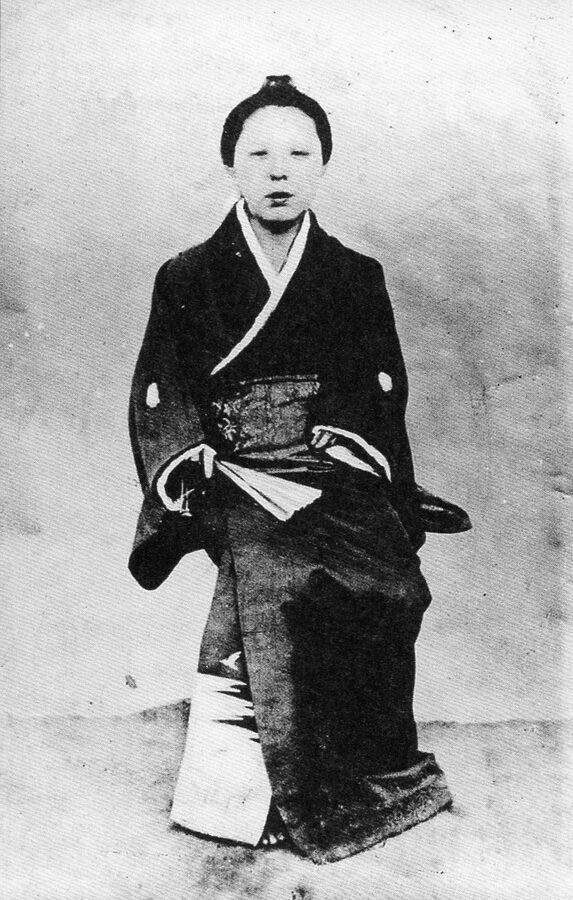
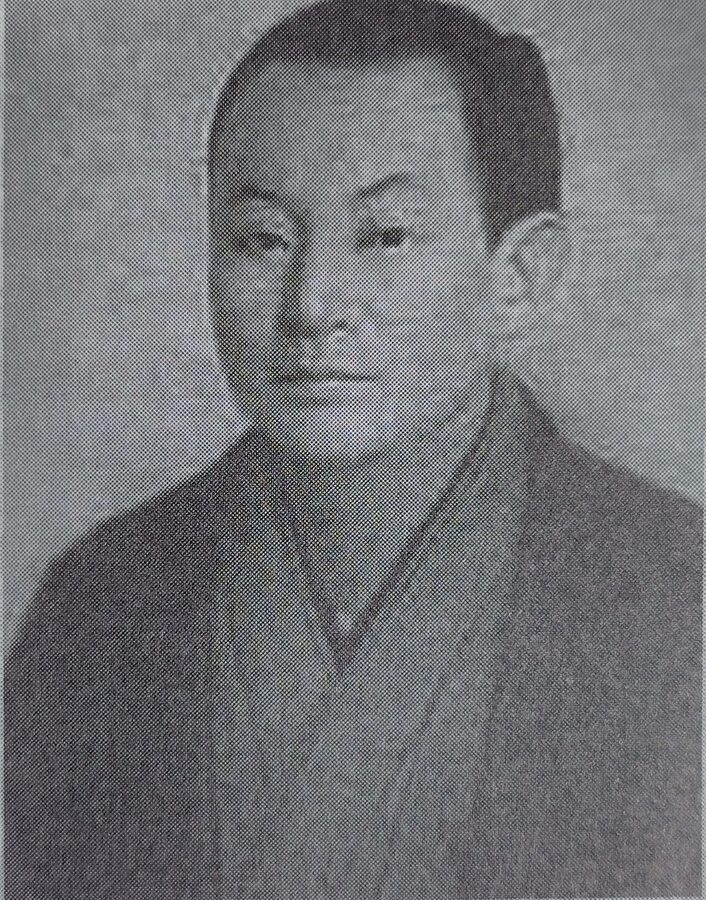
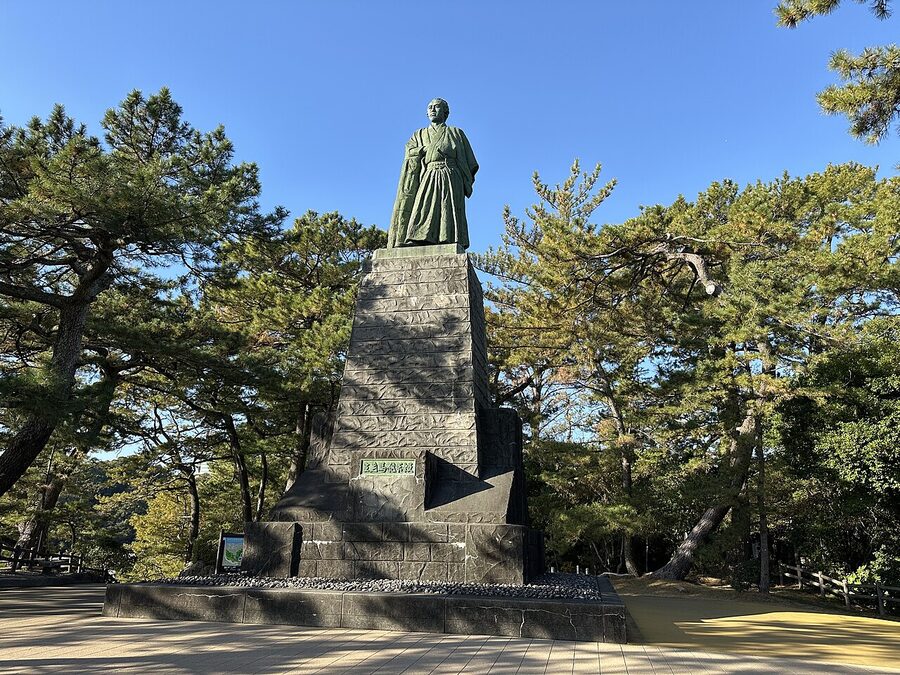
Katsurahama is a curve of beach and pines on the Pacific about thirteen kilometres south of the city. The statue on the headland went up on 27 May 1928, paid for by money raised by Kōchi’s young men; the sculptor was Motoyama Hakuun, the figure is 5.3 metres tall and the whole thing 13.48 metres. He looks out to sea in boots, one hand tucked into his kimono, much as in the standing photograph.
The prefectural Sakamoto Ryōma Memorial Museum, up the hill behind, is a glass-and-steel building of 1991 with a newer wing. This is the place for originals: it rotates genuine Ryōma letters on a schedule posted on its website, and it is where the reconstruction of the Ōmiya room shown above was photographed. Parts of the permanent galleries close at times in 2026, so check before you go.
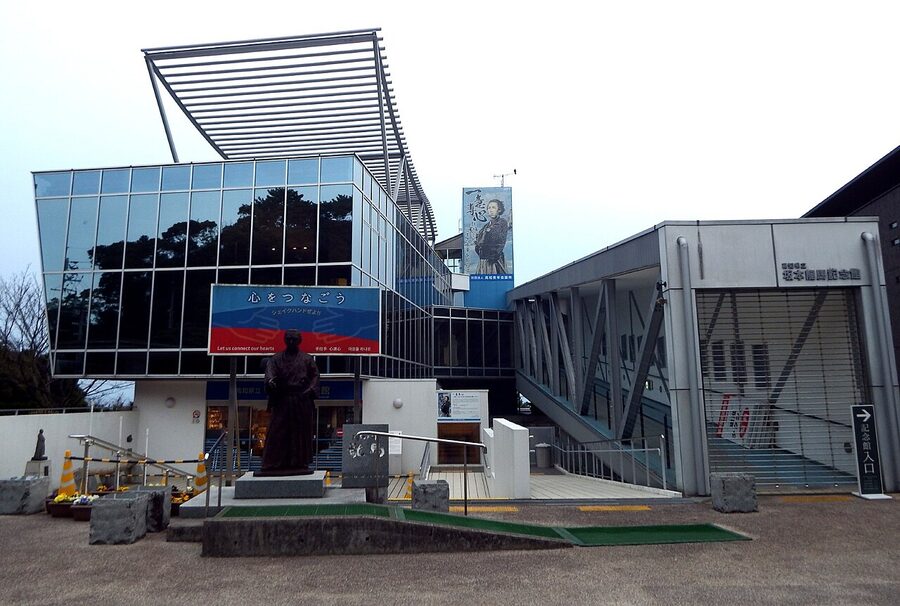
It is open every day from 9:00 to 17:00, last entry 16:30, and costs ¥900 for adults during special exhibitions and ¥500 otherwise (high-school students and younger free). From the bus terminal at JR Kōchi Station take the Tosaden Kōtsū Katsurahama line to Ryōma Kinenkan-mae, about thirty-four minutes. The statue and beach are just over ten minutes down a steep path of stone steps.
Nagasaki: the Kameyama Shachū and Ryōma-dōri
In Nagasaki Ryōma belongs to the steep slope above the temple district of Teramachi. The Kameyama Shachū Memorial Museum, at Iraribayashi 2-7-24, is the house the company rented, restored by the city and opened in 2009: a ten-mat room, an eight-mat room, a three-mat room and an earth-floored kitchen, with a hidden mezzanine where a few men could lie low.
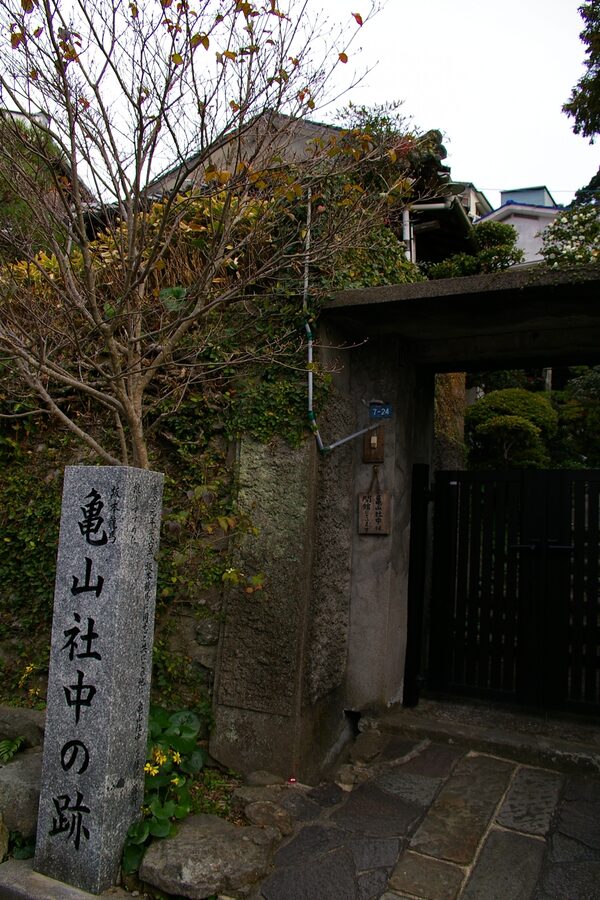
It is open daily from 9:00 to 17:00, last entry 16:45, for ¥650. The exhibits are replicas; the house is what you come for. The nearest tram stop is Shindaikumachi, about eleven minutes’ walk away, the last part up steps, and there is no parking; a ticket stub from either of Kōchi’s Ryōma museums gets you a discount.
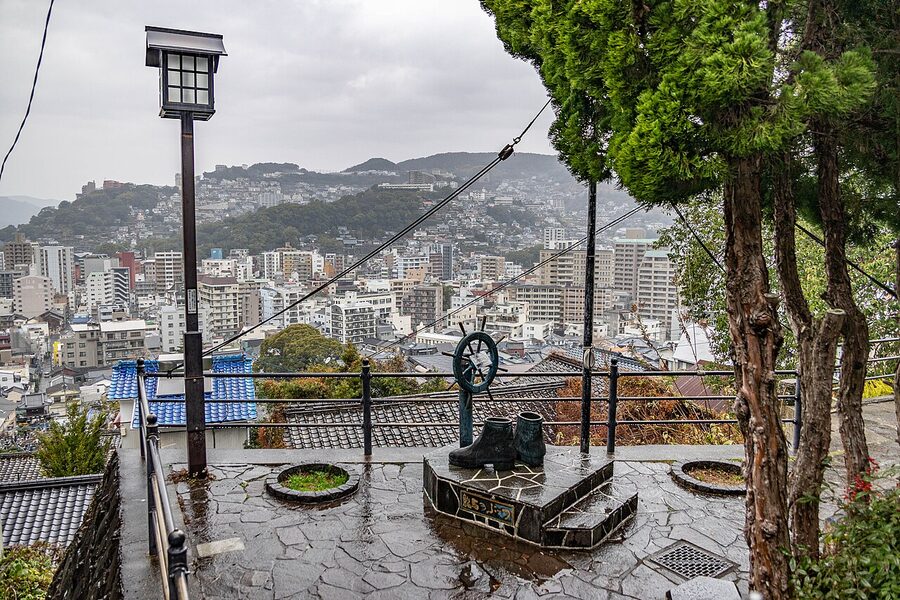
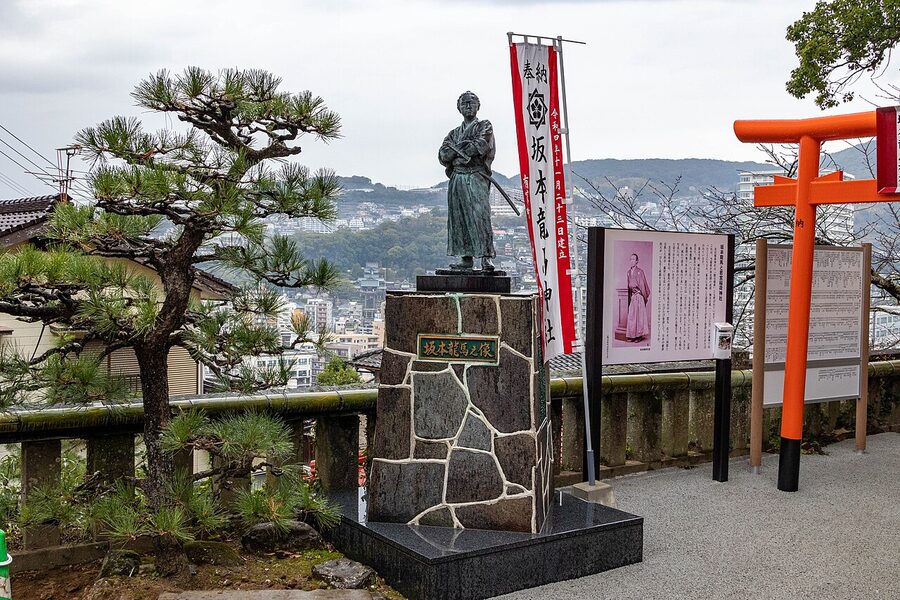
The stepped lane up is Ryōma-dōri, and halfway up is a bronze pair of boots you can stand in, with the harbour below. Just beyond is Wakamiya Inari shrine, with its own statue and a small shrine to Ryōma, and higher still Kazagashira Park has a larger statue looking over the city. Put Glover Garden, where the guns came from, on the same day.
Fushimi: the Teradaya
The Teradaya is at Minamihama-chō 263 in Fushimi, five minutes’ walk from Chūshojima Station on the Keihan line, and an easy add-on to the Fushimi sake breweries. It is still an inn and shows its rooms during the day, usually from 10:00 to 16:00 with last entry at 15:40; admission was ¥600 when I last checked, and it closes on some Mondays. The garden next door, where the original stood, holds the monuments.
Inside you will be shown sword cuts, bullet holes and the bath where Oryō saw the torches. Treat them with the scepticism the building’s history deserves.
Kawaramachi: the Ōmiya site
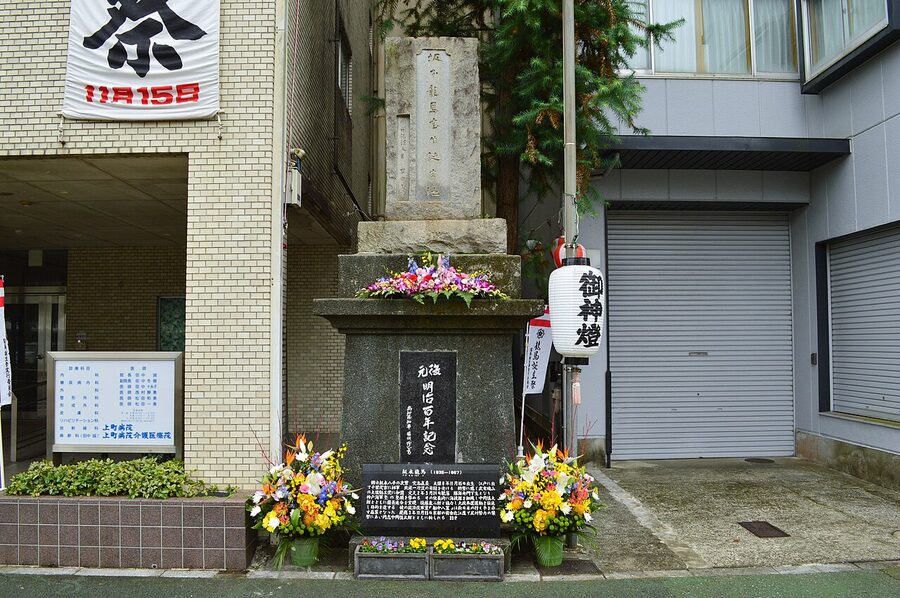
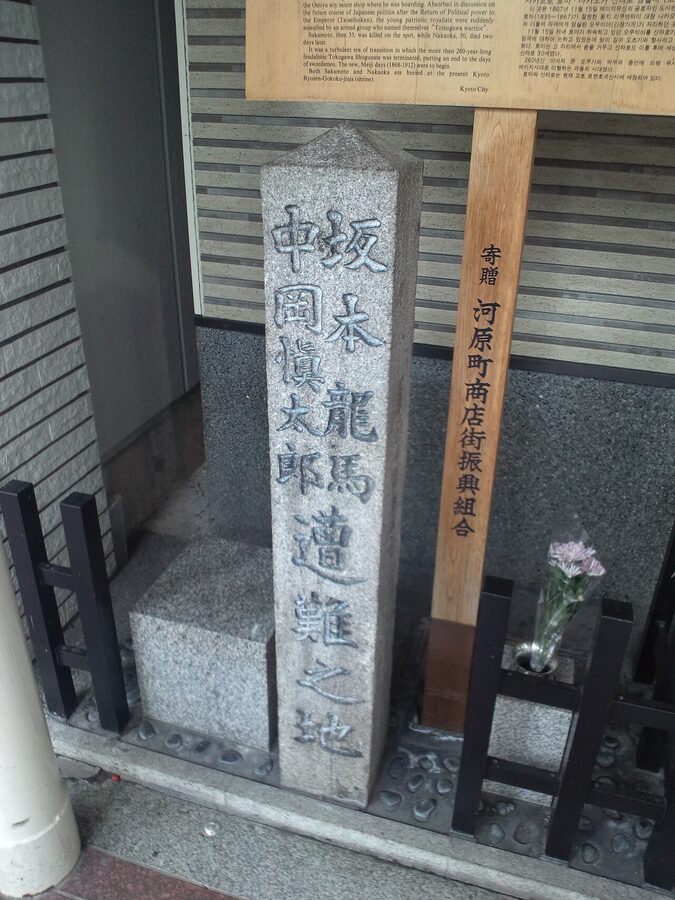
The Ōmiya site is on the west side of Kawaramachi-dōri just south of Takoyakushi-dōri, a few minutes north of Kyoto-kawaramachi Station on the Hankyū line. There is a stone, a noticeboard and a picture of Ryōma in front of an ordinary shop, and people leave flowers. The stone stands on ground that was inside the Ōmiya, although when it went up it seemed to front the shop next door, which had bought part of the plot around 1930.
Ryōzen: the grave and the museum
Ryōma, Nakaoka and Tōkichi are buried together in the cemetery behind Kyoto Ryōzen Gokoku Shrine, on the hillside in Higashiyama, among hundreds of loyalists’ graves looking west over the city. The inscription on Ryōma’s stone is in Kido Takayoshi’s hand.
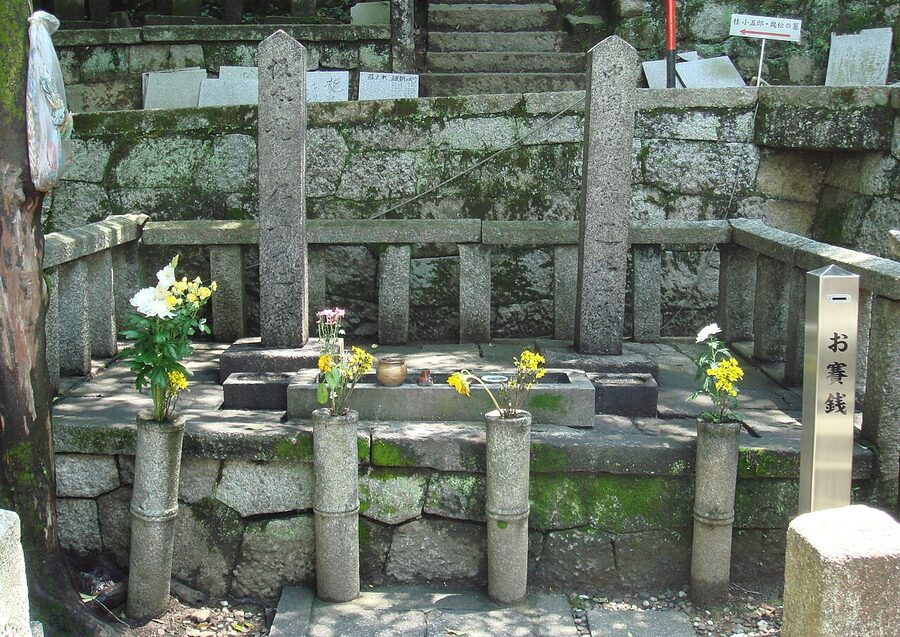
The graves open at 9:00 and the shrine closes at 17:00 daily; entry is ¥300 for adults and ¥200 for children, cash only. Take City Bus 206 from Kyoto Station to Higashiyama Yasui or Kiyomizu-michi and walk about ten minutes uphill. On 15 November the memorial rite at the graves starts at 15:30, when they close to other visitors for an hour.
The Ryōzen Museum of History, across the lane, was founded in 1970 with backing from the businessman Matsushita Kōnosuke, who was offended by the state of the cemetery. Its permanent galleries are strong on both Ryōma and the Shinsengumi, including Katsura Hayanosuke’s sword. It is open from 10:00 to 17:30, closed on Mondays (the next day if Monday is a holiday), and costs ¥1,000, cash only.
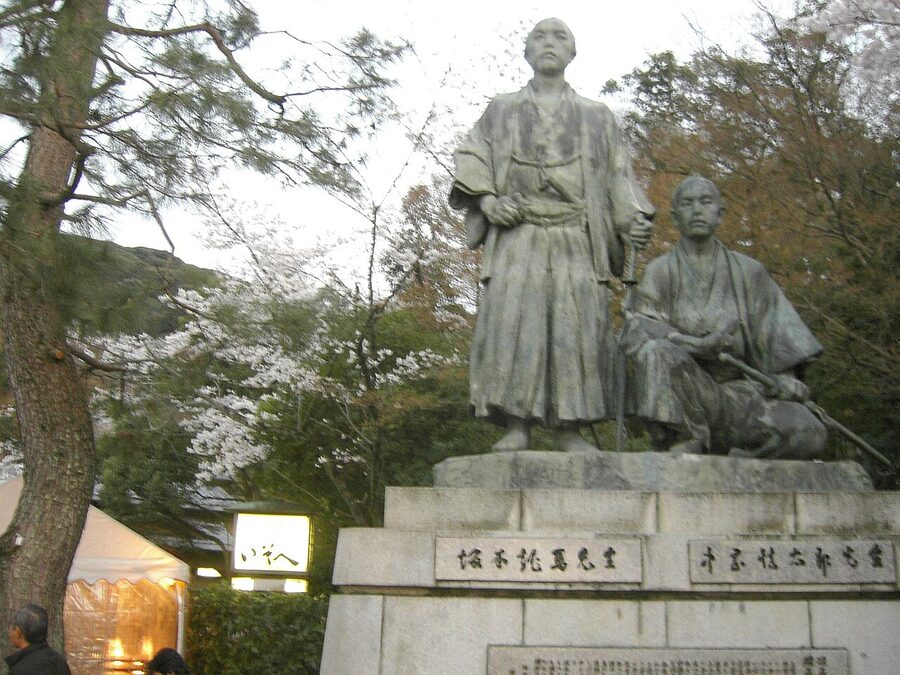
A ten-minute walk north, in Maruyama Park, Ryōma stands in bronze above a kneeling Nakaoka. The first statue, put up in 1934, went for scrap in the war, and this is a postwar replacement.
A pot of shamo
I keep coming back to the chicken. Minekichi came back up the stairs of the Ōmiya with a parcel of meat for a man who was hungry, and found him dead, and the hero business has been cooking ever since. Most of what you will be sold about Ryōma, from the eight points to the boots, was added by people who never met him.
What is left is a man with a merchant’s nose and a samurai’s nerve, who was trusted by people who trusted nobody else, and who wrote to his sister that he was walking about with his nose in the air. That is enough. If you are in Kyoto on 15 November, climb up to Ryōzen in the early afternoon, pay your ¥300, and join the queue for a bowl of shamo hotpot by the graves. They pour the first ladle for him.