There is a square of dressed granite in the south-west corner of Nijō Castle that you can climb in about forty seconds, and as far as anyone has been able to establish, it once carried the only castle keep a Japanese emperor ever went up. In the ninth month of 1626 Emperor Go-Mizunoo was taken up the five storeys of the tower that stood on it, and the retired shogun Tokugawa Hidetada showed him the capital from the top. In 1750, a hundred and twenty-four years later, lightning hit the keep and it burned down to the stone. Nobody rebuilt it.
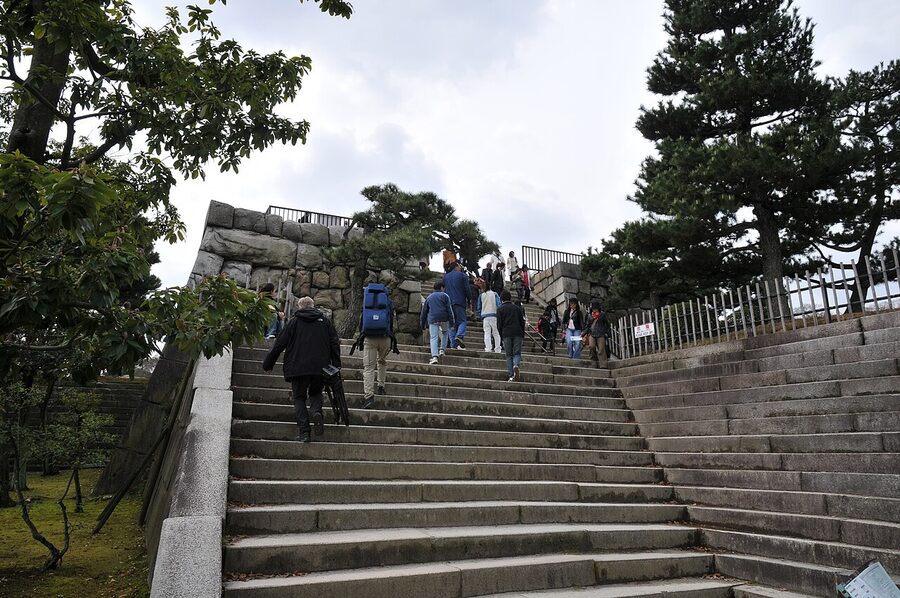
That is the castle in miniature. Nijō was not built to be fought over; it was built to be looked at, by the emperor, by the court nobles a short walk away and by every daimyo who came up to Kyoto to pay his respects. It opened the Tokugawa age with a party in 1603 and closed it with a meeting in 1867, and in between it spent more than two centuries almost empty. What survives is not a fortress so much as a stage set of unusual quality: a palace of six buildings, more than 3,600 paintings, a garden laid out to be seen from three sides, and a stone platform with nothing on it.
In This Article
- Four castles called Nijō
- Ieyasu’s lodging in the capital
- Five days in the autumn of 1626
- A painter of twenty-four
- Two hundred and twenty-nine quiet years
- The second bookend
- Prefecture, palace, museum
- What you are actually looking at
- Visiting Nijō Castle today
- Getting there and getting in
- The Ninomaru, the gallery and the kitchens
- The Honmaru Palace and the keep platform
- Gardens and seasons
- Shinsen-en, across the road
- Nijō Jinya
- Following the older Nijōs
- Toyokuni Shrine’s gate
- Further afield
- The empty platform
Four castles called Nijō
The first thing to understand is that the Nijō you buy a ticket for is the fourth or fifth place in Kyoto to carry the name, depending on how you count, and the only one still standing. The name is an address. Nijō, “Second Avenue”, was one of the east-west streets of the capital laid out in the Heian era, and anything fortified near it tended to get called Nijō-something.
The earliest was a residence rather than a castle. In 1565 Ashikaga Yoshiteru, the thirteenth shogun of the Muromachi line, was fortifying a mansion on the old Shiba family site when the Miyoshi warlords attacked it before it was finished and killed him in it. Four years later Oda Nobunaga rebuilt and enlarged the same site for Yoshiteru’s brother Yoshiaki, the shogun he had just marched into the capital, and he did it fast.
Nobunaga’s castle for Yoshiaki was roughly 400 metres square, double-moated, with a three-storey keep, and it went up in about seventy days in the spring of 1569. Nobunaga supervised the work on site himself. His builders stripped halls out of Honkoku-ji temple, ignored the monks’ petitions and their offers of money, and filled out the stone walls with gravestones and stone Buddhas gathered from all over the city.
The court noble Yamashina Tokitsune wrote in his diary that the stonework astonished him, and Japanese historians read that as evidence that this was one of the first castles anywhere in the country with serious stone walls. The great Fujito stone was hauled in from a Hosokawa mansion with musicians playing alongside it, a literal case of what Japanese still calls narimono-iri, “arriving with a brass band”. When Yoshiaki turned on Nobunaga in 1573 the castle surrendered without a fight, and in 1576 its keep and gates were taken down and carried off to Azuchi.
The third Nijō was Nobunaga’s own. In 1576 he took over the mansion of the Nijō family of court nobles, south of Nijō avenue and well away from Yoshiaki’s site, made it his Kyoto lodging, and in 1579 presented it to the crown prince, Sanehito. It was called the Nijō Shin-gosho, and in June 1582 it was where Nobunaga’s heir Nobutada made his stand after Akechi Mitsuhide‘s men had finished at Honnō-ji; the Jesuit account puts Yasuke, Nobunaga’s African retainer, in that last fight.
The prince was let out before the attack. Nobutada, the Kyoto governor Murai Sadakatsu and some sixty others were killed or killed themselves, and the building burned with them.
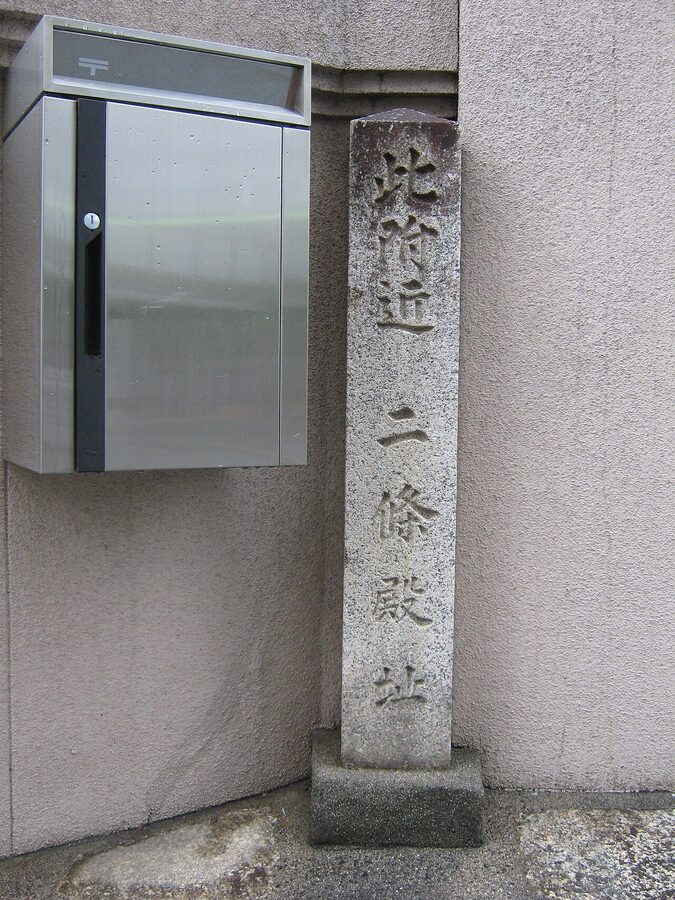
Toyotomi Hideyoshi had one too. From 1583 he turned Myōken-ji temple, about 200 metres east of today’s castle, into a moated residence with its own keep, also called Nijō, and ran the capital from it until his Jurakudai palace was ready. The district names Furushiro-chō (“old castle town”) and Shimo-Furushiro-chō still mark the spot. Older books merged Yoshiaki’s castle and Nobunaga’s mansion into one place; what separates them is Tokitsune’s diary, in which he went to see the new mansion one day and the old castle, being stripped of its stones, the next.
Ieyasu’s lodging in the capital
Tokugawa Ieyasu chose his site in the fifth month of 1601, seven months after Sekigahara. Nobody knows exactly why he picked the ground at Ōmiya and Oshikōji, though it was less built up than most of the city (which still meant several thousand houses had to go). It also sat where the lines of the older power centres crossed, east-west from Nobunaga’s and Hideyoshi’s Nijō residences and due south of the Jurakudai.
In the twelfth month he sent out the bill. The western daimyo were assigned the costs and the labour as tenka-bushin (天下普請), “construction for the realm”, a polite name for making defeated and uneasy lords pay for the walls of the man who had beaten them. The Kyoto governor, Itakura Katsushige, ran the project, and the master carpenter was Nakai Masakiyo. It was the same logic that later produced sankin-kōtai: keep the daimyo busy and keep them spending.
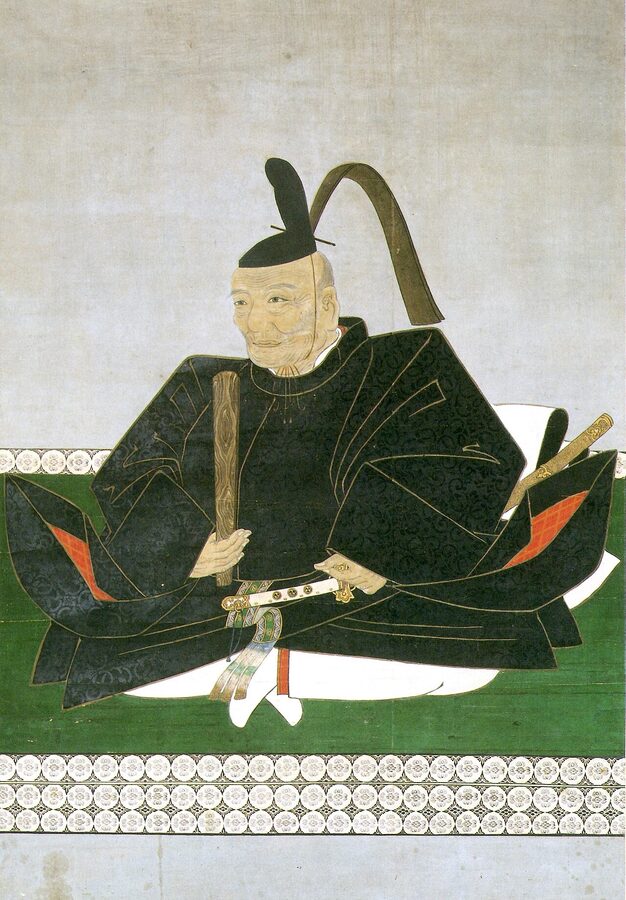
The palace was ready by the third month of 1603. Ieyasu had been appointed shogun at Fushimi on the twelfth day of the second month, and he moved into Nijō a few weeks later: some Japanese references give the twelfth of the third month, the Heibonsha encyclopaedia the twenty-first, and I have not found a way to choose between them. On the twenty-fifth he processed to the imperial palace to give thanks, and on the twenty-seventh he held the celebration of his appointment at Nijō with his senior vassals and the court nobles.
That party is the first bookend. Hidetada repeated the ceremony in 1605 and Iemitsu in 1623, and then the custom lapsed. The keep, five storeys and traditionally said to have come from Kōriyama Castle in Yamato, was finished in 1606.
Eight years later the castle hosted the most uncomfortable lunch of the century. On the twenty-eighth day of the third month of 1611, Ieyasu, sixty-nine and in Kyoto for an imperial abdication, received Hideyoshi’s son Toyotomi Hideyori, seventeen, who had not left Osaka Castle in twelve years. Ieyasu met him at the entrance and offered to go in as equals; Hideyori declined and let the old man go first, and that small courtesy was the whole political content of the day.
They exchanged cups and swords, and the meeting lasted about two hours. Katō Kiyomasa refused to take his place at the meal laid on for the retainers and stayed beside Hideyori the whole time, which tells you what Hideyori’s men thought Nijō was. Kiyomasa died that summer, and a folk tale says he had been given poisoned sweets at the castle; nobody has found evidence for it. Within four years Ieyasu was using Nijō as his base for the campaigns against Osaka Castle, and Hideyori was dead.
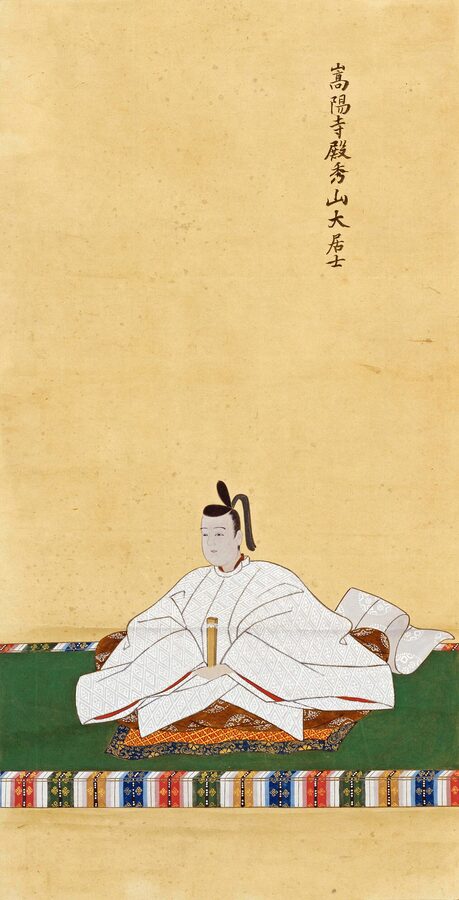
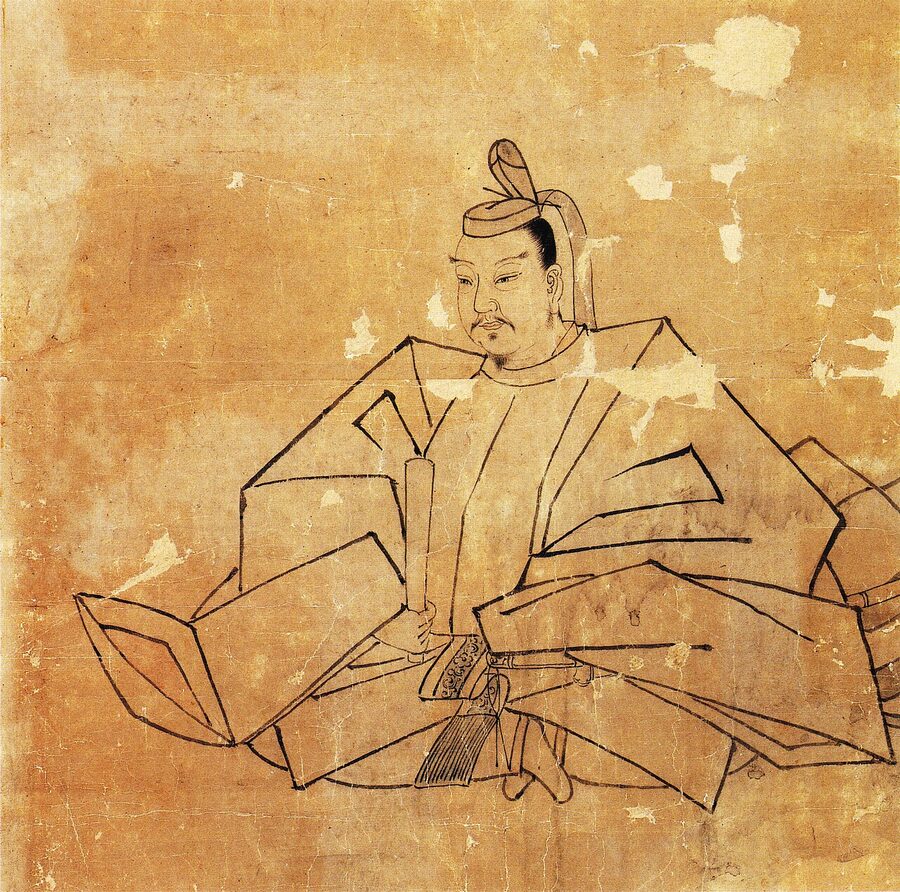
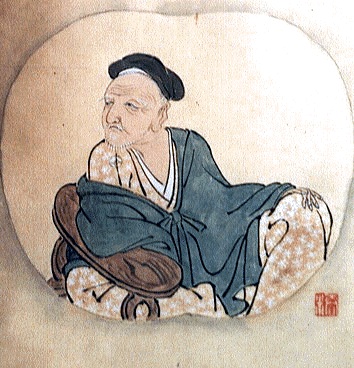
After the sieges Nijō’s role was legislative. On the seventeenth of the seventh month of 1615 the court nobles were summoned to the castle to hear the Kinchū narabini kuge shohatto (禁中並公家諸法度), the regulations for the emperor and the court, signed by Ieyasu, Hidetada and the former regent Nijō Akizane. Its first article told the emperor that his principal duty was scholarship. The same year the tea master Furuta Oribe, the most original pupil of Sen no Rikyū, was ordered to commit seppuku after one of his retainers was caught in a plot against Ieyasu.
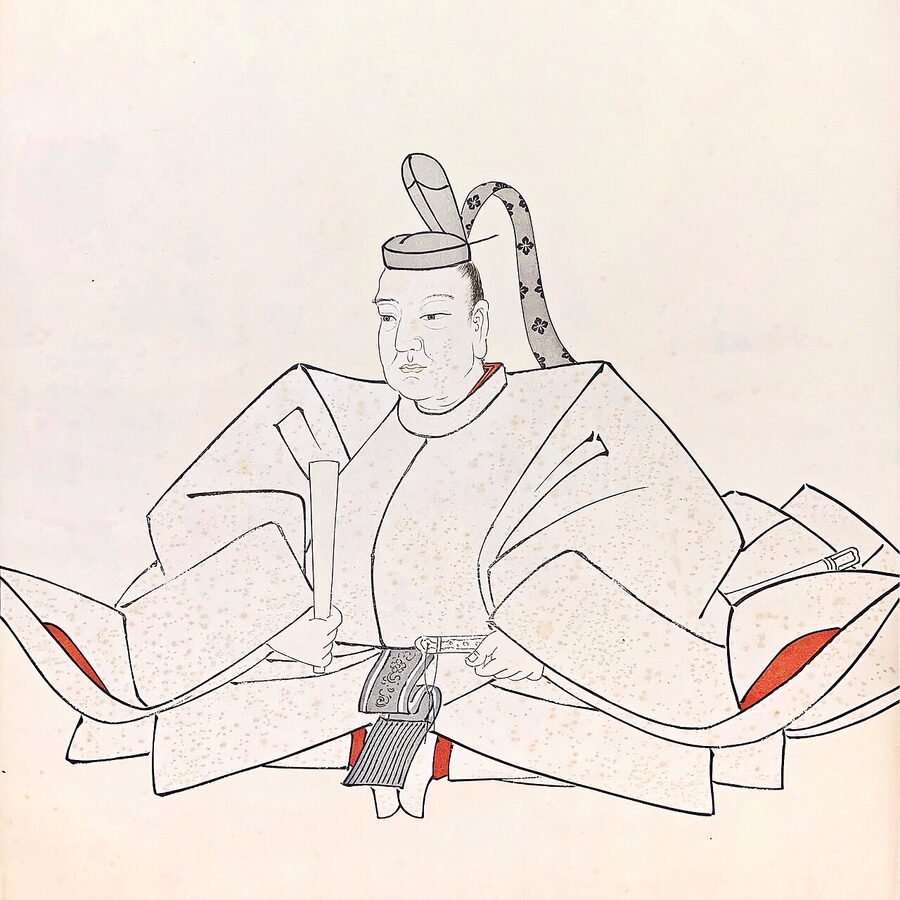
The argument with the court was mostly about a marriage. In 1620 Hidetada’s daughter Masako left Nijō in a long procession for the imperial palace to become consort of Emperor Go-Mizunoo. The idea was that a Tokugawa grandson would one day sit on the throne. It half worked: Masako’s daughter became Empress Meishō in 1629, the first woman on the throne in more than 850 years.
Five days in the autumn of 1626
The rebuilding that produced most of what you see started in 1624. Iemitsu had become shogun the year before, Hidetada had retired to the title of ōgosho, and the two of them meant to receive the emperor at Nijō in a style nobody would forget. The castle was pushed west to roughly its present size, about 500 metres east to west and 400 north to south, and a new inner enclosure, the Honmaru, was built in the extension with its own palace and a new keep.
The keep came from Fushimi, decommissioned in 1623, and Ieyasu’s keep went off to Yodo Castle in the south of the city. Nineteen related and hereditary daimyo houses, Owari and Kii among them, were handed the stone walls. The building commissioners included Kobori Enshū, the tea master and garden maker, whose name you will see on every sign in the garden, used with more confidence than the documents strictly support.
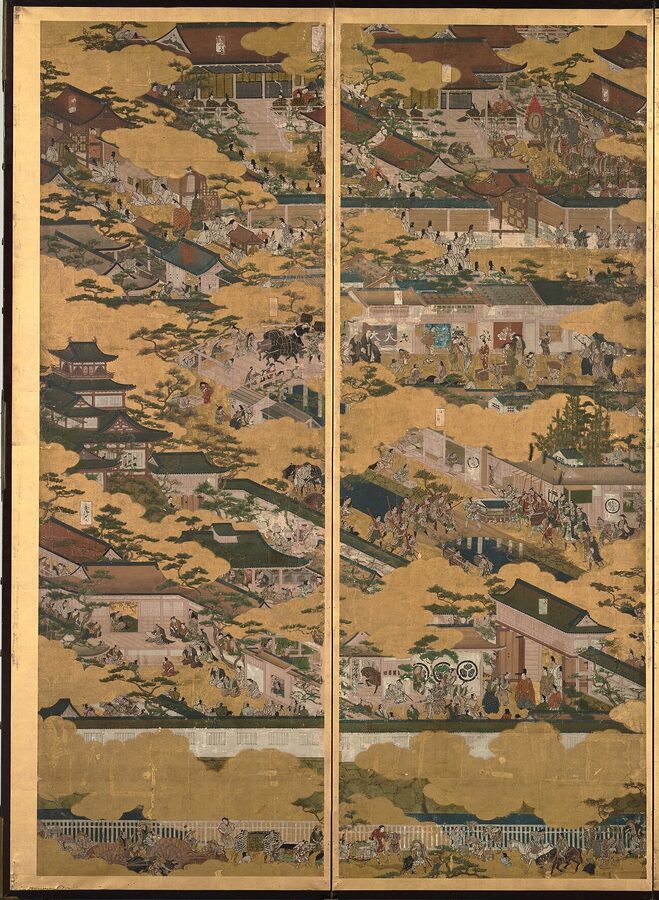
The emperor left his palace on the sixth day of the ninth month. The procession covered about 2.6 kilometres by way of Higashi-no-tōin, Nakadachiuri and Horikawa, and by the Japanese count it ran to about 9,000 people, 540 horses, 12 ox-carriages and 470 palanquins. The head of it reached Nijō before the tail had left the palace, and the streets on both sides were packed.
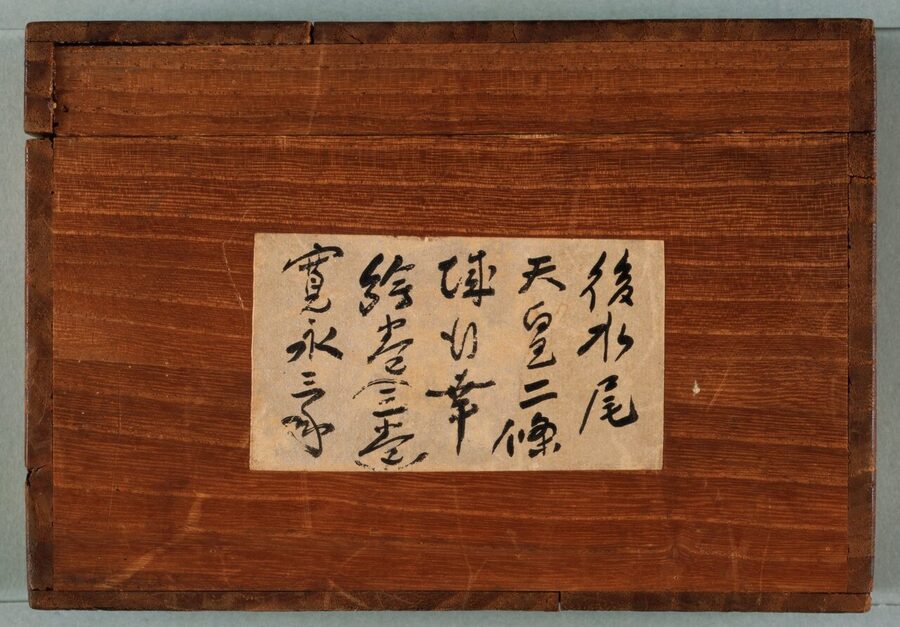
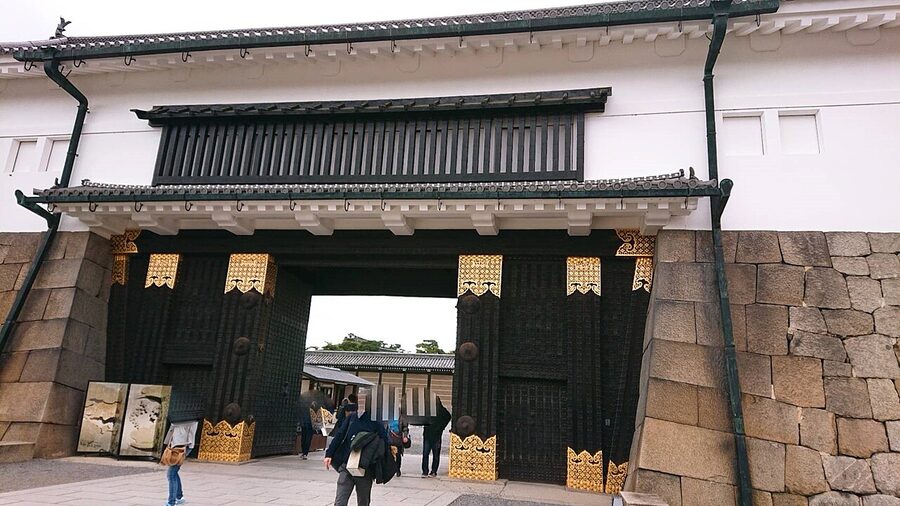
One detail I like. The main gate, the Higashi-Ōtemon on Horikawa, was a two-storey gatehouse, and it was thought improper for anyone to be above the emperor as he passed beneath. So for the visit it was cut down to a single-storey gate, and afterwards it was put back as a gatehouse. Whatever you think of the Tokugawa, they were thorough.
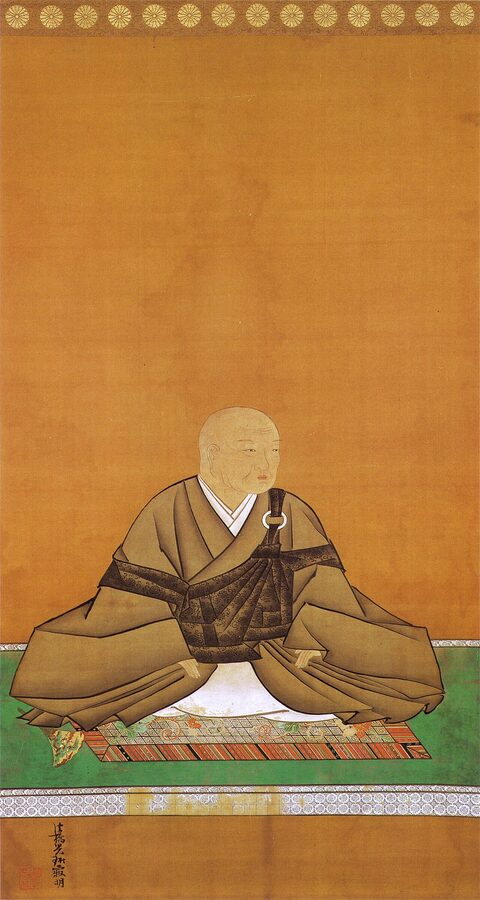
Go-Mizunoo stayed five days, to the tenth. Hidetada and Iemitsu gave him gagaku court music, kemari football, displays of horsemanship, waka poetry gatherings and noh in the palace, and at some point the emperor was taken up the new keep. The Heibonsha encyclopaedia says Hidetada himself showed him the city from the top, and other Japanese accounts go further and call it the only keep an emperor ever climbed.
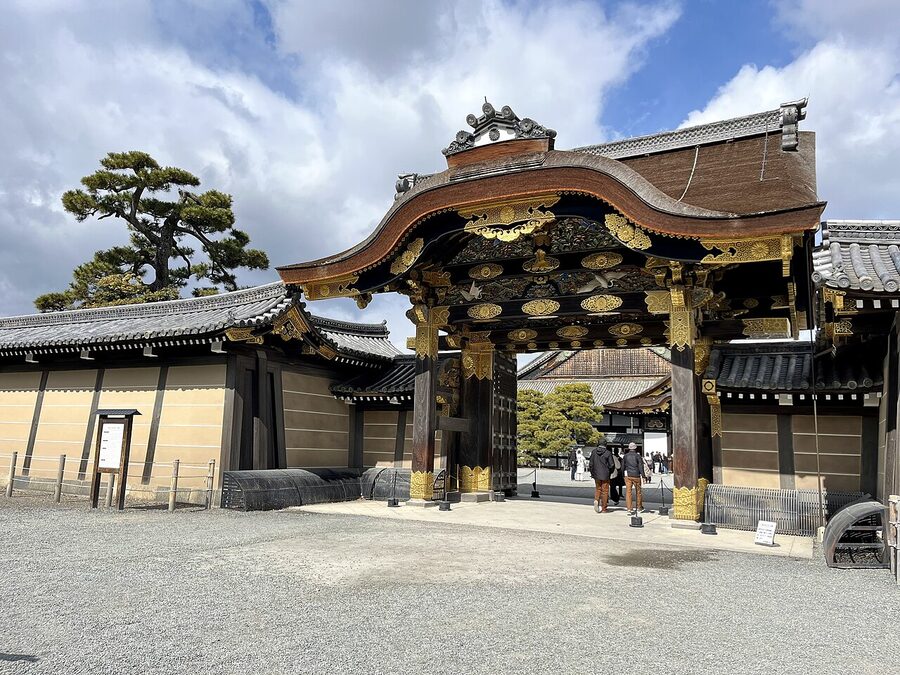
Most of what was built specially for the visit did not last. The gyōkō-goten, the palace put up for the emperor south of the Ninomaru garden pond, was taken down and moved to the retired emperor’s palace, and much else was dismantled. What stayed was the Ninomaru Palace, rebuilt so thoroughly for the occasion that architectural historians treat it as new, with its paintings, its garden and the gate that let the emperor in.
A painter of twenty-four
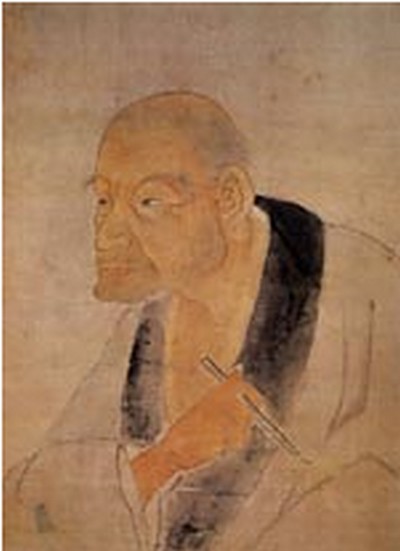
The paintings went to the Kanō school, by then the official painting workshop of the shogunate, and the man in charge of the most important rooms was Kanō Tan’yū, born in 1602 and about twenty-four. He had been presented to Ieyasu at Sunpu as a boy of ten and made an official painter at fifteen. His mother, for what it is worth, was a daughter of Sassa Narimasa, the general who crossed the Japanese Alps in winter to try to stop Hideyoshi.
Tan’yū and his younger brother Naonobu, with a team that included older Kanō painters, filled the six buildings in about two years. The castle’s count is more than 3,600 paintings, of which 1,016 are listed as Important Cultural Properties. Tradition gave the great rooms to Tan’yū, the Kuroshoin to Naonobu, and the private Shiroshoin to the older Kanō Kōi.
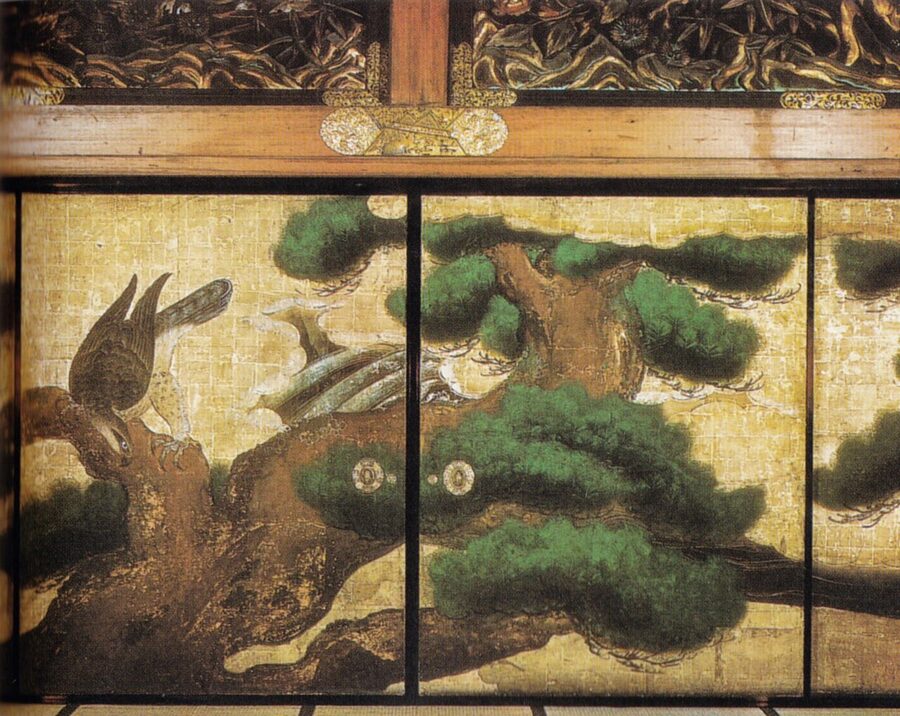
Attribution is where it gets interesting. The most famous single painting in the palace is the pine and hawk in the Yon-no-ma, the fourth room of the Ōhiroma, long credited to Tan’yū on the strength of a palace inventory. In 2019 the castle’s researchers concluded that it was by Kanō Sanraku, and Japanese papers reported the standard attribution overturned. The tigers of the Tozamurai waiting rooms, which tradition also gave to Sanraku, are now thought by specialists to be the work of the much less famous Kanō Jinnojō.
Two hundred and twenty-nine quiet years
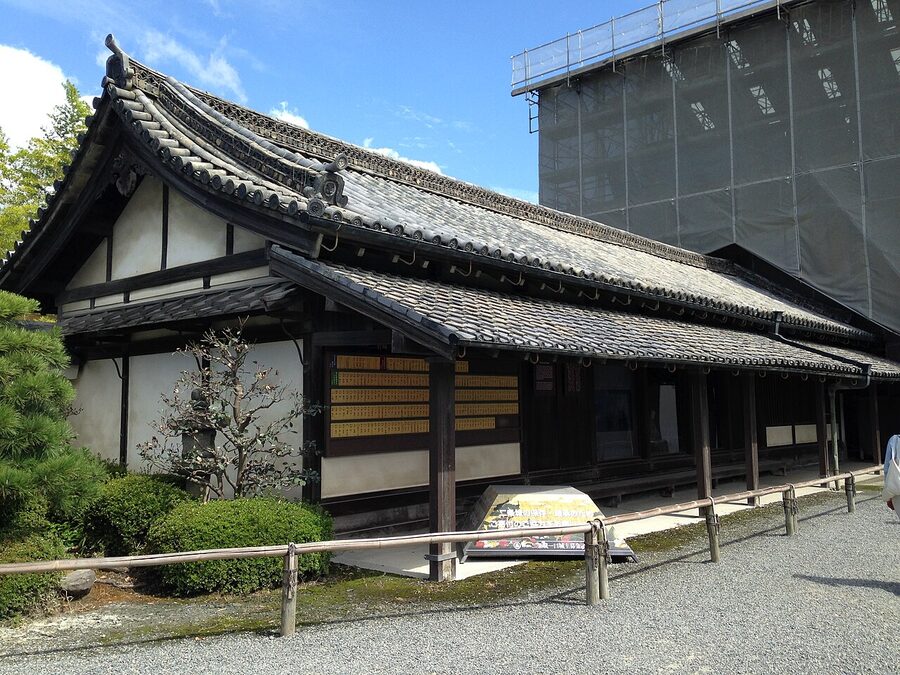
After 1634 the castle had no shogun and very little to do. A castle warden, the Nijō-jōdai, had been appointed in 1625, and when the post was abolished in 1699 the place was left to the Nijō zaiban, rotating garrisons sent from Edo, two companies of fifty men at a time, who lived in the castle, patrolled it and waited. Their guardhouse of 1663 still stands just inside the east gate, the last of nine, and one of very few castle guardhouses left anywhere in Japan.
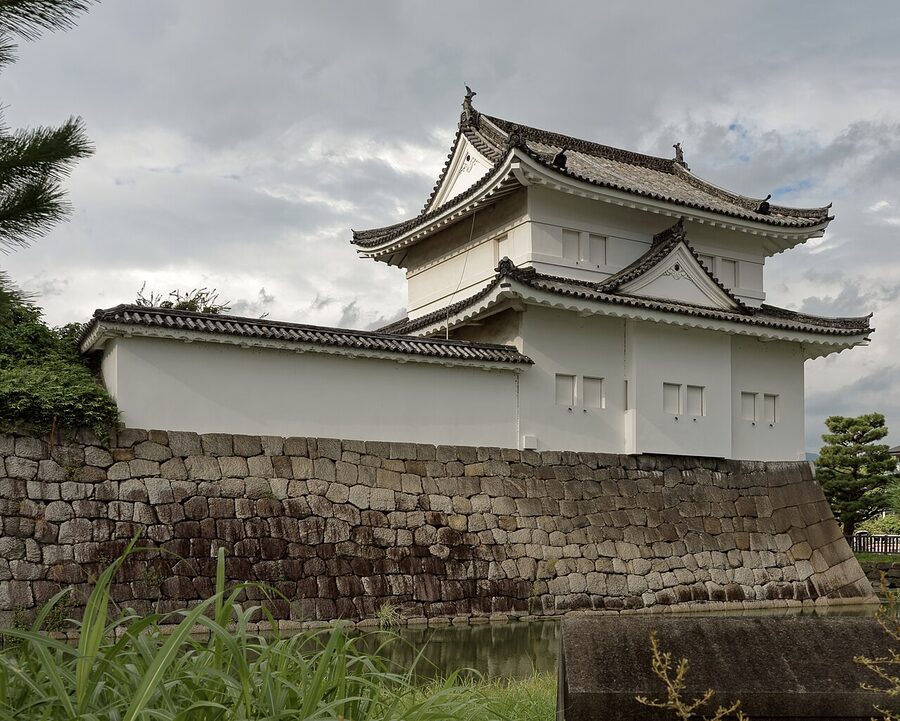
The weather did the rest. Storms, earthquakes and lightning wore the buildings down, and in 1750 lightning struck the keep and burned it out. In 1788 the Great Tenmei Fire, which destroyed most of Kyoto, jumped the moats and took the Honmaru Palace and several corner towers with it. The damage was patched; nothing that burned was rebuilt.
So when the shoguns came back in the 1860s, Nijō was a palace with a hole where its centre should have been. The roofs were a change too. The Ninomaru had been roofed in thin wooden shingles when it was new, and by an inspection of 1686 it had already been re-covered in clay tiles of the kind described in the piece on kawara roof tiles; when it was new, the copper caps on its pillars were also covered in gold leaf, which must have made it gaudier than anything you see today.
The second bookend
The castle woke up in 1862. With the court suddenly a political force and the treaty ports open, the fourteenth shogun, Tokugawa Iemochi, was summoned to Kyoto, and Nijō was repaired in a hurry: the Ninomaru Palace was overhauled and a temporary palace built in the empty Honmaru. Iemochi arrived in the third month of 1863, the first shogun inside the castle for 229 years. The city he came to was the city of the Shinsengumi, of Satsuma and Chōshū radicals, and of assassinations most nights of the week.
Iemochi died at Osaka Castle in the summer of 1866, twenty years old, and the shogunate’s senior men settled on Hitotsubashi Yoshinobu as his successor. Yoshinobu made them beg. When he finally accepted, he received the imperial appointment as fifteenth shogun at Nijō, in the Chokushi-no-ma of the Ninomaru, on the fifth day of the twelfth month of 1866, which was already January 1867 by the Western calendar.
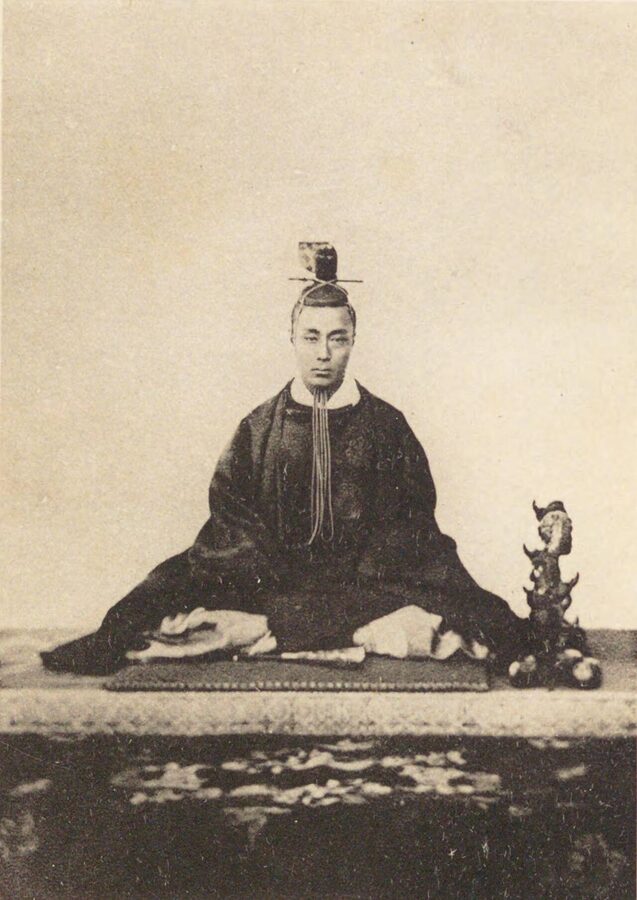
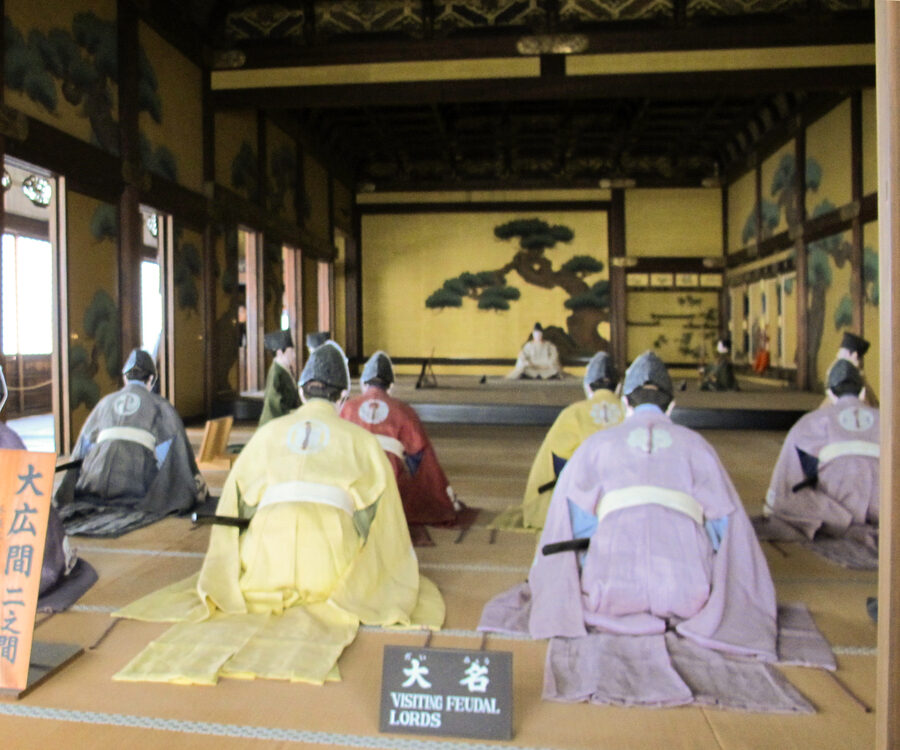
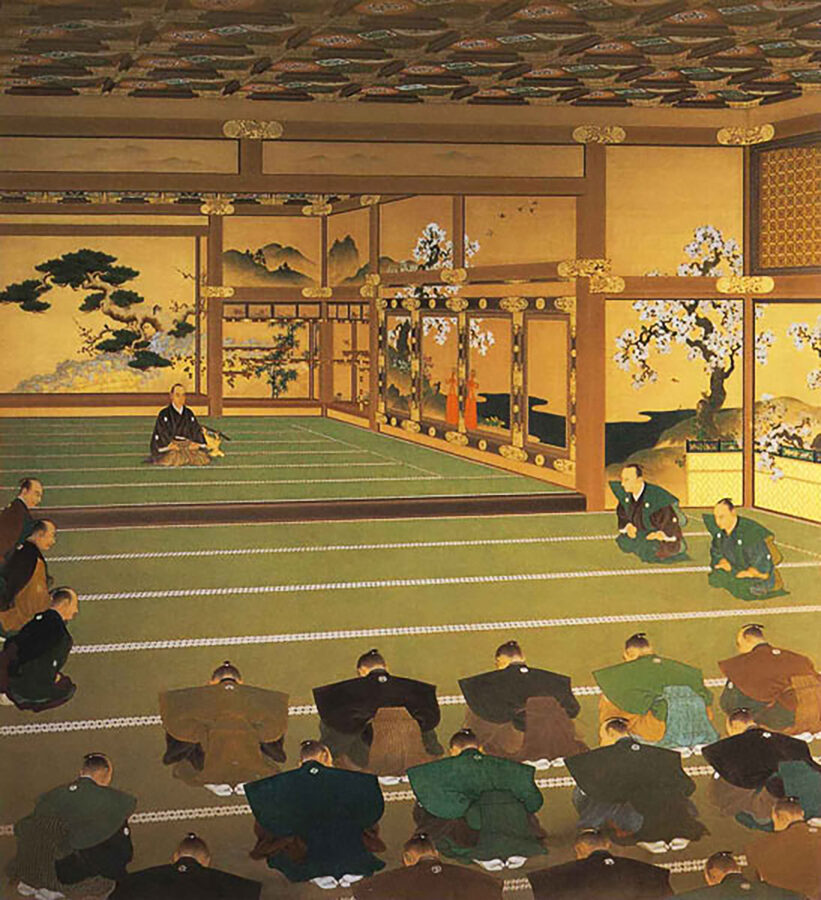
In the ninth month of 1867 Yoshinobu moved his headquarters from the Obama domain’s mansion into Nijō itself. On the thirteenth of the tenth month about fifty senior retainers from forty domains were called to the Ōhiroma and handed a draft memorial returning the government to the emperor. Six of them, including Gotō Shōjirō of Tosa and Komatsu Tatewaki of Satsuma, stayed behind to speak to the shogun in person.
On the fourteenth the memorial went to the court, and on the fifteenth, 10 November 1867 by the Western calendar, it was accepted. This was the Taisei Hōkan (大政奉還), the return of government to the emperor, and two and a half centuries of Tokugawa rule ended on paper on the same ground where they had begun. Yoshinobu still kept the title of shogun and the Tokugawa lands; his idea, or his gamble, was that a council of lords under the emperor would need the biggest lord in the country to run it.
It did not work. On the same day the memorial went in, Satsuma and Chōshū obtained a secret order to overthrow the shogunate, and on the ninth day of the twelfth month the court proclaimed the restoration of imperial rule and abolished the office of shogun outright. Yoshinobu left Nijō for Osaka. In the first month of 1868 his troops lost at Toba-Fushimi, south of the city, to an army in which Saigō Takamori was the decisive figure, and by spring Edo Castle had been handed over without a fight.
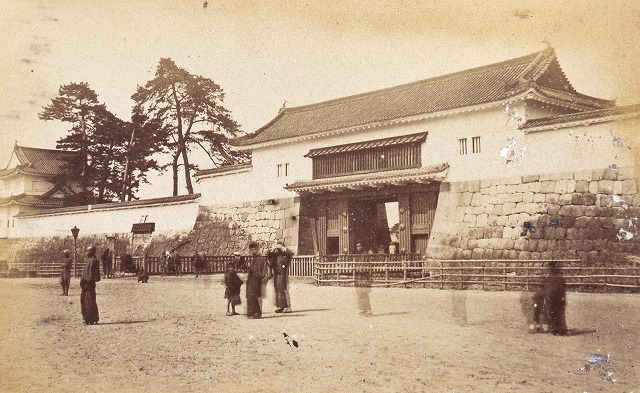
In the first month of 1868 the castle was handed to Tokugawa Yoshikatsu, of the Owari branch of the family, acting for the new government, and the Daijōkan, the council of state, set up in it. The fifteen-year-old Emperor Meiji visited for the first time on the third day of the second month and issued the edict for the campaign against Yoshinobu from the Shiroshoin. For a few weeks the shogun’s castle was the seat of the government that had abolished him.
Prefecture, palace, museum
The Meiji years were hard on the building and kinder than you might expect to the idea of it. In 1871 the Ninomaru Palace became the offices of Kyoto Prefecture, which means clerks at desks in front of the Kanō pines, and in 1873 the castle passed to the army ministry. The prefecture moved out in 1885, by which time the paintings had suffered, and the half-height paper doors you now see on the outside of the Ōhiroma and the Kuroshoin were added in these years.
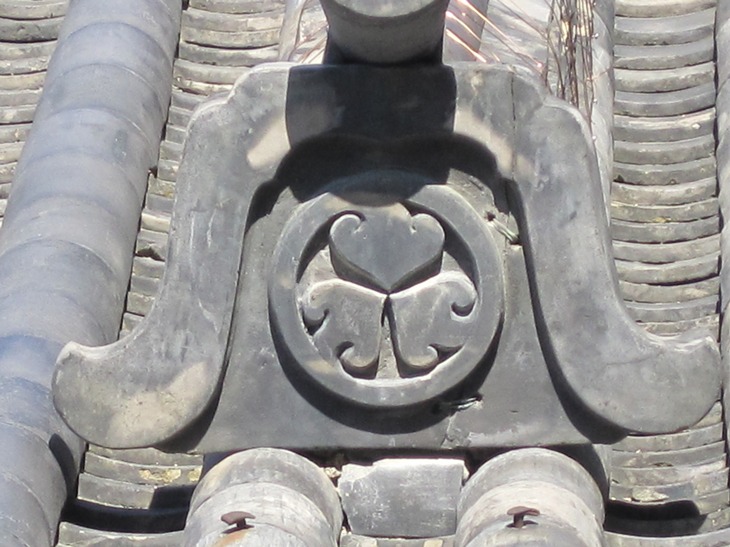
In 1884 the castle became the Nijō Detached Palace, under the Imperial Household Ministry. English-language sources often date the imperial villa from 1868, when the new government took the castle, but the Japanese record gives the formal transfer to the imperial household as 28 July 1884. The Tokugawa crest came off whatever could be reached and the chrysanthemum went up.
Then came the Honmaru. In 1893 and 1894, on the wish of Emperor Meiji, the buildings of the Katsura-no-miya, one of the hereditary princely houses, were moved from beside the Imadegawa gate of the imperial enclosure into the empty inner ward. The house had died out in 1881 with Princess Sumiko, its last head, and the buildings dated from 1847: five of them came across, the entrance hall, the study, the living quarters, the kitchen and the Wild Goose room. Kotobank’s entries disagree on the year of the move, giving 1893 in one place and 1896 in another.
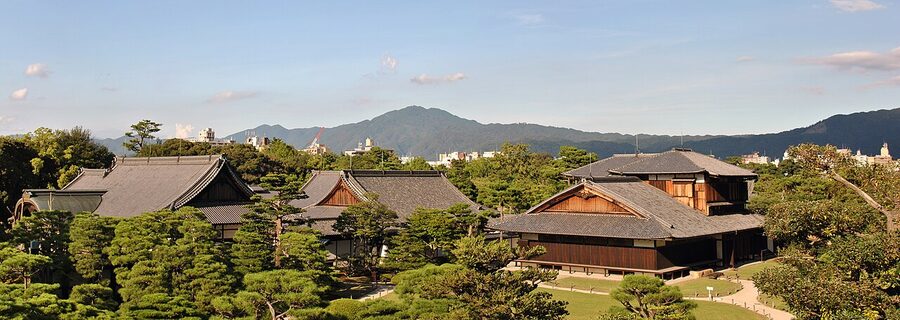
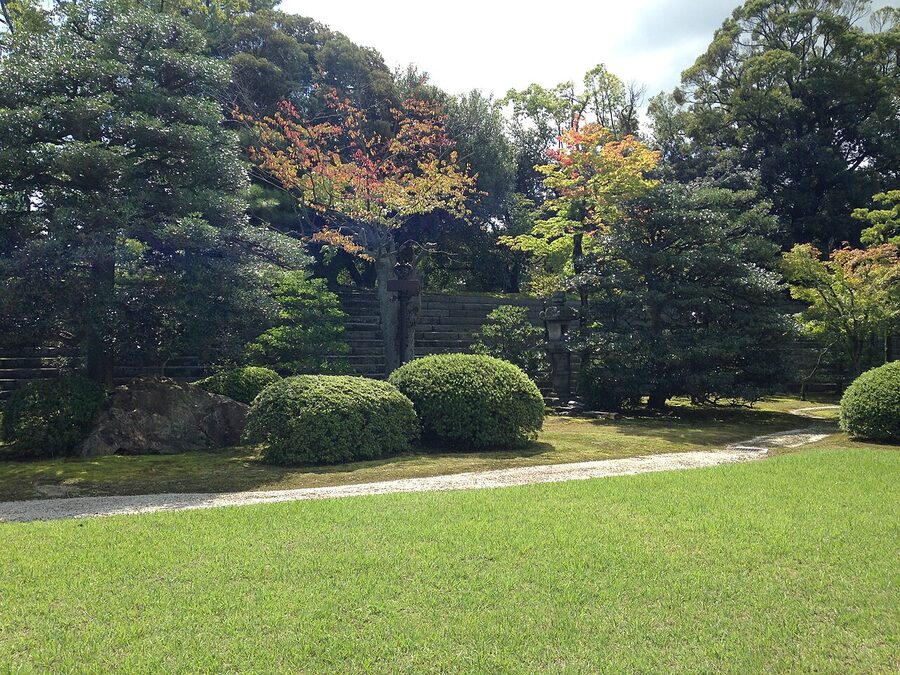
Meiji came in 1895, named the main rooms, and ordered a garden. The Honmaru garden was finished in 1896 after seven and a half months, a lawn with clipped shrubs and a low artificial hill laid out for strolling, closer to an English park than to anything the Tokugawa built. Mixing Japanese and Western was the fashionable thing in the 1890s, and the palace got electric light, chandeliers and carpet over the tatami to match.
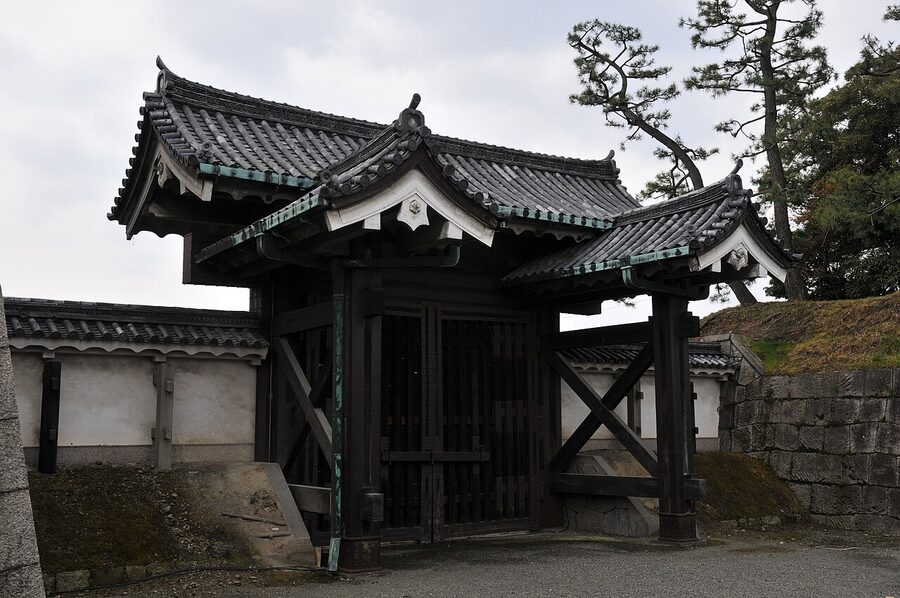
The Taishō emperor knew Nijō well. As crown prince he stayed ten times, and in 1915 the castle hosted the great banquet for his enthronement. A banquet hall went up where the Seiryū-en garden is now, and the guests got gagaku and Japanese dishes on the first day, French food and an orchestra on the second. The hall was taken down afterwards and its timber reused for the Okazaki public hall, and the only building left from the occasion is the south gate, the Minami-mon, cut through the wall for the guests.
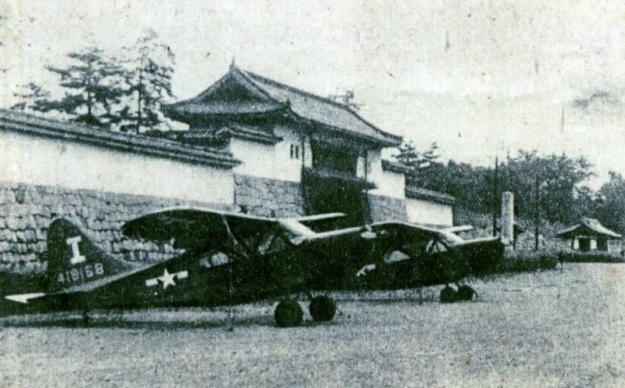
Some English-language sources add that the 1928 enthronement banquet of the Shōwa emperor was held at the Honmaru Palace; the Japanese accounts I have read do not say so, so treat it as unconfirmed. What is certain is that on 25 October 1939 the imperial household gave the castle to the city of Kyoto, and on 11 February 1940 it opened to the public as the “Former Imperial Villa Nijō Castle”, which is still its formal name.
After the war the honours came in a rush. The six buildings of the Ninomaru were made National Treasures in 1952, and the Ninomaru garden a Special Place of Scenic Beauty in 1953. In 1994 Nijō was inscribed as one of the seventeen parts of the Historic Monuments of Ancient Kyoto. It is not on the list of Japan’s twelve original castles, because it has no keep to be original, and it does not need to be.
What you are actually looking at
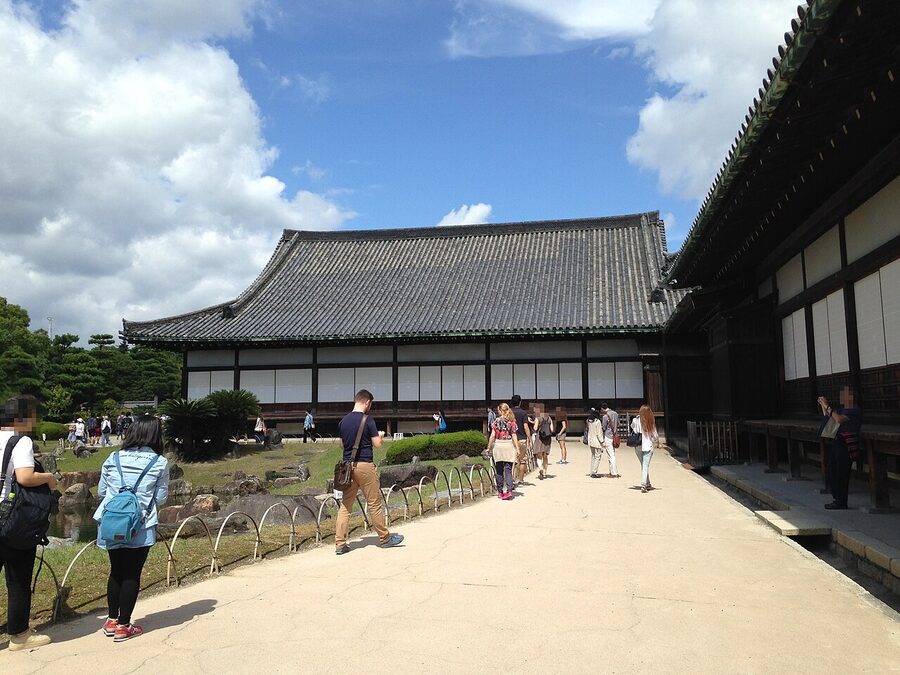
Most castles in Japan are about the keep. At Himeji the palace buildings are long gone and the tower is everything; at Nijō it is the other way round, and the castle describes the Ninomaru as the only surviving example of a fortified palace complex. It is six buildings set in a diagonal staircase (the Tozamurai with its carriage porch, the Shikidai, the Ōhiroma, the Sotetsu-no-ma, the Kuroshoin and the Shiroshoin) joined by corridors, with 33 rooms and something over 800 tatami mats between them.
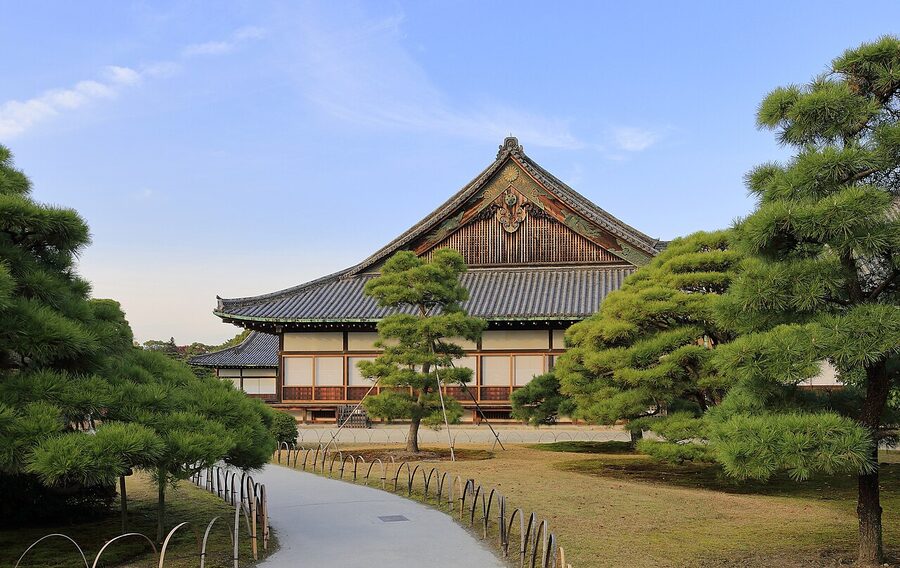
The rooms get smaller, quieter and more private as you go in. The Tozamurai, nearest the entrance, is the biggest building in the complex, and its waiting rooms are full of tigers on gold, because that is what you put in front of a waiting daimyo. The Ōhiroma is the formal audience hall; the Kuroshoin is for more intimate audiences; and the Shiroshoin at the back, the shogun’s private quarters, gives up gold for pale ink views of West Lake at Hangzhou.
The naming is a muddle, and it helps to know why. “Kuroshoin” and “Shiroshoin” only came into use near the end of the Edo period; before that the two were called the Kohiroma and the Gozanoma. At Edo Castle and Nagoya the rooms that did the same jobs carried the names the other way round, which has confused at least one generation of architectural historians and will confuse you if you visit Nagoya the same week.
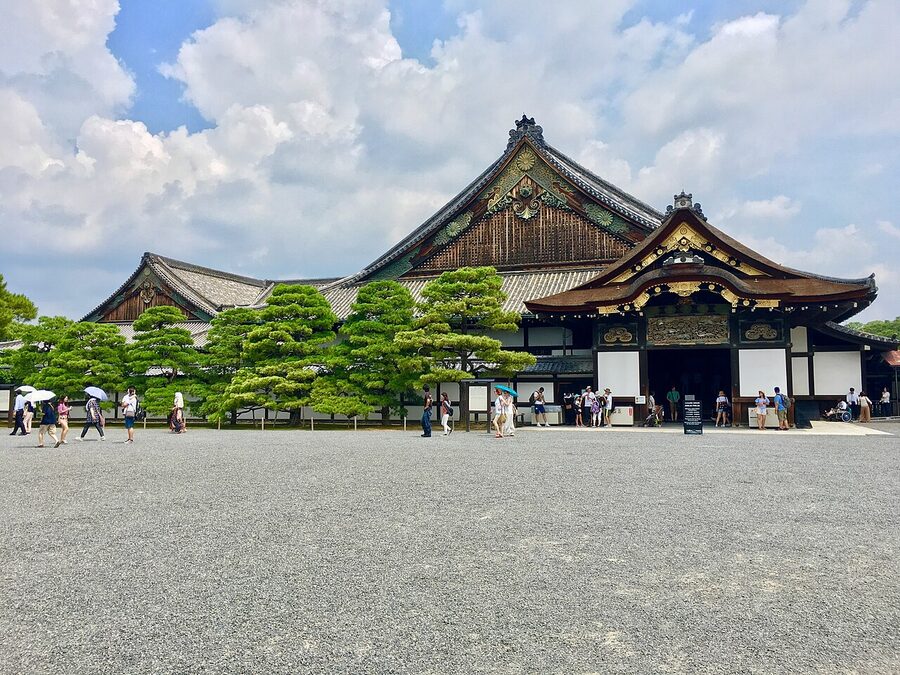
The carpentry is the other half of the show. Over the sliding doors of the Ōhiroma’s third room the transoms are carved right through from single pieces of cypress more than 35 centimetres thick and trimmed with gilt copper, and if you have read the piece on ranma transoms you will see how far beyond the domestic kind these go. The ceilings climb in formality as the rooms rise in rank, from flat coffering to the double-coved ceiling over the shogun’s dais in the Ōhiroma.
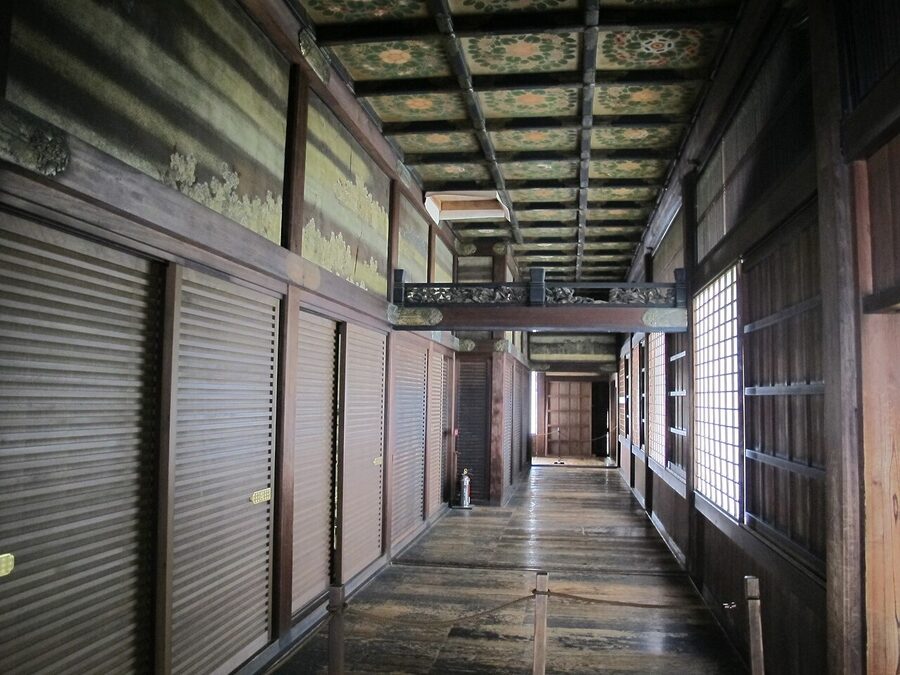
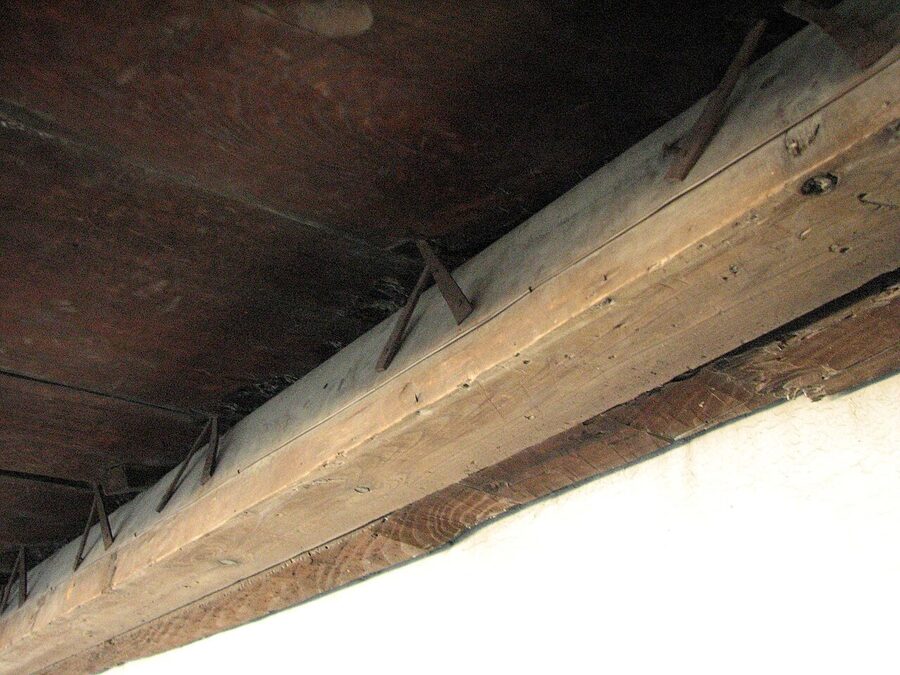
Then there is the floor. The corridors chirp when you walk on them, and half the guides in Kyoto will tell you they were built that way to warn the shogun of assassins. They were not. The noise is the iron clamps under the boards rubbing up and down on their nails as the wood ages, and Chion-in, the other famous nightingale floor in the city, went silent after it was repaired in 2011, while a hall there started chirping on its own a century after it was rebuilt.
Under all of this is a quieter puzzle. The whole castle sits about three degrees clockwise of true north, out of line with the Kyoto street grid around it. The popular explanation is that Ieyasu’s surveyors used a compass brought by missionaries, and the numbers almost fit, since Dutch traders measured magnetic north at Hirado in 1613 at just under three degrees east of true. But geomagnetic studies put the deviation at Kyoto around 1602 at only about one degree, nobody has shown that the shogunate used a compass for anything, and the excavated walls of Hideyoshi’s Jurakudai have the same three-degree twist, so the likelier story is that Ieyasu simply lined up on Hideyoshi.
I like the compass story too. It is wrong.
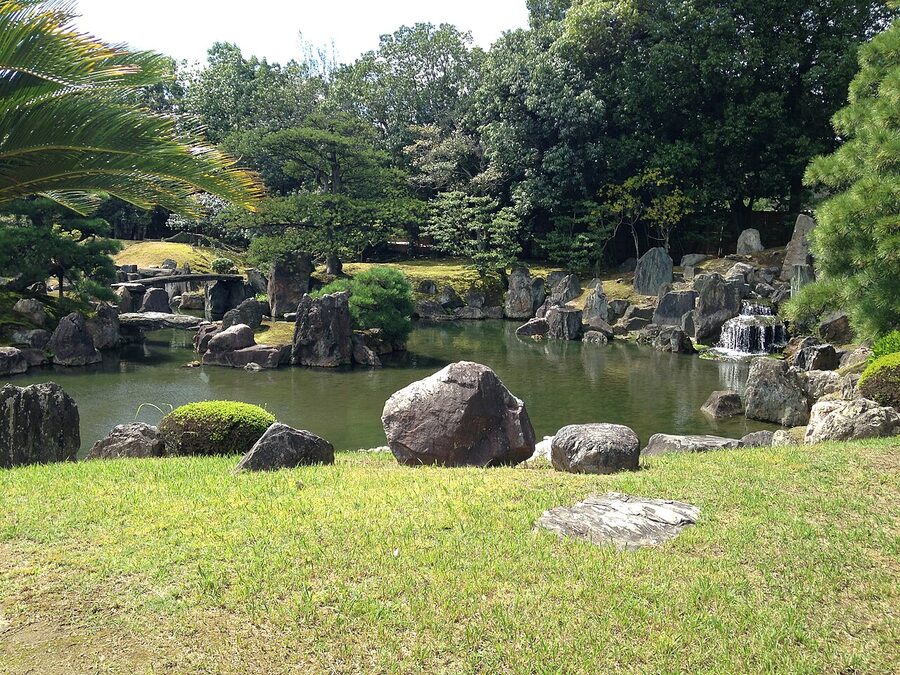
The Ninomaru garden lies west of the Ōhiroma, and it was rebuilt for the 1626 visit to be seen from three directions: from the emperor’s lost palace to the south, from the Ōhiroma to the east, and from the Kuroshoin to the north. It is a pond with three islands, the large Hōrai island in the middle with a crane island and a turtle island on either side, and a two-step waterfall in the north-west corner. The stones are set so that from each viewpoint you see a crane and a turtle together, the two great emblems of long life.
The garden you walk past is not quite the 1626 garden either. By the 1860s, after more than two centuries without a shogun to impress, it had gone to ruin, and the replanting under the Imperial Household Ministry was big enough to change its look. The rocks are the seventeenth century; much of the planting is the nineteenth. The longer story of how gardens like this were meant to be read is in the history of Japanese gardens, and Nijō’s place among the country’s best is weighed in Japan’s greatest gardens.
Visiting Nijō Castle today
Nijō is one of the easiest major sites in Kyoto to reach and one of the easiest to do badly. Most people walk in through the east gate at ten, shuffle through the Ninomaru in a queue, glance at the garden and leave inside an hour. Give it half a day, book the Honmaru, and put the painting gallery on the list, and it turns into a different castle.
Getting there and getting in
Take the Tōzai subway line to Nijōjō-mae Station; Exit 1 brings you up on Horikawa-dōri, and the Higashi-Ōtemon is about two minutes’ walk. City buses 9, 12, 50 and 67 stop at Nijōjō-mae. The west side of the castle faces JR Nijō Station, but the west gate has not been an entrance since its bridge was removed in the Meiji era, so don’t plan to come in from that side.
The grounds are open 8:45–17:00, with last entry at 16:00, and close only from 29 to 31 December. Entry is ¥800, or ¥1,300 with the Ninomaru Palace included; if you buy the grounds ticket and change your mind, the palace is ¥500 extra at the information desk inside. Show a Kyoto subway one-day pass at the ticket office and the grounds ticket drops to ¥700.
The Ninomaru Palace closes on Tuesdays in December, January, July and August (the following day instead, if the Tuesday is a public holiday), and from 26 to 28 December and 1 to 3 January. Photography is not allowed inside either palace.
The Ninomaru, the gallery and the kitchens
Do the Ninomaru first, and as early as you can. The route is one-way, in socks, from the Tozamurai through to the Shiroshoin, and in spring and autumn the corridors fill fast. The paintings in the rooms are reproductions: the castle began making them in 1972 and swapping them in for the originals in 1992, and all 1,016 listed originals have now been taken out of the palace and put into storage.
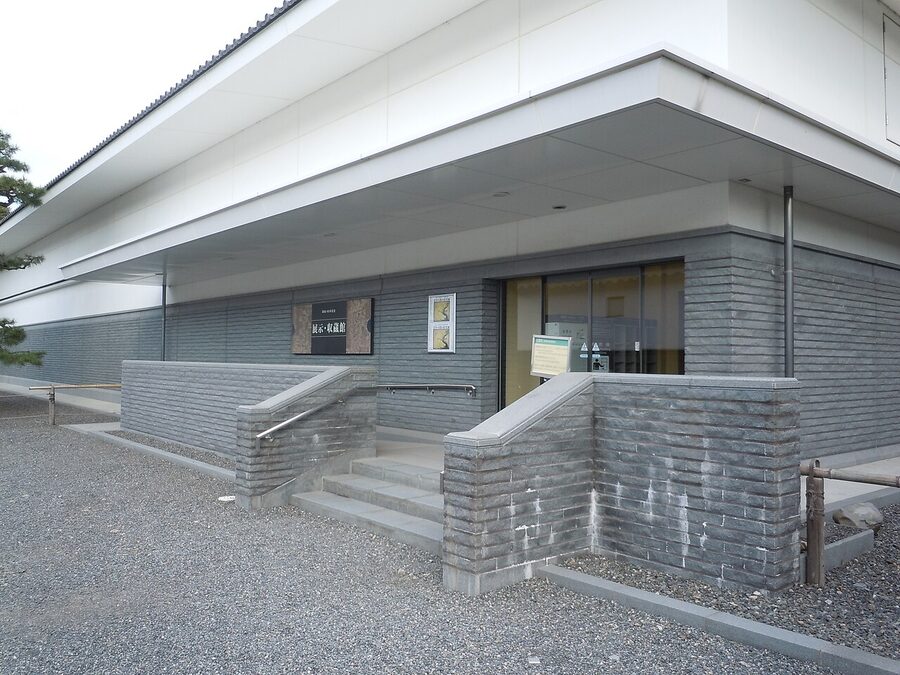
The originals come out in the Painting Gallery, the Exhibition and Storage Center opened in 2005 on the east side of the grounds. It shows about thirty panels at a time behind glass, set out in their original room order, in four rotations a year that add up to around 240 days. Entry is ¥100 on top of your grounds ticket, open 9:00–16:30 with the doors shutting at 16:45, and it is the best ¥100 you will spend in Kyoto.
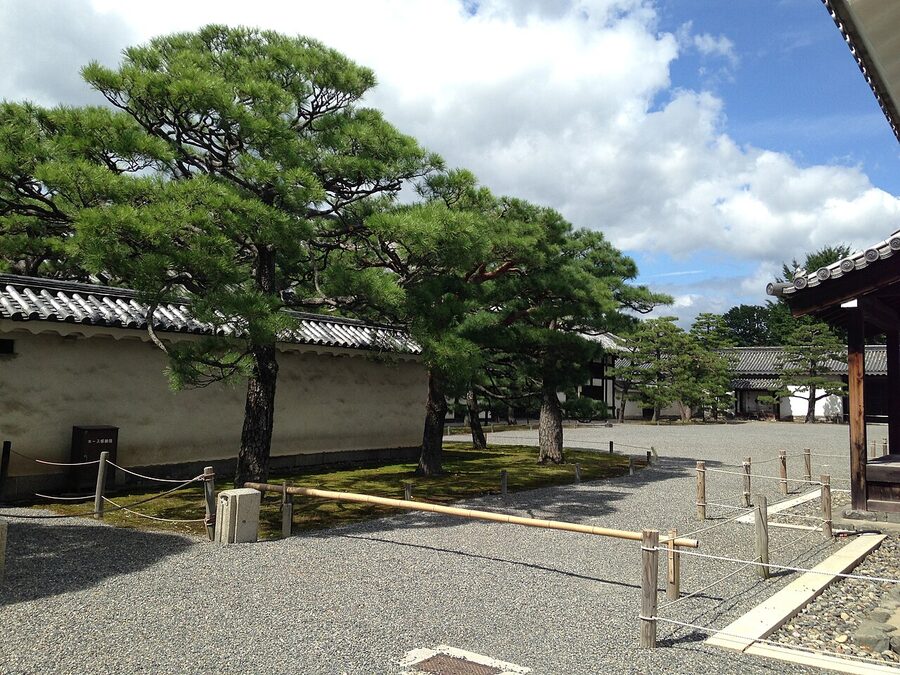
On the way out, find the Daidokoro and Okiyodokoro, north of the Tozamurai. The Daidokoro is the castle kitchen, rebuilt for the 1626 visit around a vast earth floor and a boarded hall open to the rafters, one of the biggest pre-modern kitchens in Japan; the Okiyodokoro, joined on to its south end, was where food was warmed and set out, with a well and a four-mat sunken hearth. Castle kitchens almost never survive; here both do. Almost nobody looks.
The Honmaru Palace and the keep platform
The Honmaru Palace was closed in 2007 for earthquake strengthening and reopened in September 2024, and it is now open all year by advance reservation only. Tickets go on sale on the castle’s website 30 days ahead, cost ¥1,000 on top of the grounds ticket, and cannot be changed or refunded; a few same-day tickets are sold at the main information desk inside, not at the ticket office by the gate.
Arrive at least twenty minutes before your slot. It is about 850 metres, or fifteen to twenty minutes, from the Higashi-Ōtemon to the Honmaru entrance, and groups of about fifteen go in after an eight-minute video, then follow the route at their own pace. The palace closes on the third Monday of each month and the day after, and different rooms of the living quarters open at different times of year to rest the paintings, so if one room matters to you, check the schedule before you buy.
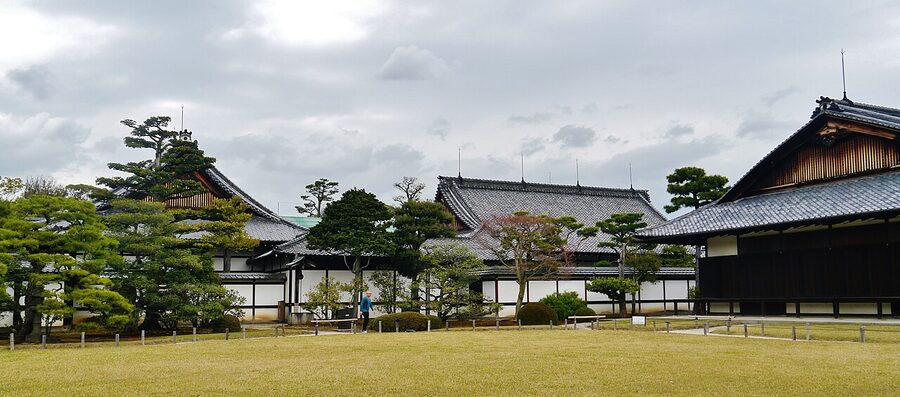
Then climb the keep platform in the south-west corner of the Honmaru. It is included in your grounds ticket, takes a minute, and gives you the only view in the castle from above: the Honmaru Palace below you, the inner moat, and on a clear day the mountains round the Kyoto basin.
Gardens and seasons
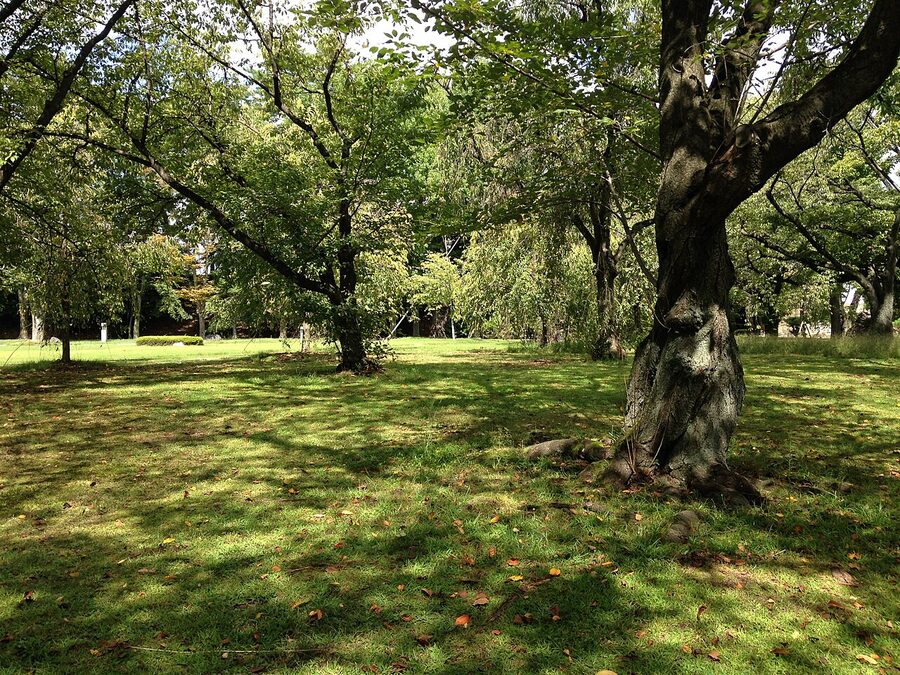
The groves of cherry and plum make Nijō one of the more relaxed places in central Kyoto to see blossom, because the grounds are large and most people are inside the palace. The cherries near the Narukomon gate and across the western grounds start in late March; the cherry blossom guide has the timing. In recent years the castle has also run evening events with lighting and projection mapping, ticketed separately, so check what is on.
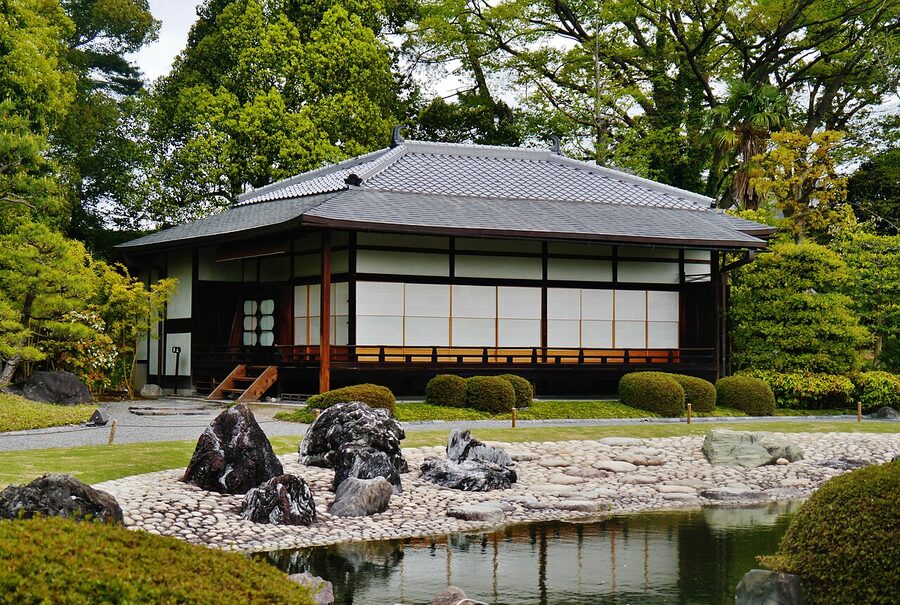
The Seiryū-en, in the north of the grounds, is the newest garden, laid out in 1965 on the site of the old tennis court with stones, trees and parts of the house of Suminokura Ryōi, the seventeenth-century merchant who dug the Takase canal, together with stones gathered from across the country. Its western half is a Western-style lawn and its eastern half a Japanese garden with two tea houses, used for city receptions; in May 1986 the Prince and Princess of Wales were given a garden party here.
Shinsen-en, across the road
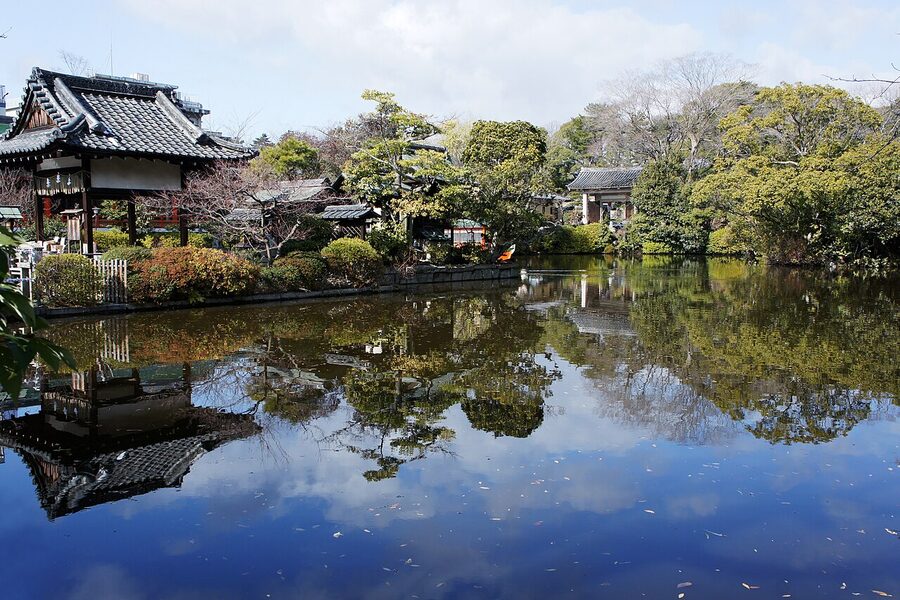
Shinsen-en is just south of the castle on Oike-dōri, two minutes from Nijōjō-mae Station. It was the pleasure garden of the emperors from the founding of the capital in 794, ran to four city blocks north to south, and is now a small Shingon temple with a pond. Ieyasu took its spring water for the castle moats and with it the northern part of the garden, which is why what is left is so small.
It has more history per square metre than the castle. Emperor Saga held the first recorded blossom-viewing party here in 812; Kūkai prayed for rain beside the pond in 824; and in 869, in the middle of an epidemic, 66 halberds, one for each province, were set up here in a rite that grew into the Gion Matsuri. The precinct is open 7:00–20:00 and free.
Nijō Jinya
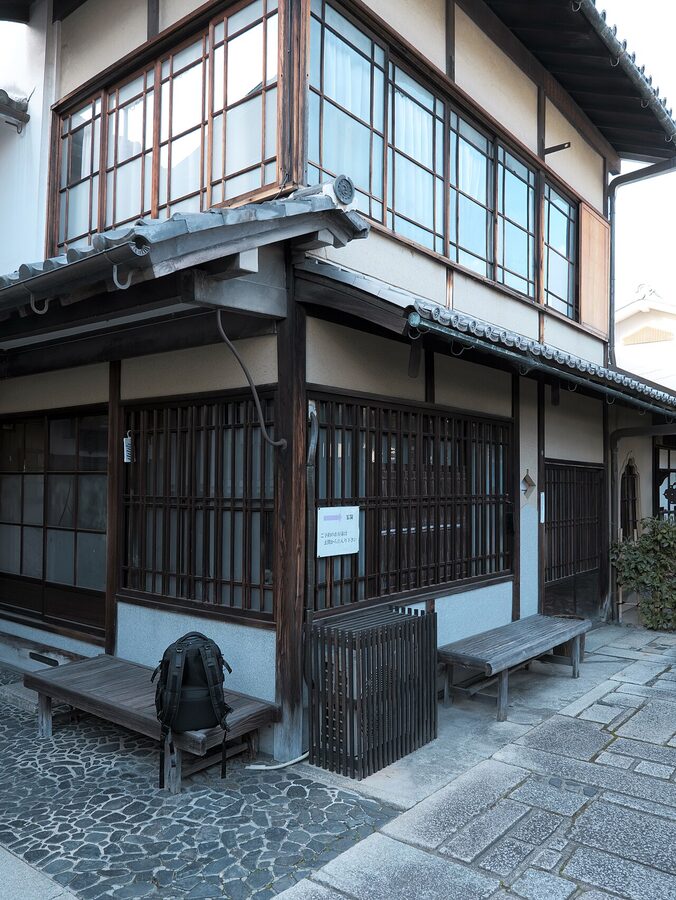
Nijō Jinya stands on Ōmiya-dōri just below Oike, a few minutes’ walk south of the castle. It is the Ogawa family residence, an Important Cultural Property, and in the Edo period it was a kujiyado, an inn for people who came to Kyoto to bring lawsuits before the shogunate’s officials. It is fitted with mechanisms against surprise attack, which is why people call it a ninja house, which it was not.
Visits are by booking only, through the house’s own website, and tours are in Japanese; the house asks anyone coming from overseas to bring an interpreter. It is worth the trouble if you can manage it: a working house with the habits of a fortress, a few minutes from the real one.
Following the older Nijōs
You can trace the earlier castles on foot in an afternoon. The Nijō-dono post for Nobunaga’s mansion is on Ryōgae-machi-dōri just north of Oike, and another, for the Nijō-dono pond that gave Oike-dōri (“pond street”) its name, is on Muromachi-dōri. Yoshiaki’s castle lay under today’s Karasuma-dōri and the Heian Jogakuin school, where a sign on the campus, as Japanese writers point out rather tartly, mixes it up with Nobunaga’s mansion.
The 1975–78 excavations for the Karasuma subway line found its stone walls and double moat. Part of the wall has been rebuilt inside the Kyoto Gyoen near the Sawaragi gate, and another stretch inside Nijō Castle itself. Stone Buddhas pulled out of the wall are on show at the Museum of Kyoto and, in a long row, in the south-east corner of the Rakusai Bamboo Park in Nishikyō, which is free, open 9:00–17:00 and closed on Wednesdays; stand in front of them and you understand Nobunaga’s attitude to sacred objects better than any chronicle can tell you.
While you are in the Gyoen, find the site of the Katsura-no-miya mansion, between the Kyoto Imperial Palace and Dōshisha Women’s College. The walls and two gates stayed behind when the buildings went to the Honmaru, and the site has been open to the public since May 2022. It is an odd feeling to stand in the empty plot and know the rooms are two kilometres south-west, inside a shogun’s castle.
Toyokuni Shrine’s gate
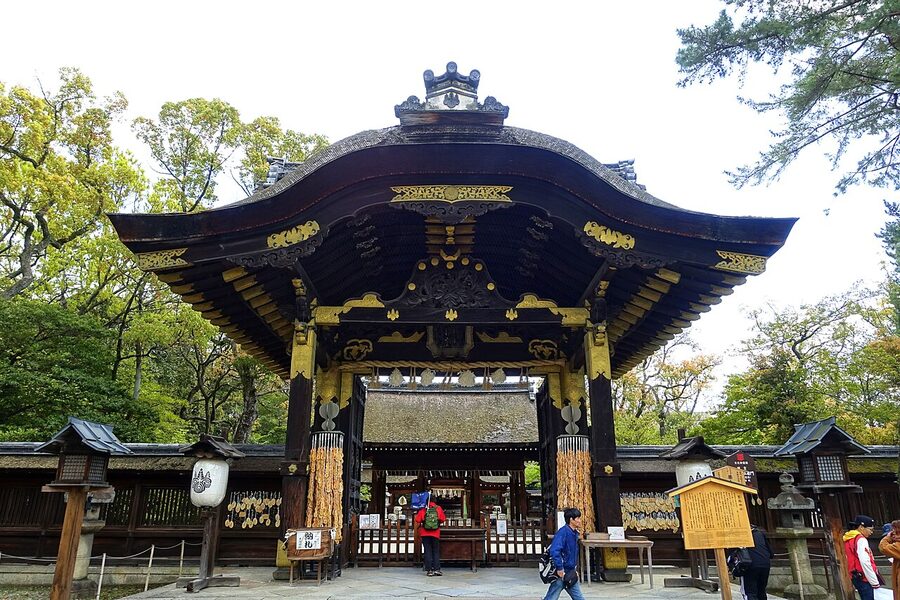
Across the city at Toyokuni Shrine, Hideyoshi’s shrine beside the Great Buddha site, stands a National Treasure karamon that almost certainly spent time at Nijō. The usual account is that it was built for Hideyoshi’s Fushimi Castle, moved to Nijō when Fushimi was dismantled, given away in the Kan’ei rebuilding to the monk Ishin Sūden for Konchi-in at Nanzen-ji, and moved to the shrine in 1876, after the Meiji government restored the shrine the Tokugawa had suppressed. Sources variously give 1626 or 1627 for the move to Konchi-in, and the Fushimi origin is a tradition rather than a certainty.
The carving is Azuchi-Momoyama showmanship at full volume, and the gate faces the street and costs nothing to see; the treasure house is ¥500, 9:00–17:00, and it is about ten minutes’ walk from Keihan Shichijō Station. There is something satisfying about a Tokugawa hand-me-down ending up as the front door of Hideyoshi.
Further afield
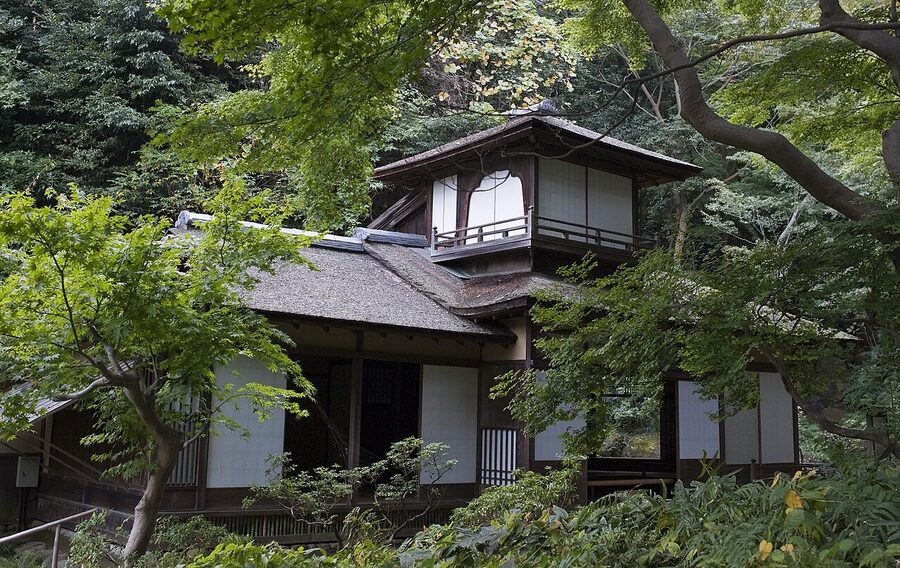
Nijō’s buildings went everywhere. The emperor’s 1626 rooms went to the retired emperor’s palace, where they burned; in Tokyo, a three-storey pavilion at Setagaya Kannon is said to have come from the Honmaru; and in Yokohama, the Chōshūkaku at Sankeien is said to have been built for Iemitsu at Nijō before it was given away. For the bigger picture of how Nijō fits between the Sengoku wars and the Meiji state, Japan through the ages lays out the whole run.
The empty platform
I keep going back to the keep platform. There is nothing on it, and the nothing is the point: a castle built to be looked at lost the one thing built to be seen from furthest away, and then spent two centuries being looked after by men waiting for a shogun who did not come. When the shoguns did come back, it was to give the country away.
So if you are in Kyoto, go early, do the Ninomaru in your socks before the coaches arrive, give the painting gallery the twenty minutes it deserves, and then climb the steps in the south-west corner. Stand at the top and look east, over the inner moat and the prince’s roofs, toward the palace where the first Tokugawa shogun threw his party in 1603 and the last one handed the country back in 1867. It is a few hundred metres. It took 264 years.