The smallest lord in Tokugawa Japan owned, on paper, nothing at all. In a letter of 1815 a retired head of the Kitsuregawa house, north-east of Utsunomiya, listed the privileges that set his family apart, and one of them was being assessed at no koku whatever while actually drawing about 5,000. Every other lord in the country needed an assessment of at least 10,000 koku to count as a daimyo (大名). The Kitsuregawa, descendants of the Ashikaga shoguns and the only branch of that line still holding a lord’s rank, were ranked alongside the 100,000-koku lords anyway, excused from the attendance in Edo that ruined everyone else, and addressed as Gosho, “the Palace”.
There is a story about them that I like even more, and it is only a story. Kitsuregawa sat on the Ōshū Kaidō, the road the great northern lords took to Edo, and it is said that whenever the lord of Sendai tried to hurry his procession past to save money, the Gosho was waiting at the post town to be greeted. When Sendai once took another road to avoid him, the Gosho is supposed to have gone to Edo Castle, which he had no duty to do, purely to say something cutting to the lord of Sendai in person.
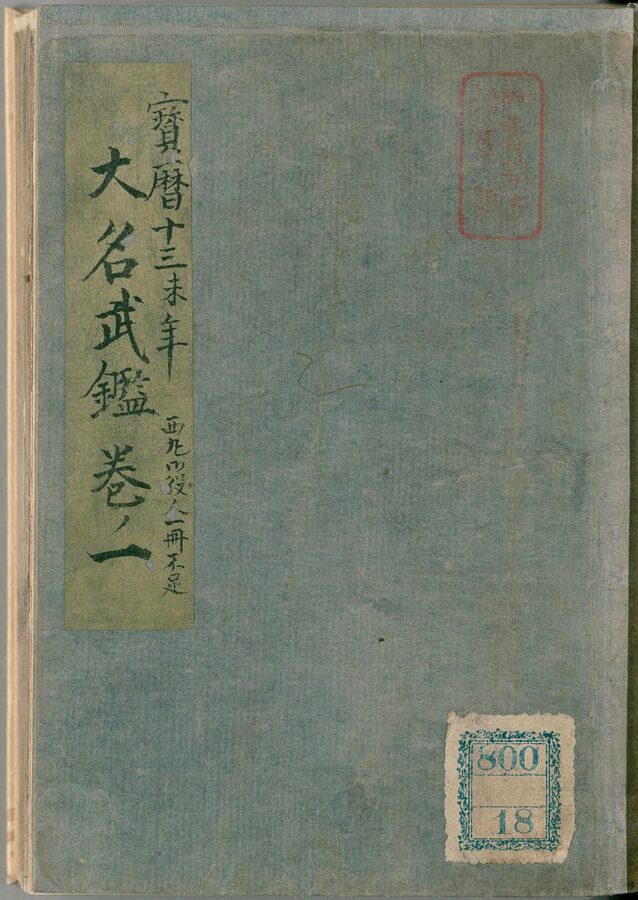
The letter is documented and the waiting at the post town is tradition, and between them they tell you most of what you need to know. A daimyo was a warlord for about a century and a half, and for the rest of his history he was a rank: a number on a register, a seat in a particular waiting room of Edo Castle, a right to be greeted. This is the story of that rank, from Heian farmland to the afternoon in 1871 when every daimyo in Japan was told he no longer existed, and of the castle towns, gardens and treasure houses the lords left behind.
In This Article
- A word that meant something else
- Daimyo, samurai and shogun: who outranked whom
- The shugo daimyo: governors who lived in Kyoto
- The Sengoku daimyo, and the laws they wrote for themselves
- Rank still mattered
- Potted plants: the daimyo under Nobunaga and Hideyoshi
- A rank with a number on it: the Tokugawa daimyo
- The waiting rooms of Edo Castle
- How a domain worked
- Keeping the lords on a short leash
- Removal, transfer and the deathbed heir
- The secret report on 242 lords
- A daimyo’s day, and a daimyo’s debts
- Borrowing against the rice
- The lord who wore cotton
- Giving it all back: 1869 and 1871
- The return of the registers
- Abolished in an afternoon
- What happened to the debts
- Princes, peers and a prime minister
- Where to see daimyo Japan today
- Tokyo: the daimyo city under the office blocks
- Eisei Bunko and the Hosokawa garden, Mejirodai
- Tokugawa Art Museum, Nagoya
- Kanazawa: Kenroku-en and Seisonkaku
- Hikone: the Ii family’s castle, garden and screen
- Okayama Kōrakuen
- Ritsurin Garden, Takamatsu
- Sengan-en, Kagoshima
- The lord with no land
A word that meant something else
Start with the word, because the usual explanation is probably wrong. English-language accounts tend to say that dai means “great” and myō stands for myōden (名田), the named fields of the Heian and Kamakura countryside, so that a daimyo was the holder of a lot of them. That derivation goes back to an Edo-period antiquarian, Ise Sadatake, and the Japanese historian Katsumata Shizuo points out that no medieval source actually calls the holder of myōden a daimyo.
What the sources do show is a word for weight and wealth. A satirical sketch of the 1060s, the Shin sarugaku-ki, mocks a country husband called Tanaka Toyomasu as a daimyō tato, a big-time cultivator, and the Tale of the Heike has a warrior explain that one daimyo, even a poorly supplied one, brings no fewer than five hundred horsemen. In the Kamakura era the great vassal houses, the Hōjō, the Chiba and the Hatakeyama, were the daimyo of the shogunate, and every province had its own local daimyo and shōmyō, big names and small.
The pronunciation wandered too. Muromachi-period dictionaries give two readings, taimei for a provincial governor and daimyō for a man with a lot of cash, and the Jesuit dictionary of 1603 lists both without much distinction. Only in the Edo period did “daimyō” win, and by the 1790s nobody said anything else.
Daimyo, samurai and shogun: who outranked whom
Every daimyo was a samurai, and almost no samurai was a daimyo. The shogun was the top of the warrior pyramid, holding his commission from the emperor; the daimyo were his greatest vassals, each with a domain; and below them came the hundreds of thousands of samurai who served either the shogun directly or one of the lords. A retainer of a daimyo could be richer than some daimyo, and in Kaga the chief house elder, Honda, drew 50,000 koku, but as a vassal’s vassal he was never a daimyo and had no right to an audience with the shogun.
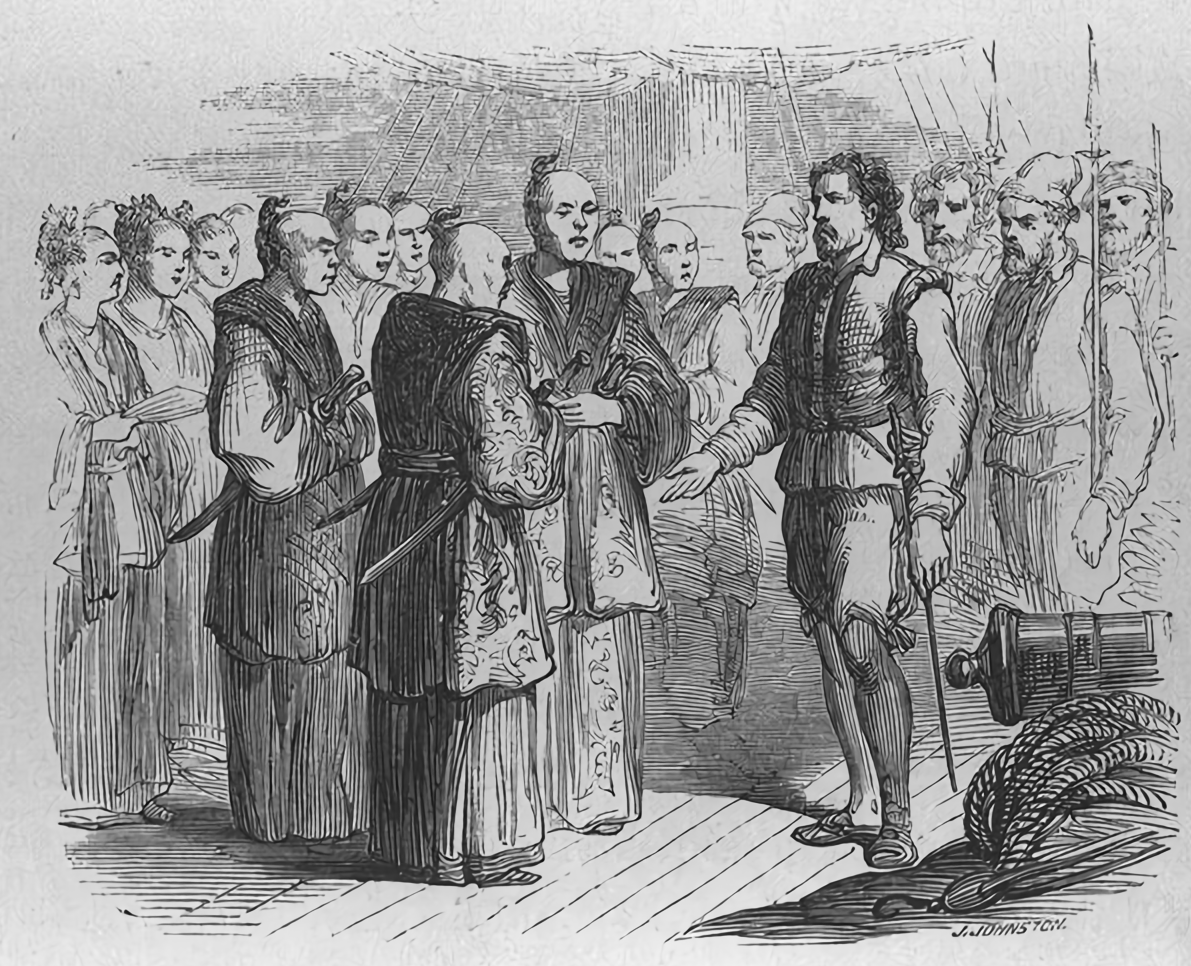
Europeans called the daimyo kings, dukes or barons, and none of it fits. A daimyo held his domain and his Edo mansion as grants from the shogun, and could be moved across the country or removed altogether; the closest English equivalent is probably “a hereditary governor with an army he was not allowed to use”. For how the overlord’s side of the arrangement worked, see the Tokugawa shogunate.
The shugo daimyo: governors who lived in Kyoto
The first men historians call daimyo in the technical sense were the shugo (守護), the military governors of the provinces under the Ashikaga shoguns of the Muromachi era. Under Kamakura a shugo had been a policeman with three jobs, catching rebels, catching murderers and organising guard duty in the capital. The Ashikaga gave them much more, piece by piece, because they needed their armies.
In 1346 the shugo were allowed to intervene in land disputes and enforce the shogunate’s judgements. In 1352, during the civil war inside the Ashikaga house, they were allowed to take half the tax from estates in Ōmi, Mino and Owari to feed their troops; every other shugo demanded the same, it became permanent, and by 1368 the half-share could be taken in land. Add the right to collect special levies and to contract for an absent owner’s taxes, and within a generation the shugo had swallowed most of the provincial government, becoming what historians call the shugo daimyo.
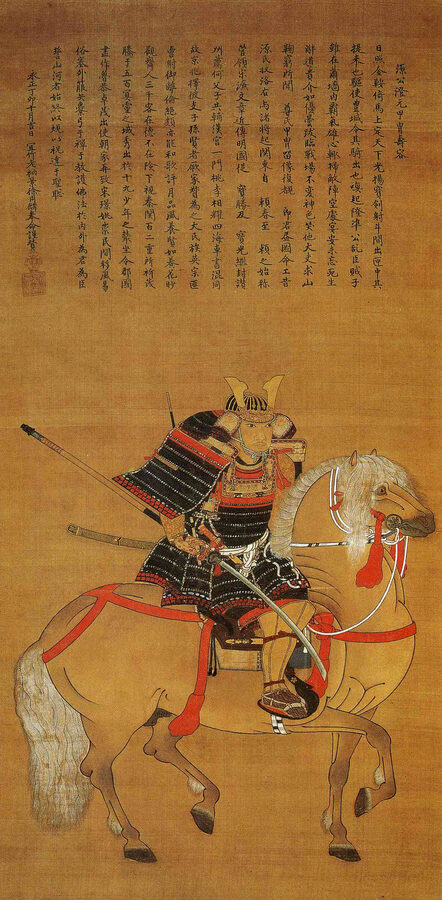
The greatest houses, the Shiba, the Hatakeyama and the Hosokawa, were Ashikaga kin, alongside outsiders such as the Yamana, the Ōuchi and the Akamatsu, who held several provinces each. The shogun expected them to live in Kyoto and govern at a distance, so each appointed a deputy, a shugodai, to run things at home, and some deputies appointed deputies of their own. You can see where this is going.
It went to pieces in the Ōnin War of 1467, when the great shugo houses fought each other in the streets of Kyoto over the shogun’s succession and their own. While the lords were in the capital, their deputies and the local landholders, the kokujin, took over at home. By the 1490s the shugo who had kept control of their deputies survived and grew stronger; the ones who had not were replaced.
The Sengoku daimyo, and the laws they wrote for themselves
The phrase sengoku daimyo (戦国大名), “warring-states lord”, was not used in the Sengoku era itself. Two Japanese historians, Araki Moriaki and Kikuchi Takeo, happened to use it in separate articles in 1953, it stuck, and its exact meaning has been argued over ever since. Roughly, a Sengoku daimyo ruled on his own authority rather than the shogun’s, turned the local landholders into his retainers, assessed them for military service and settled their quarrels himself.
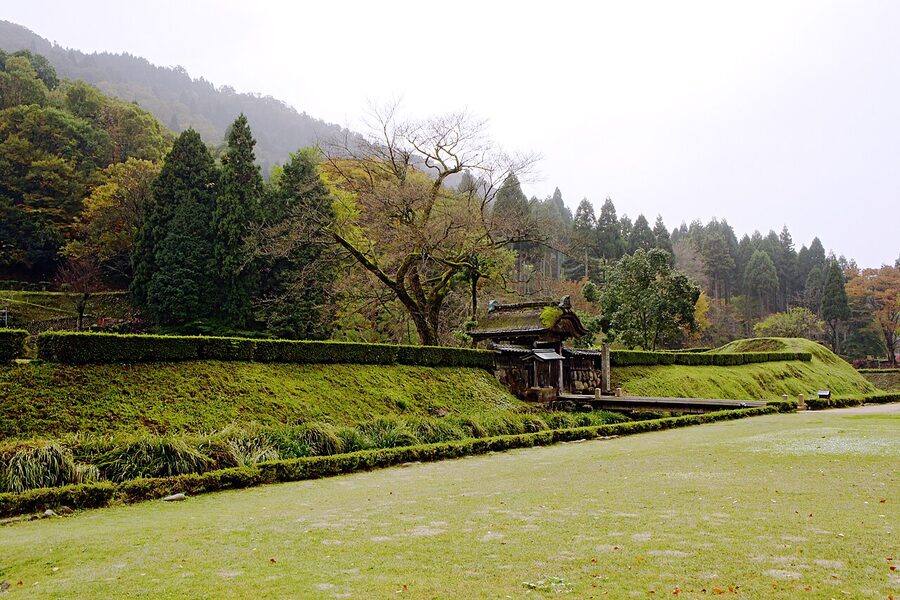
The first, by the usual reckoning, was Asakura Takakage of Echizen, whom the shogun recognised as master of the province in the fifth month of 1471 although he was only the old governor’s deputy. A code of seventeen articles in his name chooses elders by ability rather than birth, forbids any castle in the province but the Asakura’s own, and orders every man of substance to move to Ichijōdani and leave a steward in his village. One article is quoted in every Japanese textbook: a sword worth ten thousand hiki will not beat a hundred spears, so buy the spears. Whether Takakage actually wrote any of it is doubted, and the history published by Fukui Prefecture itself thinks the attribution is a stretch.
Codes like this are called bunkokuhō, provincial laws, and only a handful of daimyo issued one. The Imagawa of Suruga produced thirty-three articles in 1526, while the old lord Ujichika lay ill and his formidable wife, later known as Jukei-ni, was very likely helping. In 1553 their son Imagawa Yoshimoto added twenty-one more and, in effect, told the shogunate that its old exemptions no longer applied: Suruga’s law was whatever the Imagawa said it was.
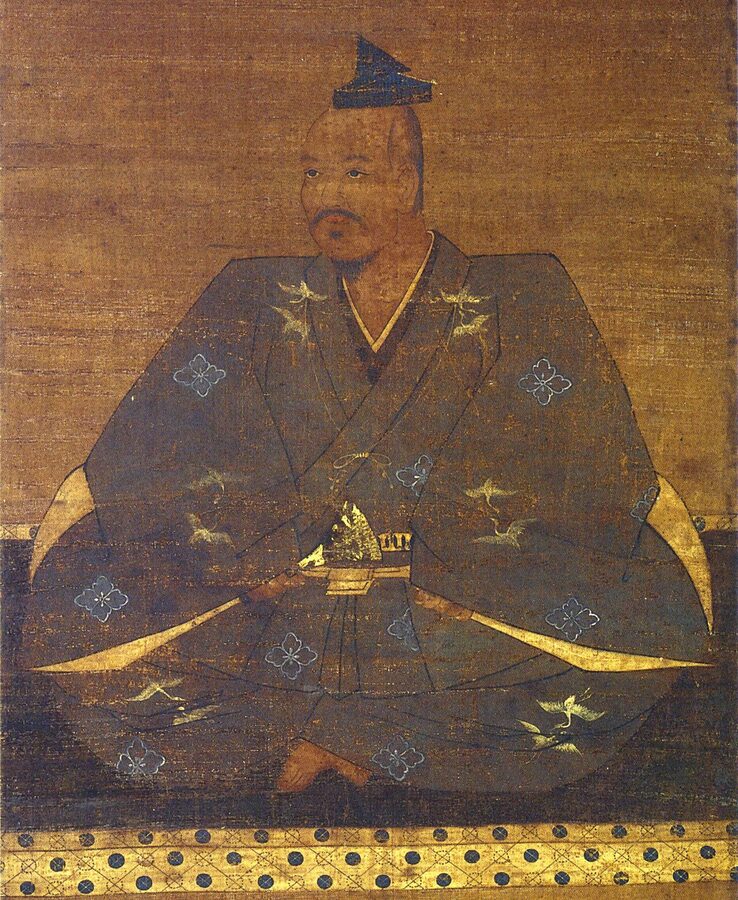
Takeda Shingen‘s code for Kai, issued in 1547 with fifty-five articles and extended to fifty-seven in 1554, borrowed from the Imagawa. It includes one remarkable line: the lord himself was bound by it, and anyone who thought he had broken it was invited to say so. Nobody knows whether anyone dared, and I read it as what Shingen wanted his retainers to think rather than as a working court of appeal.
The oddest is the Jinkaishū, 171 articles written for the Date in 1536 by Date Tanemune, the longest provincial code of all and generally considered the worst drafted. In one of its rules the Date declined to investigate crimes at all: victims made their own arrests, and if they arrested the wrong man they had fifty days to bring in the real culprit alive. There is no evidence that it was ever used, and after Tanemune fell from power the house forgot it existed until a retainer presented a copy to his lord in 1680.
Rank still mattered
The popular picture of the Sengoku is gekokujō, the low overthrowing the high, men such as Saitō Dōsan clawing their way up from nothing. Japanese research of the last few decades has made it a good deal more complicated. The daimyo were obsessed with rank, they paid heavily for court titles, and they went on treating the Ashikaga shogun as their lord in name long after he could not protect himself.
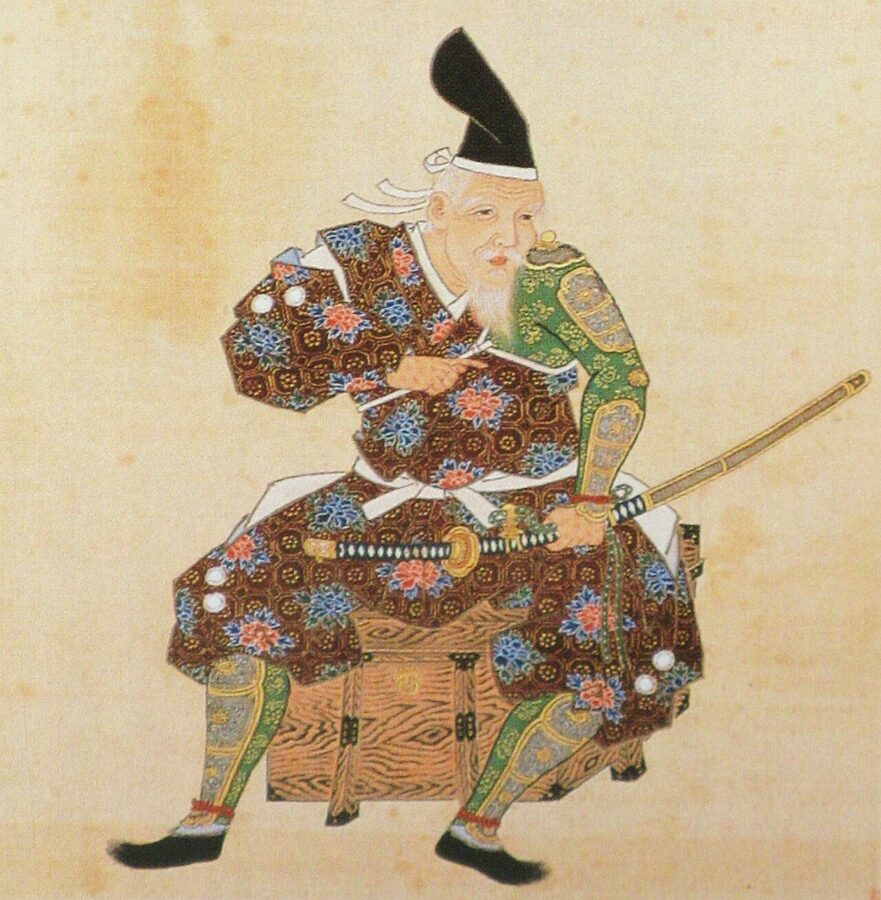
In 1517 Tanemune sent the shogunate seven swords, 117 ryō of gold and seventeen horses, plus smaller sums to the court, and was rewarded with the title of Sakyō no daibu and a character from the shogun’s name. In 1522 he asked to be made the shogun’s commissioner for the whole north, and was fobbed off with the empty title of governor of Mutsu. His endless campaigns then split the household, his son Harumune confined him in 1542, and six years of civil war followed. His great-grandson, Date Masamune, remarked that Tanemune had made the household afraid of him, which from Masamune was quite an accusation.
Retainers could and did depose lords. The Japanese historian Kasaya Kazuhiko has shown that confining a bad lord, shukun oshikome, was a recognised practice that ran from the Sengoku into the Edo period: the Asai retired Hisamasa in favour of his son, and Shingen himself took over Kai in 1541 by exiling his father with the backing of the senior retainers. The rule was that the house mattered more than the man in charge of it, and nearly always the replacement came from the same family.
Potted plants: the daimyo under Nobunaga and Hideyoshi
Oda Nobunaga and then Toyotomi Hideyoshi turned the Sengoku daimyo back into subordinates, and Hideyoshi’s tools outlived him by three centuries. The first was the land survey. Between 1582 and 1598 his officials measured fields across the country and rated each one by its expected yield in koku of rice, about 180 litres, notionally a year’s food for one adult. From then until the land-tax reform of 1873, a lord’s size was measured not in square kilometres but in koku.
The figure set his military duty as well as his income: under the Tokugawa a lord owed roughly two hundred men, porters included, for every 10,000 koku.
The second tool was the transfer. Hideyoshi moved great lords to new provinces whenever it suited him, most famously Tokugawa Ieyasu from his home provinces to the Kantō in 1590, and Japanese historians have a phrase for it: the daimyo became hachiue, potted plants, lifted out of the soil they had grown in. A lord who could be moved could not rely on old local loyalties, and his retainers, cut off from their villages, had to follow him and live in his castle town on his rice; the line between samurai and farmer, blurred for centuries, was drawn hard.
The third tool was simply victory. After the Battle of Sekigahara in 1600, Fujino Tamotsu, the historian who has counted these things more carefully than anyone, finds that 88 lords who had opposed Ieyasu were removed and 5 more cut down, 93 houses in all with land assessed at 6,324,194 koku. Other tallies give 87 houses and a round 6.2 million. Either way, roughly a third of the country changed hands in a season.
A rank with a number on it: the Tokugawa daimyo
The definition every textbook gives, a lord with 10,000 koku or more who served the shogun directly, was not there from the start. The 10,000-koku line first appears as a rule in the version of the Buke shohatto (武家諸法度), the Laws for the Military Houses, issued by the third shogun, Iemitsu, in 1635. Before that, who counted as a great lord depended on office, court rank and the shogun’s opinion.
From the 1630s the number of daimyo settled at around 260 to 270, and most of them were small. The biggest by far was the Maeda house of Kaga, at 1,025,000 koku after 1639, when the retiring lord carved two branch domains out for his younger sons; the founder of that fortune was Maeda Toshiie, and its castle was Kanazawa. The commonest kind of daimyo was a Tokugawa house vassal with less than 50,000.
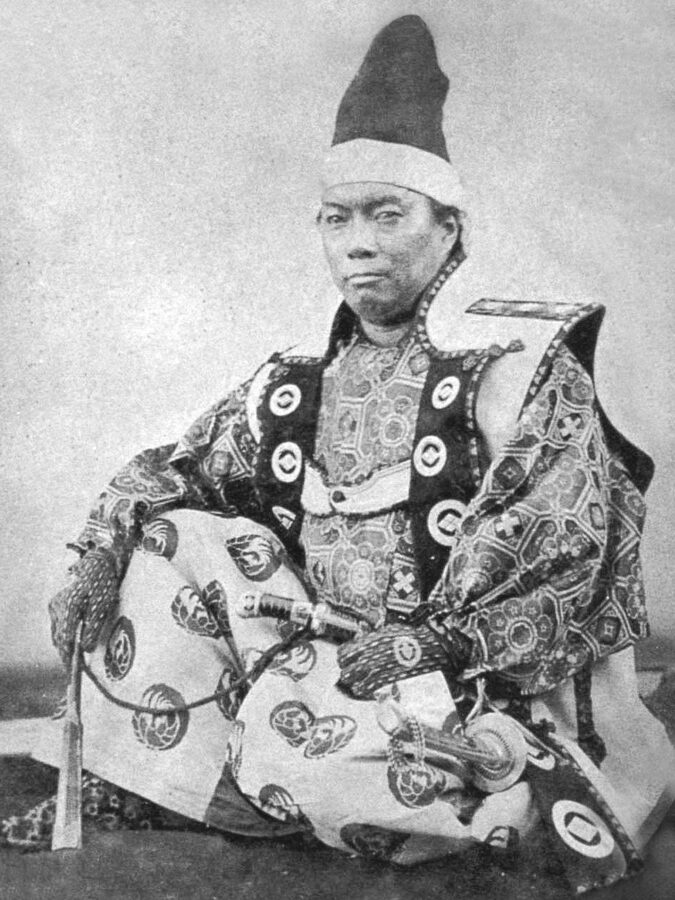
The shogunate sorted the lords three ways. The shinpan (親藩) were Tokugawa relatives, led by the three senior branches of Owari, Kii and Mito, which could supply a shogun if the main line failed. The fudai (譜代) had served the Tokugawa before Sekigahara; mostly small and placed around Edo and the roads to Kyoto, they filled the senior offices. The tozama (外様), the “outside” lords, were the rest, many of them Ieyasu’s former equals, and they held most of the biggest domains, Kaga, Satsuma, Sendai and Chōshū among them, far from the capital.
Japanese reference works add a second sorting, by origin, that I find more useful: old houses that had been Sengoku daimyo and simply stayed, such as the Shimazu, the Date and the Mōri; houses Nobunaga and Hideyoshi made out of their own generals, such as the Maeda, the Kuroda and the Hosokawa; and the Tokugawa’s own creations. The first two groups together made up the tozama. But a lord whose ancestors had held Satsuma since the 12th century thought of himself rather differently from the grandson of one of Hideyoshi’s foot soldiers.
The categories leaked. Tozama with useful marriages or long service could be treated as honorary fudai, and the shogunate granted its old family surname, Matsudaira, to a string of great outside lords, so that orders to the lord of Chōshū went to “Matsudaira Daizen no daibu” and a samurai of Sendai described himself officially as a retainer of “Matsudaira Mutsu no kami”. In the 1860s, with the system under strain, even a tozama such as Matsumae Takahiro could sit on the council of elders.
The waiting rooms of Edo Castle
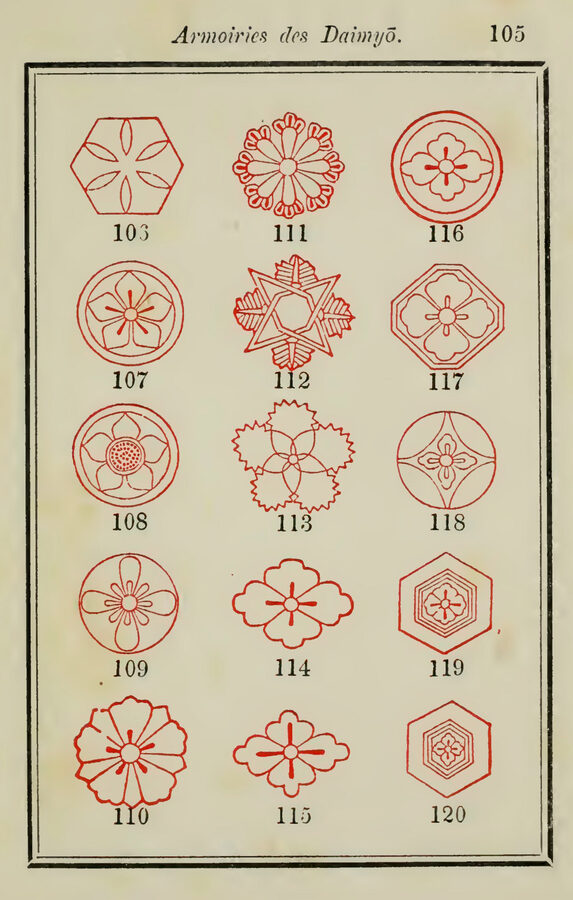
The surest sign of a daimyo’s standing was where he waited when he went up to Edo Castle. There were seven rooms. The Ōrōka took the three senior Tokugawa branches and the Maeda; the Ōhiroma took the lords of whole provinces; the Teikan-no-ma took the old fudai; the Yanagi-no-ma took lesser outside lords; and the Kari-no-ma and Kiku-no-ma took the smaller and newer houses.
The seventh, the Tamari-no-ma, was the closest to the shogun’s private quarters and the highest seat a vassal could hold. It belonged by inheritance to just three houses, the Ii of Hikone, the Matsudaira of Aizu and the Matsudaira of Takamatsu, and its occupants could be consulted by the councillors on matters of importance. Notice the trick. The great tozama outranked the fudai in court titles and in koku, and they were seated further from the shogun.
Lords in the three outer rooms came up only on fixed days: the monthly audiences and the five seasonal festivals. The rest of the time, if you were the lord of Satsuma, the shogun’s government did not want to see you, and it said so with furniture.
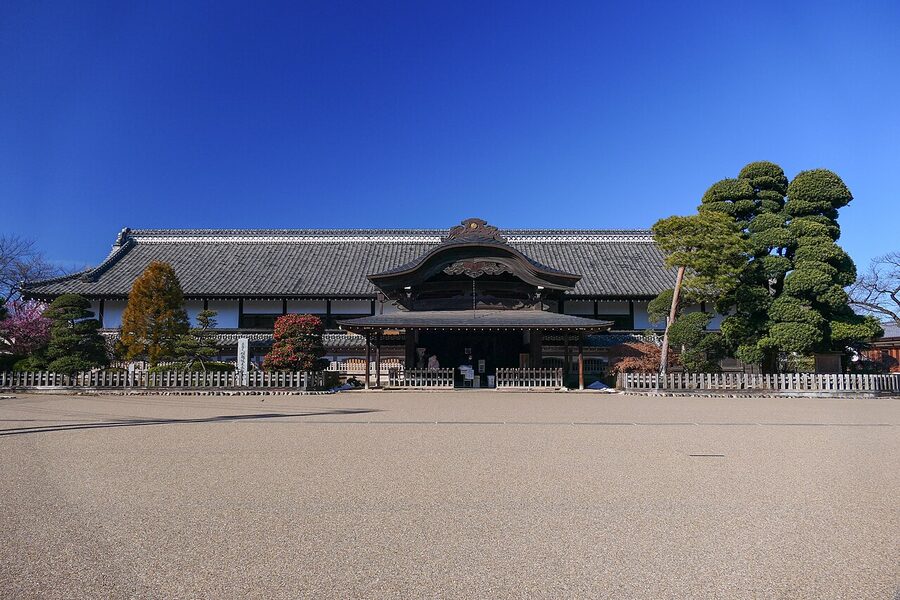
That is also the answer to a question people ask about castles. A daimyo did not live in the keep, which was a watchtower, a storehouse and a symbol. He lived in the goten, a sprawling single-storey palace of reception rooms, offices and private apartments at the foot of the keep, and almost all of these burned or were pulled down after 1871. Of Japan’s twelve original castles, only Kōchi still has its main palace; for a lord’s working rooms you go there, to Kawagoe, or to the Ninomaru Palace of Nijō Castle in Kyoto.
How a domain worked
The Edo-period name for a domain was not han (藩), which was a scholars’ word borrowed from China, but ryōbun, the holding, or kachū, the household. Domain names became official only after 1868, when the new government named each after its lord’s town; the domain everyone called Akita, told it was now “Kubota”, kept its old name by renaming the town.
At the centre was the castle town, the jōkamachi: senior retainers closest to the castle, ordinary samurai beyond them, foot soldiers in barracks at the edges and gates, and merchants and craftsmen in their own quarters along the main roads. If you have walked from Himeji Castle down to the station, you have walked across one.
In the early years many retainers still held land of their own and taxed it, a system called jikata chigyō. Most domains gradually replaced it with stipends of rice paid from the lord’s granaries, which turned a warrior with villages into an official with a salary. A typical domain had a council of house elders, the karō, a set of magistrates for towns, villages, finance and temples, and its own law.
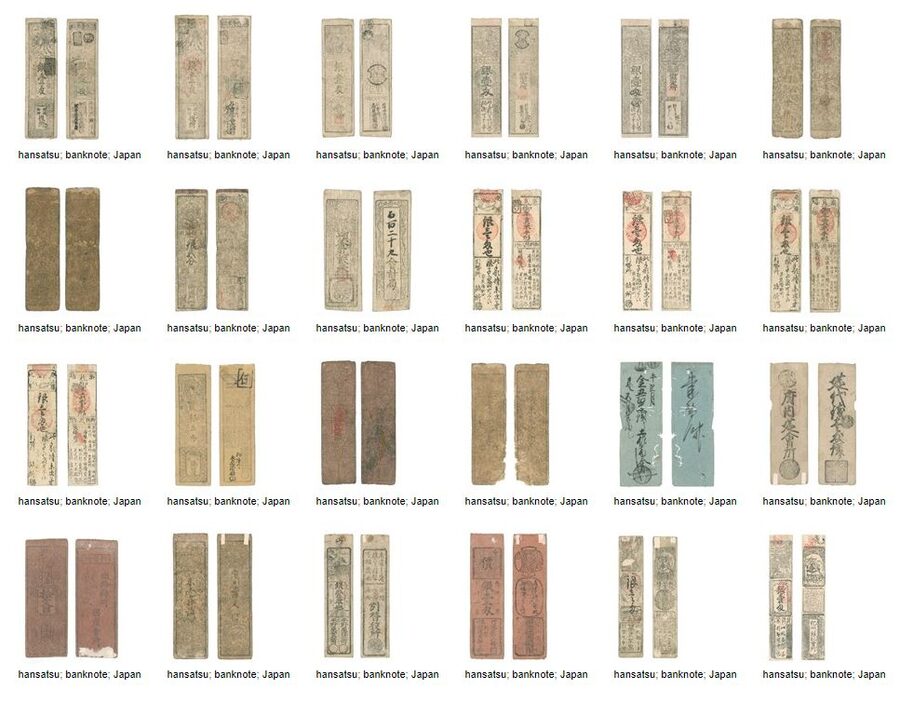
That law could be severe. Under an order of 1697 a daimyo could try and punish any crime confined to his own domain and his own people, up to crucifixion and burning; only cases that touched another lord’s territory had to be passed to the shogunate. Domains also printed their own paper money, the hansatsu, redeemable, in theory, for coin.
Then there was the gap between the official assessment and the real one. Every domain had an omotedaka, the figure on its grant from the shogun, which fixed its duties, and an uchidaka, what it actually produced after new fields were opened. When the shogunate asked for real figures in the 1830s, Chōshū, which knew its land produced about 970,941 koku, reported 894,282; Satsuma held to the line that its official figure was its real one. Nobody believed either of them.
Keeping the lords on a short leash
The shogunate’s rules for the daimyo came out in a rush in the summer of 1615, weeks after the fall of Osaka Castle. On the thirteenth day of the intercalary sixth month (7 August 1615 by the Western calendar), an order went out that each lord could keep one castle per province, and around 400 castles are said to have been pulled down within days. Of nearly 3,000 castles thought to have stood in the late 16th century, about 170 were left.
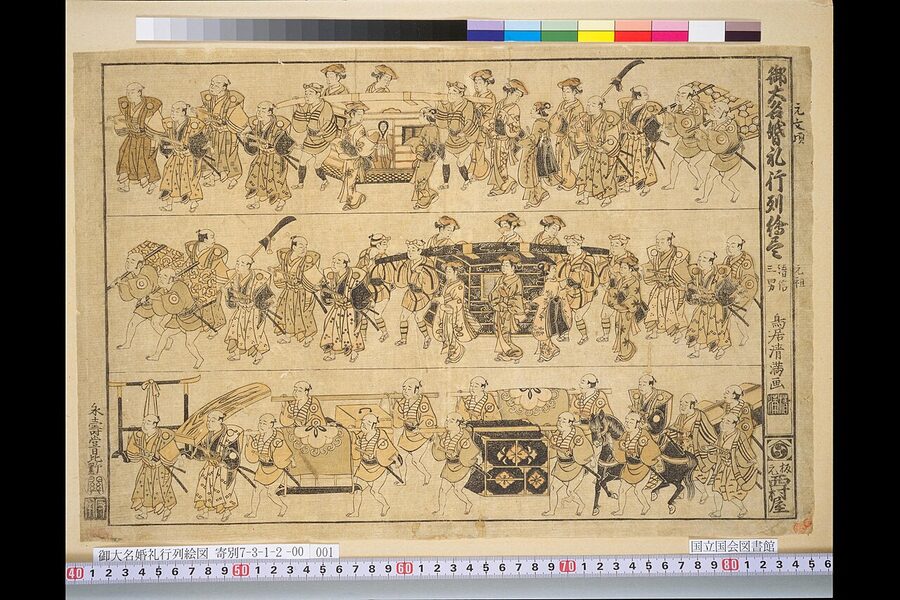
On the seventh day of the seventh month the daimyo were assembled at Fushimi Castle and heard the Laws for the Military Houses read out by the monk Ishin Sūden. Its thirteen articles told them to practise letters and arms, report any castle repairs, harbour no criminals and make no marriages without permission. Each shogun reissued the laws with changes, and the 1635 version made sankin-kōtai, alternate attendance in Edo, a legal duty.
Removal, transfer and the deathbed heir
The sharpest tool was kaieki (改易), the confiscation of a domain, and its companion tenpō, transfer to somewhere else, usually somewhere worse. By Fujino Tamotsu’s count the first three shoguns removed 224 daimyo, counting the losers of Sekigahara, and 49 of them were from the Tokugawa’s own camp. In the same years they created or moved 172 new relatives and house vassals to fill the gaps.
The commonest reason was not rebellion but the lack of an heir. A lord who died without a son could not, under the early rules, adopt one on his deathbed, and his house simply ended, which threw his retainers onto the road as rōnin. After a plot by rōnin to burn Edo in 1651, the government decided unemployed samurai were a bigger danger than an extra daimyo, and allowed deathbed adoption for lords under fifty.
It came with a check: an inspector from the shogunate had to come to the sickbed, see that the lord was alive and hear from him that the adoption was his own wish. It is not hard to imagine how some of those interviews went.
The case everyone remembered was the Uesugi of Yonezawa. Uesugi Tsunakatsu died suddenly on the seventh day of the intercalary fifth month of 1664, aged twenty-six, with no son and no heir named. His father-in-law, Hoshina Masayuki, the shogun’s uncle, rescued the house by arranging the adoption of a son of the court official Kira Yoshinaka, whose wife was Tsunakatsu’s sister, but the price was half the domain: Yonezawa went from 300,000 koku to 150,000.
The story that Kira poisoned his brother-in-law has been popular ever since, mostly because Kira later became the villain of the 47 Rōnin. The diary of the Uesugi house elder in Edo records the illness day by day, and Yamagata Prefecture’s own history thinks the symptoms point to a perforated stomach ulcer. The poison is embroidery; the halving is fact, and it set up a disaster I will come back to.
The secret report on 242 lords
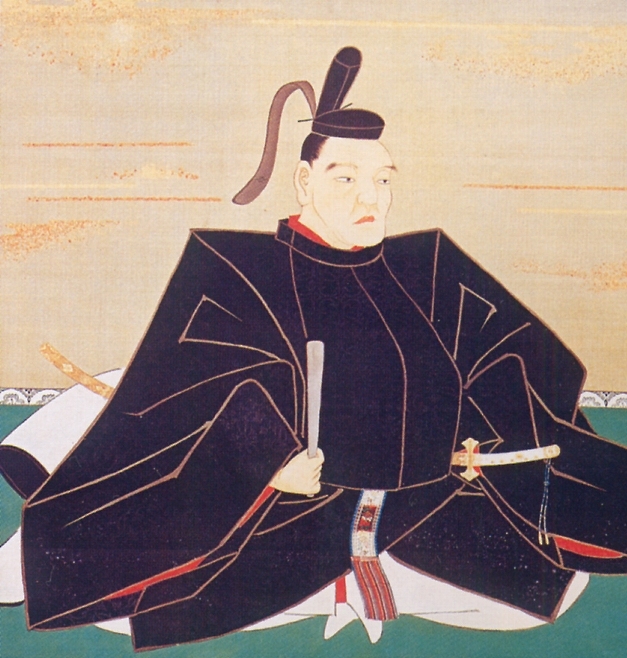
Sometime in 1690 or 1691 somebody compiled a confidential assessment of every daimyo in Japan, 242 lords with their wives, heirs, chief retainers and reputations. Its title, Dokai kōshūki, comes from Mencius: if a ruler treats his ministers like dirt, they will treat him as a bandit. The single surviving copy is in the Historiographical Institute of the University of Tokyo.
Nobody knows who wrote it or why. It reads like a school report, harsh on lords with no learning and on lords with a taste for boys, oddly generous to the great outside houses, and full of gossip from castle-town streets. Its Confucian tone links it in most historians’ minds to the fifth shogun, Tsunayoshi, and one theory names his chamberlain, Makino Narisada, as the compiler.
A daimyo’s day, and a daimyo’s debts
For most of the Edo era a daimyo spent half his life in Edo, and so did a great part of his household. A domain kept several mansions there: an upper residence near the castle for the lord, his wife and his government; a middle one for the heir or a retired lord; and lower ones on the edge of the city for gardens, storage and refuge after the frequent fires. In 1684 the Tosa domain had 3,195 people living in its Edo mansions, and by most estimates about half the land in the city belonged to warriors.
Daily life in those mansions was mostly ceremony and waiting, organised around attendance days at the castle, gifts sent and received on fixed occasions, and duties the shogunate handed out, from fire brigades to guarding gates. A visit from the shogun was a catastrophe in slow motion: by one count, Kaga spent 360,000 ryō on a single such visit in the Genroku era.
The best window into a lord’s private life is a retired one. Yanagisawa Nobutoki, grandson of Yoshiyasu, gave up the Kōriyama domain in 1773, moved into his grandfather’s garden at Rikugien, and kept a diary every day until shortly before his death in 1792. It records plays, poems, walks and visitors, he had the women of his household stage kabuki for him, and his daily weather notes are now used to study the summers that caused the Tenmei famine. It is the most cheerful document I know from a class that spent most of its time worrying about money.
Borrowing against the rice
The money problem was built in. A domain’s income was rice, but its costs, processions, mansions, gifts and the building jobs the shogunate imposed, were in coin, so domains shipped their rice to Osaka warehouses, sold it there, and borrowed against the next harvest. Japanese historians call it daimyō-gashi, lending to lords, and in Osaka and Kyoto the lenders were known, reasonably enough, as the silver masters.
From the early 18th century the loans stopped being bridges between harvests and became permanent. Lords defaulted, and the polite word for it was o-kotowari, “declining”. Mitsui Takafusa, third head of the Mitsui house, wrote a little book in the 1720s naming forty-eight Kyoto merchant families ruined by lords who would not pay, and singled out the Hosokawa of Kumamoto as a house with a long-standing bad habit of turning down its creditors.
The worst cases were grim. Some domains, desperate to keep their credit, shipped rice to Osaka to meet their repayments while their own villages starved, which made the next harvest smaller and the next loan bigger. Historians call it the famine export.
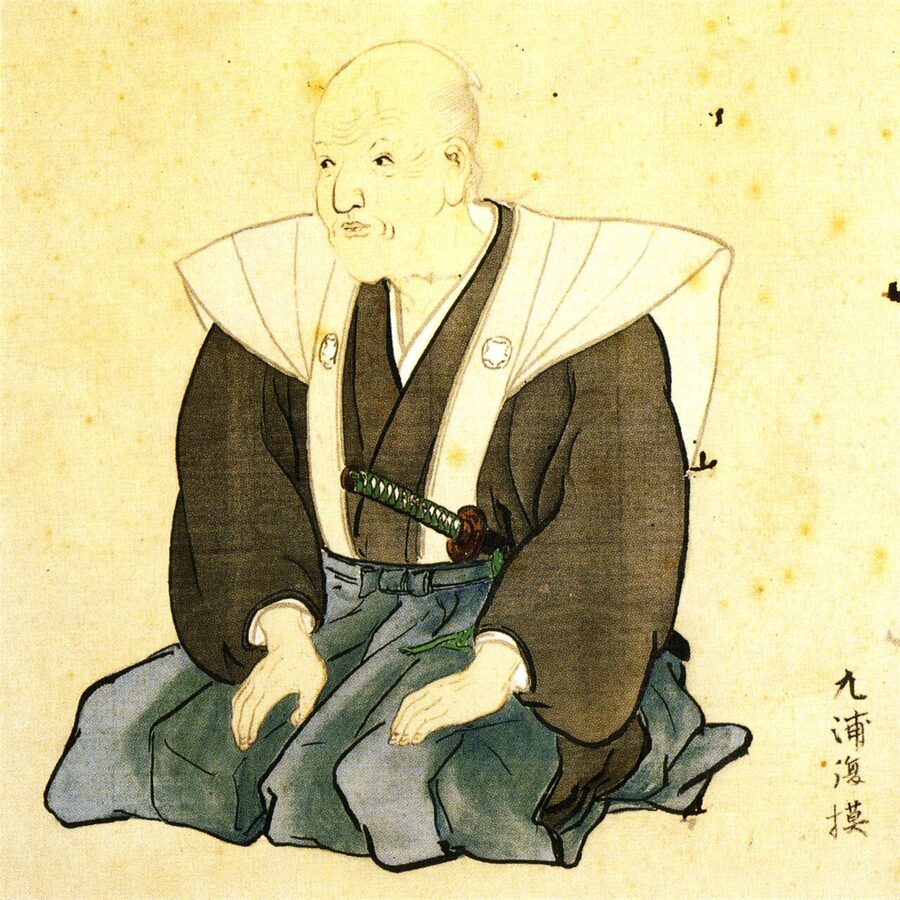
Satsuma’s case is the famous one. By the late 1820s the domain owed about five million ryō, the interest alone was more than 800,000 ryō a year, and its annual income was somewhere between 120,000 and 140,000. In the 1830s its finance man, Zusho Hirosato, told the creditors that they would be repaid without interest over 250 years. They had no choice, he tied the deal to profitable trading concessions, and within a few years the domain had a large reserve in its vaults.
The lord who wore cotton
The Uesugi of Yonezawa, halved in 1664, had kept nearly all the retainers they had employed when they held 1.2 million koku at Aizu, and by the 18th century the domain owed about 200,000 ryō. The lord before Harunori seriously considered handing the domain back to the shogunate and letting it feed the people. Instead the house adopted a boy from the small Akizuki domain of Takanabe, who became Uesugi Harunori, and is remembered by his retirement name, Yōzan.
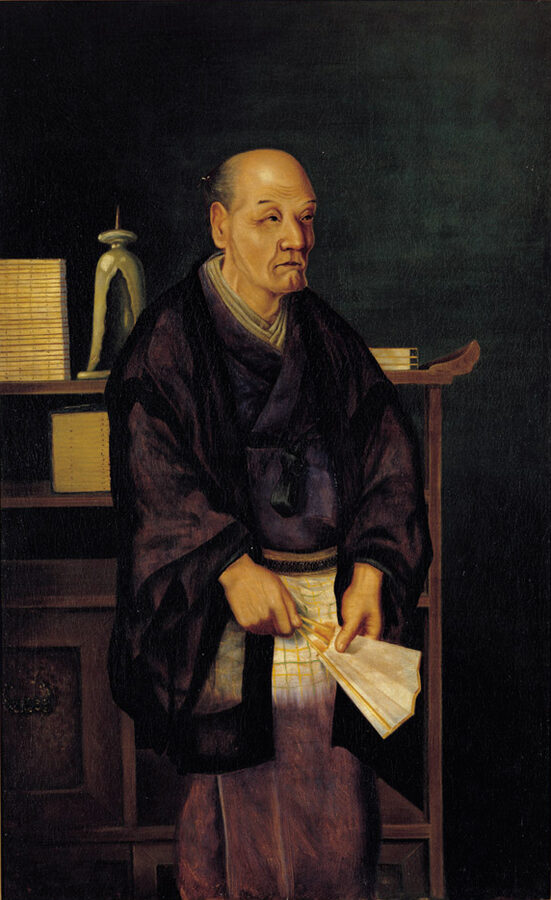
Yōzan wore cotton down to his underclothes, ate one soup and one side dish, and set his samurai to growing mulberry and lacquer trees. The debts were cleared two lords later. He also left a three-line instruction to his heir saying, among other things, that the domain and its people did not belong to the lord, and that instruction was handed to every new head of the house until the domains were abolished.
Japanese accounts often say that John F. Kennedy, asked in 1961 which Japanese he most admired, named Yōzan. A Yonezawa historian, Ono Sakae, has argued that it was Theodore Roosevelt, who had read about Yōzan in an English-language book, and I have never seen a contemporary record of the Kennedy remark. Caroline Kennedy, as ambassador, visited Yonezawa in 2014 and told the city her father had admired him, which settled it locally and nowhere else.
Giving it all back: 1869 and 1871
The daimyo did not fall with the shogun. In the Meiji Restoration and the Boshin War that followed, the new government confiscated the shogun’s lands and those of his diehard allies, but the other domains carried on much as before. For about three years Japan was run by a court government, by prefectures on the old shogunal land, and by some 270 daimyo who still had their castles, their armies and their debts.
The return of the registers
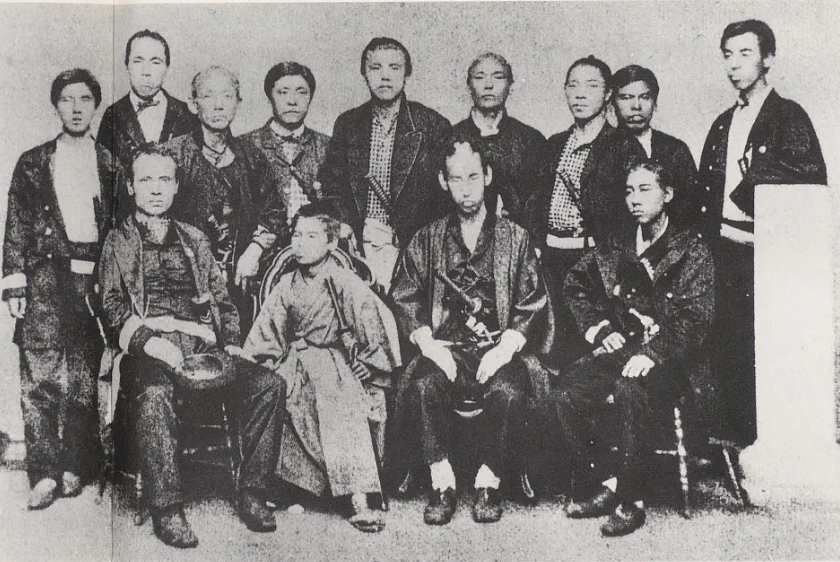
On the twentieth day of the first month of 1869, the lords of Satsuma, Chōshū, Tosa and Saga petitioned the court to take back their han and seki, their lands and population registers. The petition, now in the National Archives of Japan, asked how they could hold the emperor’s land and people as their own, then left the important part vague: the court should give back what ought to be given back. English-language accounts usually credit Kido Takayoshi of Chōshū with talking the lords into it; Japanese accounts put the decisive meeting in Kyoto that month, where Ōkubo Toshimichi of Satsuma, Hirosawa Saneomi of Chōshū and Itagaki Taisuke of Tosa agreed a draft.
The other lords followed within weeks, many of them assuming, as Ōkuma Shigenobu later recalled, that the land would come straight back with a new seal on it, as it always had when a new shogun took office. When the assembly of domain delegates was asked in 1869 whether Japan should be run by lords or by centrally appointed officials, 103 domains voted for officials and 102 for lords. The small, broke domains wanted out.
The court accepted the return on the seventeenth day of the sixth month of 1869 (25 July 1869 by the Western calendar). On the same day it abolished the words kugyō and shokō, court noble and feudal lord, and created a single new aristocracy, the kazoku, with 142 court houses and 285 daimyo houses. Each lord stayed on as governor of his former domain, with a household income fixed at one tenth of its revenue. In law the daimyo had ended that day, although almost nobody outside the government noticed.
Abolished in an afternoon
The second step was planned in secret, and fast. On the ninth day of the seventh month of 1871, seven of them, Saigō Takamori, his younger brother Tsugumichi, Ōkubo, Ōyama Iwao, Kido, Inoue Kaoru and Yamagata Aritomo, met at Kido’s house and drafted the plan. Saigō‘s agreement mattered most, because Satsuma had the biggest army and he could not see how the domain would pay its own soldiers for much longer.
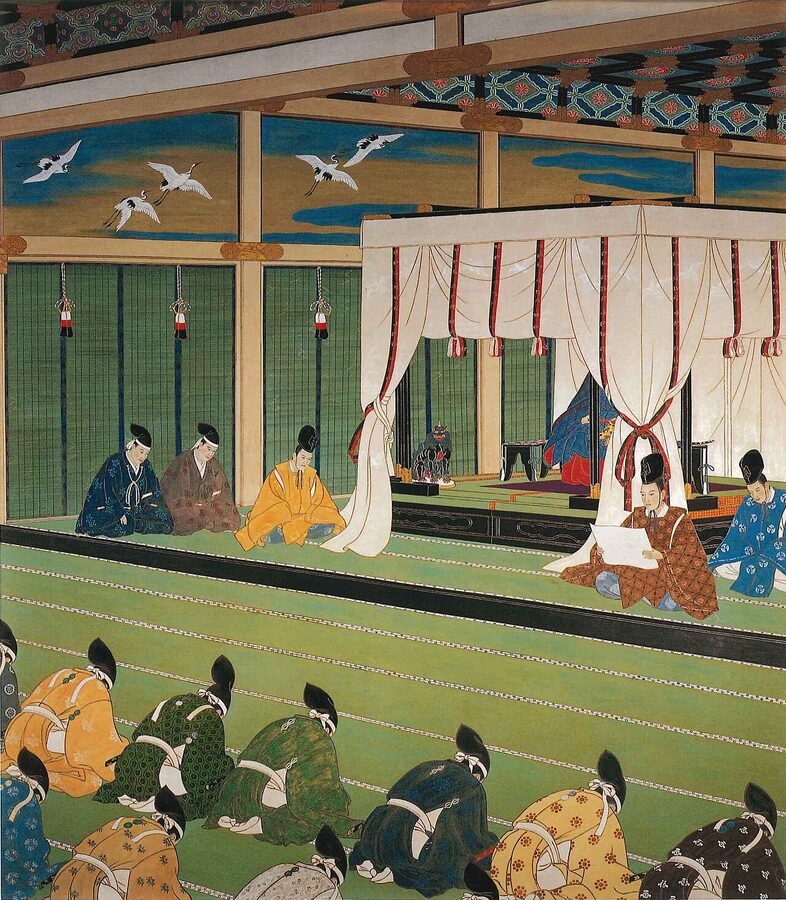
On the fourteenth day of the seventh month of Meiji 4 (29 August 1871 by the Western calendar), the governors of Satsuma, Chōshū and Saga, and Itagaki standing in for Tosa, were called to the palace at ten in the morning and read the edict. The governors of Nagoya, Kumamoto, Tottori and Tokushima, several of whom had already asked to be allowed to give up their domains, heard it next. In the afternoon fifty-six more governors then in Tokyo were summoned and told. Every domain became a prefecture, every former lord lost his post, and every one of them was ordered to live in Tokyo.
How many domains were there? English-language accounts often say 261 domains became 302 prefectures. The Japanese registers count 274 domains returning their lands in 1869 and 1870, several of which dissolved or merged before 1871; the new map had three urban prefectures and 302 others. By the end of 1871 there were 72, and in 1888 the map settled at 3 urban prefectures, 43 prefectures and Hokkaido.
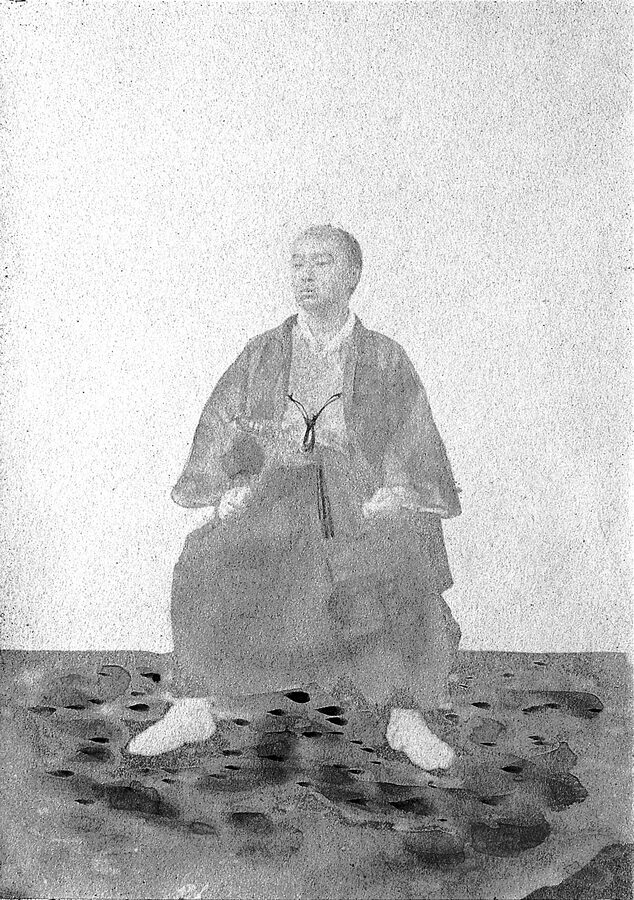
Almost nobody resisted. The new government took on the domains’ samurai stipends and their debts, which by the end of the Boshin War averaged about three times a domain’s annual income, and the former lords kept a tenth of their revenue as a private income with none of the responsibilities. The story goes that the one man who really objected, Shimazu Hisamitsu, spent the whole day letting off fireworks at his house in Kagoshima in protest. I have no idea whether that is true, but it is exactly the protest he was in a position to make.
What happened to the debts
The lenders did far worse than the lords. When the government sorted out the old domain debts in 1873, it recognised only debts run up after 1844, paying them off over decades, and declared everything older void, on the convenient grounds that the shogunate had cancelled debts in 1843. Out of 74.13 million yen of claims, it accepted about 34.86 million.
Satsuma’s 250-year repayment plan ended after 35 years of payments. Many Osaka merchant houses that had lent to lords for generations went under, and Osaka never quite recovered its place as the money capital of Japan.
Princes, peers and a prime minister
The former daimyo did well out of the end of the daimyo. In 1876 the government converted all hereditary stipends into bonds, and because a lord’s stipend had been set at a tenth of the old domain revenue, the great houses came out with large capital sums and no obligations; several put the money into banks and railways, and some became very rich indeed.
In 1884 the Peerage Act sorted the kazoku into five ranks, and for the old lords the rank depended on a number, as it always had. A former domain whose actual tax revenue had averaged 150,000 koku or more between 1864 and 1868 made its lord a marquis; 50,000 or more, a count; anything less, a viscount. The head of the main Tokugawa house was a prince by right, and the Shimazu and the Mōri were made princes for their part in the Restoration.
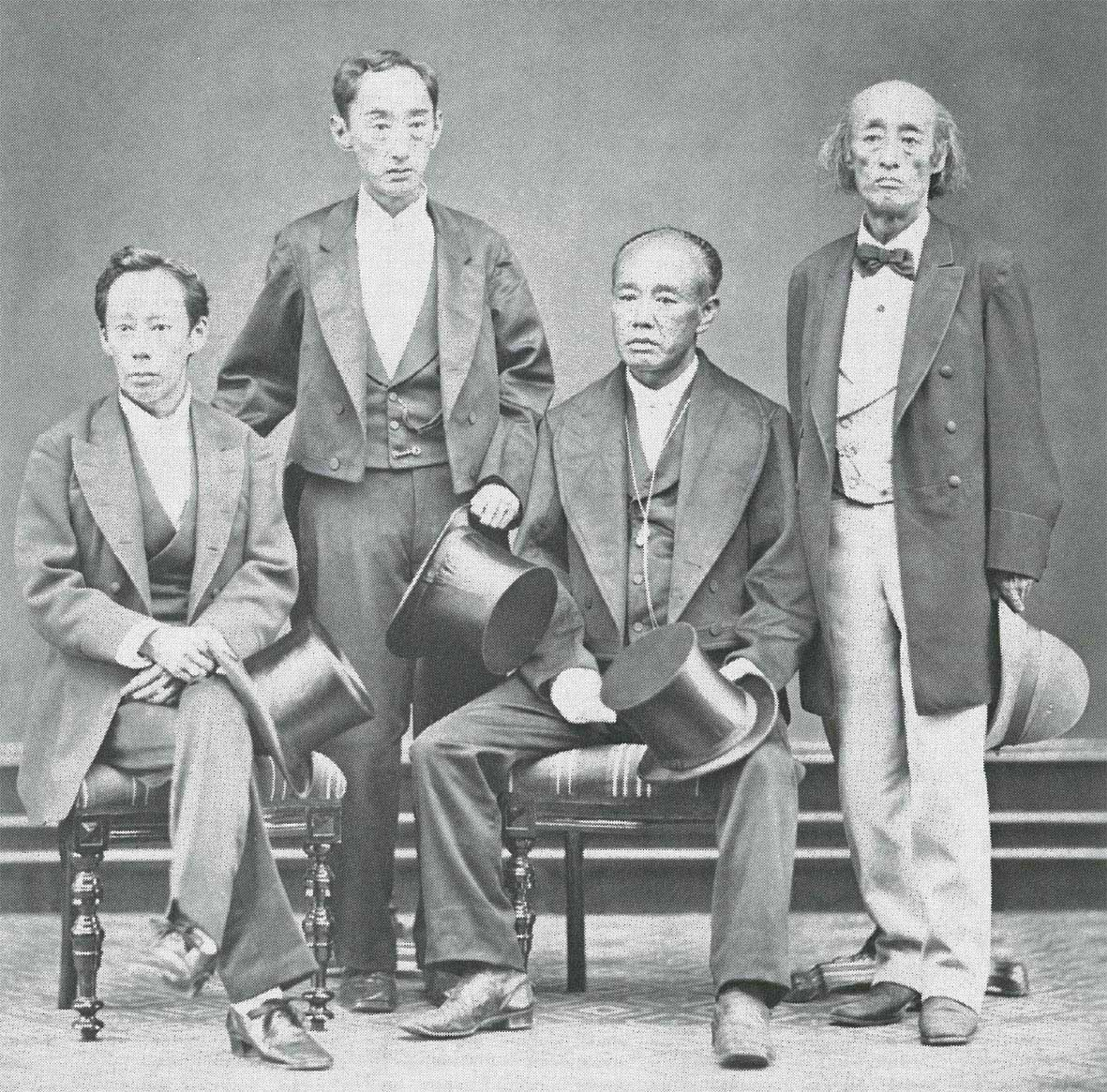
There were small revenges in the arithmetic. The Date of Sendai, who had led the northern alliance against the new government, were made only counts, which denied them an automatic seat in the House of Peers. Their cousins at Uwajima, who had backed the emperor, were raised to marquis in 1891.
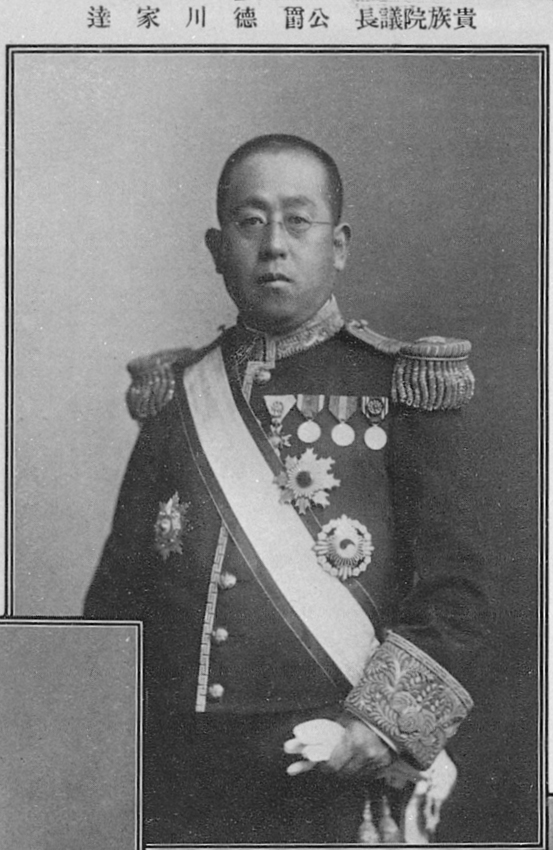
The most striking career was Tokugawa Iesato’s. The boy who replaced the last shogun, Yoshinobu, as head of the family in 1868 grew up to preside over the House of Peers from 1903 to 1933, thirty years of chairing the upper house of the government that had abolished his family’s regime. The peerage itself was abolished by the 1947 constitution.
The families did not go away. Hosokawa Morihiro, head of the house that ruled Kumamoto and a descendant of Hosokawa Tadaoki, was prime minister of Japan in 1993 and 1994. Ii Naoyoshi, head of the Ii of Hikone and great-grandson of Ii Naosuke, was a marine biologist who described about fifty new species of opossum shrimp and served nine terms as mayor of Hikone from 1953, where people called him the tonosama mayor. In 1968 he signed a friendship pact with the city of Mito, whose men had cut off his great-grandfather’s head in the snow outside the Sakuradamon 108 years before.
Where to see daimyo Japan today
The daimyo left three kinds of thing behind: castle towns, gardens, and the contents of their storehouses. The castles have their own guides on this site, starting from Japan’s twelve original castles, and the gardens are ranked in Japan’s greatest gardens. Here I want to point you at where the lords lived in Edo, what they collected, and the gardens they built to entertain each other. For the regime they served, start with the Tokugawa shogunate; for the century before, the Sengoku era; and for how the whole thing fits together, Japan through the ages.
Tokyo: the daimyo city under the office blocks
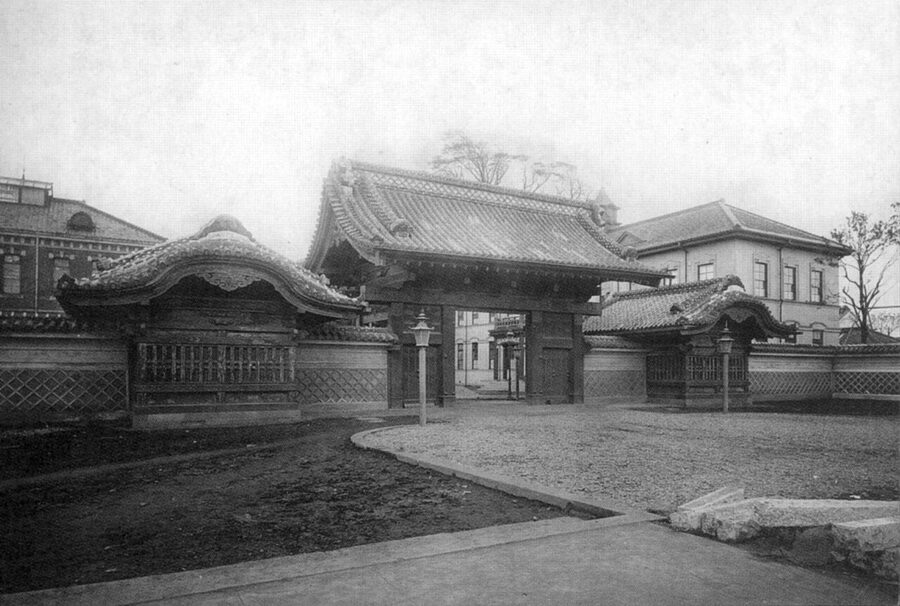
Much of central Tokyo is built on daimyo mansions. The Hosokawa’s upper residence lies under the Marunouchi Oazo building, Tosa’s under the Tokyo International Forum, a Mōri residence under Tokyo Midtown, and the Ii family’s lower residence under the Meiji Shrine. The University of Tokyo’s Hongō campus is the Maeda’s upper residence, and its red gate, the Akamon, was built in 1827 for a shogun’s daughter, Yōhime, when she married the lord of Kaga.
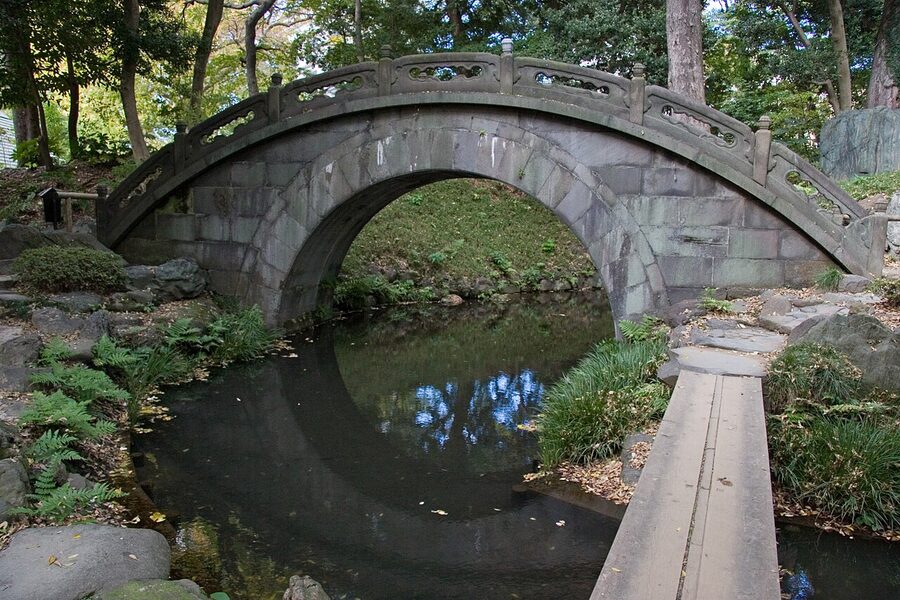
Two daimyo gardens survive almost whole. Koishikawa Kōrakuen was begun in 1629 by Tokugawa Yorifusa, first lord of Mito, in his Edo residence, and finished by his son Mitsukuni; the stone Engetsukyō, the full-moon bridge, is said to have been designed by the Ming refugee scholar Zhu Shunshui. It is open 9:00–17:00 (last entry 16:30) and closed only from 29 December to 1 January; admission is ¥300. The east gate is five minutes from the west exit of JR Suidōbashi Station, or come in by the west gate from Iidabashi.
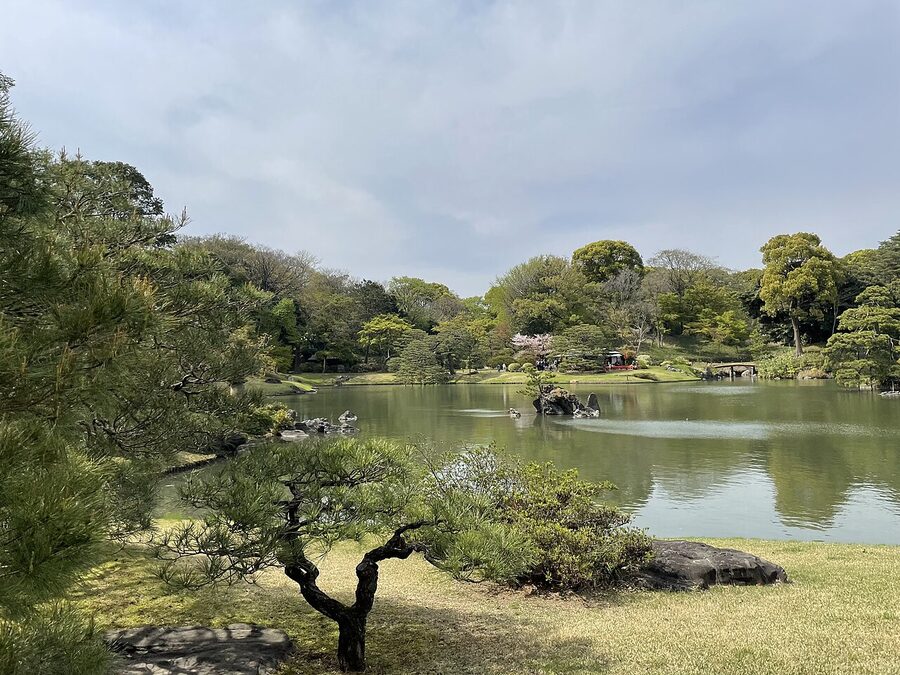
Rikugien in Komagome is Yanagisawa Yoshiyasu’s garden, built on land granted to him in 1695 and finished in 1702, with eighty-eight named views drawn from Japanese poetry; his grandson Nobutoki wrote his diary here. It keeps the same hours and the same ¥300 fee as Kōrakuen and is seven minutes’ walk from the south exit of JR Komagome Station. Of the two, I prefer Rikugien for an early morning, when the hill called Fujishiro-tōge has the pond to itself.
Eisei Bunko and the Hosokawa garden, Mejirodai
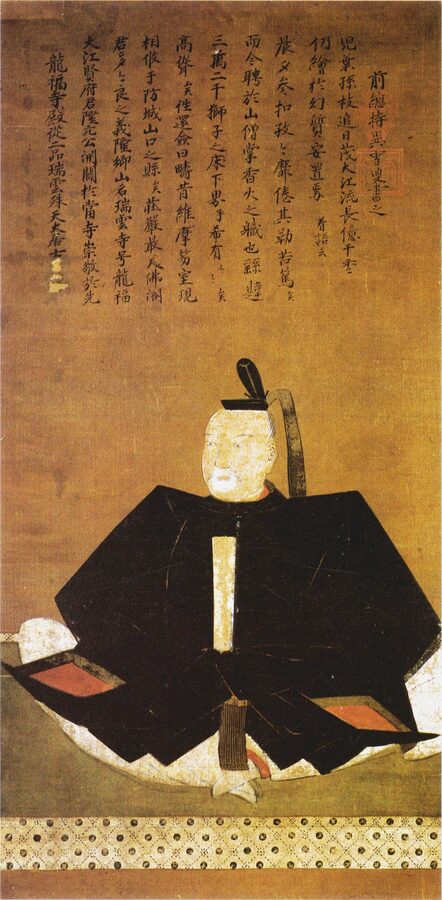
The Eisei Bunko is the Hosokawa family’s own museum, set up in 1950 by Hosokawa Moritatsu, sixteenth head of the house, in the old estate office of their Mejirodai residence. The name joins a character each from the family’s Zen temple, Eigen-an in Kyoto, and from Shōryūji Castle, seat of the house’s founder, Hosokawa Fujitaka. The collection runs from armour and tea utensils to eight national treasures, and the 1507 portrait of Hosokawa Sumimoto shown above is theirs too; exhibitions change each season.
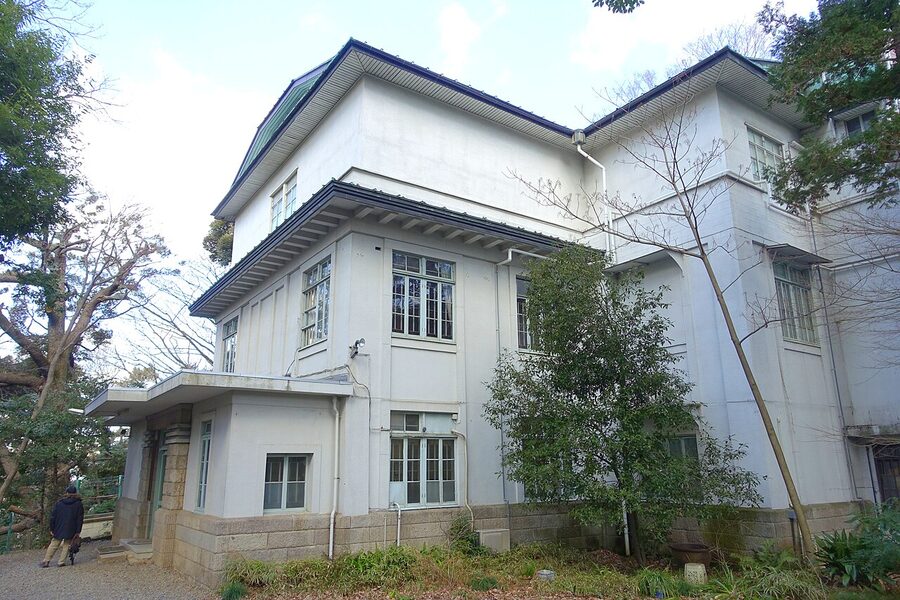
It is open 10:00–16:30 (last entry 16:00), closed on Mondays and between exhibitions, and admission is ¥1,000. The walk is ten minutes from Waseda stop on the Toden Arakawa tram line or fifteen from Edogawabashi Station, exit 1a, on the Yūrakuchō Line. Go down the slope afterwards into the Higo Hosokawa Garden, which was part of the same estate.
Tokugawa Art Museum, Nagoya
The senior Tokugawa branch, the lords of Owari, kept the biggest daimyo collection in Japan, and in 1935 the nineteenth head of the house, Tokugawa Yoshichika, put it into a museum on the site of the family’s villa at Ōzone. Yoshichika is remembered as the tiger-hunting lord, for his expeditions in Malaya, and less colourfully as a buyer of other noble families’ treasures when they had to sell. The core is the share of Ieyasu’s possessions that passed to his ninth son, the first lord of Owari: about 10,000 items in all, with nine national treasures, among them the 12th-century Tale of Genji scrolls.
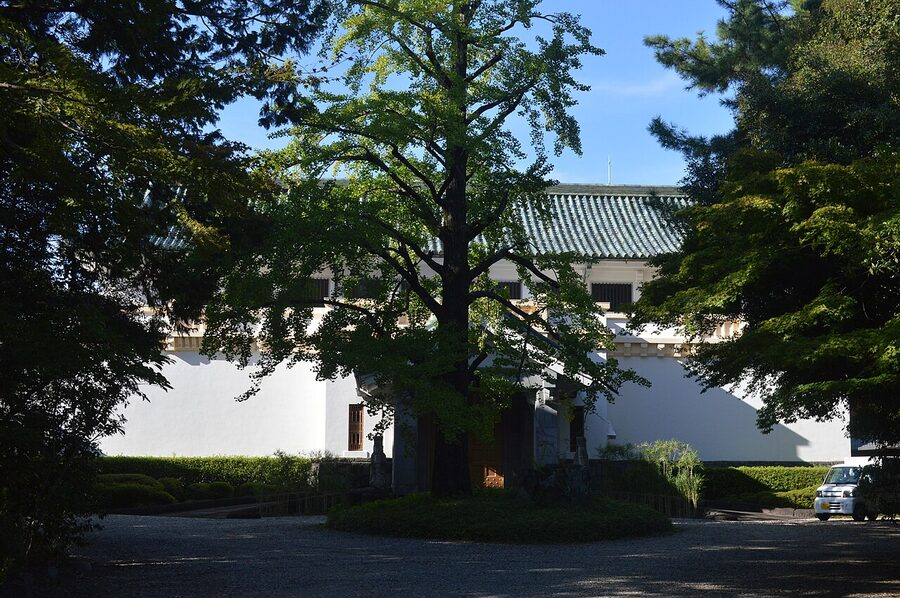
It is open 10:00–17:00 (last entry 16:30) and closed on Mondays, or the following weekday when Monday is a holiday. Admission is ¥2,000 for adults, and the Tokugawaen garden next door costs a further ¥150 with a museum ticket. Take the Key Route 2 bus from stand 10 of the Nagoya Station bus terminal to Tokugawaen-shindeki, about thirty minutes, or walk ten minutes from the south exit of JR Ōzone Station.
Kanazawa: Kenroku-en and Seisonkaku
Kanazawa is the best surviving daimyo capital in Japan, a city that grew around a single family for nearly three centuries. Kenroku-en began in 1676, when the fifth Maeda lord, Tsunanori, built a villa and laid out a garden on the slope facing Kanazawa Castle. Its name, the garden combining six qualities, is usually credited to the retired senior councillor Matsudaira Sadanobu in 1822, quoting a Chinese essay on the gardens of Luoyang.
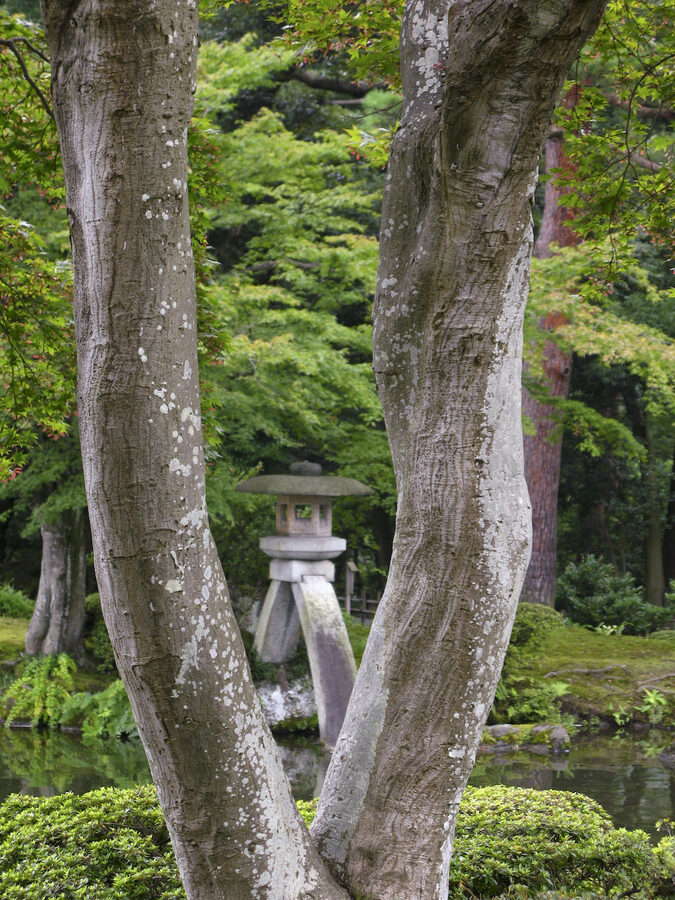
The garden is open 7:00–18:00 from 1 March to 15 October and 8:00–17:00 from 16 October to the end of February, every day of the year, and admission is ¥320. Buses from Kanazawa Station to Kenroku-en-shita take about fifteen minutes. Come at opening time; by ten the tour groups have arrived.
Seisonkaku, at the south-east corner of the garden, was built in 1863 by the lord Maeda Nariyasu as a retirement house for his mother, Shinryūin, and it is one of the very few daimyo family residences of the period still standing. It is open 9:00–17:00 (last entry 16:30), closed on Wednesdays, and costs ¥700, or ¥1,000 during special exhibitions.
Hikone: the Ii family’s castle, garden and screen
Hikone is the place to see a fudai house, the Ii, who held the Tamari-no-ma seat and gave the shogunate more great elders than any other family. The castle keep is one of the national treasures among Japan’s original castles; below it, Genkyū-en is the garden the fourth lord, Ii Naooki, laid out around 1678, modelled on the Eight Views of Ōmi.
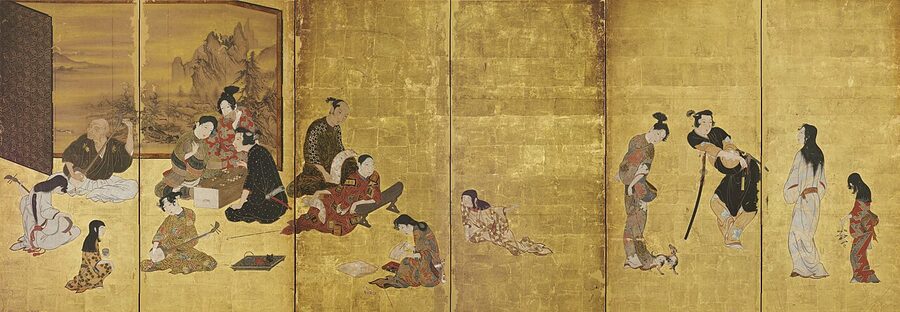
The castle and Genkyū-en are open 8:30–17:00 every day, and a combined ticket costs ¥1,000; the Hikone Castle Museum, in a reconstruction of the lord’s front palace, costs ¥700, or ¥1,500 for all three. The castle is about fifteen minutes’ walk from Hikone Station. For the man the Ii family will always be associated with, read Ii Naosuke before you go.
Okayama Kōrakuen
Ikeda Tsunamasa, lord of Okayama, built Kōrakuen on the river flat below his castle in the late 17th century, and it is one of the classic three gardens of Japan along with Kenroku-en and Mito’s Kairakuen. It has lawns, which is unusual for a Japanese garden, a small hill to climb, tea fields and a crane aviary, and the black keep of Okayama Castle as its backdrop.
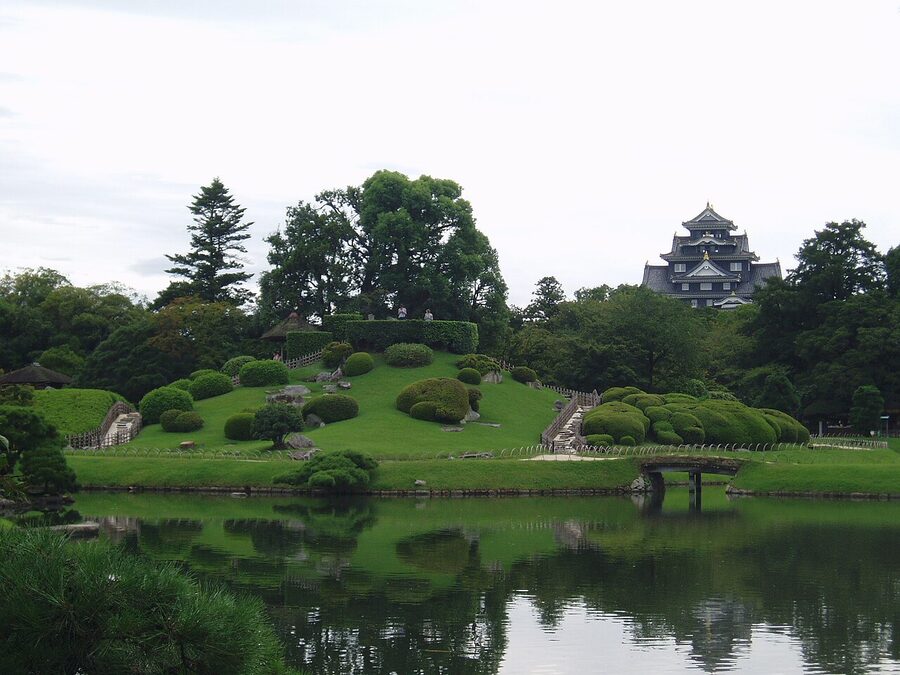
Kōrakuen opens at 7:30 and closes at 18:00 from 20 March to 30 September, and at 8:00 and 17:00 the rest of the year. Admission is ¥500, and the joint ticket with Okayama Castle’s keep is usually cheaper than buying both. It is about twenty-five minutes’ walk from JR Okayama Station.
Ritsurin Garden, Takamatsu
Ritsurin was begun by a retainer of the earlier Ikoma lords, taken over by the Matsudaira lords of Takamatsu, a Tokugawa branch that held a seat in the Tamari-no-ma, and declared finished in 1745 when the fifth lord, Yoritaka, named its sixty views. It was opened to the public in 1875 and is, to my mind, the finest daimyo garden in Japan and the least crowded of the famous ones.
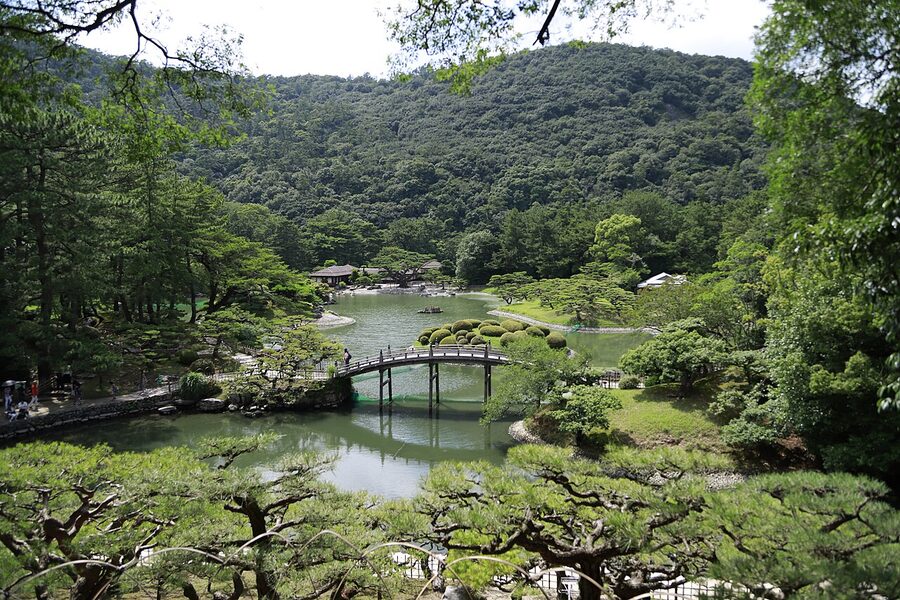
The garden opens roughly at sunrise and closes around sunset: from 5:30 in summer, 7:00 in winter, and closing between 17:00 and 19:00 depending on the month. Admission is ¥500. Kotoden’s Ritsurin-kōen Station on the Kotohira Line is a short walk from the east gate, and JR’s Ritsurin-kōen-kitaguchi on the Kōtoku Line from the north gate.
Sengan-en, Kagoshima
The Shimazu were the oldest house among the great daimyo, lords in the far south since the end of the 12th century, and Sengan-en is the villa garden they began in the Manji era, around 1658, on the shore facing the volcano Sakurajima. The ticket covers the garden, the family’s palace and the Shōko Shūseikan, the museum in the stone machine shop built in 1865 for the domain’s industrial works.
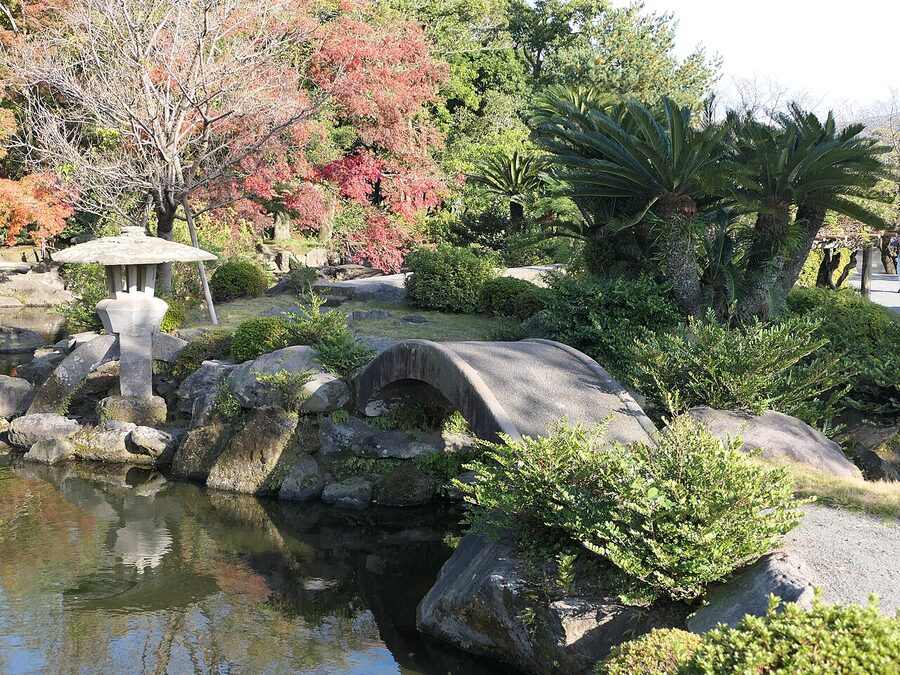
It is open 9:00–17:00 every day, and admission, including the palace and the Shōko Shūseikan, is ¥1,600. The Kagoshima City View loop bus from Kagoshima-Chūō Station stops at Sengan-en-mae, and the drive takes about twenty minutes. Allow half a day; it is the one daimyo garden where the lords’ politics, from Shimazu Yoshihiro‘s house to the domain that brought down the shogunate, are all on one hillside.
The lord with no land
I keep coming back to the Kitsuregawa letter. For two and a half centuries a daimyo was defined by a number, 10,000 koku and up, and by everything that number decided: his seat in the castle, the men he owed, the bow he got on the road, the size of his debts. The Kitsuregawa had the rank without the number, and they held on to it until the end.
On the afternoon of the fourteenth day of the seventh month of 1871 every lord in Japan joined them. Every one of them kept a title, an income and a house in Tokyo, and not one of them held a single koku of domain. If you are passing Ujiie on the Tōhoku main line, think of the Gosho waiting at the post town for a lord who would rather not stop, and then go and stand on the Maeda’s lawn in Hongō, where the students cut through the red gate on their way to lectures without looking up.