Yamamoto Tsunetomo spent the last nineteen years of his life in a hut in the hills north of Saga because he had been forbidden to die. His lord, Nabeshima Mitsushige, had outlawed oibara, following a master into death, in 1662, a year before the shogunate did the same. So when Mitsushige died in the fifth month of 1700, the man who had served him since the age of nine did the next most drastic thing allowed: he shaved his head, took the Buddhist name Jōchō, and walked out of samurai life.
Ten years later a younger retainer, freshly sacked from his post as a domain scribe, came up the path to visit him. The old monk talked, the visitor wrote it down, and near the start of the first book of what they produced is the most quoted sentence ever written about samurai: Bushidō to iu wa shinu koto to mitsuketari, “The way of the warrior, I have found, is dying.”
I keep coming back to that hut because it tells you most of what you need to know about bushidō (武士道). The famous line was spoken by a man who had never been to war, in a domain that had not sent men to fight since his father marched to the Shimabara rebellion in 1638, to an audience of one. It was not printed until 1906. And the man who did most to make “bushidō” an English word had never read it.
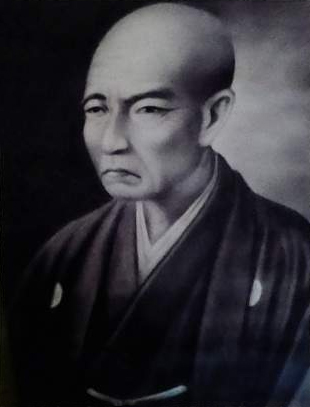
What follows is the history of a word and of the books that used it, read as what they were: documents with authors, audiences and axes to grind. Some of those books were written for warriors who had nothing left to fight, some for commoners, some for a foreign readership, and some for conscripts. The samurai who actually fought in Japan’s wars mostly never heard the word at all.
In This Article
- Before the word: the way of the bow and the horse
- Dogs, beasts and seven masters: what the Sengoku said
- 1616, 1621 or 1656? The book that first wrote it down
- Peace, and a warrior class with nothing to fight
- Two books for two audiences: the Hagakure and the beginner’s primer
- The ideal and the record
- Made in Meiji
- Shōwa: the word goes to war
- After 1945: banknotes, business books and a novelist’s belly
- Where to find bushidō’s writers today
- Kurotsuchibaru, Saga: where the Hagakure began
- Kōden-ji and Ryūun-ji: the lord and the retainer
- Saga Castle History Museum
- Sōsan-ji, Tokyo: Yamaga Sokō’s grave
- Akō: the exile’s castle town
- Erin-ji, Yamanashi: the Takeda of the Kōyō Gunkan
- Matsushiro: Kōsaka’s castle and Yūzan’s printers
- Towada and Morioka: Nitobe at home
Before the word: the way of the bow and the horse
The warriors of the Heian era and the Kamakura era did have a vocabulary for how a fighting man should behave, and none of it said bushidō. The old literary phrase was mononofu no michi, the way of the armed retainer. The war tales say kyūba no michi (弓馬の道), the way of the bow and the horse, or yumiya toru mi no narai, “the custom of those who take up bow and arrow”. These were descriptions of a trade, and the trade was mounted archery.
The Hōgen Monogatari gives you the custom at its starkest: before the general, a warrior fights on and piles death on death “though his father die and his son be cut down”, and does not look round. That is devotion, but it was not unconditional. The relationship between a Kamakura warrior and his lord was a contract the Japanese sources call go-on to hōkō, favour and service. The lord gave land and protection, the vassal gave his sword, and a lord who stopped giving could expect to stop receiving.
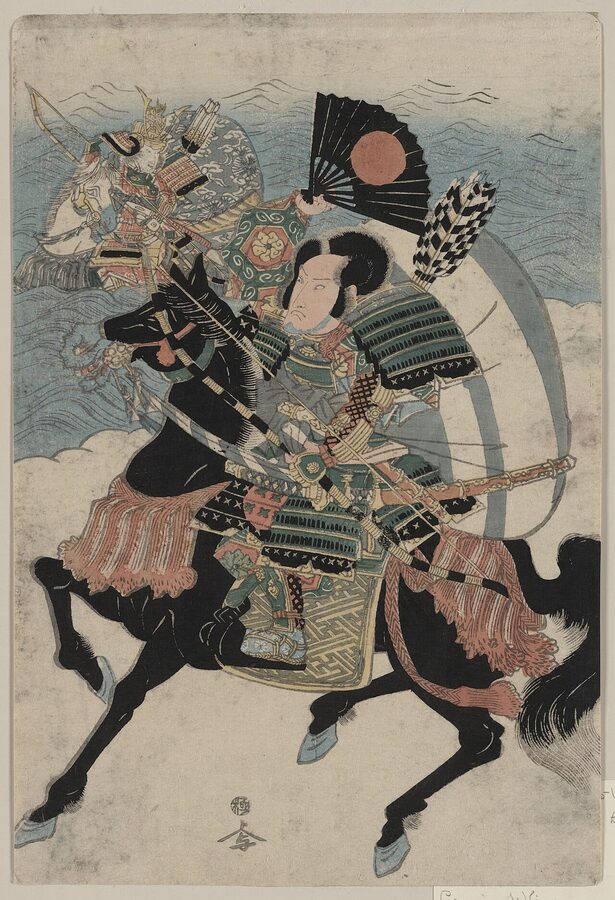
The Heike Monogatari, which also gave the world Tomoe Gozen, has one story everyone remembers, and Nitobe Inazō later put it at the heart of his book. At Ichinotani in 1184 the Minamoto warrior Kumagai Naozane wrestled a young Taira noble off his horse, tore off his helmet, saw a face the age of his own son, and tried to let him go. Other Minamoto riders were coming, so he took the boy’s head himself and found a flute in his armour. Kumagai’s later conversion to the Pure Land teaching of Hōnen is better attested than the conversation on the beach.
By the Muromachi period warriors had also become patrons of Zen, ink painting and the tea room, and the tea ceremony that Sen no Rikyū perfected was as much a warrior’s accomplishment as a merchant’s. Japanese reference works agree that something you could call a warrior ethos existed in all of this. They also agree, almost to a book, that nobody called it bushidō.
Dogs, beasts and seven masters: what the Sengoku said
If you want to know what the warriors of the Sengoku era actually valued, read the sayings that survive in their names rather than the ones later attached to them. Asakura Sōteki, who fought for the Asakura of Echizen until his death in 1555, put it in a sentence that later moralists preferred not to quote: “A warrior may be called a dog, he may be called a beast; winning is what matters.” That is not an embarrassing exception. It is the mainstream.
The house precepts of the age are mostly practical. The twenty-one articles credited to Hōjō Sōun, founder of the Odawara Hōjō, tell a retainer to rise early, keep his hair tidy, lock up at night and not tell lies to anyone, high or low. A later Hōjō chronicle noticed with some surprise that twenty of the twenty-one say nothing about fighting at all. The last one says the way of letters and arms, bow and horse is a given, and there is no need to write it down.
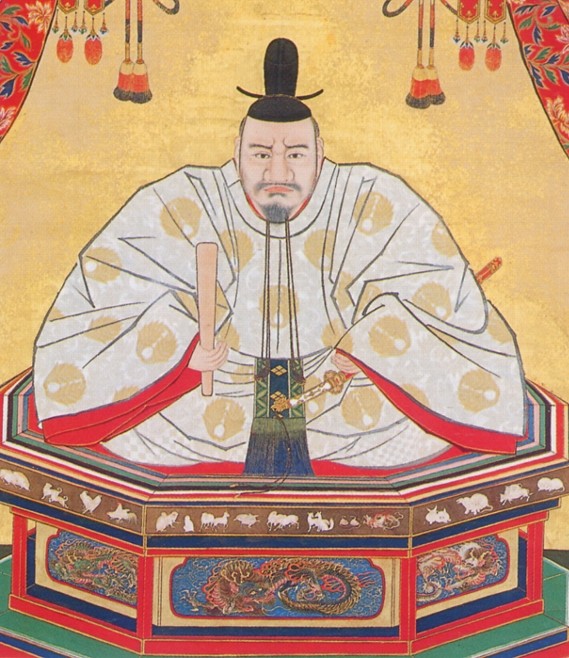
Some Sengoku men did talk about something like a code, but it comes to you secondhand. The Hagakure quotes Nabeshima Naoshige as saying bushidō is shini-gurui, a frenzy for death, and that one man in that state is more than dozens can kill. Precepts attributed to Katō Kiyomasa tell his men to look into the matter of bushidō every day, or they will find it hard to die well. Both survive in 17th-century compilations, and like most Sengoku house codes, nobody can prove the man named on them wrote them.
Even Naoshige’s career makes the point. When his lord Ryūzōji Takanobu was killed at Okitanawate in 1584, Naoshige, a Ryūzōji retainer, did not die with him; he managed the domain for Takanobu’s son, and by 1607 the Nabeshima held it in their own right. The Hagakure works quite hard to present this as a smooth handover. It was a takeover, and a very skilful one.
1616, 1621 or 1656? The book that first wrote it down
The earliest text anyone has found using the word bushidō is the Kōyō Gunkan (甲陽軍鑑), the military chronicle of the Takeda house of Kai. The great Japanese historical dictionary gives its first example from chapter twenty-nine, where a speaker excuses himself as someone “ignorant of bushidō from the start”. This is the book that gave Edo readers most of what they knew about Takeda Shingen, the battles of Kawanakajima and the strategist Yamamoto Kansuke. It is also one of the most argued-over books in Japanese historiography.
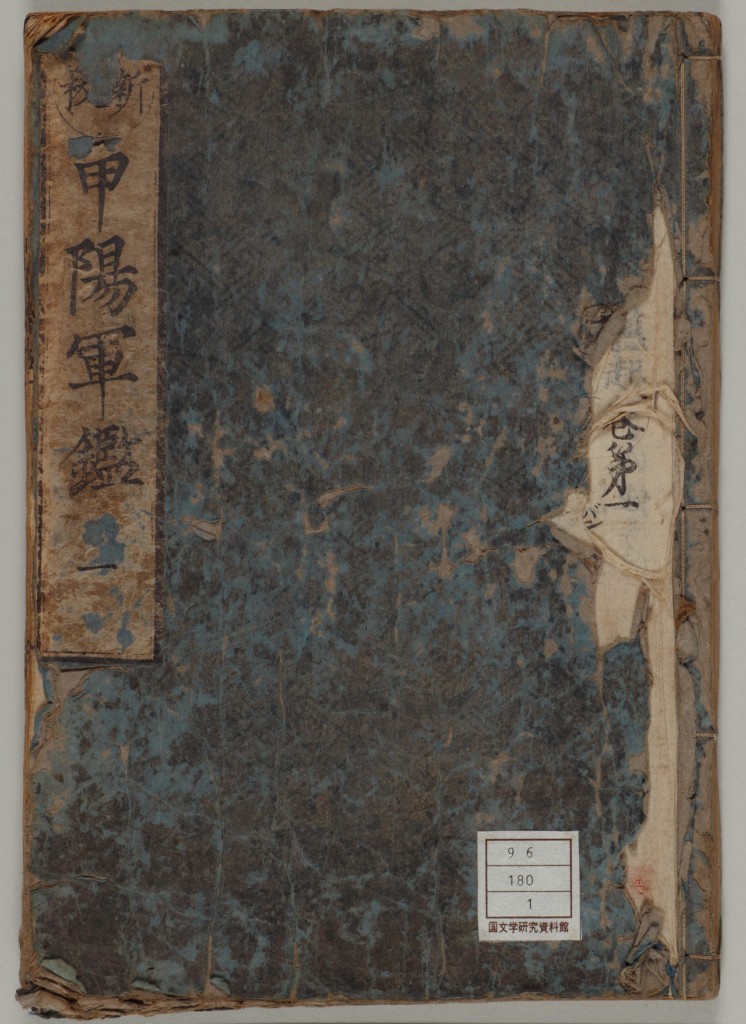
Sources variously date it to 1616, 1621 or later, and they are all describing different things. The text presents itself as the dictation of Kōsaka Masanobu (also known as Kasuga Toratsuna), one of Shingen’s senior commanders, begun in 1575 as a warning to Shingen’s heir Katsuyori, written down by his nephew and a Noh performer, and carried on after Kōsaka’s death in 1578. The oldest surviving manuscript is a copy made around 1621 by the military scholar Obata Kagenori, the oldest printed edition is from 1656, and the English-language encyclopedias that say 1616 do not explain where the date comes from.
Authorship is worse. As early as the 1690s a daimyo of Hirado dismissed the whole thing as a forgery by Yamamoto Kansuke’s son, and an 1891 paper by the historian Tanaka Yoshinari convinced Meiji academics that Obata had invented it. Since the 1990s the linguist Sakai Kenji has argued, on the evidence of the language itself, that the original text is genuinely late 16th-century speech, with Obata as a faithful copyist. Most Japanese historians now take a middle line: real Takeda material, unreliable dates.
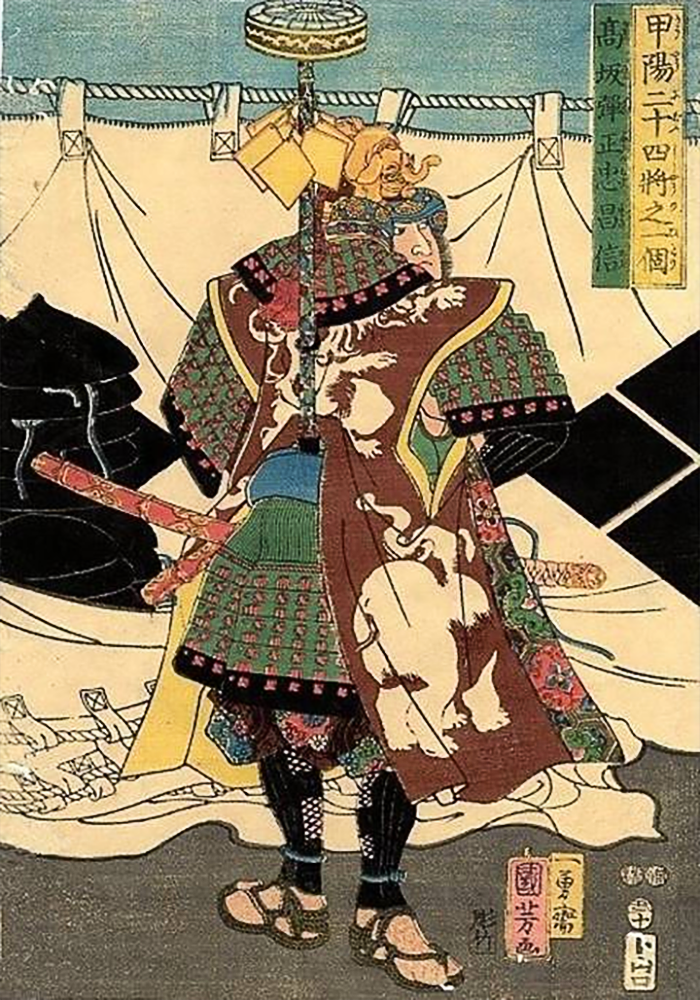
What matters for bushidō is what the book means by the word. Its bushidō is a working warrior’s craft of survival and reputation: be useful on the battlefield, make a name, and the name will feed your family and your followers. The book is perfectly happy for a good man to leave a lord who undervalues him. Nobody agrees how often the word appears, either: one English reference work claims more than thirty times, while an abridged modern Japanese selection contains it exactly once.
Read with that in mind, the Kōyō Gunkan is an old soldier’s complaint about a young lord’s favourites. It blames Katsuyori’s inner circle for pushing him into the disaster at Nagashino in 1575 and accuses two of them of running away at the end. Other contemporary records say those two men died with Katsuyori. The book is a source for what Takeda veterans believed, and not much more.
Within a generation the word had escaped into popular print. In 1642 a masterless samurai writing as Nyoraishi published the Kashōki, a collection of essays in easy kana, and it is full of laments that bushidō is decaying and that flatterers get promoted while upright men starve. Its audience was townspeople. So was the audience for the next one.
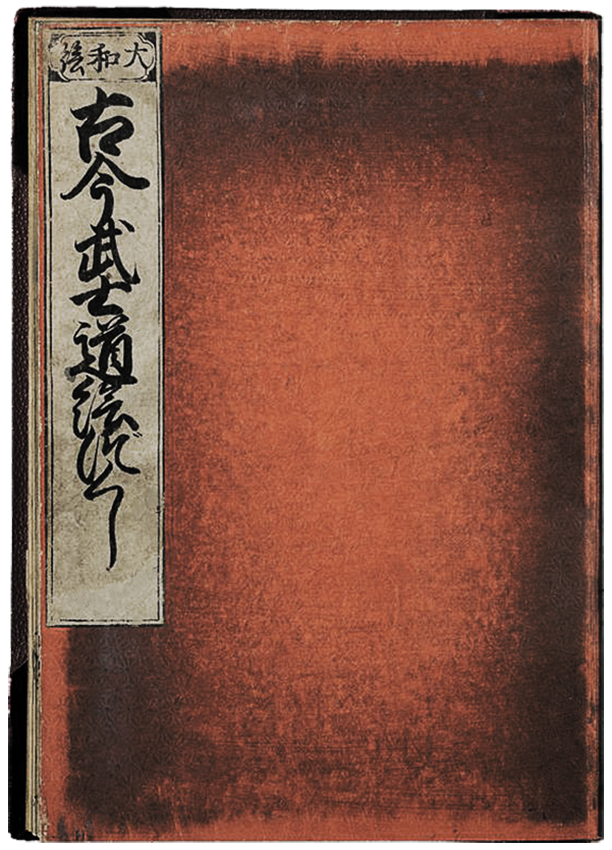
That 1685 picture book is the useful corrective. By the late 17th century “bushidō” could sit on the cover of a woodblock book of warrior stories sold to townspeople. It was a literary word for an old ideal, used now and then. It was not yet a system.
Peace, and a warrior class with nothing to fight
The problem every Edo writer on the subject was trying to solve began in the summer of 1615. Osaka Castle fell in the fifth month, and two months later Tokugawa Ieyasu, then lodged at Nijō Castle in Kyoto, had the first Laws for the Military Houses, the Buke Shohatto (武家諸法度), read out to the daimyo at Fushimi. They told the lords to study letters as well as arms, to repair no castle without permission, to marry only with approval, and not to mix up the dress of different ranks.
The Edo era that followed gave Japan two and a half centuries without a civil war, and left several hundred thousand hereditary fighting men with no fighting to do. They became administrators, tax collectors, guards and clerks in the formal kamishimo and hakama the regulations specified. The 1635 revision added sankin-kōtai, and a samurai’s career increasingly meant walking to Edo and back behind his lord. Japanese historians note that plenty of samurai went from cradle to grave without once drawing a sword in earnest.
So what was a samurai for? The answer that won, in the schools and the domain academies, was Confucian. A samurai justified his stipend by being a moral example to the farmers, artisans and merchants below him, and the name for this ethic was usually shidō (士道), the way of the gentleman-official, rather than bushidō. Its great theorist was a man the shogunate punished for his trouble.
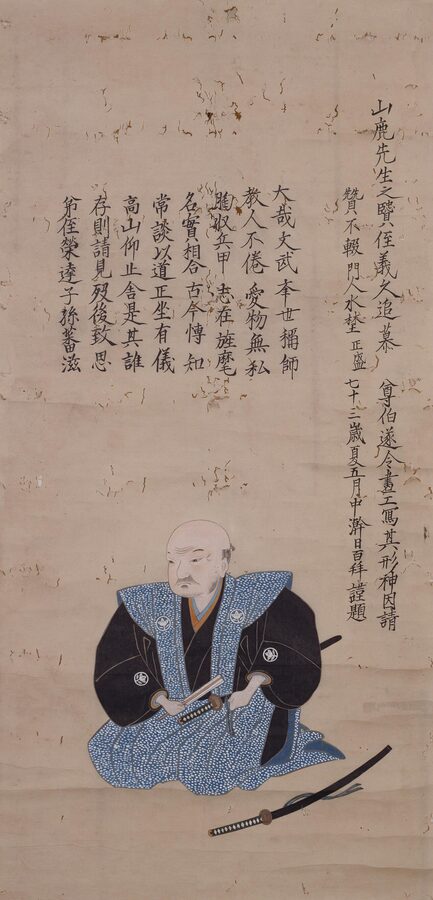
Yamaga Sokō (山鹿素行) taught military science to a long list of daimyo and Confucian ethics to anyone who would listen. His position, worked out in the Yamaga Gorui of 1665, was that a samurai who did not farm, make or trade had to earn his keep by self-cultivation and by keeping the moral order of the realm. He was hard on what he saw as Sengoku leftovers: following a lord into death, he wrote, is unrighteous, and a lord who will not take good advice is no lord. That last point did not endear him to anybody in authority.
In 1665 he published the Seikyō Yōroku, a short attack on the official Zhu Xi school of Confucianism, and the next year the shogunate exiled him to the castle town of Akō, whose lord he had once served. He spent nine years there. The connection later made him the supposed teacher of the 47 rōnin, a link the Akō city historians themselves decline to endorse, since neither Sokō’s diaries nor the rōnin’s own papers mention the other side.
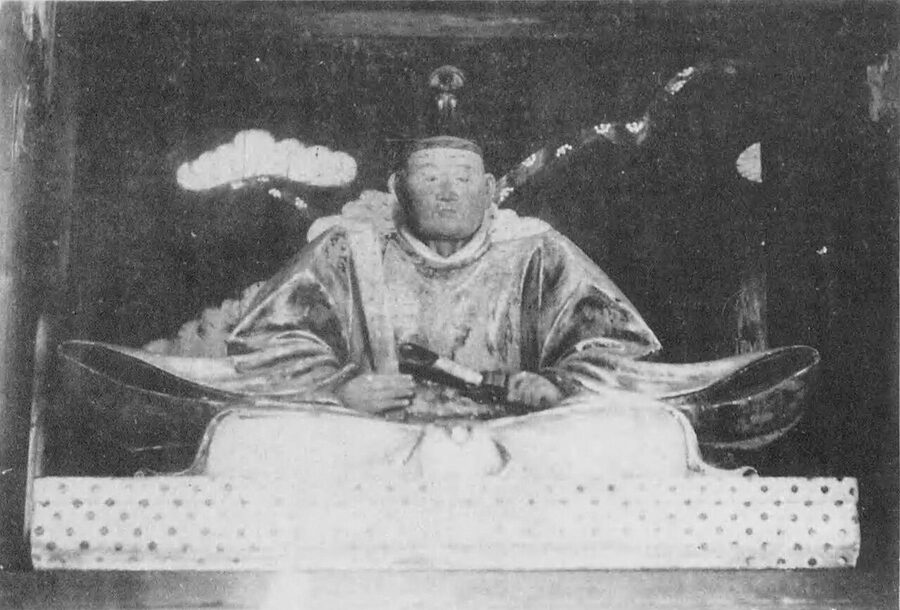
The irony runs deeper than that. When Sokō was pardoned in 1675, the first lord he went to see on his return to Edo was Kira Yoshinaka, the man the Akō rōnin would kill in 1703, and he wrote a poem about the joy of the occasion. The Hirado branch of his family later condemned the vendetta as exactly the kind of lawless private violence Sokō’s teaching forbade. Two centuries on, Meiji nationalists made him the patron saint of it.
Two books for two audiences: the Hagakure and the beginner’s primer
Against Sokō’s gentleman-official stood the tradition Japanese scholars call bushidō in the narrow sense, and its monument is the Hagakure (葉隠). Tashiro Tsuramoto, thirty-three by the Japanese count and out of a job, first climbed up to Tsunetomo’s hermitage at Kurotsuchibaru on the fifth day of the third month of 1710. He finished editing what he had written on the tenth day of the ninth month of 1716, by which time the old man had moved to another hut further west. The result runs to eleven books.
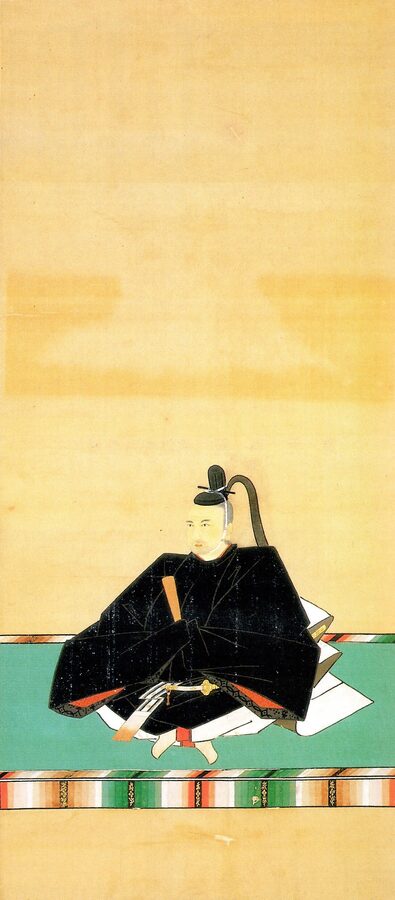
Most of those eleven books are not about death at all. Only the first two are Tsunetomo’s own talk; books three to nine are anecdotes about the Nabeshima lords and Saga retainers, book ten covers samurai of other domains, and book eleven sweeps up the rest. It is a local history and a manual for serving one particular house, full of stories about who said what to whom in Saga in 1650. The preface tells the reader to burn all eleven volumes.
Read in full, the famous passage is stranger and more practical than its reputation. Tsunetomo says that when you have to choose between two courses and cannot know which is right, choose the one that leads to death, because everyone prefers to live and will find reasons for doing so. If you choose wrongly and live, you are a coward; if you choose wrongly and die, you are merely a fool, and that is no disgrace. Die afresh in your mind every morning and every evening, he says, and you will be free in the way of arms and do your job without a fault for the rest of your life.
That is a psychology of decisiveness for a servant, and it sits beside a great deal of grumbling. Tsunetomo despises the “puffed-up bushidō of the Kamigata”, the Confucian theorising of Kyoto and Osaka, and says loyalty you can analyse is not loyalty. He criticises the Akō rōnin twice over, for waiting almost two years when Kira might have died of old age, and for not cutting their bellies on the spot afterwards. He much prefers the Saga men who, in a Nagasaki street quarrel in 1700, charged in without thinking.
It is also funnier than you would guess. Book seven has the page boy Nakano Kazuma, set to massage the first lord Katsushige’s back, slipping away while the lord dozed, bending a needle into a hook and fishing in the garden pond. A big crucian carp he landed flipped off the line, sailed into the room and hit Katsushige in the face, and when the lord came looking, the boy barked like a dog from under the veranda and ran. He grew up to be a domain elder.
Two things about the Hagakure’s afterlife are disputed, and you should know both. The standard account says the domain treated it as a forbidden book; the philosopher Sagara Tōru, one of its most careful modern editors, thought the ban doubtful. And while most sources give Tsunetomo’s death as the tenth day of the tenth month of 1719, at least one major Japanese encyclopedia gives 1721.
Its great contemporary rival was written for a completely different reader. Daidōji Yūzan (大道寺友山), a military scholar who had studied under both Obata Kagenori’s school and Yamaga Sokō, wrote the Budō Shoshinshū (武道初心集), “Collected Teachings for the Beginner in the Way of Arms”, around 1725, when he was in his late eighties. Every article ends with the same formula: this is set down for the instruction of the novice samurai.
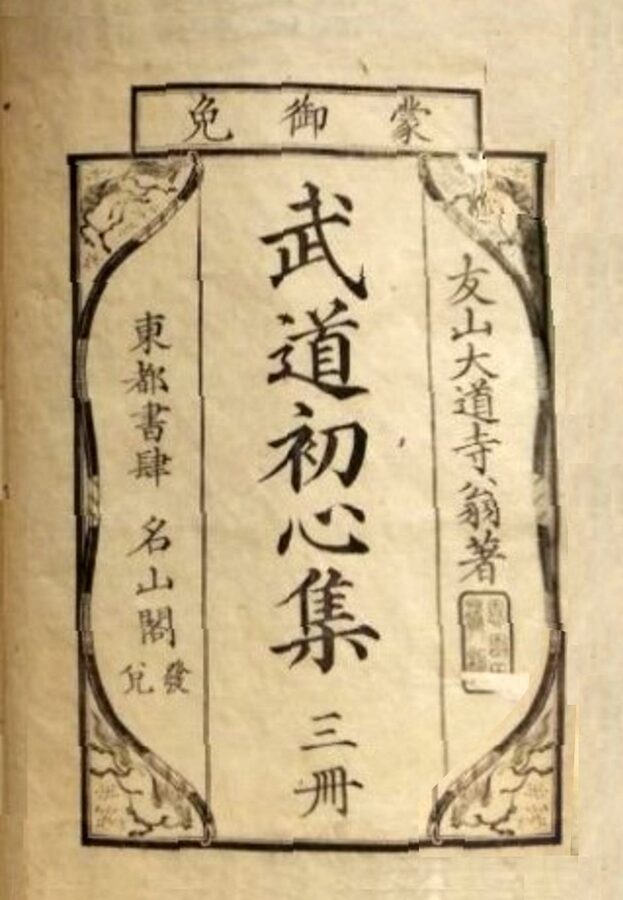
Yūzan’s beginner is told to keep death in mind every day, as Tsunetomo’s is, but the lesson drawn is different: since any day may be your last, be dutiful to your parents, careful with money, polite and sober today. The book spread in manuscript among a few readers until 1834, when two senior officials of the Matsushiro domain in Shinano cut it to forty-four articles and had it printed in Edo. Their edition quietly removed the Shinto flourishes and the Sengoku swagger, and it was still being read in former samurai households at the end of the Meiji era.
The ideal and the record
Set the writings beside what samurai actually did and the gap is wide in every period. Sengoku loyalty was negotiable. Akechi Mitsuhide killed his lord at Honnō-ji in 1582; the day at Sekigahara in 1600 was decided by men who changed sides once the fighting had started; Takeda Shingen began his rule in 1541 by sending his own father into exile. Much Sengoku fighting relied on scouts, raiders and men like Hattori Hanzō, whose later reputation as ninja made them sound more exotic than the work was.
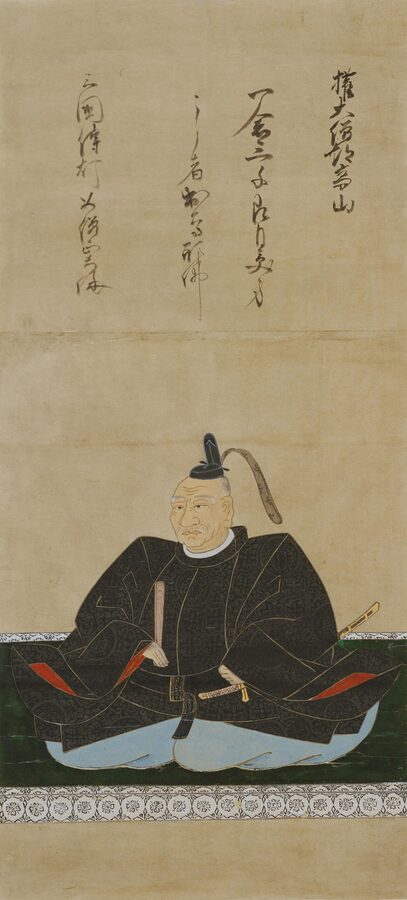
The saying Japanese books put in the mouth of Tōdō Takatora, “a man is not a samurai until he has changed masters seven times”, is probably apocryphal and certainly not a joke. Takatora started as a foot soldier under the Azai, passed through several houses, became a favourite of Hideyoshi’s family and then of Ieyasu, and finished as one of the richest lords in Japan. Nobody at the time thought him disgraced. They thought him good at his job.
Peace produced its own distortions. Following a lord into death became fashionable after 1607, peaked with the twenty men around Date Masamune’s death in 1636, and was banned by the shogunate in 1663, a story told in full in my piece on seppuku; the ban went into the Laws for the Military Houses in 1683 under Tokugawa Tsunayoshi. Early Edo cities also had a problem with tsujigiri, young samurai testing a new blade on a passer-by at a crossroads, until repeated bans drove it down. The privilege of kirisute gomen, cutting down a commoner who insulted you, was real, though it came with an investigation attached.
The site’s other articles hold plenty of individual cases, so I will only point to them. Miyamoto Musashi won his most famous fights partly by arriving late on purpose, and killed a boy who had been set up as a figurehead. The Akō vendetta was an armed night raid on an old man’s house. And the Shinsengumi of the 1860s, whose first rule was “do not depart from the way of the samurai”, using the word shidō rather than bushidō, was led largely by farmers’ sons and enforced that rule with compulsory belly-cutting.
Made in Meiji
The samurai lost their class within a decade of 1868. The Meiji era government turned them into a titled category called shizoku, commuted their stipends into bonds and in 1876 banned the wearing of swords in public. The next year Saigō Takamori led the last samurai rebellion and lost it to a conscript army of farmers’ sons.
The document that shaped that army’s ethics did not use the word bushidō. The Imperial Rescript to Soldiers and Sailors of 1882, drafted by Nishi Amane under Yamagata Aritomo, gave the troops five virtues: loyalty, propriety, valour, faithfulness and frugality. Loyalty came first, every order from a superior was to be treated as an order from the emperor, and soldiers were to consider duty “heavier than a mountain” and death “lighter than a feather”. In time recruits had to recite all 2,700 characters of it from memory.
The modern idea of bushidō came from a different direction. According to the historian Oleg Benesch, whose work on this period I find the most convincing, the politician Ozaki Yukio first wrote about bushidō in a dispatch sent home from his travels in America and Europe in 1888. Three years later he argued that Victorian Englishmen traced their gentlemanly ideal back to medieval chivalry, and that Japan had a “feudal knighthood” of its own and no need to import a foreign ethic. The idea was born, in other words, out of comparison with the West.
Victory over China in 1895 turned that comparison into a boom. Benesch counts the bushidō boom from about 1898 to 1914, a period in which books, lectures and magazine debates on the subject multiplied, and after the war with Russia in 1904–05 the term was everywhere. The book that carried it abroad was written by a sick man in California.
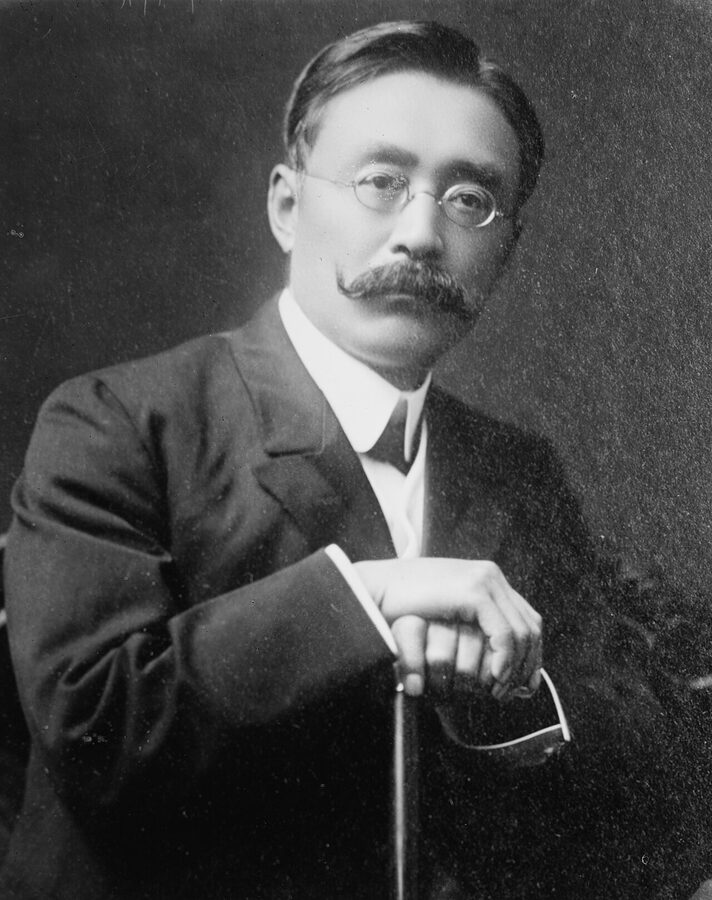
Nitobe Inazō opens Bushido: The Soul of Japan with a moment on a country walk. About ten years earlier, he writes, the Belgian jurist Émile de Laveleye had stopped dead on learning that Japanese schools taught no religion, and repeated in astonishment, “No religion! How do you impart moral education?” Nitobe could not answer, and his American wife, Mary Elkinton, kept asking him the same sort of question.
He wrote the book in Monterey, California, where he had gone to recover from a breakdown in health brought on by overwork in Sapporo, and signed the preface at Malvern, Pennsylvania, in “Twelfth Month, 1899”, Quaker style. Leeds and Biddle of Philadelphia printed 1900 on the title page, which is why sources variously give 1899 or 1900. A Japanese reprint in English followed in 1900 and is said to have sold fifteen thousand copies; by 1905 Nitobe could list translations into Marathi, German, Czech and Polish, among others.
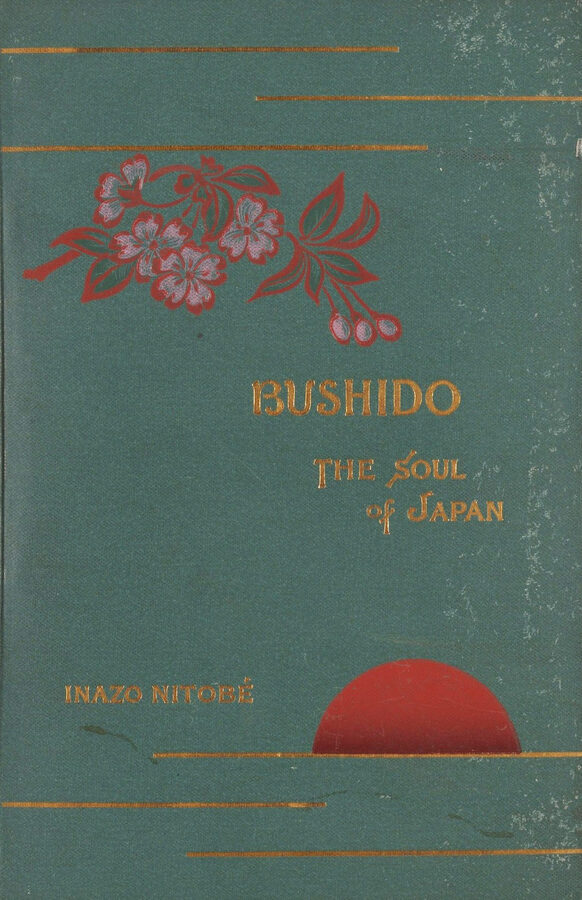
The book defines bushidō as “a code unuttered and unwritten”, and that is its central weakness and the secret of its success. Nitobe builds it chapter by chapter out of rectitude, courage, benevolence, politeness, sincerity, honour, loyalty and self-control, illustrated with Kumagai and Atsumori, Mencius, Shakespeare and the Bible. It reads like a Victorian gentleman’s handbook translated into armour, which is roughly what it was meant to be.
The historian Ōta Yūzō pointed out the awkward fact: when he wrote the book, Nitobe had read neither the Kōyō Gunkan nor the Hagakure, and for roughly thirty years he believed he had coined the word himself. That is less damning than it sounds for a man who had been schooled almost entirely in English from childhood. It does mean his bushidō owes more to Carlyle than to the Takeda.
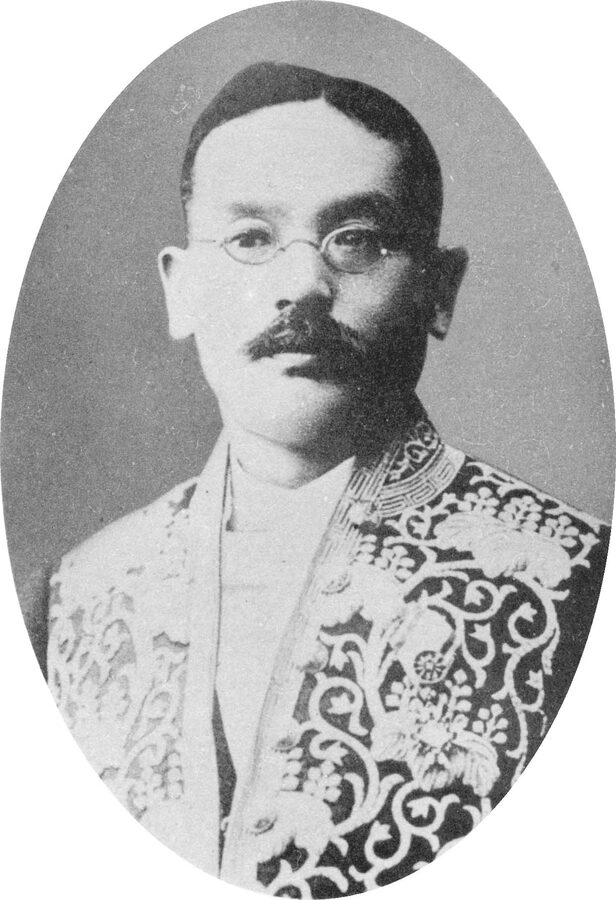
At home the book was not the success it was abroad, and its harshest critics were Japanese. Inoue Tetsujirō wanted a bushidō built on Japanese sources and the imperial house, not on Christian morality. In 1905 he edited the three-volume Bushidō Sōsho, a library of excerpts from Edo writers including Yamaga Sokō and Daidōji Yūzan, and it was Inoue, more than anyone, who turned Sokō into the “sage of bushidō” and gave the modern idea a pedigree reaching back to the 17th century.
The Hagakure joined the canon at the same moment. In 1906 an abridged edition of about a fifth of the text, mostly the first two books, was published in Tokyo and presented to the emperor, and in 1911 it was reissued as the Nabeshima Analects. Inoue himself was lukewarm about it, thinking it too parochial for national use. Others were not.
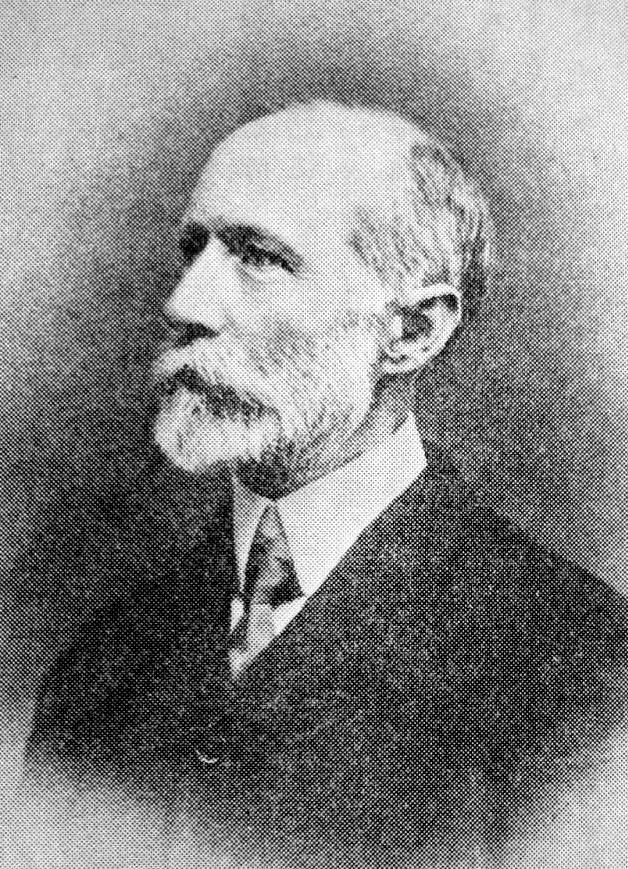
The sharpest foreign verdict came in 1912 from Basil Hall Chamberlain, in a pamphlet called The Invention of a New Religion, which declared that “Bushido was unknown until a decade or two ago”, adding that the word appeared in no dictionary, Japanese or foreign, before 1900. He overstated it: the word had been in print since the 17th century, as the Kōyō Gunkan shows. But as a description of bushidō as a national code, his exclamation is closer to the truth than its admirers like to admit.
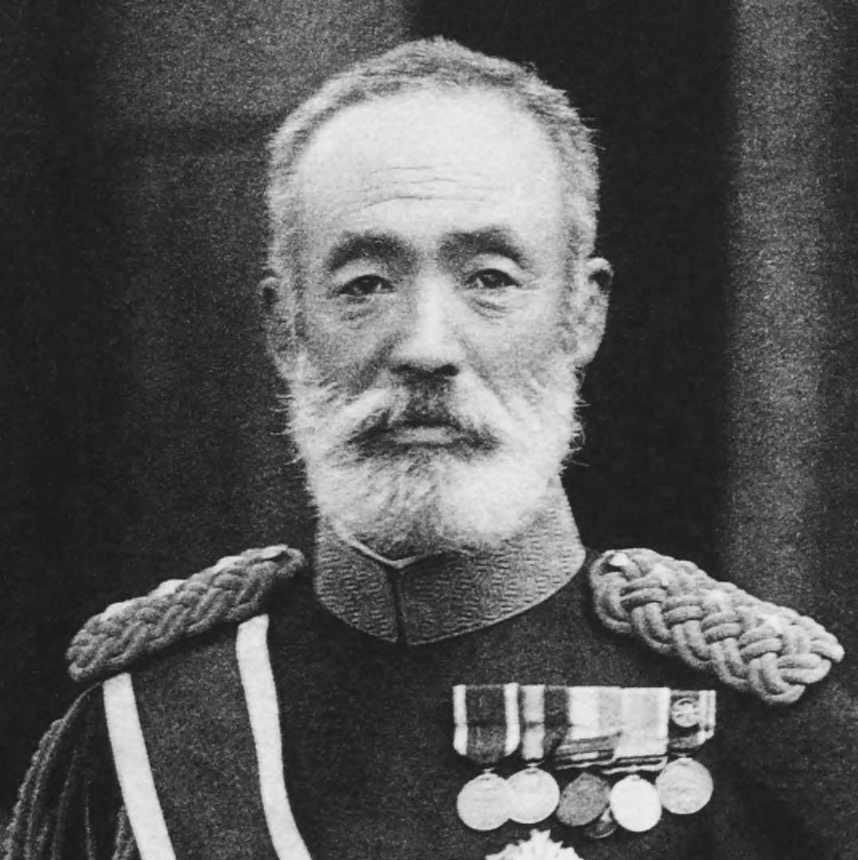
The same year supplied the boom’s defining image. On the evening of the Meiji emperor‘s funeral, 13 September 1912, General Nogi Maresuke and his wife Shizuko killed themselves in their house in Akasaka, an act of exactly the kind the shogunate had banned in 1663. Inoue hailed it as bushidō fulfilled. Many younger writers thought it a grotesque anachronism, and the argument over it, Benesch suggests, helped tie bushidō in the public mind to the generation that was dying with Meiji.
The Taishō era was less impressed. In 1916 Akutagawa Ryūnosuke published “The Handkerchief”, a short story in which an elderly professor, unmistakably Nitobe, admires a mother’s composure in describing her son’s death as true bushidō, until he notices her hands under the table tearing her handkerchief to shreds. It is a very good story, and a short one; read it before you read Nitobe. By the 1920s, Benesch argues, bushidō looked old-fashioned to many educated Japanese.
Shōwa: the word goes to war
It came back in the 1930s, and this time the state was driving. In 1932 a Saga history journal described the deaths in Manchuria and Shanghai of several Saga-born soldiers, among them one of the “Three Human Bombs”, as “the Hagakure spirit made manifest”, and from then on the Saga book was a patriotic symbol. In the Shōwa era bushidō entered the Ministry of Education’s Kokutai no Hongi of 1937, the official statement of national principles, and almost every wartime book on the Japanese spirit.
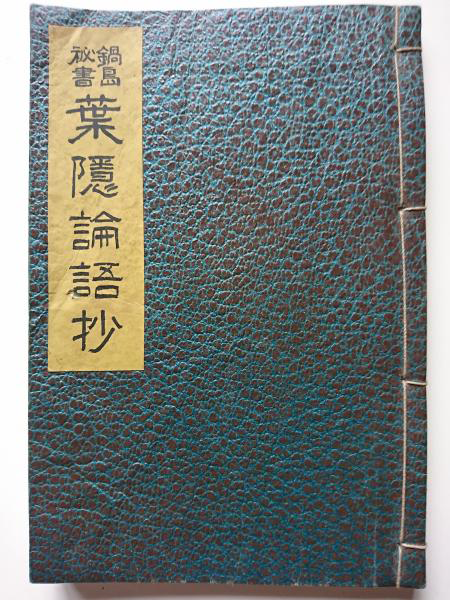
In 1940 and 1941 Iwanami published a full scholarly edition of the Hagakure, edited by the philosopher Watsuji Tetsurō with Furukawa Tetsushi, and Watsuji also produced a pocket abridgement that, according to Benesch, the army distributed for soldiers to carry. In 1942 scholars close to Inoue completed the thirteen-volume Bushidō Zensho, which is still reprinted. In 1943 the government designated Yamaga Sokō’s grave in Tokyo a national historic site.
On 8 January 1941 the army minister, Tōjō Hideki, issued the Senjinkun (戦陣訓), the Field Service Code, to the whole army. Japanese historians are clear about why: the war in China had dragged on for three and a half years, discipline was slipping, and there had been a run of crimes by Japanese troops against civilians in occupied areas. The novelist Shimazaki Tōson is said to have been asked to polish the prose.
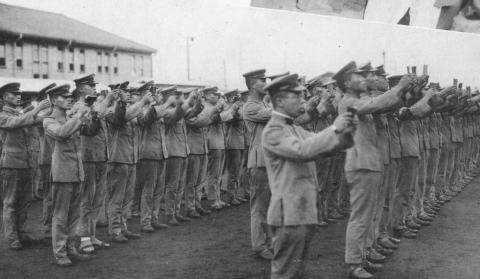
Most of the Senjinkun is routine military moralising, and Japanese encyclopedias describe its tone as close to the Hagakure. One line is the reason anyone remembers it: “Do not live to suffer the shame of capture; do not die leaving a name stained by crime.” Japanese reference works state plainly that this sentence, absolutised in practice, denied soldiers the option of surrender and contributed to the mass deaths the army called gyokusai, “shattering like jewels”, from Attu in 1943 onwards.
The same contempt for surrender has been cited by historians as one strand in how prisoners in Japanese hands were treated. When the navy proposed organised suicide attacks in 1944, the language of bushidō was used to present them as the warrior’s spirit in its purest form, and the Hagakure’s line about dying was used in exactly those settings, for suicide missions and last stands. Those are the facts of the matter, and they need no help from me.
After 1945: banknotes, business books and a novelist’s belly
On 19 June 1948 the Diet formally declared the 1882 Rescript to Soldiers and Sailors void, along with the Imperial Rescript on Education. For a while the Hagakure was treated as a militarist book and quietly dropped. The word bushidō survived mainly in the dōjō, where the modern martial arts, from kendō and judo to karate and aikido, had been reframed as moral training back in the Meiji and Taishō years.
The Hagakure’s postwar champion was Mishima Yukio, whose Hagakure Nyūmon appeared in 1967. Three years later he cut his own belly at the Self-Defence Forces headquarters in Ichigaya after a failed appeal to the troops, which did not help the book’s reputation as a death manual. Japanese scholars since have spent a good deal of effort reading it as what it was: the table talk of a provincial retainer about service, decision and his domain’s past.
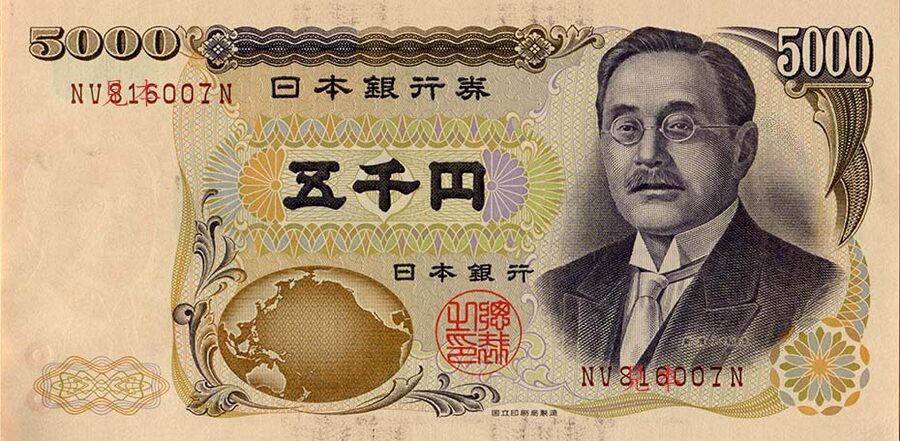
Nitobe’s book, ignored or mocked by the prewar establishment, reached the height of its popularity in Japan only from the 1980s, and it is now the most widely available work on the subject in Japanese as well as English. Bushidō became a business-book genre and a stock phrase for any feat of endurance. Taiwan’s former president Lee Teng-hui, who studied kendō as a schoolboy under Japanese rule, wrote a whole book on Nitobe’s text in 2003.
My own view is that neither the romantics nor the debunkers quite have it. There never was a single code that all samurai lived by, and the system most people mean by bushidō was assembled between 1888 and 1914 from older texts written for quite other purposes. But the texts are real, the arguments in them are real, and men like Yamaga Sokō, Tsunetomo and Yūzan were trying in earnest to answer a real question: what is a fighting class for, once the fighting stops?
If you want to see where the samurai of the great age came from, the cornerstone guide to Japan’s greatest samurai is the place to start, and the long view across all the periods mentioned here is in Japan through the ages. The places below are tied to the writers themselves.
Where to find bushidō’s writers today
None of these places is a theme park, which is a mercy. Most are graves, stones and temple precincts, and two are museums. Saga has the densest cluster, and you can cover its three Hagakure sites and the castle museum in a long day if you take taxis.
Kurotsuchibaru, Saga: where the Hagakure began
Tsunetomo’s first hermitage stood at Kurotsuchibaru, in what is now Kinryū-machi, about ten kilometres north of the old castle town, and the surrounding ground is a Saga city historic site under the name Hagakure hasshō no chi, “birthplace of the Hagakure”. Nothing of the hut survives. What you find is a wooded slope with two stones: a memorial tower for a thousand readings of the Lotus Sutra, and the tall Jōchō sensei suikun-hi, the memorial to the master’s teachings.
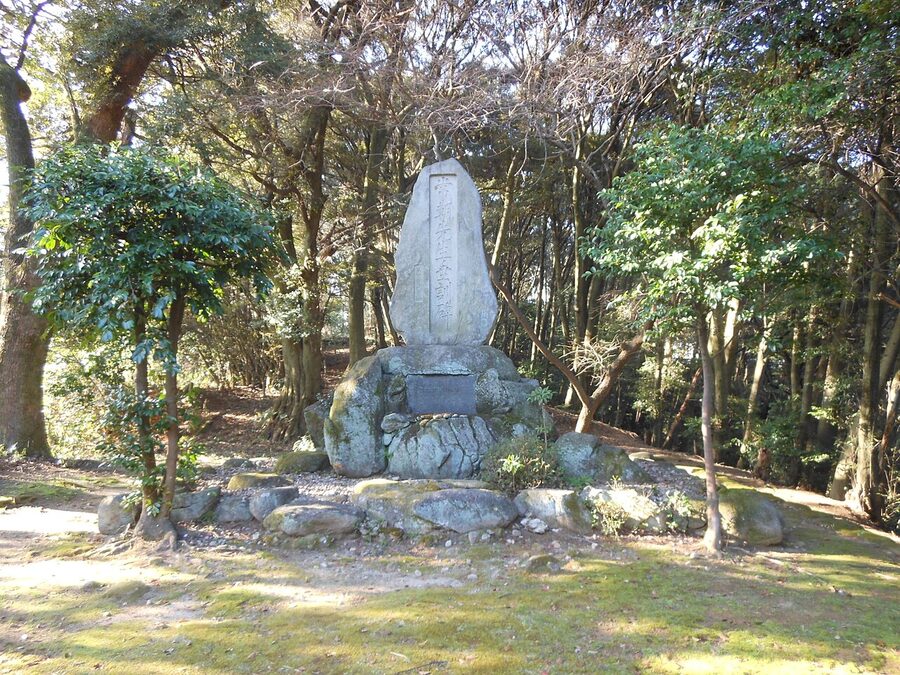
I would not make the trip for the stones alone. Make it because it is the one place where you can stand on the ground the conversations happened on, with the Saga plain stretching away to the south, and the sheer smallness of the setting corrects the grand image of the book. There is no public transport worth the name; take a taxi from Saga Station and ask it to wait.
Kōden-ji and Ryūun-ji: the lord and the retainer
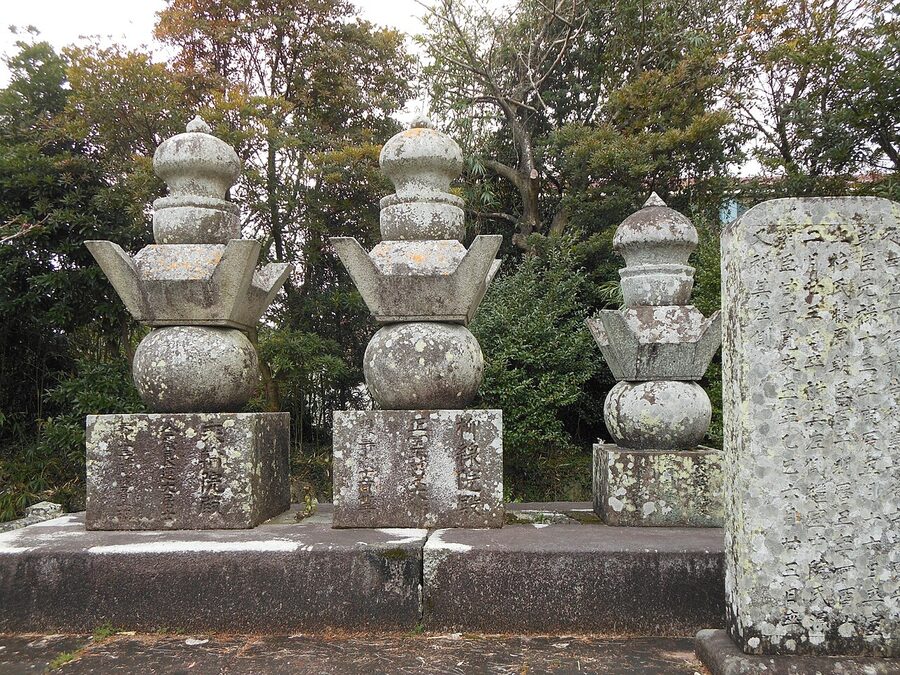
Kōden-ji (高伝寺) is the family temple of the Ryūzōji and Nabeshima, and it is where Tsunetomo had his head shaved by the priest Ryōi three days after Mitsushige died. The lords lie in rows of stone monuments in the cemetery behind the main hall. Japan’s national tourism organisation gives the route as a bus from Saga Station to the Fukuro-iriguchi stop, about ten minutes, then a twenty-minute walk; a taxi takes about fifteen minutes.
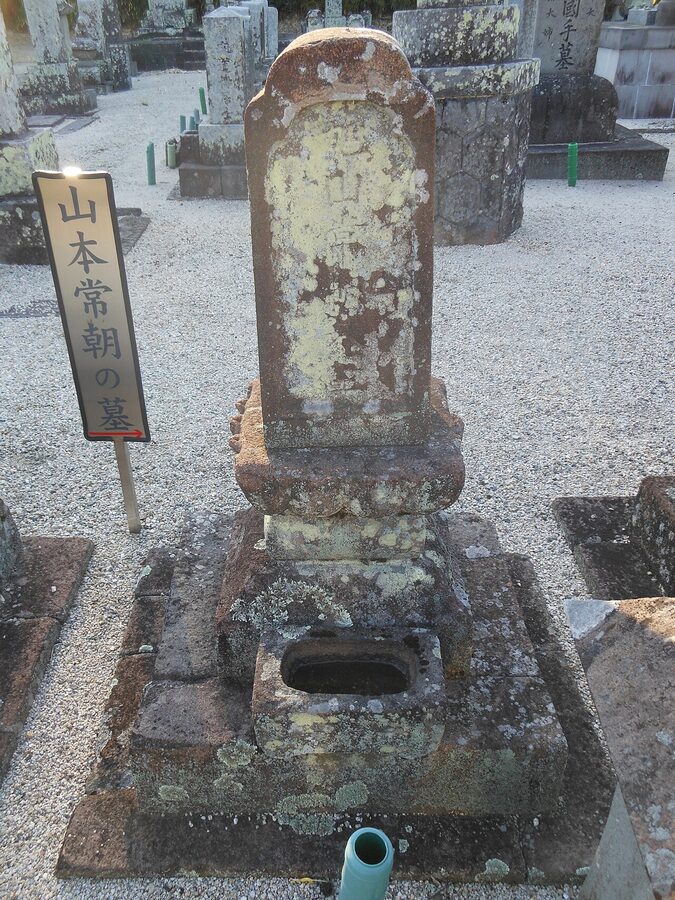
Tsunetomo himself is buried at Ryūun-ji (龍雲寺), a small temple elsewhere in the city, under the name he took on the day he gave up the world. His body was burned in front of his last hut the day after he died. Ask at the temple before you walk into the cemetery; it is a working family graveyard, not a monument.
Saga Castle History Museum
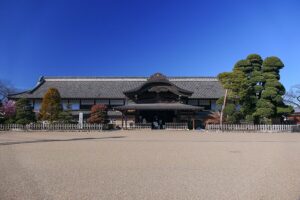
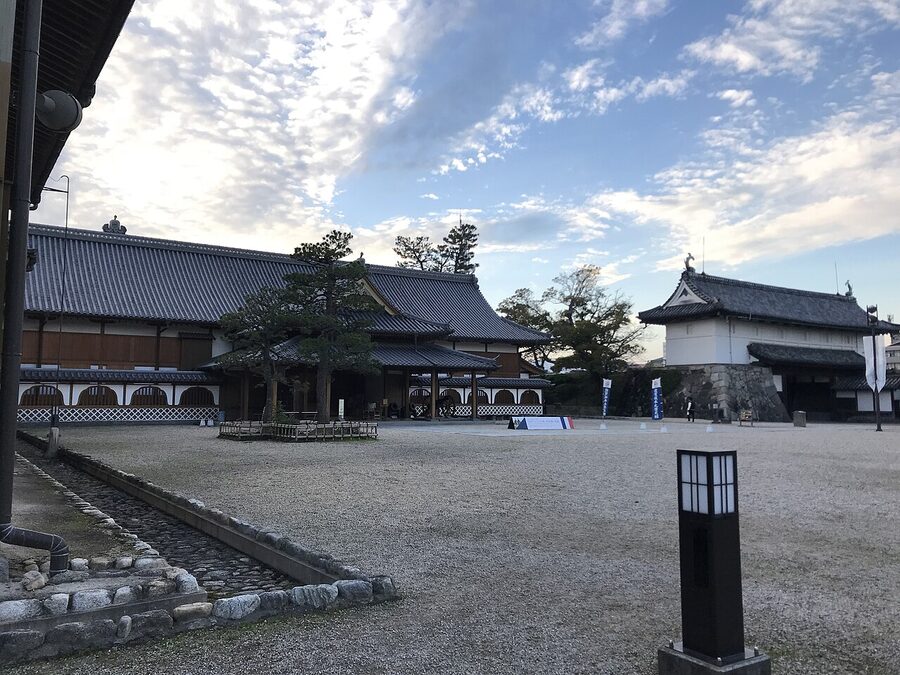
The museum is a large timber reconstruction of the castle’s honmaru palace, built in 2004 on its original footprint, and it is the best place in Saga to get the Nabeshima world Tsunetomo was describing into your head. It opens 9:30–18:00 every day of the year and charges no fixed admission; there is a box for donations, and you should use it. It sits in the castle park about two kilometres south of Saga Station.
Sōsan-ji, Tokyo: Yamaga Sokō’s grave
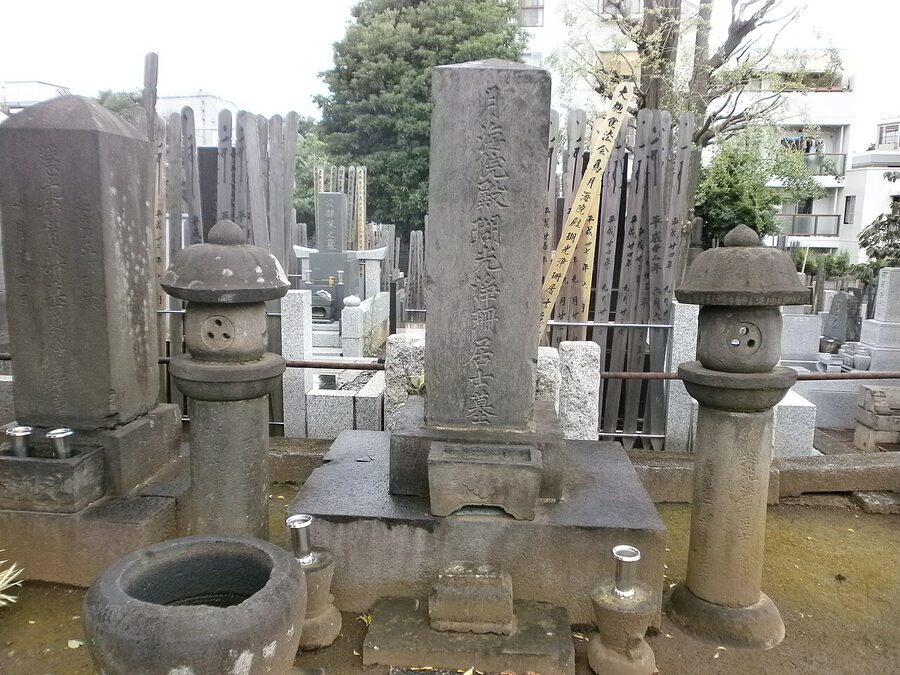
Sokō died at his house in Edo in 1685 and is buried at Sōsan-ji (宗参寺), a Sōtō Zen temple in Bentenchō, Shinjuku, about ten minutes’ walk from Waseda Station on the Tōzai Line. The temple also holds the graves of the Ushigome family, the local lords before the Tokugawa. Admission is free, the grounds are small, and the national historic site designation of 1943 is worth reading with the date in mind.
Akō: the exile’s castle town
Akō, on the Inland Sea coast of Hyōgo, is where Sokō spent his nine years of exile, and its castle, built from 1648 by the Asano lords he served in the 1650s, is the setting for the whole 47 rōnin story. The castle grounds are free. The city history museum, on the site of the castle rice store, charges ¥200 for adults and closes on Wednesdays, and it has mounted exhibitions that include Sokō’s own writings for the Asano house.
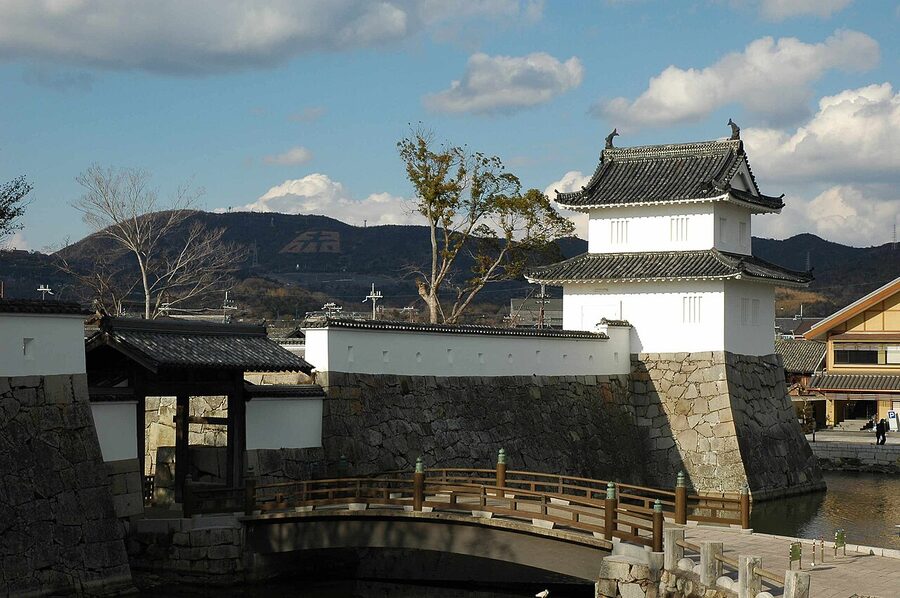
For the rest of what Akō has to offer, the rōnin, the shrine and the festival, see the article on the 47 rōnin. If you come for Sokō, come in the knowledge that the town’s own historians do not accept the story that he taught Ōishi Kuranosuke, and enjoy the castle anyway.
Erin-ji, Yamanashi: the Takeda of the Kōyō Gunkan
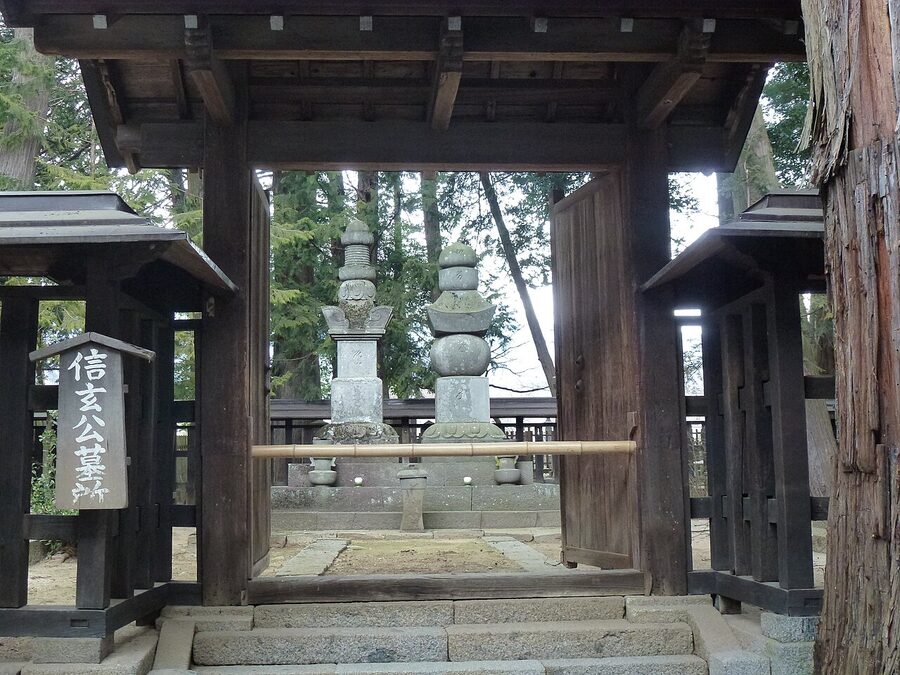
Erin-ji (恵林寺) in Kōshū is the Takeda family temple and the obvious place to pay respects to the house the Kōyō Gunkan was written to commemorate. It opens 8:30–16:30 every day, last entry 16:15, and charges ¥500 for adults; the Shingen treasure museum in the grounds is run separately and has its own ticket. Take a bus bound for Nishizawa Gorge from the south exit of Enzan Station on the JR Chūō Line to the Erinji-mae stop, or a taxi, about twenty minutes and roughly ¥1,500.
Matsushiro: Kōsaka’s castle and Yūzan’s printers
Matsushiro, now a quiet district of Nagano city, links two of the books in this article. Its castle began as Kaizu Castle, which Kōsaka Masanobu held for Shingen, and the Sanada lords who later ruled from it were the ones whose senior officials printed the trimmed Budō Shoshinshū in 1834. The castle ruins are free and open 9:00–17:00 from April to October, 9:00–16:30 from November to March.
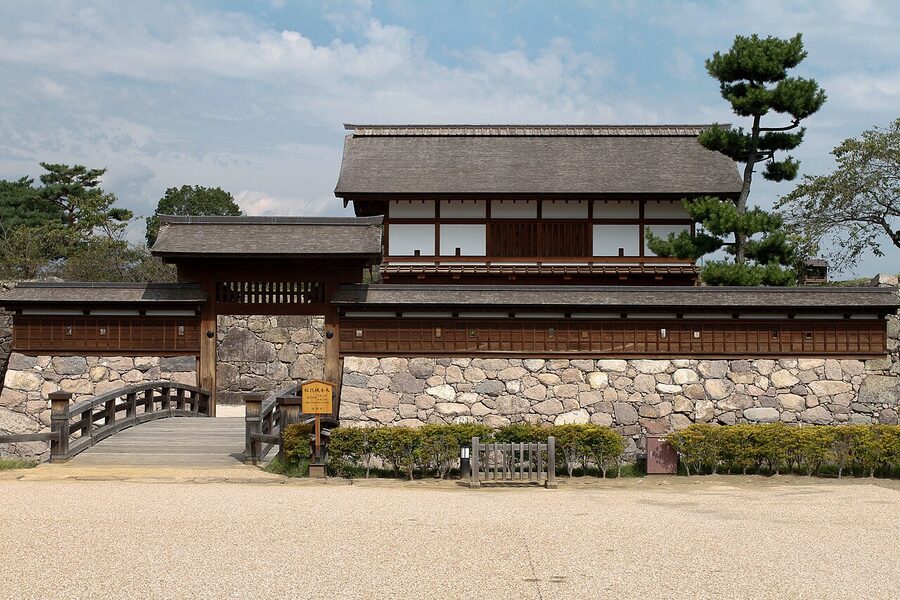
The Sanada Treasure Museum nearby charges ¥600 for adults and closes on Tuesdays; it opens the same hours as the castle site, with a combined ticket for the samurai houses and domain school if you are making a day of it. From the Zenkōji exit of Nagano Station, take Alpico bus 30 for Matsushiro from bay 3, about thirty minutes, to Matsushiro-eki, then walk three minutes.
Towada and Morioka: Nitobe at home
The Nitobe Memorial Museum in Towada, Aomori, stands beside Taiso-zuka, the memorial grounds of Nitobe’s grandfather Tsutō, who brought water to the Sanbongi plain in the 1850s and founded the town that became Towada. The city closed the old building in 2015, citing earthquake safety, a decision that turned into a long dispute; after renovation by the family’s own organisation it reopened on 27 September 2026. Among its exhibits is the family’s own samurai armour. It has opened 10:00–16:00 on weekdays, with weekends by arrangement, and you should check the museum’s site for current fees before you go.
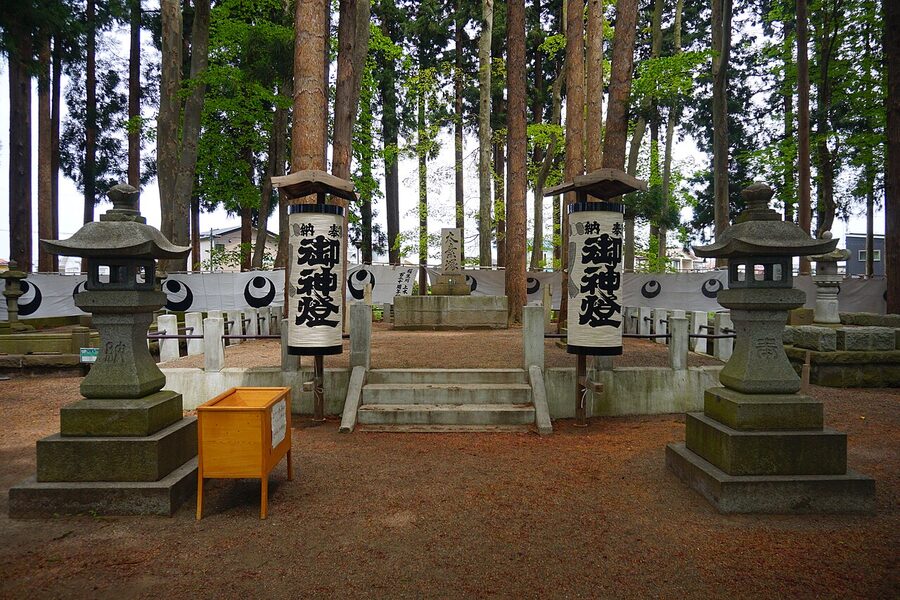
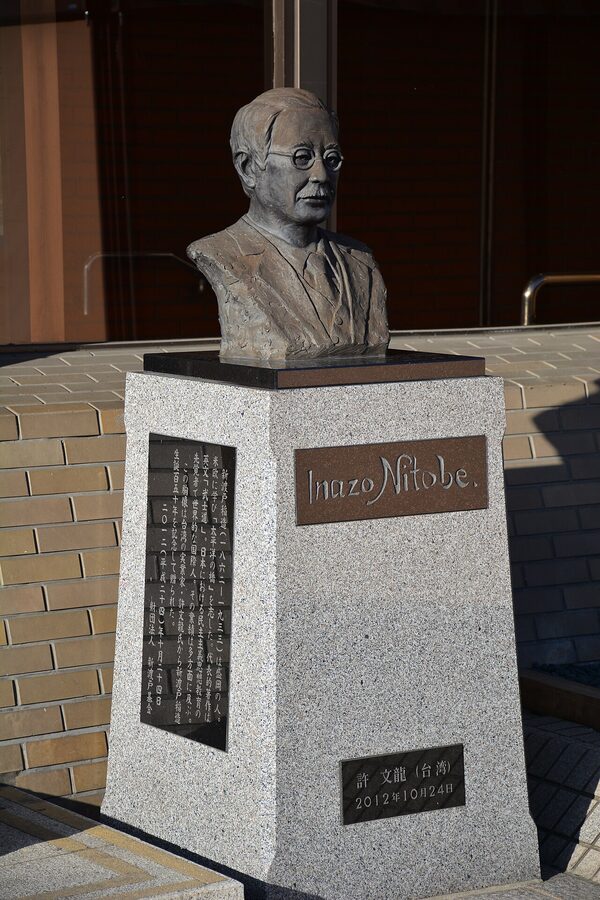
Nitobe was born in Morioka in 1862, and if you are passing through on the Tōhoku Shinkansen there is a bronze bust of him near the station. It is not worth a special trip. It is worth five minutes between trains.
If you do go up to Kurotsuchibaru, take the whole Hagakure with you, or at least the first two books in a decent translation, and not just the sentence. Read the page about dying, by all means. Then find the one about the boy, the fish and the dog under the veranda, and remember that the same old man told both stories, in a hut he had never meant to live in.