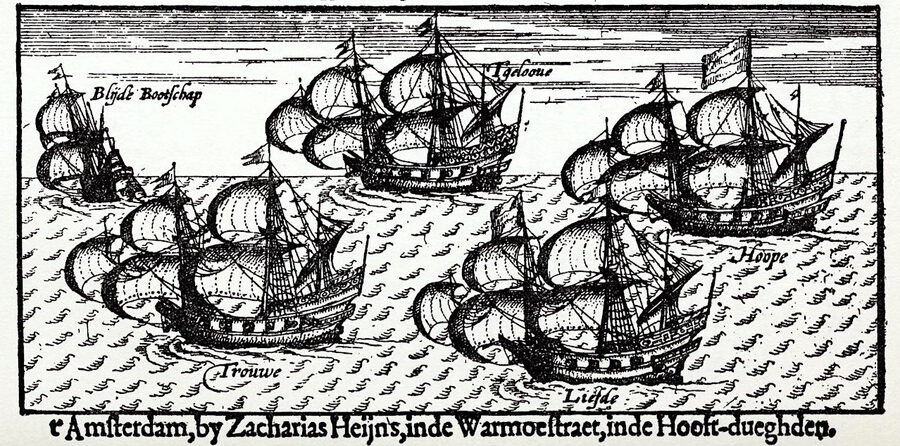
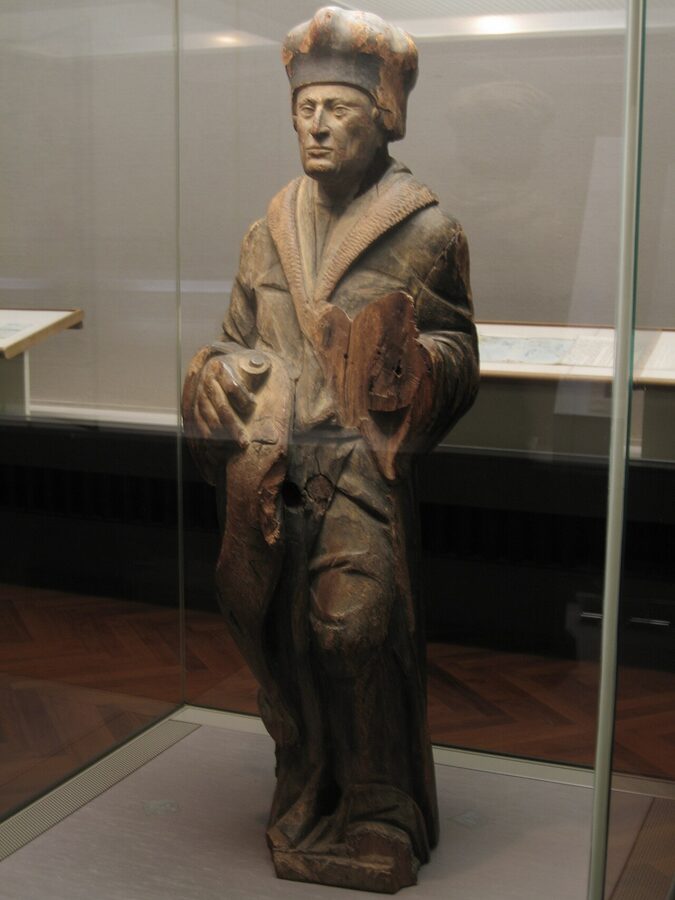
When the Liefde came in sight of Kyushu on 19 April 1600, her pilot counted the men who could still stand on deck. There were six, and he did not count himself. The ship had left the Netherlands twenty-two months earlier as one of a fleet of five, with about 110 men aboard her. She was carrying nineteen heavy guns, a hold of woollen cloth that nobody in Asia had asked for, and a carved wooden Erasmus on her stern.
The pilot was William Adams, a thirty-five-year-old Kentishman, and he had expected to die in Japan one way or another. Instead, within a decade, he had a Japanese name, an estate in the Miura peninsula, a house in Edo, a Japanese wife and the ear of Tokugawa Ieyasu. He also never went home, although by 1613 he was free to. The usual label, “the first Western samurai”, is not wrong, but it is the least interesting thing about him, and I want to walk you through what the letters and diaries actually say before sending you to Hirado, Yokosuka, Itō and Tokyo, where you can still find him.
In This Article
- A Kentish pilot for a Rotterdam fleet
- Bungo, April 1600
- Thirty-nine days in Osaka
- “I was no carpenter”
- The bannerman of Hemi
- The man between the Europeans
- Hirado and the English factory
- Death at Hirado
- Blackthorne, and the other Adamses
- Where to find William Adams in Japan today
- Hirado
- Anjinzuka and Jōdo-ji, Yokosuka
- Itō
- Tokyo
- Usuki
A Kentish pilot for a Rotterdam fleet
Adams was baptised in the parish church at Gillingham, on the Medway below Chatham, on 24 September 1564. Nobody knows his real birthday. His father died when he was twelve, and the boy was sent up the Thames to Limehouse as an apprentice to the shipwright Nicholas Diggins, where he spent twelve years learning to build hulls and, by his own account, a good deal more about navigation and the stars than his master strictly needed.
In the Armada year of 1588 he was master of the Richarde Duffield, a supply ship carrying food and powder to Drake’s fleet, which is a respectable job for a man of twenty-four and very far from a fighting command. The next year he married Mary Hyn at St Dunstan’s, Stepney, and the couple had a daughter, Deliverance, and a son, John. Then he went to sea for the Company of Barbary Merchants for about eleven or twelve years, which is his own figure, and was home rarely. Jesuit writers later added an Arctic voyage in search of a northeast passage; if it happened, he does not mention it.
In 1598 he crossed to Rotterdam with his brother Thomas and signed on as chief pilot of a fleet of five ships fitted out by a group of merchants known as the Magelhaen Company, one of the small “pre-companies” that the Dutch East India Company later swallowed. The plan was to go west through the Strait of Magellan, sell cloth for silver on the coast of Spanish America and, if that failed, carry on to Japan. England was allied with the Dutch and at war with Spain, so an English pilot on a Dutch ship raised no eyebrows. The admiral was Jacques Mahu, his second Simon de Cordes.
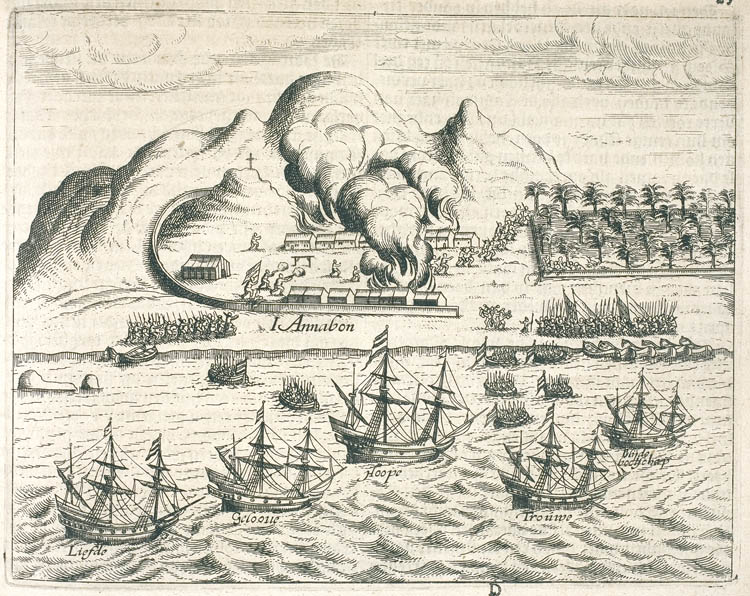
It went wrong almost at once. Mahu died of fever off Cape Verde in the autumn of 1598, contrary winds drove the fleet down to the coast of Gabon, and by the time the ships reached the River Plate in March 1599 starving men were trying to eat leather. They then spent the best part of four months in the Strait of Magellan, in a southern winter, living on penguins, mussels and seals while the cold killed crewmen by the score.
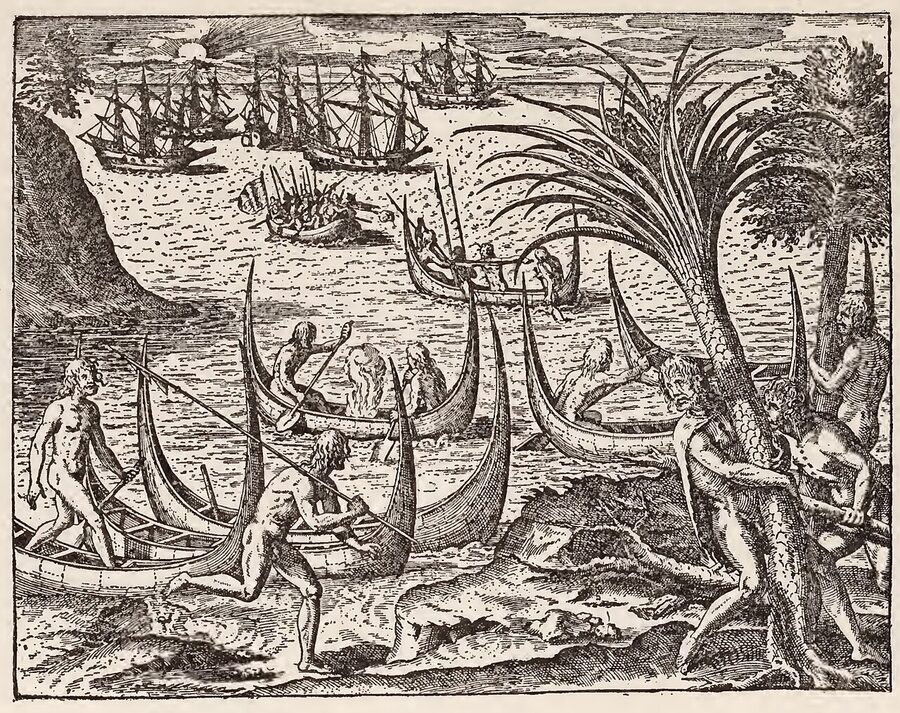
When the fleet finally broke into the Pacific on 3 September 1599 a storm scattered it within days. On the Chilean coast de Cordes was killed in a fight with the Mapuche (Adams gives Mocha Island as the place; another survivor’s account says Punta Lavapié), and Thomas Adams was killed in another clash on the same coast. In late November the two surviving ships, the Hoop and the Liefde, voted to cross the ocean to Japan rather than face the Spanish again. The Hoop was lost in a storm in February, and the Liefde, with Jacob Quaeckernaeck as her captain, went on alone.
Bungo, April 1600
Adams’s own figure is worth quoting, because every later account inflates or deflates it. When they let go the anchor off Bungo, he wrote, there were twenty-four men aboard, sick and whole, and three of them died the next day. Three more lingered for a while and also died, which leaves eighteen, the number a modern historian of the voyage gives for the men alive when Ieyasu sent for them. If you read “twenty-four survivors” in one book and “eighteen” in another, both are right.
The date needs the same care. The 19 April in Adams’s letter is an English date in the old Julian calendar. Japanese records give the 16th day of the third month of Keichō 5, which in the Gregorian calendar is 29 April. English-language books mostly give the first, Japanese ones the second, and neither is wrong.
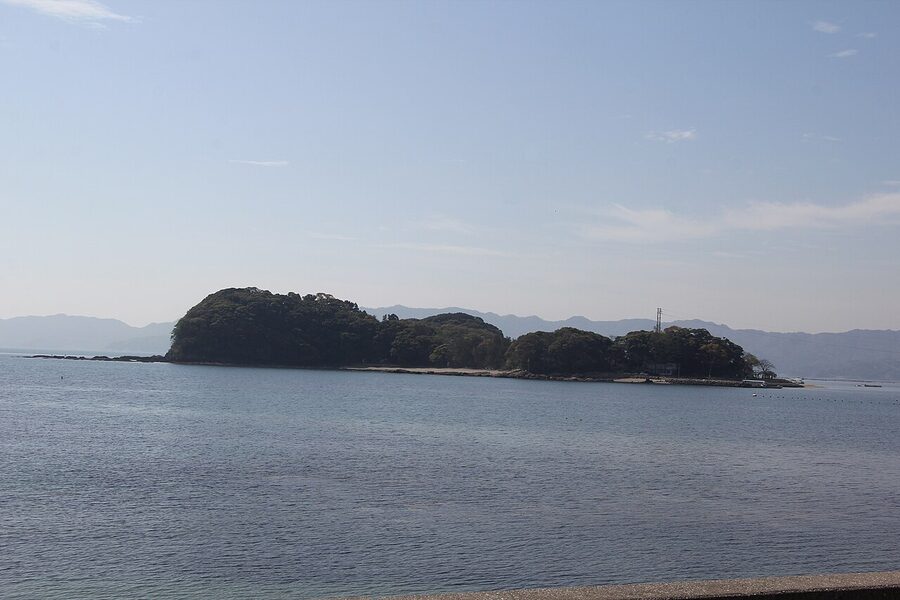
The ship that drifted into Usuki Bay looked nothing like a merchantman. Officials sent out by Ōta Kazuyoshi, the lord of Usuki Castle, found a hull full of guns and a crew who looked more like soldiers than traders, and Ōta passed the problem on to Terazawa Hirotaka, the magistrate in Nagasaki. Terazawa’s inspectors listed nineteen large cannon and a great deal of small arms. Then the Jesuits arrived.
The Portuguese priests had assumed at first that the ship was Spanish. When they found Dutchmen and an Englishman, they told Ōta and Terazawa that these were pirates, enemies of Portugal and of every Christian, and that the right course was to execute them at once. You should keep that in mind when you read later that Adams poisoned Ieyasu’s mind against the missionaries: the missionaries asked for his head before he had said a word to anyone.
Thirty-nine days in Osaka
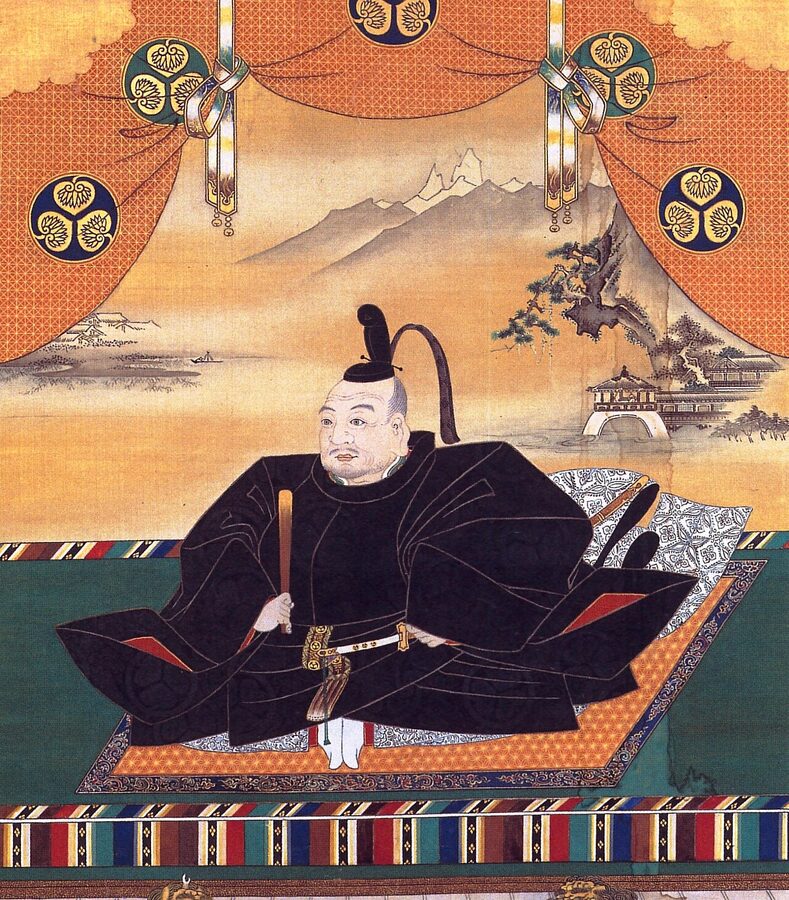
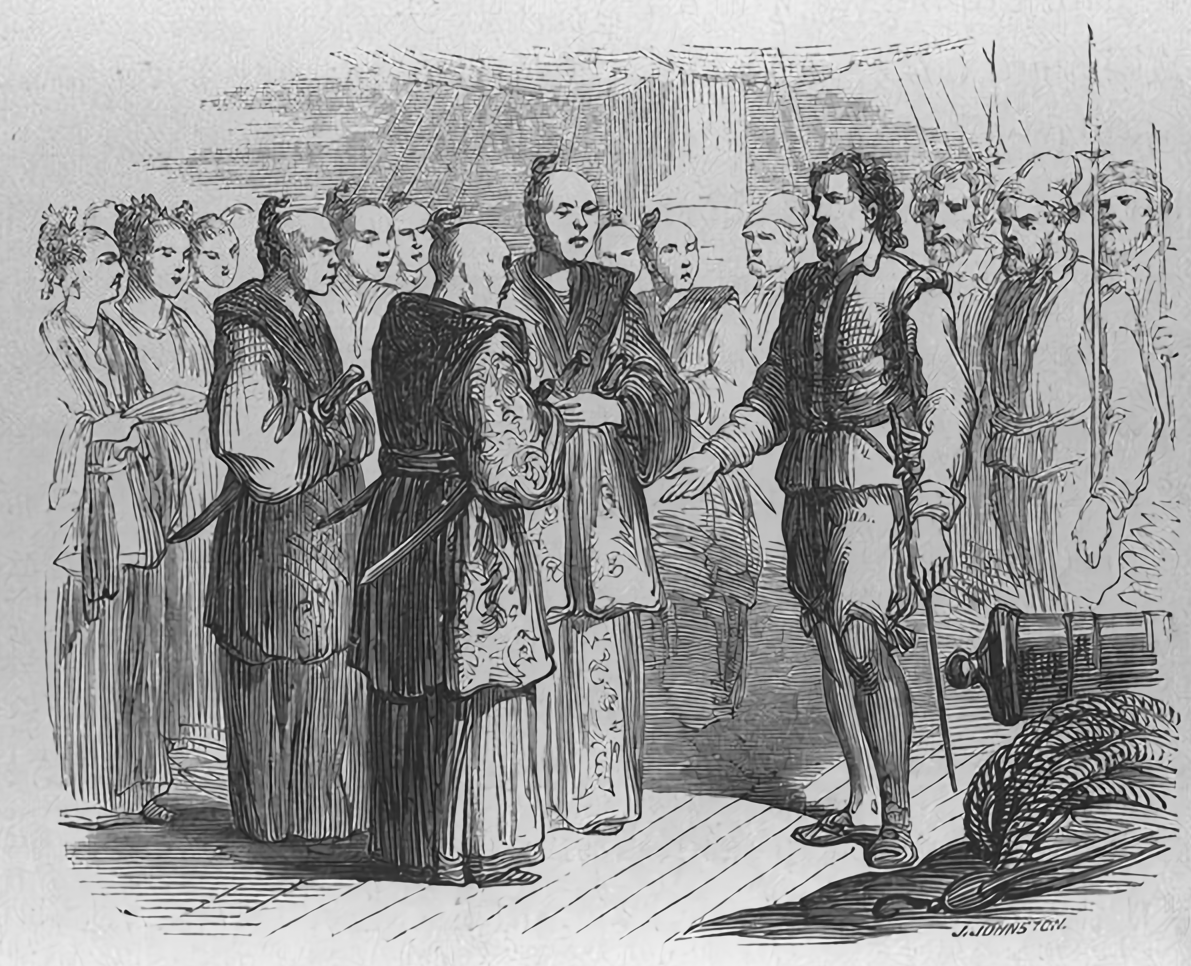
Ieyasu was at Osaka in the spring of 1600, in the last months of the Azuchi-Momoyama era, running the country from the West Citadel of Osaka Castle as the senior of the five regents Toyotomi Hideyoshi had left behind, and he decided to look at the strangers himself rather than leave them to Nagasaki. The captain was too ill to move, so Adams went. His letter says he travelled with one sailor to wait on him; Japanese and Dutch-based accounts put Jan Joosten van Lodensteijn, a merchant from a good Delft family, beside him. Japanese accounts put the first audience on 12 May by the Gregorian calendar.
The questions came through a Portuguese-speaking interpreter, and they went on, by one account, until midnight. Ieyasu asked where they came from, why they had come so far, and above all about the wars between Spain, Portugal, England and the Netherlands. Adams answered that his people “sought all friendship with all nations”, which was rather generous to a fleet that had just shot its way down the coast of Chile. Then he was sent to prison.
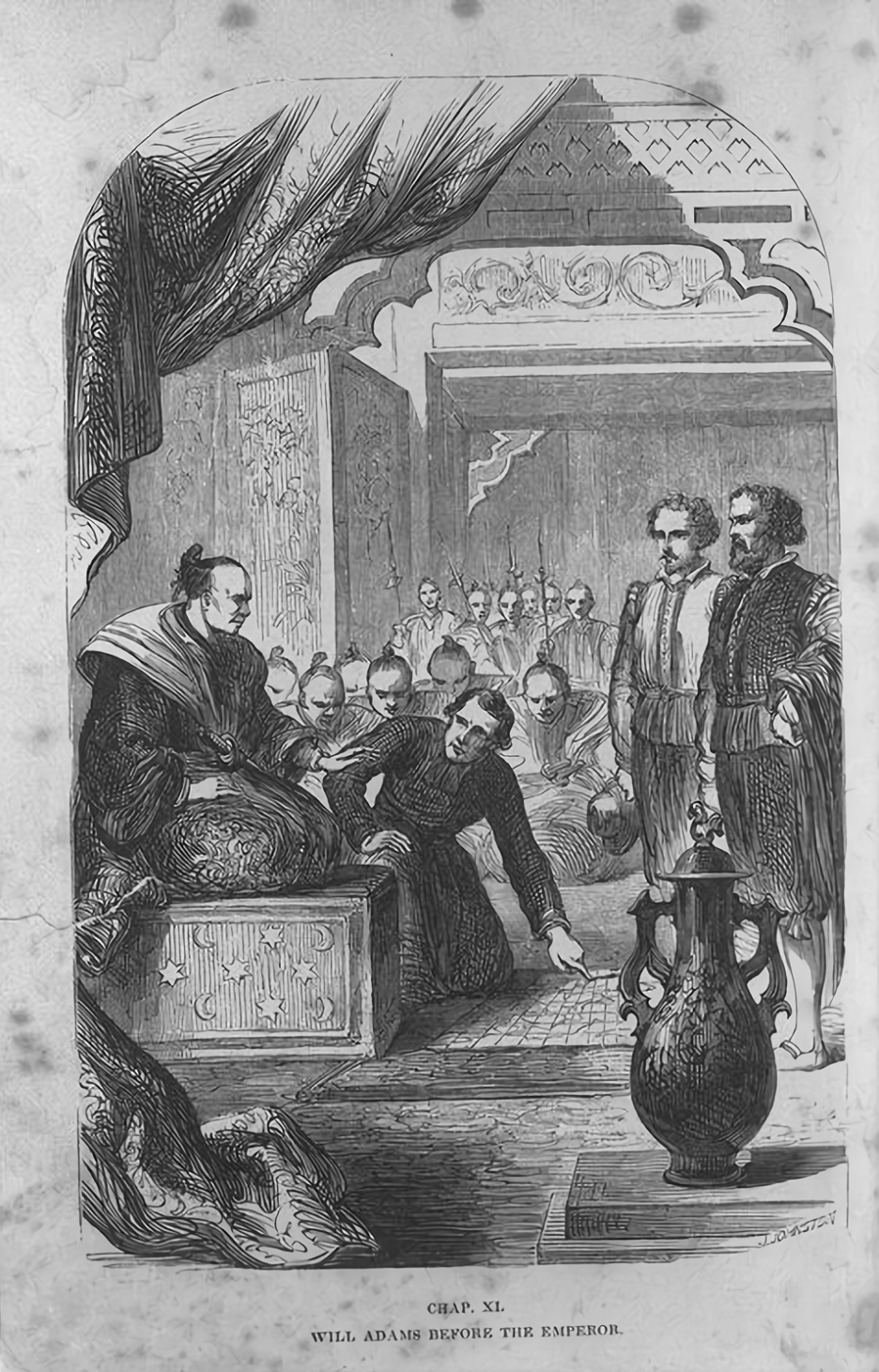
He stayed there thirty-nine days and expected, he wrote, “every day to die”, by crucifixion, which he had been told was the Japanese custom. Meanwhile the Jesuits kept calling on Ieyasu’s people to press for the execution. It was the wrong approach with a man as suspicious as Ieyasu, who had spent his life among informers and had once been smuggled out of a death trap by Hattori Hanzō‘s Iga men, and it failed: in the end he told them, in Adams’s paraphrase, that the strangers had done no harm to him or to anyone in his land, and that putting them to death because their countries were at war with Portugal would be against reason and justice.
After forty-one days Ieyasu called Adams in once more and asked whether he would like to go to the ship to see his countrymen. The Liefde had been brought round to Sakai, and the crew, who had been told he was long since executed, received him “with weeping eyes”. Everything of value aboard had been carried off, his instruments and books included, and Ieyasu eventually had 50,000 reals paid over to the crew in compensation.
The country was sliding towards war, and the guns were the part of the Liefde Ieyasu was most likely to value. Spanish reports later said that her cannon, and perhaps her gunners, were used on the Tokugawa side at Sekigahara on 21 October 1600, the most famous of Japan’s decisive battles. It is plausible, and I have not seen it confirmed in any Japanese account of the battle. Adams himself says nothing about it, which, in a man so keen to list his services, is a small point against.
What is certain is that the Liefde herself was finished. Ieyasu ordered her round to the Kantō; she was damaged in a storm on the way and broken up at Uraga, at the mouth of Edo Bay. The crew were given a small allowance, all of them alike, and told that they would not be allowed to leave.
“I was no carpenter”
Most retellings jump from here to “and he became a samurai”. Adams’s own words are clearer: Ieyasu wanted information, ships, and a man who could stand between him and the Europeans who were not Catholic.
The information came first. Adams says he taught Ieyasu “some points of geometry and understanding of the art of mathematics”, and that he pleased him so much that “what I said he would not contrary”. Allow for some vanity. But the Jesuits, who had every reason to belittle him, agree that he had the old man’s attention, and to a ruler who had learned about Europe almost entirely from Portuguese priests, a Protestant pilot who knew the shape of the world was a second opinion worth having.
The ships came four or five years after the landing, by Adams’s count. Ieyasu asked for a small ship; Adams answered that he was no carpenter and had no knowledge of it. Ieyasu’s reply, as Adams records it, is the best line in the whole story: “Well, do your endeavour; if it be not good, it is no matter.” That is not a tyrant ordering a miracle but a patron who has decided the experiment is cheap and the man worth keeping busy.
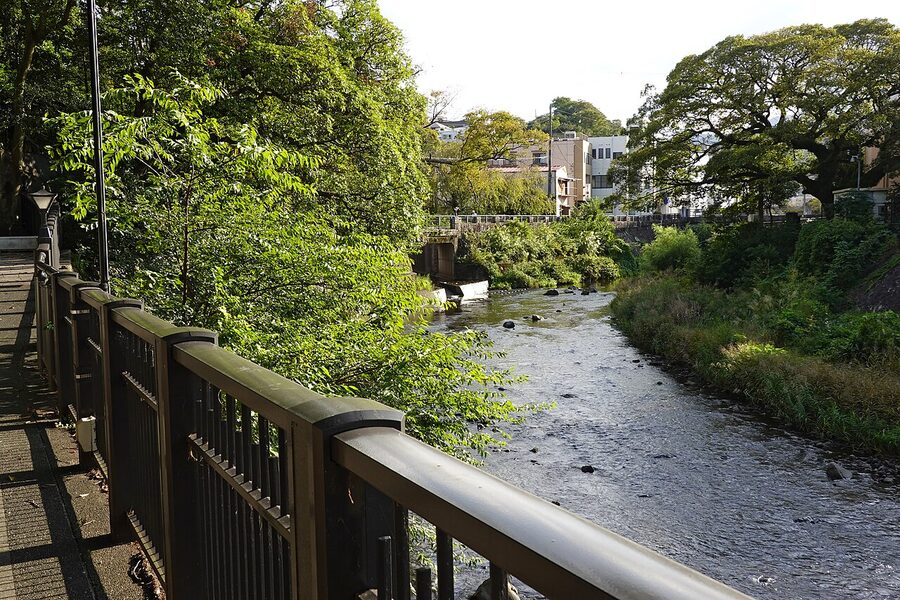
The yard was at Itō, on the east coast of the Izu peninsula, where the Matsukawa meets the sea and the forests of the Amagi range are close at hand. Adams worked with Mukai Shōgen Tadakatsu, the commander of the Tokugawa ships at Uraga, and with the carpenters of the harbour, and the first ship, of about eighty tons, was launched in 1604 by Itō’s own reckoning. It was used to survey the coasts. Ieyasu came aboard, liked it, and asked for a bigger one.
The second ship, of about 120 tons, was finished in 1607 by the same reckoning; some English-language accounts push both ships a few years later, and Adams’s own letter gives no year at all. It had a remarkable afterlife. In September 1609 the Spanish galleon San Francisco, carrying Rodrigo de Vivero, the outgoing governor of the Philippines, was wrecked on the Pacific coast of Kazusa at Iwawada, and the villagers dragged more than three hundred people out of the surf. Ieyasu lent Vivero the Itō ship to get home; she sailed from Uraga in the summer of 1610, reached Acapulco that October with Japanese merchants aboard, and, renamed San Buena Ventura, never came back.
By then Adams had money, rice and favour: a stipend, his letter says, of about seventy ducats a year with two pounds of rice a day. He had asked to go home after five years and been refused, then asked again and been refused again. Ieyasu did let Captain Quaeckernaeck go, in a Japanese junk to Patani in 1605, and the captain was killed the next year in a sea fight with the Portuguese off Malacca. So nobody in England knew whether the pilot was alive.
The bannerman of Hemi
Somewhere in the middle of all this Ieyasu made Adams a hatamoto (旗本), a direct retainer of the Tokugawa house, and gave him the name by which Japan knows him. Anjin (按針) means a pilot, the man who minds the compass needle; Miura (三浦) is the district of Sagami where his land lay. Sources variously give 1605 or 1607 for the grant. Japanese reference works agree on the size: 250 koku at the village of Hemi (逸見), on the inner shore of the Miura peninsula and now part of the city of Yokosuka.
Two hundred and fifty koku was a modest bannerman’s income, nothing like a daimyo‘s domain, but Adams was delighted with it. He described it as a living “like unto a lordship in England”, with eighty or ninety husbandmen “that be as my slaves or servants”. Richard Cocks, who visited in September 1616, counted above a hundred households and noted that Adams had “power of life and death over them”. The tenants brought Cocks oranges, figs, pears, chestnuts and grapes, and the headmen escorted him out of the village on foot.
Ieyasu also gave him two swords, the pair that marked a man of the warrior class, and with them the right to wear the dress that went with the rank, the formal wear I describe in my piece on hakama. If you want to call him a samurai, this is the basis for it, and it is solid. You can read about the blades themselves in my piece on katana and tachi.
What the title did not mean matters as much. Adams never led men in battle in Japan, never held a castle, and as far as anyone can show never drew either sword in anger; he was a technical adviser with a fief, an interpreter and a trader, which in the Edo era was becoming a perfectly respectable thing for a hatamoto to be. Nor was he the first foreigner a Japanese lord had armed: Yasuke, the African retainer of Oda Nobunaga, was given a short sword and a stipend nearly twenty years earlier. Adams, as far as I know, was the first to be given land.
He also had a house in Edo, below Edo Castle near the Nihonbashi bridge, in a street that took his name as Anjin-chō, and another at Uraga, the harbour Ieyasu hoped to turn into the Spanish trading port. And at some point, probably in the first years of the century, he married a Japanese woman. The story that she was the daughter of Magome Kageyu, headman of the Ōdenma-chō district of Edo and a purveyor to Ieyasu, first appears in print in 1888. The name Oyuki, which you will find in almost every English book, comes from a Japanese novel of 1973 and has no support in the record at all.
What is certain is that she existed and that they had two children, a son, Joseph, and a daughter, Susanna. When Cocks came to Hemi in 1616, Adams’s wife and the two children came out to meet him. Her name was never written down by anyone who saw her, the usual fate of women in this period, and the plaque on the site of the Edo house calls her “Miss Magome” on no better authority than that Meiji-era story.
The man between the Europeans
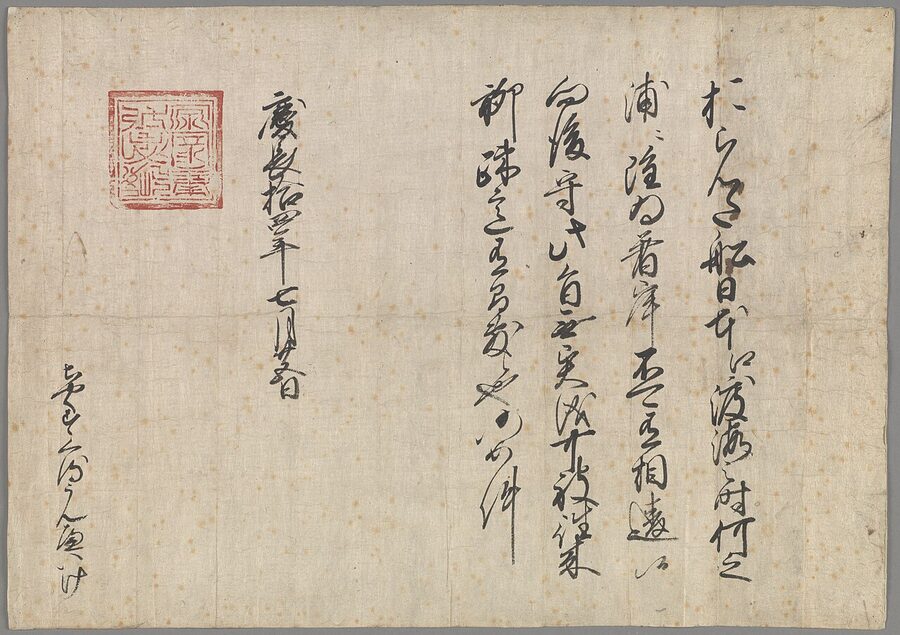
The Dutch came first: two ships of the new Dutch East India Company reached Hirado in July 1609, and their envoys went up to Sunpu, where Ieyasu had retired in 1607 and still made the decisions that mattered, to present a letter from Prince Maurice of Nassau. Adams helped them through the court. They came away with a trading pass dated the 25th day of the seventh month of Keichō 14 that allowed Dutch ships into any Japanese harbour, and they set up a factory in Hirado under Jacques Specx. Adams wrote that he had got them a privilege “as the Spaniards and Portingals could never get in this 50 or 60 years”.
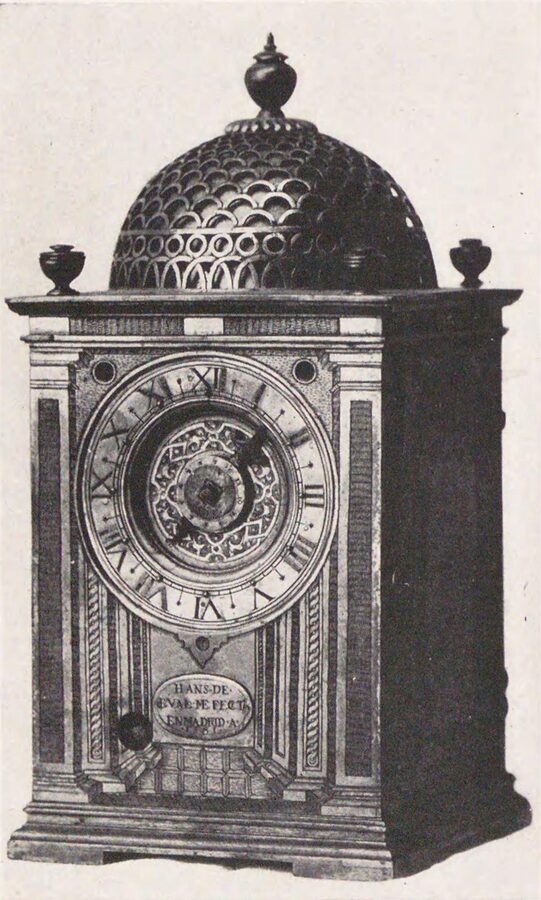
The Spanish were harder. Ieyasu wanted trade with New Spain, and in 1611 Vizcaíno arrived with the clock and a request to survey the Japanese coast, which Ieyasu granted. According to a Spanish friar’s report, Adams then told Ieyasu that in England such a survey would never be allowed, and that the Spanish method was to send friars first, convert part of the population, and then send soldiers to take the country with the help of the converts. Ieyasu, says the same report, answered that it would be embarrassing to withdraw the permission now and that he had men enough to defend his coasts.
That exchange is the basis for the charge, still repeated, that Adams was the author of the Tokugawa persecution. It is half true. He certainly fed Ieyasu’s suspicion of the Iberian missionaries, he said so to anyone who would listen, and a Jesuit annual report addressed to the pope in 1614 blamed him by name. But the decisive push came from inside Japan.
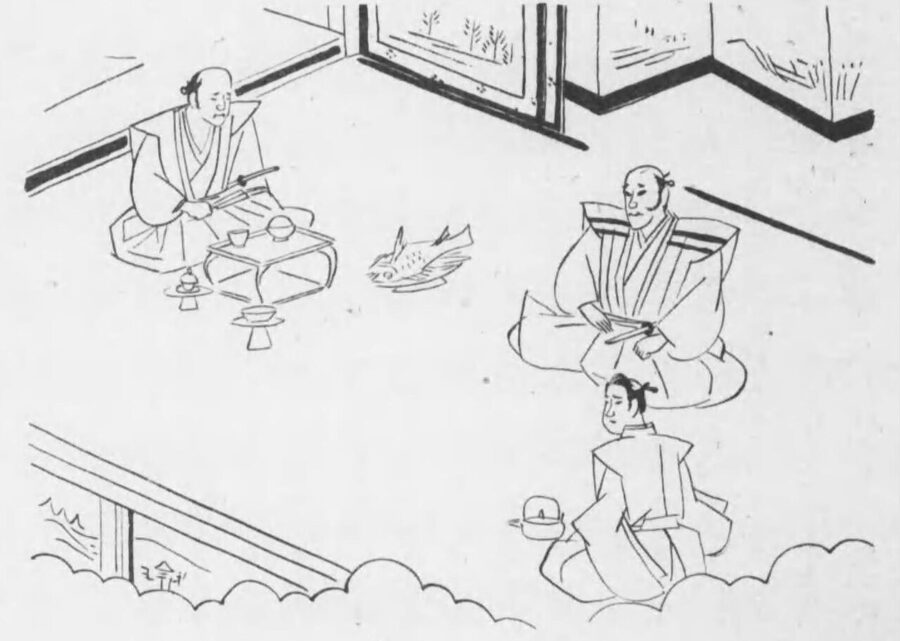
The Okamoto Daihachi affair of 1612 showed Ieyasu that Christians in his own household had been passing favours to a Christian lord, and he banned the religion in the Tokugawa lands that year. The nationwide edict expelling the missionaries followed at the start of 1614. That is the road I follow in my piece on the Tokugawa shogunate and, at its far end, in sakoku, the closed country. Adams’s warnings were part of the evidence Ieyasu weighed, not the reason.
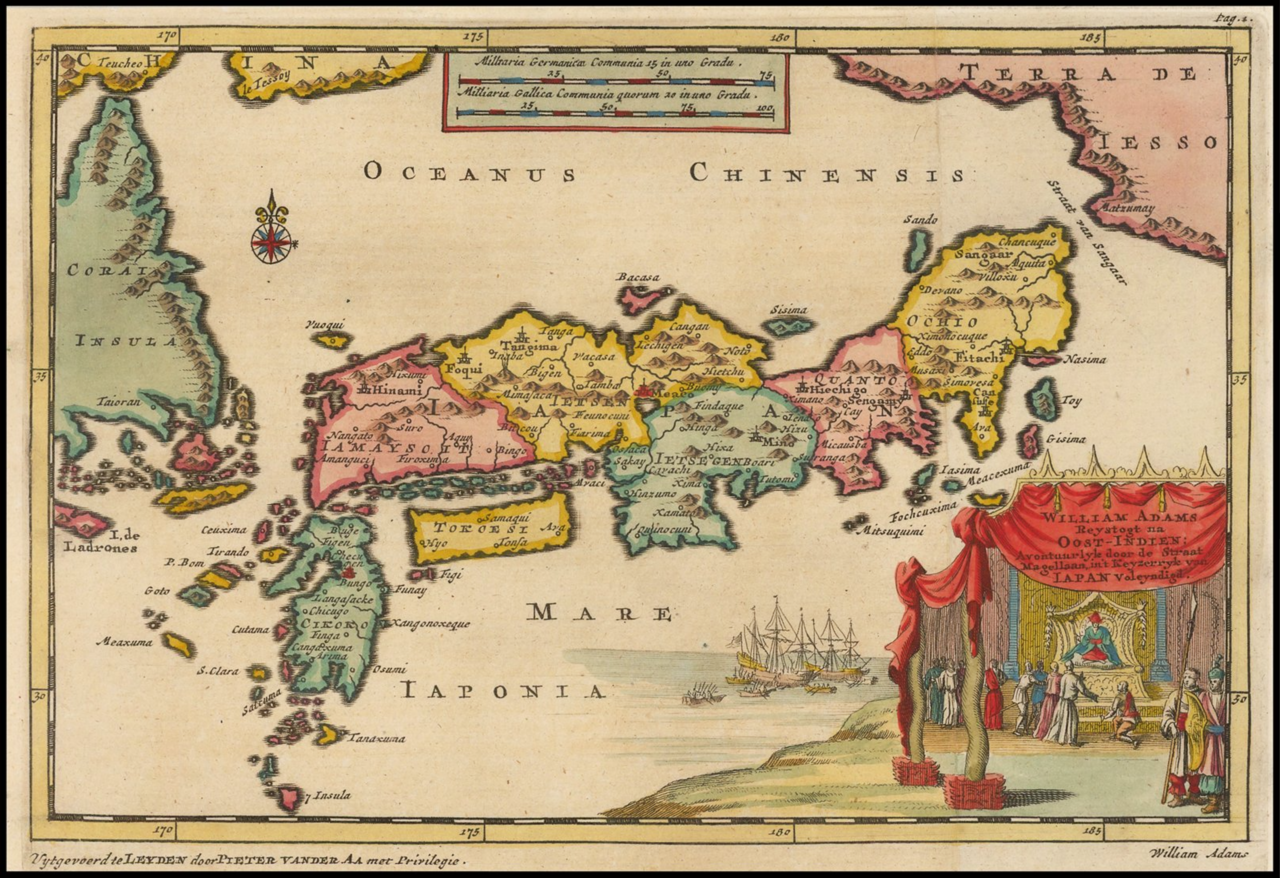
The English came last, and Adams had invited them. His letter “to my unknown friends and countrymen”, written at Hirado in October 1611 and carried to the English trading post at Bantam in Java, reached the East India Company in London, and in June 1613 the Clove, under John Saris, came into Hirado with a letter from James I. Adams came down from Edo to meet them, took Saris up to Sunpu for an audience with Ieyasu, and then on to Edo to see the second shogun, Ieyasu’s son Hidetada, stopping on the way to look at the Great Buddha of Kamakura.
The English came away with a vermilion-seal licence of their own, much like the Dutch one, and with presents. Hidetada sent James I two suits of armour, and one of them is still in England.
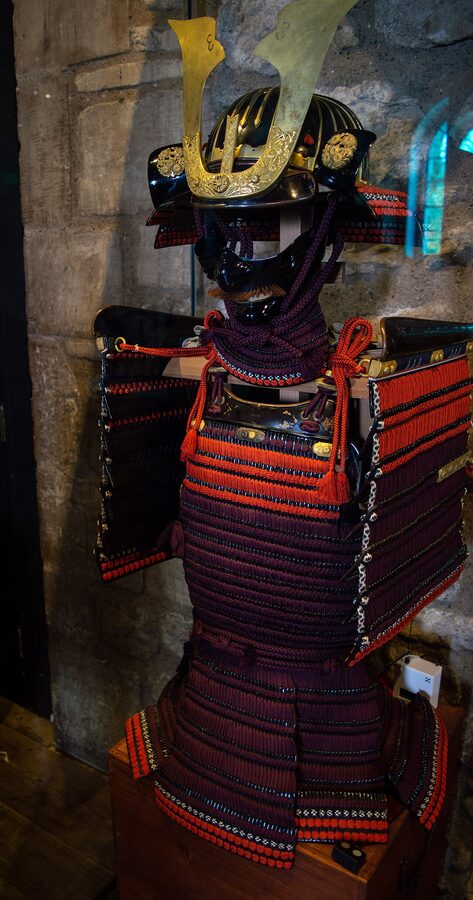
Adams and Saris disliked each other on sight. Saris thought the pilot had gone native, so thoroughly that he spoke of him in effect as a naturalised Japanese, and he resented his insistence on Japanese manners and his habit of praising the country. Adams thought Saris an insolent young man and said so.
When the Clove sailed for home at the end of 1613, both governments had given Adams permission to go with her. He stayed. To the Company’s directors he wrote that he wanted to put money by first, and that may even have been true; a modern biographer suggests the simpler reason that in Japan he was somebody, and in Limehouse he would be a pilot again. I think the second is right, and I think he knew it.
Hirado and the English factory
Saris left Richard Cocks behind with six other Englishmen to run a small factory at Hirado, in a house rented from the Chinese merchant Li Dan. Adams signed on with the East India Company at a hundred pounds a year, less than the Dutch had been paying him, and spent the next six years as the factory’s pilot, interpreter, broker and fixer at court. Cocks, a decent, anxious man and a compulsive diarist, liked and trusted him.
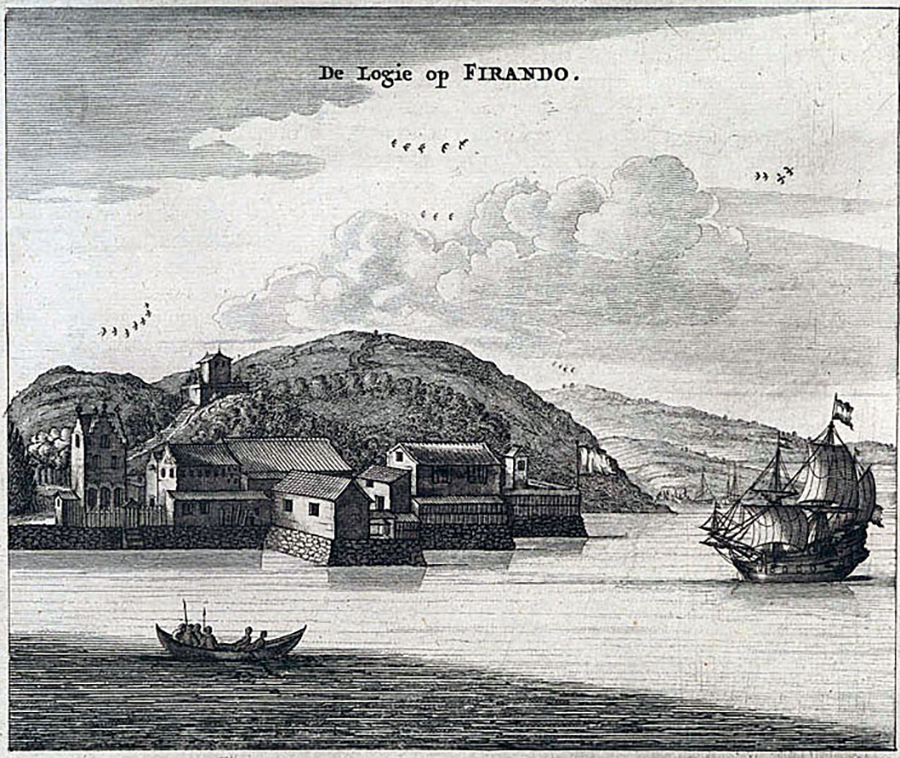
The factory never made money. English broadcloth sold badly in a country that preferred silk, the Dutch undercut every price, and the Company’s ships came seldom. Adams’s best contribution was a run of junk voyages to Southeast Asia that tried to buy the Chinese silk and Siamese deer skins Japan did want. The first, in the Sea Adventure, a 200-ton junk Cocks bought in 1614, sailed from Hirado that December, sprang a leak within days, and limped into Naha in the Ryukyu kingdom, where it sat for five months under repair while the king’s officials tried to get rid of it.
It came back to Hirado in June 1615 with a little wheat and some ambergris, a commercial failure, and with sweet potatoes from Ryukyu, which Cocks planted in the factory garden. Hirado still marks the spot as Cocks’s sweet potato field and claims it as one of the first in Japan; Satsuma, which also got the plant by way of Ryukyu, has its own story. The second voyage to Siam, at the end of 1615, went well. In 1617 Adams took his own junk, renamed the Gift of God, to Cochinchina, partly to find out what had become of two English factors who had vanished there.
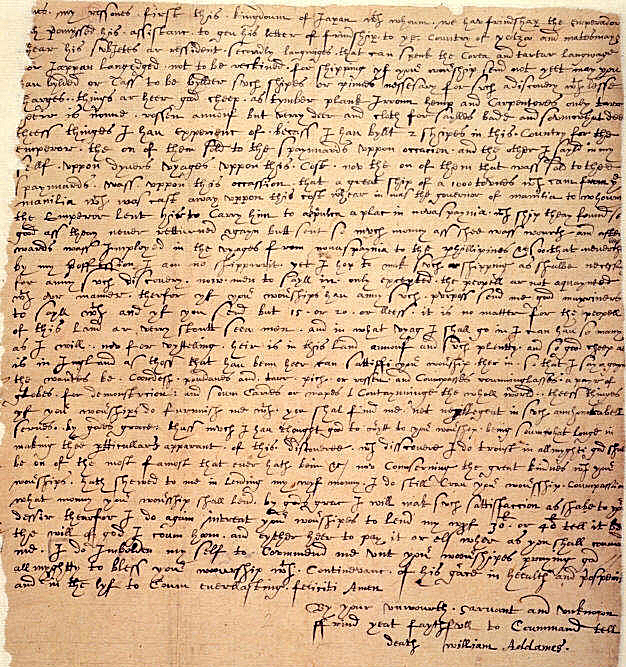
In the background, the man who mattered was getting old. Before the winter siege of Osaka Castle in 1614, Adams brokered the shogunate’s purchase of the English factory’s whole stock of lead, and later cannon, powder and shot; the siege, and the summer campaign of 1615 in which Sanada Yukimura died, finished the Toyotomi. Ieyasu died at Sunpu on the 17th day of the fourth month of Genna 2, in June 1616. Adams lost his patron, and he lost him at the worst moment.
Hidetada had no use for his father’s foreign advisers. Within months of Ieyasu’s death the new government confined European trade to Nagasaki and Hirado, the opposite of the open ports Adams had argued for. When Cocks and Adams went up to Edo later that year to have the English privileges renewed, Adams spent day after day waiting at court and came back with nothing; the shogun would not receive him, and he was warned that priests were said to be hiding in his houses at Hemi and Uraga. By the account of a modern historian who has worked through the Dutch archives, he was quietly dropped as an adviser.
Death at Hirado
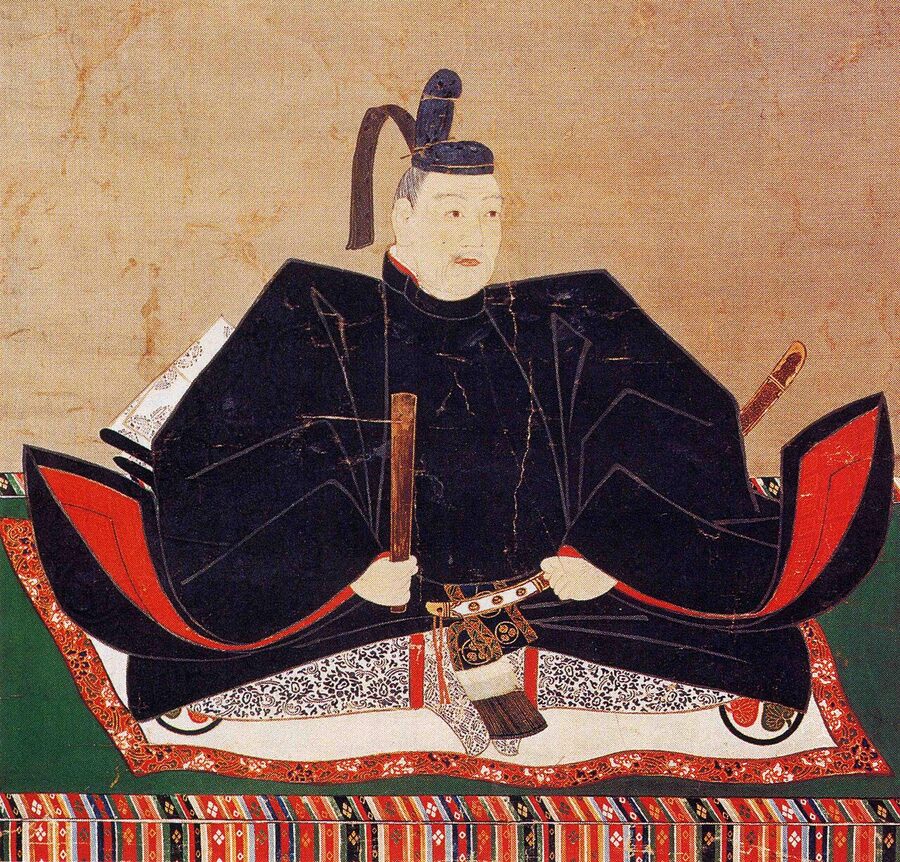
Adams died at Hirado in the spring of 1620, aged fifty-five. English sources give 16 May, in the old calendar; Japanese ones give the 24th day of the fourth month of Genna 6, which is 26 May in the Gregorian calendar. Shortly before he died he made a will dividing what he had between his family in England and his two children in Japan.
Cocks wrote that he could not but be sorrowful for the loss of such a man, “he having been in such favour with two Emperors of Japan as never any Christian in these parts of the world”. He recorded that Hidetada transferred the lordship of Hemi to Joseph, and for a time it worked. Joseph, as Miura Anjin the second, became one of a handful of licensed overseas traders and made trading voyages to Southeast Asia into the 1630s.
None of it lasted. The English closed the Hirado factory at the end of 1623, the year the Dutch executed the English merchants at Amboyna, and the Company gave up on Japan as not worth the cost. The foreign graves in Hirado were broken up in the persecutions that followed, and when the edicts of the 1630s expelled the families of Europeans, Joseph and Susanna drop out of the record.
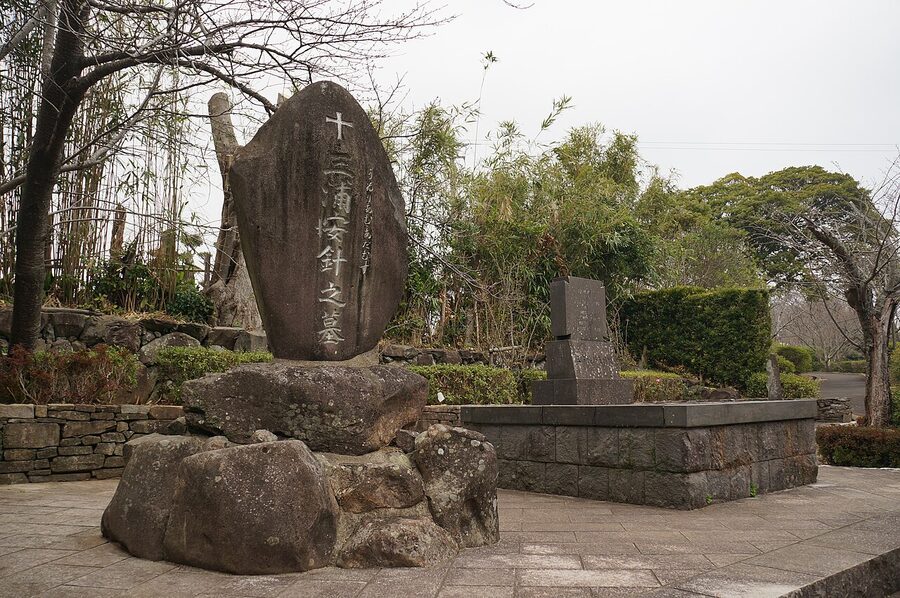
Where Adams lay was long uncertain: in 1931 an urn was dug up at a grave in Hirado that the Miura family, descendants of interpreters, had always called Anjin’s grave, and reburied. In 2017 the city excavated the spot again and recovered bones that specialists dated to a European man who had died between about 1590 and 1620. In 2020 the researchers announced that the remains were very likely Adams’s. The mitochondrial DNA belongs to a haplogroup common across Europe, and with no known descendants to compare, “very likely” is as far as the science goes.
Blackthorne, and the other Adamses
Adams was almost forgotten in England for two centuries. His letters were printed by Samuel Purchas in 1625 and then mostly left alone, and the Hakluyt Society editions of his and Cocks’s papers in the nineteenth century were read by scholars. What brought him back was Japan’s reopening after Perry’s Black Ships: English residents in Yokohama went looking for the first Englishman, and found him in Hemi.
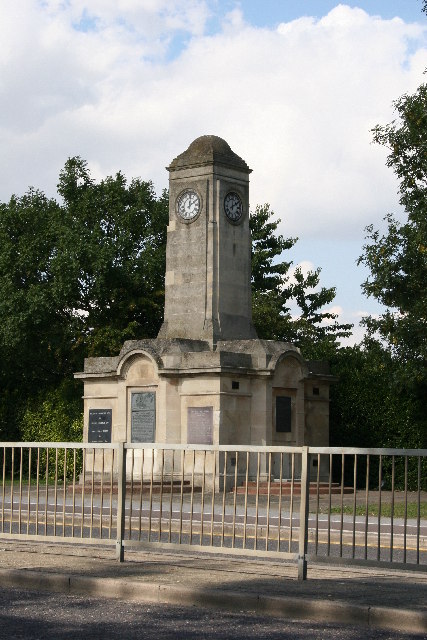
English-language accounts usually say the tomb was rediscovered in 1872; Japanese sources name a Yokohama merchant, James Walter, and give 1874 for his identification of the two memorial towers at Hemi. Either way, the find revived a taste for romance that William Dalton had already fed with a fanciful biography in 1861, and a lot of the confident detail in modern retellings, speeches to Ieyasu, love scenes and all, is Victorian invention. Gillingham, embarrassed to have no memorial to its most famous son, put up a clock tower in 1934. The portrait of Adams in its dedication booklet is, as the historian Derek Massarella has pointed out, a complete fabrication.
Then James Clavell wrote Shōgun. The 1975 novel renamed Adams as John Blackthorne, pilot-major of the Erasmus, wrecked at a fishing village called Anjiro in 1600, and set him in the middle of the struggle between Toranaga, who is Ieyasu, and Ishido, who is Ishida Mitsunari, in the weeks before Sekigahara. Clavell gave him a love affair with Mariko, a character built on Hosokawa Gracia, and a starring role in the politics of a war Adams spent mostly in prison and in waiting.
The NBC series of 1980, with Richard Chamberlain as Blackthorne and Mifune Toshirō as Toranaga, made the story famous in America and is said to have sent a generation of students into Japanese studies. One of them was a Belgian schoolboy named Frederik Cryns, who became a historian of the period in Kyoto, wrote the most careful recent biography of Adams from the Dutch, English, Spanish and Japanese sources, and was hired as the historical consultant for the FX remake of 2024, which won eighteen Emmys. I find that a pleasing loop.
Set the fiction against the record and the main differences are easy to list. Adams did not fight, did not advise on Sekigahara, did not have a romance with a Christian noblewoman, and did not become a swordsman. The real man’s drama is slower and odder: a pilot without a ship, kept in a foreign country for thirteen years and then choosing to stay, who found that his value lay in knowing things and in being trusted, and who lost almost everything when the one person who trusted him died. Japanese television has been closer to it: NHK has put him in two historical dramas on Ieyasu, most recently in 2023, played by Murasame Tatsumasa, a Swedish-born actor who became a Japanese citizen, which seems to me exactly the right casting.
If you want the wider context, my field guide to Japan’s greatest samurai places the men Adams served among their peers, the Sengoku era explains the war he arrived at the end of, and Japan through the ages covers the long view.
Where to find William Adams in Japan today
Hirado has Adams’s death, his grave and the trading world he worked in; Yokosuka has his estate and the memorial that started the modern legend; Itō has the shipyard; Tokyo has two street names and a wooden Erasmus. Yokosuka and Tokyo make one day, Itō a long day trip from Tokyo, and Hirado needs at least a night.
Hirado
Hirado is a small port on an island off the northwest tip of Kyushu, joined to the mainland by a red suspension bridge. The usual route is by train from Hakata to Sasebo, about one hour fifty minutes on the JR Midori limited express, then the Matsuura Railway to Tabira-Hiradoguchi, about one hour twenty minutes, and a ten-minute taxi across the bridge. A local bus from the Sasebo bus centre to the Hirado pier takes about the same time and drops you in the middle of town.
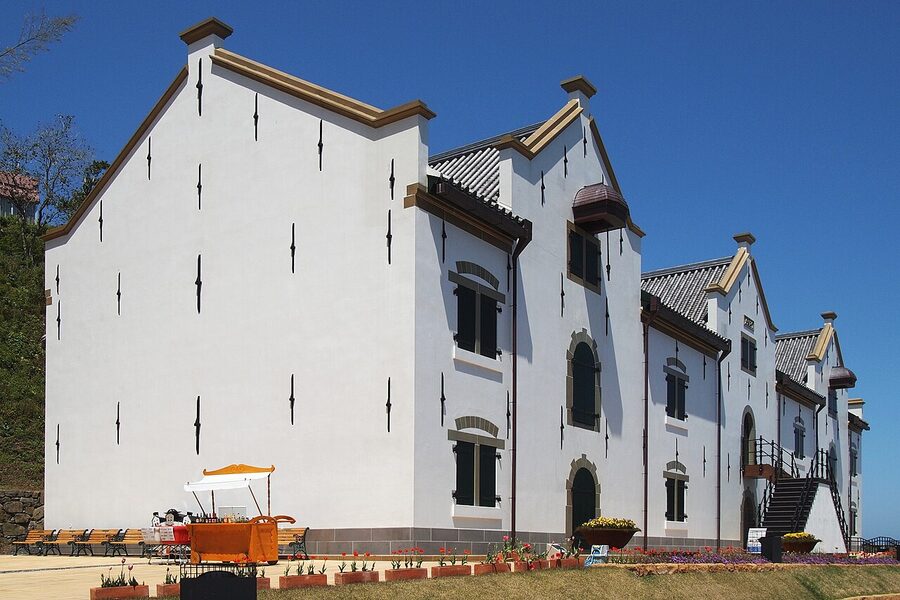
Start at the harbour and walk. The Hirado Dutch Trading Post is a full rebuild, completed in 2011, of the great stone warehouse of 1639, the one the shogunate’s inspector ordered pulled down in 1640 because its gable carried a Christian year. It opens 8:30–17:30, closes only for three days in the third week of June, and charges ¥310 for adults. Inside, among the trade goods, there is a vermilion-seal licence in the name of Ieyasu.
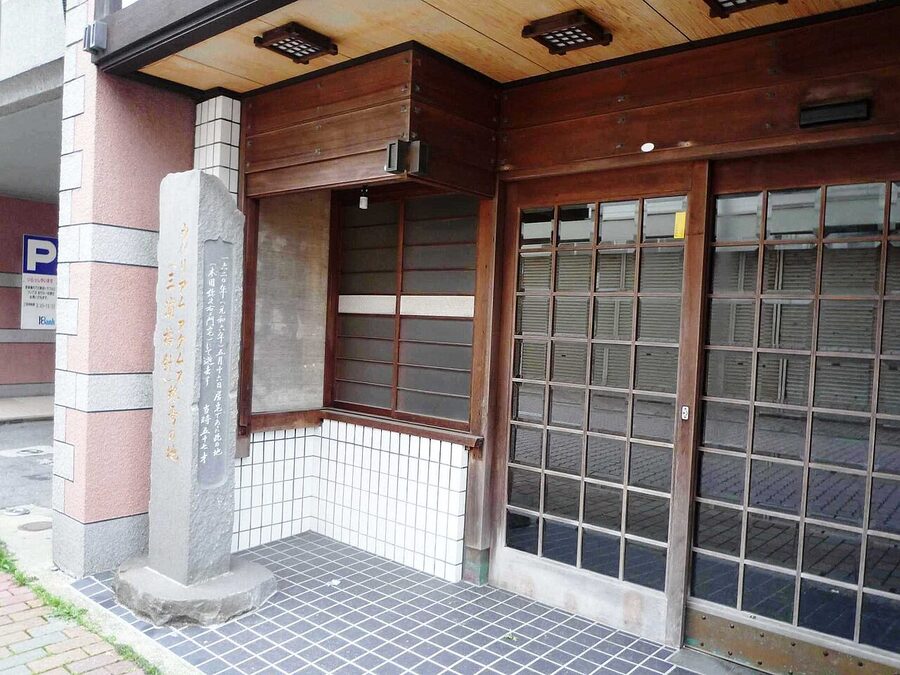
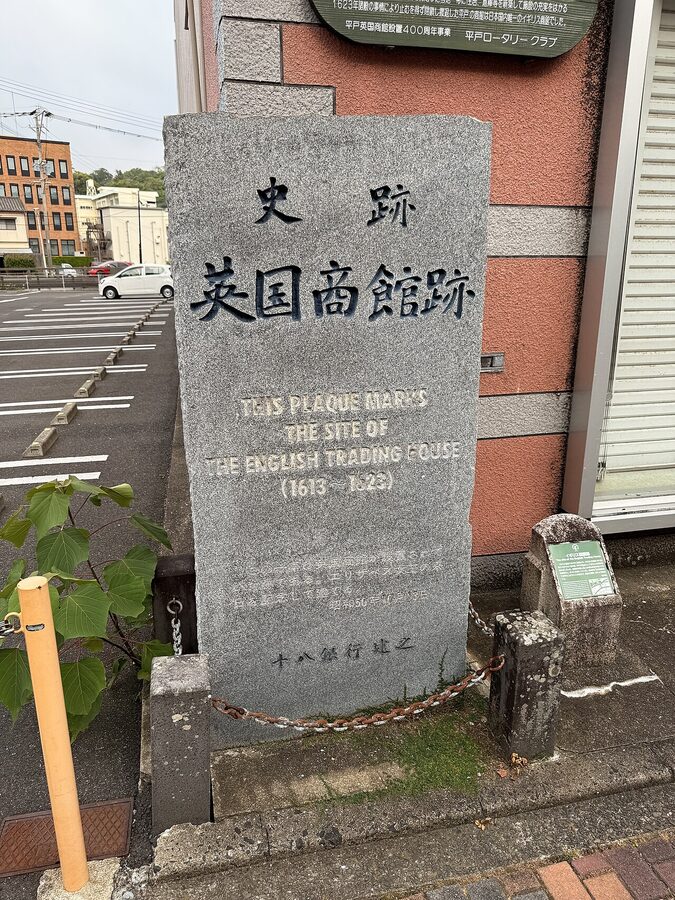
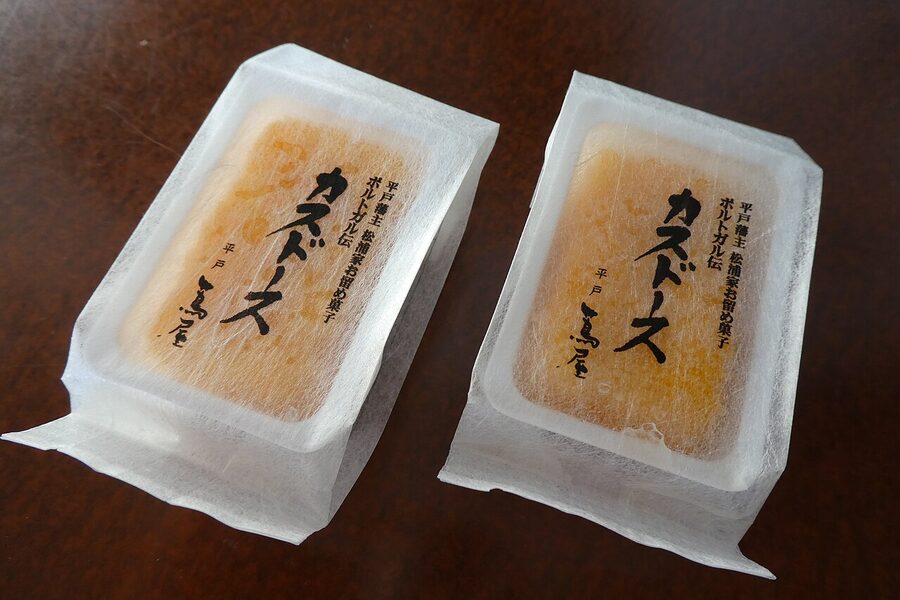
From there, walk along the harbour road to the English Factory Street. The site of the English house is marked by a stone at the edge of a car park, and a few steps away is the stone for Adams’s death. On the same street is the old confectioner Tsutaya, which dates itself to 1502 and occupies a building known as Anjin no Yakata, Anjin’s House, by the tradition that he lived there; it sells kasudōsu, a sweet the town says it learned from the Portuguese.
Adams’s grave is in Sakigata Park, on the hill behind the town, about a fifteen-minute walk from the pier and close to a memorial to Francis Xavier, who preached here in 1550. The park also has a rose garden laid out for the four-hundredth anniversary of Adams’s death, with a variety named after him. It is free, and in late May you may coincide with the annual memorial service.
Finish at the Matsura Historical Museum, in the Meiji-era residence of the Matsura lords on the hill above the harbour, which holds the family’s papers and trade goods from the Dutch and English years. It opens 8:30–17:30 every day except 29 December to 1 January and charges ¥660 for adults. A joint ticket with the Dutch Trading Post costs ¥880. If you have time, the museum’s tea house, Kan’untei, serves tea for ¥1,100 on the days it is open.
Anjinzuka and Jōdo-ji, Yokosuka
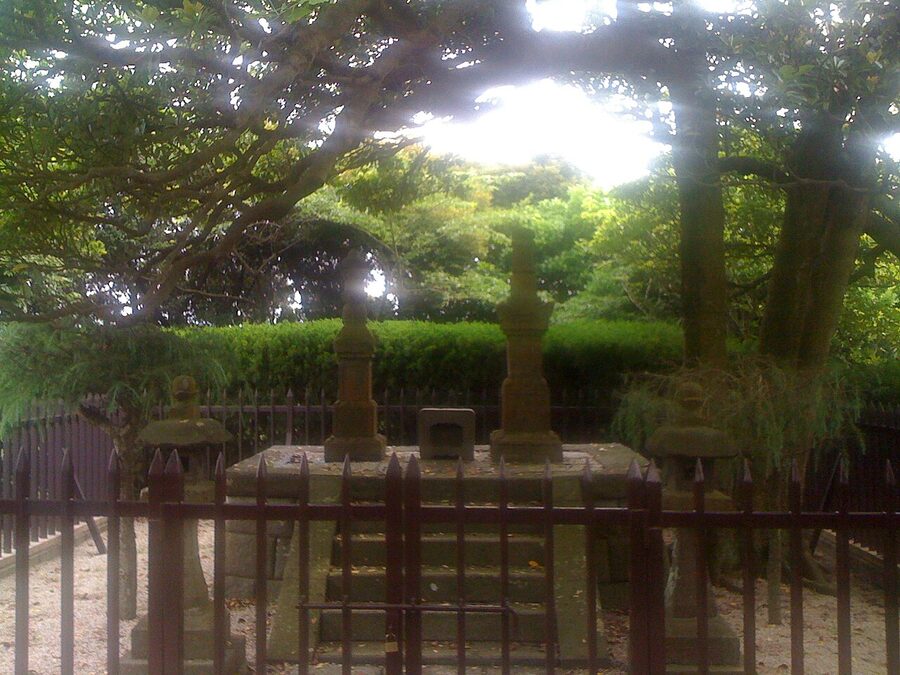
Anjinzuka (按針塚), the memorial to Adams and his wife, stands at the top of Tsukayama Park, a prefectural park on a ridge above Hemi in Yokosuka. Take the Keikyū line to Anjinzuka Station, named after the memorial in 1940, and walk about twenty minutes uphill; from Hemi Station it is about twenty-five. There is no parking. The climb is steep in places and the signs are better than any map app.
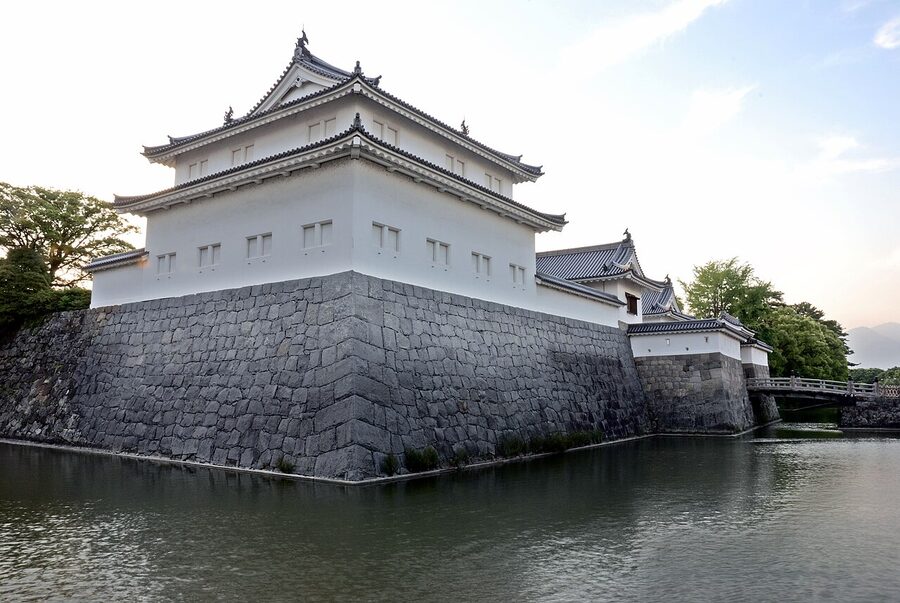
The memorial is a pair of hōkyōintō (宝篋印塔), stone stupa towers of a kind used for people of rank: the tuff one on the right for Adams, the andesite on the left for his wife. An Edo-period gazetteer of Sagami records the tradition that Adams asked to be buried on high ground with a view of Edo, so that he could go on guarding the city and repay the shogun’s kindness. It is a fine story, and he is not here. When the park was laid out after the Anglo-Japanese alliance of 1902, the site was dug and found not to be a burial, and it was made a national historic site in 1923 as a memorial.
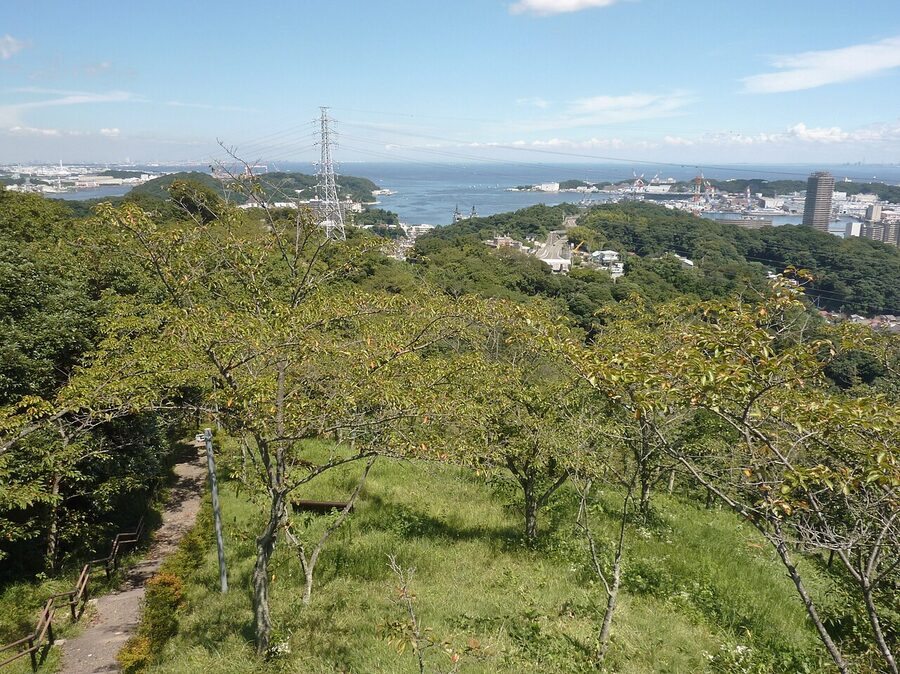
The park is at its best in the first half of April, when it fills with cherry blossom and the city holds its Anjin festival at the memorial. The lookout at the summit, at 133 metres, has a view over Yokosuka harbour and across Tokyo Bay to the hills of the Bōsō peninsula, and on a clear day the towers of Yokohama. It is free.
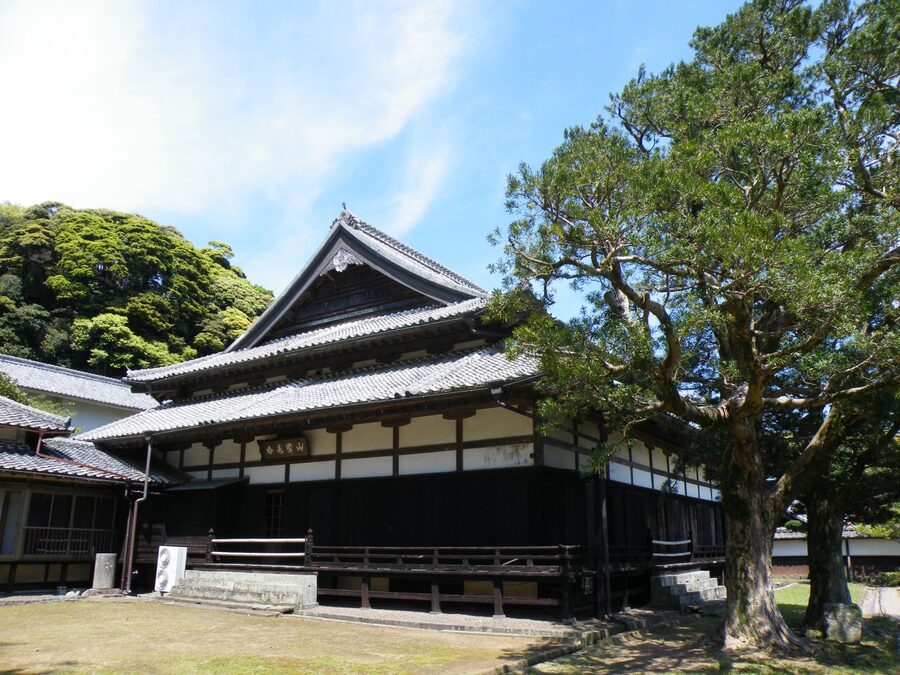
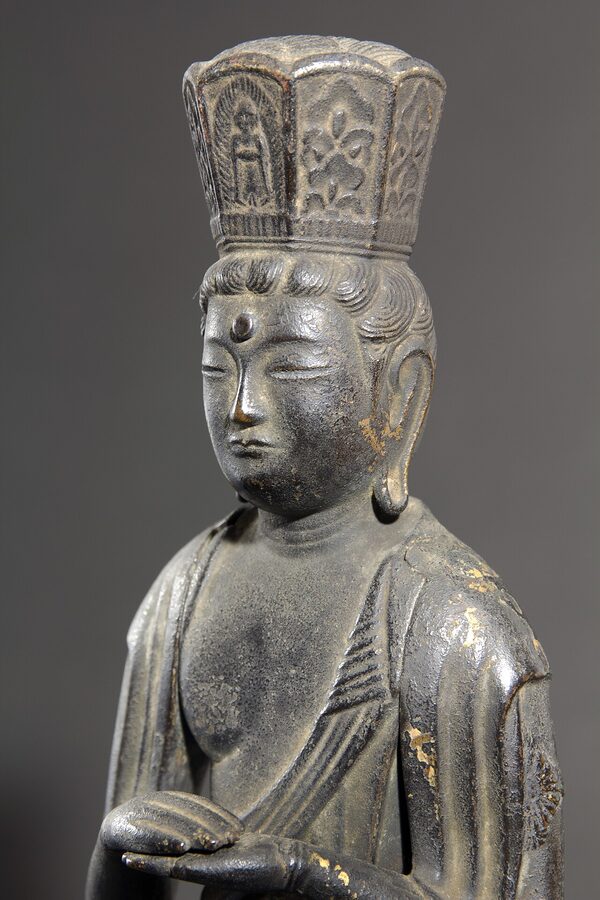
Below the ridge, a four-minute walk from Hemi Station or seven from JR Yokosuka, is Jōdo-ji, Adams’s family temple, a Jōdo Shinshū temple whose main hall of 1712 is one of the oldest wooden buildings in Yokosuka. An Edo gazetteer puts Adams’s house “in the middle of the village, south of Jōdo-ji”. The temple keeps a small bronze Kannon said to have been his devotional image, a palm-leaf sutra he is said to have brought from Southeast Asia, and an altar cloth given by the fish merchants of Anjin-chō in 1840 for the 220th anniversary of his death. None of them is normally on show, so check the temple’s own site for the spring memorial service; the gate is open 9:00–17:00.
Itō
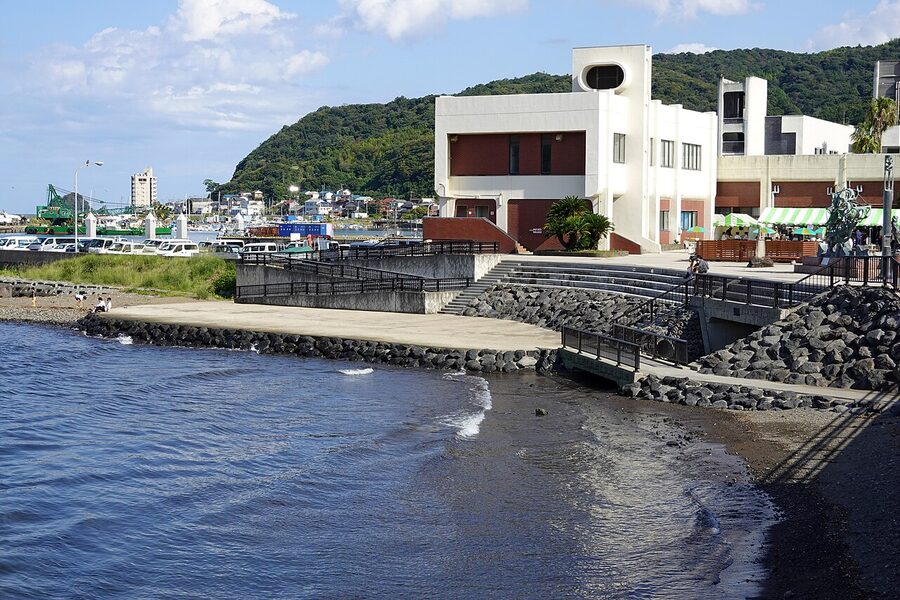
Itō is an hour and three quarters from Tokyo by the Odoriko limited express, or a little less by Shinkansen to Atami and the JR Itō Line. The shipyard was at the mouth of the Matsukawa, a short walk from the station, and the small Anjin Memorial Park by the river mouth has a statue of Adams and a sculpture of the ship. There is nothing left of the dock and there could not be: it was a hole in the sand.
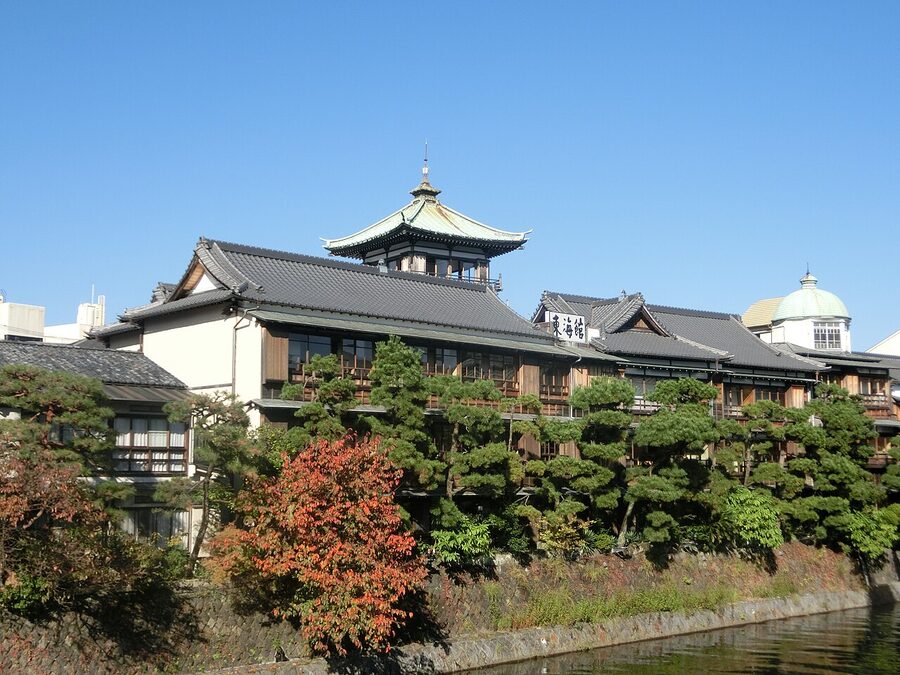
Walk up the river to Tōkaikan, a wooden hot-spring inn of 1928 that the city now runs as a museum, with a room on the second floor given over to Adams, including a replica of the Kunōzan clock. It opens 9:00–21:00 (last entry 20:00) and closes on the third Tuesday of the month; from April 2026 entry is ¥300 for adults. The Anjin Festival, the biggest in Itō, runs from 8 to 10 August and ends with a fireworks display over the sea on the night of the 10th; the 2026 display, the eightieth, runs 20:00–21:00.
Tokyo
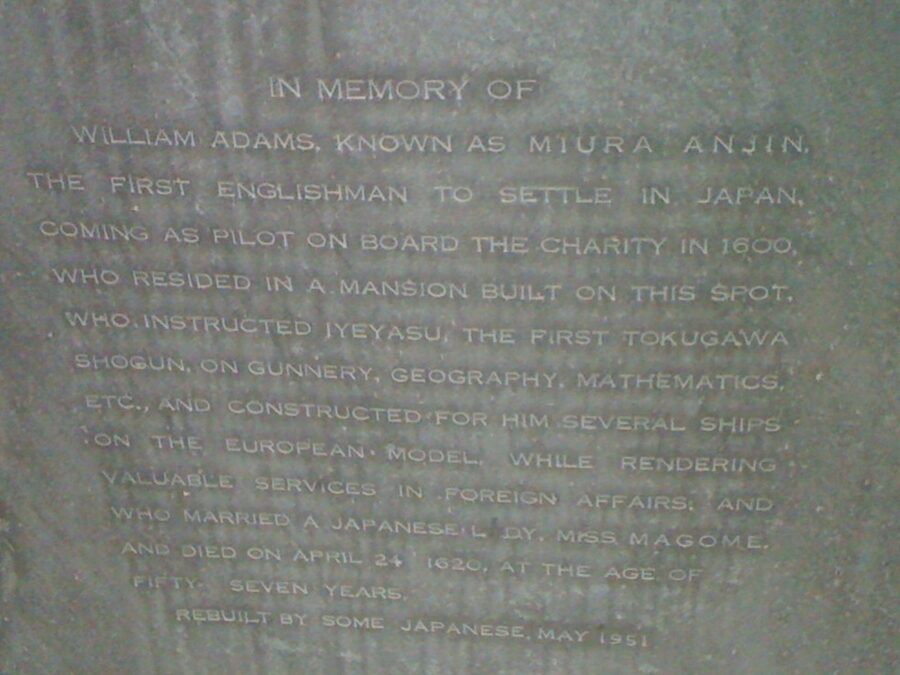
The site of Adams’s Edo house is in Nihonbashi Muromachi, at 1-10-8, about three minutes’ walk from Mitsukoshimae Station. A memorial stone with an English plaque marks the spot, and the street outside still carries the name Anjin-dōri. The site was listed as a historic site by Tokyo prefecture in 1930; the pre-war stone was destroyed in the bombing, and the present one dates from 1951.
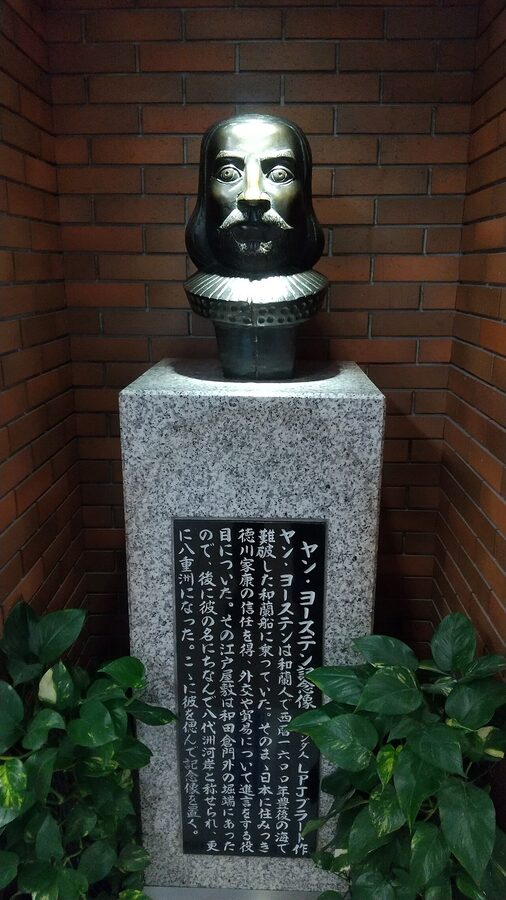
Adams’s shipmate is better remembered in Tokyo than he is. Jan Joosten also received a house below the castle, on the moat side, and the district took a Japanese version of his name, Yayosu, which became Yaesu, the name of the whole east side of Tokyo Station. There is a memorial bust of him in the Yaesu underground mall and another monument on the median of Yaesu-dōri.
The wooden Erasmus from the Liefde‘s stern belongs to the Tokyo National Museum in Ueno. It is shown in rotation rather than on permanent display, so check the museum’s current exhibition list before you go. The museum opens 9:30–17:00, later on Friday and Saturday evenings, and the general admission is ¥1,000.
Usuki
If you are in Ōita, Kuroshima, the island in Usuki Bay where the Liefde is said to have anchored, is a short boat ride from the harbour at Sashiu, about twenty-five minutes’ walk from JR Sashiu Station. The island has a memorial park, a landing monument and a small museum with a bust of Joosten. The ferry runs mainly for the summer bathing season, and I could not find an official page with current times, so check with the Usuki tourism association before you go.
Whichever of these you reach, it is worth remembering what Ieyasu said when Adams told him he could not build a ship: “if it be not good, it is no matter.” Adams took the old man at his word, built the ship, and spent the rest of his life making himself useful in a country he had reached with six men standing. Go to Hirado and stand by the stone on the English Factory Street, and you are a few steps from where the most famous Englishman in Japanese history chose, in the end, not to go home.