The only weapon of Hattori Hanzō’s that you can still stand in front of is not a sword, and it is certainly not a throwing star. It is a spear, kept at a small Jōdo-sect temple in Yotsuya, and it has had a hard four centuries. An earthquake snapped off the end of the blade, and in the firebombing of May 1945 the priest carried it out onto the temple lawn to save it, then watched the half that was not lying on the grass burn away. What is left is 258 centimetres of iron and lacquered wood, 7.5 kilograms of it, with half the shaft gone.
I find this a far more useful picture of the man than anything in a ninja film. Hanzō was a spearman. He was the son of an Iga man, he commanded Iga men, and in the summer of 1582 he helped get Tokugawa Ieyasu out of a trap that should have killed him. The black hood, the shuriken and the vanishing tricks all arrived later, most of them in the twentieth century, and the gap between those two Hanzōs is the story.
In This Article
- A name, not a man
- Oni Hanzō: the spear years
- The head he would not cut
- Sakai to Okazaki, June 1582
- Gunpowder and Iga men, 1582–1592
- The gate on the Kōshū road
- Three Hanzōs and a broken corps
- How a spearman became Japan’s ninja
- Where to find Hattori Hanzō today
- Sainen-ji, Yotsuya
- Hanzōmon and the moat
- Shimizudani Park, Kioichō
- Hyakunin-chō and Kaichū Inari
- Iga Ueno: the museum and the castle
- The Chigachi castle site, Yono
- The Iga-goe road
- Okazaki: Iga Hachimangū and Daiju-ji
A name, not a man
“Hanzō” was never a personal name. It was a tsūshō (通称), a common name passed from head to head of the Hattori family the way a business keeps its shop sign. The man everyone means, Hattori Masanari (服部正成), was the second to carry it; his father was the first, his two sons the third and fourth, and a twelfth Hattori Hanzō was a senior retainer of Kuwana domain when the Meiji government abolished the domains.
The name turns up in odd places. A pair of Niō guardian statues at Ontake Shrine in Nerima carries an inscription dated 1706 and signed by a “Hattori Hanzō-no-jō Fujiwara no Yukitaka”, more than a century after Masanari died. Whenever you read that Hattori Hanzō did something in 1640 or 1700, that is not a ninja living to 160. It is a different Hattori.
The father, Hattori Yasunaga (服部保長), is the only one of them that the Japanese reference works are comfortable calling a shinobi. The standard account makes him a member of the Chigachi (千賀地) branch of the Iga Hattori, one of three related houses (with the Momochi and Fujibayashi) squeezed onto too little land in the hills of Iga Province, modern western Mie. He went to Kyoto to serve the shogun Ashikaga Yoshiharu, met Matsudaira Kiyoyasu of Mikawa when Kiyoyasu came up to the capital, and went home with him.
Sources variously disagree on almost every part of this. A Kuwana family genealogy calls the father Masatane and makes him a Hattori of Araki in Aha district, not of Yono, and the local legend at the Chigachi castle site reverses the whole thing, with Yasunaga coming home from Kyoto to Iga rather than leaving it.
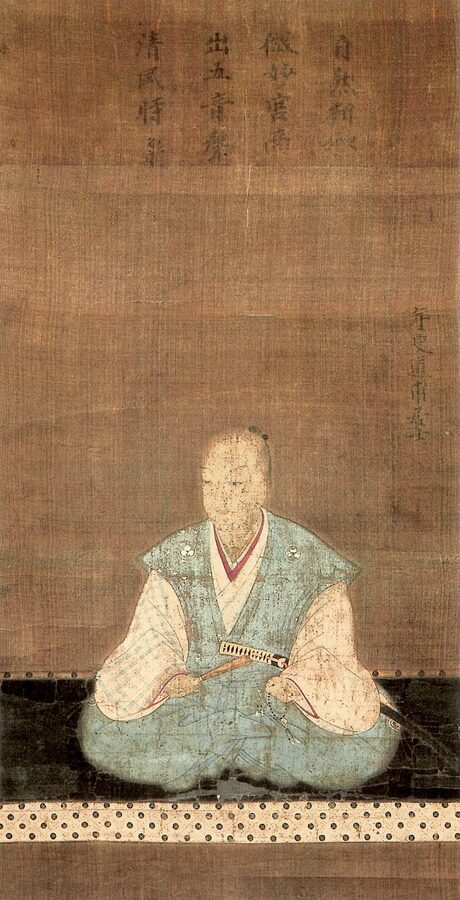
Masanari was born in 1542, the fifth or sixth son, and he was born in Mikawa, not Iga. The place was a village that happened to be called Iga, on the northern edge of the Okazaki castle-town, beside the shrine the Matsudaira had carried there from Iga Province in 1470 as their clan god. The Britannica Japan puts his birth in Iga Province itself, but the majority view, and the one Okazaki will point you to, is the village. The most famous Iga man in Japanese history was most likely born in a Mikawa suburb.
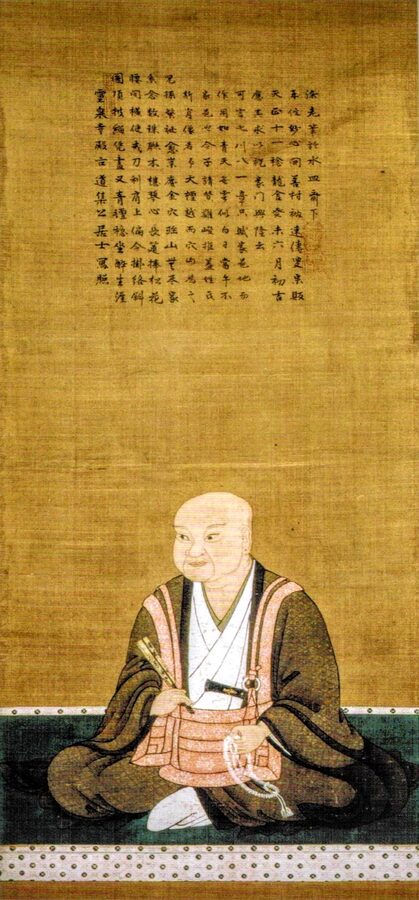
At six he was handed to Daiju-ji, the Matsudaira family temple north of Okazaki, to be raised as a monk. At nine he refused the tonsure and ran away, and for the next seven years nobody wrote down where he was.
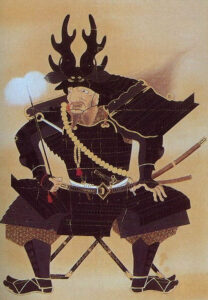
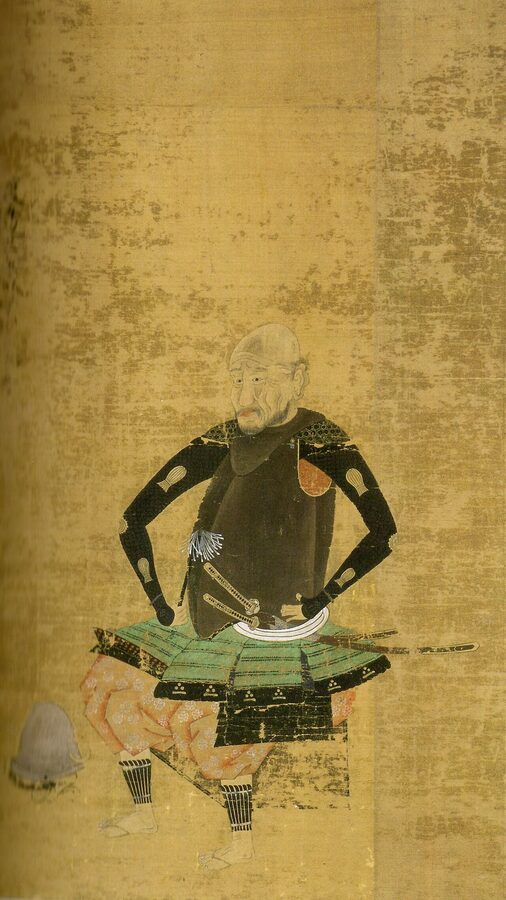
He grew up, in other words, as a Mikawa retainer’s son, in the same small world as the boys who would become Ieyasu’s generals. The Tokugawa jūroku shinshō, the Sixteen Divine Generals of the Tokugawa house, include him alongside Honda Tadakatsu and Ii Naomasa, the same company you will find among Japan’s greatest samurai. He earned his place the ordinary Sengoku way, at the front of the line with a long pole.
Oni Hanzō: the spear years
His first fight came in 1557, at sixteen by the Japanese count, in a night attack on Udo Castle, also called Kaminogō, in southern Mikawa. Ieyasu, then a teenager called Matsudaira Motoyasu, rewarded him with a sake cup bearing the hollyhock crest and a spear with a blade of about 24 centimetres. One encyclopedia has him leading sixty or seventy Iga shinobi over the walls that night; the Japanese scholarship is wary, because the description reads suspiciously like the work of Kōga men at a better-documented attack on the same castle in 1562, which is why sources variously date the episode to either year.
What seems certain is that he did something there which earned him a spear, and that he carried that spear for years afterwards. That is a soldier’s reward. It is not what you hand a spy.
He stayed loyal in 1563, when the Ikkō-ikki rising split the Mikawa retainer band and men like Honda Masanobu went over to the rebels, although Hanzō was an Ikkō believer himself. In 1570 he went west with Ieyasu to join Oda Nobunaga against the Asai and Asakura, and at Anegawa he took the ichiban-yari, the first-spear honour, on the river embankment.
The family chronicle adds a story I like because it is so unheroic. Running into a few dozen Asai soldiers in the confusion, he told them he was on their side and suggested they all retreat together, and was walking along with them looking for his moment when his younger brother Hansuke came past and shouted “Kill them!”, which rather gave the game away. He killed the officer and a couple of the men and let Hansuke take the heads.
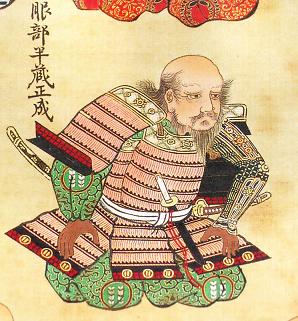
The nickname came, in the story everyone repeats, from Ieyasu, who called Masanari’s work oni-yari, a demon’s spear, and told Moritsuna his own was “Spear Hanzō”. A second version says the enemy gave him the name, shouting “the five-character banner, Demon Hanzō” whenever his black flag with its five white characters came over a wall.
Then came the worst day of Ieyasu’s military life. At Mikatagahara, at the end of Genki 3 by the lunar calendar (January 1573 by ours, which is why sources variously say 1572 or 1573), Takeda Shingen lured the Tokugawa army onto an open plateau and broke it in a couple of hours. Hanzō was in the vanguard under Ōsuga Yasutaka and took the first spear again. Then the rout began.
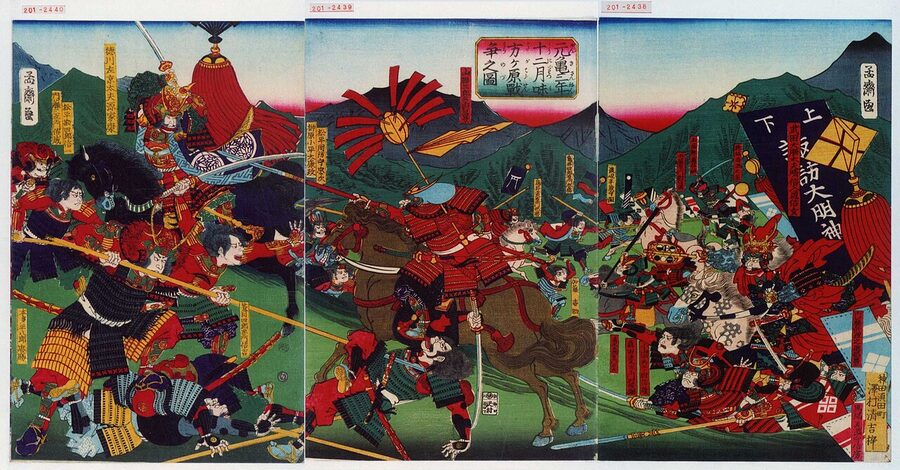
He rode in the knot of men around Ieyasu’s horse, and when a Takeda rider caught up with them he turned and fought him off. Back inside Hamamatsu Castle, with the garrison close to panic, he walked out of the gate alone, fought an enemy soldier hand to hand, and came back in carrying the head. It sounds theatrical until you think about what a frightened garrison needs to see.
Ieyasu gave him two spears, one by the Kyoto smith Heianjō Nagayoshi; the other, unsigned, is almost certainly the one now at Sainen-ji. According to the official Edo genealogy, the Kansei Chōshū Shokafu, he was also given command of 150 Iga men, the first time the record puts him in charge of Iga soldiers.
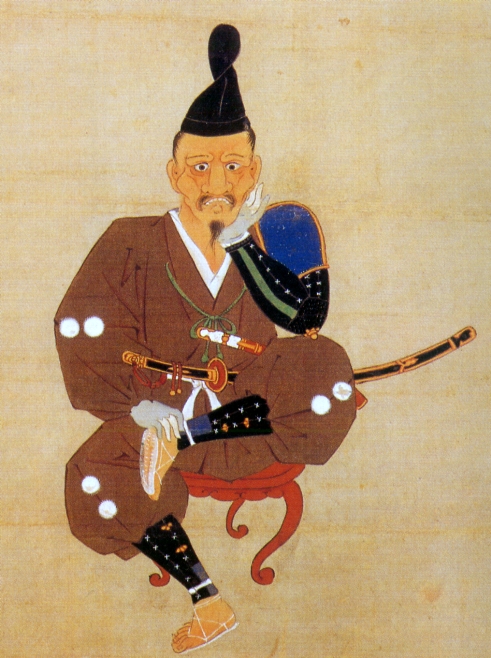
In 1574, when Takeda Katsuyori pushed into Tōtōmi, Hanzō was raiding Takeda foraging parties around the flooded Tenryū River, and is credited with killing a Takeda agent named Chikuan. This was the long war against Shingen’s heir that produced Nagashino in 1575 and the story of Torii Sune’emon. Hanzō spent much of it in Ōsuga Yasutaka’s band around Takatenjin, a company that included a famous musketeer and a shinobi nicknamed “Big Rat”.
The head he would not cut
In 1579 Ieyasu’s eldest son, Matsudaira Nobuyasu, was confined at Futamata Castle and ordered to kill himself. The standard version blames Nobunaga, who is supposed to have suspected the young man of plotting with the Takeda; a newer school of historians thinks the quarrel was between Ieyasu and his son. Either way, Hanzō was sent to Futamata as the official witness.
The man ordered to act as kaishaku, the second who cuts off the head at the end of seppuku, was a retainer called Shibukawa Shirōemon. He refused, saying he could not put a blade to the neck of a lord his family had served for three generations, and fled that night. The job fell on Hanzō without warning, and according to the Mikawa Monogatari he could not do it either: he threw down the sword and collapsed weeping, and Amagata Michitsuna finished the work.
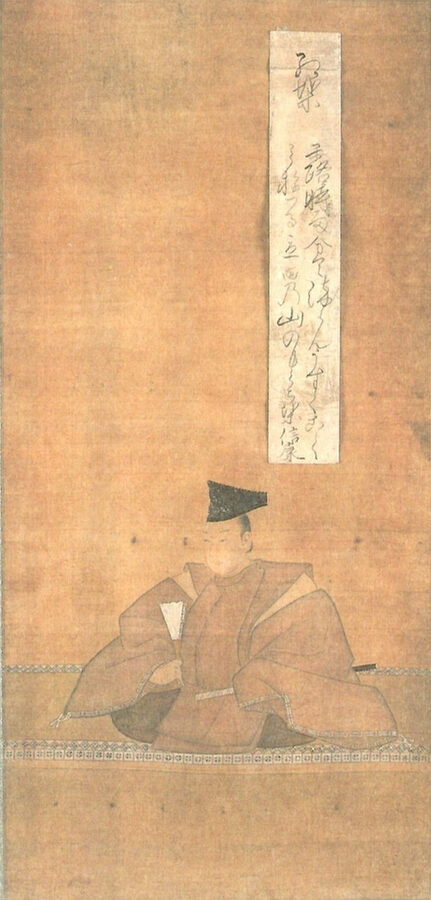
When Ieyasu heard, he is supposed to have said: “So even the demon could not cut his lord’s son.” Hold that line loosely. Shibukawa’s refusal is very often put into Hanzō’s mouth, one theory makes Watanabe Hanzō the man at Futamata, and some Japanese historians think the episode was invented, since Masanari barely knew Nobuyasu.
What I find more persuasive than any chronicle is what Hanzō did fifteen years later. When he built a hermitage in Edo, he built it to pray for Nobuyasu’s soul, took the Buddhist name Sainen, and set up a memorial for the young man in its grounds. People do not usually do that for someone they never met.
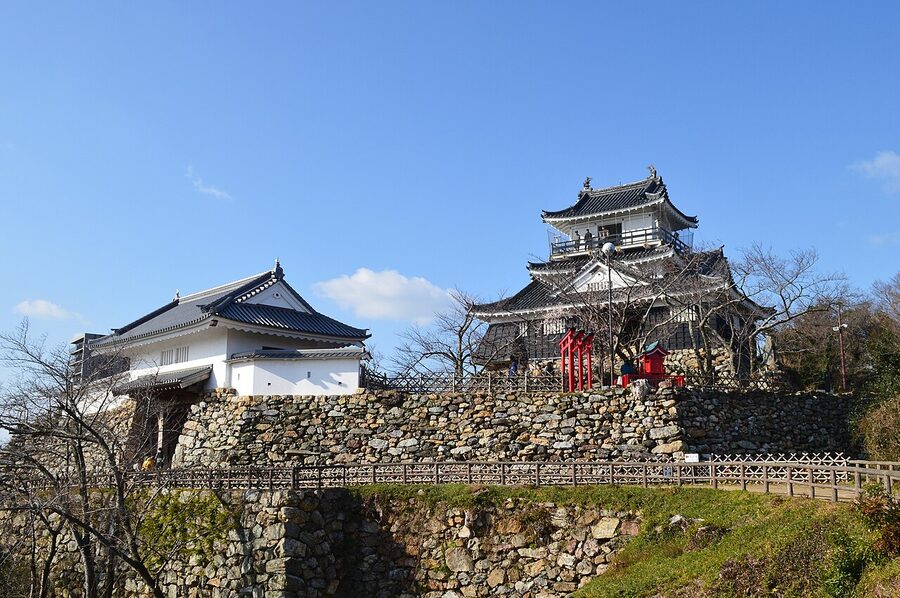
In 1580 an Oda contingent was stationed at Hamamatsu, a servants’ quarrel turned into a brawl, and the Hattori household fought off men of the Ōgaki house with deaths on both sides. The Ōgaki wanted Hanzō executed, so Ieyasu, who could not afford to offend Nobunaga, made him a rōnin, smuggled him out with his family and presented a substitute head. The chronicle’s names wobble (the Ōgaki lord it names had died in 1571), and for two years afterwards Hanzō disappears from the record.
Sakai to Okazaki, June 1582
You have to know what had happened to Iga the year before. In the ninth month of 1581, Nobunaga sent a huge army into the province to destroy the Iga sōkoku ikki, the self-governing league of local landholders that had humiliated his son Nobukatsu two years earlier. The Second Tenshō Iga War killed most of the league’s fighting men and scattered the rest. Nine months later, Nobunaga’s closest ally needed to walk across that country with thirty-four companions.
On the second day of the sixth month of Tenshō 10 (21 June 1582), Akechi Mitsuhide surrounded Honnō-ji in Kyoto and killed Nobunaga; his African retainer Yasuke was one of the few in his household to come through it alive. Ieyasu had been feted at Azuchi a couple of weeks earlier, by Mitsuhide himself as it happened, and was now sightseeing in Sakai with a party that included Honda Tadakatsu, Ii Naomasa, Sakai Tadatsugu and Sakakibara Yasumasa.
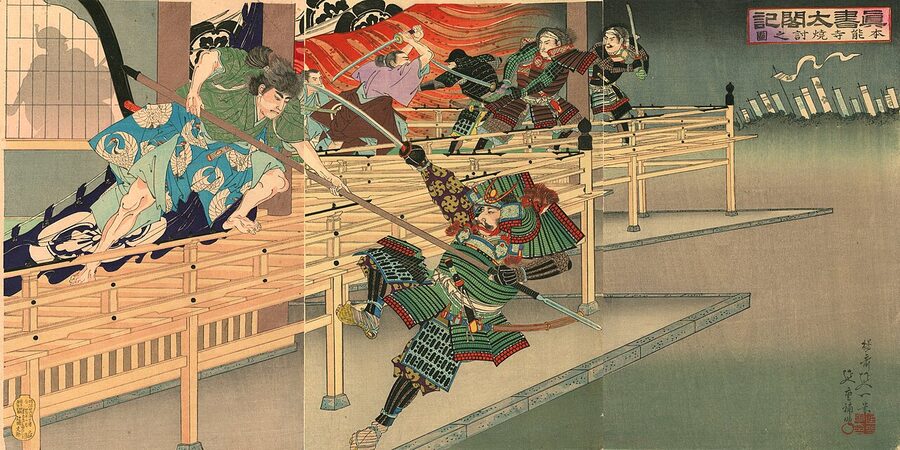
The news met them near Iimoriyama in Kawachi. Ieyasu’s first reaction was to say he would go to Chion-in, the head temple of his family’s sect, and cut his belly to follow Nobunaga into death, and Honda Tadakatsu, loudest among his retainers, talked him out of it. The question then was how thirty-odd men carrying a fortune in gold were going to reach Okazaki through country full of ochimusha-gari, the peasant gangs who hunted fleeing samurai for their armour and their heads.
The best account of the route, the Ishikawa Tadafusa Tomegaki, was written down from the recollections of a man who was there. They crossed the Kizu River at Kōdo, where the Takeda turncoat Anayama Baisetsu, keeping his distance from the main party, was caught by a gang and killed, and spent the night at Ujitawara with a local strongman, Yamaguchi Jinsuke. On the third they stayed at Ogawa in Kōga with Jinsuke’s father, Tarao Mitsutoshi.
On the fourth, by the Tomegaki, they went over the Sakura pass into Iga, through Marubashira and Tsuge, and out over the Kabuto pass into Ise, where Kōga men drove off a band of rioters. They took ship across Ise Bay to Ōhama and reached Okazaki late on the fourth or early on the fifth.
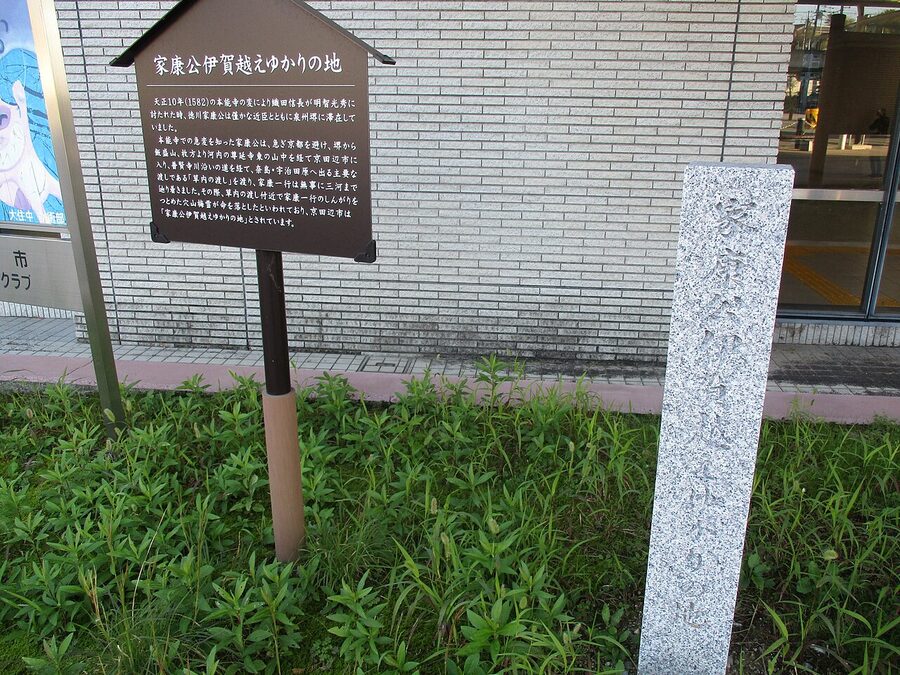
Most Japanese historians now favour that version, but it is not the only one. The Tokugawa Jikki, the shogunate’s official history, sends the party over the steep Otoki pass instead, the Toda-bon Mikawa-ki keeps them in Kōga until Tsuge, and a southern route through Yamato, dismissed as fantasy in the 1960s, has come back into discussion in the 2020s.
And Hanzō? The Hattori family accounts, followed by the modern encyclopedias, say he travelled with the party as far as Shiroko on the Ise coast and, because his family came from Iga, negotiated with Chaya Shirōjirō for local Iga and Kōga landholders to escort them. The family chronicle also gives him a fight: charging a band of rioters, tumbling off an earthwork into a ditch, and being speared in the legs nearly ten times. His retainer Shibayama Kohei reported him dead, went back for the body, and found him alive, which is the most vivid piece of the crossing and comes from the family’s own records, so weigh it accordingly.
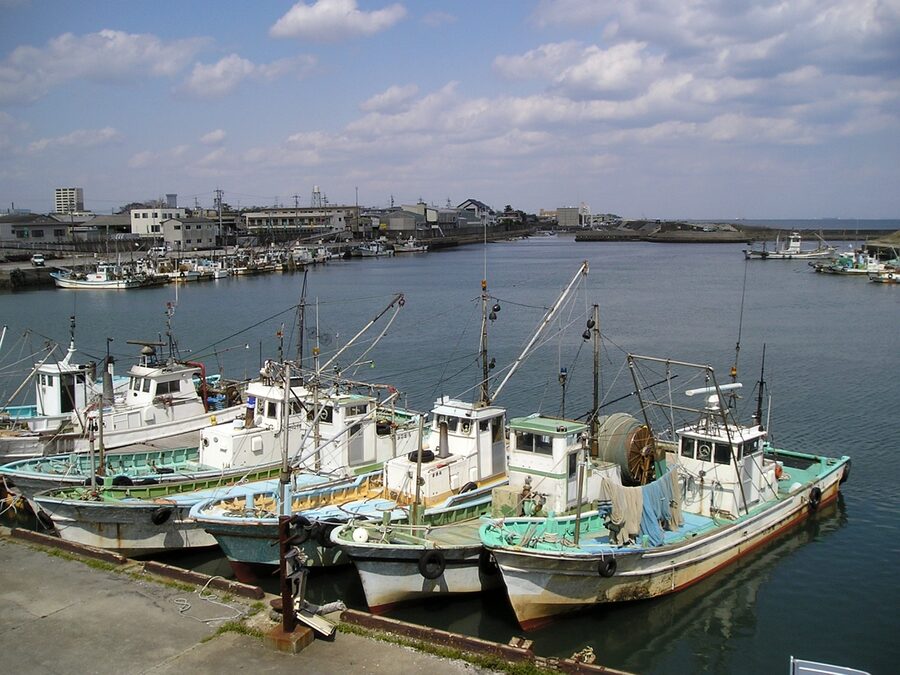
Now the skeptics. Fujita Tatsuo of Mie University argues that the party avoided Iga, which had every reason to hate anyone associated with Nobunaga, and points to a surviving letter in which Ieyasu thanks a Kōga man, Wada Sadanori, for guiding him. The story of two hundred Iga men escorting Ieyasu and becoming his Iga corps first appears, Fujita notes, in the Iga-mono Yuisho-gaki, compiled by the Iga men themselves in the first half of the eighteenth century while they were lobbying for better status. The grand phrase Shinkun Iga-goe, “the Divine Lord’s crossing of Iga”, comes later still, from the Tokugawa Jikki, completed in the 1840s.
Yamada Yūji, the Mie University historian who has done more than anyone to put ninja studies on a scholarly footing, says simply that local Iga and Kōga men helped and that no record shows what Hanzō personally did. Hanzō was almost certainly with Ieyasu: every account, skeptical or not, puts him in the party. Matsudaira Ietada, who met them when they landed, wrote that they had killed around two hundred men on the way, so this was no stealthy slip through the woods, and on the fifteenth, back in Okazaki, Hanzō was made a sakite-gashira, a vanguard captain.
Gunpowder and Iga men, 1582–1592
The decade after Honnō-ji is the best-documented part of Hanzō’s life, and the ninja legend ignores it, because it is all about muskets. In the scramble for the dead Takeda’s provinces, the Tenshō-Jingo war, Ieyasu sent him into Kai with a body of Iga men to hold forts on the Nakamichi road against the Hōjō.
In Saku in Shinano he took Egusa Castle in a night attack. Shortly afterwards he sent two Iga men to sneak into an enemy fort called Sanogoya and report on its layout, then stormed it a week later in heavy rain, and Ieyasu praised it as a fort that had held off two generations of Takeda. Notice who did the sneaking: Hanzō sent shinobi in the way a modern officer sends out a patrol, then led the assault himself.
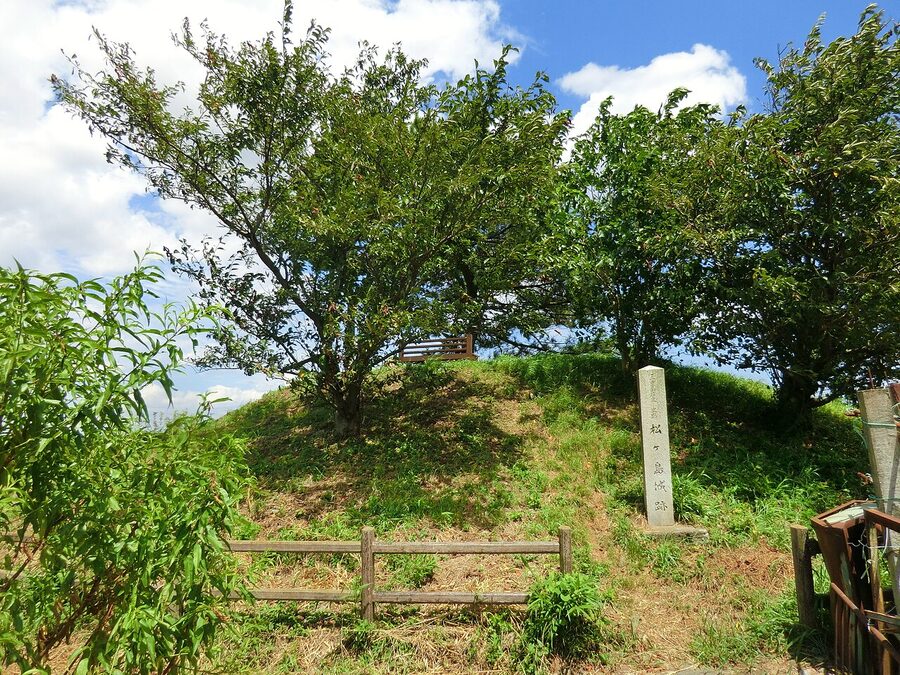
In 1584, when Ieyasu went to war with Toyotomi Hideyoshi in the Komaki-Nagakute campaign, Hanzō was sent to Ise with a hundred Iga and Kōga men to reinforce Matsugashima Castle. They held the second bailey with musket fire, and the castle fell anyway within the month. Later that summer his gunners joined the recapture of Kanie Castle, pushing into the second bailey as Ii Naomasa’s men stormed the main gate.
In 1590, for the siege of Odawara, he went as a teppō bugyō, a musket commissioner, leading fifty Negoro gunners from Kii, the best-known mercenary gunners in Japan, whom nobody has ever called ninja. Ieyasu asked for his black five-character banner as the model for the flag of the Tokugawa tsukaiban, the mounted messengers, and Hanzō handed it over and fought on under a navy flag with a white notched-arrow wheel.
After Odawara, Ieyasu moved to the Kantō and Hanzō’s reward came through: command of thirty mounted yoriki and two hundred Iga dōshin, foot-soldiers, and an income of eight thousand koku. That made him a substantial hatamoto, a direct bannerman, and the Japanese encyclopedias agree that the Iga men were put under him not because he was one of them but because his father had been.
His last campaign never crossed the sea. At Nagoya in Hizen in 1592, the Tokugawa and Maeda servants quarrelled at that water point until a battle was a real possibility. In one version Hanzō had his men light their matches and point their guns at the Maeda camp; in another he ran about stripped to the waist trying to calm things, failed, and it took Honda Tadakatsu to settle it. I would like the first to be true, and suspect the second is.
The gate on the Kōshū road
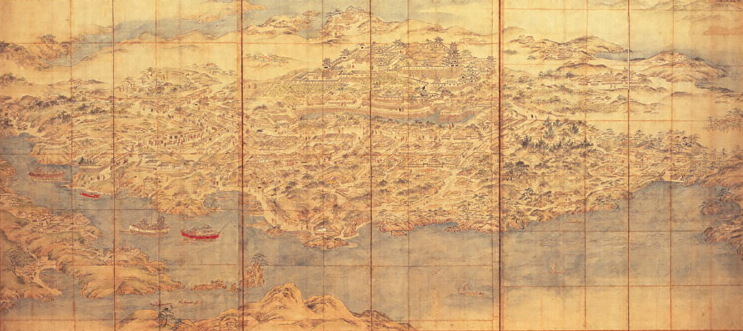
When Ieyasu moved into the run-down castle at Edo in 1590, Hanzō was given a house just inside one of the western gates. It came to be called the Hanzō-gomon, Hanzō’s gate, and a map of Edo from around 1608 already marks it as “Hanzōmon-guchi”. He later moved to a house inside the Akasaka gate, and nobody now knows exactly where either stood.
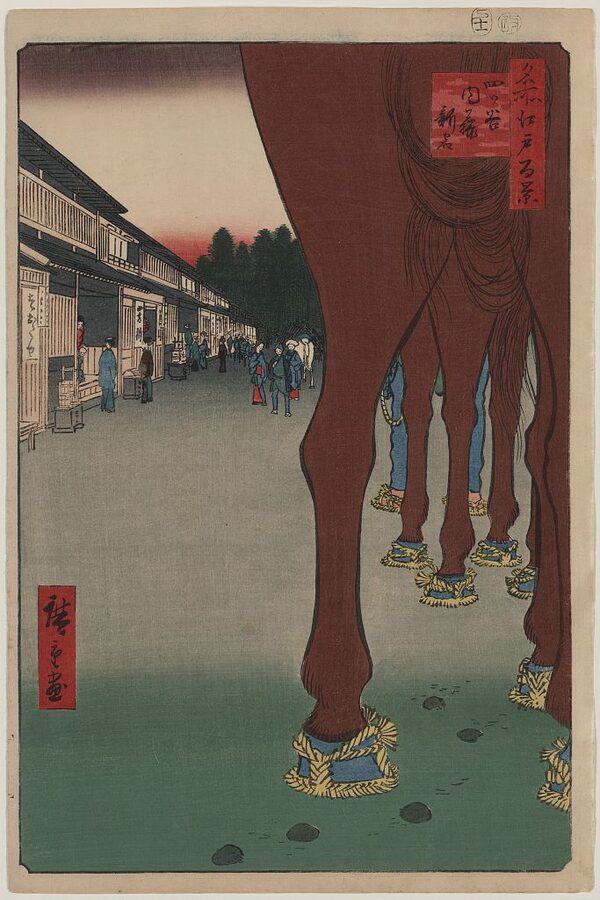
What made the western gate matter was the road outside it. The Kōshū Kaidō ran from the Hanzōmon along a dry ridge through Kōjimachi, Yotsuya and Naitō Shinjuku to Kōfu in Kai, which was held through the period by Tokugawa kinsmen, trusted vassals or the shogun’s own governors. It was the one great road that plugged straight into Edo Castle, and it was understood to be the shogun’s emergency exit: if the castle ever fell, he would leave by the back gate and ride for Kōfu.
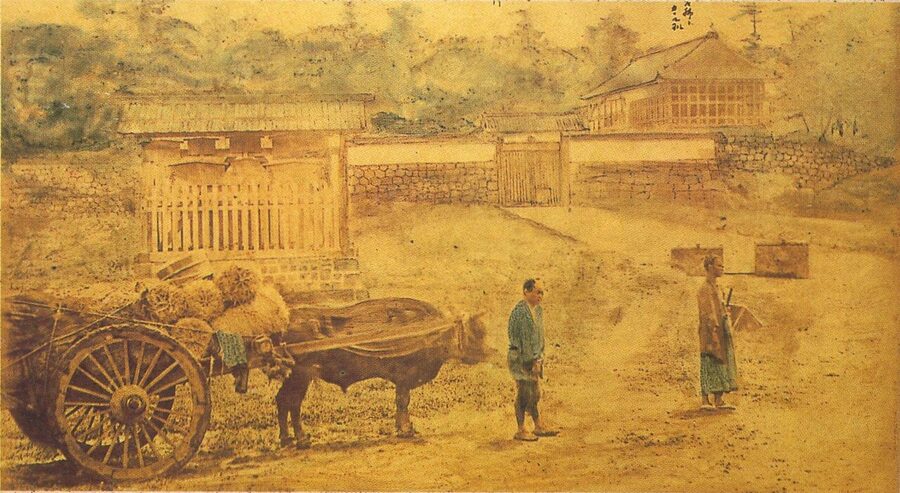
So the Hattori and their Iga men were put where a back door needs a guard. Their quarters lined the road beyond the gate, and a district in Yotsuya was called Iga-chō, Iga Town, until 1943, when it was renamed Wakaba. The gate’s name has outlived all of it: it is a subway line, a crossing, and a broadcasting address, since Tokyo FM has its studios on the corner.
There is a rival etymology, too good to leave out. The Sannō festival procession, like that of the Kanda Matsuri, was allowed into the castle grounds, and the story goes that its elephant float was so big that only half of it, han-zō, would fit through the gate. Nobody serious believes this.
The Iga men’s own view of the arrangement explains everything that came later. Many had lost their land after Nobunaga’s war or in 1585, when the new Toyotomi-appointed lord of Iga carried out a samurai-barai, a “clearing out of samurai”, and made the local gentry choose between exile and becoming peasants. In their eyes they had been hired by the Tokugawa, not by the Hattori, and they knew that Hanzō’s father had left Iga long ago and that by Iga reckoning the Hattori ranked below several of their own houses. They followed him because they were told to, and they never stopped resenting it.
In 1593 Ieyasu gave Hanzō three hundred ryō to found a temple (the temple itself dates its founding to 1594), and he set up a small Jōdo hermitage, Anyōin, at Shimizudani in Kōjimachi, to pray for Nobuyasu. He died on the fourteenth day of the eleventh month of Keichō 1, which is 2 January 1597, aged fifty-five by the Japanese count, of an illness nobody named.
Even that date is disputed. The gravestone and the family records say the fourteenth; the shogunate’s genealogy, the Kansei Chōshū Shokafu, says the fourth. Later fiction has him burned alive in a narrow channel of the Inland Sea by the rival ninja Fūma Kotarō, which nobody needs to take seriously. Around 1634 the castle’s expanding outer works swallowed Shimizudani, and the temple moved west to Yotsuya, taking his Buddhist name with it: Sainen-ji.
Three Hanzōs and a broken corps
The eldest son, also called Masanari but written 正就, inherited the name, the income and the two hundred Iga men at about twenty-one, if you accept the birth year of 1576 (another source says 1565). His wife Matsuo was a daughter of Ieyasu’s half-brother Matsudaira Sadakatsu, formally adopted by Ieyasu for the wedding. He spent the Sekigahara campaign in the north-east watching the Uesugi, sending three Iga men to scout Shirakawa Castle.
Then it unravelled. In 1604 a fire at Edo Castle burned the Hattori house in Kōjimachi, and when the third Hanzō ordered his Iga men to help rebuild it, some of them petitioned the shogunate: they served the Tokugawa, not the Hattori. The shogunate found for Masanari and punished seven ringleaders, but during the inquiry he slipped out one night to visit a sick relative, although he was due for an audience with Hidetada. On the way back a man knocked down one of his servants and drew a sword, and Masanari cut him down; the dead man turned out to be a foot-soldier of Ina Tadatsugu, the powerful Kantō intendant.
The councillors’ verdict, as the family records give it, has a bureaucratic perfection about it. Killing a man who drew on you was proper, and the Iga men had been in the wrong, but going out at night on private business before an audience was a lapse. He was stripped of his office, his income and the name, in 1604 or 1605 depending on the source.
The version in most popular histories comes from a much later book, the Butoku Hennen Shūsei of 1741. In it, two hundred armed Iga men barricade themselves in a Yotsuya temple called Sasadera demanding his removal, and Masanari, hunting the ringleaders, cuts down the wrong man in broad daylight. None of the earlier records mention a siege, nor does the temple’s own history, and a complaint submitted by Masanari’s son in 1663 tells a different story; the Japanese scholarship treats Sasadera with deep suspicion, and so should you.
The shogunate broke up the Iga corps into four groups (six, in some sources), each under a new bannerman, and no Hattori ever led them again. When the Osaka campaign came, the disgraced third Hanzō joined the army of Ieyasu’s son Matsudaira Tadateru and begged for a place in the vanguard. On 7 May 1615, at Tennōji outside Osaka Castle, where Sanada Yukimura made his last charge the same day, he went into the fighting and was never seen again.
He did not stay dead in the stories. One legend has him slipping away to Iga and then Echigo, where he cleared wild land under a new reading of his name and died in 1651 at seventy-five; another has the Iga men murdering him on the field. Both make better novels than history.
The fourth Hanzō, the second son Masashige, had the oddest career of all. On the morning of Sekigahara he went alone into the Western army’s lines before the fighting began, crossed spears with a commander in vermilion armour and brought back the head, only to have it counted as nukegake, jumping the start, which earned him no reward and Ieyasu’s anger. He married a daughter of the mining magistrate Ōkubo Nagayasu, served at the Sado gold mine, lost his post, spent twenty-nine years with the Murakami domain in Echigo, and in 1647, in his late sixties, was invited to Kuwana by his brother’s brother-in-law Matsudaira Sadatsuna as a senior councillor on two thousand koku.
And the Iga men? They became part of the furniture of the Edo era. One company of the hyakunin-gumi, the shogun’s four hundred-man musket corps, by the usual account the Iga company, was quartered at Ōkubo, where the district is still called Hyakunin-chō. Once the long peace left them nothing to shoot at, they took to growing azaleas as a side business, so successfully that Ōkubo azaleas became one of the sights of Edo.
Other Iga-mono guarded the shogun’s women’s quarters, the Ōoku, under the title o-hiroshiki Iga-mono, or guarded empty mansions and inspected building work. The records say they did genuine intelligence work until about 1624 and were mostly guards after that, although seven were sent on secret assignments as late as 1726.
Here is the irony I enjoy most. When the eighth shogun, Yoshimune, wanted a private intelligence service in 1716, he did not trust the Iga men. He brought his own retainers from Kii, who became the famous oniwaban, the “garden keepers”, and many of them were given the official title o-hiroshiki Iga-mono. By the eighteenth century “Iga man” was a job description that a Wakayama man could hold.
Iga-mono turn up all over the country. The Ikeda lords of Himeji had fifty-nine on their rolls in 1613, the Ii of Hikone kept a band of them, and the Tōdō lords who took over Iga itself in 1608 kept a body of “shinobi men” at Ueno. Not one of them, as far as anyone can tell, ever reported to a Hattori.
How a spearman became Japan’s ninja
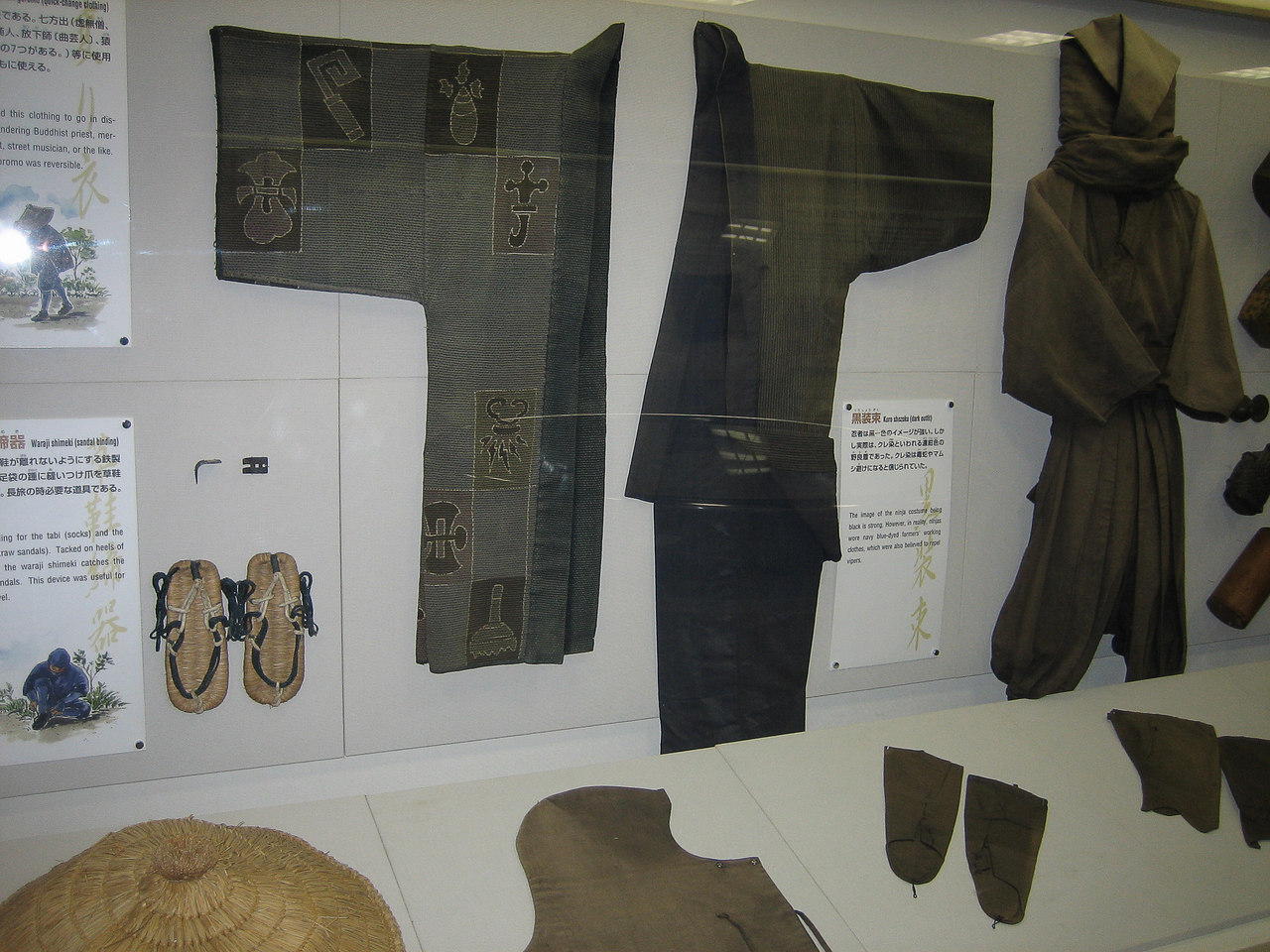
The ninja of the popular imagination was assembled on the Edo stage and in Edo prints. The usual explanation for the black suit is kabuki: stagehands dressed in black moved scenery in full view, audiences learned to read a black-clad figure as invisible, and black became the costume of anyone sneaking about. The same theatre that turned the Akō vendetta into Chūshingura and made the 47 rōnin national heroes did the same favour for the shinobi.
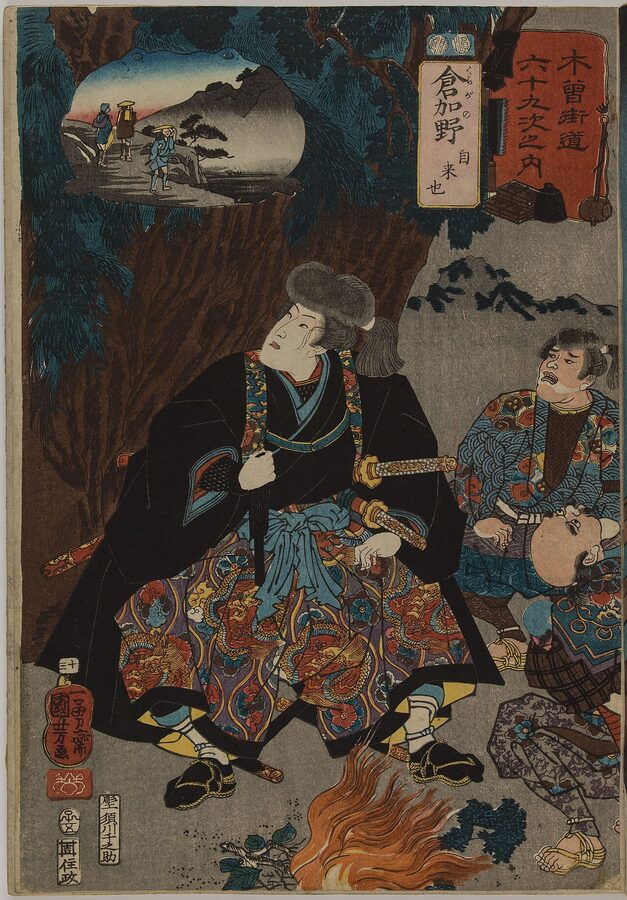
Yamada Yūji is crisp on this. There is no reliable record of historical shinobi using shuriken, he says, or dressing in a way that would make them recognisable. Their real skill was deception: walking into a castle town in daylight as a pedlar or a monk, making friends, and coming home with what they had heard.
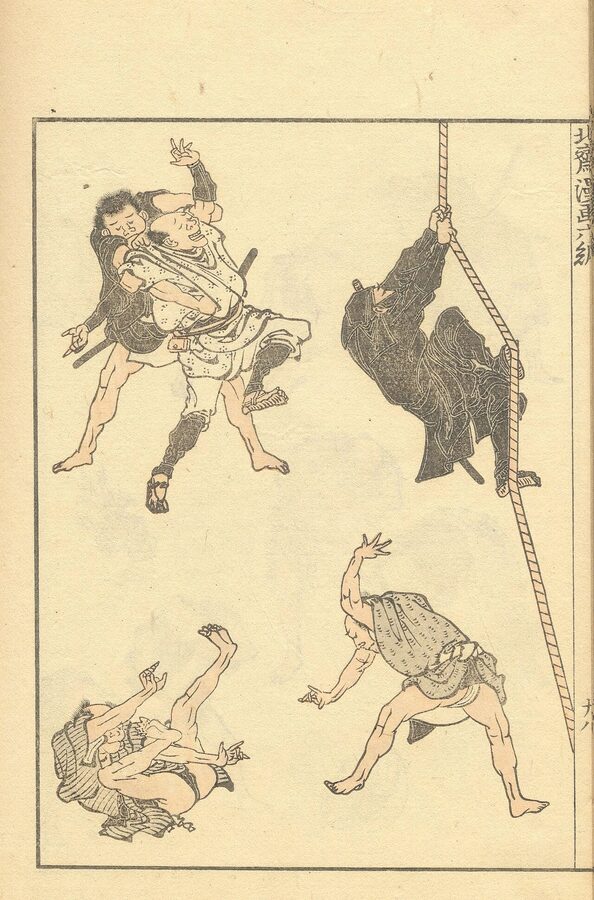
What is striking is how late Hanzō joined the club. The first great ninja boom, in the storybooks of the Meiji and Taishō years, belonged to Sarutobi Sasuke and Kirigakure Saizō, and Hanzō hardly figures in it. He became the ninja chief only in post-war fiction, in Shibata Renzaburō’s novel Akai Kageboshi of 1960 and Yamada Fūtarō’s short story “Ninja Hattori Hanzō” of 1964, which made the name a title passed from man to man: the one detail the fiction got right.
Quentin Tarantino’s Kill Bill made him a retired swordsmith in 2003, a profession he never claimed. If you want to know what a real sword of the period looks like, the page on Japanese swords will serve you better, and the one sword of Hanzō’s known to survive, a Naoe Shizu blade he gave to a retainer of Honda Tadakatsu, now in a corporate collection, is nothing like the film’s.
Modern ninjutsu, taught as a martial art, belongs to the twentieth century too, alongside the budō revival that spread karate from Okinawa and gave Ueshiba Morihei’s aikido its following; Yamada dates its presentation as a martial art mainly to the 1980s. I have no quarrel with any of this as entertainment. I only ask that you notice the distance between the man in the Yotsuya grave and the man on the poster.
Where to find Hattori Hanzō today
Hanzō’s Japan comes in three clusters: a half-day walk in central Tokyo, a full day in Iga, and a stop in Okazaki between Tokyo and Kyoto. The Tokyo sites are free; Iga is the only place you will see anything with a ninja on it. For how it all fits into the longer story, the guide to Japan through the ages is a reasonable map.
Sainen-ji, Yotsuya
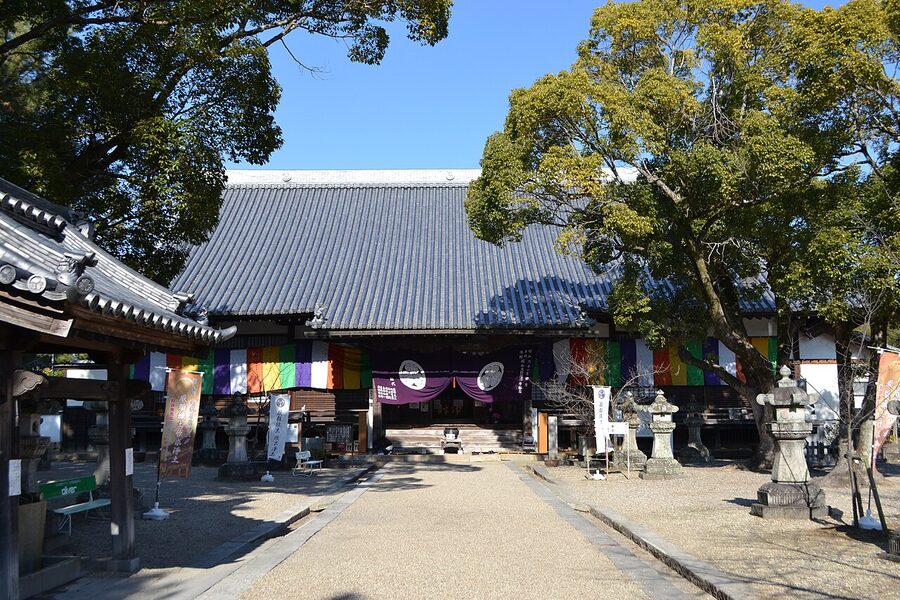
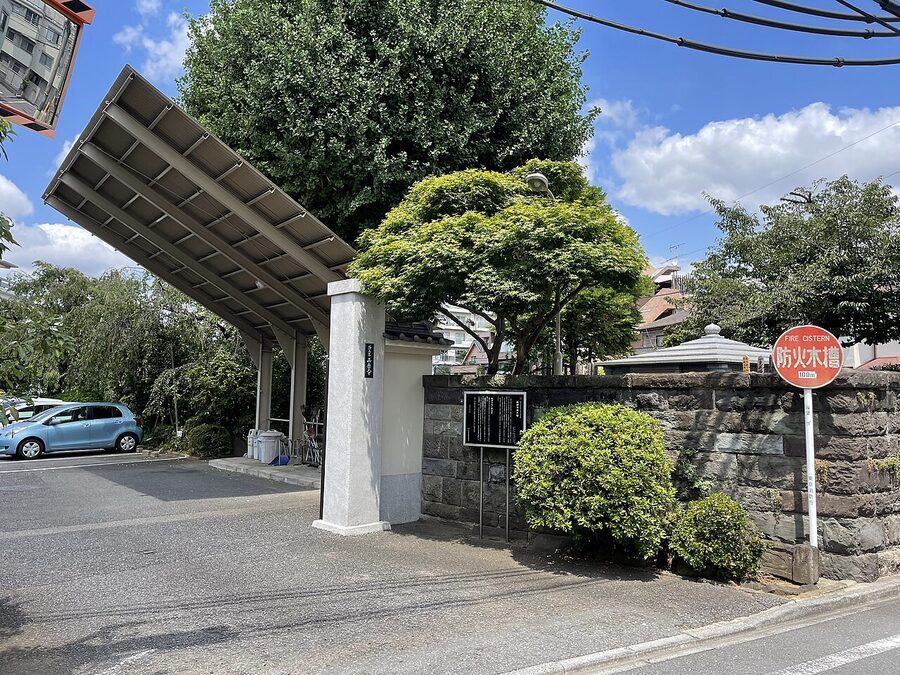
Start here, because it is the only place where you are standing next to the man himself. Sainen-ji (西念寺) is at Wakaba 2-9 in Shinjuku ward, in the quiet temple district that was Iga-chō until 1943. From Yotsuya Station (JR Chūō and Sōbu lines, Marunouchi and Namboku subway lines) walk about 300 metres west along Shinjuku-dōri, the old Kōshū Kaidō, and turn left into the back streets; it takes about seven minutes.
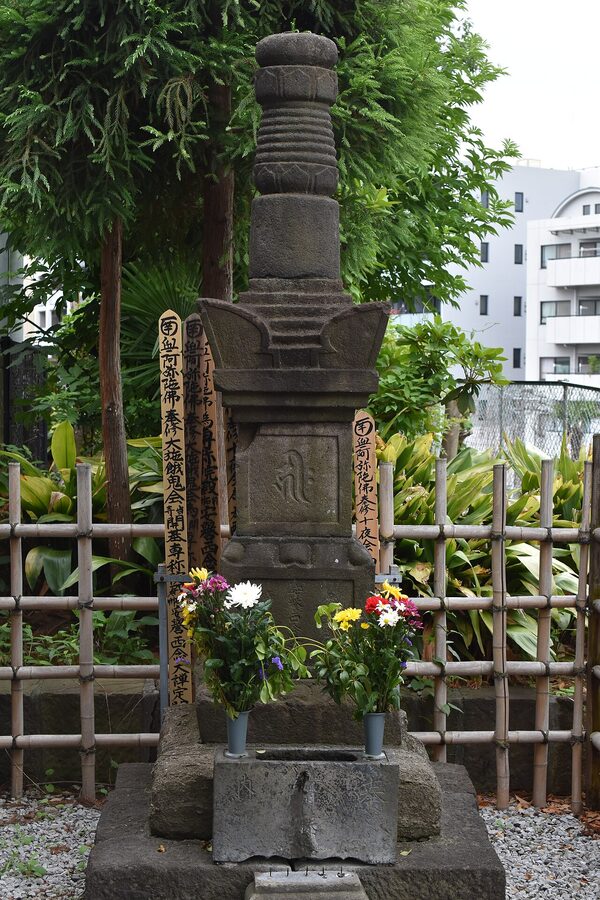
The grave is a large hōkyōintō, a stepped stone pagoda, just to the left as you enter the cemetery, with a Shinjuku ward board beside it. The inscription gives his Buddhist name, An’yo Sainen Daizenjōmon, and the date of death as the fourteenth day of the eleventh month of Keichō 1, ten days after the date in the shogunate’s genealogy. It is a ward historic site and free to visit.
Behind the main hall, on the right, is the memorial to Matsudaira Nobuyasu: a big gorintō inside a stone fence, behind little stone doors carved with the Tokugawa hollyhock. Whatever happened at Futamata, the man in the grave by the gate built this.
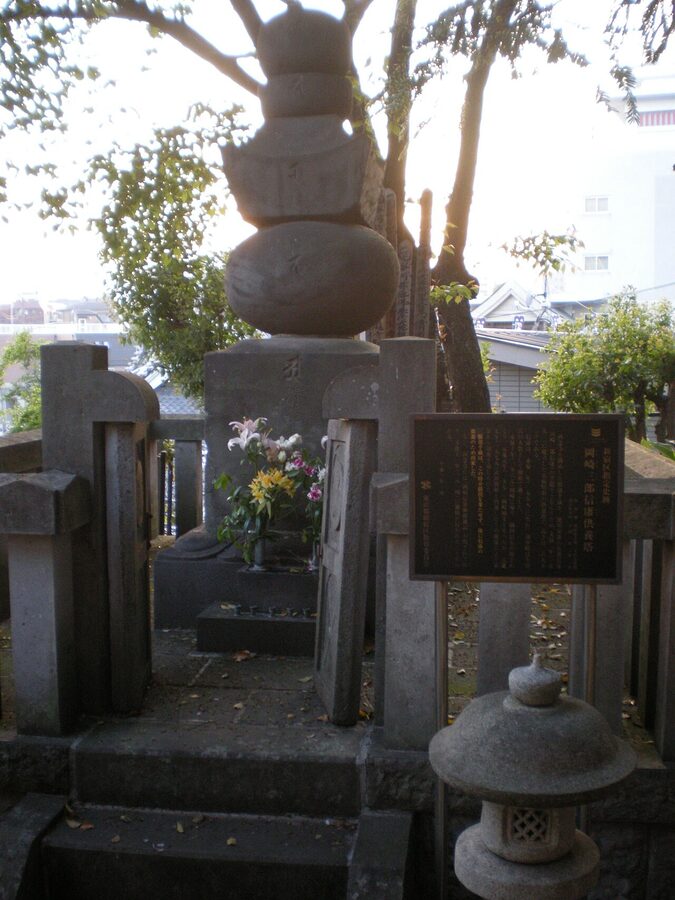
The spear is a registered cultural property of Shinjuku ward, kept as a temple treasure and not on routine display, so do not go expecting to see it. Even its damage is disputed: documents kept with it blame the earthquake of 1657 for the broken tip, while the temple’s own tradition blames the Ansei earthquake of 1855.
Hanzōmon and the moat
Walk back past Yotsuya Station and keep going east along Shinjuku-dōri through Kōjimachi, and in a little under two kilometres, about half an hour, you come out at the moat opposite the Hanzōmon, along exactly the line of the Kōshū Kaidō where the Iga men lived. If you would rather not walk, Hanzōmon Station on the Tokyo Metro Hanzōmon Line is about three minutes from the gate.
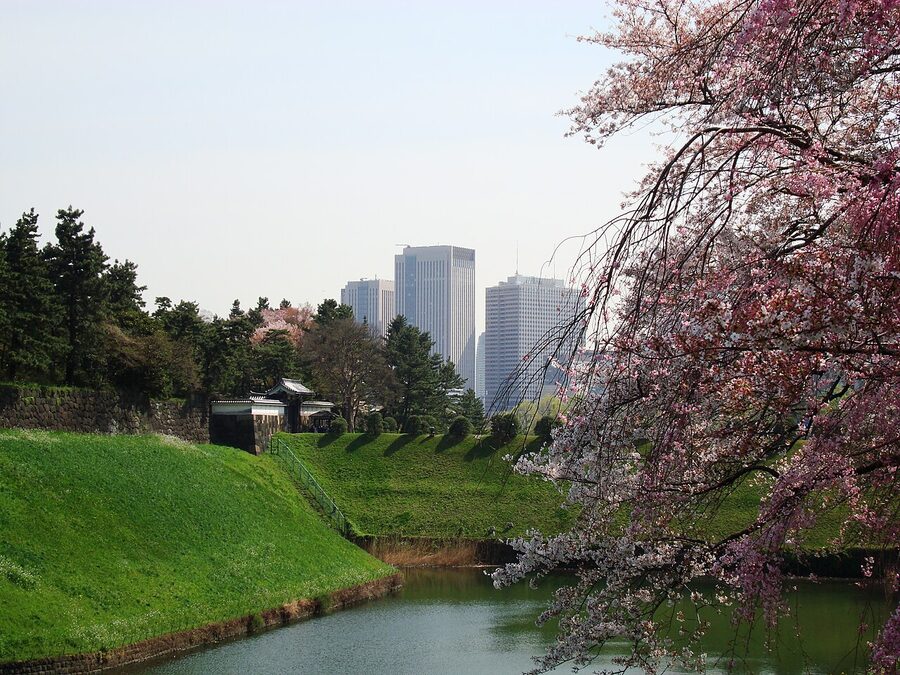
You cannot go in. The gate leads into the Fukiage garden, where the Emperor lives, and is used by the Imperial family, so you look at it across the moat from Uchibori-dōri. The National Theatre and the British Embassy are a few minutes away.
Shimizudani Park, Kioichō
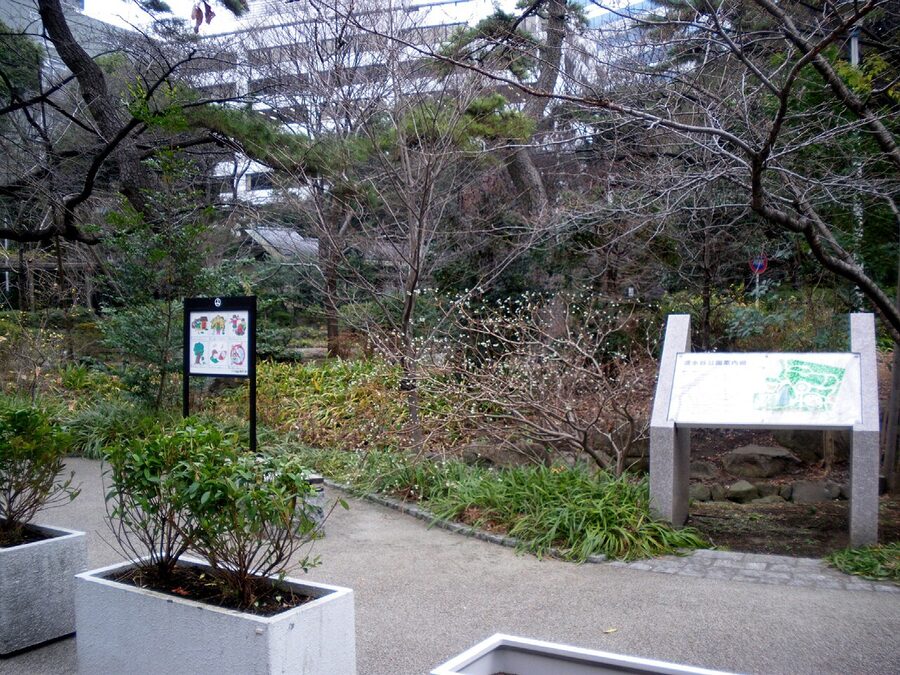
The original site of Anyōin, Hanzō’s hermitage, is generally put around Shimizudani Park in Kioichō, Chiyoda ward, a small, steep, shaded park beside the New Otani hotel, a few minutes’ walk from Akasaka-mitsuke or Nagatachō stations. There is no marker for Hanzō, and nobody knows exactly where his house stood.
Hyakunin-chō and Kaichū Inari
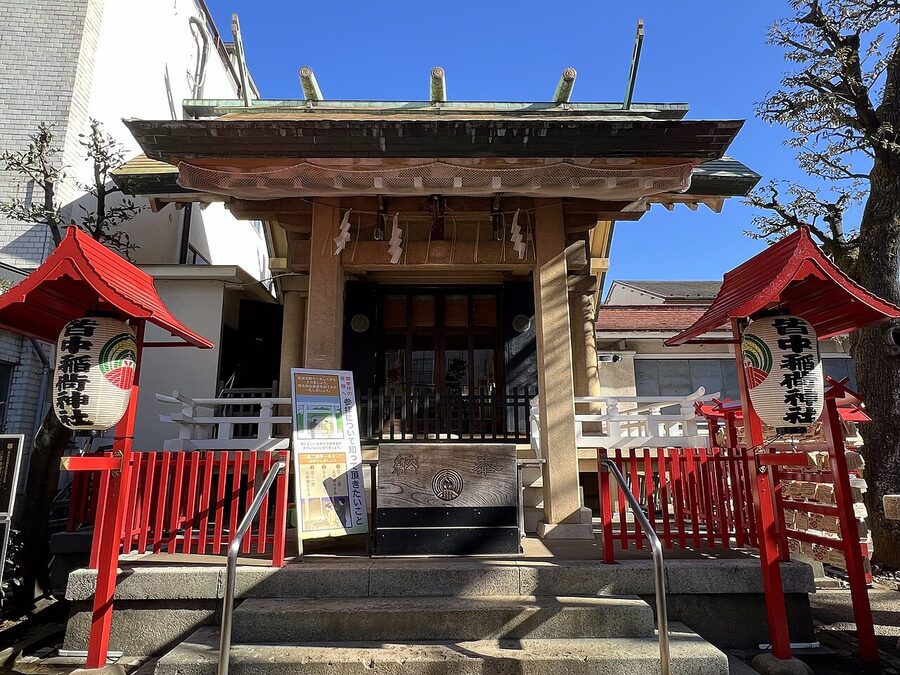
If you have an extra hour, take the Yamanote Line to Shin-Ōkubo. About a hundred metres west of the station, in what is now Tokyo’s largest Korean neighbourhood, is Kaichū Inari Shrine, the shrine of the musket corps that gave Hyakunin-chō its name. Its name means “all hit”: a gunner who could not shoot straight is said to have prayed here and never missed again, which is why gamblers come today.
Iga Ueno: the museum and the castle
Iga Ueno is where Iga sells itself as ninja country, and does it cheerfully. Take the JR Kansai Line to Iga-Ueno (from Nagoya, change at Kameyama) or the Kintetsu Osaka Line to Iga-Kambe, then the little Iga Railway to Uenoshi Station, which now calls itself “Ninja City Station”; the Mie Kōtsū highway bus from Nagoya’s Meitetsu Bus Center takes about 100 minutes.
The Iga-ryū Ninja Museum (伊賀流忍者博物館) is in Ueno Park, a short walk uphill from the station. It opens 10:00–16:00 on weekdays (last entry 15:30) and 10:00–16:30 at weekends and on holidays (last entry 16:00), and closes 29 December–1 January. Entry is ¥1,000 for adults and ¥700 for children; the ninjutsu show is ¥600 extra and does not run every day, and six throws with a real shuriken cost ¥300.
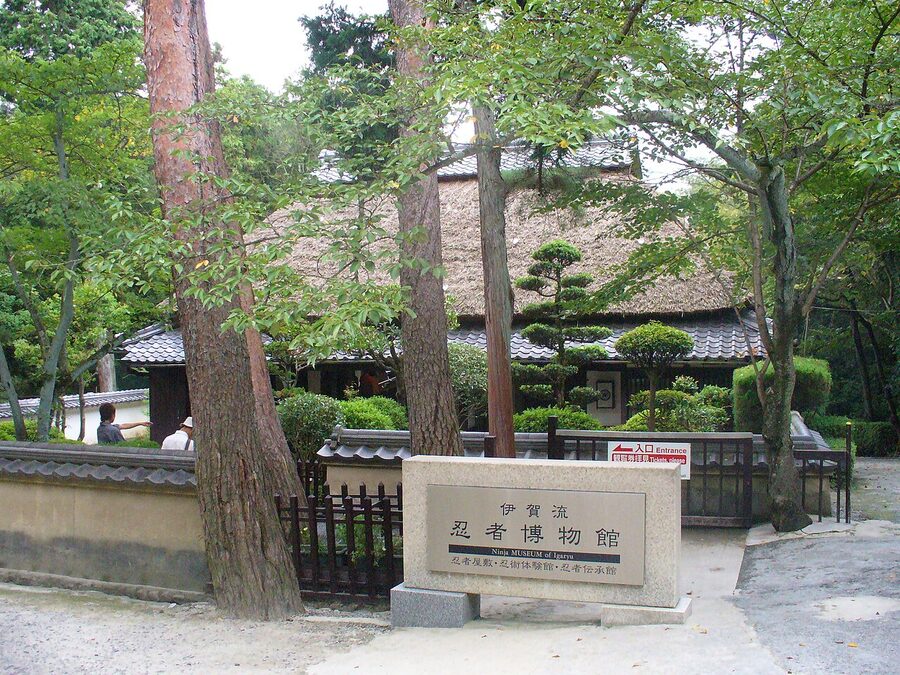
The museum is fun, especially the house tour. The show is theatre, swords and chains and throwing stars that the Edo stage would have recognised at once. Do the house, read the labels in the exhibition hall, which are refreshingly frank about what is myth, and skip the show unless you have children with you.
Iga Ueno Castle (伊賀上野城) is next door, about ten minutes’ walk from Uenoshi Station. Tōdō Takatora’s stone wall above the inner moat rises about thirty metres, among the highest in Japan; the three-storey keep is a 1935 reconstruction paid for by a local politician, Kawasaki Katsu. It opens 9:00–17:00 (last entry 16:45), closes 29–31 December, and costs ¥600 for adults and ¥300 for children.
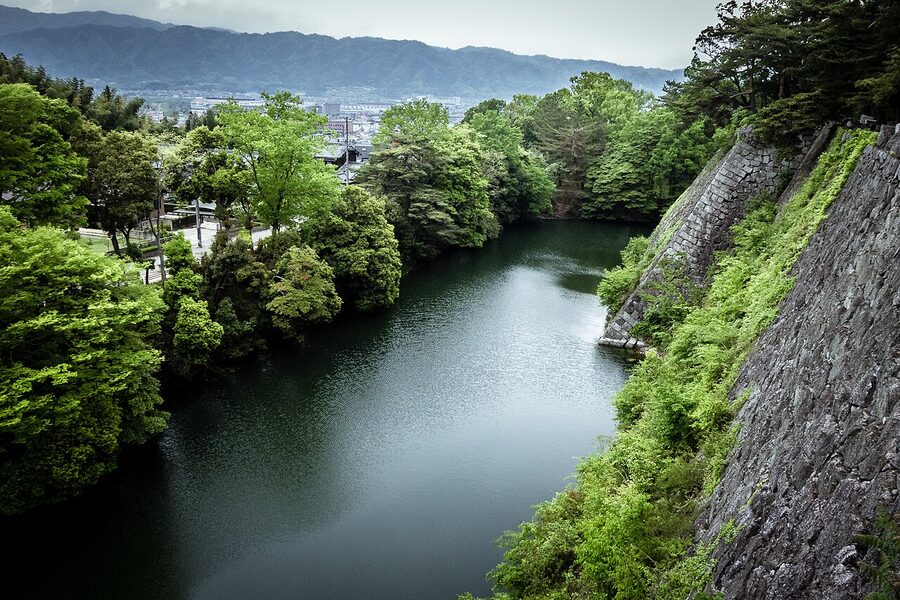
The Chigachi castle site, Yono
If you have a car, or patience for an infrequent bus, the Chigachi castle site (千賀地氏城跡) in Yono, south of Ueno, is the closest you will get to the Hattori family’s Iga roots. It is one of fourteen small earthwork forts packed into the hills around a single valley, a flat square about twenty metres across with earth ramparts on three sides. Take the Mie Kōtsū bus on the Yono line from Uenoshi Station to the Kamide stop; there is no parking.
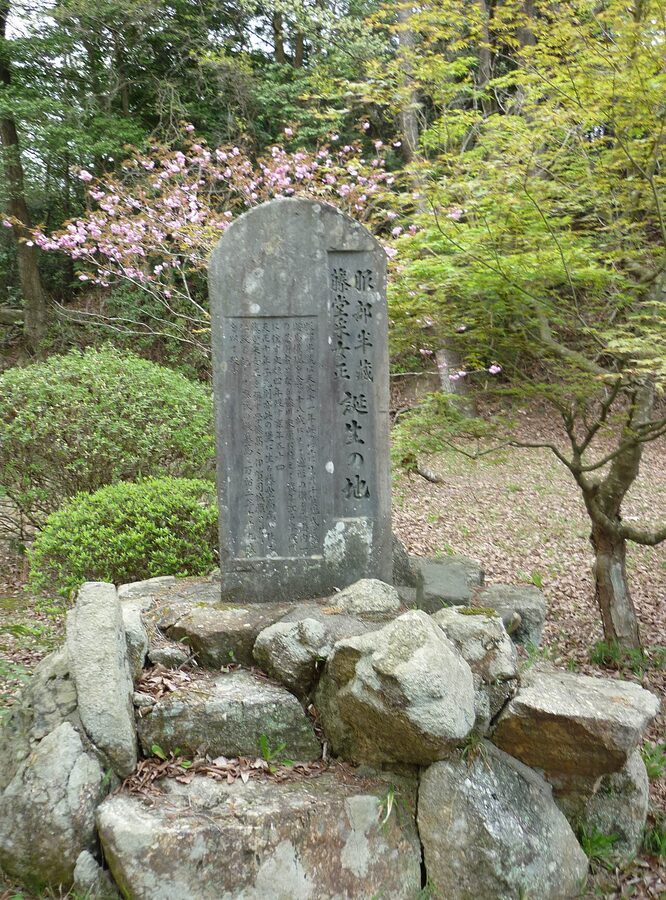
The Iga-goe road
You can walk pieces of the 1582 route. The Otoki pass, 570 metres up on the border between Tarao in Shiga and Nishiyama in Iga, is the shogunate’s preferred version; at Tsuge, about twenty minutes’ walk from JR Tsuge Station, Tokuei-ji is said to be where Ieyasu rested, and was allowed to use the hollyhock crest in thanks. The JR Kansai Line itself climbs over the Kabuto pass between Tsuge and Kameyama, which is the cheapest way to see it.
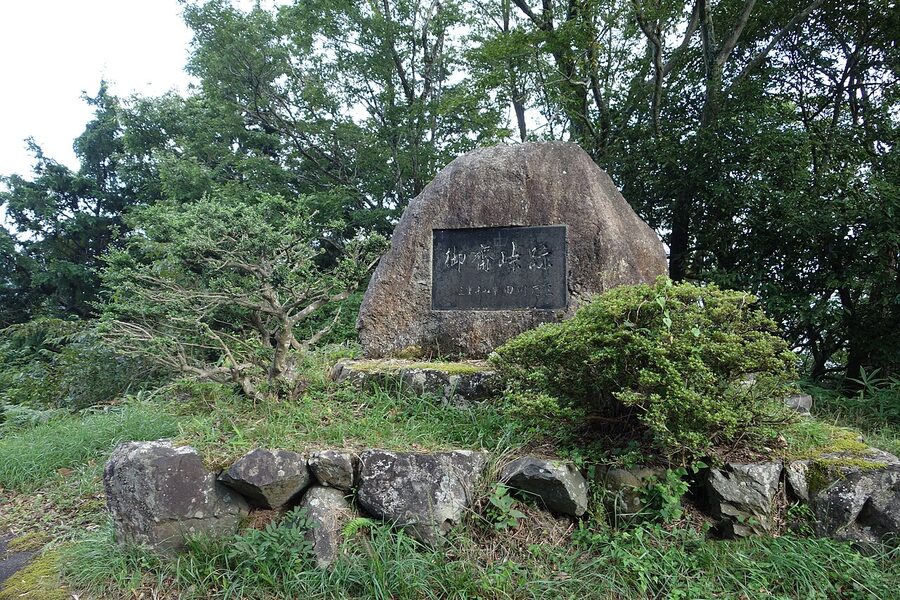
Okazaki: Iga Hachimangū and Daiju-ji
Okazaki is an easy stop on the Meitetsu line from Nagoya. Iga Hachimangū (伊賀八幡宮), the Matsudaira clan shrine, is about ten minutes by Meitetsu bus from Higashi-Okazaki Station (get off at Hachimansha-mae, then three minutes on foot), or nine minutes’ walk from Kita-Okazaki on the Aichi Loop Line. Entry and parking are free; the main hall, built under Ieyasu, the stone bridge and the guardian gate are Important Cultural Properties.
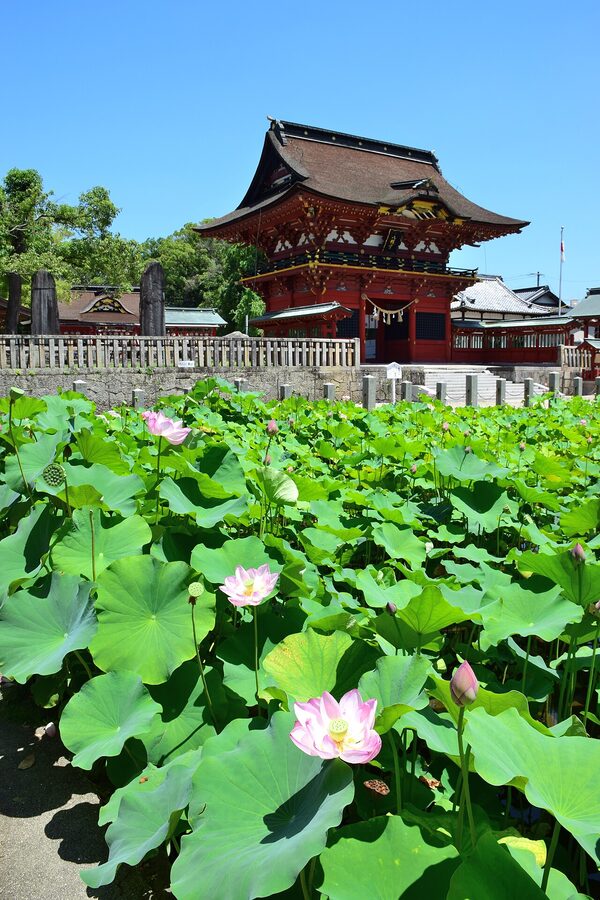
Daiju-ji, the temple Masanari ran away from, is a couple of kilometres north-west at Kamoda-chō. It is also where the young Ieyasu fled after the Imagawa defeat at Okehazama in 1560 and, the temple says, was talked out of killing himself at his ancestors’ graves, and its main gate lines up exactly with Okazaki Castle, three kilometres away.
So go back, in the end, to Yotsuya. Stand at the grave by the cemetery gate and look at the date carved on it, ten days later than the one the shogunate’s genealogists wrote down, and think about the spear in the temple storeroom behind you: broken by an earthquake, half burned in an air raid, and kept anyway. The man under the stone would have recognised that spear at once. The mask, I think, would have baffled him.