
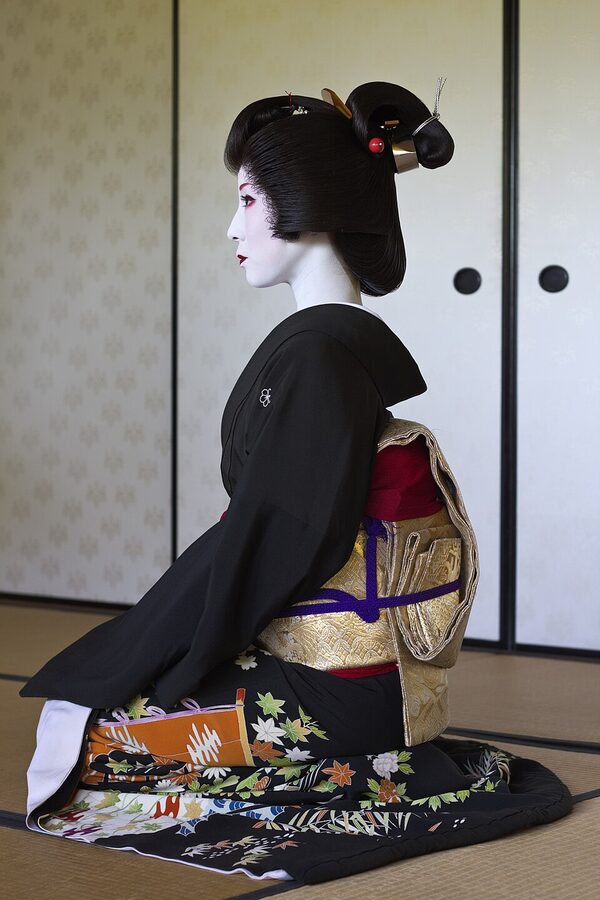
The 5 Kyoto Districts Where Geisha Still Work
Why a geisha is a licensed traditional-arts performer rather than anything else Western writing has called her, and where to find the 250 who still work in Kyoto.
The ideas, policies, and customs that shaped Japan — told as stories, not textbook entries.
Why a geisha is a licensed traditional-arts performer rather than anything else Western writing has called her, and where to find the 250 who still work in Kyoto.
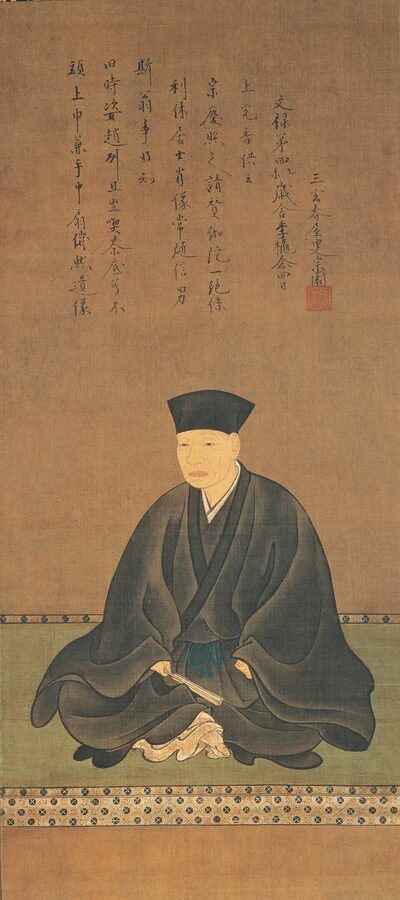
On the twenty-eighth day of the second month of the nineteenth year of Tenshō, 21 April 1591 by the modern
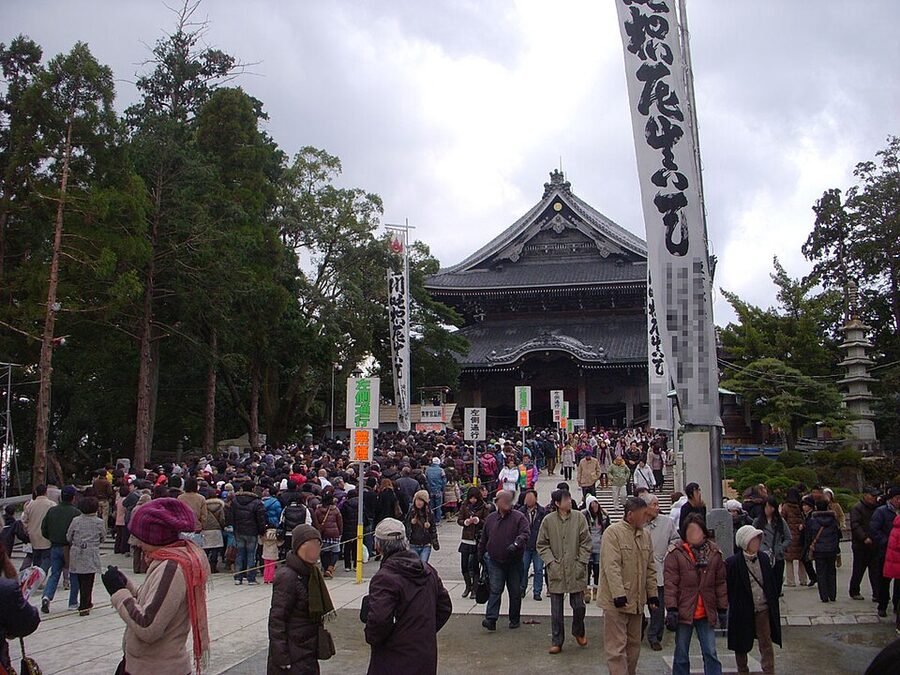
The thing that ought to make Toyokawa Inari impossible is that it is not a shrine. It is a Sōtō
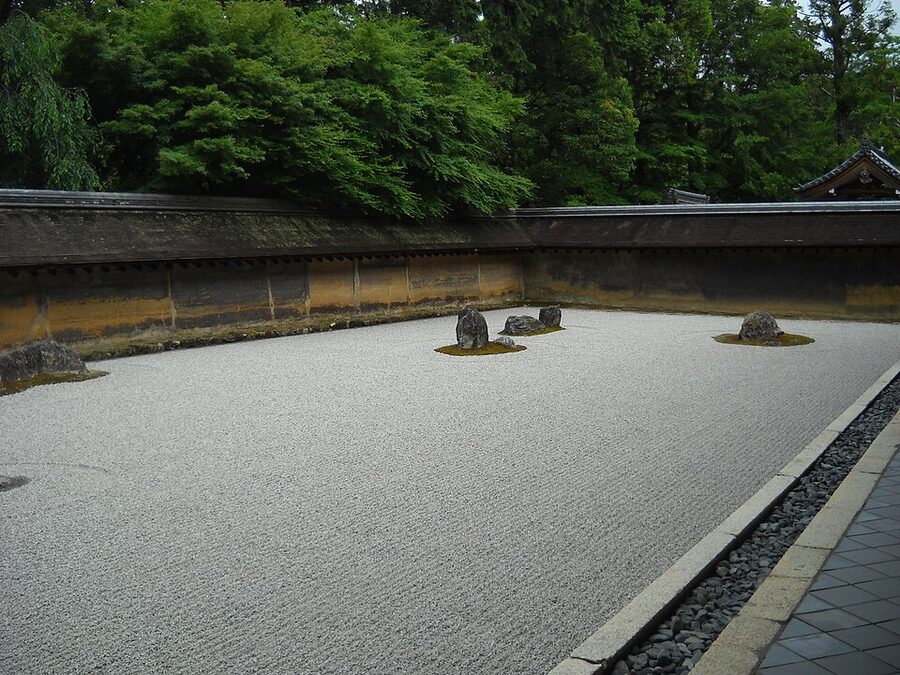
There are fifteen rocks in the karesansui garden at Ryōan-ji, arranged on a rectangle of raked white gravel about twenty-five
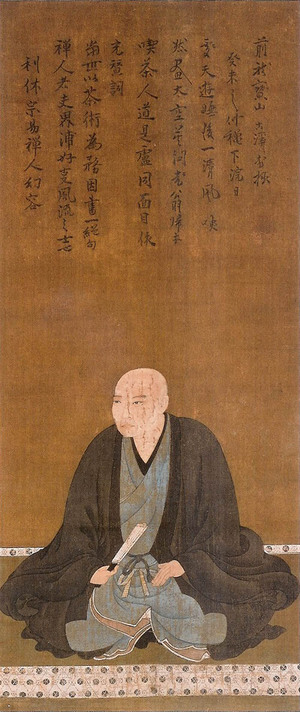
On the twenty-eighth day of the second month of 1591, 21 April by the modern Gregorian calendar, a seventy-year-old fish-merchant’s
Imagine being the lord of Kaga Domain — the richest daimyō in Japan after the shōgun himself, with a rice

Takeda Tsuneyasu is a man you can trace to Emperor Meiji in three generations. His grandmother was Princess Masako, Meiji’s