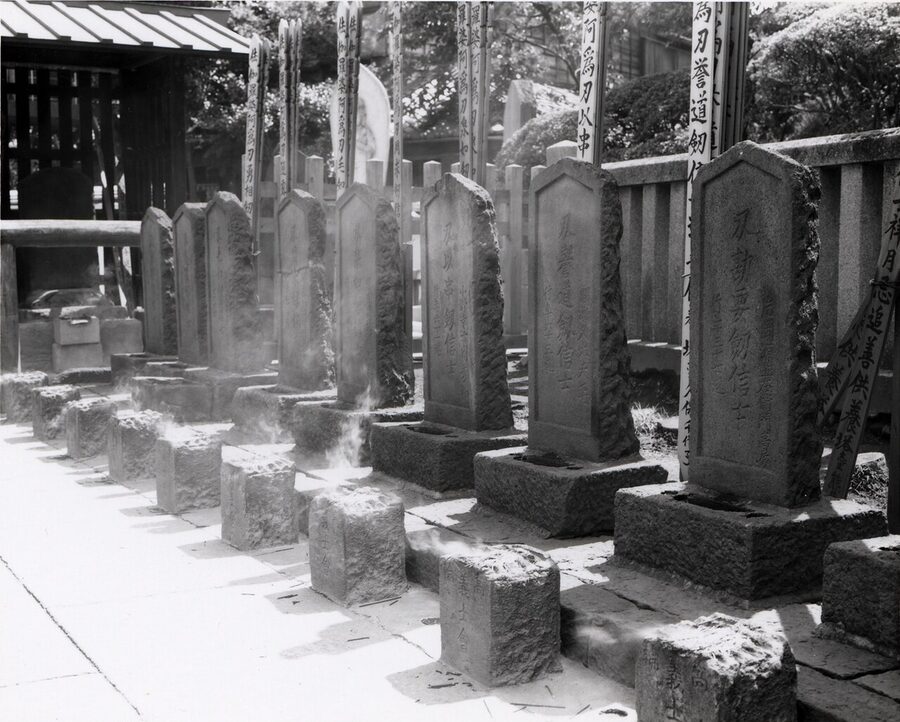
In September 1868, as the British diplomat A.B. Mitford dated it, a man walked into the graveyard of Sengaku-ji in Edo, knelt in front of the grave of Ōishi Chikara, the youngest of the 47 Rōnin, and said his prayers. Then he cut his belly open. The wound was not fatal, so he finished the job with a cut to the throat.
The papers found on him explained why. He was a rōnin, a samurai without a lord, and had no way of earning a living. He had asked to be taken into the service of the lord of Chōshū, the clan he thought the noblest in the country, and been refused, and since to be a rōnin was hateful to him and he would serve no other master, he had come to die among the most famous rōnin of all. Mitford lived about two hundred yards away and walked over an hour or two later, and found the ground still churned and spattered with blood.
I keep coming back to that man because of his timing. In 1868 the Tokugawa shogunate was being dismantled by an alliance led by Chōshū and Satsuma, and many of the men who had done most to bring it down had been rōnin by choice: runaways who had walked out on their own domains so they could act without dragging their lords in after them. He died because he could not become what they had just finished being. Somewhere in that gap is the whole two-and-a-half-century story of the masterless samurai, and most of it can still be visited.
In This Article
- Waves and prisons: two ways to write one word
- Shopping for a master in the Sengoku wars
- After Sekigahara: the great glut
- The rōnin army at Osaka
- The Keian plot of 1651
- Yui Shōsetsu and the school of the two strategists
- The plan
- The night of the 23rd
- What the shogunate did with them
- Keeping dead lords alive
- The other way out that was closed
- Making a living without a lord
- Musashi, the rōnin who never needed a job
- The forty-seven, briefly
- Runaways: the rōnin who brought down the shogunate
- Ryōma’s road over the mountains
- The Rōshigumi: hiring the problem
- Thirty years old, give or take: rōnin on stage and screen
- The modern rōnin
- Where to see the rōnin today
- Sengaku-ji, Takanawa
- Suzugamori execution ground, Shinagawa
- Yui and Sunpu: Shōsetsu’s two towns
- The Sanada-maru, Osaka
- Mibu-dera and Shintoku-ji, Kyoto
- Yusuhara and the Nirogatō pass, Kōchi
- Two hundred yards from the graves
Waves and prisons: two ways to write one word
Rōnin written 浪人 is “wave person”, a man tossed about like spray, and in the Nara and Heian centuries the word meant a peasant who had left the village where he was registered for tax. Written 牢人, it comes from rōrō (牢籠), a medieval word for being ruined or down on your luck, and it took over for lordless warriors in the later Muromachi period. By the 1860s the “wave” version had won.
A samurai was defined by whom he served: his stipend, his house, his rank and his right to stand where he stood all came from a lord. Take the lord away and what was left was a man with two swords, a surname and a grievance.
There were four common ways to arrive there. Your lord could die without an heir and his house be wound up. His domain could be confiscated by the shogunate for losing a war, breaking a law or annoying the wrong official, which the period called kaieki (改易), attainder. You could be dismissed, for a crime, a quarrel or simply as a cost saving; or you could walk out.
Walking out was the dangerous one. A lord who felt deserted could circulate a hōkō-kamae (奉公構), a notice to every other house that the man was not to be employed, and once Hideyoshi had unified the country it ran nationwide. An order of 1586 forbade anyone to hire a servant, from samurai down to the lowest porter, who had left a master without permission. It amounted to permanent unemployment, and the shogunate wrote it into its own codes in 1632 and 1635.
Shopping for a master in the Sengoku wars
Before the Tokugawa peace none of this carried much stigma. In the Sengoku wars a capable man with a good war record was a commodity, and the market favoured the seller. A famous rōnin did not come alone: he brought his own followers, sometimes twenty or thirty of them, and behind them a network of other masterless men who could vouch for his deeds, so a lord who hired one bought a small army on credit.
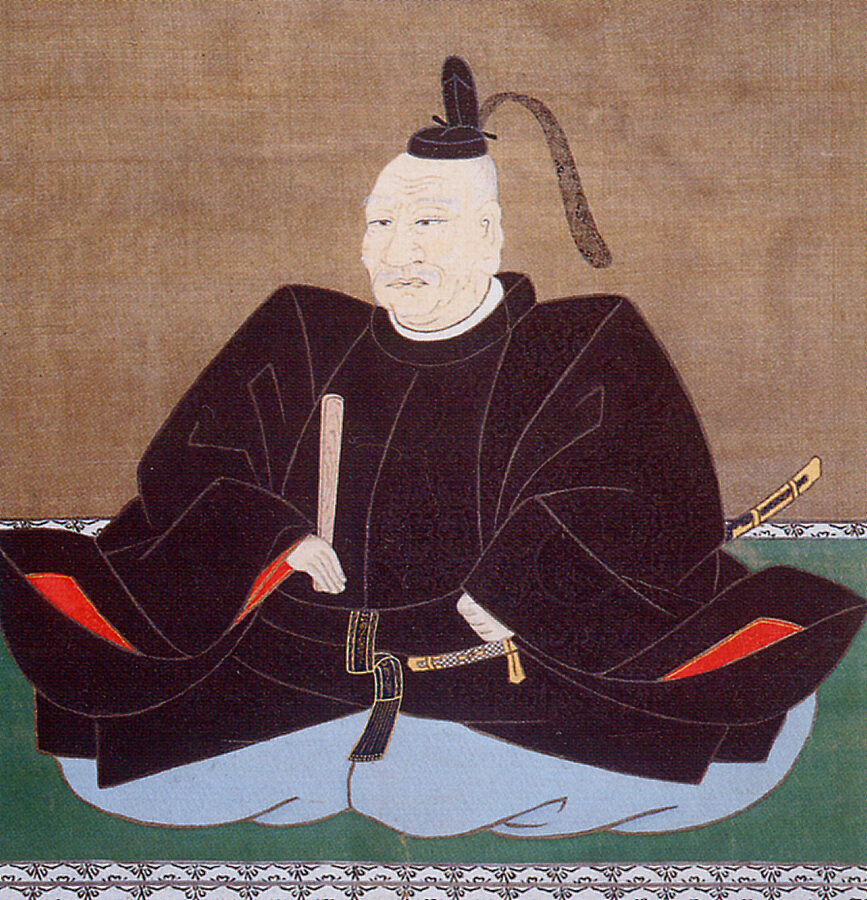
Men left lords who underpaid them and took their reputations elsewhere. The model career is Tōdō Takatora, who by one count served ten masters, starting as a foot soldier for the Azai and ending as one of the richest daimyo in the country. Nobody thought less of him for it, or at least nobody who wanted to keep his head said so.
Most Sengoku rōnin were not gentlemen. Japanese historians think the bulk of them were not full samurai at all but wakatō, chūgen and porters, the hired muscle of the warrior houses, and the first to go when armies were cut back. Some went home to the fields; others went to the cities.
In Kyoto and Edo between about 1596 and 1643 they turned up as the kabukimono (かぶき者), the “slanted ones”: young men in women’s bright kimono, velvet collars, absurdly long swords and outsized pipes, who ran up bar bills they never paid and fought in the streets. Their best-known leader, Ōtorii Ippei, beheaded in 1612, had engraved his sword tang with a line that translates roughly as “Twenty-five, and I’ve lived too long.”
When Izumo no Okuni began performing her kabuki dances in Kyoto in 1603, she borrowed the look of these men, which means the art form that later made the 47 Rōnin into national property was named after the rōnin’s rowdier cousins.
After Sekigahara: the great glut
The Battle of Sekigahara in 1600 turned a trickle into a flood. Tokugawa Ieyasu confiscated or cut the domains of the defeated, starting with Ishida Mitsunari‘s, and the shoguns who followed kept going. One modern reckoning counts 217 daimyo houses attainted or reduced in the first fifty years of Tokugawa rule, under Ieyasu, Hidetada and Iemitsu, affecting land assessed at more than 8.75 million koku.
Every one of those houses had retainers, and their retainers had retainers. The figure usually quoted is 400,000 or even 500,000 rōnin by about 1650. English-language accounts tend to repeat the half-million as fact; at least one standard Japanese reference work calls the estimate excessive, and I would treat it as a measure of how frightened the government was rather than a count.
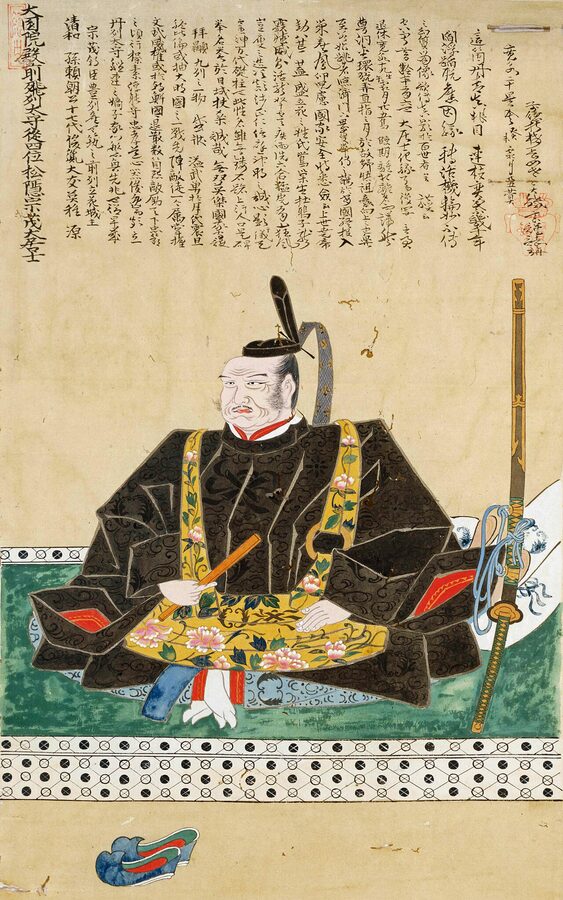
Even the grandest rōnin lived in reduced circumstances. After a spell as the guest of Katō Kiyomasa, Tachibana Muneshige, one of the best field commanders of the age, turns up in one account so poor in Kyoto that he struggled to eat, and in another in perfectly respectable lodgings. Both may be true at different moments, which is the rōnin experience in a sentence.
Chōsokabe Morichika fell further. He was the heir to Tosa, all of it, and after Sekigahara he lost the province when his retainers rose in protest at the handover. He moved to Fushimi, lobbied to be restored until about 1605, shaved his head in 1610 and by 1612 was living in Kyoto, where tradition says he ran a children’s writing school. No contemporary document confirms the school, but the Kyoto deputy, Itakura Katsushige, certainly confirmed that he was being watched.
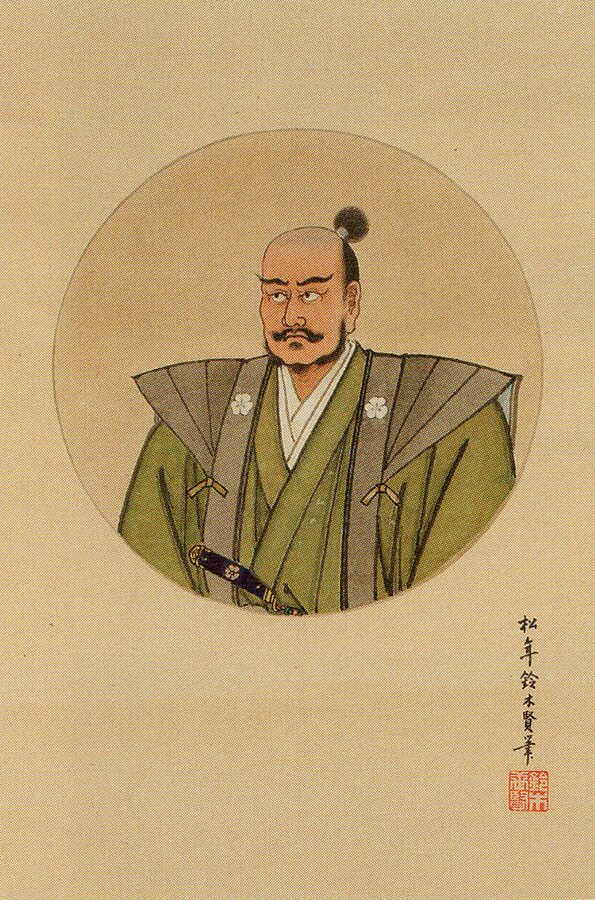
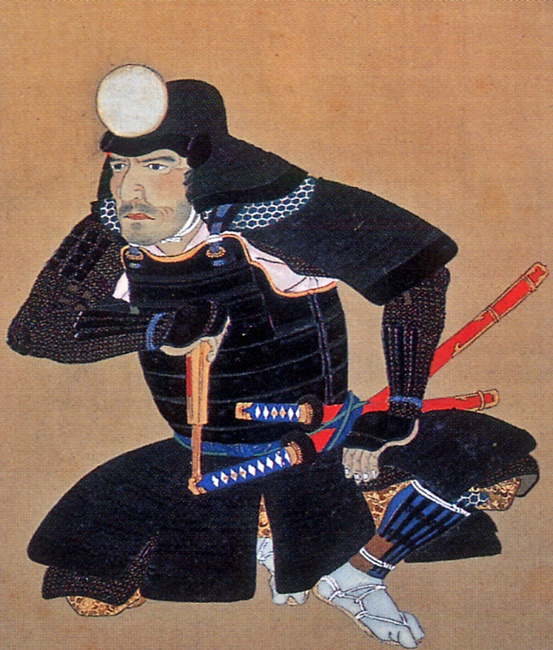
Gotō Mototsugu, better known as Gotō Matabei, shows how the hōkō-kamae could close every door. A celebrated fighter of the Kuroda house, he walked out in 1606, reportedly because his lord, Kuroda Nagamasa, resented his friendly letters to rival houses, among them Hosokawa Tadaoki‘s. Fukushima Masanori, Maeda Toshinaga and Yūki Hideyasu all tried to hire him, and Nagamasa’s ban stopped every offer.
The rōnin army at Osaka
The war came in 1614. The Toyotomi at Osaka Castle, still holding Hideyoshi‘s treasury, sent out appeals to the great houses that had served Hideyoshi, and not one daimyo came. So they spent the gold on rōnin, and the rōnin came in their tens of thousands.
The total Toyotomi strength in the winter of 1614 is usually put at about 100,000, and most of it was hired. Five men emerged as the senior rōnin commanders, later called the gonin-shū: Sanada Nobushige, better known as Yukimura, Gotō Matabei, Chōsokabe Morichika, Mōri Katsunaga and the Christian general Akashi Takenori. Morichika arrived with the largest following of any of them, about a thousand men, many of them his father’s old retainers from Tosa who had been waiting fourteen years for this.
Some wanted revenge for Sekigahara, some a restored house, some simply a stipend, and a few were loyal to the Toyotomi to the point of death. They were brave, experienced and very hard to command. Sanada and Gotō argued for marching out to hold the line of the Seta River near Kyoto; the Toyotomi house officials, led by Ōno Harunaga, overruled them and chose to sit behind the walls.
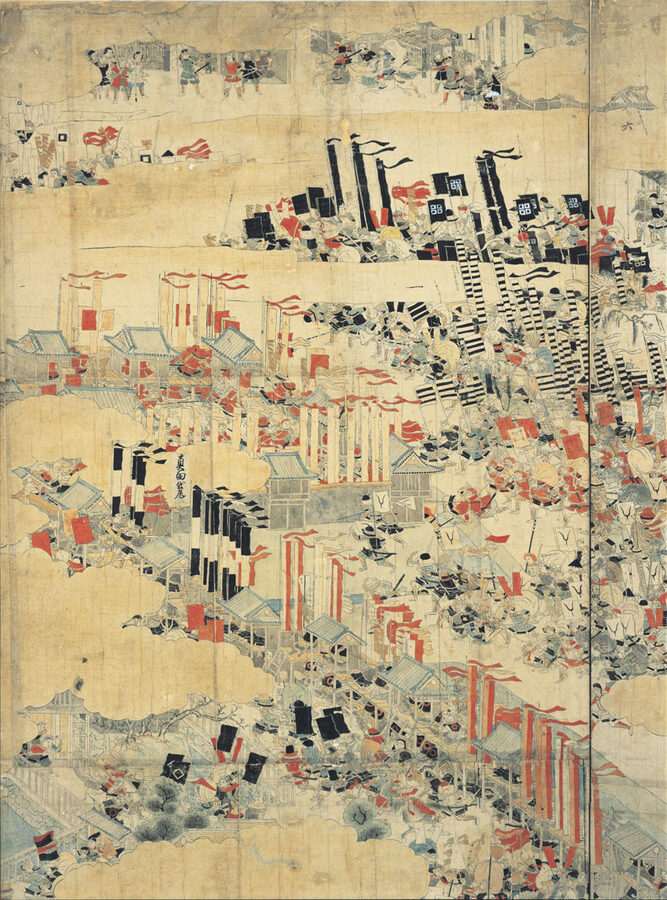
South of the castle, where the ground was flattest, Sanada threw up the earthwork barbican called the Sanada-maru, and on the fourth day of the twelfth month of 1614 the besiegers attacked it and were cut to pieces. It was the rōnin army’s finest hour, and the details are in the Osaka Castle article. The peace that followed tells you more about what the shogunate thought of the hired men.
Ieyasu’s peace terms included sending the rōnin away; the Toyotomi asked instead for extra land to pay them with. By the third month of 1615 the shogunate was demanding that every newly hired rōnin be expelled. The Toyotomi refused, handed out gold and silver, and began digging out the moats they had just agreed to fill.
The summer campaign was a series of rōnin last stands. On the sixth day of the fifth month of 1615 Gotō Matabei, sent to block the road through the hills at Dōmyō-ji, found the enemy already through the pass, fought on Komatsuyama against odds of ten to one or worse while the reinforcements were lost in fog, and was killed. He was fifty-six by the Japanese count.
The same morning, at Yao, Chōsokabe Morichika’s men hid behind a river embankment, let the vanguard of Tōdō Takatora come close, and charged with spears. The Tōdō line collapsed, Takatora’s nephew was among the dead and Takatora himself had to run. For a while that morning the most famous job-changer in Japan was being chased across a rice field by a rōnin.
It did not last. The column beside them was destroyed, Morichika had to fall back, and the next day Sanada was killed below Chausuyama and the castle burned. Morichika was found hiding in a reed bed near Yawata, displayed tied to a fence at Nijō Castle, paraded through Kyoto and beheaded at the Rokujō riverbed on the 15th day of the fifth month.
The shogunate’s paperwork afterwards is revealing. Long-serving Toyotomi retainers who surrendered could be pardoned and hired by other houses within months, but the rōnin who had joined up for the war were not formally forgiven until 1623. The government had decided which group it considered more dangerous, and it was not the loyalists.
The Keian plot of 1651
Peace did not solve the problem. The attainders went on, and the most fertile source of new rōnin was not war or crime but biology: a daimyo who died suddenly without an heir already approved by the shogun lost his house, however many relatives he had. Before 1651 this cost sixty-one houses, and every one of them turned its retainers onto the street.
The shogunate’s answer was control. Rōnin were expelled from Kyoto, restricted in where they could live in Edo and barred from service by circulars. The road abroad was shut too: the closing of the country under sakoku ended the mercenary careers of men like Yamada Nagamasa, partly because the shogunate did not want Japanese swordsmen starting wars in other people’s countries.
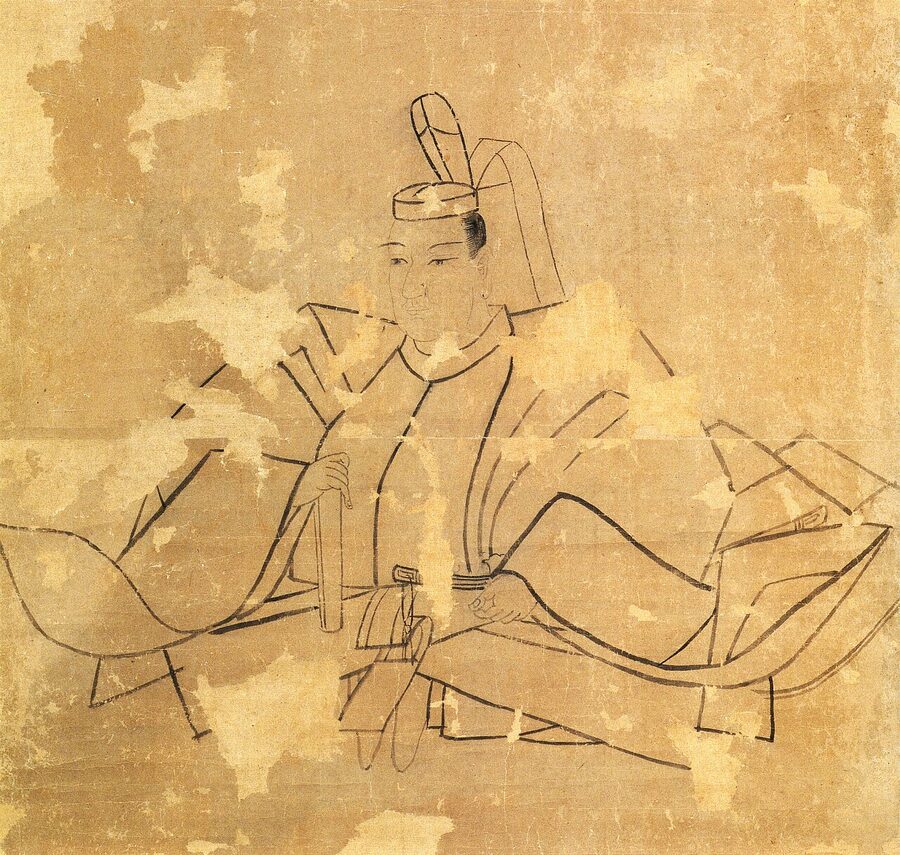
The Shimabara Rebellion of 1637 and 1638 had shown what discontented masterless men could add to a peasant rising. Then, on the 20th day of the fourth month of 1651, the third shogun, Tokugawa Iemitsu, died at forty-eight by the Japanese count, and his heir was a boy of nine.
Yui Shōsetsu and the school of the two strategists
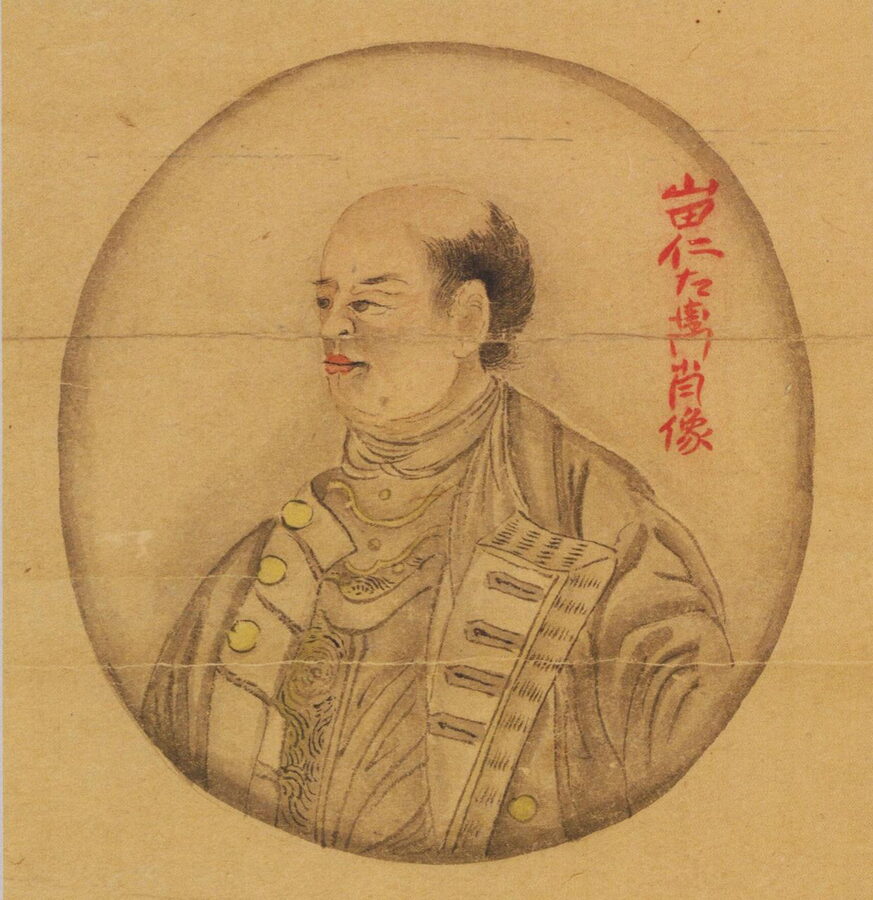
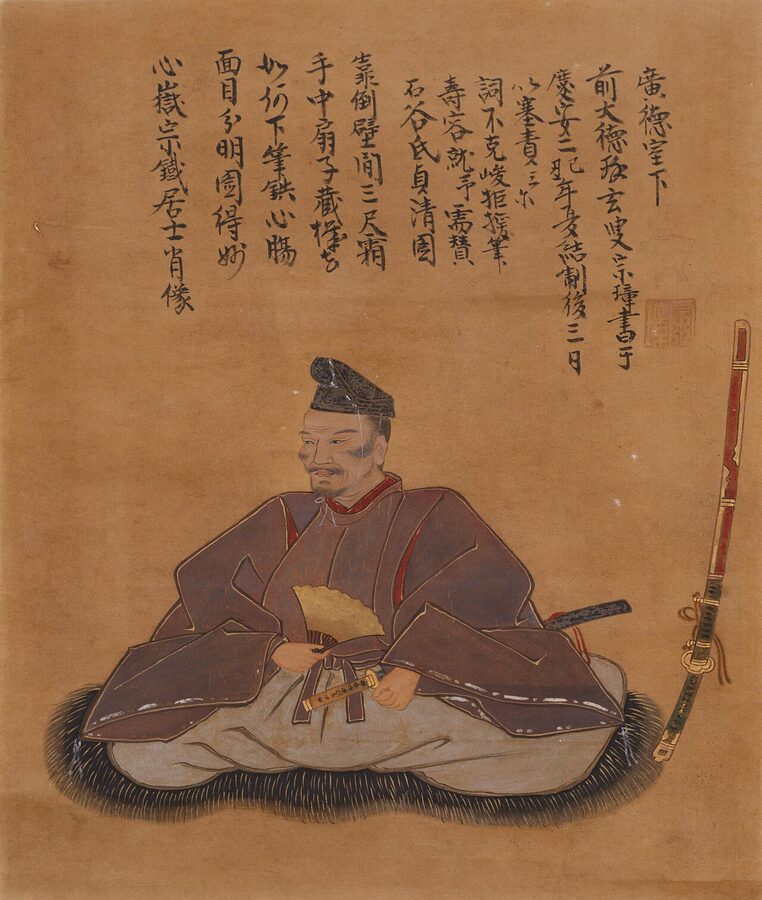
The man at the centre of what followed was a teacher. Yui Shōsetsu (由井正雪) ran a school of military science in Edo called the Chōkōdō, after the two great strategists of Chinese history, Zhang Liang and Zhuge Liang, and he was a celebrity. Daimyo houses offered him posts, by some accounts including the shogun’s own household, and he turned them all down, which made him a hero to men nobody would hire.
His origins are a tangle. The scholar Arai Hakuseki, writing decades later, passed on the common report that he was the son of a dyer at Yui on the Tōkaidō; the shogunate’s own papers in 1651 placed his father, Okamura Yaemon, at Miyagasaki near Sunpu. A later romance made him the reincarnation of Takeda Shingen, which can be set aside.
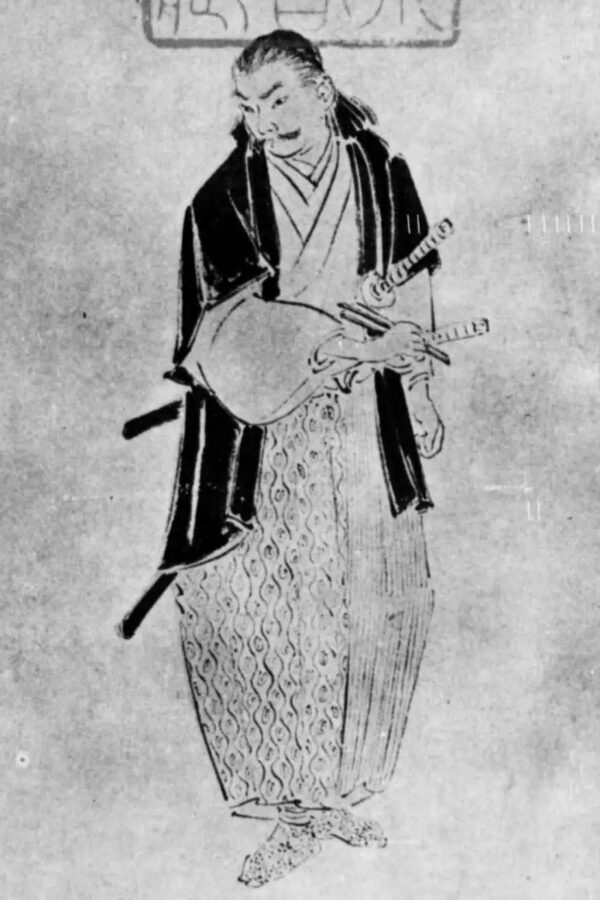
The school was smaller than its fame: Hakuseki says Shōsetsu rented a back-alley house in Kanda Renjaku-chō, taught in three rooms and lived in two. He took bannermen and domain samurai as pupils but refused daimyo, and his students thought the world of him.
He also had a gift for useful stories. He claimed descent from Kusunoki Masashige, the loyalist hero of the 14th century, and his enemies said the Kusunoki strategy book he taught from was stolen from his own teacher.
The plan
Shōsetsu’s plan survives only in outline, because the shogunate’s own record of the case is lost. In Edo, his partner Marubashi Chūya would set fire to the shogunate’s gunpowder store at Koishikawa and to the city, and the conspirators would shoot down the senior councillors and other officials as they hurried to the castle.
In Sunpu, Shōsetsu himself would seize Kunōzan, where Ieyasu’s treasure was kept, and then Sunpu Castle. Fires were to follow in Kyoto and Osaka. One account adds poisoning the Edo water supply, and some have the rebels getting into Edo Castle disguised as retainers of the Kii branch of the Tokugawa.
Shōsetsu seems to have recruited by promising jobs, letting it be understood that Tokugawa Yorinobu, lord of Kii, would hire the men who joined. After the arrests several rōnin came forward to say they had only been told they were being found a position. Sources put the number drawn in at around 1,500 or 2,000.
The night of the 23rd
It fell apart before it started. Shōsetsu left Edo for Sunpu on the 22nd day of the seventh month, and Marubashi was arrested in Edo on the 23rd, though one standard reference gives the 22nd.
How the plot leaked is one of the places where the languages disagree. English-language accounts usually say that Marubashi fell ill and gave the game away raving in a fever. Japanese sources name the informers, Okumura Hachizaemon and his kinsman among them, and one of them adds that the shogunate had planted its own men among Shōsetsu’s pupils long before.
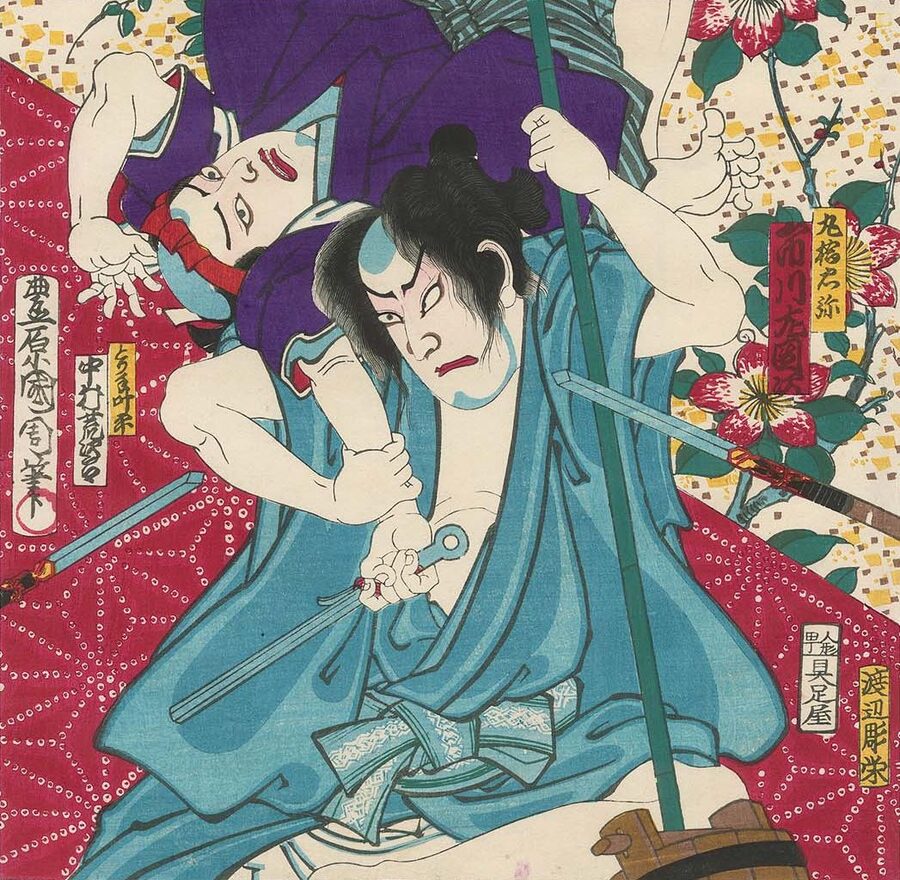
The arrest itself became a legend. Marubashi was a master of the Hōzōin-ryū spear with a school at Ochanomizu, and the officers expected him to fight.
So, the story goes, they burned green bamboo outside his house until it cracked like a blaze, shouted “Fire!”, and seized him when he ran out without a weapon. The tale was circulating very early, which does not make it true but does make it old. Fifty years later the 47 Rōnin would shout “Fire!” at Kira’s mansion too, so it was clearly a reliable way to get a samurai out of bed.
Shōsetsu reached Sunpu on the 25th and took rooms at an inn called the Umeya. Orders from Edo arrived the same day, and that night the magistrate’s men surrounded the inn. His party claimed to be retainers of the lord of Kii and refused to come out until it was light.
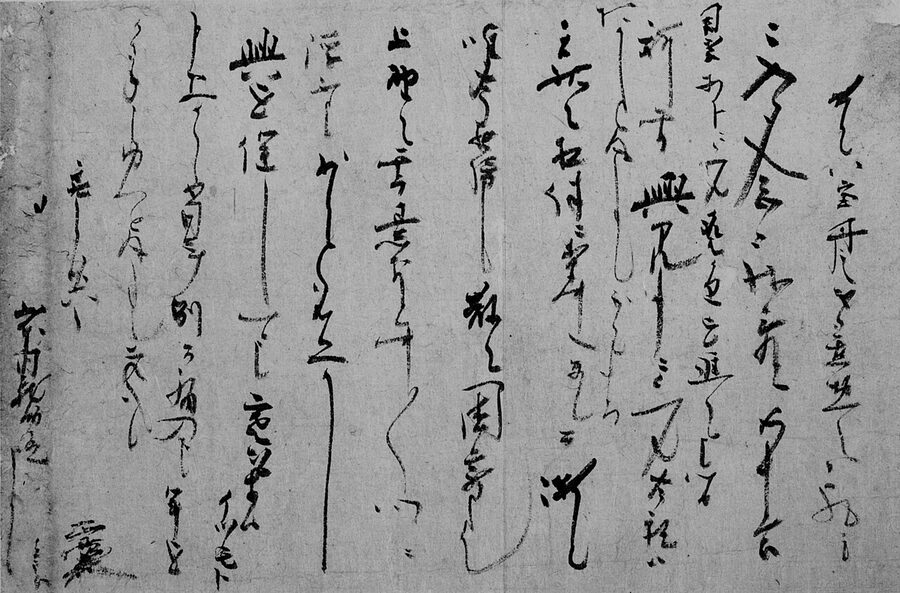
When the officers finally went in on the morning of the 26th, Shōsetsu and seven of his companions had killed themselves. Two men were taken alive. His farewell letter, which survives only in copies, said that the government had become unjust and high and low alike were suffering, that he had meant to remove the senior councillor Sakai Tadakatsu and put proposals before the shogun, and that he would then have accepted any punishment.
What the shogunate did with them
The punishments were ferocious, as was normal. Shōsetsu’s head was exposed on the bank of the Abe River, and on the 10th day of the eighth month Marubashi was crucified at Shinagawa with members of his own family and Shōsetsu’s father, wife, brother and uncle, more than thirty people in all.
The man who arrested Marubashi is the most interesting figure in the case. Ishigaya Sadakiyo had been made Edo’s northern town magistrate only five weeks earlier. He had fought at Shimabara, been wounded storming the castle and been punished for disobeying orders, and he was famous as a kind man from a poor family who spent his own stipend hiring rōnin and finding them work.
The next year he arrested the next lot too, led by another rōnin teacher of military science, Betsugi Shōzaemon, once a 200-koku retainer of Echizen Ōno. He and four others planned to set fires and kill the senior councillors at Zōjō-ji in the ninth month of 1652, during the memorial service for Hidetada’s widow, Sūgen-in. They were betrayed, arrested on the 13th day and crucified at Asakusa on the 21st, and five days into all this the era name was changed, which is why it is remembered as the Jōō Incident although it was planned in the last days of Keian.
Keeping dead lords alive
The government drew the obvious conclusion. If abolished houses made rōnin, stop abolishing so many houses. On the 11th day of the twelfth month of 1651, five months after Shōsetsu’s death, the shogunate lifted the ban on matsugo yōshi (末期養子), the adoption of an heir by a lord already on his deathbed.
Who deserves the credit depends on what you read. English-language accounts follow an older Western history in giving it to Abe Tadaaki, who is said to have talked the council out of simply expelling every rōnin from Edo and into removing the causes instead. Japanese accounts usually give the lead on the adoption rule to Hoshina Masayuki, Iemitsu’s half-brother and the young shogun’s guardian, while crediting Abe and his colleagues with the wider change of course. I suspect both stories are true.
The new rule was not generous. Only a lord between seventeen and fifty could adopt on his deathbed, and an official had to come to the bedside to confirm that he was alive and meant it. The age limits were loosened over the following decades, and the bedside inspection, as the Japanese sources put it with a straight face, gradually became a formality.
What happened next is my favourite chapter of Japanese administrative history: faced with a choice between losing a domain and lying to the shogunate, a great many houses lied, and the shogunate, which no longer wanted the rōnin, frequently helped.
On the 15th day of the eighth month of 1747, Hosokawa Munetaka, lord of Kumamoto, was cut down inside Edo Castle by a bannerman who had mistaken him for someone else. He had no heir. Date Munemura of Sendai insisted loudly that Munetaka was still breathing, so the Hosokawa carried their dead lord home for “treatment”, filed papers adopting his younger brother, and announced the next day that, despite every effort, he had died.
In 1744 the Sakakibara of Takada lost a ten-year-old lord who had not yet been presented to the shogun, and with official permission they replaced him with his younger brother under the dead boy’s name. Similar substitutions happened at Usuki, Tsushima, Morioka and elsewhere, and even at Akō, the 47 Rōnin’s old domain, in 1827, under its later rulers, the Mori. The record of Japan’s feudal houses has more resurrections in it than most scripture.
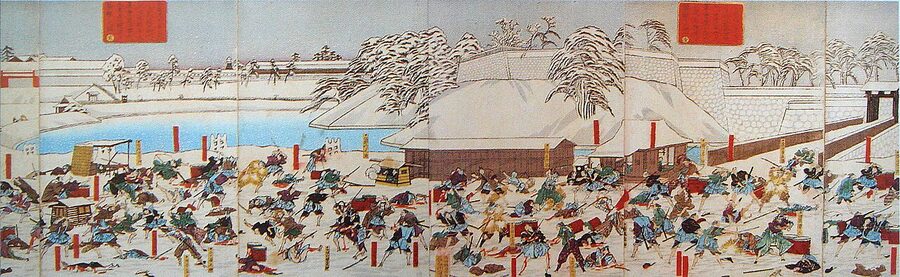
The most famous corpse belonged to the shogunate’s chief minister. When Ii Naosuke was killed outside the Sakurada Gate on the 3rd day of the third month of 1860, the shogunate announced that he had been wounded and was resting. His house filed for his son to inherit a week later, and his death was not made public until the end of the following month, so his grave still carries an official date of death more than three weeks after his murder.
The other way out that was closed
You will often read that a samurai was expected to follow his lord in death by seppuku, and that a rōnin was a man who had lacked the nerve. The record says almost the opposite.
Following a lord who died in his bed, called junshi (殉死), was almost unknown before 1600, and a chronicle of the 1390s calls one case unheard of. It became a fashion in the early Edo period, when there were no battles left to die in: fifteen men killed themselves when Date Masamune died in 1636, and five more killed themselves for them. Eighteen followed Hosokawa Tadatoshi of Kumamoto in 1641.
The government thought it a waste of talent, and in the fifth month of 1663 told every daimyo that it was “improper and useless” and forbidden. When an Okudaira retainer did it anyway in 1668, his sons were executed and the Okudaira were moved to a poorer domain, which ended the debate. Far from being expected to die with his lord, a samurai of the later Edo period was expected to serve the house, whoever headed it, and the bushidō writing of the 18th century was composed for men in that position.
Making a living without a lord
Legally a rōnin occupied an odd middle ground. He was no longer on any samurai register, but he kept the right to a surname and to wear two swords, which marked him as a warrior to anyone in the street. In Edo he lived where commoners lived, usually in a rented room in a back-alley tenement, and he answered to the town magistrate like any shopkeeper.
Some took the obvious road down: the gambling dens, the protection rackets and the highway all employed rōnin. Others sold their armour, then their swords, and in the worst cases their daughters, and some starved.
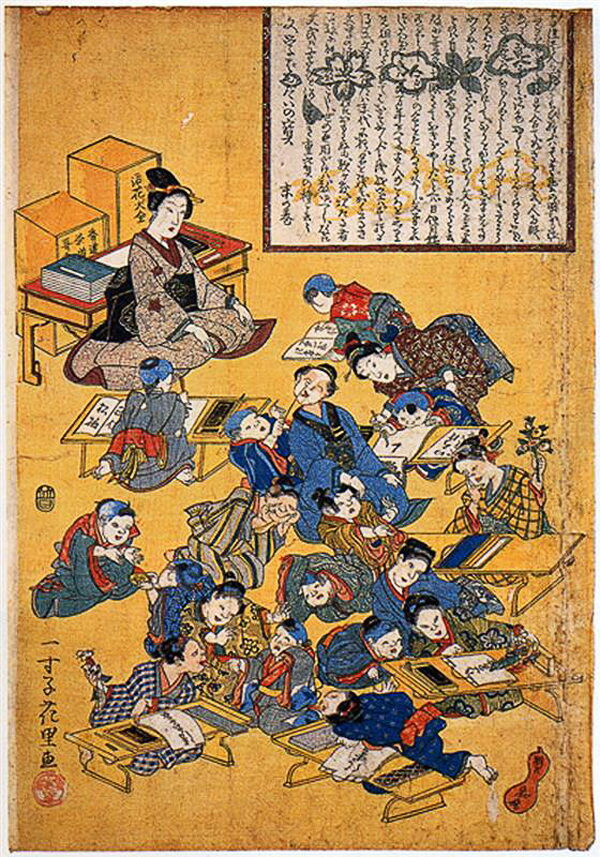
But the larger story is the opposite one. After Shimabara there were no more wars to be hired for, and what got a rōnin a post was learning: military science, Confucian philosophy, medicine, mathematics. A remarkable number of the great minds of the Edo period came out of their ranks.
Arai Hakuseki, the scholar who later recorded the gossip about Yui Shōsetsu’s father, was a rōnin twice in his youth and is said to have turned down a rich merchant’s offer to marry into the family. He ended up as the chief adviser to the sixth shogun. The haiku poet Matsuo Bashō and the playwright Chikamatsu Monzaemon both came out of warrior service, which is why Japanese reference works list them alongside the swordsmen.
Lower down, rōnin opened fencing schools, part of the deep background of modern kendo, and taught shopkeepers’ children in terakoya. A very few were officially rōnin while doing the shogunate’s work: the Yamada family, who tested the shogun’s swords on the bodies of executed criminals and beheaded condemned prisoners as a sideline, did the job for generations as rōnin, never as bannermen.
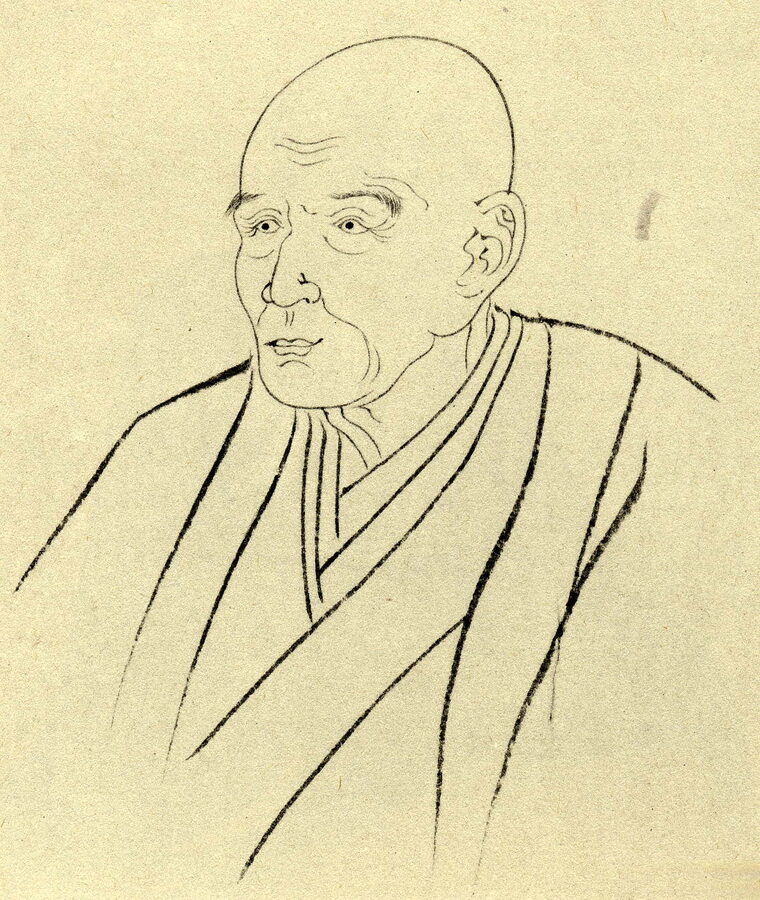
Musashi, the rōnin who never needed a job
The most famous rōnin of all is Miyamoto Musashi, and the popular picture of him is a poor wanderer who could never find a lord worthy of him. Japanese historians are less romantic. There is some truth in the picture, but for most of his adult life he was the owner of a busy fencing school with plenty of students and enough money and leisure to paint.
He worked with the great houses without belonging to them: in Akashi he is credited with helping lay out the new castle town, and his adopted son Iori rose to be chief retainer of the Ogasawara at Kokura.
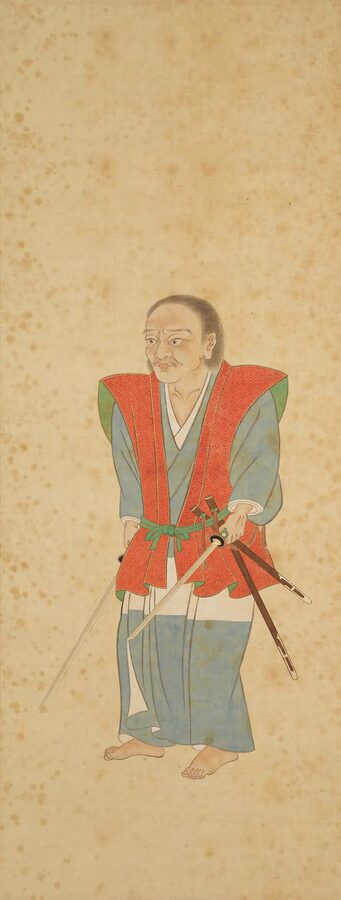
In the eighth month of 1640 the lord of Kumamoto, Hosokawa Tadatoshi, took him in on an allowance of seven men’s rations and eighteen koku, raised by the next lord to 300 koku. He was treated as a guest, not a retainer, and given a house among the senior samurai. He died in Kumamoto on the 19th day of the fifth month of 1645, with the Book of Five Rings finished, and the funeral was arranged by one of the domain’s senior councillors. As unemployment goes, it was a comfortable one.
The forty-seven, briefly
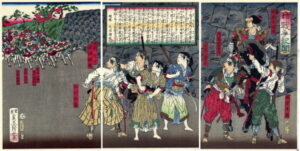
The rōnin everybody knows did not make a living at all. When the lord of Akō was ordered by Tokugawa Tsunayoshi to kill himself in 1701 and his house was abolished, some three hundred samurai lost their stipends in an afternoon, and forty-seven of them spent the next twenty-one months planning the night raid on Kira Yoshinaka’s mansion. I have told that story in full in the 47 Rōnin article, and it does not need retelling here.
What matters here is how ordinary their starting position was: unemployed men from an abolished domain, living under false names in Edo, exactly the people the shogunate had been worrying about for a century. They became heroes because they chose to die rather than drift, which is exactly what the man at Sengaku-ji in 1868 was trying to borrow from them.
Runaways: the rōnin who brought down the shogunate
In the 19th century the word changed sides. After Perry’s black ships arrived in 1853 and the shogunate began to look helpless, a generation of young samurai decided that their duty to the country outranked their duty to their own lords. To act on it they needed to be free of the domain, so they ran away.
The act is now called dappan (脱藩), “leaving the domain”, but the word seems to be a Meiji coinage; the earliest examples in the big Japanese historical dictionary date from 1869. Mitford, writing in 1871, understood the point perfectly: sometimes, he noted, a man became a rōnin “in order that his lord may not be implicated in some deed of blood in which he is about to engage.”
Sometimes the deed of blood came first. On the 3rd day of the third month of 1860, in falling snow outside the Sakurada Gate of Edo Castle, eighteen men, seventeen of them Mito samurai who had formally cut their ties to the domain, attacked the procession of the chief minister, Ii Naosuke, and took his head. A domain cannot be blamed for its rōnin, which was the point.
The domains were often relaxed about it. Chōshū punished so lightly that Takasugi Shinsaku is credited with running away somewhere between five and ten times. Yoshida Shōin left without a travel permit in 1851 because he wanted to see the north and could not wait for the paperwork.
Ryōma’s road over the mountains
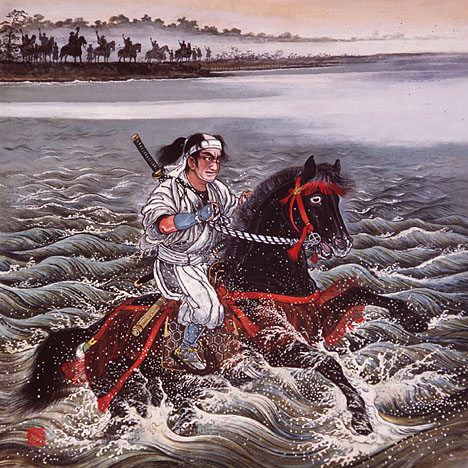
The most famous runaway was Sakamoto Ryōma, a low-ranking country samurai of Tosa. On the night of the 24th day of the third month of 1862, with his friend Sawamura Sōnojō, he left the castle town at Kōchi heading west into the mountains. His elder brother had guessed what he was planning and taken away his swords; family tradition says his sister Otome stole one of the brother’s best blades and gave it to him.
The next day he was at Yusuhara, near the border with Iyo, where Nasu Shunpei and his son Shingo guided him past the guard posts and over the Nirogatō pass, 955 metres up on the spine of Shikoku. Two weeks later Shingo had run away himself, after helping to assassinate Tosa’s chief minister, Yoshida Tōyō.
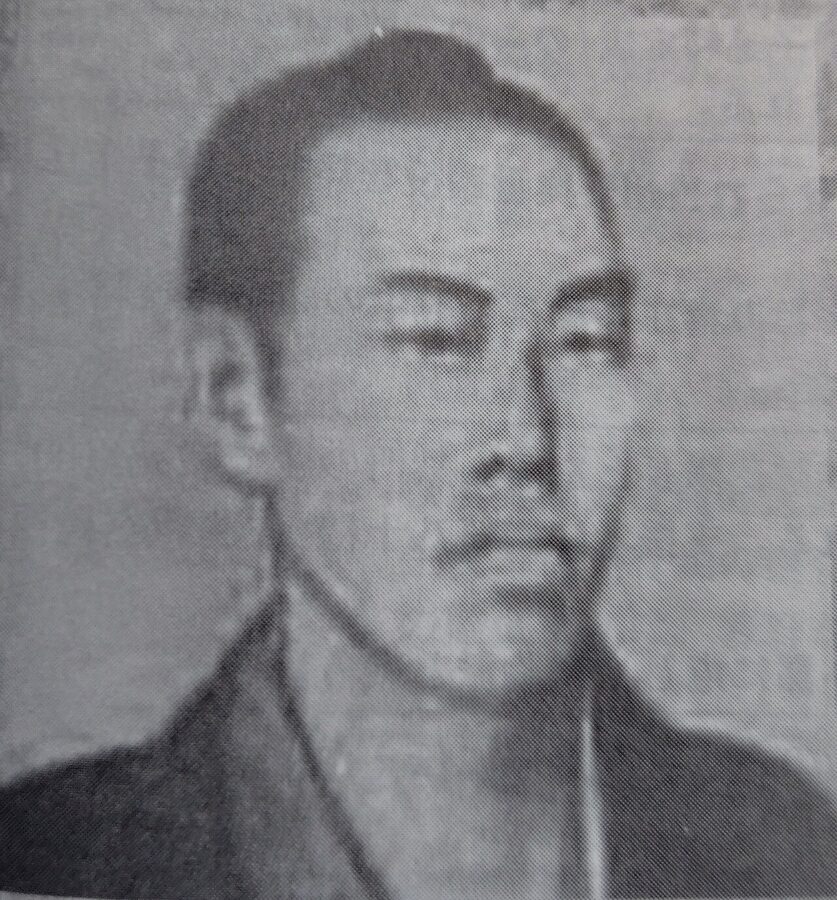
Ryōma’s crime was forgiven. On the 25th day of the second month of 1863, after Katsu Kaishū put in a word with the retired lord of Tosa, his offence was pardoned; in 1864 he refused an order to come home and became a runaway again; and in 1867, when Tosa needed his ships and his contacts, the domain pardoned him a second time.
The Rōshigumi: hiring the problem
The shogunate’s most inventive idea was to hire the rōnin to guard against the rōnin. Kiyokawa Hachirō, a country samurai’s son from Shōnai who taught both learning and swordsmanship in Edo, proposed in 1862 that the government raise a force of masterless men to escort the shogun Iemochi on his visit to Kyoto. Recruits were promised that past crimes would be pardoned, and anyone handy with a sword could join, regardless of rank or birth.
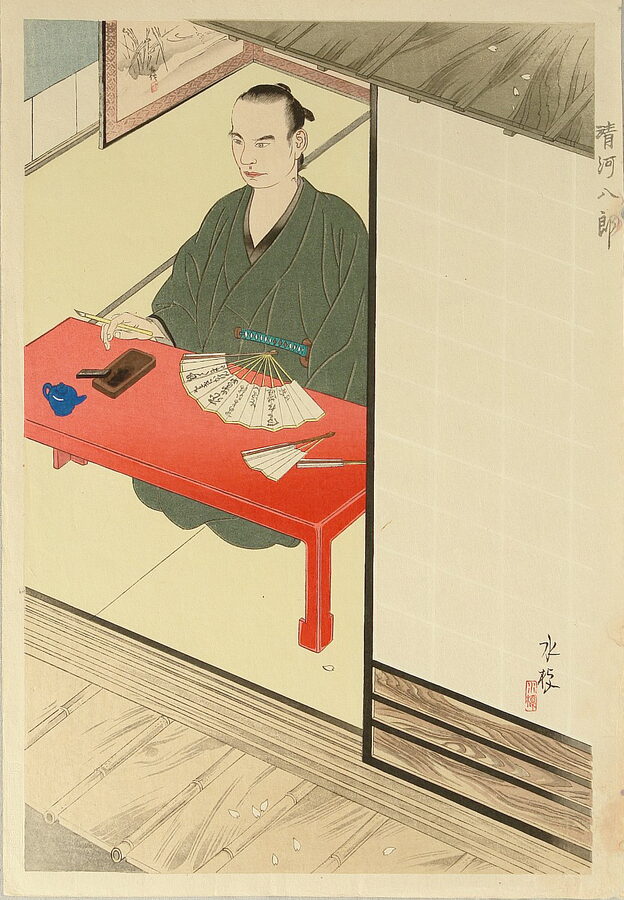
Far more men turned up than expected, and on the 8th day of the second month of 1863, 234 rōnin marched out of the Denzū-in temple in Koishikawa and up the Nakasendō, a mixed bag that included Kondō Isami, Hijikata Toshizō and a gang boss under an assumed name. They reached Mibu, outside Kyoto, on the 23rd.
That night Kiyokawa revealed that he meant to put the force at the disposal of the imperial court. The shogunate ordered the whole body home. Kiyokawa was cut down in the street at Azabu on the 13th day of the fourth month, and the men who had gone back with him became the Shinchōgumi, a patrol run by the Shōnai domain.
The men who stayed in Mibu became the Shinsengumi. They called themselves rōshi, but most of their leaders were farmers’ sons, and by the 1860s claiming to be a rōnin had become a career in itself. By the seventh month of 1867 the shogunate was posting notices ordering towns not to lodge self-styled rōnin, who were going round the country extorting money with menaces.
The rōnin had one last surprise. In 1868 Hayashi Tadataka, the twenty-year-old lord of the tiny domain of Jōzai in Kazusa, did something almost unheard of: he ran away from his own domain to fight for the Tokugawa in the Boshin War, and followed the war north as far as it went. He lost his domain for it, lived to see the Second World War begin, and when he died in 1941 he was the last surviving daimyo.
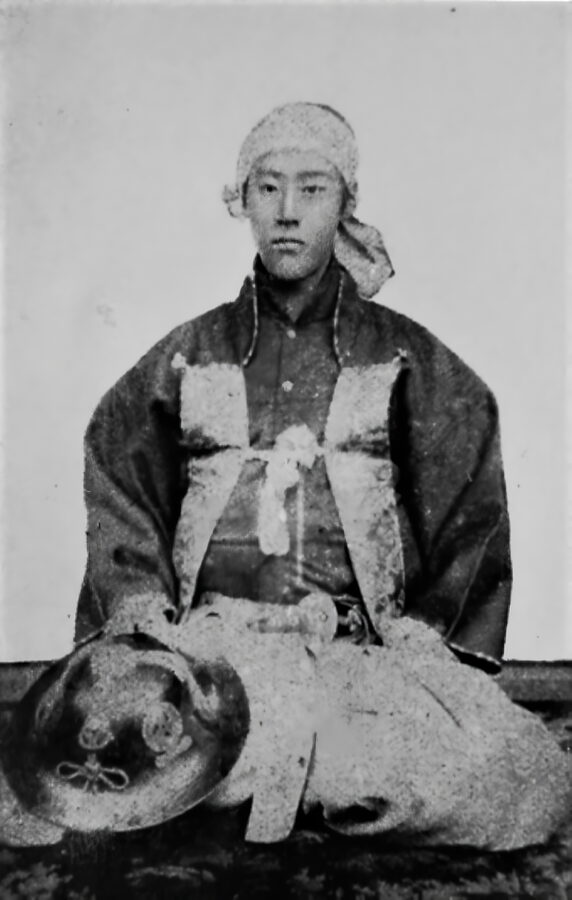
The Meiji Restoration ended the matter by abolishing the categories. The new government declared the four classes equal, the domains were abolished in 1871, and there were no lords left to be without. The word survived, and in the 20th century it was used for the “continental rōnin” who went off to Manchuria and Korea as adventurers, agents and worse.
Thirty years old, give or take: rōnin on stage and screen
The shogunate did not let real rōnin onto the stage under their own names. Marubashi Chūya appeared in 18th-century puppet plays as “Marigase Shūya”, and even Kawatake Mokuami’s Keian Taiheiki, staged in 1870 under the new government, used the old stage name at its first performance; only after it did his real name stick. The famous scene has a drunk Marubashi throwing stones into the moat of Edo Castle to measure how deep it is.
The cinema loved a hero with a sword and no obligations, who could walk into any story and out again. Makino Productions’ Rōningai, “Rōnin Street”, released in episodes in 1928 and 1929, set the tone for the silent era: shabby, funny, broke and lethal.
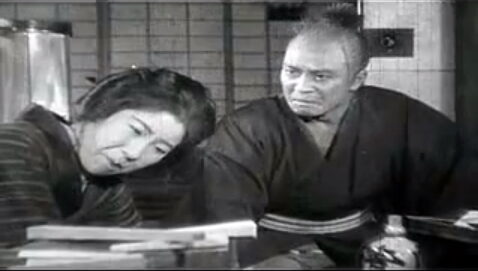
Kurosawa Akira gave the type its definitive form. In Seven Samurai (1954) Sengoku villagers, paying in rice, hire seven masterless men to fight off bandits. In Yojimbo (1961) Mifune Toshirō drifts into a silk town in 1860, finds two gangs at war and decides the place would be better off if they killed each other.
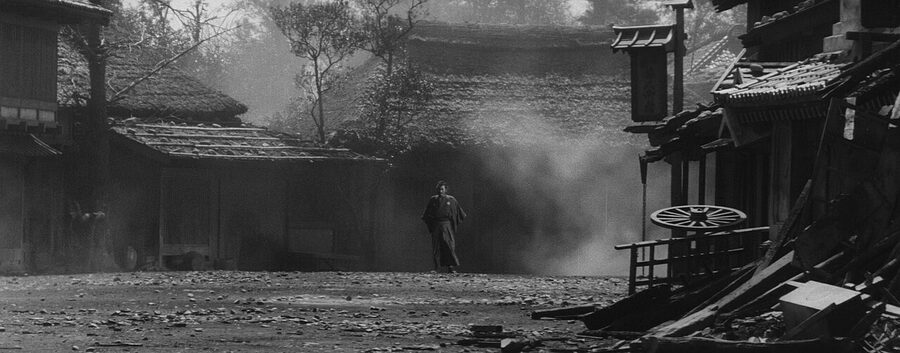
In Sanjuro (1962) Mifune returned, glanced at some camellias and became Tsubaki Sanjūrō. Its final duel sends a pump-driven spray of blood out of Nakadai Tatsuya, a trick copied so widely that European critics were soon complaining they had had enough of Japanese haemoglobin.
The best rōnin film of all is the least romantic. Kobayashi Masaki’s Harakiri (1962), from a 1958 story by Takiguchi Yasuhiko, is set in 1630 among the unemployed retainers of the Fukushima house of Aki, which the shogunate had broken up in 1619 for repairing Hiroshima Castle without permission. That attainder is real; so, the film supposes, is a racket that grew out of it.
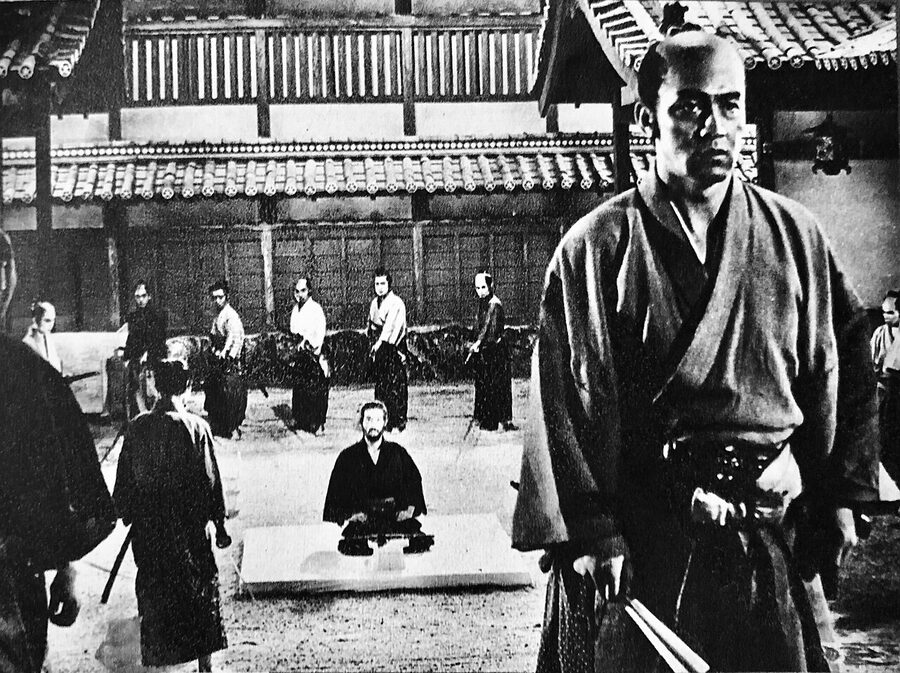
Starving rōnin ask a great house for permission to commit seppuku in its forecourt, expecting to be paid to go away. The Ii decide to make an example of a young man who tries it and force him through with it, and his blade turns out to be bamboo: he had pawned the real one. The rest of the film is the reckoning, as angry as Japanese cinema has ever been about the samurai.
The modern rōnin
The word is still in daily use, and the modern rōnin is eighteen. A student who fails the entrance examination for the university he wants and spends a year at cram school to try again is a rōnin, or rōnin-sei; two years makes him a ni-rō. In the 1990s somewhere between thirty and forty per cent of each year’s university entrants had spent at least a year as rōnin.
The proportion has fallen with the birth rate, to about 21 per cent in the government’s 2018 school survey. There is also the kamen rōnin, the “masked rōnin”, who enrols somewhere safe and quietly studies for another exam, which is the closest thing modern Japan has to Shōsetsu’s recruits being told they were being found a job.
Where to see the rōnin today
The rōnin left no buildings of their own, only the places where they died, were buried, made their stand or crossed a border. Each of these makes a half-day at most, and several are free.
Sengaku-ji, Takanawa
Sengaku-ji (泉岳寺) is at Takanawa 2-11-1 in Minato, three minutes from Exit A2 of Sengakuji Station on the Toei Asakusa and Keikyū lines, or five from the north gate of JR Takanawa Gateway. The gate is open daily from 7:00 to 16:00.
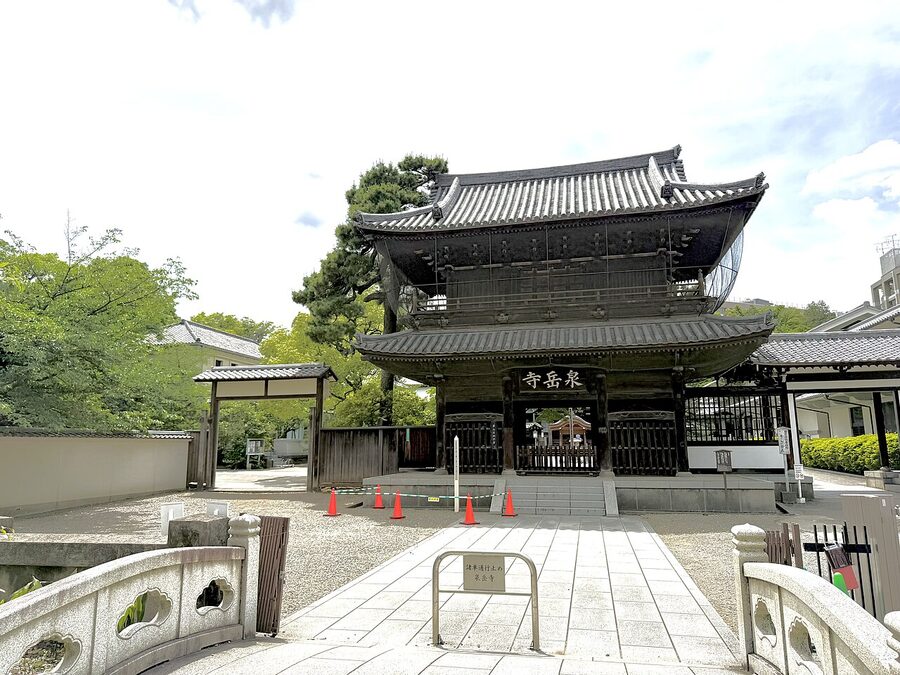
The temple asks for ¥500 for incense at the graves. The Akō Gishi Kinenkan, the small museum of the raiders’ belongings, is open 9:00 to 15:30 and costs ¥500 for adults, ¥400 for secondary school students and ¥250 for children over ten; it sometimes closes for about forty-five minutes at lunchtime.
Suzugamori execution ground, Shinagawa
Marubashi Chūya is said to have been the first man executed at Suzugamori (鈴ヶ森刑場跡), which opened in 1651, the year of the plot. It sat on the Tōkaidō at the southern entrance to Edo, by the usual explanation as a warning to the rōnin coming up the highway. Over 220 years somewhere between 100,000 and 200,000 people are said to have died there, though nobody kept a reliable count.
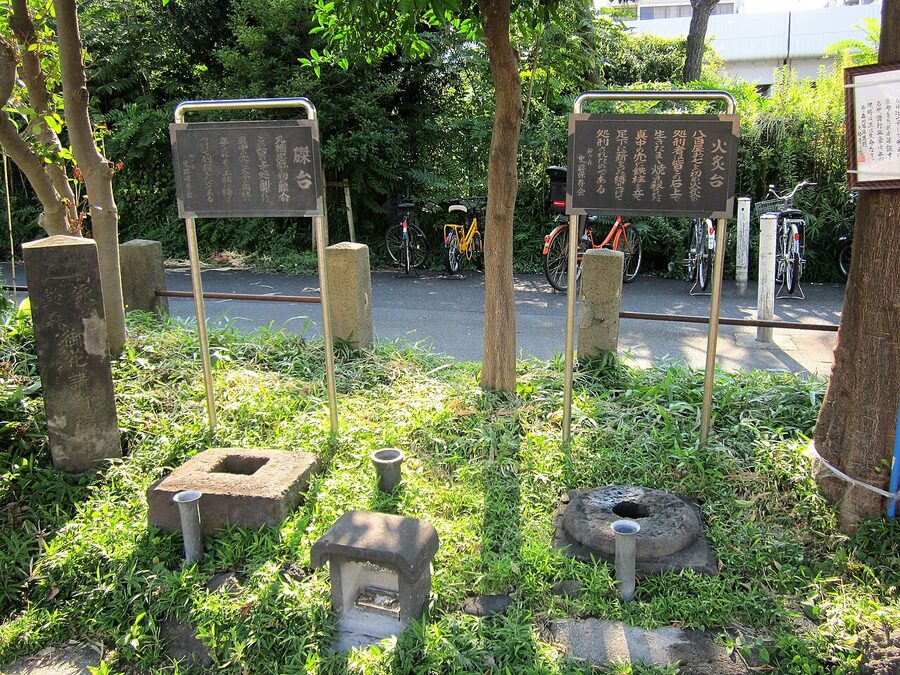
The site is in the grounds of Daikyō-ji at Minami-Ōi 2-5-6 in Shinagawa, beside the First Keihin highway, about five minutes’ walk from Ōmorikaigan Station on the Keikyū line. It is free and open to walk around. It is small and grim and next to a busy road, and nothing about it has been prettied up, which I respect.
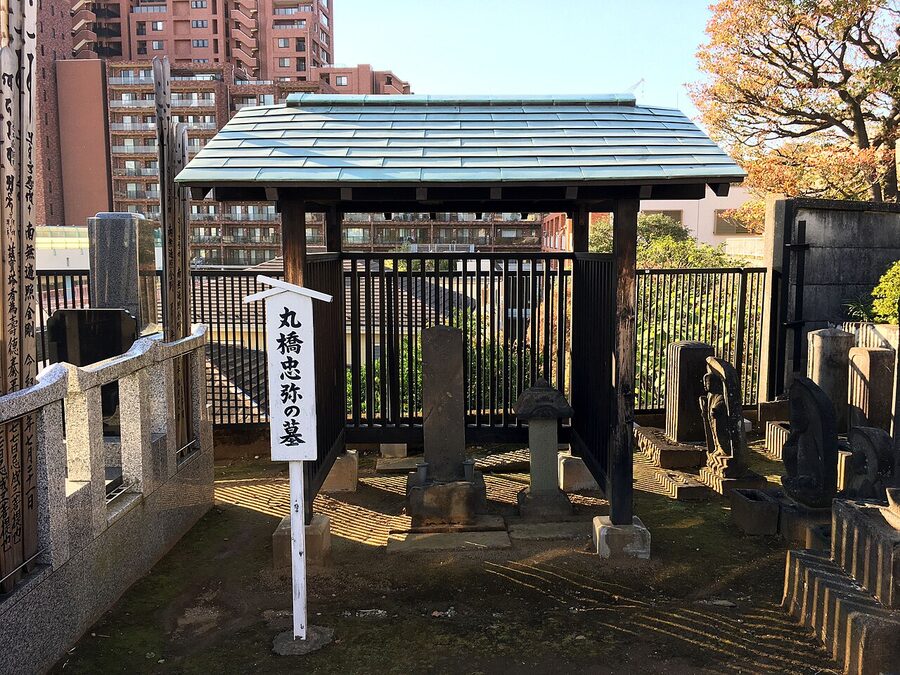
Marubashi has three graves, which is two more than most crucified men get: at Myōren-ji in Shinagawa, Jōgyō-ji in Isehara and, the one most people visit, Konjō-in in Takada, Toshima, near Gakushūin-shita on the Toden Arakawa tram.
Yui and Sunpu: Shōsetsu’s two towns
The old post town of Yui, now in Shimizu ward of Shizuoka, is one of the best Tōkaidō stations to walk. Halfway along, opposite the Yui Honjin Park, is Shōsetsu Kōya (正雪紺屋), an indigo dyer’s workshop that local tradition calls Yui Shōsetsu’s birthplace. Sixteen indigo vats are still sunk in the earth floor, buried to keep them at an even temperature.
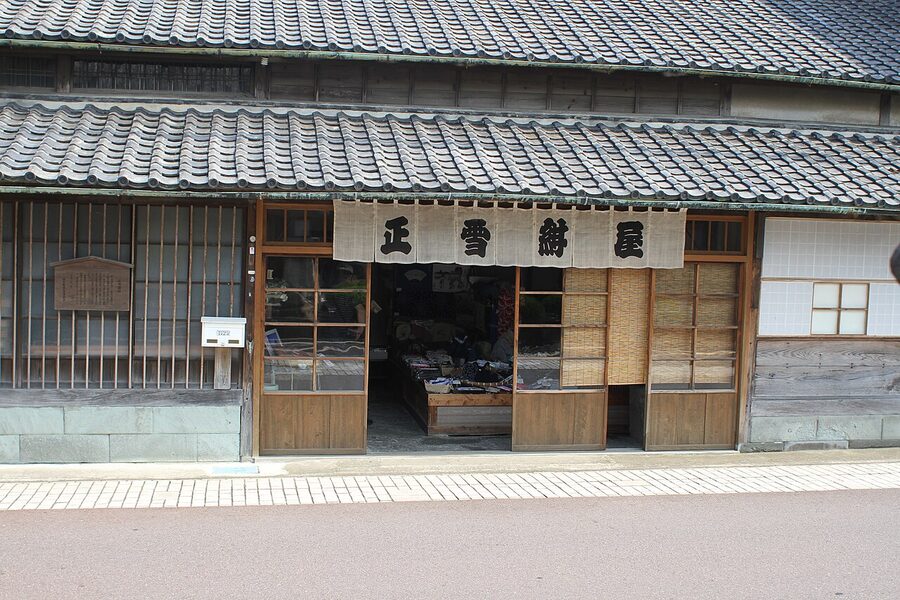
The shop is about 25 minutes on foot from JR Yui Station on the Tōkaidō Line.
Shōsetsu’s grave is in Shizuoka city, at Bodaiju-in (菩提樹院) in Kutsunoya, Aoi ward. It stood in the old temple district of Sunpu, where the rōnin novelist Kyokutei Bakin went to look at it in 1802, and moved with the temple after the war.
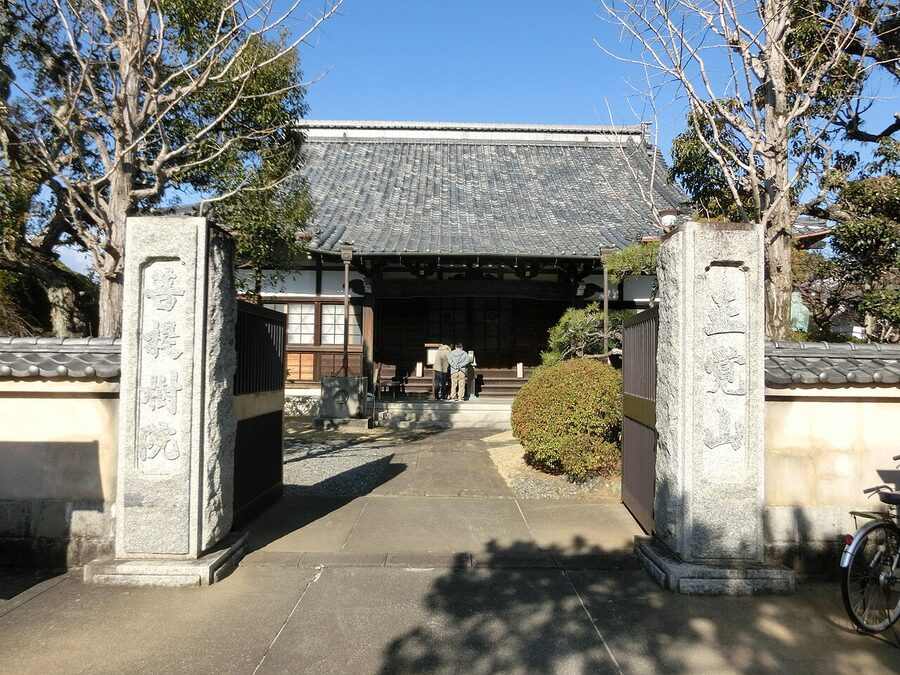
It is in a residential district away from the centre, easiest by taxi, and a working temple, so keep your voice down.
The Sanada-maru, Osaka
Nothing is left of the Sanada-maru except the slope it stood on, south of the castle, so bring some imagination. Start at Tamatsukuri Station on the JR Loop Line or the Nagahori Tsurumi-ryokuchi subway line.
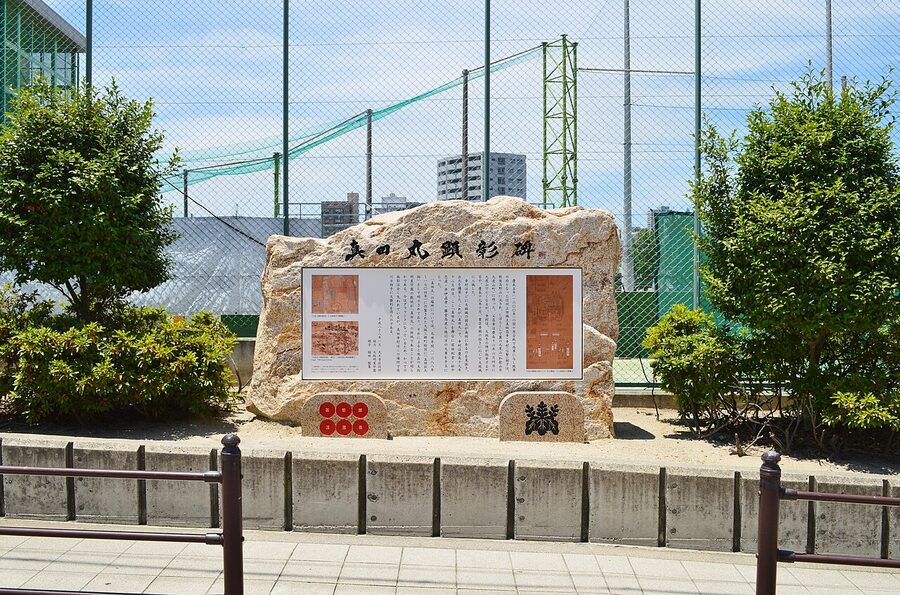
The stone stands on the edge of the Meisei Gakuin school grounds in Tennōji ward. A few minutes’ walk away is Sankō Shrine (三光神社) on Sanada-yama, about five minutes from JR Tamatsukuri, with a bronze Sanada put up in 1987 on a plinth of stone brought from the family temple. The grounds are free.
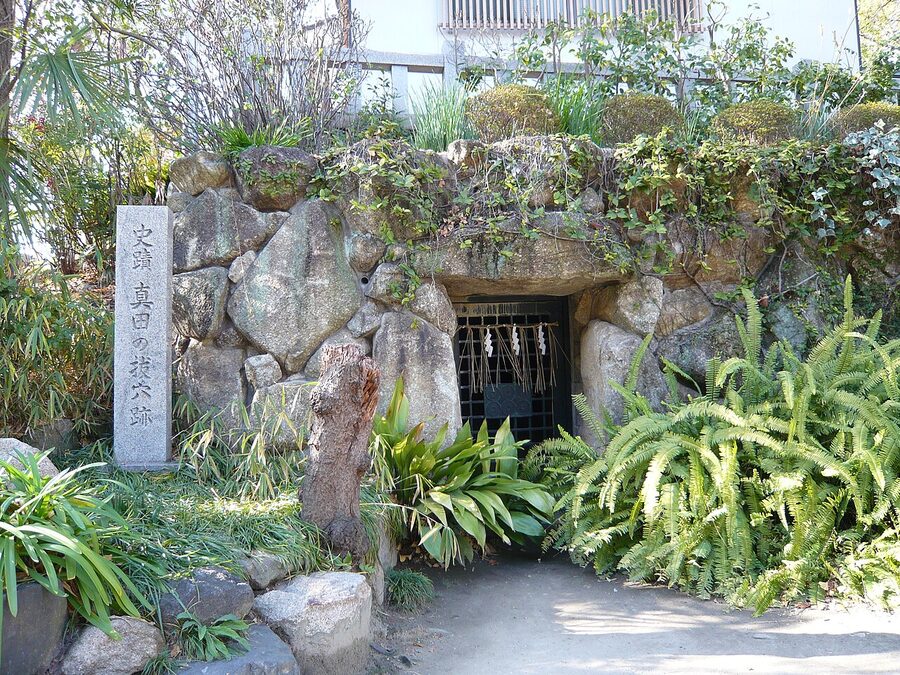
Shingan-ji (心眼寺), eight minutes’ walk south-west of the subway station at Tamatsukuri, was swallowed by the fort in 1614 and destroyed with it after the peace. It was refounded in 1622 to pray for Sanada and his son Daisuke, and it uses the Sanada six-coin crest as its own.
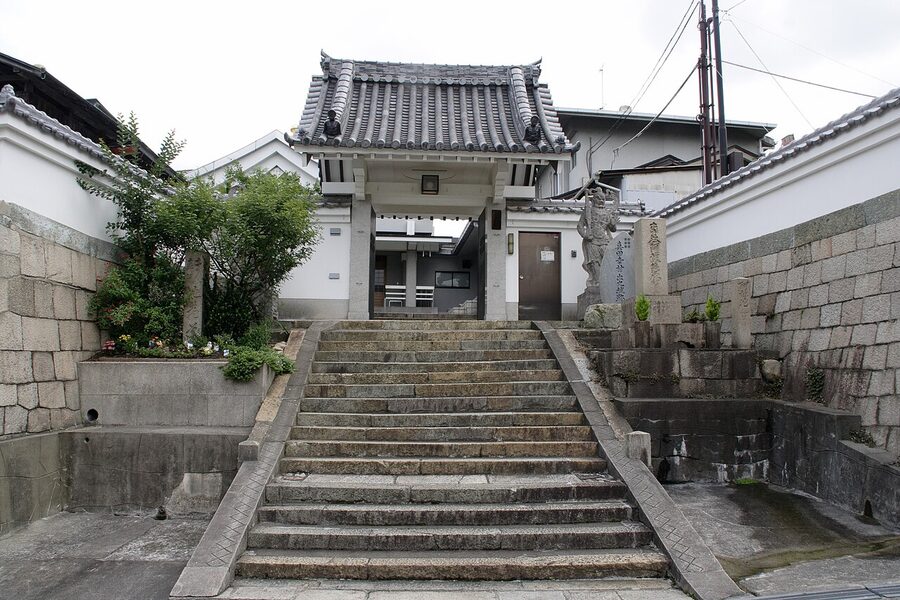
That is the oddest pairing on this whole list: the rōnin general who nearly beat the first shogun, and two of the men who killed the runaway who helped bring down the last one. Then walk up to the castle itself; the Osaka Castle article has the full visit, and the keep museum’s own site has the current hours and prices.
Mibu-dera and Shintoku-ji, Kyoto
Mibu-dera (壬生寺) is where the Rōshigumi were billeted in 1863 and where the Shinsengumi drilled. The Mibuzuka, the island of Shinsengumi graves reached through the Amida hall, is open 9:00 to 16:00 and costs ¥400 for adults and ¥200 for school students, including the small history room under the hall. It is about ten minutes’ walk from Hankyū Ōmiya or Randen Shijō-Ōmiya.
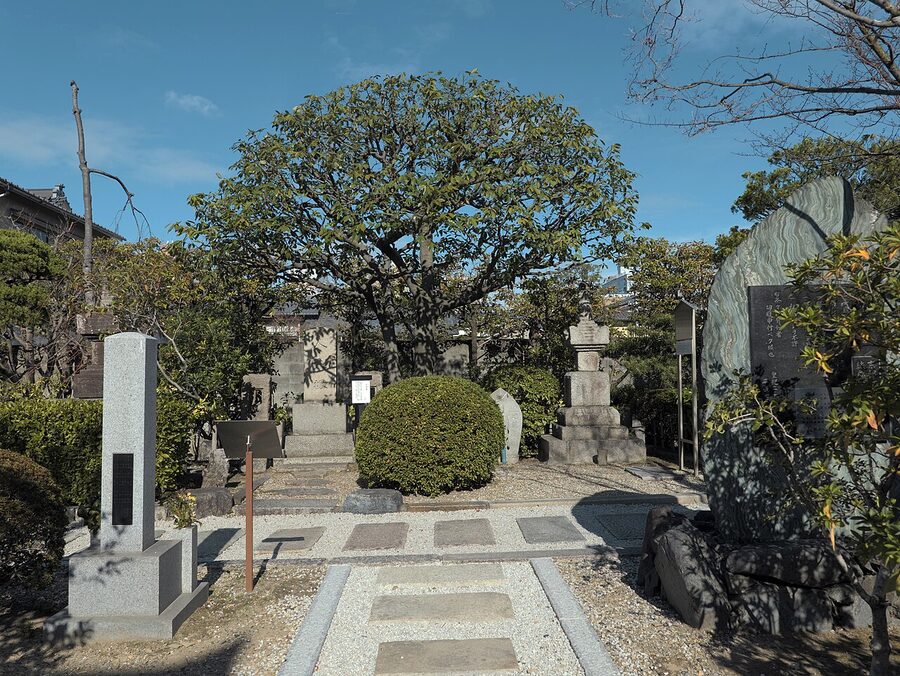
A few steps away is Shintoku-ji (新徳寺), where Kiyokawa made his speech on the night the Rōshigumi arrived; it is usually closed, so look at the gate. The Yagi house just north of the temple, the first headquarters, is the one to pay for. The Shinsengumi article covers the Kyoto sites properly, and Mibu-dera is best combined with the walk to Nijō Castle, half an hour north.
Yusuhara and the Nirogatō pass, Kōchi
Yusuhara (梼原) is a mountain town in western Kōchi, reached by bus from Susaki on the JR Dosan Line, and it has built its tourism around the night Ryōma passed through. Allow a full day from Kōchi city. The town has signposted a walking route through the Ryōma sites, and in the Kawanishiji district stands the Ishin no Mon (維新の門), a bronze group of Ryōma and seven local loyalists put up in 1995, turned to face the pass.
The pass itself, Nirogatō (韮ヶ峠), is on the prefectural border at 955 metres, now reachable by road. Most people drive, and in winter you should check the road is open. The local guiding society runs walks on request, with a week’s notice, at ¥3,000 per guide for the town course.
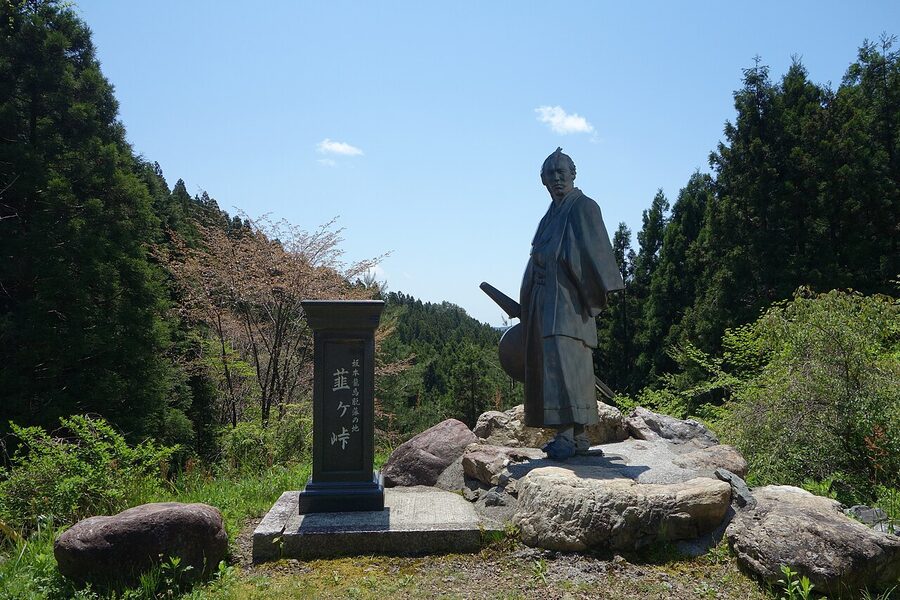
It is a long way to come for a statue on a hill, but it is the only place on this list where you can stand where a rōnin chose to become one, rather than where somebody else decided it for him, and I think that is worth the bus.
Two hundred yards from the graves
Mitford’s rōnin died in September 1868. Within weeks the era name changed to Meiji; within three years the domains were gone; within ten the last of the old warriors had been beaten at the end of the Satsuma Rebellion. The world that would not employ him was being dismantled while he knelt there, partly by men who had walked out on it.
What the shoguns had feared for two and a half centuries was the man with a sword and nothing to lose. What they got in the end was the man with a sword and something to win, which was much worse for them. The government they served and plotted against has its own story in the Tokugawa shogunate and Edo era articles.
If you go to Sengaku-ji, go early, before the smoke from the incense thickens over the graves. Find Chikara’s stone, the boy among the forty-seven, and stand there for a minute. Somewhere on that patch of ground a man once explained, in writing, that he would rather be dead than masterless, and two hundred yards away a foreigner took the trouble to write it down.