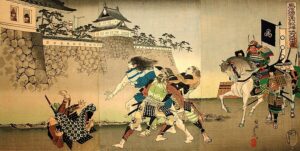
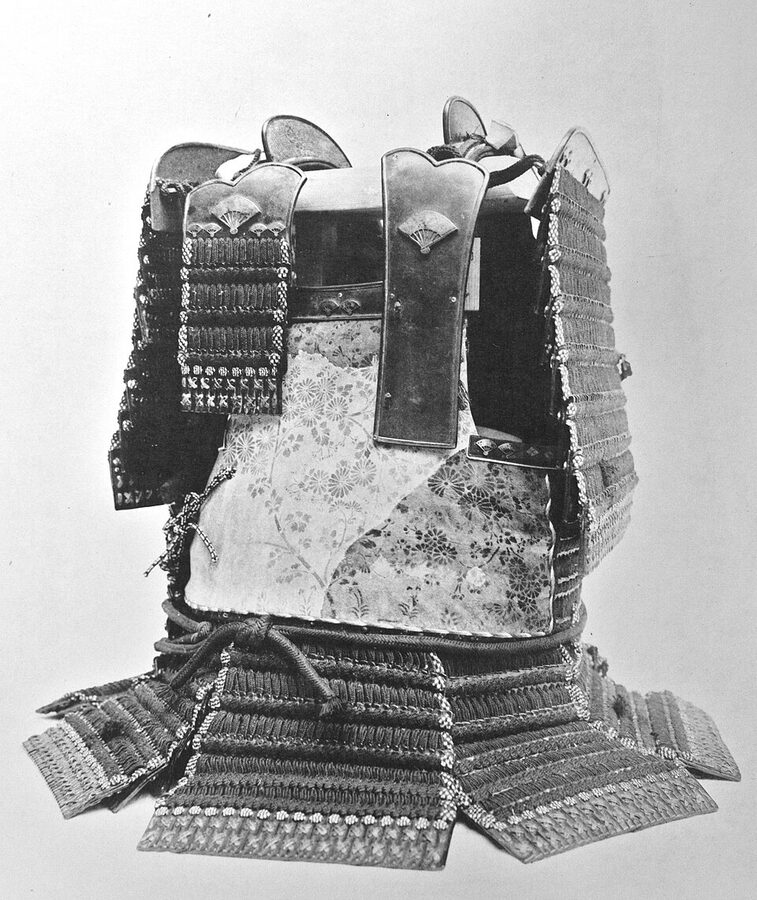
The only suit of armour in Japan made for a woman, as Ōyamazumi Shrine on the island of Ōmishima used to put it, became a woman’s armour in 1963. That was the year a descendant of the island’s hereditary priests looked at a Muromachi-period corselet in the shrine treasure hall, noticed that the chest swelled and the waist pinched in, and decided that its owner must have had a figure. Three years later he published a novel about her.
The armour is real, and so is the shrine, and you can stand in front of both. What you cannot find is a single document from the 16th century that mentions the girl, Tsuruhime, who is supposed to have worn it. That gap between a thing you can touch and a story nobody wrote down at the time runs through almost everything you will read online about samurai women, and I want to measure it, woman by woman.
So here is the rule I have set myself. For every woman in this piece I will tell you what the earliest source is and how far it sits from her lifetime, and I will leave out anything I can only find in listicles. Two of the best-known names already have long pieces of their own on this site, Tomoe Gozen and Hosokawa Gracia, so I will point you to them and spend the words on everyone else.
In This Article
- A word that Japanese does not use
- Estates, widows and the nun who ran Kamakura
- Castles held by wives
- Tsuruhime of Ōmishima
- Ii Naotora, or Jirō Hōshi
- Kaihime at Oshi
- Bones on the beach at Numazu
- The inner quarters
- Aizu, the eighth month of 1868
- From schoolroom to game screen
- Where to see the women’s history today
- Ōyamazumi Shrine, Ōmishima (Tsuruhime’s armour)
- Gyōda: Oshi Castle and the Ishida embankment
- Ryōtan-ji, Iinoya (Ii Naotora)
- Aizu-Wakamatsu and Aizubange (Nakano Takeko and Yamamoto Yae)
- Kamakura and Tainai: Masako and Hangaku
A word that Japanese does not use
Start with the vocabulary, because it gives the game away. The English internet calls these women onna-bugeisha, and you will look for that word in a Japanese historical dictionary in vain. The standard Japanese dictionaries carry onna-musha (女武者), “a woman in a warrior’s gear, a woman who fights in battle”, and the earliest example they give comes from the libretto of the Noh play Tomoe, written down in the late Muromachi period, three centuries after the battle it describes.
That is not a small point. The first time the Japanese language needed a word for a fighting woman, it found it on the stage. Kabuki later gave the type its own role category, the onna budō, and modern games call their armoured heroines hime-musha, “princess warriors”, which tells you exactly what they are for.
None of this means that women of the warrior houses never fought. They did, and some of them are better documented than several of the men in the ranked guide to Japan’s greatest samurai. It means the sources come in layers, and the outer layers are much thicker than the core.
The core is usually a chronicle or a letter written within a generation. The next layer is the Edo-period family histories and war tales, written a century or two later by people who wanted a good story or a good lawsuit. The outer layer is Meiji moral instruction, then 20th-century novels, television and games. Each woman below gets sorted into those layers, and you can decide for yourself how much weight she will bear.
Estates, widows and the nun who ran Kamakura
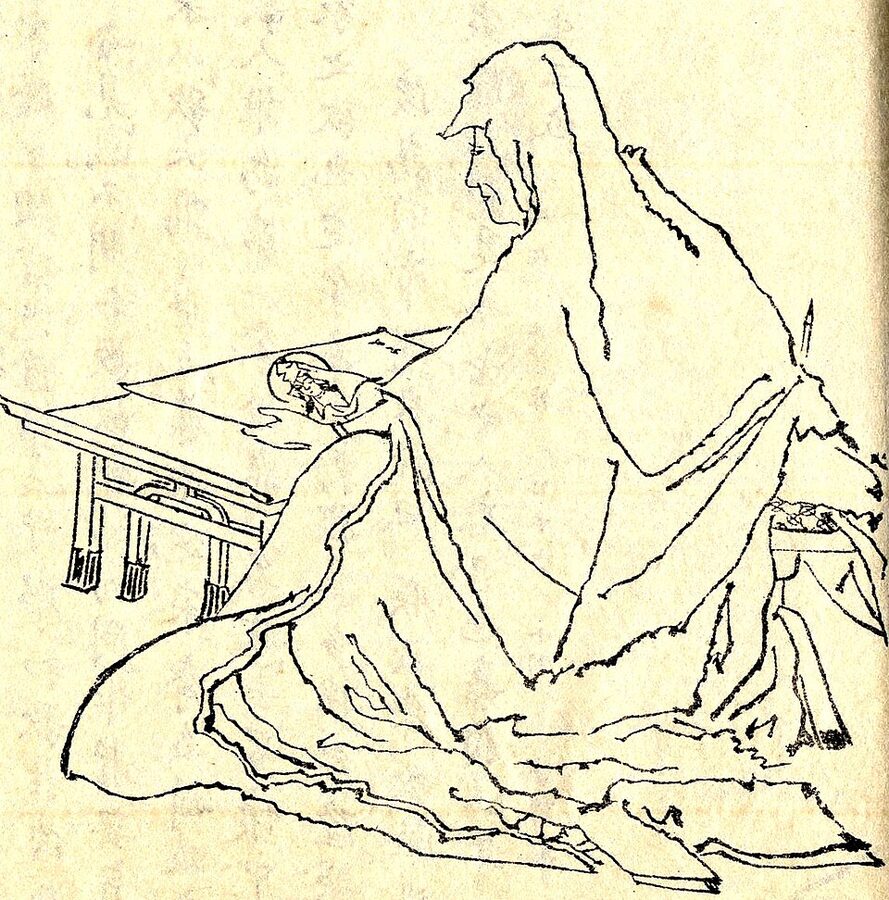
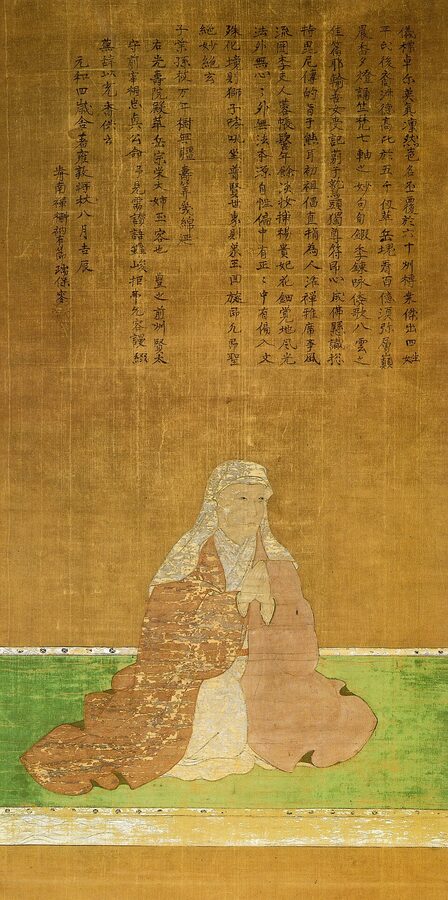
The most powerful woman in the history of the samurai never held a sword, and you probably know her as Hōjō Masako. She would not have recognised the name. “Masako” was given to her in 1218, when the court granted her rank and needed a formal name for the paperwork, and the combination “Hōjō Masako” is a modern habit; married women of her time were not usually known by their father’s surname and a given name. In her lifetime she was the Midaidokoro, the shogun’s lady, and after she took the tonsure the Ama-midai, the nun-lady.
She married Minamoto no Yoritomo while he was an exile in Izu, sometime around 1177, three years before he raised the revolt that became the Genpei War. The romantic version, in which her father promises her to another man and she slips out of the house and over a mountain to reach Yoritomo, comes from the Genpei Jōsuiki, a war tale of the 14th century, and the man she supposedly fled was not even in Izu until 1179. The Azuma Kagami, the shogunate’s own chronicle, has her recalling how she wandered through the dark and braved the rain to reach him, which is plainer and more believable.
What made her formidable was the law of the house she married into, not any skill at arms. The warriors of the Kamakura era divided their estates among all their children, daughters included, and women appear in the documents of the period as jitō, land stewards, in their own right. The shogunate’s code of 1232, the Goseibai Shikimoku, takes this for granted. Article 23 lets a woman adopt an heir to her own lands, noting drily that court law forbids it but the warriors have done it since Yoritomo’s day.
The code is just as clear about the limits. Article 24 says a widow who remarries must hand back the lands her husband left her, and article 18 lets parents take back what they have given a daughter, exactly as they could from a son. Over the next century the warrior houses began to give daughters land only for life, after which it returned to the main line. By the Muromachi period a bride took little more than a dowry.
Masako’s moment came in 1221, when the retired emperor Go-Toba declared her brother Yoshitoki an outlaw and called the eastern warriors to arms against the shogunate. On the 19th day of the fifth month she summoned the Kamakura vassals and reminded them that Yoritomo’s kindness to them was higher than the mountains and deeper than the sea. The army went west, Go-Toba lost, and he spent the rest of his life on the island of Oki.
Here the sources split in an instructive way. The Azuma Kagami, compiled around 1300, eighty years after the event, says Masako spoke from behind a blind and had her words read out by a vassal, Adachi Kagemori. The Jōkyūki, a war tale probably written within a decade or so, has her address the warriors herself. Japanese historians still argue about which is closer to the truth, and neither version needs her to pick up a weapon.
The best witness is a monk who disliked the whole business. Jien, the court’s leading cleric, wrote his history Gukanshō while Masako was alive and summed up the age as nyonin jugan no Nihon-koku: Japan, the country where women paint in the eyes. The phrase comes from the last stroke that brings a Buddhist statue to life, and he meant it about her and about the women who ran the court in Kyoto. It is the sharpest thing anyone wrote about her, and it was written by a contemporary.
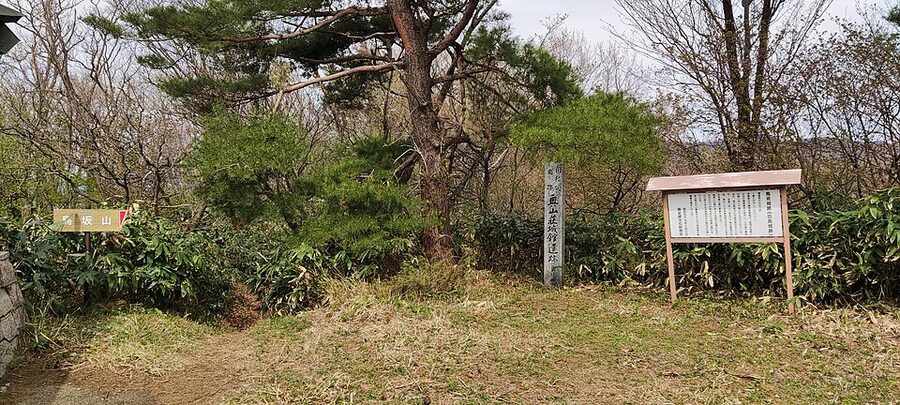
The other woman in the Kamakura record is the real archer. In 1201 Hangaku Gozen fought from a tower at Torisaka Castle in Echigo during a rising against the shogunate, was shot through both thighs, and was brought to Kamakura, where she walked through a crowd of vassals before the shogun without a flicker of fear. I have told her story in the piece on Tomoe, because the later Tomoe legends borrow so much from it.
Two things about Hangaku are worth adding, because the internet has been busy. Her source, the Azuma Kagami, was compiled about a century after 1201, and it compares her face to a famous beauty of Tang poetry. Yet for most of the 20th century Japanese dictionaries defined the word hangaku as an insult for a big, ugly woman, a meaning that grew out of an Edo-period misreading of that very passage.
The second thing is newer. You will find her height given online as six shaku two sun, about 188 centimetres. No chronicle gives her height at all, and Japanese researchers have not found the figure anywhere before the 2010s. It is a fact that was born on the internet and is now old enough to be repeated as tradition.
By the middle of the 14th century the evidence thickens a little. The courtier Tōin Kinkata noted in his diary on the third day of the sixth month of 1353 that an army marching on Kyoto included a good many women riders, though his point was that the force was weaker than rumour said. That is a contemporary diary, and it is about as far as the medieval record goes.
Castles held by wives
The Sengoku era produced the best evidence and the worst stories, often about the same castles. When men went to war for months at a time, the wives, mothers and widows left behind ran the household, which in a frontier castle meant the garrison. Most of the documented cases are defences, and most of the weapons are bows, guns and naginata from behind walls.
The cleanest example comes from a source with no interest in flattering women. On the second day of the third month of 1582, Oda Nobunaga‘s heir Nobutada stormed Takatō Castle during the destruction of the house of Takeda Shingen. Ōta Gyūichi, who served Nobunaga and wrote up his reign within a generation, records that the wife of the defender Suwa Katsuemon drew a sword and cut her way around the castle, “unrivalled work, a thing unheard of in any earlier age”. He did not know her name.
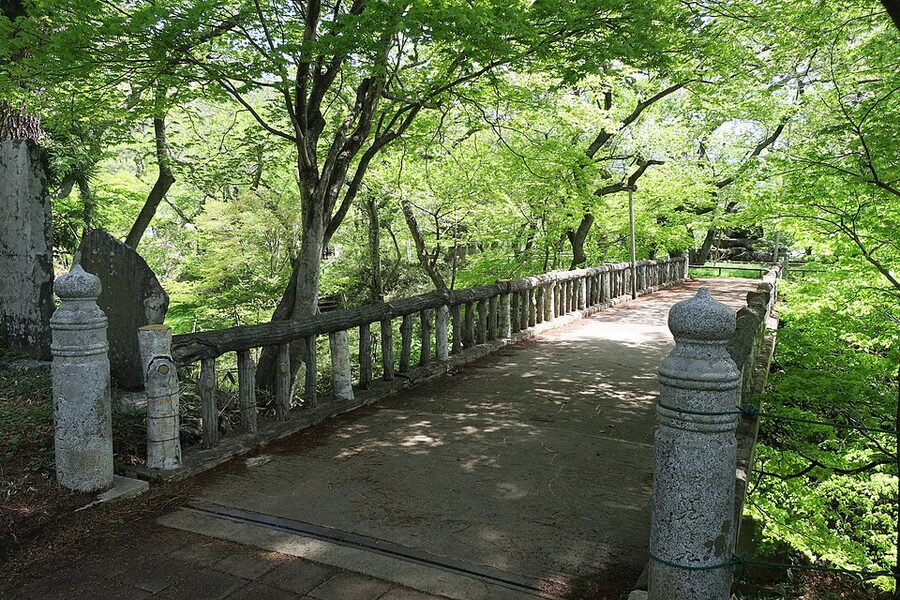
The Mōri archive gives an even better kind of evidence: a thank-you letter. In the tenth month of 1569, while the commander of Kōnomine Castle in Yamaguchi was away fighting in Kyushu, a raiding force under Ōuchi Teruhiro took the town below and besieged the castle. His wife, remembered as Ichikawa no Tsubone, armed herself and her women and helped hold it for more than ten days. Eight years later the young lord Mōri Terumoto wrote to praise her conduct as “truly, truly without equal”, and the letter survives among the papers of the Hagi domain.
Further south, the widowed nun Myōrin-ni held Tsurusaki Castle in Bungo against the Shimazu through the winter of 1586 with pits, snares and farmers she had taught to shoot. Her story comes mostly from Edo-period chronicles of the Ōtomo, though a woman who may be her turns up in the reports of the Jesuit Luis Frois. In the winter siege of Osaka Castle in 1614 the near-contemporary Tōdaiki has Yodo-dono touring the guard posts in armour with three or four armed women behind her.
The year 1600 produced a cluster of these stories, because the Sekigahara campaign emptied castles all over Japan. At Anotsu in Ise the wife of Tomita Nobutaka is said to have ridden out in armour to save her husband. At Numata in the north, Komatsuhime, daughter of Honda Tadakatsu and wife of Sanada Nobuyuki, is said to have shut the gates in the face of her own father-in-law, Sanada Masayuki, who was on the other side. Both stories come from Edo-period accounts, and both feel like the kind of thing families liked to tell about their grandmothers.
Tsuruhime of Ōmishima
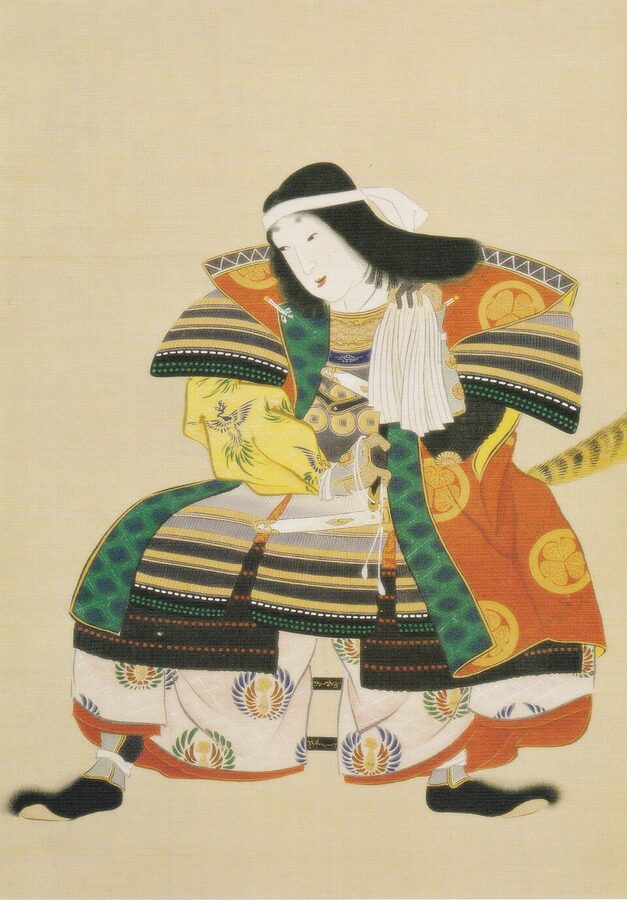
Which brings me back to the armour. According to the story, Tsuruhime was the daughter of Ōhōri Yasumochi, the hereditary high priest of Ōyamazumi Shrine, and in 1541, at sixteen, she put on armour after her brother’s death and drove off the fleets of the Ōuchi of Suō. She boarded the enemy flagship herself, killed its commander, and two years later, after her lover died in a third battle, she drowned herself in the sea at eighteen.
Every word of that comes from the Ōhōri-ke ki, a family record said to have been compiled in 1761, about 220 years after the battles. Nobody now living has seen it. The novelist Mishima Yasukiyo, a descendant of the family, said he worked from a copy his grandfather made around 1877, and that copy disappeared after his death; the shrine has never located the original.
The documents that do survive are less exciting. The Mishima family papers include material on the Ōmishima fighting of the 1540s and say nothing about a woman leading anyone. The Ōuchi commander she supposedly killed in the tenth month of 1541 turns up in the Ōuchi records after that date, and later served Mōri Motonari. In 1544 Ōuchi Yoshitaka sent the shrine a sword and a sacred horse, which looks rather like a victor marking his territory than a loser paying respects.
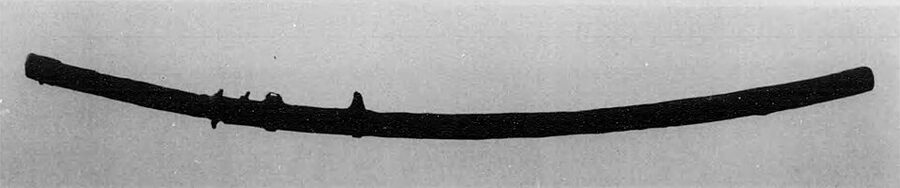
And the armour? It is a dōmaru of the late Muromachi period, laced in dark blue, listed as an Important Cultural Property since 1901, and it measures 108 centimetres round the chest and 75 round the bottom of the waist. The armour scholar Yamagishi Motoo, after examining a large number of surviving armours, showed that a swelling chest and narrow waist were the fashion of the 16th century, a design that let a foot soldier breathe and carried the weight on his hips. If that shape means a woman, he wrote, then every armour of the late Muromachi period was made for a woman.
Yamagishi also had women try on standard men’s armour, and it fitted. The only armours in Japan that really were made for women are Edo-period wedding pieces for daimyo daughters, ornamental things nobody expected to wear in a fight; the Hikone Castle Museum and the Sanada Treasure Museum in Matsushiro each have one. To its credit, the shrine’s own website now says only that shrine tradition associates the corselet with Tsuruhime. You can read more about how armour like this was built in my piece on samurai armour.
Ii Naotora, or Jirō Hōshi
Ii Naotora, the “female castle lord” of Iinoya, had her own year-long NHK drama in 2017, and she has a better documentary trail than Tsuruhime. She also has a problem that Tsuruhime does not: the documents and the woman may not be the same person. The Ii were a small family of local lords in Tōtōmi, under the Imagawa, whose head died at Okehazama in 1560 and whose heir was killed two years later on suspicion of treason.
Two documents survive from the years that followed. On the 15th day of the ninth month of 1565 someone signing as Jirō Hōshi confirmed the lands of Ryōtan-ji, the family temple, with a black seal. On the 9th day of the eleventh month of 1568 a “Jirō Naotora” co-signed a debt-cancellation order for a nearby village with the Imagawa official Sekiguchi Ujitsune, and signed it with a kaō, the handwritten monogram of a man of affairs. That is the only document in existence with the name Naotora on it.
The woman comes later. The Ii-ke denki, written in 1730 by Sozan, abbot of Ryōtan-ji, 165 years after the first document, says that Jirō Hōshi was the daughter of the dead lord, that she had become a nun after her betrothed fled, that she ran the house as a jitō and raised the boy who became Ii Naomasa, the general of Tokugawa Ieyasu. It says she died on the 26th day of the eighth month of 1582. The abbot was writing a history of his temple’s patrons, and he was the only one doing so.
The doubts are specific. “Hōshi” occurs in boys’ names of the period, Nobunaga’s childhood name was Kippōshi, and the 1565 grant is written in the formal Chinese style men used. Women of the period sealed documents rather than signing with a kaō. In December 2016, just before the drama aired, the Ii Art Museum in Kyoto announced a manuscript compiled in 1735 containing an earlier note, set down in 1640 by an Ii retainer, that “Ii Jirō” was Sekiguchi Ujitsune’s son, installed as head of the house.
Japanese historians have not settled it. Owada Tetsuo pointed out that the manuscript is itself an Edo compilation and never uses the name Naotora, and that the temple grant shows a Jirō Hōshi governing the valley either way. Kuroda Motoki thinks the case for a male Naotora from the Sekiguchi is now close to settled; Isoda Michifumi has suggested that both existed, a woman who ran Iinoya and a man the Imagawa sent in at the end. My own view is that somebody called Jirō Hōshi held the Ii lands in the 1560s, that a woman is the likeliest candidate, and that Naotora is a name to use with care.
Kaihime at Oshi
The siege of Oshi Castle in 1590 is a famous Japanese story: the castle that would not fall. While Toyotomi Hideyoshi was besieging the Hōjō at Odawara, Ishida Mitsunari was sent to take Oshi, a castle on the marshes of northern Musashi held by a few hundred samurai and a few thousand townspeople. He built an embankment some kilometres long to flood it, the embankment broke, and Oshi held out until after Odawara itself had surrendered, in the seventh month.
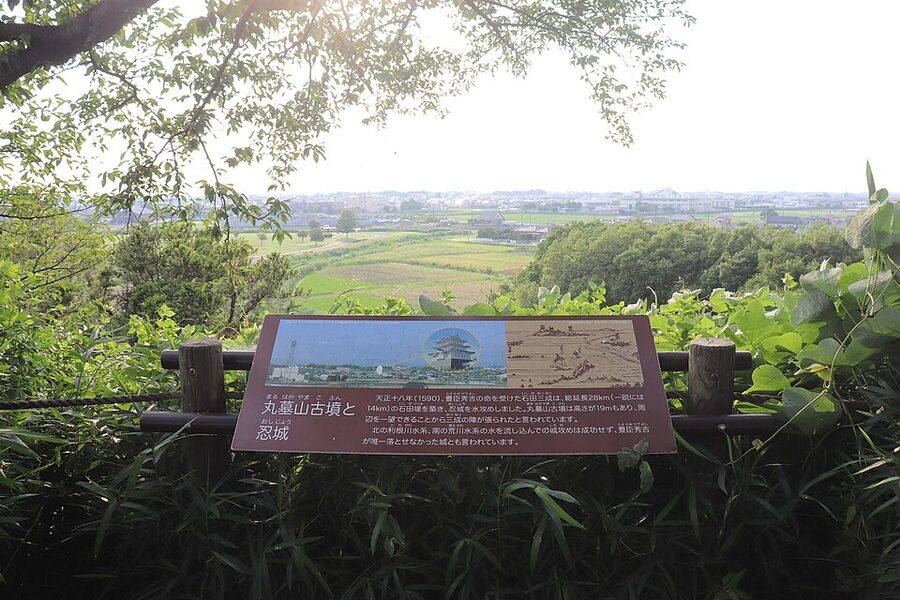
The heroine is Kaihime, eldest daughter of the lord, Narita Ujinaga, who was away inside Odawara. In the full version she rides out in armour with the family sword and two hundred horsemen, shoots an enemy captain with her own bow, and later, in Aizu, cuts down a rebellious retainer and takes another alive. The full version comes from the Shinsho Taikōki of the 1770s and the Narita-ki of the early 19th century, between 180 and 230 years after the siege.
The Kantō Hasshū Kosenroku of 1726 is earlier and more modest: it says only that Ujinaga’s daughter and her mother bore themselves bravely in the siege. What is certain is less than any of these. She became one of Hideyoshi’s consorts, and in 2012 a poem slip signed “Kai” in kana turned up among the poems of his great cherry-blossom party at Daigo-ji in 1598, which may be hers. The historian Kuroda Motoki’s judgment seems fair to me: poor sources, but enough separate traditions agree on her defence of the castle and her part in saving her family that she probably played some real role.
Bones on the beach at Numazu
One claim turns up in almost every English article on the subject, usually as the clincher. At the battle of Senbon Matsubara in 1580, the story runs, 105 bodies were excavated and DNA tests showed that 35 of them were women. The figure has been repeated in English-language histories, Stephen Turnbull’s Osprey volume Samurai Women 1184–1877 of 2010 the best known, and the DNA has been added by the internet since.
The paper behind it exists, and it says something more interesting. In May 1900, after a storm, skulls were found exposed in the pine wood behind Senbonhama beach in Numazu, and a local volunteer gathered them into a mound. In 1954 the Tokyo anatomist Suzuki Hisashi examined the fragments, and in 1989 he published the results: counting the petrous parts of the temporal bone, left and right, he arrived at a minimum of 105 individuals, of whom roughly two-thirds were judged male and one-third female from the shape of those bone fragments.
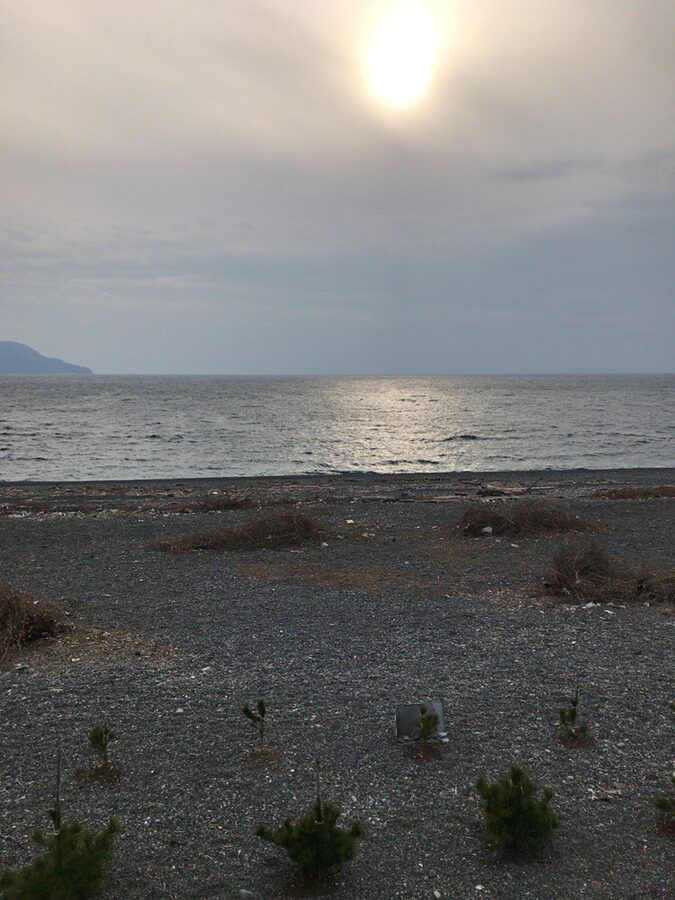
There was no DNA, which nobody could have done in 1954. The bones were dated by their form to somewhere between the middle Muromachi period and the Sengoku era, not to 1580; the link to the Takeda and Hōjō fighting on this shore comes from local tradition and a war chronicle. There were no children and no old people, which Suzuki took to mean a battle in the open rather than a siege, and some skulls showed sword cuts and puncture wounds.
So what does it show? That a careful scientist, sexing weathered skull fragments that had lain on a beach for centuries, thought a third were female.
Sexing from fragments of the temporal bone is far less reliable than sexing from a pelvis, and the city of Numazu’s own summary of the site still describes the remains as mostly young men. If he was right, women died in a fight here. He compared the skulls with the dead of Zaimokuza in Kamakura, killed when the city fell in 1333, a site that also includes women and children, and found them identical in type.
The same Suzuki led the anthropological study of the Tokugawa shogunal graves at Zōjō-ji, opened in 1958 for reburial. His report of 1967 described the shoguns, their principal wives and their children as having what he called aristocratic features, narrow faces and delicate jaws that he put down to soft food and a sheltered life. Bones can tell you what a woman ate and how she lived. They cannot tell you whether she held a naginata.
The inner quarters
After 1600 the stories stop, because the wars stop. In the Edo era a samurai woman’s life was shaped by peace and by a philosophy of the household that left little room for heroics. The Tokugawa never let a woman head a daimyo house, and the old Kamakura rights to land had long gone. A daughter took a dowry to her husband’s family and was expected to stay there.
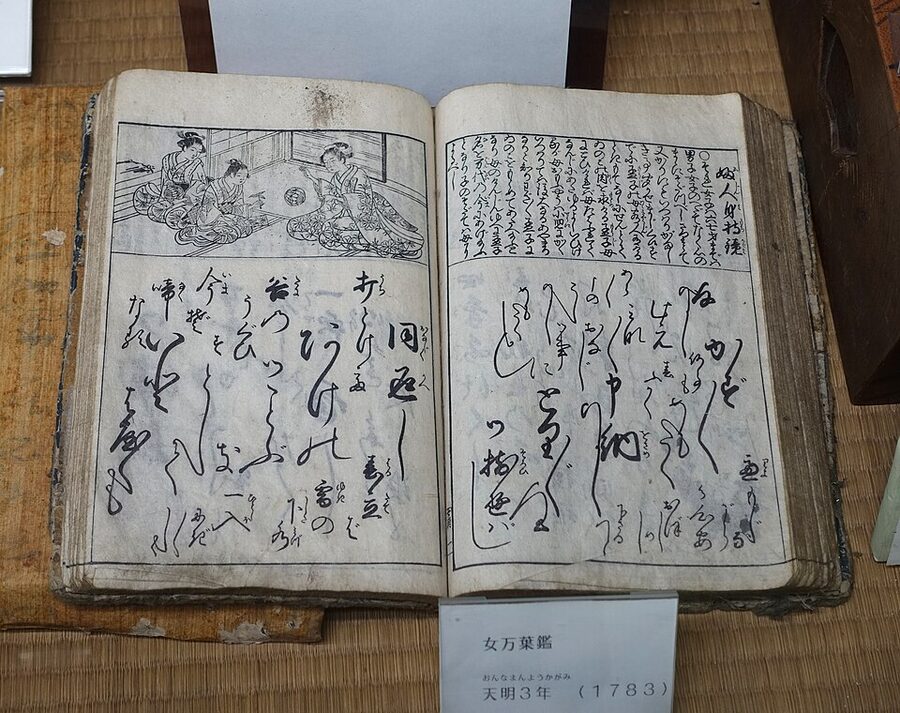
The age’s best-known conduct book, the Onna Daigaku, the “Greater Learning for Women”, first appeared in print around 1716 and was attributed to the scholar Kaibara Ekken, though it is a bookseller’s boiled-down version of his ideas. It told a wife to treat her husband as her lord, never to be jealous and never to talk too much. Fukuzawa Yukichi was still taking it to pieces at the end of the 1890s, which tells you how long it lasted.
The warrior state also made its women into security. The daimyo system of alternate attendance, sankin-kōtai, kept the wives and heirs of the lords in Edo, where they served as permanent guarantees of good behaviour. The idea had been tried by force in the seventh month of 1600, when Ishida Mitsunari tried to take the families of the eastern lords into Osaka Castle and Hosokawa Gracia chose death over capture on the 17th day; the Tokugawa made it routine.
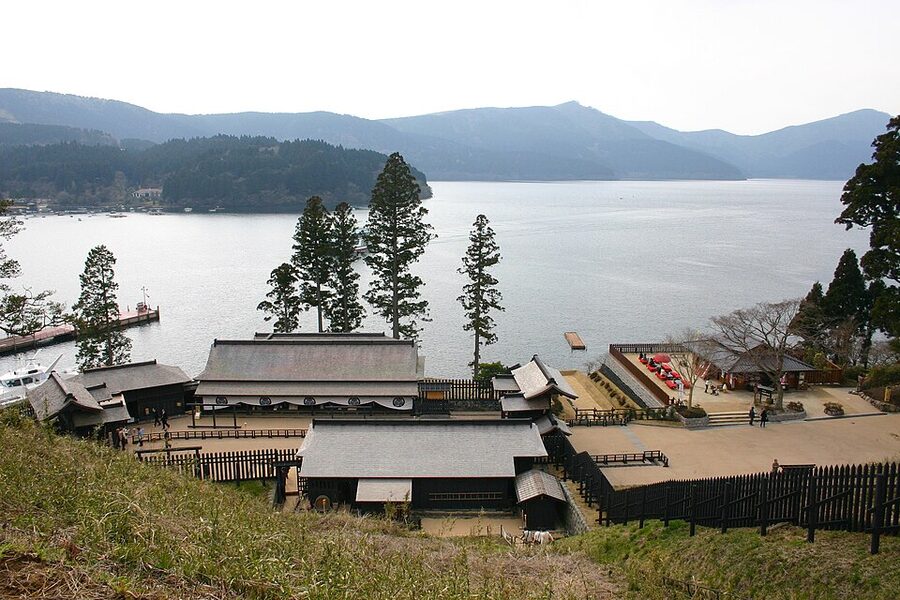
The checkpoints on the roads out of Edo watched two things in particular, guns going in and women going out. A woman leaving Edo needed a pass, and at the Hakone barrier she was examined by women inspectors, the hitomi-onna, who checked that she matched her description and was not a lord’s wife slipping home. You can see the rebuilt checkpoint on Lake Ashi, and it is the clearest picture I know of what “duty” meant for a daimyo’s wife: staying put.
Inside the great houses, women guarded women. In the shogun’s Ōoku, the inner palace of Edo Castle, no man but the shogun passed the locked doors, so even the night watch was kept by women; the fire wardens, the ohi no ban, doubled as guards. When the third shogun Iemitsu died in 1651, more than 3,700 women of his household were dismissed, by one account, which gives you some idea of the size of the institution.
Some daimyo houses employed women instructors in arms called bessiki, who taught the women of the inner quarters and guarded them. An Edo compilation counts them in seventeen or eighteen houses, ten in Sendai, six in Owari, four each in Kaga, Higo, Satsuma and Himeji, and an essayist in Dewa in the 1790s described them wearing both swords, their eyebrows shaved and left unpainted. They were rare enough to be written about, which is its own evidence.
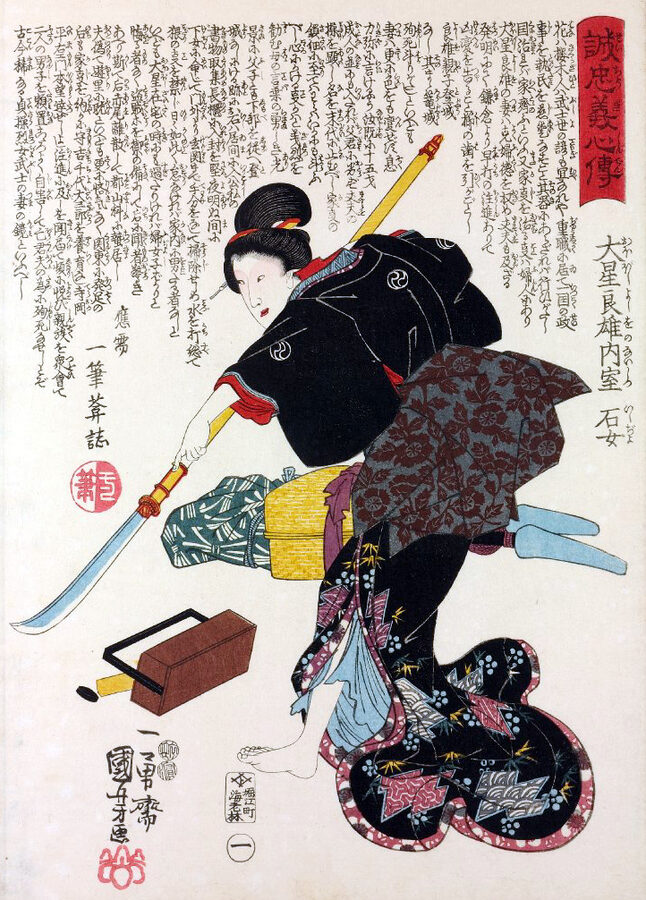
Most samurai daughters met weapons as part of their education and their trousseau. The naginata became the women’s arm of the Edo period, practised at home or with a private teacher and carried to a new household in a lacquered case, and girls learned to carry a kaiken, a short dagger, in the front of the kimono. The domain schools, the hankō, were for boys. A girl’s education happened in the house.
What did duty mean, then? It meant loyalty to the house, which might require a woman to die to spare it disgrace or burden, as seppuku required of a man. Edo moralists who praised Hosokawa Gracia praised her for exactly that. And it meant that when the house itself was finally at war, as Aizu was in 1868, the women already knew what was expected of them.
Aizu, the eighth month of 1868
I have told the Aizu war twice on this site, in the pieces on the Boshin War and on Tsuruga Castle, so I will not walk you through the siege again. What I want to do here is ask the same question I have asked of everyone else: how does anyone know?
The bare events are these. On the 23rd day of the eighth month, the government army broke into the castle town of Wakamatsu and the gates closed with many families still outside. In the house of the senior retainer Saigō Tanomo, his mother, his wife Chieko, his sisters and his daughters, twenty-one people in all, killed themselves; Japanese counts put the dead by their own hand across the samurai quarter at more than two hundred women and children. A small band of women with naginata fought outside the walls on the 25th, and inside the castle the daughter of the gunnery instructor fought with a rifle.
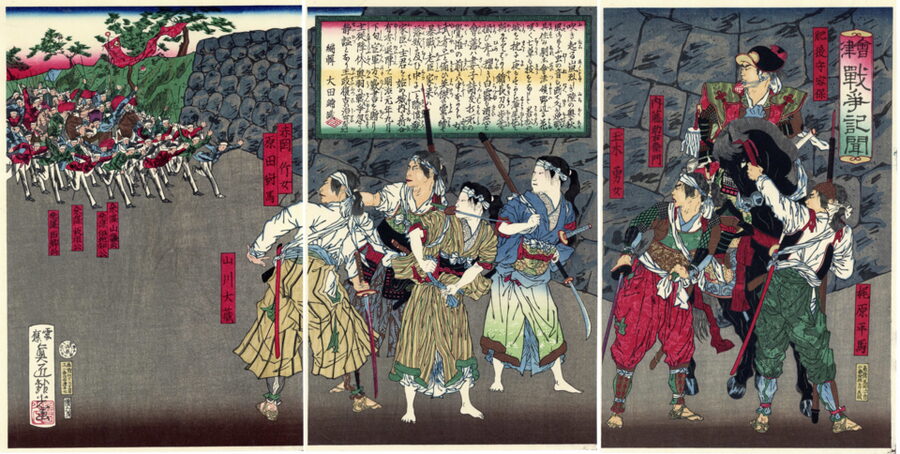
The women’s band is the best documented fighting group of women in Japanese history, and even here the record is late. It began as six or seven women who had taken up naginata practice in earnest after the defeat at Toba-Fushimi. On the 23rd the Yoda sisters, Makiko and Kikuko, cut their hair and set out with their friend Okamura Masuko and three Nakano women: Kōko, aged forty-four, and her daughters Takeko and Yūko, sixteen.
They walked west to Bange on a rumour that Teru-hime, the lord’s adoptive sister, had fled there and needed guarding. The rumour was false. They asked the senior retainer Kayano Gonbei to let them fight, and he refused, saying Aizu would be laughed at for sending its women to war; the commander Machino Mondo gave way only when they threatened to kill themselves on the spot.
On the night before the fight, by Yoda Kikuko’s later testimony, Kōko and Takeko discussed killing Yūko in her sleep, because she was the youngest and the prettiest and they feared what would happen to her if she were taken. The Yoda sisters talked them out of it. I find that detail more convincing than anything in the prints, because nobody would invent it.
On the 25th, 10 October by the Western calendar, they went into action with Furuya Sakuzaemon’s company at the Namidabashi bridge, west of the town. The Ōgaki and Chōshū troops shouted to take the women alive, then started shooting. Takeko was hit, in the head by most accounts and in the chest by some; her mother and sister took her head so the enemy would not have it, and it was buried at Hōkai-ji in Aizubange. Jinbo Yukiko, the twenty-three-year-old widow of a man forced into suicide after Toba-Fushimi, also died that day, in battle or in captivity depending on the account.
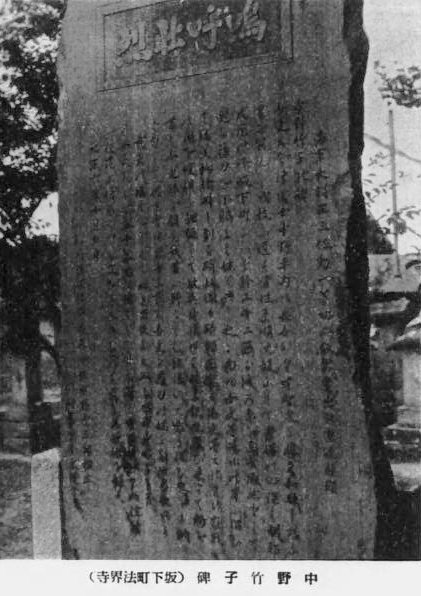
Now the sources. The first full narratives of Takeko’s death are Nihei Yoshitami’s books of 1890, twenty-two years later, one of them titled Retsujo Nakano Shōchiku den, the life of the heroic woman Nakano Shōchiku, her pen name. The testimony of the survivors, Yoda Kikuko and Nakano Yūko among them, was collected by the Aizu historian Hiraishi Benzō, whose history of the war reached its fourth, enlarged edition in 1928, sixty years on.
Even the name of the group is disputed. You will see it called the jōshigun or jōshitai, the Girls’ Army, and the survivors themselves used that phrase in their later testimony. Some Japanese historians think it was popularised, perhaps coined, by Hiraishi; others call the group simply the women’s band, fujotai. There were about twenty of them, mothers, widows, sisters and friends, with no ranks and no flag.
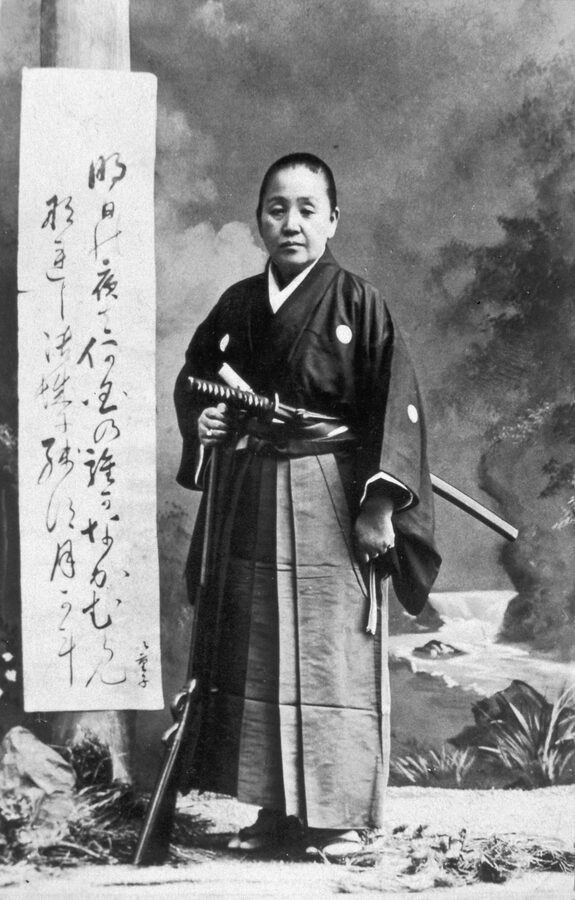
Takeko’s age moves too. English accounts say twenty-one. Japanese sources give twenty, or eighteen, or twenty-two, and Kōdansha’s biographical dictionary, which puts her birth in 1846, makes her twenty-three by Japanese count. The poem tied to her naginata does not move: “Set beside the fierce hearts of the warriors, I am a person not worth counting, and yet.”
Yamamoto Yae did not join them. She was twenty-two, the daughter of the domain’s gunnery instructor, and she thought women should fight with guns. She cut her hair, put on the clothes of a younger brother who had died of wounds from Toba-Fushimi, and went into the castle with a Spencer repeating rifle; by one account she explained the enemy’s shells to the lord himself.
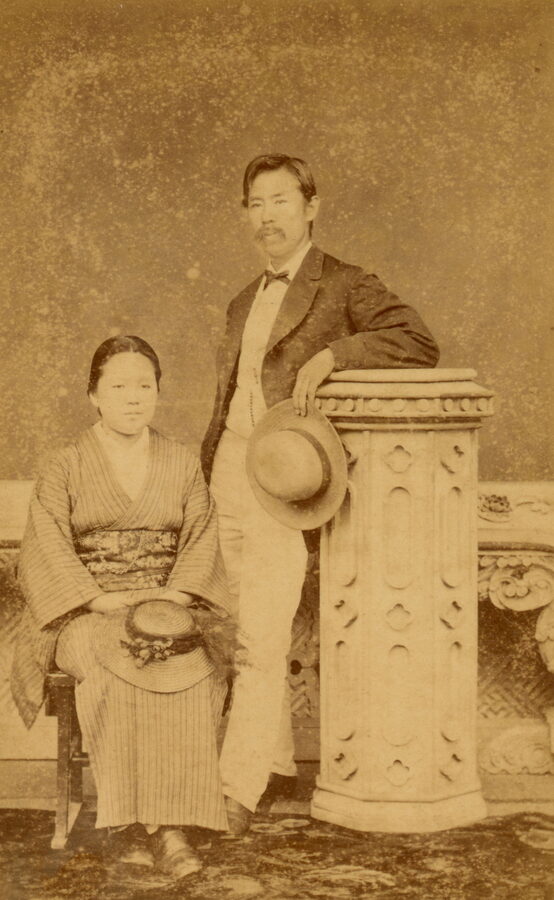
Yae’s account comes from her own reminiscences, taken down late in her long life and published as the Niijima Yaeko kaisōroku, so the source for her rifle is the woman who fired it, sixty years on. She later married the Christian educator Niijima Jō, helped found what became Dōshisha Women’s College, and was decorated for nursing in the wars against China and Russia. She died in Kyoto in 1932, aged eighty-six.
The women inside the castle did most of the work that a siege demands, and it killed some of them. The lord’s sister Teru-hime directed them; they cooked, nursed the wounded and made cartridges, and the Yamakawa family later told how a shell burst during a meal, killing Tose, the wife of Yamakawa Hiroshi, and wounding his little sister Sakiko in the neck. Sakiko grew up to be Ōyama Sutematsu, one of the first Japanese women to study in America, and married Ōyama Iwao, who had commanded Satsuma guns at Aizu.
From schoolroom to game screen
The image of the samurai woman that you carry around was built in stages, and each stage left something behind. The Edo moralists started it. In 1668 Kurosawa Hirotada published the Honchō retsujoden, a collection of exemplary Japanese women modelled on a Chinese classic, and later Confucian historians, Arai Hakuseki and Rai San’yō among them, judged Masako harshly as a wife whose husband’s line died out while her own family took over.
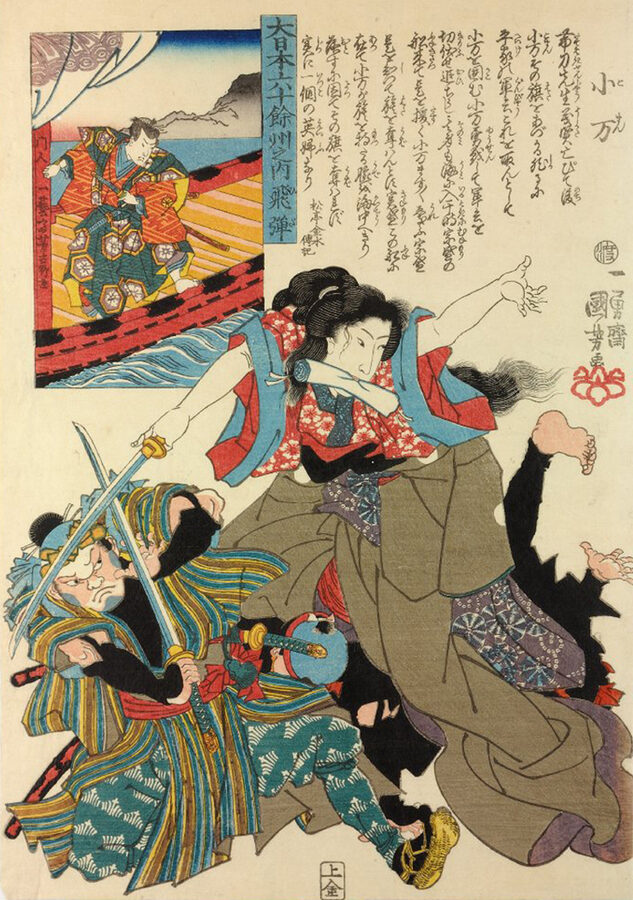
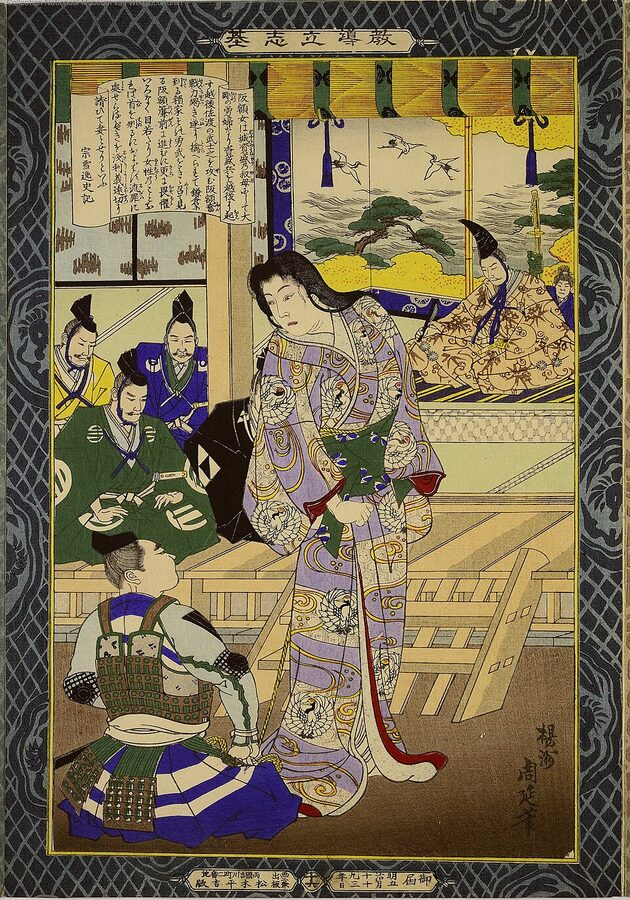
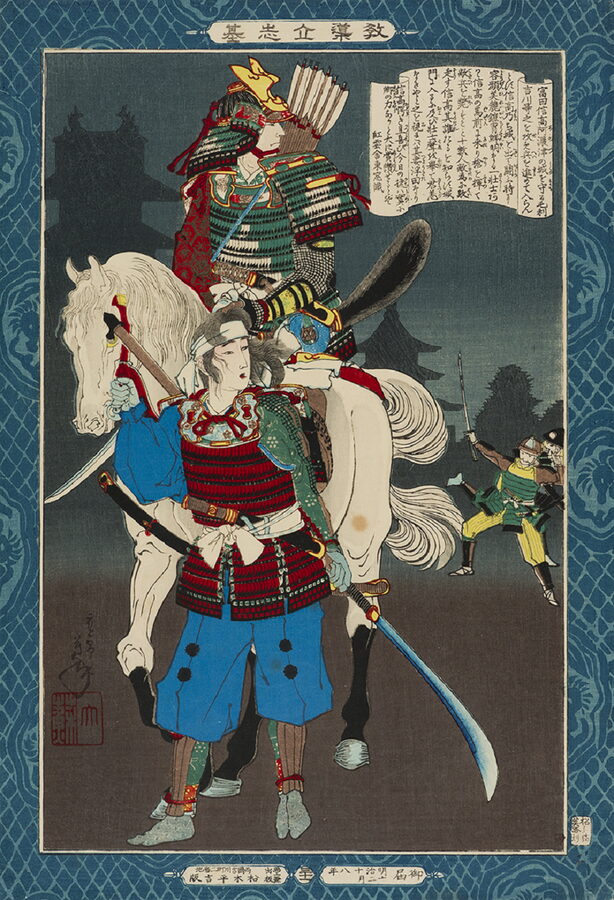
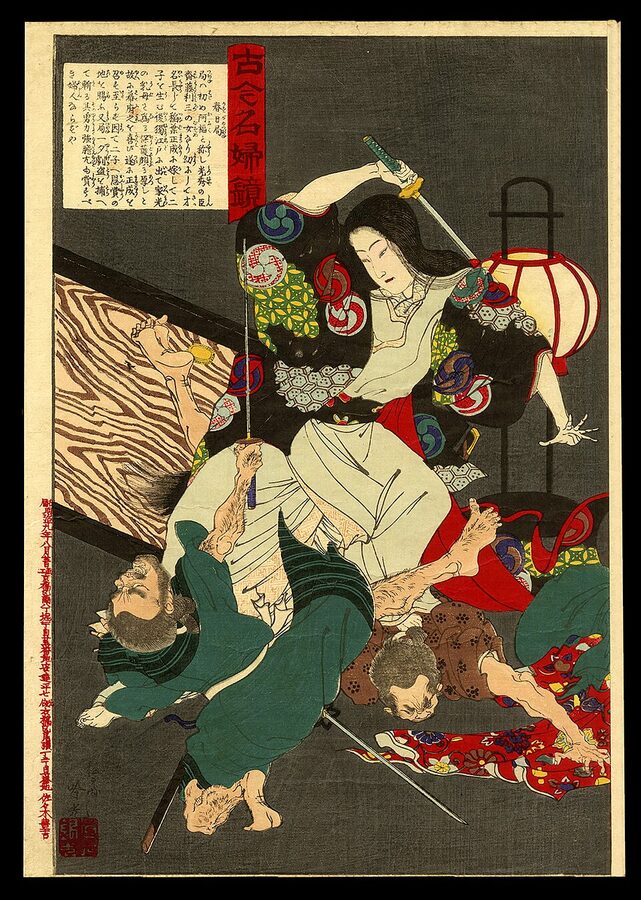
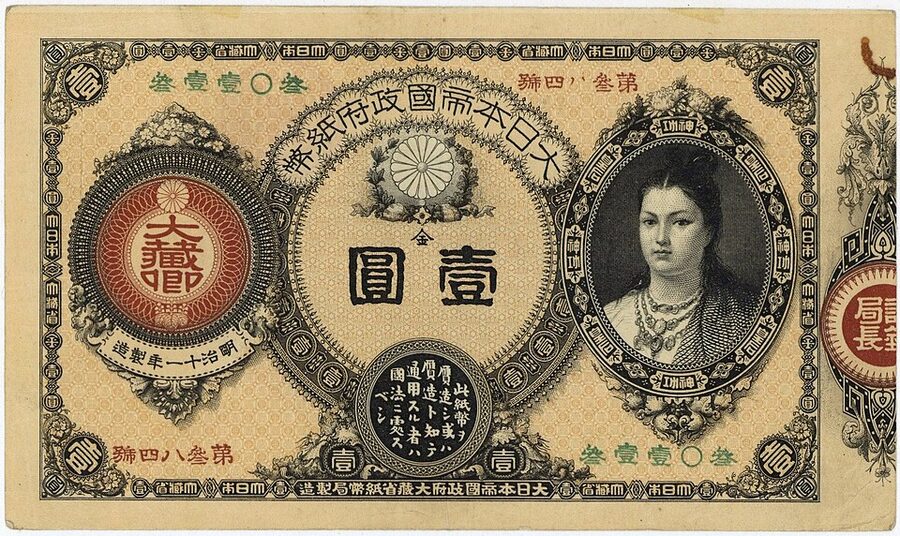
The Meiji state then needed women who were loyal and brave, in roughly that order. In 1881 the government’s new one-yen note carried a portrait of Empress Jingū, the legendary empress of the Nihon Shoki who led an army across the sea while pregnant, the first face to appear on a modern Japanese banknote. Between 1885 and 1890 a Tokyo publisher issued Kyōdō risshi no motoi, a series of improving portraits by Yoshitoshi, Chikanobu and others, and Hangaku and the wife of Tomita Nobutaka took their places alongside scholars and loyal retainers.
Photographers sold the type to foreigners. Studio portraits from the 1870s show women, usually geisha or actresses, posed in armour or holding swords, and at least one is captioned as Nakano Takeko, though she had been dead for years and no photograph of her is known. Meanwhile the ukiyo-e artists who covered the Satsuma rebellion of 1877 put women with naginata into the battle scenes, though I know of no record of a women’s unit in that war.
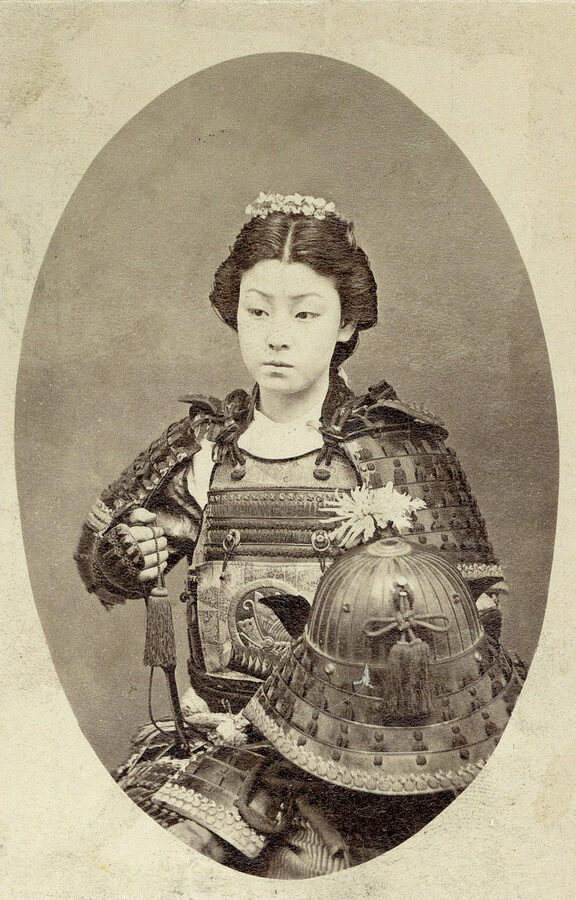
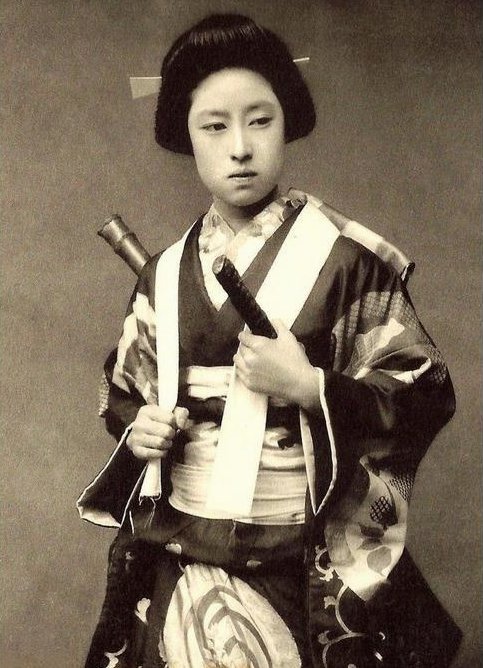
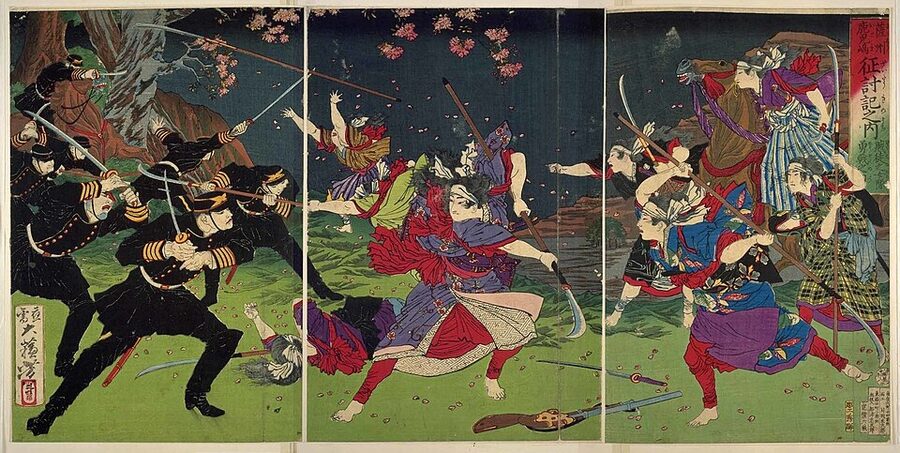
Then came the books. The Aizu narratives appeared from 1890, and in 1900 Nitobe Inazō published Bushido: The Soul of Japan in English, with a chapter on women that told foreign readers how samurai girls were given daggers, taught exactly where to cut, and taught to bind their legs so they would be found decently composed. Nitobe was writing an idealised portrait for Americans, and much of what English books now say about bushidō and women descends from that chapter.
The schools followed. From 1904 the martial arts association Dai Nippon Butokukai had a naginata section, and in the 1930s naginata became a near-compulsory subject in girls’ schools, taught in drill to whole classes at once. After 1945 the occupation banned it with the other martial arts; it came back as a women’s sport, with a national federation from 1955.
The postwar decades produced most of the women you meet online. The Tsuruhime novel appeared in 1966, the shrine portrait in 1968 and a television drama in 1993. Kaihime became a playable character in the Samurai Warriors games from 2009 and the heroine of the film Nobō no shiro in 2012; Ii Naotora got her drama in 2017; and the games of the Sengoku Basara series turned half the women on this page into fighters with special moves.
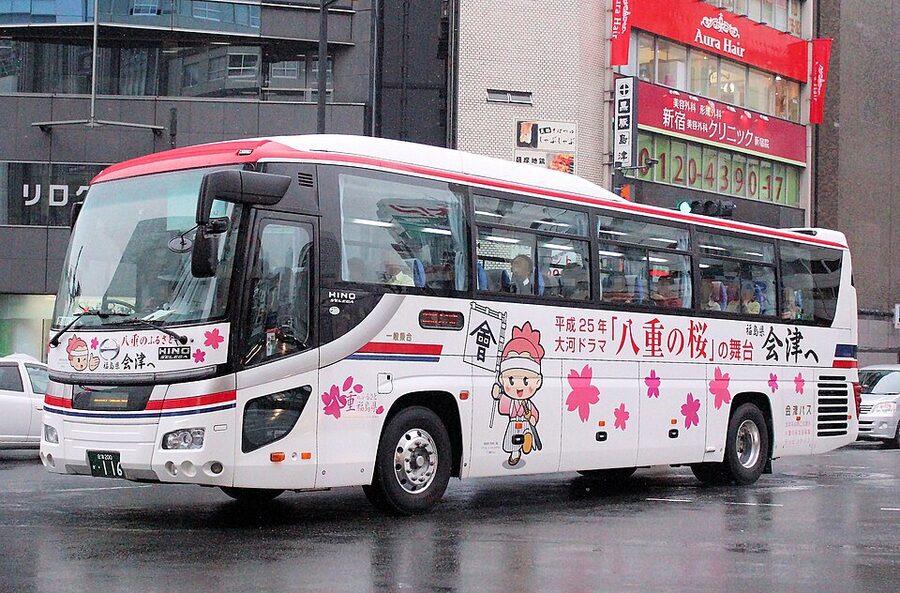
The 2013 NHK drama about Yae, Yae no Sakura, starring Ayase Haruka, is the most interesting of these. NHK had planned something else, and changed course after the earthquake and tsunami of March 2011 to make a drama that would help Tōhoku; Aizu was in the region, and Yae was a woman who had survived a disaster and built a new life. The year it aired, Aizu-Wakamatsu was full of Yae.
The English word onna-bugeisha came last of all, carried by websites that copy each other, until it acquired the solidity of something everyone knows. It is a fine example of how a fact gets made: a word nobody used, attached to a skeleton count nobody read, illustrated with a photograph of an actress. The women underneath it, Hangaku in her tower, Suwa Katsuemon’s wife at Takatō, Ichikawa no Tsubone with her thank-you letter, Nakano Takeko at the bridge, were real, and they are more interesting than the outer layers.
Where to see the women’s history today
The places in this story are spread from Kamakura to the Inland Sea, and you will not do them in one trip. I would pair them with something nearby: Ōmishima with a ride along the Shimanami Kaidō, Gyōda with a day in Saitama’s burial-mound park, Iinoya with Hamamatsu, and Aizu with everything in the Tsuruga Castle piece.
Ōyamazumi Shrine, Ōmishima (Tsuruhime’s armour)
Ōyamazumi Shrine (大山祇神社) stands on the west side of Ōmishima, an island on the Shimanami Kaidō between Onomichi and Imabari, and its treasure hall holds the corselet that is called Tsuruhime’s. The shrine says the hall is open from 9:00 to 16:30, with last entry at 16:00. Admission is ¥1,000 for adults by recent listings, which also covers the neighbouring maritime museum; the shrine’s own site gives the hours but not the fee.
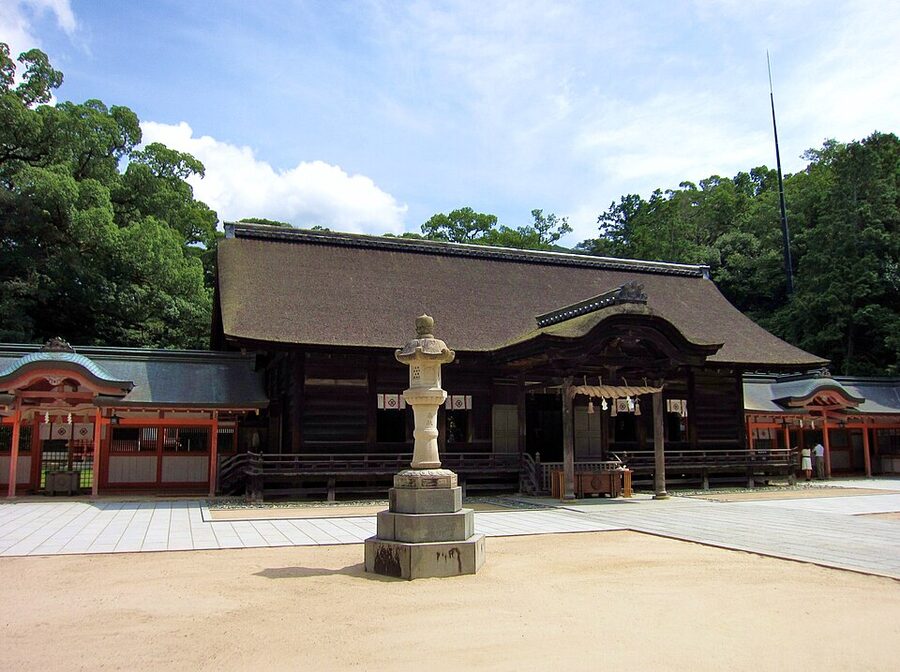
From Shikoku, the express buses from JR Imabari Station reach the Ōyamazumi Jinja-mae stop in about sixty-five minutes. From Honshu, take the Shimanami Liner highway bus from JR Fukuyama to the Ōmishima stop and change to the local bus, about twelve minutes to the shrine. If you are cycling the Shimanami Kaidō, the shrine is about seven kilometres from the Ōmishima interchange, and worth every one of them.
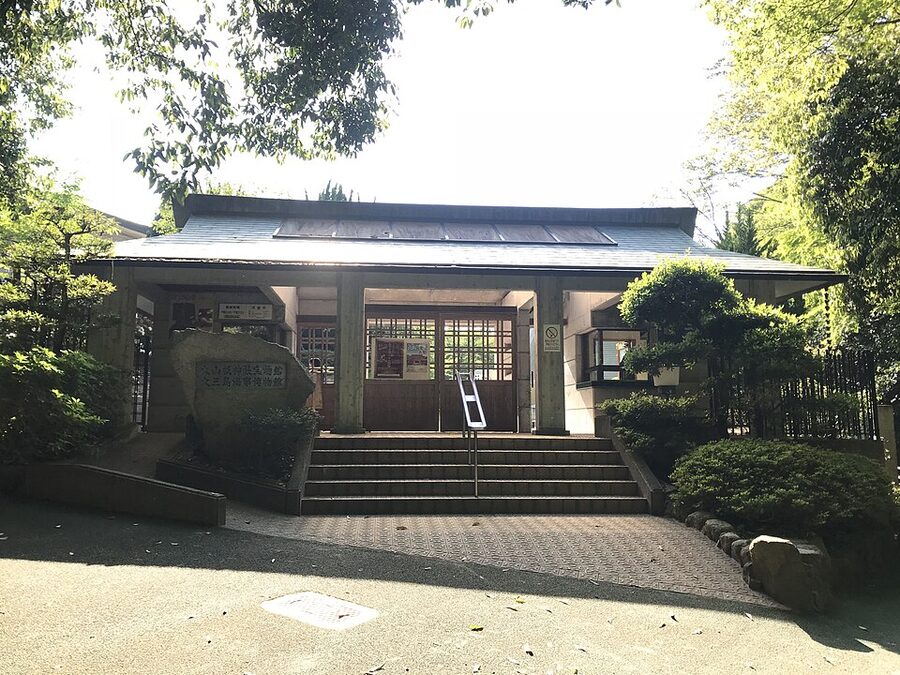
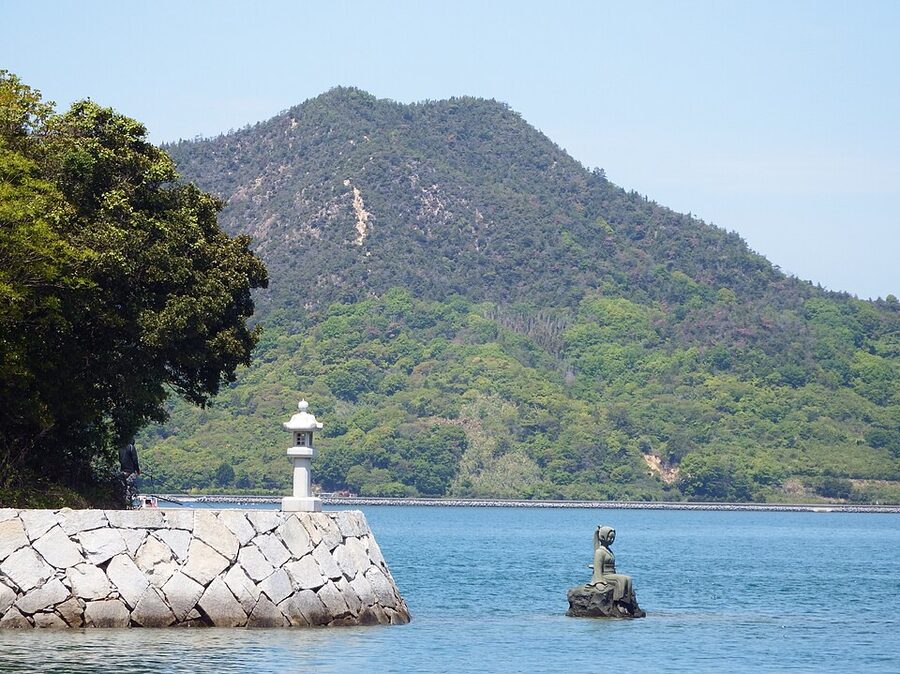
Walk down afterwards to Miyaura port to see the statue in the sea. The island has held a Tsuruhime festival every summer since 1995, and if you happen to be there for it I would join in; just enjoy it for what it is.
Gyōda: Oshi Castle and the Ishida embankment
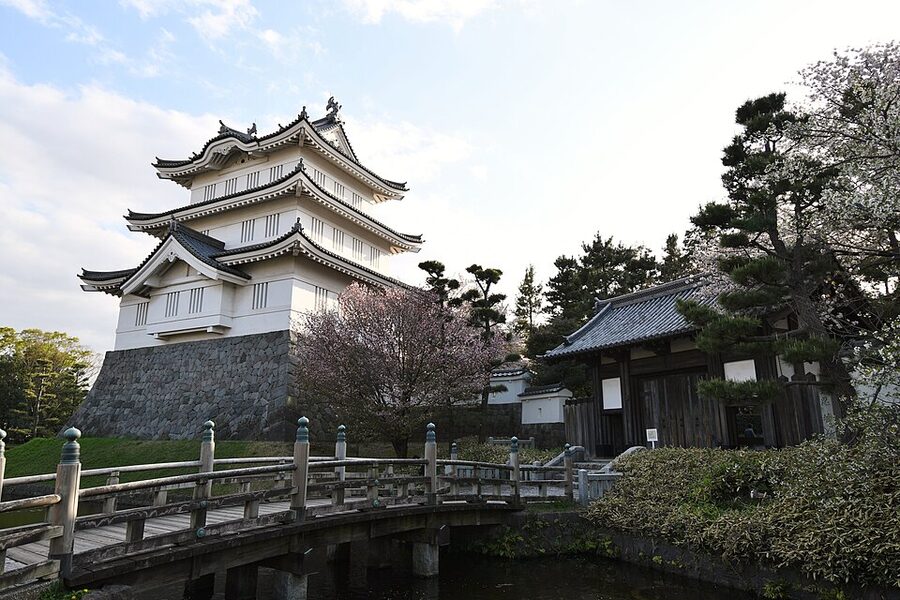
Gyōda, in northern Saitama, is an hour or so from Tokyo. The Gyōda City Museum (行田市郷土博物館) stands on the site of Oshi Castle’s inner bailey, with the reconstructed turret as its viewing tower. It is open from 9:00 to 16:30 (last entry 16:00), closed on Mondays (open if Monday is a public holiday), on the day after a public holiday unless that falls at a weekend, and on the fourth Friday of most months. Admission is ¥200.
The museum is fifteen minutes’ walk from Gyōdashi Station on the Chichibu Railway, or the Asahi bus from the north exit of JR Fukiage Station stops at “Oshijō” outside. Then take a bus or taxi out to Sakitama Kofun Park and climb Maruhakayama, Mitsunari’s command post, where a stretch of the embankment he built still runs off the foot of the mound. The park’s other mounds are some of the finest in eastern Japan, and they make the trip worth it even if you care nothing for Kaihime.
Ryōtan-ji, Iinoya (Ii Naotora)
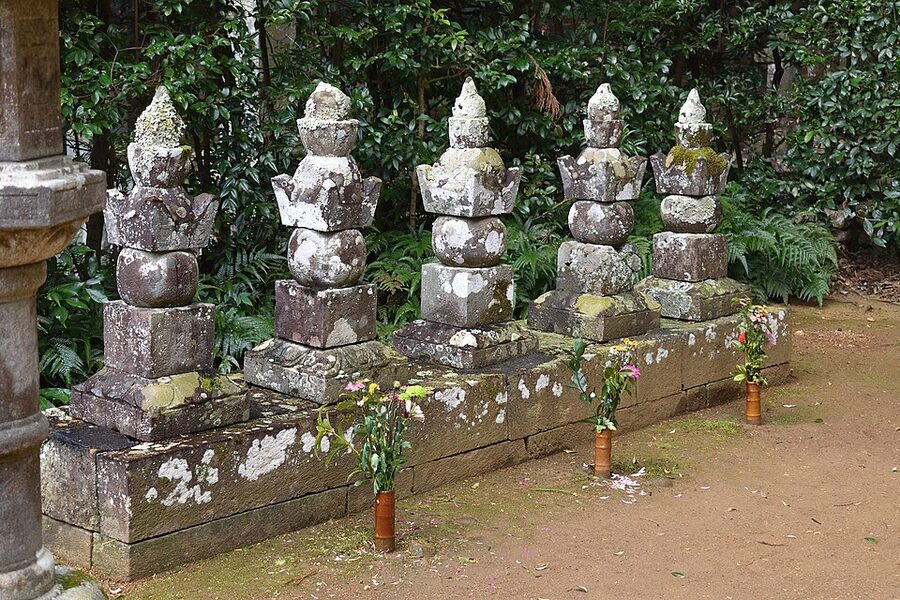
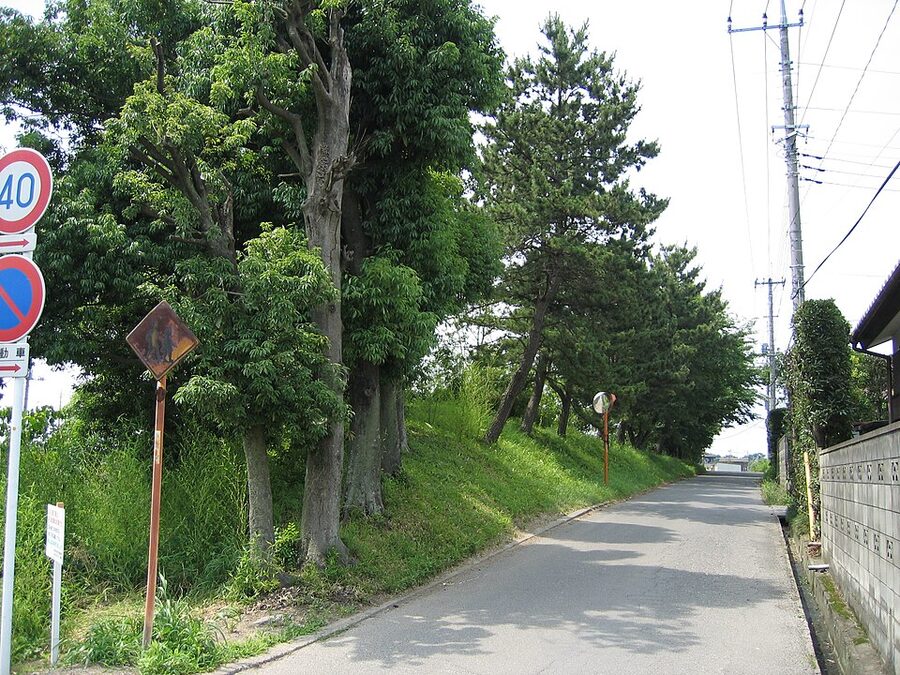
Ryōtan-ji (龍潭寺), the Ii family temple in the Iinoya valley north of Hamamatsu, has the row of Ii graves with the stone called Naotora’s, a garden attributed to Kobori Enshū and a small treasure room. The temple’s own website was not answering when I checked, so treat these figures with caution: recent listings give admission as ¥700 for adults and opening from 9:00 to 16:30, with reception closing at 16:00.
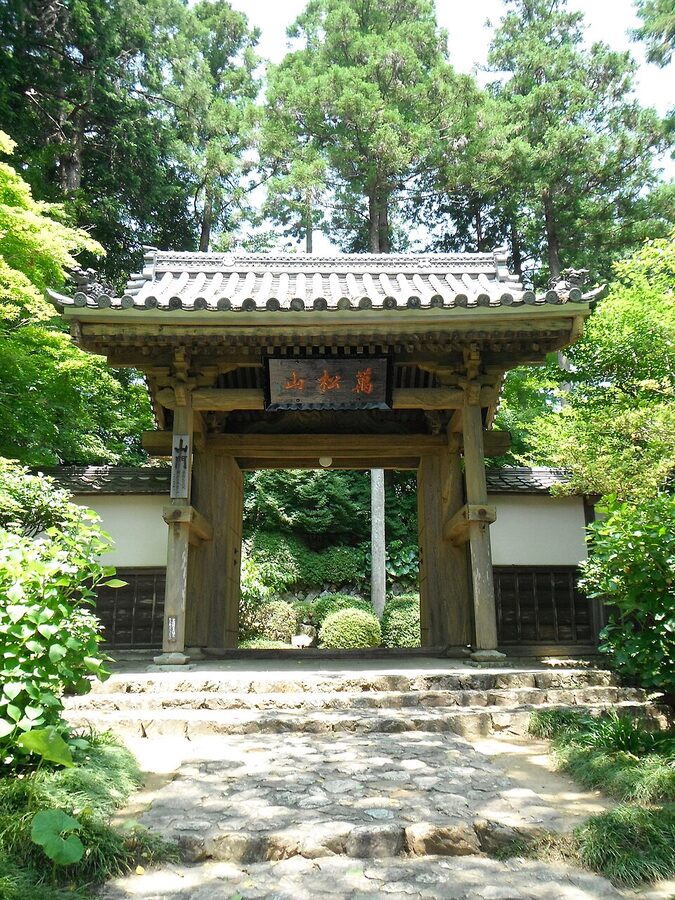
The Entetsu bus bound for Okuyama leaves from Hamamatsu Station and takes about fifty to sixty minutes to the Jingūji stop, from which the temple is a short walk. Iinoya-gū shrine is next door, and the hill of the old Ii castle is a few minutes north. If you have read about Naomasa, spend the afternoon here; if you have only seen the drama, stand at the row of graves and remember that the stone in the middle may carry two different people’s stories.
Aizu-Wakamatsu and Aizubange (Nakano Takeko and Yamamoto Yae)
Tsuruga Castle (鶴ヶ城) in Aizu-Wakamatsu is open every day from 8:30 to 17:00, with last entry at 16:30, and the keep museum costs ¥410 for adults, or ¥520 with the Rinkaku tea house. The keep is a 1965 concrete reconstruction, but the stone base and the moats are the ones Yae defended. My Tsuruga Castle piece has the rest of the town, including the Aizu Bukeyashiki, where the Saigō house is reconstructed, and the Byakkotai graves on Iimoriyama, where a memorial to the women of Aizu stands in the same cemetery.
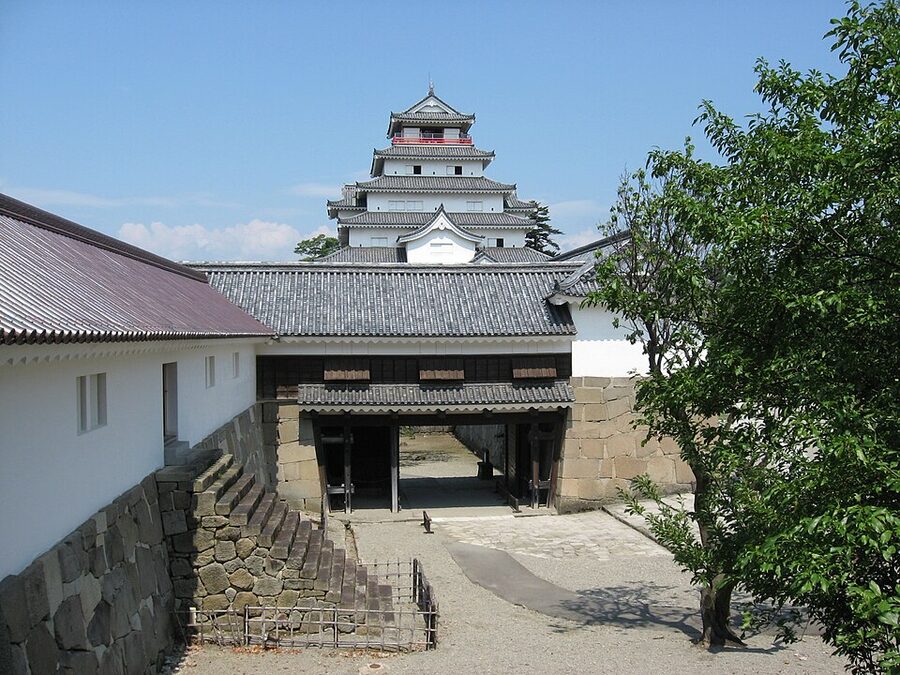
For Takeko, go west to Aizubange, a short ride on the JR Tadami Line from Aizu-Wakamatsu to Aizu-Bange Station. Hōkai-ji (法界寺), the temple where the women spent the night after failing to find Teru-hime, has her grave and the memorial stone, and the grounds are free. Ask at the temple before you go looking for the naginata; it is a relic, not an exhibit.
Kamakura and Tainai: Masako and Hangaku
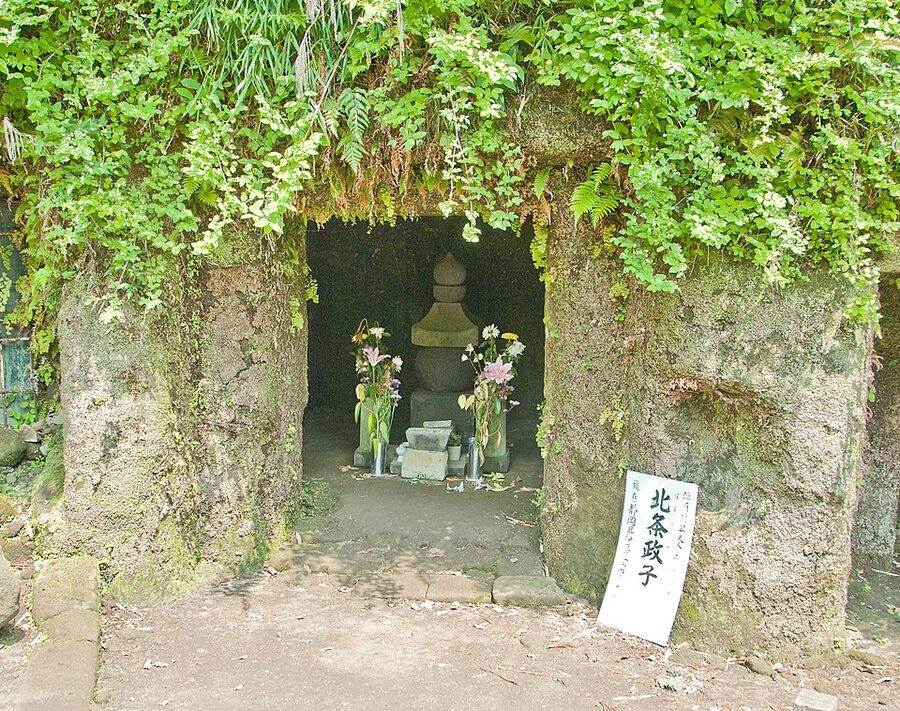
Masako has no museum, but you can find her in Kamakura. Jufuku-ji (寿福寺), the Zen temple she founded in 1200, is about ten minutes’ walk north-west of Kamakura Station. The temple buildings are closed, but the stone approach is open and in the cemetery behind, a short climb up the hill, are the rock-cut tombs, yagura, that tradition gives to Masako and to her son Sanetomo. It costs nothing and is rarely busy.
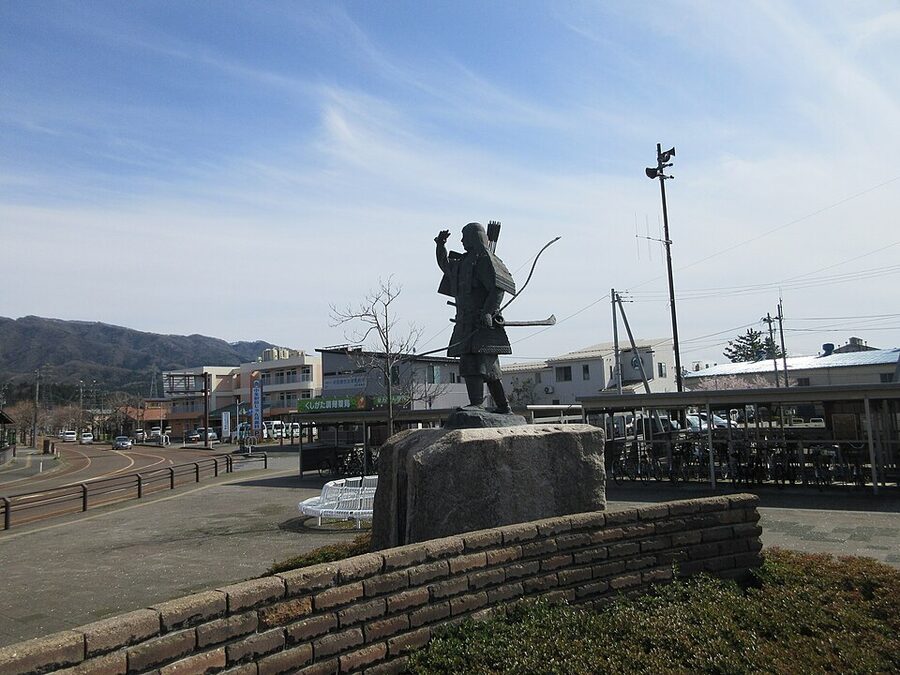
Hangaku is in Niigata. Her statue stands outside JR Nakajō Station on the Uetsu Line in Tainai, and the Torisaka Castle site is in the hills behind the town. Go if you are travelling the Japan Sea coast anyway; it is not a detour for its own sake, but it is the only statue I know of a woman warrior whose story comes from a chronicle written by her enemies.
So, Ōmishima. Go to the treasure hall, find the blue corselet, and look at the swell of the chest and the narrow waist that made someone, in 1963, think of a girl. Then look along the case at the men’s armour of the same decades, with the same chest and the same waist, and you will have seen the whole history of the subject in a single room: a real object, a real island, a story told two centuries late, and a shape that turns out to have belonged to everyone.