When Sakanoue no Tamuramaro died in the fifth month of 811, the emperor Saga is said to have ordered him buried standing up. He went into the ground in armour, with his sword, his bow and arrows, and a ration of dried rice and salt, facing east, the direction from which trouble was expected. If the realm was ever in danger, the story went, his tomb would rumble like a drum, and any general sent out against the enemies of the throne was to go and pray at it first.
I like the story because it is the best summary I know of what the word “shogun” meant for its first four hundred years: a soldier the court sent to the frontier and hoped would stay there. By the time it stopped meaning anything at all, in the twelfth month of 1867, the title had been carried by thirty-nine men in three shogunates, had outlasted the frontier it was invented for by a thousand years, and had made its holders the real rulers of Japan for most of seven centuries. The emperors never lost the right to hand it out. They just lost almost everything else.
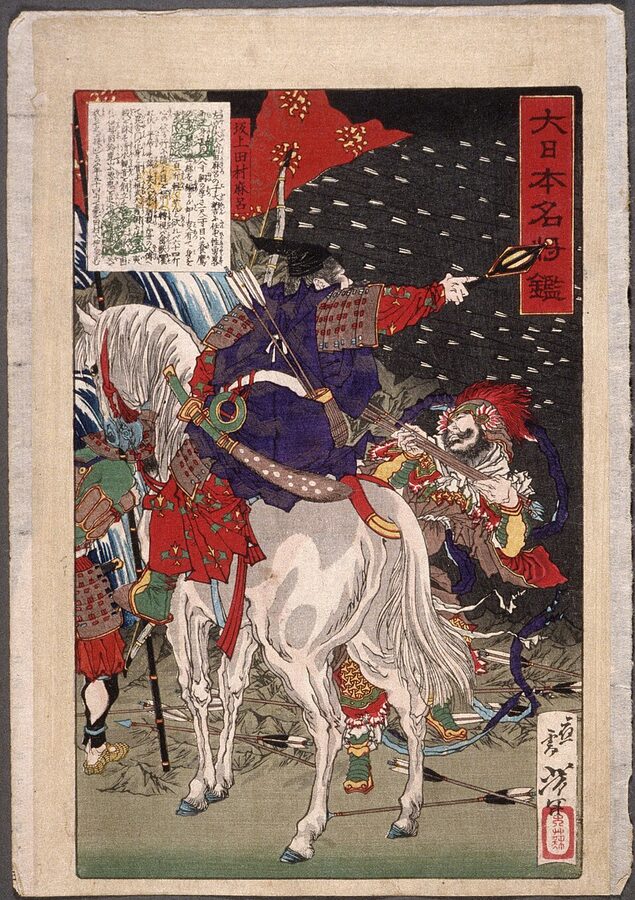
The title went through three lives. It began as a temporary command for wars against the people of the north, lay unused for nearly four centuries, was revived in the 1180s, and was picked off a list in 1192 by courtiers who wanted something suitably grand for Minamoto no Yoritomo. After that it belonged in turn to the Minamoto and their regents in Kamakura, to the Ashikaga in Kyoto and to the Tokugawa in Edo. This is the story of the title rather than any one of its holders, and of where you can still stand in front of what they left.
In This Article
- A general for the north
- Tamuramaro, Aterui and the end of a war
- A title picked from a list
- Tents, trees and willows
- Kamakura: the shogun as an ornament
- The Ashikaga and the shogun in Kyoto
- Chosen by lottery, killed at a party
- The last Ashikaga and the men who never took the title
- Ieyasu takes the title back
- Tycoon: the shogun abroad
- Fifteenth and last
- Toranaga, who is not a shogun
- Where to see the shoguns today
- Kiyomizu-dera and Tamuramaro, Kyoto
- Tamuramaro’s grave, Yamashina
- Kamakura: Tsurugaoka, Tōshō-ji and the harakiri yagura
- Kinkaku-ji and Ginkaku-ji, Kyoto
- Tōji-in: the Ashikaga shoguns in wood
- Nijō Castle, Kyoto
- Nikkō: Tōshōgū and Taiyūin
- Zōjō-ji, Kan’ei-ji and Yanaka, Tokyo
- Further afield
A general for the north
Sei-i taishōgun (征夷大将軍) breaks down into five characters, and each one carries weight. Sei is to subjugate, i is barbarians, tai is great, and shōgun is a commander of an army. The usual English is “barbarian-subduing generalissimo”, which sounds like something from a comic opera, and in the 8th century it was meant entirely literally.
The barbarians were the Emishi, the peoples of the north-east who lived outside the reach of the Yamato state, in what became the provinces of Mutsu and Dewa. Whether they were ancestors of the Ainu, or simply northerners who had not been brought under the court’s tax registers, is still argued; the court’s chroniclers did not care much either way. What they recorded was that the Emishi fought on horseback, used the ground well and won a great deal more often than an imperial army ought to lose.
The court tried several titles for its northern commanders before it settled. Tajihi no Agatamori was made jisetsu sei-i shōgun, “sword-bearing barbarian-subduing general”, in 720, and other men went north as “great envoys” or as generals for “subduing the east”. English-language accounts often name Tamuramaro as the first shogun; Japanese reference works give the honour of the full title to Ōtomo no Otomaro, who received the sword of command as sei-i taishōgun on the 1st day of the first month of 794, with Tamuramaro as his deputy. Some go back further still to Agatamori, and you can take your pick.
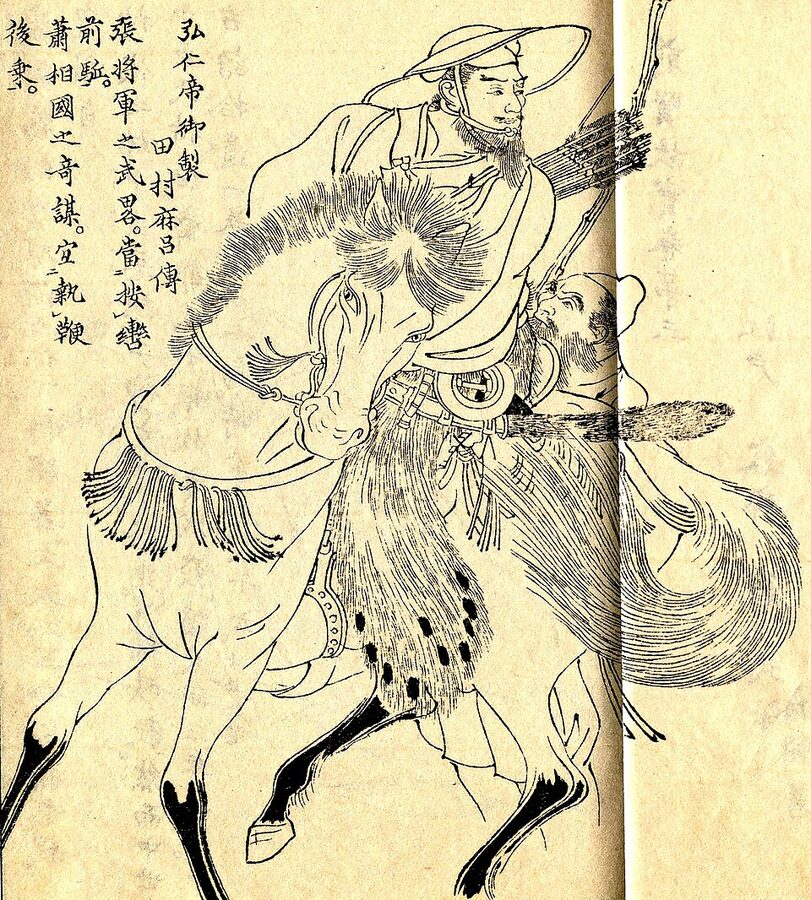
The urgency came from disaster. In 789 an army under Ki no Kosami crossed the Kitakami River into the Isawa country and was caught by an Emishi leader called Aterui at Sufuse. The official report counts 25 men killed in the fighting, 245 wounded by arrows, 1,036 drowned and 1,257 who swam back to safety without their clothes. The emperor Kanmu was not amused, and the next campaigns were planned on a very different scale.
Tamuramaro, Aterui and the end of a war
Tamuramaro was made sei-i taishōgun in his own right in 797 and went north in 801 with an army that one Japanese reference puts at forty thousand men. He did not simply fight. He built: Isawa Castle in 802, to which the northern military headquarters was moved from Taga, and Shiwa Castle further up the river the year after. The frontier moved with the forts.
On the 15th day of the fourth month of 802 Tamuramaro reported to the capital that Aterui and his ally More had come in with some five hundred of their people. Japanese historians now tend to read this as the end of a negotiation rather than a rout, since the Emishi homeland had already been taken and fighting had stopped. In the seventh month Tamuramaro brought the two men to the capital, and he asked that they be sent home to bring the rest of the north over peacefully.
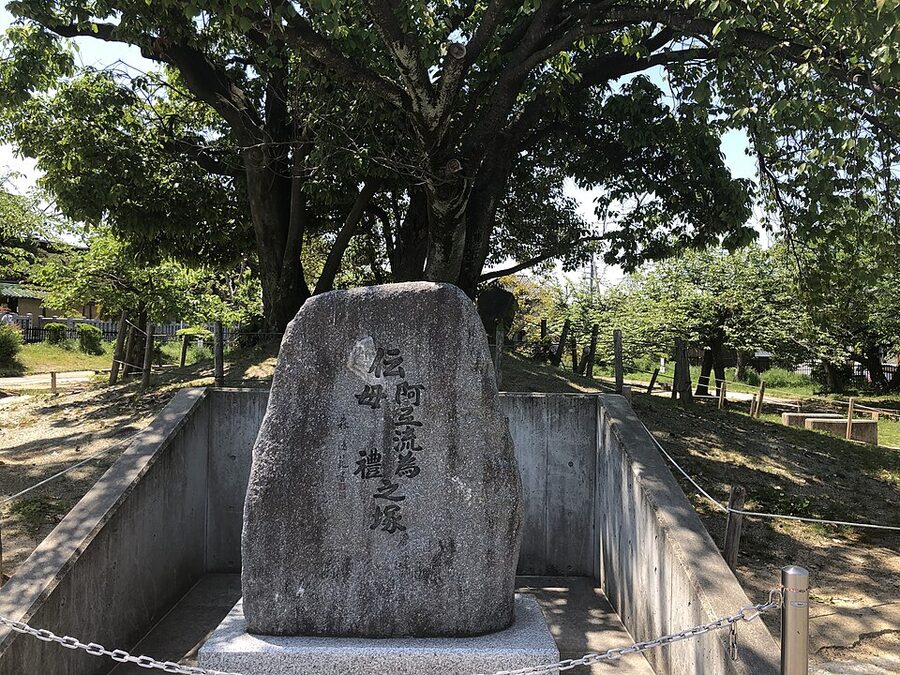
The court said no. The nobles argued that these were savages with the hearts of beasts, that releasing them would be like rearing a tiger, and on the 13th day of the eighth month of 802 Aterui and More were beheaded in Kawachi province. The place name is damaged in the only manuscript, which is why more than one place now claims the spot. Tamuramaro, who had pleaded for them, was in the capital as far as anyone can tell, and had to live with it.
Then the money ran out. In the twelfth month of 805, Kanmu had two councillors debate the state of the realm in front of him, and the younger, Fujiwara no Otsugu, said plainly that the people were suffering from two things, the wars and the building of the new capital. Kanmu stopped both. Bun’ya no Watamaro was made sei-i shōgun in 811 and reported the northern war finished at the end of that year, and after him the title lay unused for nearly four centuries.
Tamuramaro died in the fifth month of 811, aged fifty-four by the Japanese count. The court made him a posthumous junior second rank, and his reputation went somewhere no other Heian soldier’s did: the court’s register of senior officials calls him an incarnation of Bishamonten, the guardian of the north, and dozens of temples from Iwate to Shiga later claimed him as their founder. One of those claims is real enough to stand on.
A title picked from a list
The man who brought the title back was not Yoritomo but his cousin, the warlord Kiso Yoshinaka. In the first month of 1184 the court, with Yoshinaka’s army in its streets, appointed him sei-i taishōgun, or so most Japanese references say, citing a court chronicle of the time. A courtier’s diary found in the early 2000s says Yoshinaka was actually made seitō taishōgun, “great general for subduing the east”, which made more sense, since the enemy he had in mind was his cousin in the east, Yoritomo. Sources variously give one or the other, and Yoshinaka was dead within a fortnight either way.
What followed is in the article on Yoritomo, the Genpei War and the founding of the Kamakura era, and I won’t repeat it here. The part that matters for the title is the paperwork. The Kamakura government’s own chronicle, the Azuma Kagami, says Yoritomo had long wanted to be shogun and that the retired emperor Go-Shirakawa blocked him until his death in 1192. It is a good story, and the evidence has been eating it for twenty years.
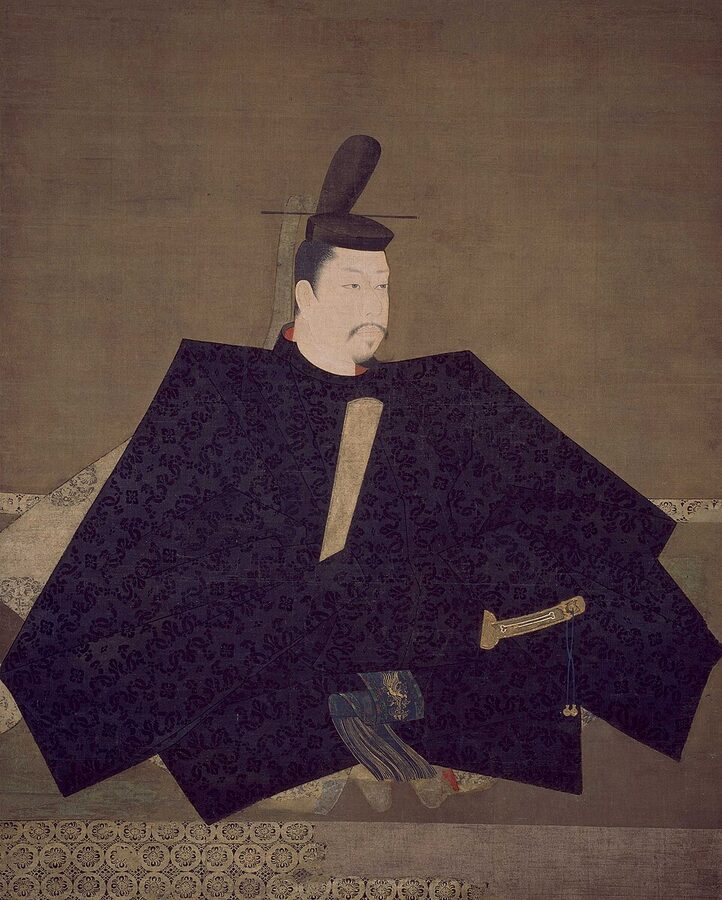
The Kamakura chronicle itself records that in 1184 Go-Shirakawa considered making Yoritomo sei-i shōgun as a reward for beating Yoshinaka, and the courtier Kujō Kanezane’s diary shows Yoritomo turning down every office offered him that spring and taking only a rank. Then, in a 2004 paper, the scholar Sakurai Yōko published entries from a lost courtier’s diary, preserved in a later digest, that describe the appointment of 1192. Yoritomo had asked only to be a “great general”, taishōgun, a title to replace the court office he had resigned.
The court drew up four candidates. Sōkan had been held by the Taira chief Munemori, who ended up beheaded; seitō taishōgun had been Yoshinaka’s; jō-shōgun had no precedent in Japan. That left sei-i taishōgun, which had belonged to Tamuramaro, a lucky precedent with a happy ending. On the 12th day of the seventh month of 1192 the court gave it to Yoritomo, and within two years he was trying to give it back.
Tents, trees and willows
The shogun’s government is called the bakufu (幕府), and you will see it translated as “tent government” in every guidebook. A maku is the curtain wall a general hung round his field headquarters, so the image is of a commander in camp. In Chinese usage the word had long meant the headquarters of a general, and Japanese courtiers applied it to the palace guards’ office and to the residence of their commander; Yoritomo’s house in Kamakura borrowed it because he had briefly held that guard command.
What the guidebooks rarely tell you is that almost nobody at the time used the word for the system. The Tokugawa called their government kōgi, “the public authority”. Bakufu became popular only in the 19th century, among scholars of the Mito school who wanted to stress that the shogun was merely the emperor’s general in the field, and the neat modern sequence of Kamakura, Muromachi and Edo shogunates was fixed in university textbooks in the 1890s. The word was a political argument before it was a historical category.
There were other names, and they are rather nicer. A shogun could be taiju, “the great tree”, after the Han dynasty general Feng Yi, who used to sit apart under a tree while his fellow officers boasted about their exploits. He could be ryūei, “the willow camp”, after another Han general’s famously disciplined camp at Xiliu. The Tokugawa family temple at Okazaki, founded in 1475, is called Daiju-ji, the temple of the great tree, and its own tradition says the name was chosen in the hope that the family would one day produce a shogun.
Kamakura: the shogun as an ornament
The title was worth surprisingly little to the man who revived it. Yoritomo’s power rested on his private bond with his vassals, the gokenin, and on the rights the court had already granted him to appoint constables and stewards; the shogunate was the decoration on top. His son Yoriie inherited the household in 1199 and was only made shogun three years later, and within months a council of thirteen senior men had taken his lawsuits away from him.
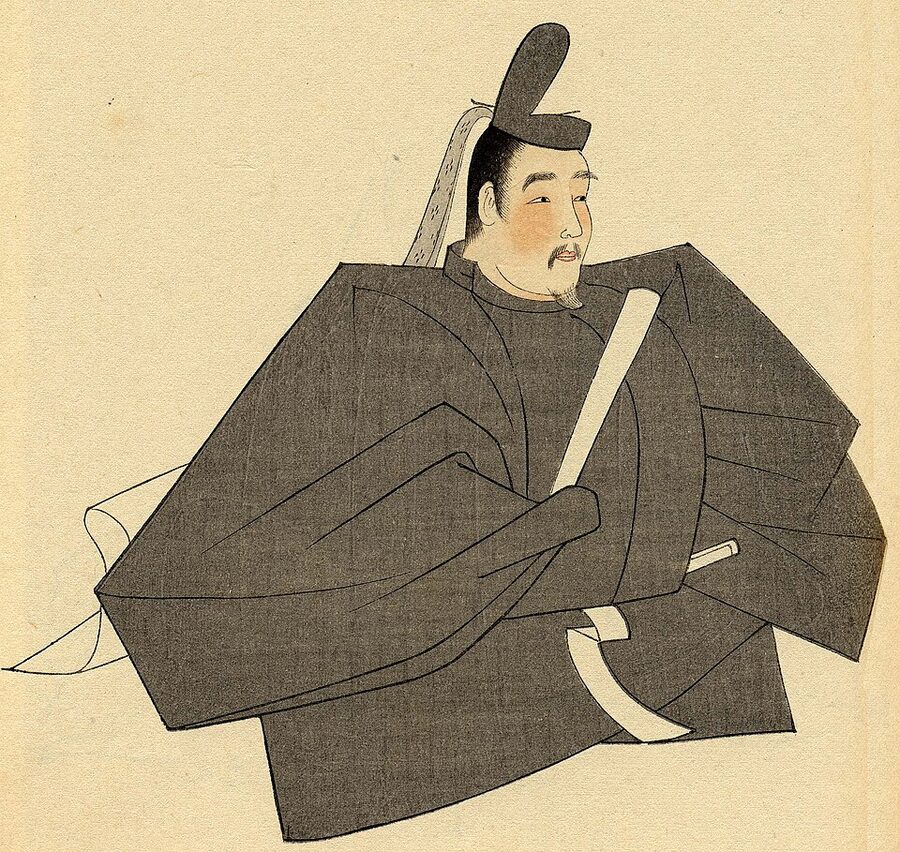
The change came with Sanetomo, Yoriie’s younger brother, who was made shogun at the same moment he became head of the house in 1203, aged twelve by the Japanese count. From then on the head of the Kamakura government and the sei-i taishōgun were the same office. That was convenient for the family who had put him there, the Hōjō, because it meant that whoever held the title held the job, whether or not he could do it.
The Hōjō ran things as shikken (執権), regents of the shogun’s household. Hōjō Tokimasa, Yoritomo’s father-in-law, is usually counted as the first, from 1203. The regents seldom rose above the junior fourth rank, while their shoguns sat among the highest nobles of the court, and that gap became the pattern for every later regime: the general at the top was always far grander than the men who actually governed.
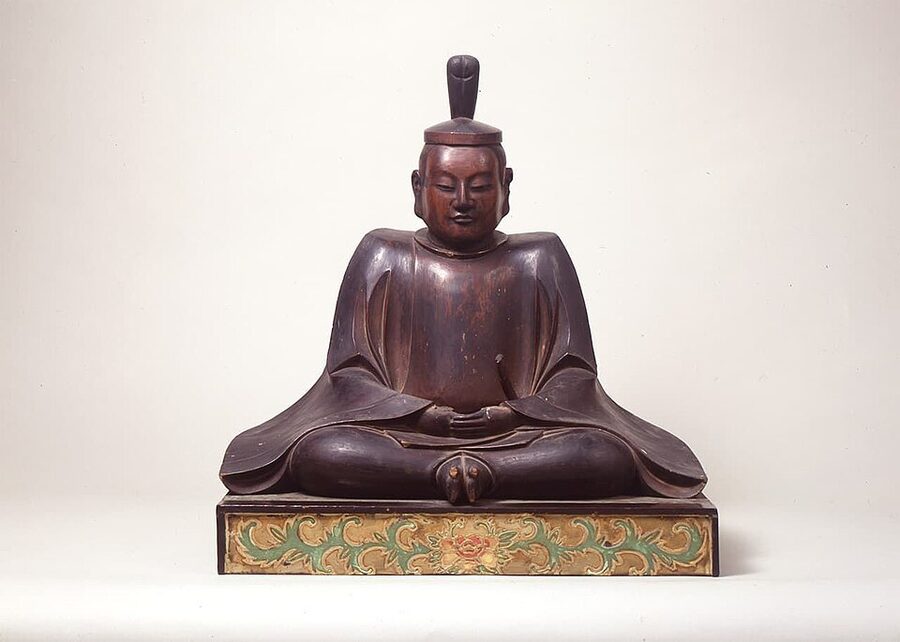
After Sanetomo’s murder the Hōjō went shopping for shoguns. They asked for an imperial prince, and the retired emperor Go-Toba refused; they took a toddler from the Kujō family of regents instead. In 1252 they got their prince, Munetaka, son of the retired emperor Go-Saga, and every shogun after him until the end was an imperial prince or a prince’s son. All but the last were sent back to Kyoto when they became inconvenient.
The treatment could be brutal. When the seventh shogun, Koreyasu, was dismissed on the 14th day of the ninth month of 1289, a court lady who happened to be in Kamakura watched low-ranking soldiers tramp through his palace in their shoes and saw him put, weeping, into a rough wicker palanquin back to front. A later chronicle summed it up: the shogun had been exiled to the capital. Koreyasu had been born in Kamakura, so he was exiled to a city he had never lived in.
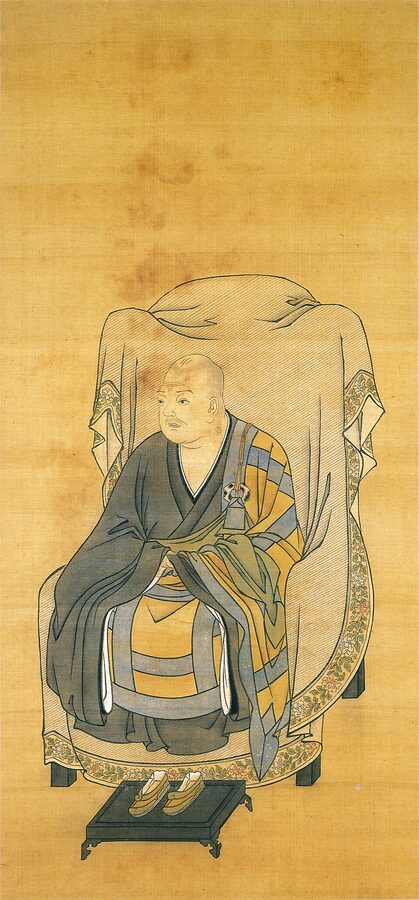
By the late 13th century you could count the layers. There was an emperor, usually with a retired emperor above him; a prince who was shogun; a Hōjō regent who governed for the shogun; a head of the Hōjō main line, the tokusō, who governed the regent; and, when the tokusō was young or ill, his chief steward, who governed him. It was this machine, not any shogun, that beat off the Mongol invasions of 1274 and 1281.
It ended in a valley behind the Hōjō houses in Kamakura. On the 22nd day of the fifth month of 1333, with Nitta Yoshisada’s army in the streets, the last tokusō, Hōjō Takatoki, and his family withdrew to their temple of Tōshō-ji, set it on fire and killed themselves. The war chronicle Taiheiki counts more than 870 dead, family and retainers together, and the excavators who dug the site in the 1970s and 1990s found the burnt layer.
The Ashikaga and the shogun in Kyoto
The title nearly died with Kamakura. The emperor Go-Daigo, who had brought the Hōjō down, wanted to rule without a shogun at all, and when his son Prince Moriyoshi called himself sei-i taishōgun, the emperor confirmed him only because he could not stop him. In 1335 Ashikaga Takauji asked for the title, was refused, and marched east to Kamakura without leave; the emperor gave him the lesser title of seitō shōgun after the event.
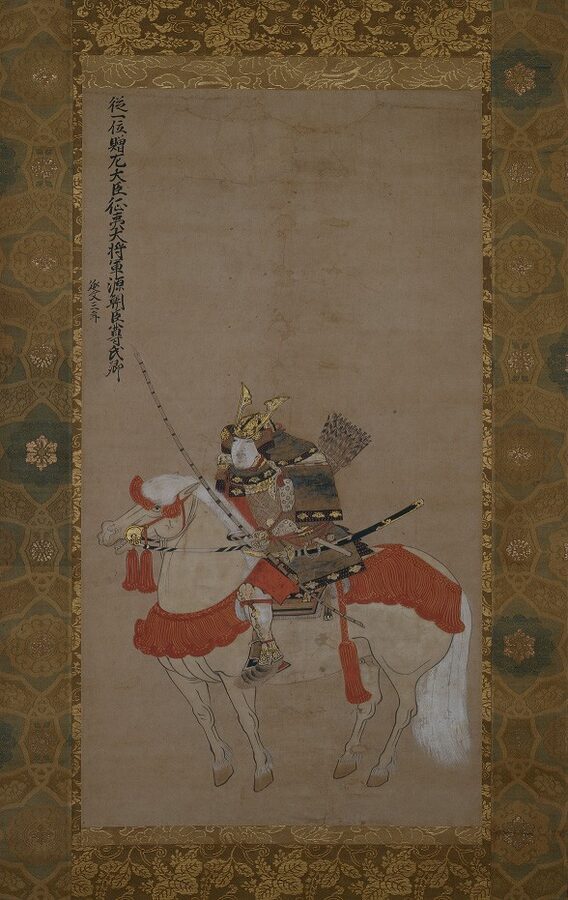
Within three years Takauji had broken with Go-Daigo, set up a rival emperor of his own, and been appointed shogun by him, on the 11th day of the eighth month of 1338. Go-Daigo fled south to Yoshino with the imperial regalia, and for the next half-century Japan had two courts, each calling the other illegitimate. The shogun had become something new: the protector of an emperor he had chosen himself.
The Ashikaga stayed in Kyoto, and that changed the job completely. A Kamakura shogun ruled from a camp four hundred kilometres from the court; a Muromachi shogun lived among courtiers, held court rank, wrote poetry and patronised Noh. The third shogun, Yoshimitsu, built his palace in 1378 on the Muromachi street in the north of the city, and that is why the age is called the Muromachi era.
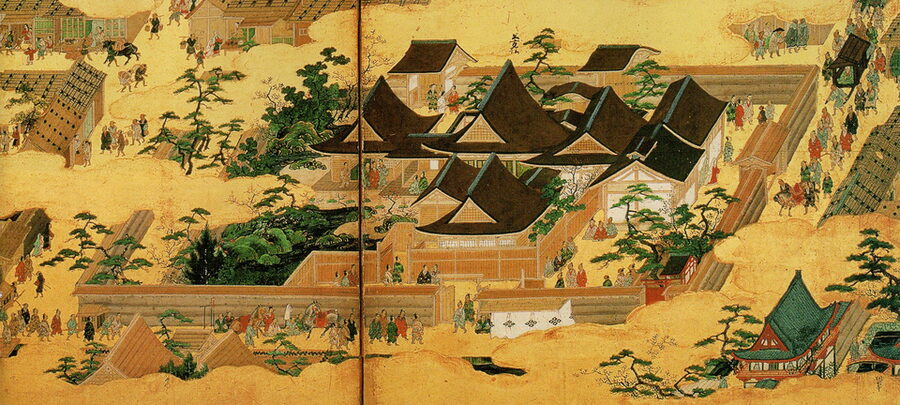
Yoshimitsu is where the title reached its peak. He reunited the two courts in 1392, handed the shogunate to his young son in 1394 and became chancellor of the realm, the highest office a courtier could hold. In 1395 he took the tonsure, and in 1401, as a monk outside the court hierarchy, he wrote to the Ming emperor as Minamoto Dōgi, jusangō of Japan, a court honour that ranked him with the empresses. In 1402 the Ming envoys addressed him as King of Japan.
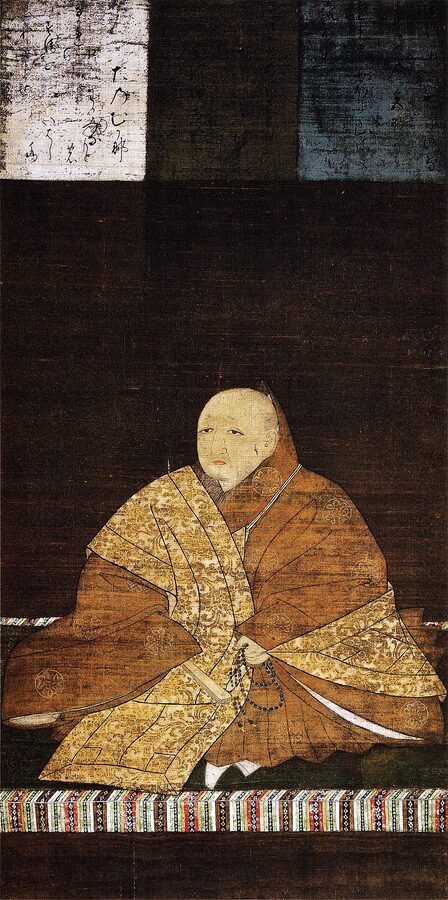
The court nobles muttered in their diaries, and Yoshimitsu ignored them. In 1397 he began the villa in the northern hills that became Kinkaku-ji, and he governed from it as if it were a palace, receiving the Ming envoys there and the emperor Go-Komatsu in 1408. Some Japanese historians have argued that he meant to put his own son on the throne. He died suddenly a few weeks later, which spares everyone the argument.
Chosen by lottery, killed at a party
After that the shogun’s power came and went with the man. When the fourth shogun, Yoshimochi, lay dying in 1428 and refused to name an heir, his senior councillors drew lots at Iwashimizu Hachimangū among his four brothers, all of them monks. The name was opened after he died. It belonged to Gien, the head of Shōren-in, who left his temple, took the name Yoshinori and became known for ever as the shogun chosen by lottery.
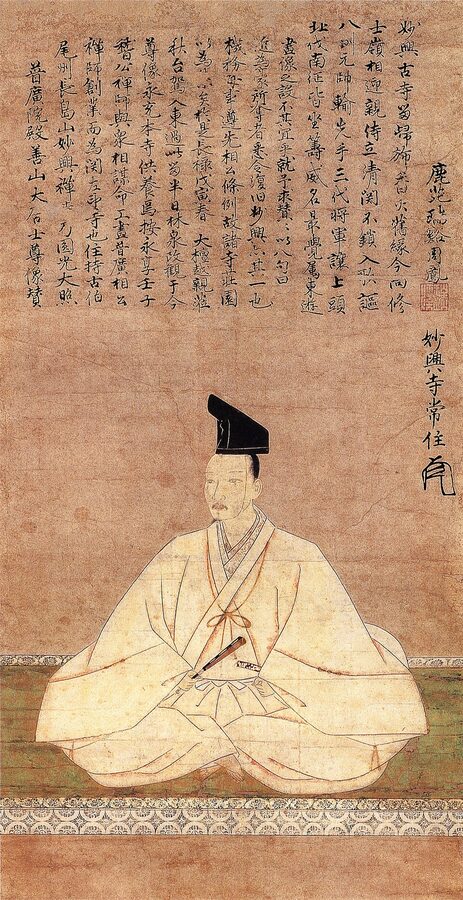
Yoshinori believed the gods had chosen him and governed accordingly. He beheaded monks of Mount Hiei who had come down under safe conduct, and when the temple burned in protest he banned all talk of it; a merchant who gossiped was executed. The imperial prince Sadafusa wrote two words in his diary, banjin kyōfu, “everyone is terrified”, and added: say nothing.
On the 24th day of the sixth month of 1441 the Akamatsu family invited Yoshinori to their mansion to see a brood of ducklings. During the Noh performance horses were let loose in the yard and the gates slammed shut; when the shogun asked what the noise was, a courtier beside him said it was probably thunder. Then armed men came through the screens and took his head. Prince Sadafusa wrote that he had never heard of a shogun dying a dog’s death like this.
The eighth shogun, Yoshimasa, Yoshinori’s son, is the reason the Ōnin War started and the reason it went on. He promised the succession to his brother, then his wife Hino Tomiko had a son, and the great lords lined up behind one or the other in a quarrel that burned most of Kyoto down. Yoshimasa withdrew into the arts, built himself a retreat in the eastern hills, and became the greatest patron of taste Japan has had and one of its worst rulers.
After the war the shogun was a Kyoto ornament with an army only as big as his friends’. In 1493 the deputy Hosokawa Masamoto deposed the tenth shogun and put up one of his own; for the next eighty years shoguns were made, unmade, chased out of the capital and brought back by whoever held Kyoto, and people called them “drifting shoguns”. The Sengoku era belonged to the provincial lords, who no longer needed a shogun to appoint them to anything.
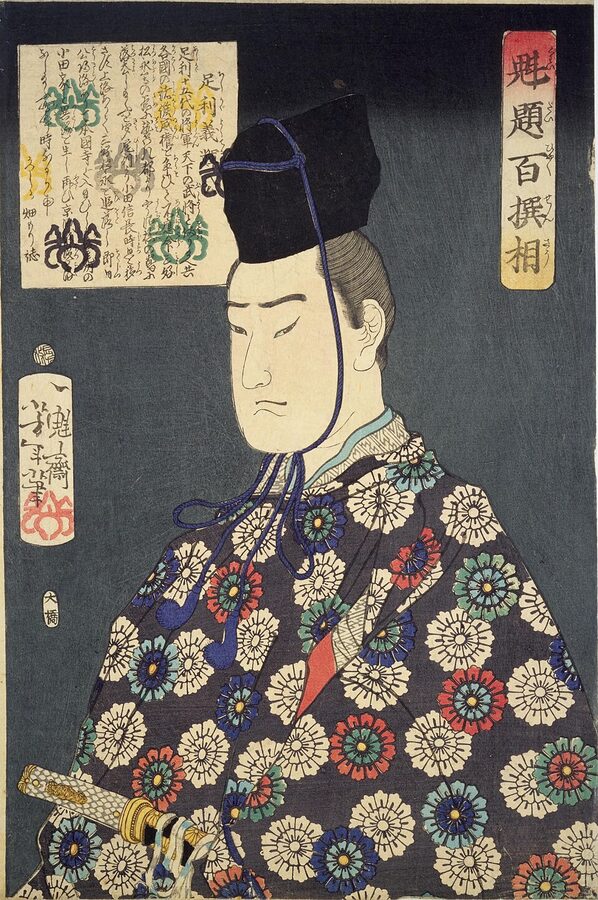
The famous version of Yoshiteru’s death has him plant his collection of great swords in the tatami and take up a fresh one each time a blade dulled. That detail comes from the Nihon Gaishi, written two and a half centuries later, and nothing near the event mentions it. A court lady’s diary from the day says he took a spear in the belly, an arrow in the forehead and two sword cuts to the face. A shogun could now be murdered in his own house, which was new.
The last Ashikaga and the men who never took the title
Yoshiteru’s brother Yoshiaki was a monk at Nara when the killing happened. He escaped, spent three years looking for a lord who would make him shogun, and found Oda Nobunaga, who marched him into Kyoto in 1568. On the 18th day of the tenth month of 1568 he was appointed the fifteenth Ashikaga shogun.
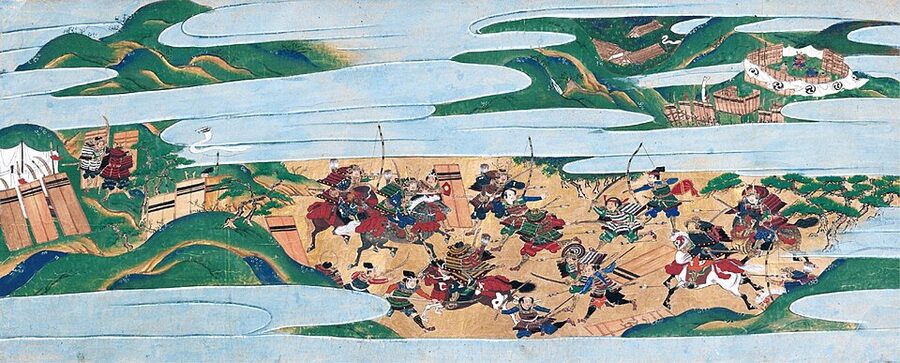
The partnership lasted five years. Yoshiaki wrote to every lord who might pull Nobunaga down, raised troops against him twice, and in the seventh month of 1573 was besieged at Makishima Castle near Uji, gave up his two-year-old son as a hostage and left the capital. That is usually counted as the end of the Muromachi shogunate. It was not the end of Yoshiaki, who kept the title, moved in 1576 to Tomo-no-ura on the Inland Sea under the protection of the Mōri, and ran a government in exile that historians call the Tomo shogunate.
In the fifth month of 1582 the court seems to have offered Nobunaga any of the three great offices, chancellor, regent or shogun. He had not answered when Akechi Mitsuhide killed him at the Honnō-ji on the 2nd day of the sixth month. Toyotomi Hideyoshi got himself adopted into the Konoe family and became imperial regent instead, a far harder door for a farmer’s son to open. The Tokugawa scholar Hayashi Razan later wrote that Hideyoshi had tried to get Yoshiaki to adopt him so he could be shogun and was turned down, and modern historians suspect that Razan made it up to flatter his employers.
Yoshiaki finally resigned on the 13th day of the first month of 1588, shaved his head, took the name Shōzan, and lived out his days on an estate of ten thousand koku that Hideyoshi gave him. So for most of the Azuchi-Momoyama era Japan had a shogun without a shogunate, and the men who actually ruled it had no use for the title. That says a good deal about what it had become.
Ieyasu takes the title back
Tokugawa Ieyasu did want it, and he had been preparing his paperwork for decades. When he changed his family name from Matsudaira to Tokugawa at the end of 1566, the court would only grant him the governorship of Mikawa if he registered as a Fujiwara, so he did. Later he went back to claiming descent from the Nitta, a branch of the Seiwa Minamoto, and by 1603 he had the pedigree everyone now expected of a shogun.
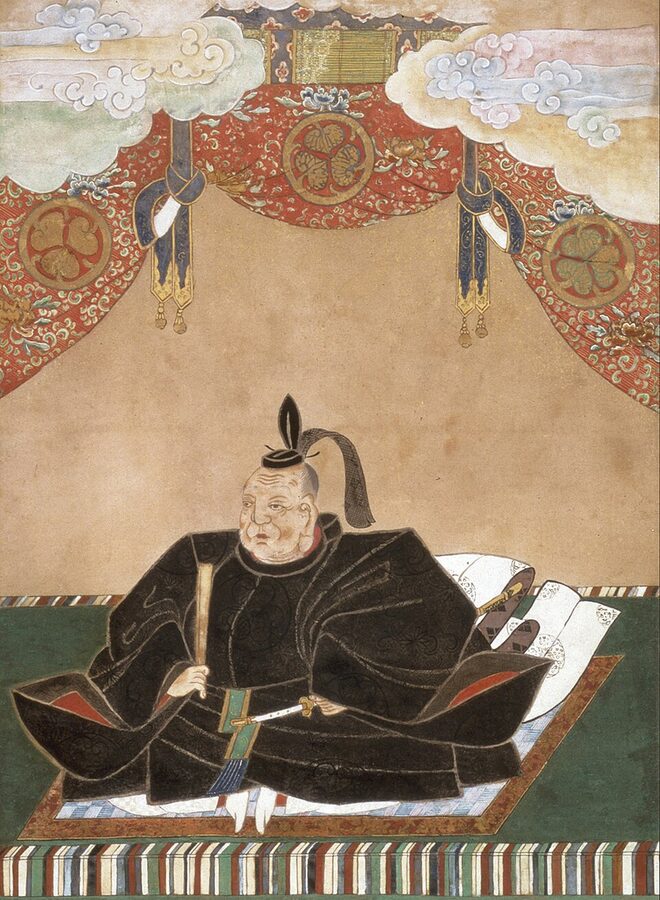
He won the Battle of Sekigahara on the 15th day of the ninth month of 1600 and was appointed sei-i taishōgun at Fushimi on the 12th day of the second month of 1603. Two years later he handed the title to his son Hidetada, while keeping the real power himself in retirement at Sunpu. The point was to tell every lord in Japan that the job now belonged to the family.
What followed is the Tokugawa shogunate: fifteen shoguns in nearly 265 years, from 1603 to 1867, and the longest period without a major war in Japanese history, the Edo era. Its machinery of councils, inspectors and hostages is in that article. What concerns me here is the balance between the general in Edo and the emperor in Kyoto, which was stranger than it looks.
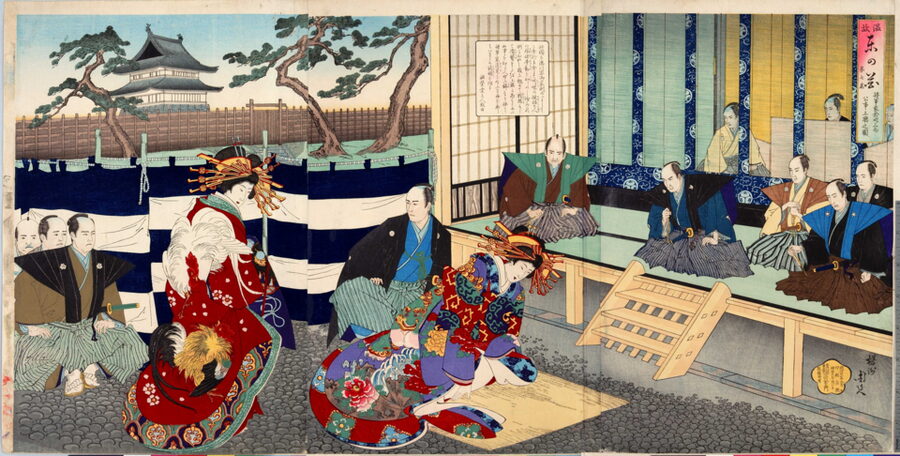
On paper the shogun was the emperor’s servant. In practice the shogunate controlled foreign relations, the coinage, the mines, the great cities and the 260-odd daimyo, whose wives and heirs lived in Edo under alternate attendance, and from 1615 it controlled the court itself through a code of seventeen articles that told the emperor his first duty was scholarship. A shogunate governor in Kyoto watched the palace, court ranks for warriors went through Edo, and when the emperor Go-Mizunoo issued purple robes to Zen abbots without asking, the shogunate cancelled them and he abdicated in protest in 1629.
The emperor kept the things that could not be taken without destroying the point of taking anything. He named the eras, issued the calendar, performed the rites, and above all he appointed the shogun. A new Tokugawa head was simply uesama, “his lordship”, until the court’s envoys delivered the commission; only then did he become kubōsama, and only then was he formally the chief of the Minamoto. All fifteen Tokugawa shoguns waited for that piece of paper.
Tycoon: the shogun abroad
“Barbarian-subduing general” was a poor title for writing to a king. The Ashikaga had solved the problem by becoming Kings of Japan in Chinese eyes, which the court in Kyoto resented. The Tokugawa tried signing simply as “Minamoto Hidetada of Japan”, until it emerged in 1633 that the Sō family of Tsushima, who handled relations with Korea, had been forging the shogun’s letters for years and promoting him to king in them to keep the trade flowing.
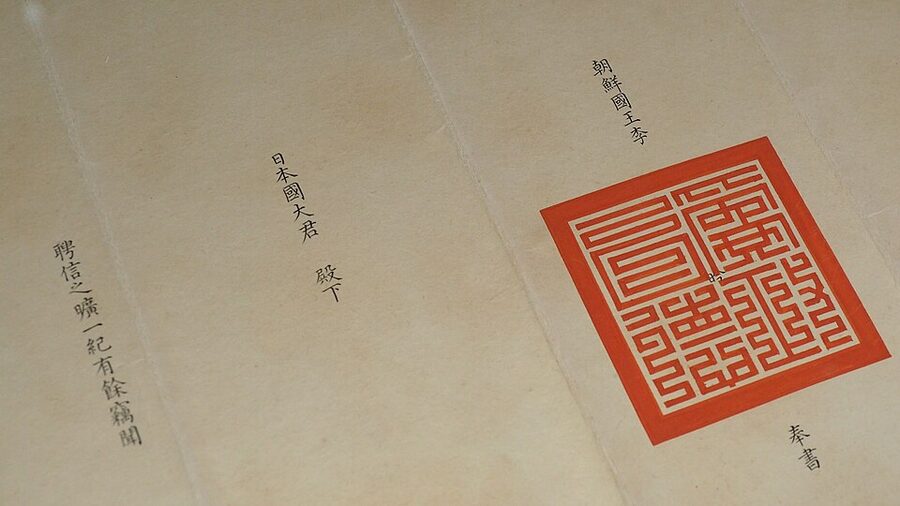
From 1636 the shogunate used taikun, “great prince”, a word from the Chinese classics that implied a sovereign without saying which kind. The scholar Arai Hakuseki changed it back to “King of Japan” for the Korean embassy of 1711, on the grounds that in Korea taikun was a title for a royal prince; the eighth shogun restored it a few years later. It went into the treaties with the Western powers in the 1850s, and English turned it into “tycoon”.
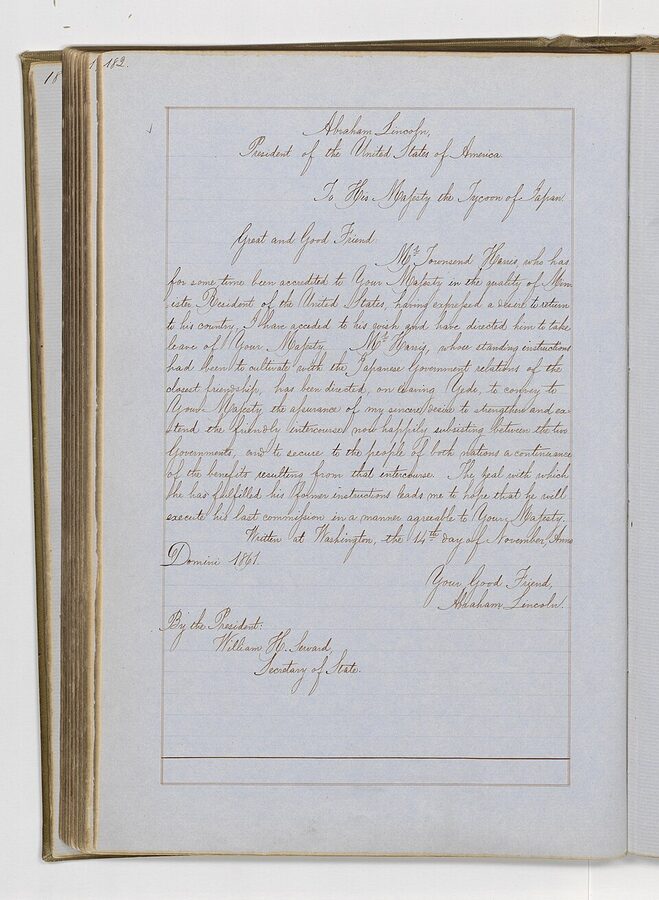
Western diplomats knew there was an emperor, the “mikado”, somewhere in Kyoto, but they negotiated with the tycoon, which suited the shogunate. It stopped suiting it after Perry’s black ships arrived in 1853. When Ii Naosuke signed the American commercial treaty in 1858 without the emperor’s consent, the people who wanted the shogunate gone found a perfectly respectable way to say so: the general had disobeyed his emperor.
The shoguns now had to travel. The third shogun, Iemitsu, had gone up to Kyoto in 1634 with an escort usually put at 307,000 men; for the next 229 years no shogun went at all. In 1863 the fourteenth, Iemochi, went up to Kyoto and was made to promise the court a date for expelling the foreigners, which nobody seriously expected him to keep. He died at Osaka Castle three years later, at twenty.
Fifteenth and last
Tokugawa Yoshinobu became shogun at the end of 1866 and never once set foot in Edo Castle while he held the title. He spent his reign in Kyoto and Osaka trying to turn the shogunate into the leading member of a council of lords under the emperor, and he was cleverer than any of his rivals and trusted by none of them.
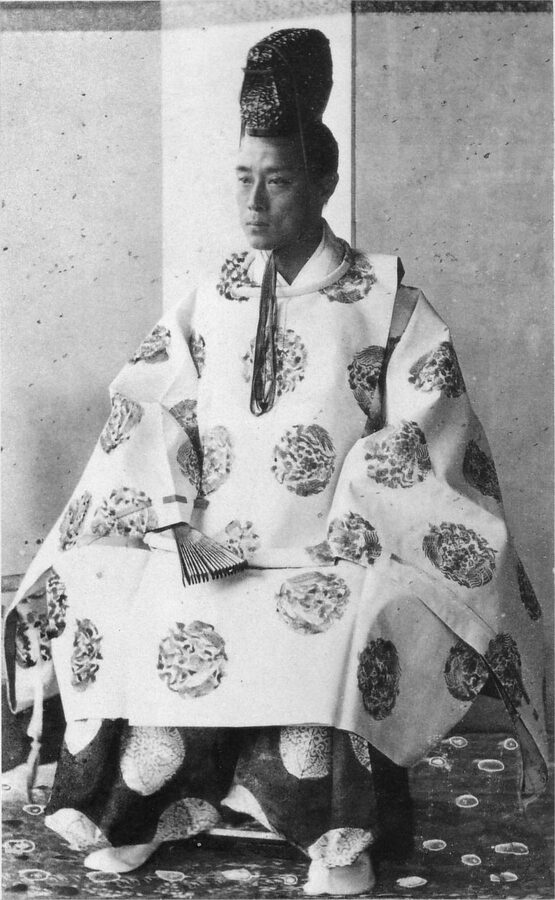
At Nijō Castle on the 13th day of the tenth month of 1867, he told the senior retainers of the great domains what he intended, and on the 14th he submitted the return of governing power to the court. He resigned as shogun on the 24th. On the 9th day of the twelfth month, which is 3 January 1868 by the Western calendar, troops from Satsuma and their allies took the palace gates and the court proclaimed the restoration of imperial rule, abolishing the shogunate and the office of shogun with it.
So the end came by decree, 675 years after the court picked the title off its list for Yoritomo. The Boshin War that followed was about the Tokugawa lands, not the title, which no longer existed. The boy emperor in whose name it was all done became Emperor Meiji, and the rest is the Meiji Restoration.
Yoshinobu lived until 1913. He took up archery, hunting, bicycles, embroidery and oil painting, became a prince in the new peerage, and outlived almost everyone who had fought for or against him. The samurai who had served the shoguns did not last as long; their last stand was the Satsuma Rebellion of 1877.
Toranaga, who is not a shogun
James Clavell’s 1975 novel Shōgun and its two television versions, the NBC series of 1980 and the FX drama of 2024 that took eighteen Emmy awards in a single season, have done more than anything else to put the word into English. The irony is that nobody in the story is a shogun. The title is the prize, and the book ends before anyone collects it.
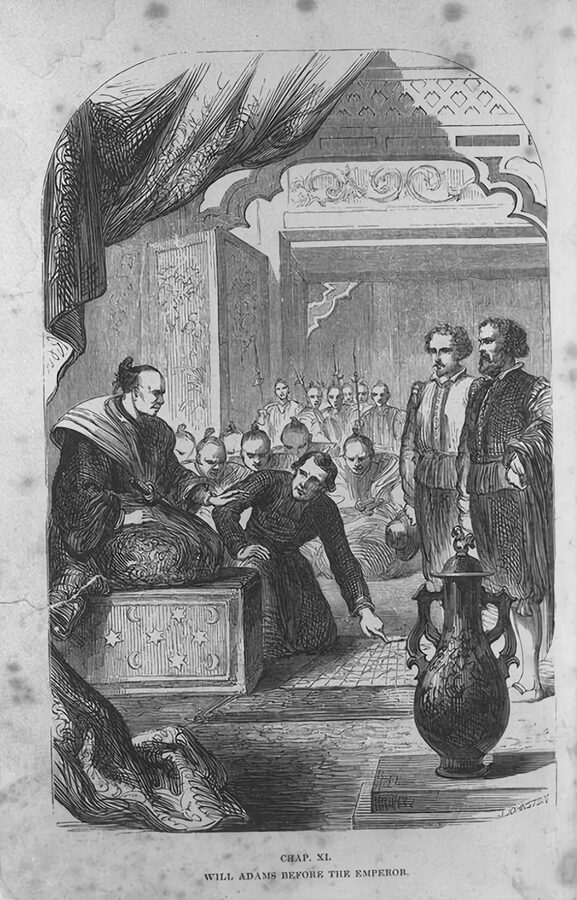
Lord Yoshii Toranaga is Tokugawa Ieyasu in the year 1600, one of the five great lords ruling for the dead Taikō’s small son, and his descent from the “Minowara” is Ieyasu’s Minamoto pedigree, the qualification he had spent years arranging. John Blackthorne is William Adams, the English pilot of the Dutch ship Liefde, which reached Kyushu in April 1600 by the European calendar. Adams really did become Ieyasu’s adviser, shipbuilder and retainer, and he never went home.
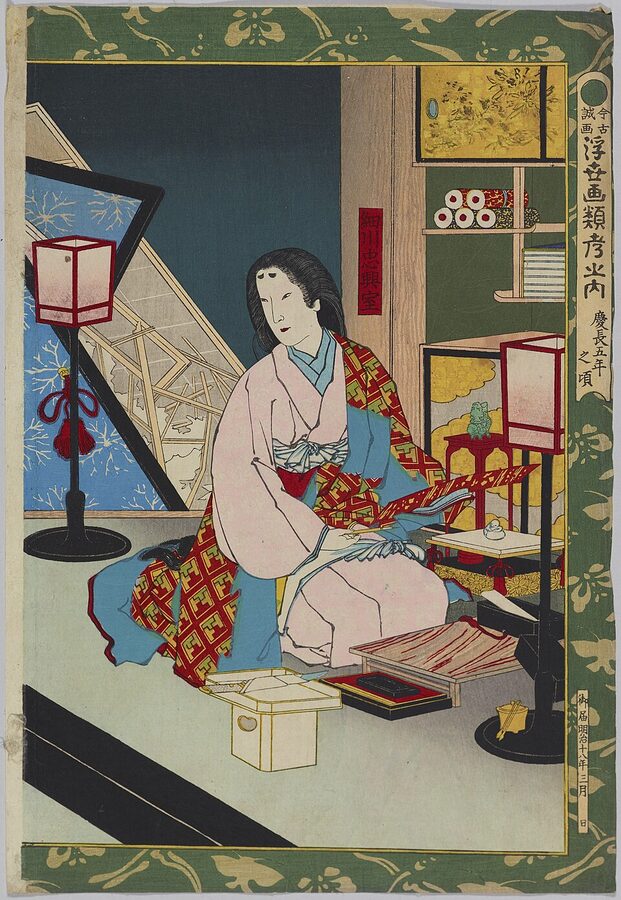
Toda Mariko draws on Hosokawa Gracia, the Christian daughter of Akechi Mitsuhide and wife of Hosokawa Tadaoki, the drama’s Buntaro. On the 17th day of the seventh month of 1600, when Ishida Mitsunari’s men came to take her hostage at the Hosokawa mansion in Osaka, she had a retainer kill her and the house was burned. Mariko’s story turns on that same hostage crisis in Osaka.
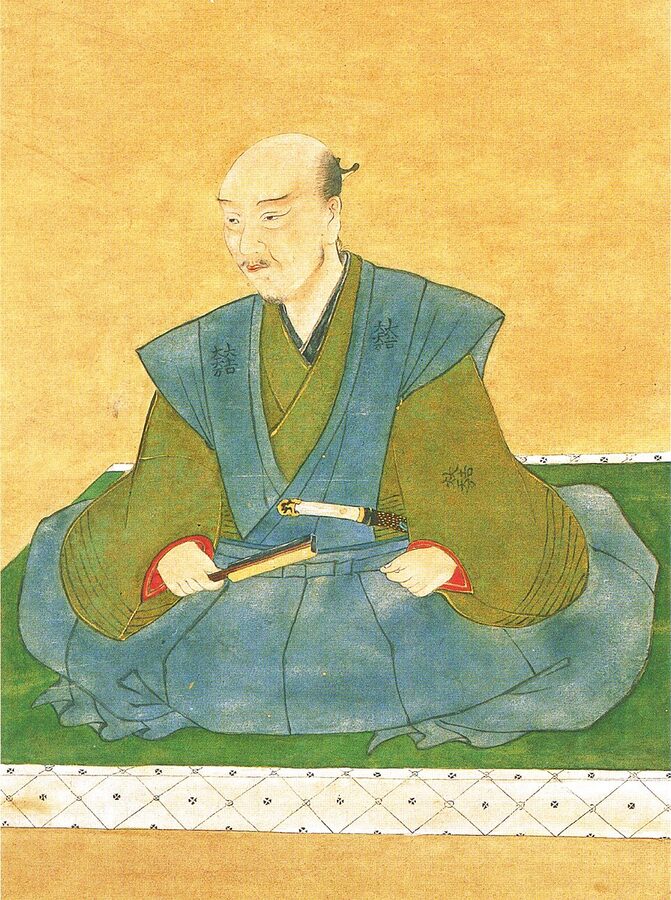
Ishido Kazunari is Ishida Mitsunari, Hideyoshi’s administrator and Ieyasu’s chief opponent, who lost at Sekigahara and was beheaded at Kyoto on the 1st day of the tenth month of 1600. Ochiba no Kata is Yodo-dono, Hideyoshi’s consort and mother of his heir, and the Council of Regents compresses Hideyoshi’s two committees of five elders and five commissioners into one. The real Ieyasu got his title in 1603, and his family kept it for the rest of the run.
Where to see the shoguns today
The shoguns are scattered across three cities and a mountain shrine, in roughly the order they ruled: the first general’s legends in Kyoto, the Minamoto and the Hōjō in Kamakura, the Ashikaga back in Kyoto, and the Tokugawa in Nikkō and Tokyo. For the long view, Japan through the ages has the whole sequence, and the Heian era is where the title began.
Kiyomizu-dera and Tamuramaro, Kyoto
Kiyomizu-dera, on the slopes of the eastern hills, is the one claim to Tamuramaro’s patronage with real documents behind it: a government order of 805 allowed the temple to remain the private chapel of the Sakanoue family. The temple dates its founding to 778 and a monk called Enchin, and the founding legends, which disagree with each other, bring Tamuramaro in as the patron in the years around 798. The main gate opens at 6:00 and closes at 18:00 for most of the year, later in summer and during the evening openings, and the inner precinct costs ¥500.
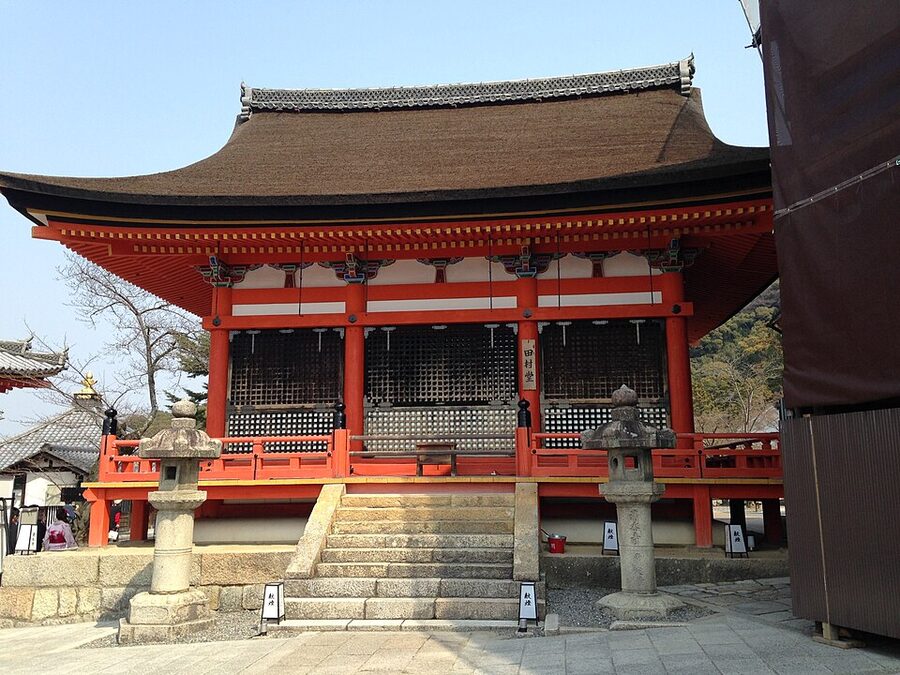
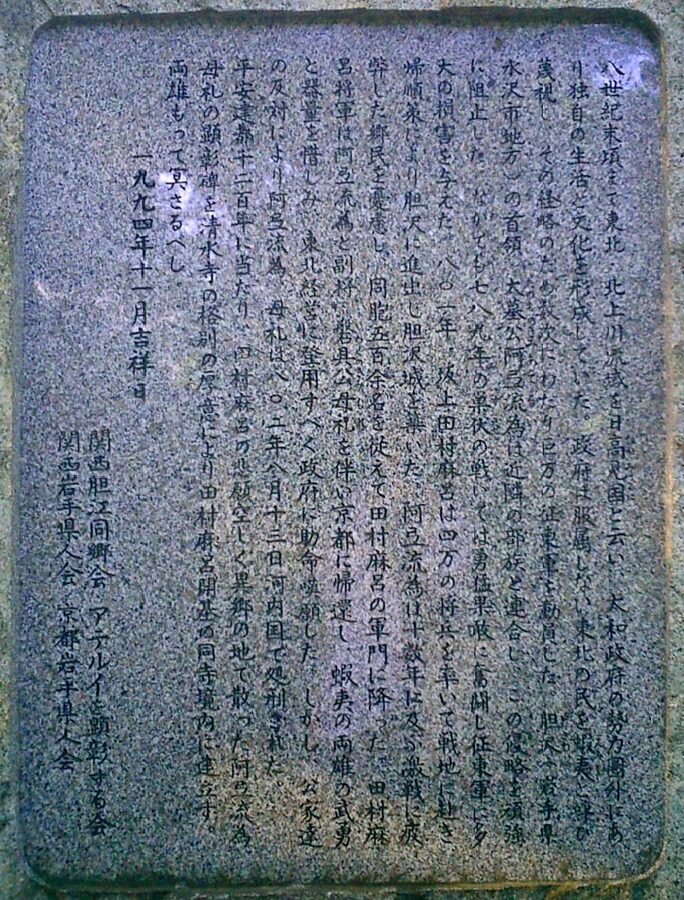
Before you leave, find the stone in the south precinct to the men Tamuramaro could not save. It was put up in 1994, the 1,200th anniversary of the founding of the capital, and it calls Aterui and More the heroes of the northern sky. I find it the most moving thing on the hill, partly because it is so plain.
The bus stops are Gojō-zaka (city buses 206 and 100 from Kyoto Station) and Kiyomizu-michi, each about ten minutes’ walk uphill. Go at opening time if you can. By ten the slope is a slow-moving queue.
Tamuramaro’s grave, Yamashina
Over the hills east of Kiyomizu is the Yamashina basin, where the court granted Tamuramaro his burial ground in 811. The grave everyone visits is in Sakanoue no Tamuramaro Park, beside Kanshū Elementary School in Kurisuno; put it into your map app, because no sign will lead you there. The stone was set up in 1895 for the 1,100th anniversary of the capital, and Japanese archaeologists now think the mound is a burial of the Nakatomi clan.
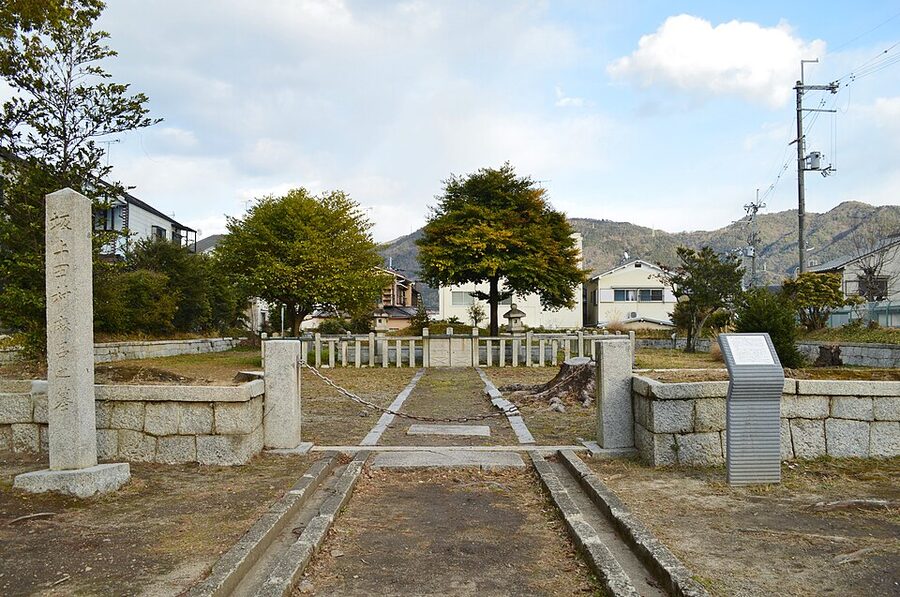
The better candidate is a couple of kilometres away at Nishinoyama, where farmers clearing bamboo in 1919 found a charcoal-lined grave pit with a gold-mounted sword, a silver-and-gold mirror and arrowheads, now a National Treasure. In 2007 the historian Yoshikawa Shinji matched a government order dated the 17th day of the tenth month of 811 to an old map of Yamashina and placed Tamuramaro’s grave precisely here. The exact spot was lost for decades after the finds were taken away, though a recent survey may have found it again, and the only marker, by the road and set up in 1985, says the grave is somewhere near.
Kamakura: Tsurugaoka, Tōshō-ji and the harakiri yagura
Kamakura is an hour from Tokyo on the JR Yokosuka Line. Walk up the raised path from the station to Tsurugaoka Hachimangū, the Minamoto shrine at the head of Yoritomo’s town; the grounds are open from early morning to evening and free. Sanetomo was killed on or near the great stone steps in 1219, the event that handed Kamakura to the regents.
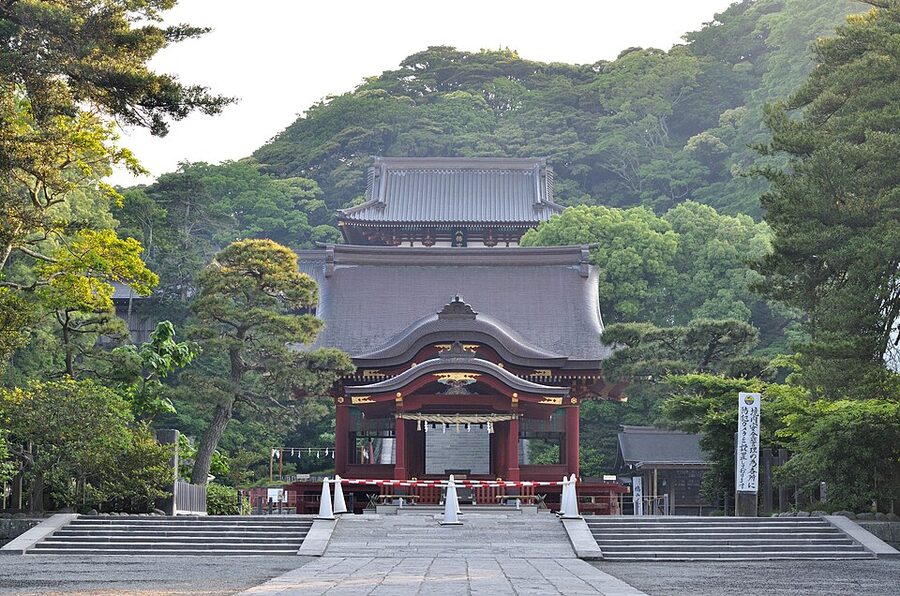
From the shrine’s third torii, walk east along the Yokoōji road to Hōkai-ji, a Tendai temple built in 1335 on the site of the Hōjō family residence, by Ashikaga Takauji on Go-Daigo’s orders, to console the dead. It is famous for bush clover in September. Beyond it, cross the little Nameri River and follow the lane up the Kasaigayatsu valley to the site of Tōshō-ji, about twenty minutes on foot from the station.
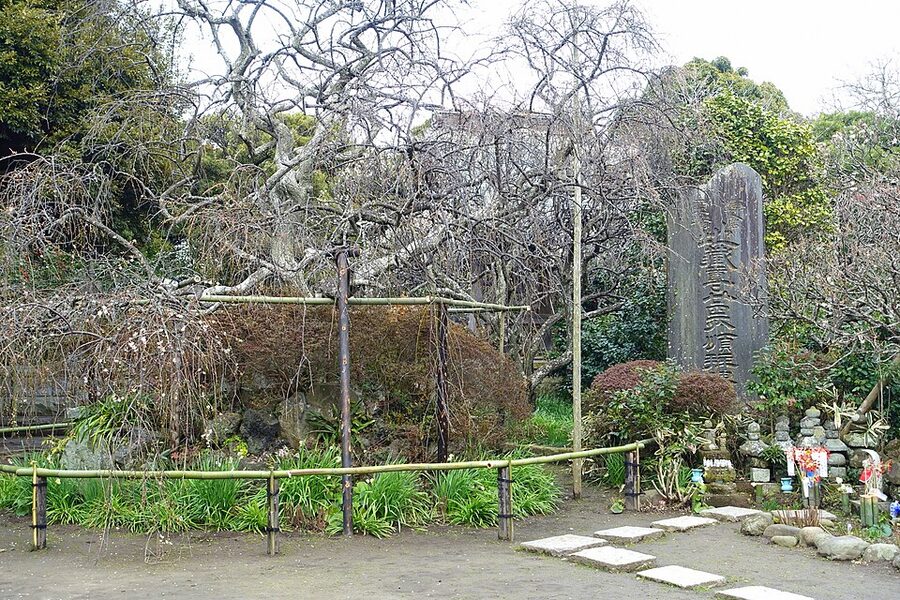
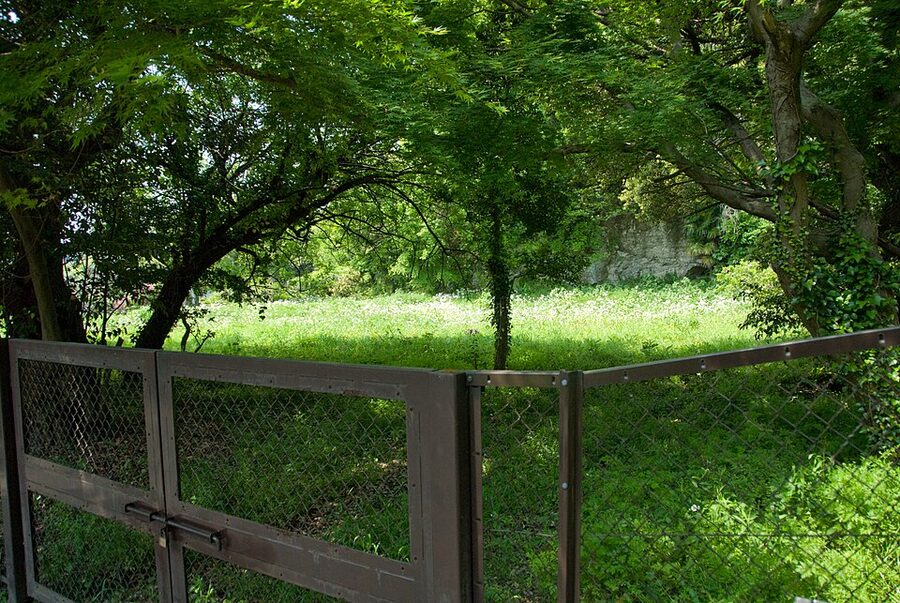
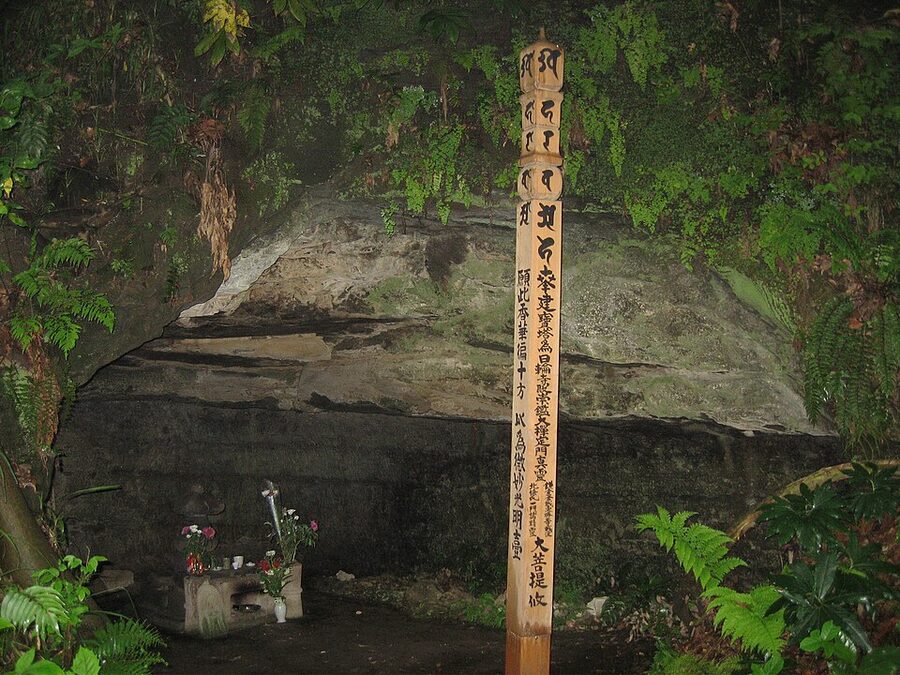
The temple ground is behind a fence, and the path continues a little way to the cave tomb in the cliff known as Takatoki’s harakiri yagura, where tradition puts the end of the Hōjō. The digs at the temple site found roof tiles bearing the Hōjō triple-scale crest but no human remains, so the link is tradition rather than evidence. People still leave flowers.
Kinkaku-ji and Ginkaku-ji, Kyoto
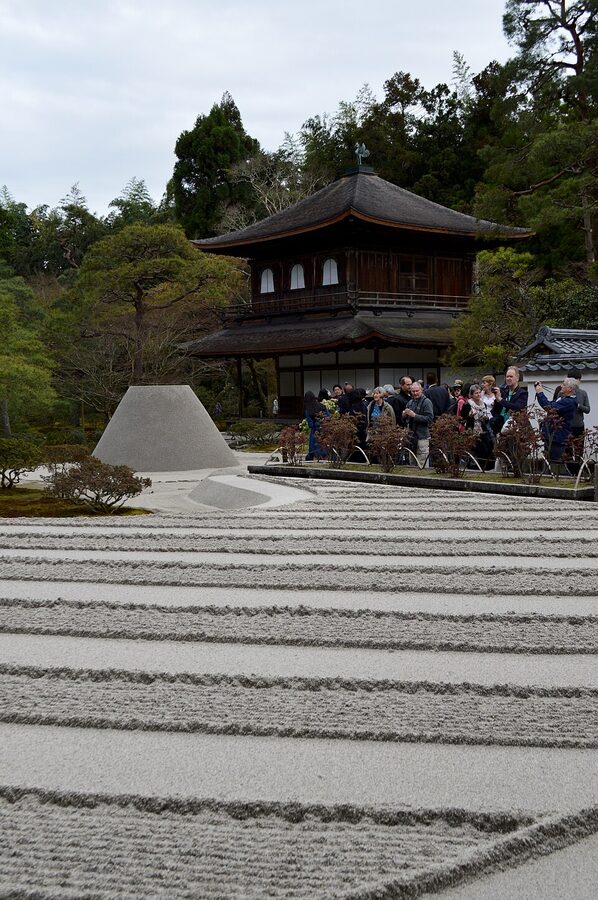
The two Ashikaga villas sit at opposite ends of Kyoto, a fair bus ride apart. Kinkaku-ji, the Golden Pavilion, is Yoshimitsu’s villa in the northern hills, opened to visitors in 1894. The building you see is the 1955 reconstruction after a young monk burned the original in 1950, and the gold leaf and Yoshimitsu’s statue inside were renewed in 1987.
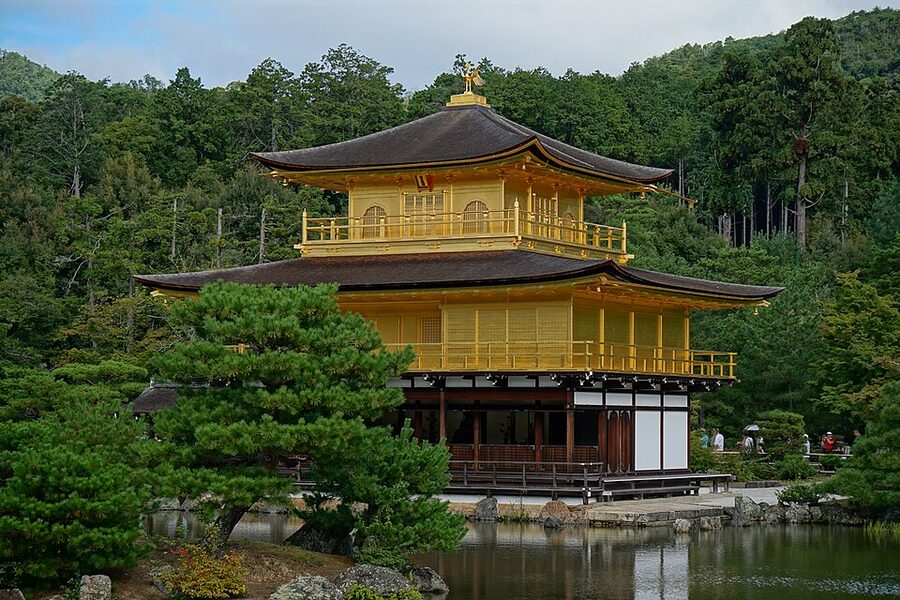
The gate is open 9:00–17:00, the fee is ¥500, and the stop is Kinkakuji-michi on city buses 12, 59, 205 and M1. Come at nine. The path is one-way, the crowds behind you will push, and you have perhaps two minutes at the pond before they do.
Ginkaku-ji in the east is Yoshimasa’s retreat, begun in 1482 on the ruins of a temple burned in the Ōnin War. The Kannon-den, the “Silver Pavilion”, had its pillars raised in the third month of 1489, and Yoshimasa died before it was finished; it was never silvered and was probably never meant to be. Hours are 8:30–17:00 from March to November and 9:00–16:30 in winter, and the fee is now ¥1,000; the stop is Ginkakuji-michi on city buses 5, 7, 32, 102, 203 and 204.
Tōji-in: the Ashikaga shoguns in wood
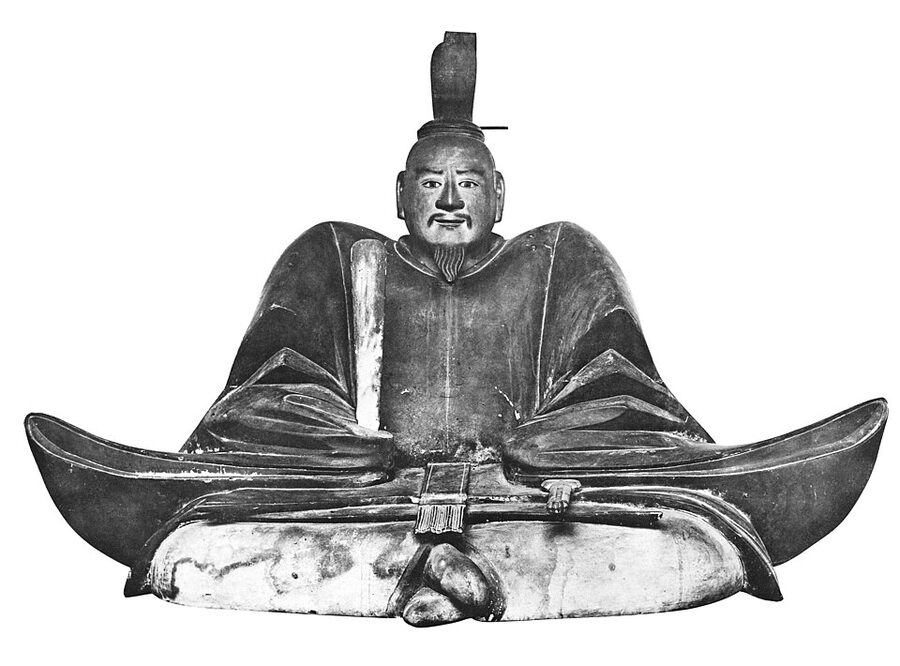
If you see one Ashikaga site after the pavilions, make it Tōji-in, the family temple, about ten minutes’ walk from Tōjiin station on the Randen tram in the north-west of the city. Takauji founded it in 1341 and was buried here in 1358, and a stone pagoda in the garden north of the main hall marks his grave, inscribed with a date in the fourth month of that year. The garden ponds are traditionally laid out by Musō Soseki.
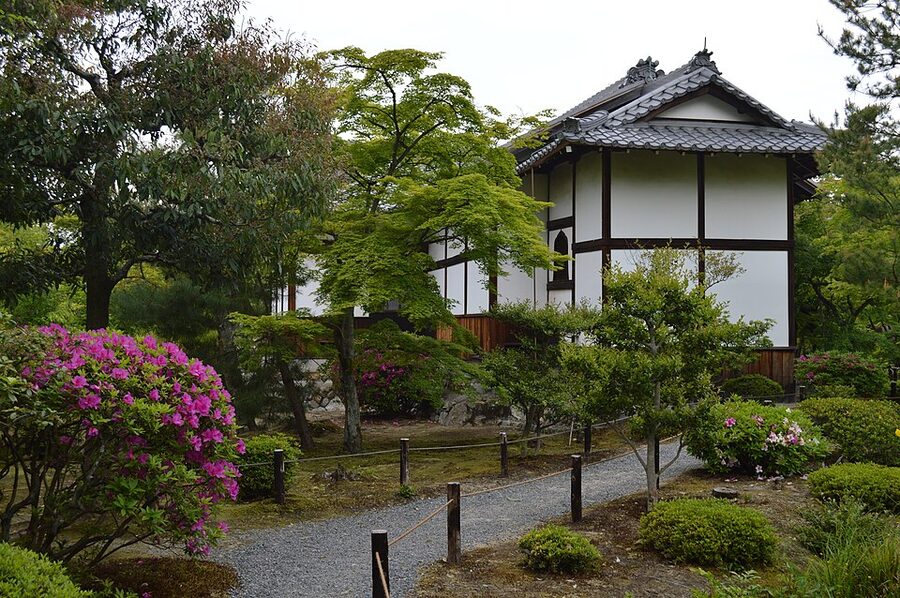
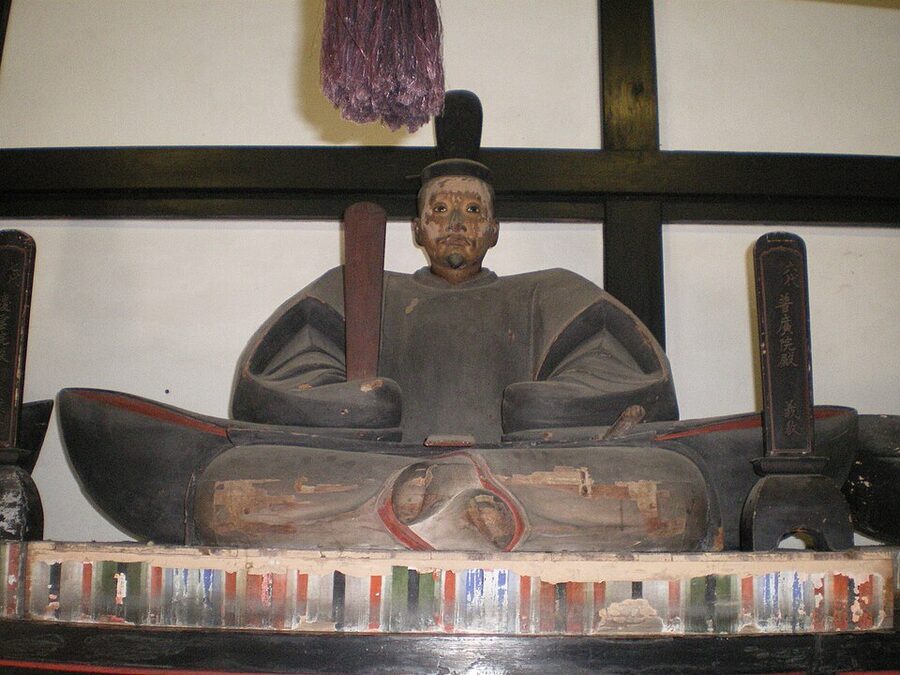
The Reikō-den holds wooden statues of thirteen of the fifteen Ashikaga shoguns, missing only the fifth, Yoshikazu, and the fourteenth, Yoshihide, plus a statue of Ieyasu at forty-two. On the night of the 22nd day of the second month of 1863, a band of followers of the Hirata school of National Learning broke in, cut the heads off the statues of the first three Ashikaga shoguns, and displayed them on the riverbank at Sanjō as traitors to the true emperor. Everyone in Kyoto understood which shogun they really meant.
The temple is open 9:00–16:30 (last entry 16:00) every day of the year, and admission is ¥600. On the site of the Muromachi palace itself, on Muromachi-dōri just north of Imadegawa, there is only a stone marker. Tōji-in is where the Ashikaga can still be found.
Nijō Castle, Kyoto
Nijō Castle is where the Tokugawa shogunate began and ended in Kyoto: Ieyasu celebrated his appointment here in 1603, and Yoshinobu told the great domains here in 1867 that he was giving back the government. The Ninomaru Palace is a National Treasure, and its rooms run in order of rank from the outer reception halls to the shogun’s private quarters.
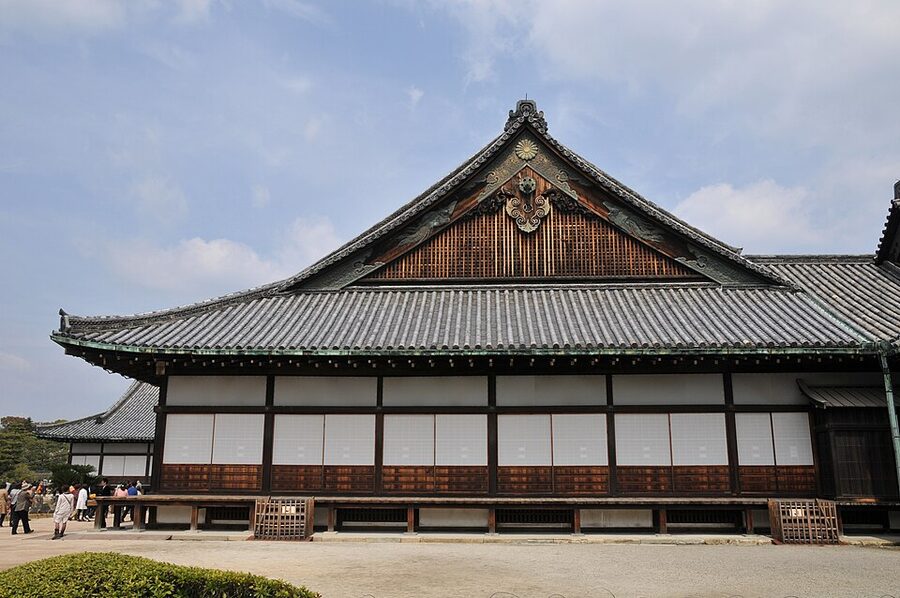
The castle is open 8:45–17:00 with tickets until 16:00, closed only 29 to 31 December. The ticket with the Ninomaru Palace is ¥1,300; the palace itself closes on certain days in winter and summer, so check the castle’s own site. The Honmaru Palace costs ¥1,000 more and has to be booked online in advance.
Nikkō: Tōshōgū and Taiyūin
Nikkō Tōshōgū is Ieyasu’s shrine, rebuilt in its present loud magnificence by his grandson Iemitsu in 1636. It is two hours from Tokyo, on the Tōbu line from Asakusa or the JR limited express from Shinjuku. It opens 9:00–17:00 from April to October and 9:00–16:00 from November to March, last entry thirty minutes before closing, and ¥1,600 covers the shrine and the inner precinct.
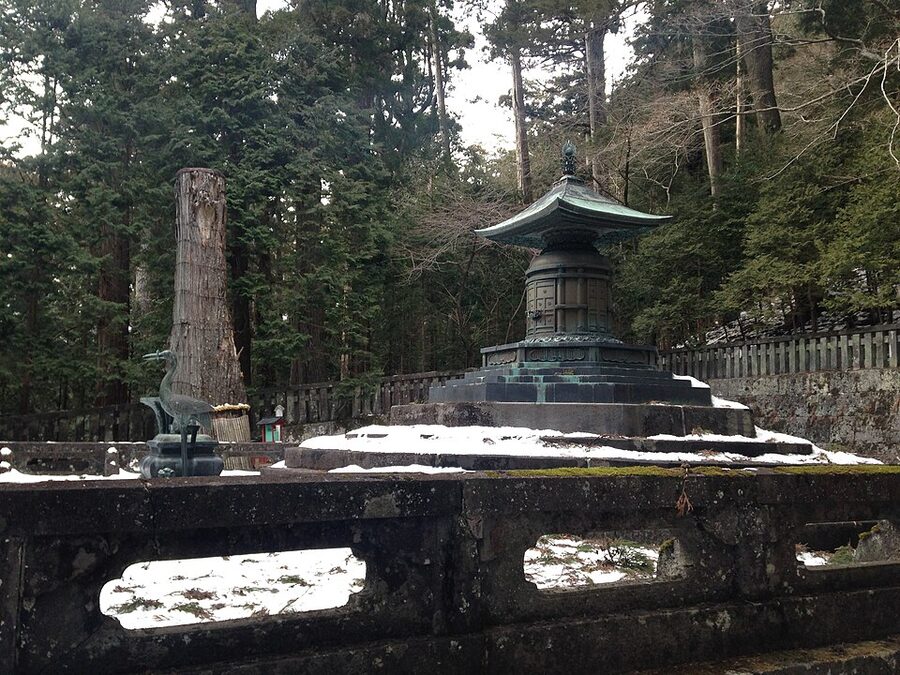
Do not skip the climb. The famous sleeping cat is on the gate at the bottom of it, and almost everyone stops to photograph the cat and goes no further. The grave of the man who ended the Sengoku wars is two hundred steps above, among cedars, and you may well have it to yourself.
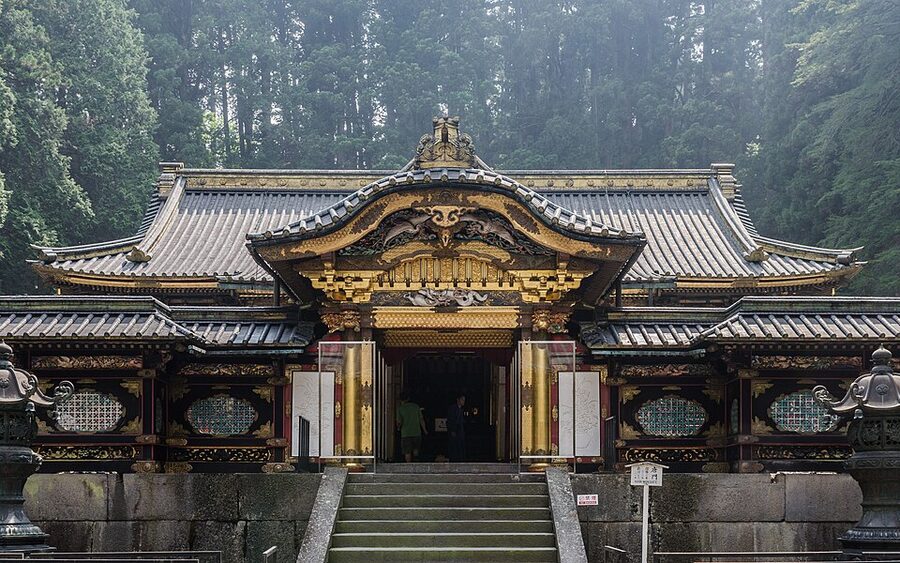
Zōjō-ji, Kan’ei-ji and Yanaka, Tokyo
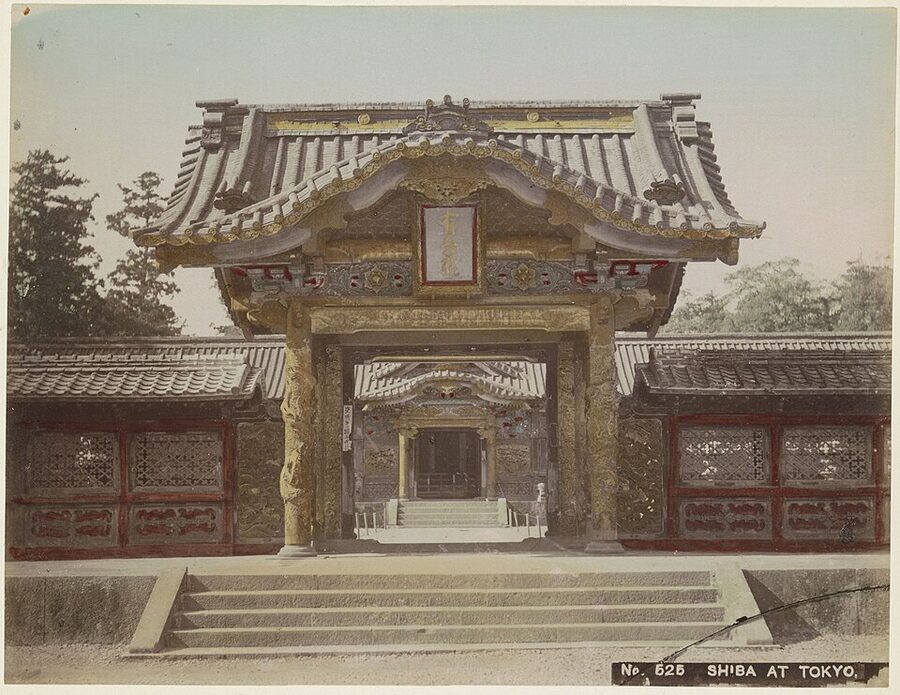
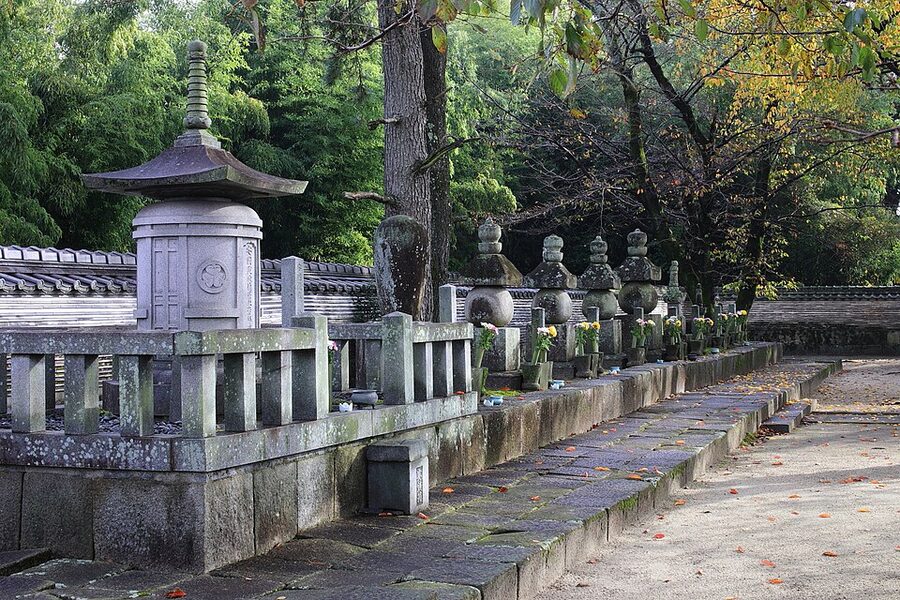
Twelve of the fifteen Tokugawa shoguns were buried at two great temples in Edo, six at each. Zōjō-ji at Shiba, next to Tokyo Tower, holds Hidetada, Ienobu, Ietsugu, Ieshige, Ieyoshi and Iemochi, with the princess Kazunomiya and other members of the family, thirty-eight people in all. The mausoleums were among the most lavish buildings in Japan until the air raids of 1945.
After the excavation and study of the graves in 1958, the remains were cremated and brought together in a single enclosure behind the main hall. It is open 11:00–15:00 on weekdays and 10:00–16:00 at weekends and on holidays, closed on Tuesdays, for ¥500, or ¥1,000 with the treasure gallery. It is closed until 1 December 2026 while the ticket booth is rebuilt, so check the temple’s site before you go.
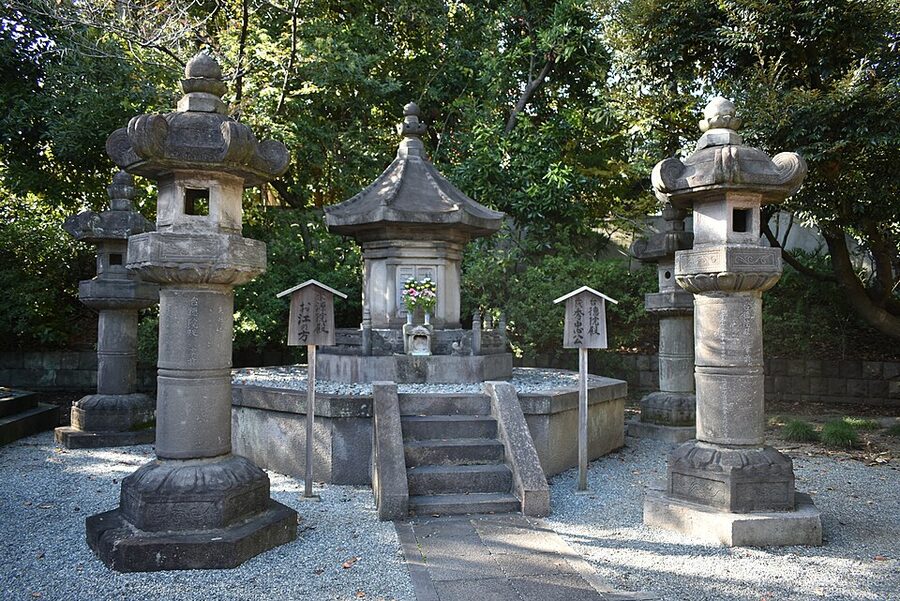
Kan’ei-ji at Ueno holds the other six: Ietsuna, Tsunayoshi, the “Dog Shogun“, Yoshimune, Ieharu, Ienari and Iesada. The burial ground behind the Tokyo National Museum is normally closed, but the gates of Ietsuna’s and Tsunayoshi’s mausoleums survive and can be seen from outside. They give you some idea of what was lost at Shiba.
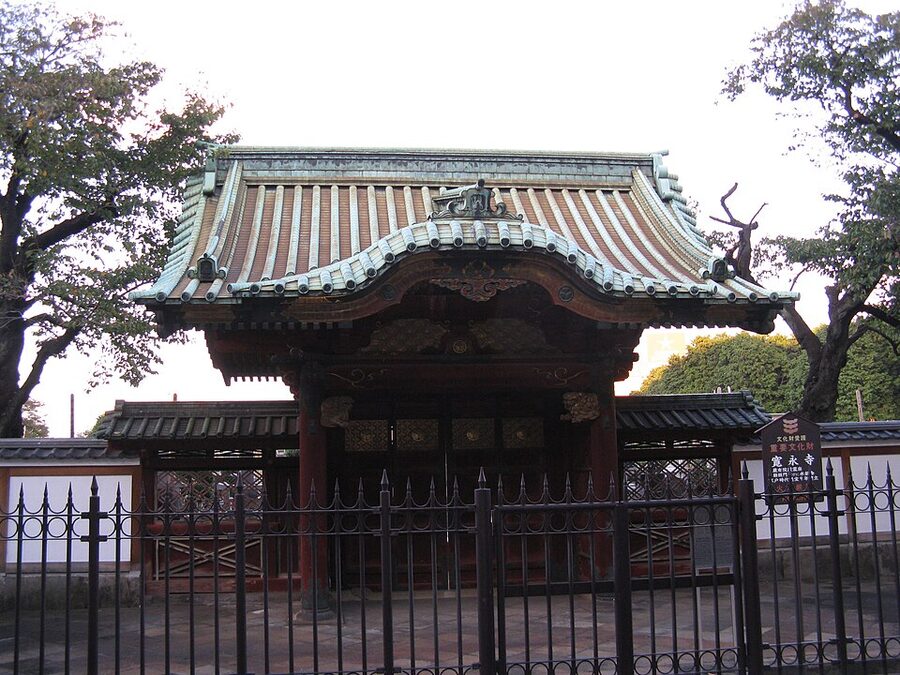
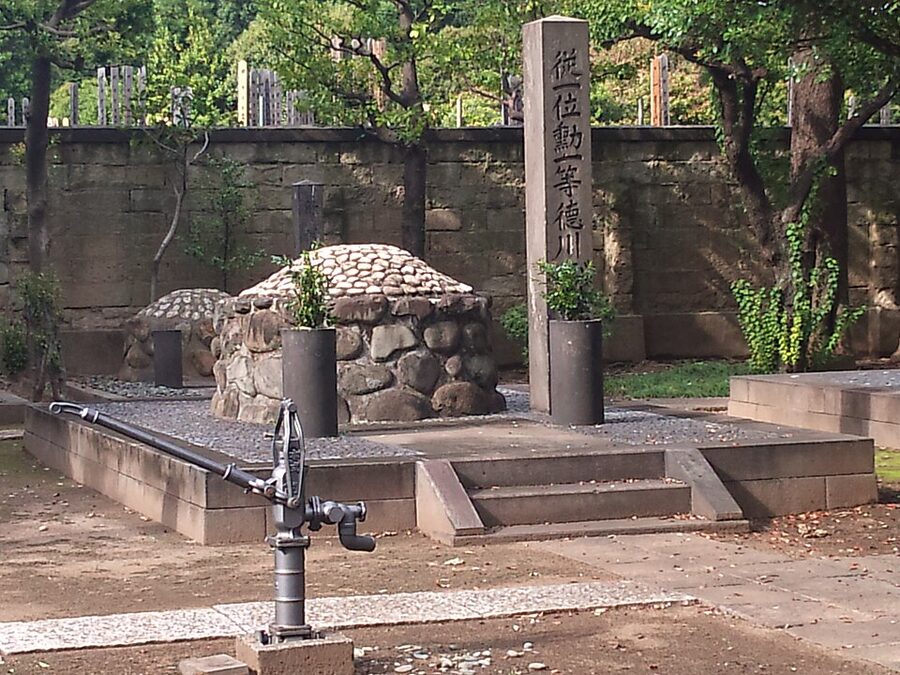
Yoshinobu is not with either group. He became a Shinto believer in old age and was buried in 1913 under a plain round mound in a fenced plot belonging to Kan’ei-ji, reached through Yanaka Cemetery, about ten minutes’ walk from Nippori Station. It costs nothing, and you may well have it to yourself.
Further afield
The Tokugawa family temple of Daiju-ji, in the north of Okazaki, keeps the memorial tablets of the shoguns, made, as the temple tells it, to each man’s height. It is also where the young Ieyasu is supposed to have come close to suicide after Okehazama in 1560 and been talked out of it by the abbot, a story with no early source behind it. The name, as you now know, means the temple of the great tree.
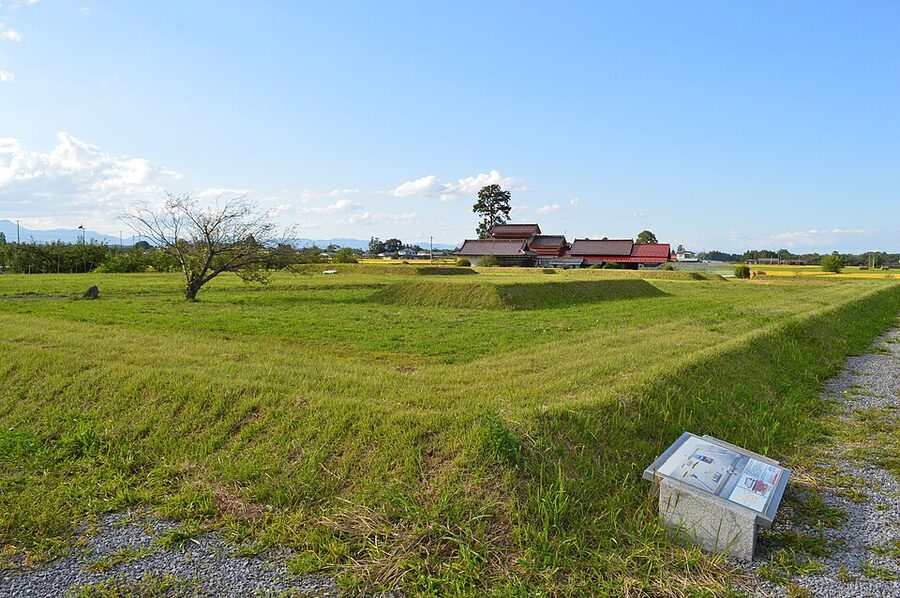
In the far north, the site of Isawa Castle at Ōshū in Iwate is now a historic park, with the outline of the government compound Tamuramaro was building when Aterui and More surrendered. It is a long way to go for some low banks of turf. If you are on the Tōhoku Shinkansen anyway, it is the only place in Japan where you can stand where a sei-i taishōgun actually did the job the title describes.
I would end, though, in Yamashina. The grave pit found at Nishinoyama in 1919 was recorded as about 2.7 metres long and 70 centimetres deep, which is the right shape for a coffin lying flat and the wrong one for a general standing to attention.
If it is Tamuramaro’s, then the great warrior was laid down like anyone else, and the man who stood facing east for a thousand years was a story the court told itself. The title did the same thing. It stood up long after the war it was made for was over, and the men who held it found that a story told well enough can rule a country for seven hundred years.